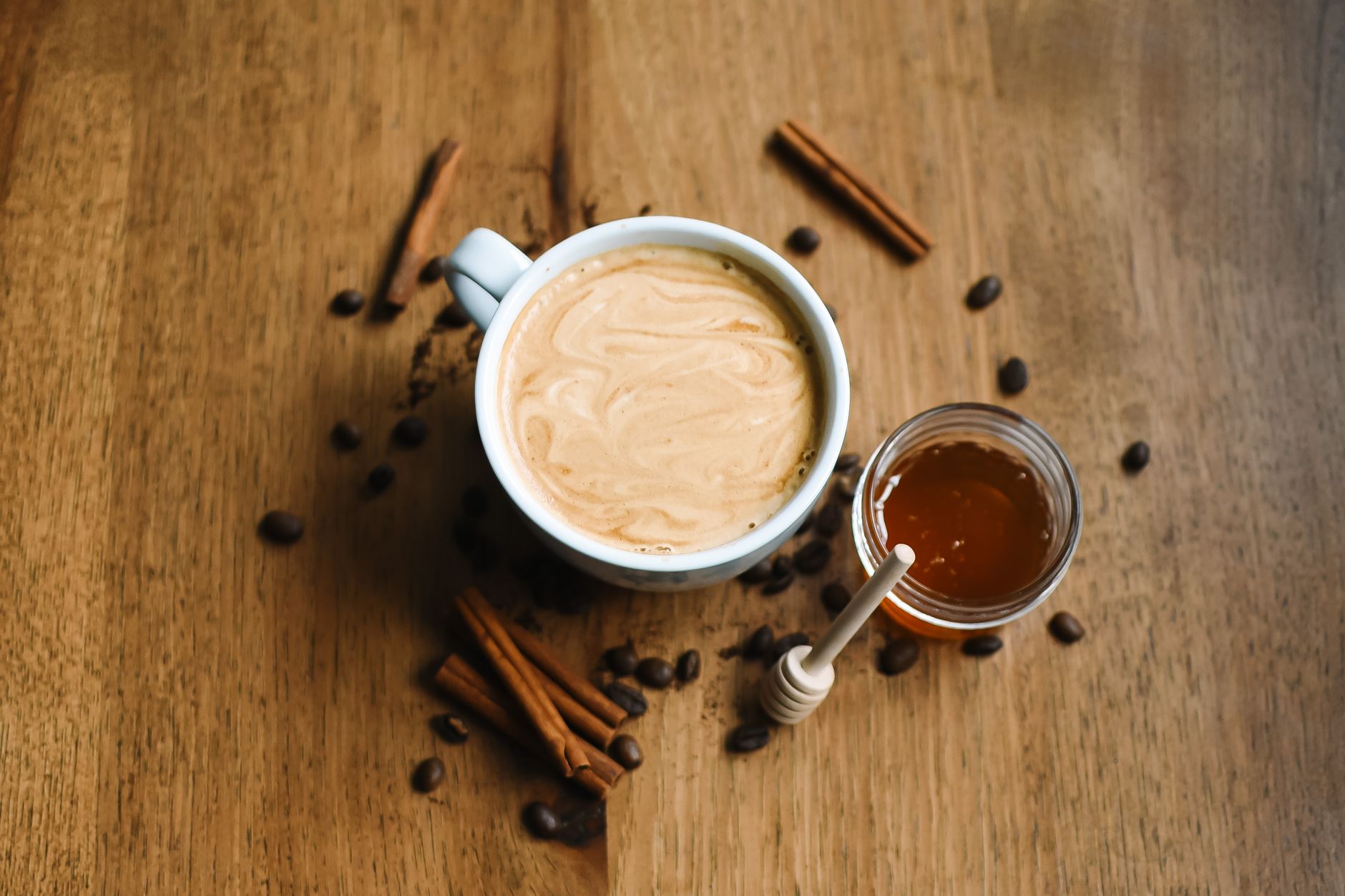
Limit chai latte during pregnancy due to caffeine. While generally safe in moderation, understand the recommended dosage per trimester and potential alternatives to ensure a healthy pregnancy.
By Shubhra Mishra — a mom of two who turned her own confusion during pregnancy into BumpBites, a global mission to make food choices clear, safe, and stress-free for every expecting mother. 💛
Check whether any food is safe during pregnancy with the BumpBites Food Safety Checker.
Quick verdict: ⚠️ Safe with limits – a moderate chai latte (up to about 200 mg of caffeine total per day) is generally okay, but keep an eye on caffeine intake and added sugars. If you have gestational diabetes, hypertension, or any concerns, choose a caffeine‑free version or talk to your provider.
It’s 2 a.m., you’re curled up on the couch, and the aroma of a warm chai latte drifts from the kitchen. Suddenly, a wave of worry hits: is chai latte safe during pregnancy? You’re not alone—many expecting parents wonder if that comforting, spiced coffee‑like drink could pose a risk to their baby.
In short, a chai latte is not off‑limits, but it does contain caffeine and often added sugars, both of which deserve a bit of attention. This article walks you through the evidence, trimester‑specific guidance, how much you can safely enjoy, brand tips, and safer alternatives you might reach for instead.
We’ll also cover what to watch for if you notice any side effects, how gestational diabetes changes the picture, and a quick‑look comparison of other popular warm beverages. By the end, you’ll have a clear, evidence‑based answer to the question “is chai latte safe during pregnancy?” and a roadmap for enjoying it without unnecessary worry.
Trimester / Phase
Verdict
Notes
First trimester
⚠️ Safe with limits
Keep total caffeine < 200 mg/day; watch added sugars.
Second trimester
✅ Generally safe
Same caffeine ceiling; consider low‑sugar options.
Third trimester
✅ Generally safe
Watch for caffeine affecting sleep; limit sugar.
Breastfeeding
⚠️ Safe with limits
Caffeine passes into breastmilk; keep < 200 mg/day.
What is a chai latte?
A chai latte is a blended beverage that combines brewed black tea (or a tea concentrate) with a mixture of spices—typically cinnamon, cardamom, ginger, cloves, and black pepper—plus steamed milk and a sweetener. The “chai” part refers to the Indian‑style spiced tea, while “latte” signals the addition of milk that creates a creamy texture. Commercial versions often use espresso‑style preparation, flavored syrups, and a dusting of cinnamon on top.
The caffeine content of a chai latte depends on the amount of black tea used. A standard 12‑ounce (355 ml) shop‑made chai latte usually contains roughly 30–70 mg of caffeine, compared with about 95 mg in a plain brewed coffee of the same size. Sugar levels vary widely; a typical sweetened chai latte can have anywhere from 15 g to 30 g of added sugar, especially when flavored syrups are included.
People drink chai lattes for the comforting spice profile, the mild caffeine boost, and the feeling of indulgence that comes with a warm, frothy drink. Because it blends tea and milk, it also provides a modest amount of calcium and, if made with plant‑based milks, can add vitamin E, magnesium, or other nutrients.
Enjoying a chai latte? Keep an eye on caffeine and added sugar for a healthier pregnancy.
Is chai latte safe during pregnancy?
Current guidance from the American College of Obstetricians and Gynecologists (ACOG) and the UK’s National Health Service (NHS) says that moderate caffeine consumption—up to 200 mg per day—is acceptable for most pregnant people. Because a typical chai latte falls well below this threshold, it is generally considered safe when consumed in moderation.
The primary concern isn’t the chai spices themselves; none of the usual ingredients (cinnamon, ginger, cardamom) are known teratogens. The risk comes from caffeine and added sugars, which can affect fetal growth and maternal blood pressure if consumed in excess. Studies cited by the CDC indicate that high caffeine intake (>300 mg/day) may be linked to a slightly higher risk of miscarriage and low birth weight, but the evidence is not definitive for moderate levels.
For most pregnant people, enjoying a chai latte a few times a week—or even daily—won’t pose a problem, provided the total caffeine from all sources stays under the 200 mg limit and the drink isn’t loaded with sugary syrups. If you have gestational diabetes, hypertension, or a history of preterm labor, you may want to opt for a low‑sugar or caffeine‑free version, as advised by your provider.
Is chai latte safe to drink during the first trimester?
The first trimester is the period of organogenesis, when the baby’s major organs are forming. Because this window is most sensitive to teratogenic substances, many expectant parents err on the side of caution with caffeine. A single chai latte (30‑70 mg caffeine) is well within the ACOG‑recommended limit, so it is safe to enjoy in moderation.
However, if you find yourself drinking multiple caffeinated beverages each day, the cumulative caffeine could exceed the 200 mg recommendation. In that case, consider swapping one of those drinks for a caffeine‑free alternative, such as a decaf chai latte or a herbal chai tea, to keep your intake low while still satisfying cravings.
How much chai latte can I have while pregnant?
Based on a typical 12‑ounce chai latte containing 30‑70 mg of caffeine, most pregnant people can safely enjoy up to two cups per day without surpassing the 200 mg caffeine ceiling. This translates to roughly 60‑140 mg of caffeine from chai lattes, leaving room for other sources like coffee, tea, or chocolate.
Remember that sugar adds another layer of consideration. The American Diabetes Association recommends limiting added sugars to no more than 10 % of daily calories, which is about 25 g for a 2,000‑calorie diet. If your chai latte has 20 g of sugar, two cups would already meet that limit. Choosing unsweetened or lightly sweetened versions can keep both caffeine and sugar in check.
Can I have chai latte every day during pregnancy?
Yes, you can have a chai latte daily as long as you stay within the overall caffeine limit of 200 mg and keep added sugars within recommended bounds. A daily habit of one 12‑ounce chai latte (≈50 mg caffeine, 15 g sugar) is comfortably within those guidelines. If you’re also drinking coffee or other caffeinated drinks, you’ll need to adjust accordingly.
For those who crave the warmth and spice of chai but want to avoid caffeine altogether, decaf chai lattes or herbal chai teas are excellent options that let you enjoy the flavor without impacting your caffeine budget.
What are the caffeine risks of chai latte for pregnant women?
Caffeine crosses the placenta, and the fetus has limited ability to metabolize it. High caffeine intake has been associated with a modest increase in the risk of miscarriage, preterm birth, and low birth weight, according to research summarized by the Mayo Clinic. The key is moderation: staying below 200 mg per day appears to keep these risks minimal.
Beyond the direct fetal effects, caffeine can raise maternal heart rate and blood pressure, potentially aggravating hypertension—a concern for those with pre‑eclampsia risk factors. It can also interfere with sleep, which is already a common challenge during pregnancy.
Because a chai latte typically delivers less caffeine than a comparable coffee, it is a lower‑risk option for those who enjoy a mild stimulant. Still, keep track of all caffeine sources—coffee, tea, soda, chocolate—to ensure you don’t inadvertently exceed the safe threshold.
Are there caffeine‑free chai latte options for pregnancy?
Absolutely. Many cafés and grocery brands now offer decaffeinated chai latte mixes, which are made with the same spice blend but use decaf black tea or tea‑free bases. Additionally, caffeine‑free herbal chai teas—often built on rooibos or hibiscus—provide the same comforting spice profile without caffeine.
When selecting a caffeine‑free option, check the ingredient list for added sugars or artificial sweeteners. Opt for versions sweetened with honey, stevia, or a modest amount of natural sweetener, and consider using unsweetened almond, oat, or soy milk for a lower‑calorie, lower‑sugar drink.
Which chai latte brands are safest for pregnant women?
When evaluating commercial chai latte mixes, look for brands that disclose caffeine content, limit added sugars, and use natural ingredients. Some widely available, pregnancy‑friendly choices include:
Stumptown Chai Concentrate – offers a decaf version and a regular version with 45 mg caffeine per 8‑oz serving; no high‑fructose corn syrup.
Starbucks Chai Tea Latte (made with 2% milk) – contains roughly 50 mg caffeine per 12‑oz cup; you can ask for fewer pumps of syrup to cut sugar.
Rishi Tea Organic Chai Latte Mix – organic spices, low‑sugar, and a clear label on caffeine (≈55 mg per serving).
Pacific Chai (Decaf) – a decaf blend with zero caffeine; sweetened with a modest amount of cane sugar.
Always read the nutrition facts and choose the “light‑sweetened” or “unsweetened” variants when possible. If you’re making chai latte at home, you control the caffeine and sugar levels entirely.
Is chai latte safe for pregnant women with gestational diabetes?
Gestational diabetes calls for careful carbohydrate and sugar monitoring. A standard chai latte can contain 15‑30 g of added sugar, which may quickly push a meal’s glycemic load higher than desired. For those with gestational diabetes, a low‑sugar or sugar‑free chai latte—made with unsweetened almond or oat milk and a sugar substitute like stevia—can be a safer choice.
Additionally, opting for a decaf or caffeine‑free herbal chai reduces the caffeine component, which can influence blood glucose variability in some individuals. As always, discuss any beverage changes with your diabetes care team to ensure they fit within your individualized meal plan.
What are the side effects of drinking chai latte while pregnant?
Most side effects are tied to caffeine or sugar rather than the spices themselves. Common, generally mild issues include:
Increased heart rate or jitteriness – typical of caffeine overconsumption.
Heartburn or acid reflux – the combination of milk and spices can relax the lower esophageal sphincter.
Elevated blood pressure – especially if you already have hypertension.
Blood‑sugar spikes – from added sugars, which can be problematic for gestational diabetes.
If you notice severe palpitations, persistent headaches, or signs of dehydration, it’s wise to cut back on caffeine and talk to your provider quickly.
Safe dosage, amount, and brand considerations
Below is a quick reference for how much chai latte you can comfortably enjoy each day, along with brand tips to keep caffeine and sugar in check.
When making chai latte at home, you can halve the amount of sweetened syrup, use unsweetened plant‑based milk, and control the steeping time of the tea to fine‑tune caffeine levels.
Side effects and risks
While most pregnant people tolerate chai latte without issue, the combination of caffeine and sugar can pose specific risks:
Excess caffeine – may increase risk of miscarriage, low birth weight, or preterm labor if consistently above 200 mg/day.
High sugar intake – can contribute to excessive gestational weight gain, gestational diabetes, and dental decay.
Allergic reactions – rare, but some individuals react to spices like cinnamon or ginger.
Medication interactions – caffeine can amplify the effects of certain medications (e.g., some asthma inhalers); discuss with your provider if you’re on prescription meds.
If you notice any of the following, seek medical advice promptly: rapid heartbeat (>100 bpm at rest), severe headache, dizziness, swelling of hands/feet, or a sudden rise in blood pressure.
Safer alternatives
Decaf chai latte – same spice profile, zero caffeine.
Caffeine‑free herbal chai tea – rooibos or hibiscus base, soothing without stimulant.
Warm almond milk with cinnamon – low‑calorie, calcium‑rich, caffeine‑free.
Caffeine‑free chai tea bags – convenient and easy to control sweetness.
Golden milk (turmeric latte) – anti‑inflammatory, caffeine‑free, can be sweetened lightly.
Cinnamon oat milk latte – creamy, spice‑rich, and naturally low in caffeine.
Vanilla soy latte (decaf) – protein‑rich, sweetened with vanilla, no caffeine.
Rooibos chai latte – naturally caffeine‑free, rich in antioxidants.
Related items – safety at a glance
Item
Verdict
One‑line note
Regular latte
✅ Generally safe
Contains 70‑150 mg caffeine per 12 oz; watch total caffeine.
Cappuccino
✅ Generally safe
Similar caffeine to latte; smaller portion size may help.
Matcha latte
⚠️ Safe with limits
Matcha provides 70 mg caffeine per cup; antioxidants are a plus.
Chai tea (hot, unsweetened)
✅ Generally safe
Typically 30‑50 mg caffeine; no added sugar.
Coffee
⚠️ Safe with limits
Standard drip coffee has ≈95 mg caffeine per 8 oz; limit to 2 cups.
Hot chocolate
✅ Generally safe
Low caffeine, but watch sugar and calorie content.
Herbal tea
✅ Generally safe
Caffeine‑free; choose non‑mint if you have reflux.
Green tea
⚠️ Safe with limits
≈35 mg caffeine per 8 oz; offers antioxidants but watch total intake.
Myth vs. fact
Myth: All tea‑based drinks are safe because tea is “natural.”
Fact: While tea’s spices are harmless, the caffeine and added sugars in many chai lattes can exceed recommended limits if not monitored.
Myth: Decaf chai latte still contains a lot of caffeine.
Fact: Decaf chai typically has ≤5 mg caffeine per serving—well below the threshold that would affect pregnancy outcomes.
Myth: The cinnamon in chai latte can cause birth defects.
Fact: Cinnamon, ginger, cardamom, and other chai spices are not teratogenic; they are safe in normal culinary amounts.
Key takeaways
Chai latte is generally safe when kept under 200 mg caffeine total per day.
Watch added sugars—choose light‑sweetened or unsweetened versions.
Decaf or caffeine‑free herbal chai options eliminate caffeine concerns.
For gestational diabetes, opt for low‑sugar, low‑carb versions or alternatives like golden milk.
Monitor for side effects such as rapid heartbeat, heartburn, or blood‑pressure spikes, and call your provider if they occur.
Frequently asked questions
Can pregnant women drink chai latte?
Yes—most pregnant people can enjoy a chai latte as long as total caffeine stays below 200 mg per day and added sugars are limited.
How many cups of chai latte are safe during pregnancy?
Generally up to two 12‑ounce cups per day, provided you have no other caffeine sources that would push you over the 200 mg daily limit.
Does chai latte contain caffeine?
Yes; a standard 12‑ounce chai latte contains roughly 30‑70 mg of caffeine, depending on the tea concentration and preparation method.
What are the risks of caffeine during pregnancy?
High caffeine intake (>200 mg/day) may be linked to a slightly higher risk of miscarriage, low birth weight, and preterm birth, according to ACOG and CDC summaries.
Is decaf chai latte safe for pregnant women?
Absolutely—decaf chai latte typically contains ≤5 mg caffeine per serving, making it a safe, low‑caffeine choice.
Can I drink chai latte if I have gestational diabetes?
You can, but choose a low‑sugar or sugar‑free version, or limit intake to one cup per day, to stay within your carbohydrate goals.
What are the best caffeine‑free alternatives to chai latte in pregnancy?
Try decaf chai latte, caffeine‑free herbal chai tea, warm almond milk with cinnamon, golden milk (turmeric latte), or a cinnamon oat milk latte for a similar flavor without caffeine.
When to call your doctor
Contact your obstetric provider promptly if you experience any of the following after drinking chai latte:
Persistent rapid heartbeat (>100 bpm at rest) or palpitations.
Severe headaches, dizziness, or fainting.
Sudden swelling of hands, feet, or face.
Significant rise in blood pressure (≥140/90 mm Hg).
Unexplained weight loss or excessive weight gain linked to sugary drinks.
These symptoms could indicate that caffeine or sugar intake is affecting your pregnancy health. Remember, this article provides general information and does not replace personalized medical advice.
References
American College of Obstetricians and Gynecologists (ACOG). “Committee Opinion: Moderate Caffeine Consumption During Pregnancy.” 2023.
National Health Service (NHS). “Caffeine in pregnancy.” Updated 2022.
U.S. Food and Drug Administration (FDA). “Caffeine Content of Food and Beverages.” 2021.
Centers for Disease Control and Prevention (CDC). “Pregnancy and Caffeine.” 2022.
Mayo Clinic. “Caffeine and pregnancy.” Accessed July 2024.
American Diabetes Association. “Gestational Diabetes Guidelines.” 2023.
Harvard T.H. Chan School of Public Health. “The Nutrition Source: Caffeine.” 2022.
Not sure about the label on Is Chai Latte Safe During Pregnancy products?
Snap the ingredients list and SafeFilter checks every ingredient for your stage — only 3 free scans this month, then you're locked until reset. Unlimited from $7/mo or $50/yr.
When Shubhra Mishra was expecting her first child in 2016, she was overwhelmed by conflicting food advice — one site said yes, another said never. By the time her second baby arrived in 2019, she realized millions of mothers face the same confusion.
That sparked a five-year journey through clinical nutrition papers, cultural diets, and expert conversations — all leading to BumpBites: a calm, compassionate space where science meets everyday motherhood.
Her long-term vision is to build a global community ensuring safe, supported, and free deliveriesfor every mother — because no woman should face pregnancy alone or uninformed. 🌿
🌍 Stand with mothers, shape safer guidance
Join a small circle of experts who review BumpBites articles so expecting parents everywhere can decide with confidence.