

Quick take: A nutrient-dense Indian diet during pregnancy can be both delicious and safe—think lentils, leafy greens, and probiotic foods like yogurt—while avoiding raw eggs, excessive caffeine, and unpasteurized milk. Start with easy staples like moong dal khichdi or sprouted lentils, adjust spices carefully, and work with your family to swap risky ingredients. For gestational diabetes or morning sickness, focus on low-glycemic meals and ginger-infused dishes. Always check with your provider before trying new foods or supplements.Indian Diet Food List for Beginners: The Complete 2026 Guide
It was 7:30 a.m. on a Tuesday, and you were standing in the kitchen, staring at the same old fridge you’ve stared at for years. The pregnancy test had just confirmed what you’d been dreading (or hoping for): you’re pregnant. Now, the real question loomed: *How do I eat for two without losing my mind—or my family’s patience?* Your mom’s been feeding you dal and rice since you were a kid, but suddenly, every dish feels like a minefield of "is this safe?" and "will this baby get enough iron?"
You’re not alone. Millions of Indian women navigate pregnancy with the same mix of cultural pride and anxiety. The good news? Indian cuisine is packed with nutrient-dense foods—lentils, leafy greens, nuts, and fermented foods—that can support a healthy pregnancy. The challenge? Figuring out which dishes to keep, which to tweak, and how to avoid the sneaky pitfalls (like raw papaya or excessive caffeine) that can lurk in even the most beloved recipes.
This guide is your roadmap. We’ll break down the best Indian foods for each trimester, how to plan meals week by week, and which spices and ingredients to avoid. You’ll get a sample meal plan for gestational diabetes, tips for managing morning sickness, and even a checklist to share with your family so they can help you eat safely. By the end, you’ll know exactly what to put on your plate—and what to steer clear of—without feeling like you’re giving up the flavors you love.
Let’s start with the basics: what your body actually needs during pregnancy—and how to get it from the foods you already know and love.
---What Are the Best Indian Foods to Eat During the First Trimester for Beginners?
The first trimester is a whirlwind: fatigue, nausea, and hormonal chaos often make even the thought of food feel overwhelming. But this is also the critical period for laying the foundation for your baby’s development—especially for folate, iron, and hydration. The good news? Indian cuisine has you covered.
**Folate-rich foods** (essential for preventing neural tube defects) are everywhere in your pantry. Think:
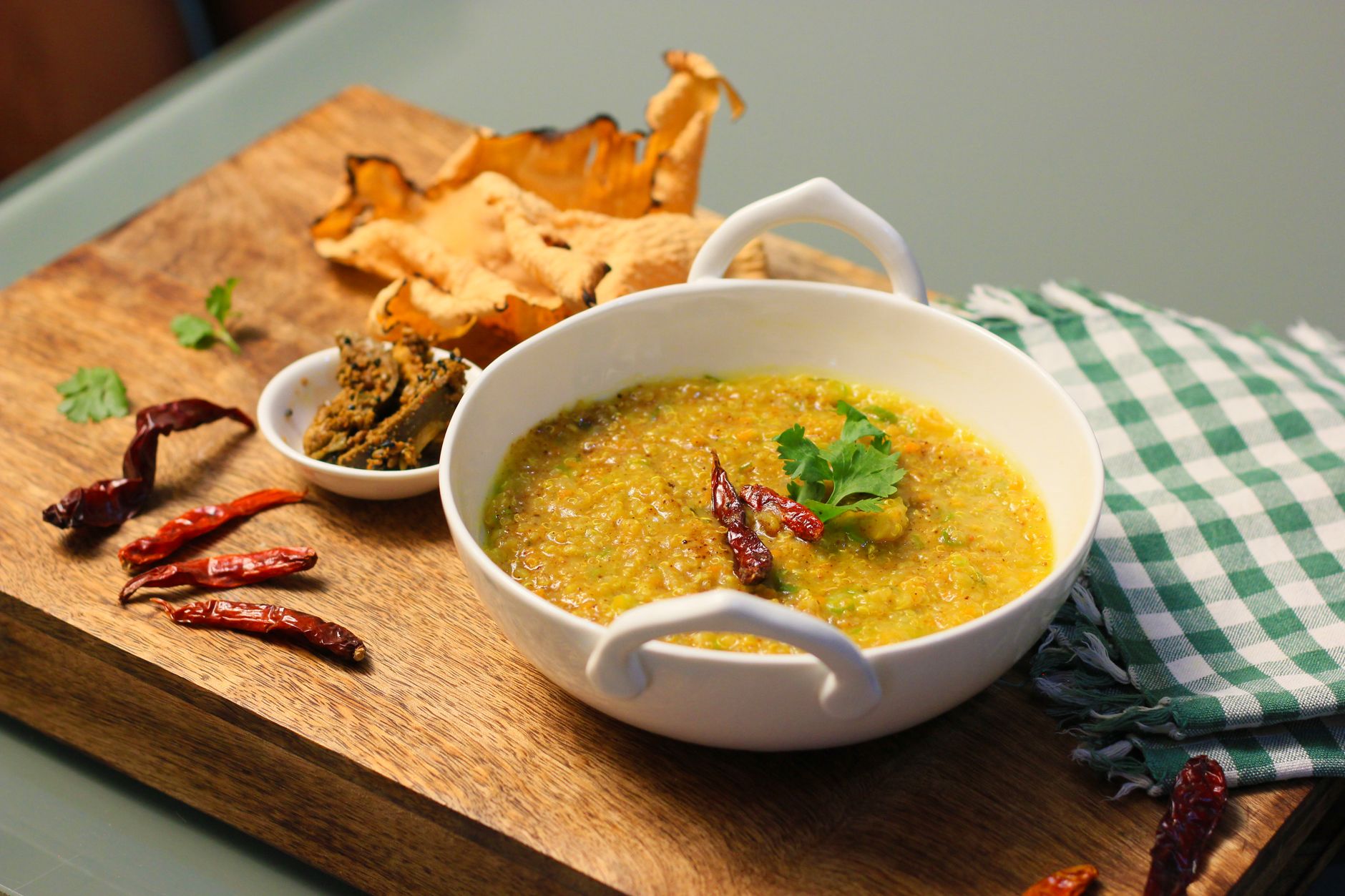
- Moong dal (yellow split mung beans) – A mild, easy-to-digest lentil that’s packed with folate and protein. Try it in moong dal khichdi, a comforting one-pot meal that’s gentle on the stomach.
- Sprouted lentils (moong, chana, or masoor) – Sprouting boosts nutrient absorption, and these are perfect for salads or light snacks.
- Leafy greens (palak, spinach, karela—bitter gourd) – Palak paneer is a classic, but even simple sautéed greens with turmeric and cumin can help with nausea.
- Whole grains (brown rice, jowar, bajra) – These provide slow-release energy to combat fatigue.
**Iron-rich foods** (critical for preventing anemia) include:
- Red lentils (masoor dal) – Cook them with a pinch of asafoetida (hing) to boost iron absorption.
- Pumpkin seeds (kaddu ka beej) – A great snack or topping for salads.
- Eggs (cooked, not raw) – Boiled or scrambled with turmeric and black pepper (the pepper enhances iron absorption).
**Hydration and nausea relief:**
- Coconut water – A natural electrolyte drink to combat dehydration.
- Ginger tea (adrak chai) – Sip this warm to soothe nausea. Add a squeeze of lemon for extra vitamin C.
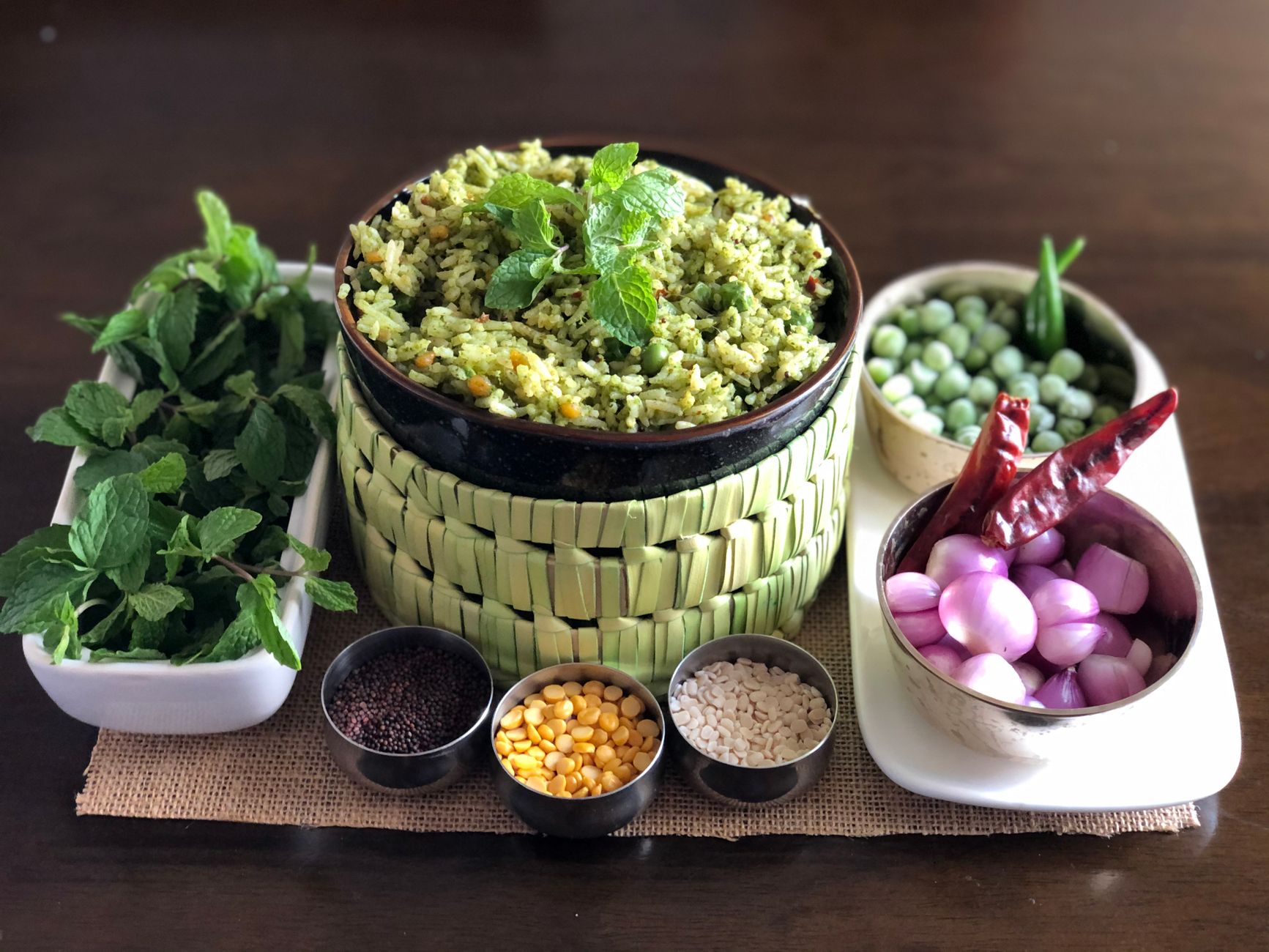
- Cucumber and mint chutney – Refreshing and easy to digest.
**What to avoid in the first trimester:**
- Raw or undercooked foods – Avoid raw papaya, raw eggs, and unpasteurized dairy.
- Excessive caffeine – Limit tea and coffee to 1–2 cups per day.
- Spicy or overly oily foods – These can trigger heartburn or nausea.
**Representative story:** "I was terrified of losing my taste for dal and rice," shares Priya, a first-time mom from Mumbai. "But my mom taught me to add a little extra ginger and cumin to my dal, and I swear, it made the nausea go away. Even the rice tasted better when I paired it with a side of cucumber slices."
How to Plan a Balanced Indian Diet for Pregnancy Week by Week for New Moms
First Trimester (Weeks 1–12): Focus on Folate and Nausea Relief
Prioritize:
- Folate-rich foods (moong dal, spinach, whole grains).
- Easy-to-digest meals (khichdi, dalia, steamed veggies).
- Hydration (coconut water, ginger tea, small sips of water throughout the day).
Sample meal plan for Week 3:
- Breakfast: Moong dal chilla with mint chutney.
- Mid-morning snack: Sprouted chana salad with lemon.
- Lunch: Palak paneer with brown rice and a side of cucumber raita.
- Afternoon snack: Handful of almonds and walnuts.
- Dinner: Steamed veggies with masoor dal and a glass of turmeric milk.
Second Trimester (Weeks 13–26): Energy and Protein Boost
Now’s the time to focus on protein and healthy fats for your baby’s growth. Add:
- Protein sources: Eggs, paneer, fish (if you eat it), and lentils like chana and rajma.
- Healthy fats: Ghee, nuts, and seeds (flaxseeds, chia seeds).
- Calcium-rich foods: Milk (pasteurized), paneer, and leafy greens.
Sample meal plan for Week 20:
- Breakfast: Besan chilla with a side of papaya.
- Mid-morning snack: Roasted makhana (fox nuts) with a drizzle of honey.
- Lunch: Rajma chawal with steamed broccoli and a side of curd.
- Afternoon snack: A small bowl of curd with jeera (cumin) and roasted cumin seeds.
- Dinner: Fish curry (if you eat fish) with quinoa or brown rice.
Third Trimester (Weeks 27–40): Hydration and Gentle Digestion
As your belly grows, focus on hydration, fiber, and easy-to-digest meals to prevent constipation and heartburn. Include:
- Hydrating foods: Coconut water, watermelon, and cucumber.
- Fiber-rich foods: Whole grains, sprouted lentils, and leafy greens.
- Low-acid foods: Avoid spicy or overly oily dishes to prevent heartburn.
Sample meal plan for Week 35:
- Breakfast: Oats porridge with almond milk, flaxseeds, and banana slices.
- Mid-morning snack: Sprouted moong salad with lemon and coriander.
- Lunch: Dal tadka with steamed veggies and a small bowl of curd.
- Afternoon snack: A handful of roasted chana (chickpeas).
- Dinner: Steamed fish or tofu curry with quinoa and a side of mint chutney.
**Pro tip:** Use a pregnancy meal planner app or a simple notebook to track your meals. This helps you stay consistent and ensures you’re not missing out on key nutrients.
---Are There Any Indian Foods to Avoid During Pregnancy and Why for Beginners?
Indian cuisine is rich and varied, but some foods can pose risks during pregnancy. The key is to avoid raw or undercooked ingredients, excessive caffeine, and foods that can trigger infections or allergies. Here’s a breakdown:
Foods to Avoid
| Food/Ingredient | Why It’s Risky | Safer Alternative |
|---|---|---|
| Raw papaya | Contains latex, which may cause uterine contractions. | Cooked papaya or papaya juice (pasteurized). |
| Raw eggs | Risk of salmonella infection. | Fully cooked eggs (boiled, scrambled, or in dishes like egg curry). |
| Unpasteurized milk or dairy | Can carry harmful bacteria like Listeria. | Pasteurized milk, paneer, and curd. |
| Excessive caffeine | Can lead to dehydration or low birth weight. | Limit to 1–2 cups of tea/coffee per day; opt for herbal teas like chamomile. |
| Raw seafood or undercooked meat | Risk of foodborne illnesses like toxoplasmosis. | Fully cooked fish, chicken, or meat. |
| Excessive spicy or oily foods | Can cause heartburn or indigestion. | Moderate spices; opt for lighter cooking methods like steaming or grilling. |
| Alcohol | Linked to fetal alcohol syndrome. | Avoid entirely. |
Spices to Use with Caution
While Indian spices are generally safe, some can be irritating in large amounts:
- Avoid: Excessive black pepper, chili powder, or garam masala if you experience heartburn.
- Use with caution: Fenugreek (methi) seeds—while beneficial for lactation, they can cause digestive upset in some women.
- Safe and beneficial: Turmeric (anti-inflammatory), cumin (aids digestion), and ginger (nausea relief).
**Representative story:** "My mom used to make this amazing chili paneer for me, but by the second trimester, it was causing me heartburn every time," says Anjali from Delhi. "I switched to a milder version with less chili and a splash of yogurt in the sauce, and it made a huge difference. The key is listening to your body—what worked for you before pregnancy might not work now."
---What Is a Sample Indian Diet Meal Plan for a Pregnant Woman with Gestational Diabetes?
Gestational diabetes (GD) means your body can’t regulate blood sugar properly during pregnancy, which can affect your baby’s growth. The good news? A well-planned Indian diet can help manage blood sugar levels without sacrificing flavor. Focus on:
- Low-glycemic foods (slow to digest, preventing blood sugar spikes).
- High-fiber foods (keeps you full and stabilizes blood sugar).
- Healthy fats (like ghee and nuts) in moderation.
- Avoid: Refined carbs (white rice, maida, sweets) and sugary foods.
Sample Meal Plan for Gestational Diabetes
| Meal | Food | Portion Size | Notes |
|---|---|---|---|
| Breakfast | Moong dal chilla with spinach and 1 tsp ghee | 2 chillas | Skip sugar; use herbs for flavor. |
| Mid-morning snack | Handful of roasted chana (chickpeas) with cucumber slices | 30g chana + ½ cucumber | Avoid salt; use lemon juice for flavor. |
| Lunch | Bajra (pearl millet) roti with sprouted rajma and steamed broccoli | 2 rotis + ½ cup rajma + ½ cup broccoli | Skip dal tadka; use herbs like coriander and mint. |
| Afternoon snack | Curd with flaxseeds and a sprinkle of roasted jeera (cumin) | ½ cup curd + 1 tsp flaxseeds | No added sugar; use cinnamon for sweetness. |
| Dinner | Quinoa upma with grated carrots, beans, and a drizzle of coconut oil | 1 cup quinoa + ½ cup veggies | Skip oil-heavy cooking; use turmeric and black pepper. |
| Evening snack (if needed) | Sprouted moong salad with lemon and coriander | 1 cup sprouts | Avoid dressing with sugar; use herbs and spices. |
Tips for Managing Blood Sugar with Indian Foods
- Pair carbs with protein/fiber: For example, eat bajra roti with sprouted rajma (protein + fiber) instead of plain rice.
- Use whole grains: Jowar, bajra, and quinoa are better than white rice or maida.
- Avoid sugary drinks: Skip mango lassi or fruit juices; opt for coconut water or herbal teas.
- Monitor portions: Use a food scale or measuring cups to keep portions in check.
- Check blood sugar regularly: Your doctor will guide you on when to test and what levels to aim for.
**Representative story:** "I was so worried about giving up my love for biryani, but my dietitian helped me modify it," says Meera. "Instead of white rice, I used brown rice, and I swapped the heavy cream for a yogurt-based sauce. It still tasted amazing, and my blood sugar stayed stable!"
---How to Incorporate Iron-Rich Indian Foods into Your Pregnancy Diet for Beginners
Iron deficiency is common during pregnancy, especially as your blood volume increases to support your baby. Indian foods are naturally rich in iron, but you need to pair them with vitamin C to boost absorption. Here’s how:
Top Iron-Rich Indian Foods
| Food | Iron per 100g | Best Way to Eat It | Vitamin C Pairing |
|---|---|---|---|
| Red lentils (masoor dal) | 6.5mg | Cooked with turmeric and asafoetida (hing) | Lemon juice or amla (Indian gooseberry) |
| Pumpkin seeds (kaddu ka beej) | 8.8mg | Roasted and sprinkled on salads | Cucumber or tomato salad |
| Spinach (palak) | 3.6mg | Sautéed with garlic and ginger | Lemon water or orange slices |
| Eggs (boiled or scrambled) | 2.7mg | Cooked with black pepper (enhances absorption) | Tomato or papaya salad |
| Tofu or paneer | 1.5–2.5mg | Grilled or sautéed with turmeric | Bell peppers or citrus fruits |
| Dark leafy greens (karela, bathua) | 2–3mg | Steamed or stir-fried with mustard seeds | Lemon juice dressing |
How to Maximize Iron Absorption
- Pair iron-rich foods with vitamin C: For example, eat spinach with lemon water or add amla to your dal.
- Avoid coffee/tea with meals: Tannins in tea/coffee can block iron absorption. Wait 1–2 hours after eating.
- Cook in cast-iron pans: This can double the iron content of your food.
- Soak and sprout lentils: This reduces antinutrients and boosts iron bioavailability.
**Representative story:** "I was always tired, and my doctor said it was low iron," says Rhea. "She suggested adding a spoon of pumpkin seeds to my morning chai and eating spinach with lemon water at lunch. Within a few weeks, I felt like a new person!"
---What Are the Benefits of Including Probiotic Indian Foods in Pregnancy for First-Time Moms?
Probiotics are live bacteria that support gut health, which is crucial during pregnancy. A healthy gut can reduce bloating, improve digestion, and even support your immune system. Indian cuisine has several probiotic-rich foods that are safe and delicious:
Top Probiotic Indian Foods
- Curds (dahi) or yogurt – The most common probiotic in Indian diets. Choose unsweetened, pasteurized curd.
- Buttermilk (chaas) – Fermented and hydrating, great for digestion.
- Idli and dosa batter (fermented) – The fermentation process makes them easier to digest.
- Kefir (if available) – A fermented milk drink similar to yogurt but with more probiotic strains.
- Pickles (achar) – homemade, not store-bought – Fermented pickles like mango or lemon can aid digestion, but avoid if you have heartburn.
How Probiotics Help During Pregnancy
- Improves digestion: Reduces bloating, constipation, and acid reflux.
- Boosts immunity: Supports a healthy gut microbiome, which is linked to fewer infections.
- May reduce gestational diabetes risk: Some studies suggest probiotics help regulate blood sugar.
- Supports vaginal health: A healthy gut can indirectly support vaginal flora, reducing the risk of infections.
How to Incorporate Probiotics into Your Diet
- Start your day with curd: Have a bowl of curd with roasted jeera (cumin) and a pinch of black pepper.
- Drink buttermilk daily: Mix it with roasted cumin, mint, and a pinch of salt for a refreshing drink.
- Opt for fermented snacks: Try idli or dosa with coconut chutney instead of fried items.
- Avoid sugary yogurts: Skip flavored yogurts; opt for plain curd with fresh fruits or herbs.
**Representative story:** "I was so bloated in my second trimester that I couldn’t button my jeans," laughs Priya. "My aunt suggested switching to buttermilk instead of tea, and within a week, I felt like myself again. It’s amazing how something as simple as fermented foods can make such a difference!"
---Indian Diet for Pregnancy with Low Blood Pressure for Beginners
Low blood pressure (hypotension) during pregnancy can cause dizziness, fatigue, and even fainting. While mild low blood pressure is common, severe cases require medical attention. The good news? Indian foods can help stabilize your blood pressure naturally. Focus on:
- Salty foods (in moderation) – Helps retain fluids.
- Iron-rich foods – Prevents anemia-related fatigue.
- Hydration – Drink plenty of water and electrolyte-rich fluids.
- Avoid: Excessive caffeine or alcohol, which can lower blood pressure further.
Sample Meal Plan for Low Blood Pressure
| Meal | Food | Portion Size | Notes |
|---|---|---|---|
| Breakfast | Besan chilla with a side of pickled onions and lemon | 2 chillas | Add a pinch of salt to the batter. |
| Mid-morning snack | Roasted makhana (fox nuts) with a sprinkle of rock salt | ½ cup makhana | Makhana is rich in potassium, which helps regulate blood pressure. |
| Lunch | Dal tadka with brown rice and a side of curd with roasted cumin | 1 cup dal + 1 cup rice + ½ cup curd | Add a pinch of salt to the dal. |
| Afternoon snack | Salted peanuts or cashews | 30g nuts | Avoid sugary snacks. |
| Dinner | Sprouted moong salad with lemon, coriander, and a pinch of salt | 1 cup sprouts | Add a splash of olive oil for healthy fats. |
| Evening snack (if needed) | Warm turmeric milk with a pinch of black pepper and salt | 1 cup milk | Turmeric has anti-inflammatory benefits. |
Other Tips for Managing Low Blood Pressure
- Eat small, frequent meals: Avoid large meals that can cause blood pressure to drop.
- Stay hydrated: Drink water throughout the day; avoid dehydration.
- Limit sudden position changes: Rise slowly from sitting to standing to avoid dizziness.
- Monitor your blood pressure: Keep track of your readings and share them with your doctor.
- Avoid long hot showers: Hot water can lower blood pressure; opt for lukewarm showers.
Best Indian Snacks for Pregnancy Cravings That Are Safe for the Baby
Pregnancy cravings are real—and they can be intense. The key is to satisfy them with foods that are both delicious and nutrient-dense. Here are some safe, satisfying, and healthy Indian snacks to curb cravings:
Sweet Cravings
- Fresh fruit with nuts: A bowl of seasonal fruit (mango, papaya, banana) with a handful of almonds or walnuts.
- Curd with honey and flaxseeds: Unsweetened curd with a drizzle of honey and a spoonful of flaxseeds.
- Roasted chana (chickpeas) with cinnamon: Sweet and crunchy, with a hint of warmth from cinnamon.
- Date and nut energy balls: Blend dates, almonds, and a pinch of cardamom, then roll into balls.
Salty Cravings
- Roasted makhana (fox nuts) with chaat masala: Light and crunchy, with a tangy kick.
- Pickled vegetables (homemade): Pickled radish, lemon, or cucumber—avoid store-bought if they contain excessive salt.
- Roasted peanuts or cashews: A simple, salty snack with healthy fats.
- Besan laddoos (gram flour sweets): Made with ghee and jaggery, these are a healthier alternative to store-bought sweets.
Crunchy Cravings
- Sprouted moong salad: Crunchy sprouts with lemon, coriander, and a pinch of salt.
- Roasted pumpkin seeds: Lightly salted and packed with iron.
- Bajra or jowar roti with ghee: Warm, soft, and satisfying.
How to Make Snacks Healthier
- Avoid fried snacks: Opt for roasted or baked versions of chana, makhana, or nuts.
- Skip sugary chutneys: Use herbs like coriander, mint, or lemon instead of sweet chutneys.
- Limit processed snacks: Avoid packaged chips or namkeens with artificial additives.
- Portion control: Even healthy snacks should be eaten in moderation.
**Representative story:** "I was craving something sweet all the time, but I didn’t want to indulge in junk food," says Anjali. "My sister taught me to make roasted chana with a sprinkle of chaat masala—it was crunchy, salty, and just sweet enough to satisfy my cravings without any guilt!"
---How to Make Indian Meals Nutritious for Pregnancy Without Losing Taste
You don’t have to sacrifice flavor for nutrition. In fact, Indian cuisine is already packed with flavorful, nutrient-dense ingredients. The trick is to enhance, not replace your favorite dishes. Here’s how:
Tips to Boost Nutrition Without Sacrificing Taste
- Use herbs and spices: Turmeric, cumin, coriander, and ginger are not just flavorful—they’re packed with antioxidants and anti-inflammatory properties.
- Add greens to every meal: Blend spinach or palak into your dal, curry, or even your idli batter.
- Swap refined grains for whole grains: Use jowar, bajra, or quinoa instead of white rice or maida.
- Incorporate healthy fats: Use ghee, coconut oil, or olive oil in moderation for flavor and nutrition.
- Avoid overcooking vegetables: Quick stir-fries or steaming preserve nutrients better than boiling.
Easy Upgrades to Your Favorite Dishes
| Dish | Nutrition Boost | How to Do It |
|---|---|---|
| Dal tadka | More iron and fiber | Add 1 tbsp pumpkin seeds to the dal before serving. |
| Roti or paratha | More protein and fiber | Make roti with whole wheat flour or add grated veggies like grated carrots or beetroot. |
| Curry | More probiotics | Add a spoonful of curd or buttermilk to the curry for a tangy, creamy finish. |
| Chutney | More vitamin C | Add lemon juice or amla (Indian gooseberry) to your mint or coriander chutney. |
| Rice | More iron and folate | Cook rice with a pinch of asafoetida (hing) and a handful of spinach. |
Recipe: Moong Dal Khichdi with Turmeric and Ginger
This is a pregnancy staple for a reason—it’s easy to digest, packed with protein, and full of flavor.
- Rinse 1 cup moong dal and soak for 30 minutes. Drain.
- In a pot, heat 1 tbsp ghee or coconut oil. Add 1 tsp cumin seeds,


