

Quick take: An IBS-friendly breakfast should focus on low-FODMAP foods (fruits, veggies, proteins, and grains that don’t trigger bloating), avoid common allergens (gluten, dairy, nuts), and prioritize easy digestion. Think eggs, oatmeal (certified gluten-free), smoothies with safe ingredients, and simple carbs like rice or potatoes. Start with small portions, track your reactions, and experiment with protein-rich options to keep you full and symptom-free. Pro tip: If you're new to IBS management, consider a 2-week elimination phase to identify personal triggers beyond just FODMAPs. Always consult a registered dietitian or your healthcare provider for personalized guidance.IBS-Friendly Breakfast Ideas: The Complete 2026 Guide
It was 6:15 a.m., the kind of morning where your stomach feels like a deflating balloon, and the only thing keeping you upright is the desperate hope that coffee will fix everything. You’ve tried everything—avoiding dairy, skipping fiber, even that "miracle" probiotic—but breakfast is still a minefield. One wrong bite, and you’re curled on the couch by 9 a.m., wondering if you’ll ever eat without regret.
If this sounds familiar, you’re not alone. Irritable Bowel Syndrome (IBS) turns even the simplest meal into a high-stakes experiment. The good news? Breakfast can be your ally—not your enemy—if you know what to reach for. This guide will walk you through IBS-friendly breakfast ideas that are gentle on your gut, packed with nutrients, and—let’s be honest—actually enjoyable to eat. We’ll cover everything from quick, budget-friendly meals to high-protein options, meal prep tips, and even kid-friendly ideas. No more guessing. Just science-backed, symptom-soothing breakfasts that work.
Note: This article is for informational purposes only. If you suspect your IBS symptoms are worsening or if you’re unsure about food triggers, consult a registered dietitian or your healthcare provider. Always introduce new foods slowly and monitor your body’s response. According to the American College of Obstetricians and Gynecologists (ACOG), personalized nutrition plans are essential for managing IBS symptoms effectively. The NHS also emphasizes the importance of working with a healthcare provider to rule out other conditions that may mimic IBS.
--- ## Why Breakfast Matters for IBS—and What to AvoidFor many people with IBS, breakfast is the first test of the day. The right meal can stabilize blood sugar, keep digestion smooth, and prevent that mid-morning crash where you’re suddenly starving… and terrified. The wrong meal? It’s a recipe for bloating, gas, and the dreaded "I need to lie down" feeling.
The key is understanding IBS triggers. While symptoms vary (think diarrhea, constipation, or a mix of both), common culprits include:
- FODMAPs (Fermentable Oligosaccharides, Disaccharides, Monosaccharides, and Polyols)—short-chain carbs that ferment in the gut, causing gas and bloating. Examples include onions, garlic, apples, and milk.
- Gluten—even if you don’t have celiac disease, gluten can irritate IBS symptoms for some people.
- Dairy—lactose intolerance is common in IBS, and even small amounts can cause discomfort. According to the NHS, up to 75% of people with IBS report dairy sensitivity.
- High-fat or fried foods—these can slow digestion and worsen symptoms.
- Excessive fiber—while fiber is generally good for digestion, too much at once can trigger cramping or diarrhea.
- Artificial sweeteners like sorbitol and xylitol, which are high-FODMAP and can cause bloating.
- Caffeine—while it’s not a FODMAP, caffeine can stimulate gut motility and worsen diarrhea in some people with IBS-D. If you’re sensitive, opt for decaf or herbal teas like chamomile or ginger.
The good news? There are plenty of safe, satisfying options. The Monash University Low FODMAP Diet provides a science-backed framework for identifying triggers, and many of the foods on their "green list" (low-FODMAP) make for excellent breakfasts. Think eggs, gluten-free oats, certain fruits, and lean proteins.
Pro tip: If you’re new to IBS-friendly eating, start with small portions of new foods and track your symptoms for a week. Apps like FoodMood can help you identify patterns. The NHS recommends keeping a symptom diary to correlate meals with flare-ups. Additionally, consider keeping a food and symptom journal for at least 2–3 weeks to identify personal triggers beyond just FODMAPs. Some people with IBS also react to fatty acids (like those in certain oils) or additives (such as artificial colors or preservatives), which aren’t always accounted for in the low-FODMAP diet.
--- ## Easy IBS-Friendly Breakfast Recipes for MorningsYou don’t need to spend hours in the kitchen to eat well with IBS. These quick, easy breakfasts take 10 minutes or less and require minimal prep. Many can be prepped the night before for even less stress.
Pro tip for busy mornings: Batch-cook proteins like eggs or turkey sausage on Sundays. Store portions in the fridge for up to 5 days, then reheat gently in a microwave or pan. This saves time and ensures consistency in your meals. For extra convenience, consider investing in a slow cooker or Instant Pot to prep larger batches of grains or proteins in advance. For example, you can cook a big pot of quinoa or rice on Sunday and portion it out for the week.
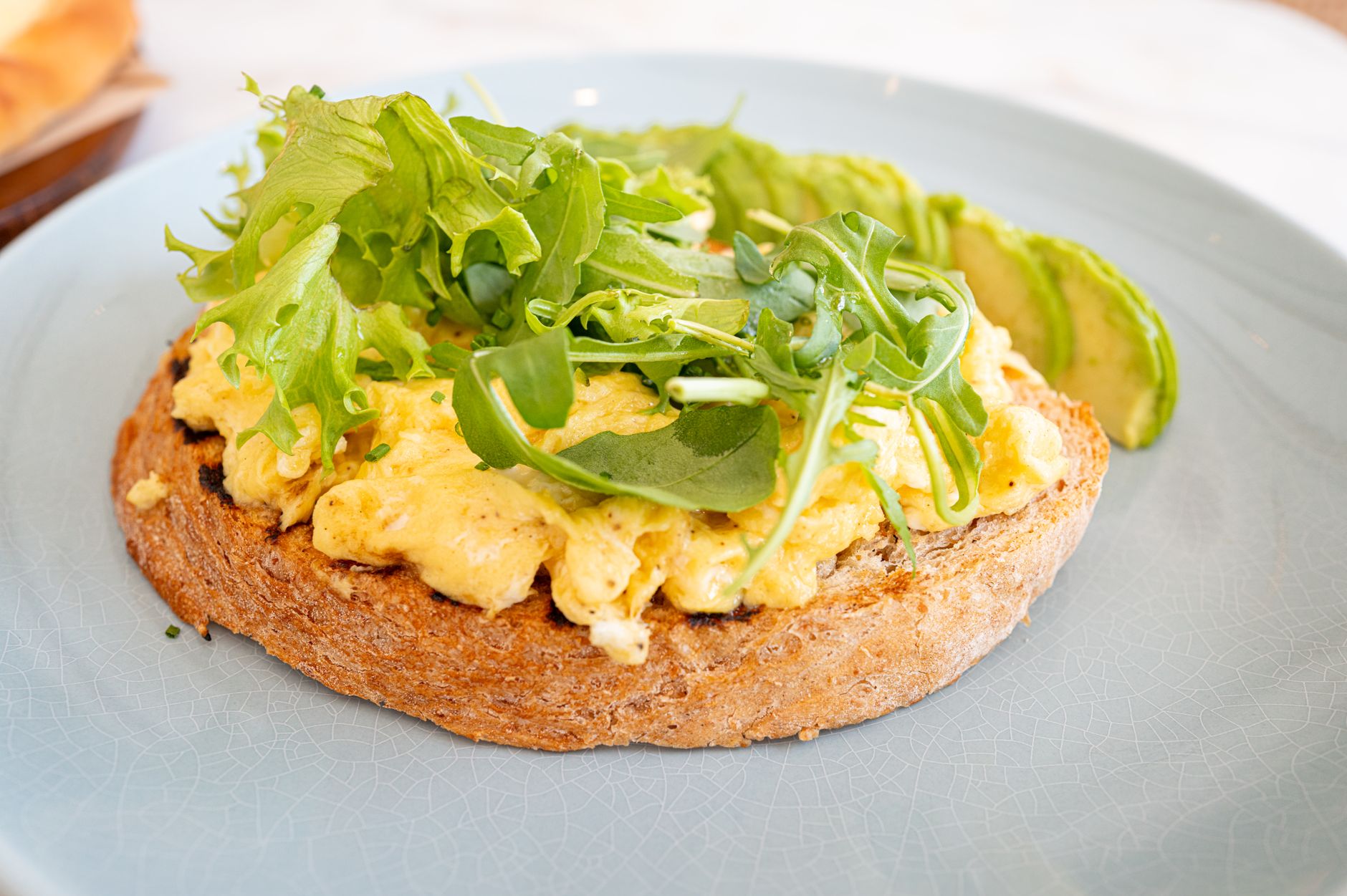
### **1. Scrambled Eggs with Spinach and Gluten-Free Toast**Why it works: Eggs are a low-FODMAP protein powerhouse, packed with choline for brain health, and spinach is easy to digest. Gluten-free toast (made with certified GF grains) avoids a common trigger while providing a satisfying crunch. Eggs are also rich in leucine, an amino acid that helps stabilize blood sugar, which can be particularly helpful if you experience energy crashes mid-morning.
Ingredients:
- 2 eggs
- 1 cup baby spinach
- 1 tbsp olive oil or butter
- Salt and pepper to taste
- 1 slice gluten-free bread
- Optional: 1 tbsp lactose-free butter for toasting
Instructions:
- Whisk eggs with a pinch of salt and pepper.
- Heat olive oil in a non-stick pan over medium heat. Add spinach and sauté for 1 minute until wilted.
- Pour in eggs and scramble until just set (soft curds are best for easy digestion).
- Toast gluten-free bread with lactose-free butter if desired.
Serving suggestion: Pair with a side of blueberries (¼ cup)—a low-FODMAP fruit that’s gentle on digestion and rich in antioxidants. For extra protein, add a sprinkle of hemp seeds (¼ tbsp), which are low-FODMAP and contain omega-3s. If you’re sensitive to seeds, swap hemp seeds for a sprinkle of lactose-free parmesan cheese (¼ tsp), which adds a savory depth without triggering bloating.
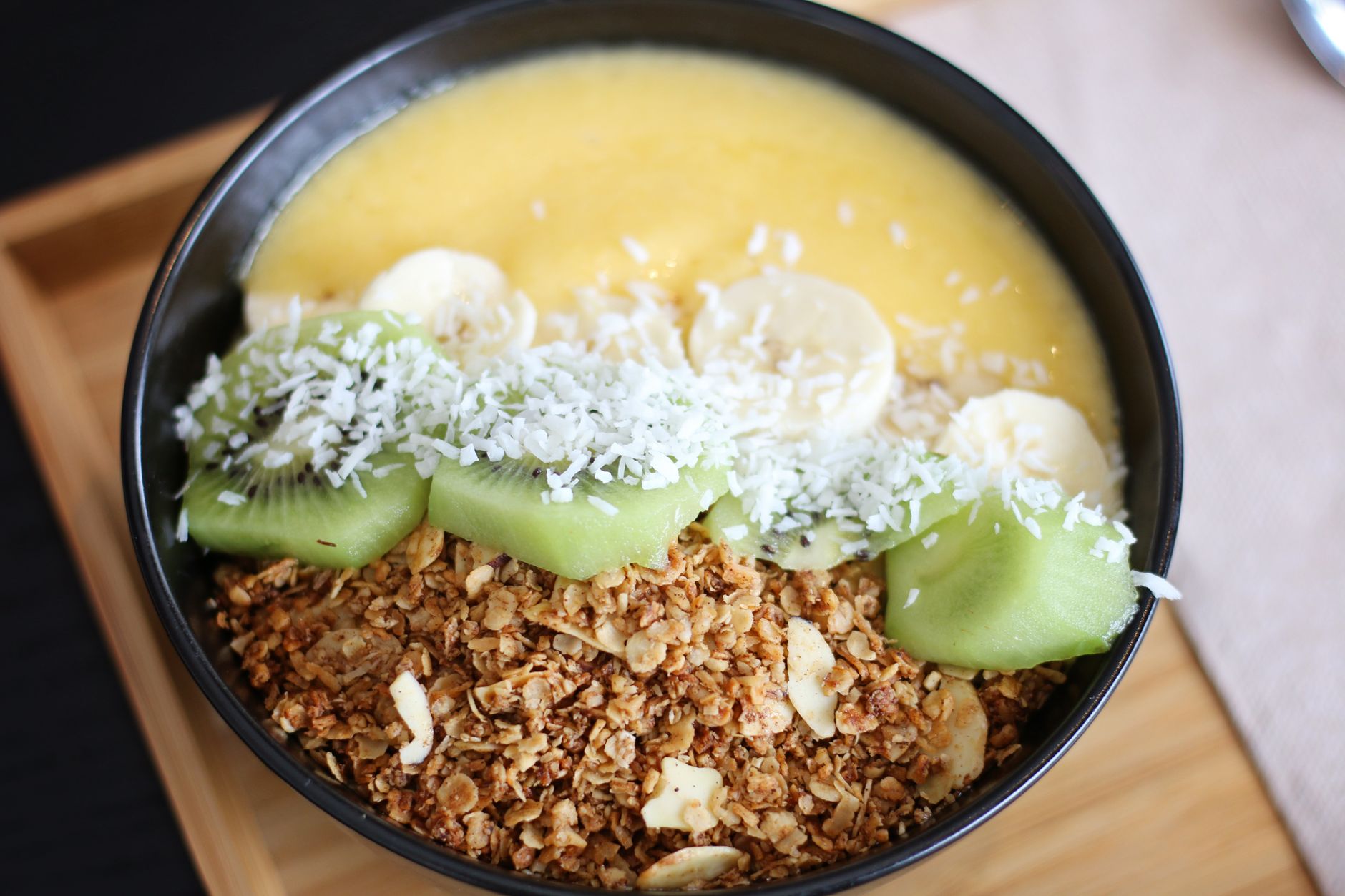
Why it works: This smoothie skips high-FODMAP fruits like apples or mangoes and uses low-FODMAP oats and a lactose-free milk alternative. Bananas are a safe, low-FODMAP fruit in moderation (½ small banana per serving). The chia seeds add fiber without triggering bloating, as they’re low-FODMAP in small amounts. This smoothie is also a great source of prebiotics (from the chia seeds), which support gut health by feeding beneficial bacteria.
Ingredients:
- ½ small banana (frozen works best)
- ½ cup certified gluten-free oats
- 1 cup lactose-free milk (or almond milk)
- 1 tbsp chia seeds
- ½ tsp cinnamon
- 1 scoop vanilla protein powder (check for low-FODMAP brands like grass-fed whey or pea protein)
Instructions:
- Add all ingredients to a blender.
- Blend until smooth. If too thick, add a splash of water.
- Serve immediately or store in the fridge for up to 2 days (shake before drinking).
Variations:
- Carnivore twist: Swap the banana for ½ cup lactose-free Greek yogurt and add a scoop of collagen powder for extra protein. This version provides probiotics while being low-FODMAP. Collagen is also known to support gut lining integrity, which can be beneficial for IBS.
- Cardio-friendly: Add 1 tbsp ground flaxseed for omega-3s—great for heart health. Flaxseed is low-FODMAP in small amounts (≤1 tbsp per serving). For an extra boost, add ½ tsp turmeric, which has anti-inflammatory properties and may help soothe gut irritation.
- Digestive aid: Add ½ tsp ginger powder for anti-nausea benefits. Ginger is low-FODMAP in small amounts and may help soothe IBS symptoms. You can also add 1 tsp apple cider vinegar (diluted in water) to your smoothie for its potential gut-healing properties, though it’s best consumed separately if you’re sensitive to acidity.
Why it works: Turkey sausage is a lean protein, and potatoes are a low-FODMAP carb that’s easy to digest. This meal is hearty, filling, and packed with fiber—but the right kind (soluble fiber from potatoes, not insoluble). The NHS recommends soluble fiber for IBS, as it’s gentler on digestion. Potatoes are also rich in potassium, which can help balance electrolytes if you experience diarrhea.
Ingredients:
- 2 turkey sausage links (check for no onion/garlic)
- 1 medium potato, diced
- 1 tbsp olive oil
- ½ tsp paprika
- Salt and pepper to taste
- Optional: ¼ cup lactose-free cheese
Instructions:
- Heat olive oil in a pan over medium heat. Add diced potatoes and cook for 10 minutes until soft.
- Remove potatoes and set aside. In the same pan, cook turkey sausage until browned.
- Add potatoes back to the pan, sprinkle with paprika, salt, and pepper. Cook for another 5 minutes.
- Serve with a side of lactose-free cheese if desired.
Budget tip: Swap turkey sausage for chicken breast (diced and cooked with a pinch of salt and pepper) to save money without sacrificing protein. Chicken is a versatile, low-FODMAP option that’s easy to digest. For an extra budget-friendly twist, add ½ cup cooked lentils (rinsed well to remove excess gas-producing compounds) to the hash for added fiber and protein.
--- ## **New Section: IBS-Friendly Breakfast for Hormonal Balance**Many women with IBS notice their symptoms worsen during their menstrual cycle due to hormonal fluctuations, particularly the drop in estrogen and progesterone. According to the ACOG, these hormonal shifts can slow digestion and increase bloating. Incorporating magnesium-rich foods and complex carbs can help stabilize blood sugar and reduce symptoms. Additionally, progesterone has a natural anti-inflammatory effect, and supporting your body with nutrient-dense foods can help mitigate the gut-brain axis disruptions that occur during your cycle.
Key nutrients to prioritize:
- Magnesium (found in spinach, pumpkin seeds, and dark chocolate—dark chocolate is low-FODMAP in small amounts: 1–2 squares). Magnesium helps relax the digestive tract and may reduce cramping. Magnesium also plays a role in serotonin production, which can help regulate mood swings during your cycle.
- Complex carbs (like quinoa or sweet potato) to stabilize blood sugar and prevent energy crashes. These carbs are also rich in vitamin A, which supports gut lining health.
- Probiotics (lactose-free yogurt or kefir) to support gut microbiome balance. Probiotics can help reduce bloating and improve overall gut health, especially during hormonal fluctuations.
- Omega-3s (found in chia seeds or flaxseeds) to reduce inflammation. Omega-3s are also known to support brain health, which can be particularly beneficial if you experience brain fog during your cycle.
Ingredients:
- ½ cup cooked quinoa
- 1 tbsp pumpkin seeds
- ½ cup lactose-free Greek yogurt
- ¼ cup blueberries
- 1 tbsp dark chocolate chips (70% cocoa or higher)
- Dash of cinnamon
Instructions:
- Mix quinoa, pumpkin seeds, and blueberries in a bowl.
- Top with lactose-free yogurt and dark chocolate chips.
- Sprinkle with cinnamon.
Ingredients:
- ½ medium sweet potato, diced
- 2 eggs
- 1 tbsp olive oil
- ½ tsp smoked paprika
- Salt and pepper to taste
- Optional: 1 tbsp lactose-free cheese
Instructions:
- Cook sweet potato in olive oil over medium heat for 10 minutes until soft.
- Push potatoes to one side of the pan, crack eggs into the empty space, and scramble until set.
- Mix eggs and potatoes together, add paprika, salt, and pepper. Top with cheese if desired.
Why it works: Sweet potatoes are rich in complex carbs and vitamin A, which support gut lining health. Eggs provide protein to keep you full, and the spices can help soothe digestion. The combination of sweet potato and egg is also a great source of vitamin D, which supports immune function and may help reduce inflammation.
--- ## **New Section: IBS Breakfast for Travelers**Traveling with IBS can be challenging, but with the right planning, you can enjoy your trip without triggering symptoms. The key is packing safe, portable breakfasts and knowing how to adapt to unfamiliar foods. According to the NHS, stress and changes in routine can worsen IBS symptoms, so preparation is key.
Packing tips:
- Bring a cooler with ice packs for perishable items like lactose-free yogurt or hard-boiled eggs.
- Pack single-serve packets of nut butter or sunflower seed butter for quick snacks.
- Carry a small portable blender for smoothies if you’re staying in a place with a fridge.
- Research local grocery stores or pharmacies that sell lactose-free or gluten-free products.
- Pack a small first-aid kit with probiotics, anti-diarrheal medication (like loperamide), and anti-bloating supplements (like simethicone) in case of flare-ups.
Ingredients:
- 4 eggs
- ¼ cup lactose-free cheese, shredded
- ¼ cup diced spinach
- Salt and pepper to taste
- 1 tbsp olive oil
Instructions:
- Whisk eggs, cheese, spinach, salt, and pepper.
- Heat olive oil in a muffin tin over medium heat. Pour egg mixture into muffin cups (fill ⅔ full).
- Bake at 350°F (175°C) for 15–20 minutes until set. Store in an airtight container for up to 5 days.
- Reheat in the microwave for 30–60 seconds.
Ingredients:
- ½ cup certified gluten-free oats
- ½ cup lactose-free milk
- 1 tbsp chia seeds
- ½ tsp vanilla extract
- Toppings: ¼ cup blueberries, 1 tbsp gluten-free granola
Instructions:
- Mix all ingredients except toppings in a jar. Seal tightly.
- Refrigerate overnight (or at least 4 hours).
- In the morning, add toppings and shake well before eating.
Ingredients (per serving):
- ½ banana, frozen
- ½ cup lactose-free milk
- 1 tbsp chia seeds
- 1 scoop vanilla protein powder (low-FODMAP)
- Ice cubes (optional)
Instructions:
- Pack all ingredients in a leak-proof bag or container.
- Blend in a portable blender or at your destination.
Airport hack: Many airports now offer lactose-free and gluten-free options. Look for plain yogurt, hard-boiled eggs, or pre-packaged nuts (if you tolerate them). Always check labels for hidden FODMAPs. Additionally, carry a small pack of electrolyte tablets (like those used for hydration) to help replenish minerals if you experience diarrhea during travel.
--- ## **New Section: IBS Breakfast for Kids**If you have children with IBS (or even if they’re just sensitive to certain foods), breakfast can be a challenge. Kids’ IBS symptoms might include bloating, stomachaches, or changes in bowel habits, and they may be less willing to try new foods. The good news is that many IBS-friendly foods can also be kid-approved! Focus on familiar, low-FODMAP foods and make breakfasts fun and interactive.
Tips for picky eaters:
- Involve your child in meal prep—let them help mix ingredients or choose toppings.
- Use fun shapes (like cookie cutters for toast or fruit) to make meals more appealing.
- Offer small portions and let them try new foods gradually.
- If your child is resistant to lactose-free dairy, try coconut yogurt or oat milk as alternatives.
Ingredients:
- 1 gluten-free tortilla or rice cake
- 1 tbsp sunflower seed butter or peanut butter (if tolerated)
- ½ small banana, sliced
- 1 tsp honey (optional)
- ¼ cup blueberries (optional)
Instructions:
- Spread sunflower seed butter on the tortilla or rice cake.
- Arrange banana slices in a line down the center.
- Drizzle with honey if desired and add blueberries as toppings.
- Roll up or serve as-is.
Ingredients:
- 4 eggs
- ¼ cup lactose-free shredded cheese
- Salt and pepper to taste
- 1 tbsp olive oil
Instructions:
- Whisk eggs with cheese, salt, and pepper.
- Pour into a greased muffin tin (fill ⅔ full).
- Bake at 350°F (175°C) for 15–20 minutes. Let cool before serving.
Ingredients:
- ½ cup lactose-free yogurt
- ¼ cup blueberries or strawberries
- 1 tbsp gluten-free granola
- 1 tsp honey (optional)
Instructions:
- Layer yogurt, fruit, and granola in a small cup or bowl.
- Drizzle with honey if desired.
Why it works: This parfait is packed with probiotics (from the yogurt) and antioxidants (from the berries), which support gut health. The granola adds a crunchy texture that kids often enjoy, and the portion size is manageable for smaller appetites.
--- ## Low FODMAP Breakfast Ideas for IBSIf you’re following the low-FODMAP diet, your breakfast options are still plentiful—you just need to know which foods are safe. Here’s a breakdown of the best low-FODMAP breakfasts, organized by category.
Pro tip: Always check the Monash FODMAP app for updates, as food labels and processing methods can change. The app also provides portion sizes to help you stay within safe limits. Additionally, be mindful of hidden FODMAPs in processed foods, such as garlic or onion powder in seasonings or high-fructose corn syrup in sauces.
### **Proteins (Safe Choices)**Eggs (cooked any way—scrambled, boiled, poached) are a staple. Other safe options include:
- Chicken, turkey, or lean beef
- Lactose-free dairy (cheese, yogurt, milk)
- Tofu or tempeh (check for low-FODMAP brands)
- Lactose-free Greek yogurt
- Collagen peptides (1–2 tbsp per serving) for easy digestion and gut repair.
- Quorn (mushroom-based meat substitute) is low-FODMAP and a great plant-based option.
Stick to low-FODMAP grains and starchy veggies:
- Certified gluten-free oats (½ cup per serving)
- Quinoa
- Rice (white or brown)
- Potatoes (cooked)
- Couscous
- Tapioca starch (used in gluten-free products like rice cakes) for a low-FODMAP alternative to wheat.
- Buckwheat (naturally gluten-free and low-FODMAP in small amounts).
Low-FODMAP fruits in moderation (stick to the serving sizes!):
- ½ small banana
- ¼ cup blueberries
- ½ cup strawberries
- ½ cup raspberries
- ½ cup pineapple
- Kiwi (½ fruit)—often overlooked but low-FODMAP in small amounts.
- Cantaloupe (½ cup)—a refreshing, low-FODMAP fruit option.
These are gentle on digestion:
- Spinach
- Kale
- Zucchini
- Carrots
- Bell peppers
- Cucumber
- Celery (¼ cup per serving)—often underrated but safe in small amounts.
- Green beans (½ cup cooked)—a great source of fiber and vitamins.
If dairy is a trigger, opt for:
- Lactose-free milk
- Almond milk (unsweetened)
- Coconut milk (unsweetened)
- Lactose-free yogurt
- Oat milk (unsweetened)—check for low-FODMAP certification.
- Pea milk (unsweetened)—a plant-based option that’s low-FODMAP.
Myth: "I can’t eat any fruit if I have IBS." Fact: Many fruits are safe in small amounts. The key is portion control. For example, ½ cup blueberries is low-FODMAP, but a whole bowl is not. Always check the Monash FODMAP app for updates. Fact: According to the NHS, small, frequent meals are often better tolerated than large portions. Additionally, cooking fruits (like pineapple or peaches) can reduce their FODMAP content, making them easier to digest.
--- ## **New Section: IBS Breakfast and Hydration**Hydration plays a crucial role in managing IBS symptoms, especially if you experience diarrhea or constipation. Dehydration can worsen bloating and cramping, while proper hydration helps maintain electrolyte balance and supports digestion. According to the NHS, drinking enough water is essential for IBS management, but the type of fluids you consume can also make a difference.
Hydration tips for IBS:
- Drink small, frequent sips of water throughout the day rather than large amounts at once. This helps prevent bloating and cramping.
- Avoid sugary drinks and artificial sweeteners, which can worsen bloating and diarrhea.
- Herbal teas like ginger, chamomile, or peppermint can soothe the digestive tract. Peppermint tea, in particular, is known to relax the muscles of the gastrointestinal tract and may help reduce IBS symptoms.
- Electrolyte-rich beverages (like coconut water or homemade electrolyte drinks) can help replenish minerals lost during diarrhea.
- Start your day with a glass of warm water or herbal tea to kickstart digestion gently.
Ingredients:
- 1 cup warm water
- ½ tsp grated fresh ginger
- ¼ tsp turmeric powder
- 1 tsp honey (optional)
- Lemon juice (optional)
Instructions:
- Boil water and let it cool slightly.
- Add grated ginger and turmeric, stir well, and let it steep for 5 minutes.
- Strain and add honey or lemon juice if desired.


