hen you’re hyperthyroid, your thyroid gland is overactive, pumping out too much thyroid hormone (T3 and T4). Certain foods can either fuel the fire or help calm it down. The goal is to avoid thyroid disruptors, which can either worsen symptoms or interfere with your medication’s effectiveness.
Here’s the breakdown:
1. High-iodine foods
Iodine is essential for thyroid function—but too much can overstimulate an already hyperactive thyroid. The American Thyroid Association (ATA) recommends limiting iodine to 110 micrograms per day for most adults with hyperthyroidism (compared to the general population’s 150 mcg).
Foods to limit:
- Seaweed (even small amounts can pack 1,000+ mcg of iodine per serving)
- Iodized salt (opt for Himalayan pink salt or sea salt)
- Canned fish (like tuna or sardines, unless labeled low-iodine)
- Dairy products (milk, cheese, yogurt—some contain added iodine)
- Eggs (contain natural iodine, but moderation is key)
- Processed meats (like deli meats, which often contain added iodine)
Goitrogens are compounds that can interfere with thyroid hormone production. While they’re generally safe when cooked, raw forms can be problematic. The key is cooking them thoroughly to reduce goitrogen activity.
Raw foods to avoid:
- Raw cruciferous vegetables (broccoli, cauliflower, kale, Brussels sprouts)
- Raw soybeans and soy products (like edamame, unless fermented)
- Raw flaxseeds and raw sesame seeds
- Raw cashews and peanuts
Safe ways to eat them: Steaming, roasting, or fermenting these foods neutralizes goitrogens. For example, fermented soy (like tempeh or miso) is generally safe in moderation.
3. Processed foods and sugars
Processed foods—especially those high in refined carbs and sugars—can worsen symptoms like anxiety, weight loss, and heart palpitations. They also contribute to inflammation, which may exacerbate thyroid dysfunction.
Avoid:
- Sugary cereals, pastries, and snacks
- Fast food and fried items
- Alcohol (can interfere with medication absorption)
- Artificial sweeteners (like aspartame, which may affect thyroid function)
Instead, focus on whole, nutrient-dense foods that support thyroid health.
---
How much iodine should you limit in a hyperthyroid diet plan?
This is where things get tricky. The ATA recommends 110 micrograms of iodine per day for adults with hyperthyroidism, but individual needs can vary. If you’re on medication like methimazole or propylthiouracil (PTU), your doctor may adjust this further. Here’s how to navigate it:
Iodine content in common foods (per serving)
**Pro tip:** If you’re unsure about a food’s iodine content, check labels or use an app like Cronometer to track intake.
Now, let’s talk about soy—a topic that divides many women with hyperthyroidism.
---
Can you eat soy products safely if you have hyperthyroidism?
This is one of the most common questions we hear: “Is soy safe for hyperthyroidism?” The short answer? Yes, but with caution. Soy contains goitrogens, which can interfere with thyroid function—especially in raw form. However, fermented soy (like tempeh, miso, and natto) is generally safe because fermentation breaks down goitrogens.
Here’s how to include soy safely:
Safe soy options
- Tempeh (fermented soy cake—high in protein and probiotics)
- Miso (fermented soybean paste—great for soups and dressings)
- Natto (fermented soybeans—rich in vitamin K2 and probiotics)
- Edamame (steamed or lightly cooked—lower in goitrogens than raw)
Soy to limit or avoid
- Raw soybeans
- Unfermented tofu (unless cooked thoroughly)
- Soy milk (unless labeled “low-iodine”)
- Soy sauce (opt for tamari, which is lower in iodine)
**Representative story:** One reader, Sarah, a freelance writer with Graves’ disease, swore by miso soup for breakfast. “I used to avoid soy entirely, but after switching to fermented versions, my energy stabilized. I even added natto to my smoothies—it’s a game-changer for gut health.”
If you’re unsure, start with small portions and monitor how your body responds.
---
Sample hyperthyroid diet meal prep for busy moms: quick recipes
We get it—you don’t have time for elaborate meal prep. The goal is simple, nutrient-dense meals that keep your thyroid in check while fitting into a busy schedule. Here’s a 5-minute prep strategy:
1. Batch-cook grains and proteins
Cook a big pot of quinoa, brown rice, or gluten-free pasta on Sunday. Store in the fridge for up to 5 days. Pair with pre-chopped veggies and canned (low-iodine) beans for quick salads or stir-fries.
2. Pre-cut veggies
Wash and chop carrots, bell peppers, and broccoli (steam or roast them in bulk). Store in airtight containers for grab-and-go snacks or quick meals.
3. Make overnight oats
Combine gluten-free oats, chia seeds, almond milk, and a scoop of protein powder the night before. Top with berries and nuts in the morning.
4. Freeze healthy meals
Double portions of soups, stews, and casseroles. Freeze half for later. Thaw overnight in the fridge for easy reheating.
**Quick recipe:** 5-minute miso-ginger salmon
- Place 1 salmon fillet on a lined baking sheet.
- Mix 1 tbsp miso paste, 1 tsp grated ginger, and 1 tsp honey. Drizzle over salmon.
- Bake at 375°F (190°C) for 12–15 minutes.
- Serve with steamed bok choy (cooked to reduce goitrogens).
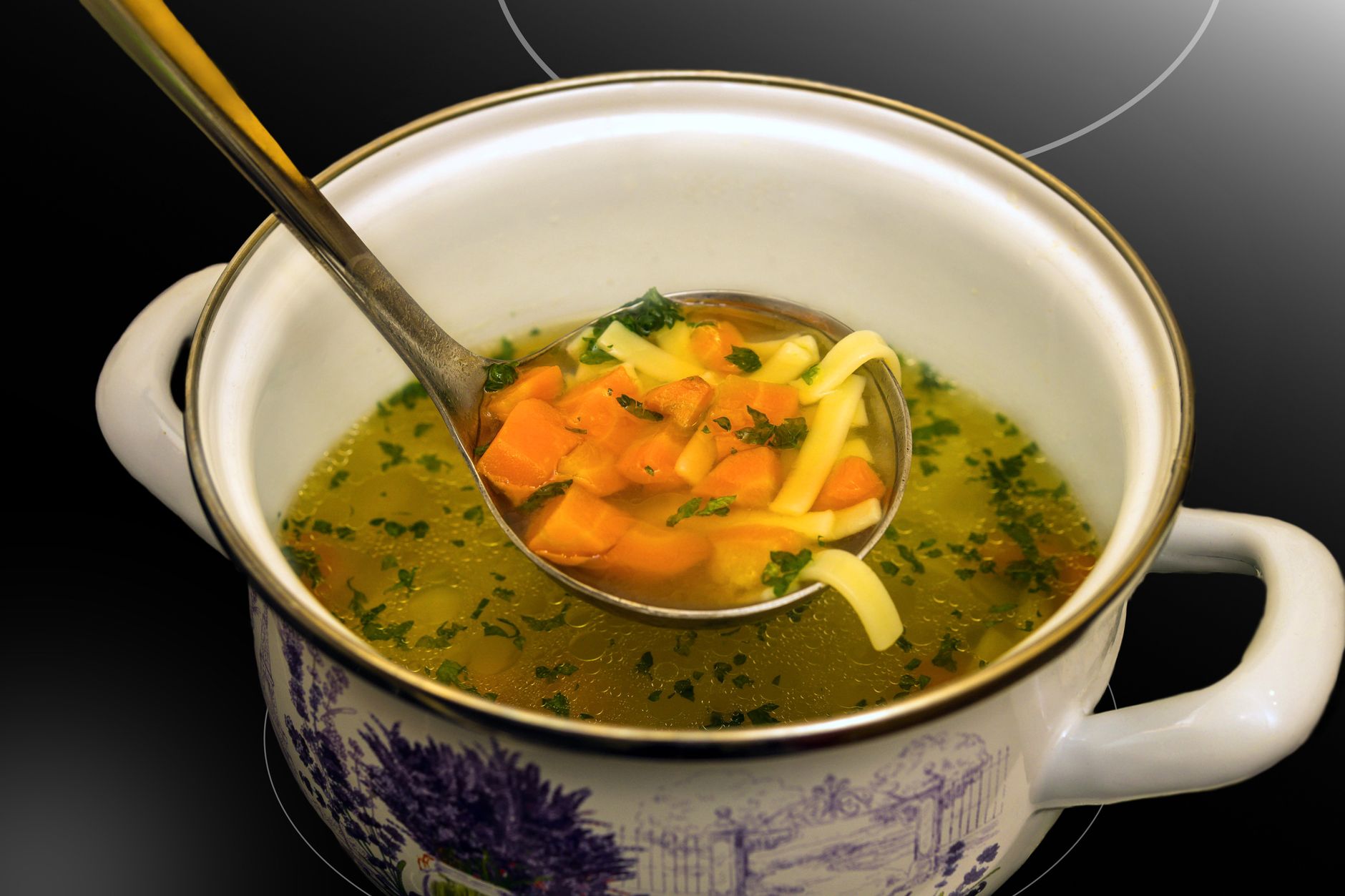
**Pro tip:** Use a slow cooker for hands-off meals. Try a chicken and vegetable stew with gluten-free broth, carrots, and zucchini. Cook on low for 6–8 hours.
---
Does coffee affect hyperthyroidism? What to drink instead?
Coffee is a love-it-or-hate-it drink, but for those with hyperthyroidism, it can be a double-edged sword. The caffeine in coffee can stimulate your nervous system, worsening anxiety, heart palpitations, and insomnia—common symptoms of hyperthyroidism. Plus, some coffee blends contain added iodine or are processed with iodine-rich water.
**What to do instead:
- Switch to decaf (or very low-caffeine coffee)
- Try herbal teas like chamomile, peppermint, or rooibos (caffeine-free and soothing)
- Sip green tea in moderation (it contains L-theanine, which may help balance caffeine’s effects)
- Stay hydrated with water—dehydration can worsen fatigue and heart palpitations
**Representative story:** Emily, a teacher with Hashimoto’s thyroiditis (which can sometimes progress to hyperthyroidism), swapped her morning coffee for a selenium-rich smoothie. “I used to feel like I was on a rollercoaster after coffee, but now I have steady energy all day. My endocrinologist even suggested adding a pinch of Himalayan pink salt to my water for electrolytes.”
If you’re craving something warm and comforting, try golden milk (turmeric, almond milk, and cinnamon—anti-inflammatory and thyroid-friendly).
---
How to balance a hyperthyroid diet with thyroid medication
This is where things get critical. Your thyroid medication (like levothyroxine or methimazole) works best when taken on an empty stomach and at the same time every day. But if you’re following a hyperthyroid diet, you might be wondering: “How do I time my meals and meds?”
Here’s the rule of thumb:
- Take your medication first thing in the morning, 30–60 minutes before breakfast.
- Avoid high-fiber or calcium-rich foods (like spinach or fortified orange juice) within 4 hours of taking your meds, as they can interfere with absorption.
- If you’re on methimazole or PTU, take it with food to reduce stomach upset.
- Track your symptoms—if you notice fatigue or weight gain, your doctor may adjust your dose.
**Pro tip:** Use a pill organizer and set a phone alarm to remind you. Consistency is key!
Now, let’s talk snacks—the unsung heroes of managing hyperthyroidism.
---
What are the best snacks for managing hyperthyroidism symptoms?
Snacks should stabilize blood sugar, provide steady energy, and avoid thyroid disruptors. Here are our top picks:
Protein-packed
- Hard-boiled eggs (moderate iodine, but high in protein)
- Greek yogurt (unsweetened, low-iodine brand)
- Turkey or chicken roll-ups with avocado
- Edamame (steamed, not raw)
Fiber-rich
- Gluten-free crackers with almond butter
- Roasted chickpeas (low-iodine, high in fiber)
- Apple slices with cinnamon (fiber + natural sweetness)
- Hummus with cucumber sticks
Healthy fats
- Avocado with sea salt
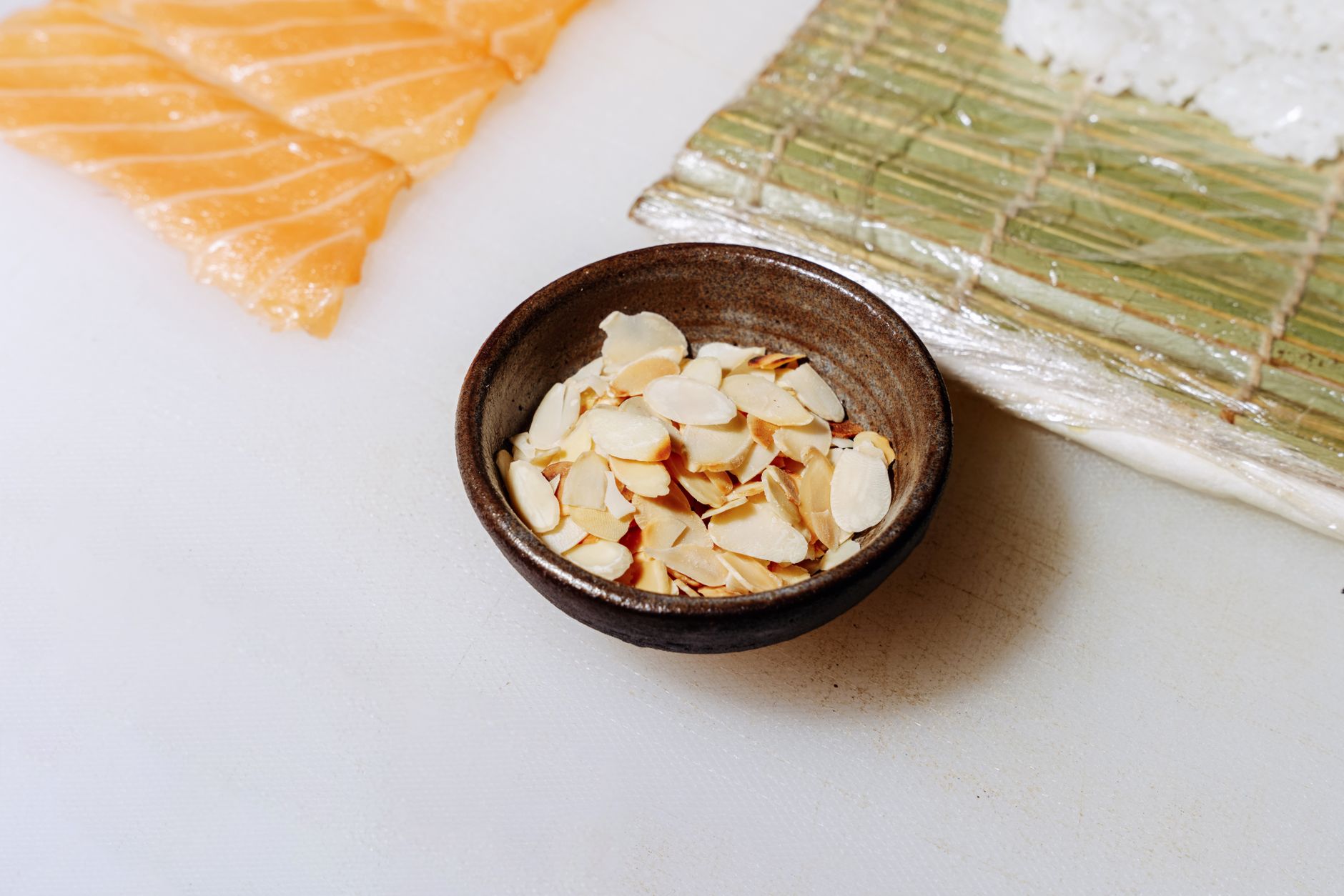
- Nuts (almonds, walnuts—moderation due to iodine)
- Olives (in moderation)
- Dark chocolate (85% or higher—antioxidant-rich)
**Avoid:** Processed snacks (like chips or crackers with added iodine), sugary granola bars, and energy drinks (high in caffeine and artificial ingredients).
---
How does fiber intake impact hyperthyroidism and thyroid function?
Fiber is often overlooked in thyroid health discussions, but it plays a critical role in managing hyperthyroidism. High-fiber foods help:
- Slow digestion, preventing blood sugar spikes (which can worsen anxiety and fatigue)
- Support gut health, which is linked to thyroid function (more on this below!)
- Bind to excess hormones, helping your body eliminate them more efficiently
**Best fiber-rich foods for hyperthyroidism:
- Gluten-free oats (3g fiber per ½ cup)
- Lentils and chickpeas (15g fiber per cup)
- Berries (raspberries have 8g fiber per cup!)
- Quinoa (5g fiber per cup)
- Flaxseeds (3g fiber per tbsp—cooked to reduce goitrogens)
**How much fiber do you need?** Aim for 25–30g per day, but increase gradually to avoid digestive discomfort (like bloating or gas). Start with 10g/day if you’re not used to high-fiber foods.
**Representative story:** Lisa, a nurse with Graves’ disease, credits her fiber intake with stabilizing her symptoms. “I used to feel like I was always on edge, but after adding lentils to my meals, my energy became steadier. My endocrinologist even mentioned that gut health is a huge factor in thyroid function.”
---
Best hyperthyroid diet meal plan for rapid weight loss without medication
Weight loss is often a side effect of hyperthyroidism, but it can also lead to unintended muscle loss and fatigue. The goal is to lose fat, not weight—and do it safely. Here’s how:
1. Prioritize protein and healthy fats
Protein helps preserve muscle, while healthy fats keep you full and stabilize energy. Aim for:
- 20–30g protein per meal
- 1–2 tbsp healthy fats (avocado, olive oil, nuts)
2. Focus on volume eating
Fill half your plate with non-starchy veggies (like spinach, zucchini, or cauliflower) to increase fiber and volume without excess calories.
3. Limit refined carbs
Avoid white bread, pasta, and sugary snacks, which can spike insulin and worsen fatigue.
4. Stay hydrated
Dehydration can mimic fatigue, so drink at least 8 cups of water daily (add electrolytes if you’re active).
Sample rapid-weight-loss meal plan (7 days)
**Note:** This plan is flexible. Swap proteins or veggies based on what you like. If you’re vegetarian, replace meat with tofu, tempeh, or legumes.
**Warning:** If you’re losing weight too quickly (more than 2 lbs per week) or feeling weak, stop and check in with your endocrinologist. Rapid weight loss can signal muscle loss or malnutrition.
---
How to create a hyperthyroidism-friendly grocery list for beginners
Starting a new diet can feel overwhelming, especially when you’re trying to avoid a long list of foods. Here’s a simple grocery list to get you started:
Proteins (choose 2–3 per week)
- Chicken breast or thighs
- Turkey (ground or sliced)
- Salmon or cod (low-iodine brands)
- Eggs (organic or pasture-raised)
- Tofu or tempeh (fermented soy)
- Greek yogurt (unsweetened, low-iodine)
Vegetables (focus on steamed or roasted)
- Spinach
- Zucchini
- Carrots
- Broccoli (cooked)
- Cauliflower (cooked)
- Bell peppers
Fruits (low-sugar options)
- Berries (raspberries, blackberries)
- Apples
- Pears
- Oranges (moderate—high in vitamin C but also some iodine)
Grains (gluten-free or low-iodine)
- Quinoa
- Brown rice
- Gluten-free oats
- Millet
Healthy fats
- Avocados
- Olive oil
- Almond butter
- Walnuts (moderation)
Avoid
- Seaweed snacks
- Iodized salt
- Processed deli meats
- Sugary cereals or snacks
- Alcohol
**Pro tip:** Meal prep Sundays by cooking grains and proteins in bulk. Store in the fridge for easy assembly during the week.
---
Does a low-carb diet help with hyperthyroidism symptoms?
Low-carb diets (like keto) are often touted for weight loss, but they can be tricky for hyperthyroidism. Here’s what you need to know:
Potential benefits
- Stabilizes blood sugar, reducing energy crashes
- May help with weight loss (if that’s a goal)
- Can reduce inflammation (if you’re avoiding processed foods)
Potential risks
- Too few carbs can worsen fatigue (your body needs fuel!)
- Some low-carb diets rely on high-fat foods that may not align with thyroid-friendly choices
- Rapid weight loss can strain your body, especially if you’re already losing muscle
**Best approach:** If you’re curious about low-carb, start with a moderate approach—like the DASH diet, which focuses on whole foods and balanced carbs. Avoid extreme restrictions unless supervised by a dietitian.
**Representative story:** Jessica, a graphic designer, tried keto for a month but noticed her energy plummeted. “I thought I’d feel amazing, but I was exhausted and my heart raced more. My endocrinologist suggested I add more healthy fats and moderate carbs—like sweet potatoes and quinoa—and I felt so much better.”
---
Hyperthyroid diet for Graves’ disease: what’s the difference?
Graves’ disease is an autoimmune form of hyperthyroidism where your immune system attacks your thyroid, causing it to overproduce hormones. While the dietary principles are similar to general hyperthyroidism, there are extra considerations:
Key differences
- Stronger focus on anti-inflammatory foods (Graves’ is linked to inflammation)
- More caution with goitrogens (since autoimmune activity can be exacerbated by certain foods)
- Stress management is critical (Graves’ is often triggered or worsened by stress)
- Possible need for gluten-free diet (some people with Graves’ have gluten sensitivity)
**Dietary adjustments for Graves’ disease:
- Add more omega-3s (salmon, flaxseeds, walnuts) to reduce inflammation
- Include probiotic-rich foods (sauerkraut, kimchi, kefir) to support gut health
- Limit gluten (if you suspect sensitivity—test with your doctor)
- Prioritize stress-reducing foods (like chamomile tea, dark chocolate, and nuts)
**Representative story:** Priya, a teacher with Graves’ disease, found that removing gluten and adding more omega-3s helped her symptoms stabilize. “I used to feel like I was always on edge, but after adjusting my diet and practicing yoga, my energy became much more balanced.”
---
How to adjust a hyperthyroid diet when pregnant or breastfeeding
If you’re pregnant or breastfeeding with hyperthyroidism, your diet needs to be even more careful. Here’s what to focus on:
Pregnancy considerations
- Increase selenium and vitamin D (critical for both maternal and fetal thyroid health)
- Avoid excessive iodine (stick to 110 mcg/day unless advised otherwise by your doctor)
- Prioritize folate-rich foods (leafy greens, lentils, fortified grains)
- Avoid raw sprouts or undercooked foods (risk of foodborne illness)
- Work closely with your endocrinologist—your medication dose may need adjustment
Breastfeeding considerations
- Stay hydrated (breastfeeding increases fluid needs)
- Focus on nutrient-dense foods (like bone broth, eggs, and nuts)
- Avoid caffeine and alcohol (they can pass into breast milk)
- Monitor iodine intake (some breastfeeding women need slightly more iodine)
**Sample adjustments:
- Swap coffee for herbal teas (like fennel or chamomile)
- Add a selenium-rich smoothie (spinach, almond milk, flaxseeds)
- Include more probiotic foods (yogurt, kefir, sauerkraut)
- Avoid processed snacks and opt for nuts and seeds
**Warning:** Always consult your healthcare provider before making major dietary changes during pregnancy or breastfeeding.
---
What are the signs of over-restricting calories in a hyperthyroid diet?
Hyperthyroidism can make you feel constantly hungry, but that doesn’t mean you should eat without restraint. Over-restricting calories can lead to:
Red flags
- Extreme fatigue or dizziness (signs of low energy)
- Muscle loss (noticeable weakness or cramps)
- Irregular heartbeats or palpitations (worse than usual)
- Difficulty concentrating or brain fog
- Hair loss or brittle nails
- Constant hunger despite eating “healthy” foods
**What to do if you’re over-restricting:
- Add healthy fats (avocado, olive oil, nuts) to increase calories
- Include more protein (chicken, fish, tofu) to preserve muscle
- Listen to your body—if you’re always hungry, you may need more food
- Consider working with a dietitian specializing in thyroid disorders
**Representative story:** Emily, a mom of three, noticed she was losing weight too quickly and feeling weak. “I thought I was doing great by eating salads all day, but my energy was shot. My doctor helped me add more healthy fats and protein, and I felt so much better.”
---
How much selenium is safe in a hyperthyroid diet?
Selenium is a critical mineral for thyroid health—it helps regulate thyroid hormones and supports detoxification. However, too much can be harmful. Here’s what you need to know:
Selenium content in foods
**Safe intake:** The upper limit for adults is 400 mcg/day (per the National Institutes of Health). Most people get enough selenium from diet alone, but if you’re deficient, your doctor may recommend a supplement.
**Pro tip:** If you’re taking selenium supplements, start with 50–100 mcg/day and monitor your levels with your doctor.
---
Can you eat nuts and seeds safely with hyperthyroidism?
Nuts and seeds are nutrient powerhouses, but they can be tricky with hyperthyroidism due to iodine and goitrogen content. Here’s how to enjoy them safely:
Safe nuts and seeds




