Hyperthyroidism isn’t just about avoiding certain foods—it’s about feeding your body what it needs to slow down that overdrive. Your thyroid’s overproduction of T3 and T4 can wreak havoc on your metabolism, leaving you with symptoms like rapid heartbeat, weight loss, and anxiety. The right foods can help moderate inflammation, support adrenal function, and provide steady energy—without spiking your thyroid further.
Here’s the breakdown of foods that work with your hyperthyroid body, not against it:
- Lean proteins: Chicken breast, turkey, eggs, and fish (like salmon) help stabilize blood sugar and prevent energy crashes. Why it matters: Protein keeps you full longer, which helps counteract the hyperthyroidism-driven hunger.
- Healthy fats: Avocados, nuts (almonds, walnuts), seeds (chia, flax), and olive oil support brain function and reduce inflammation. Why it matters: Healthy fats slow digestion, helping your body maintain a steady energy release.
- Fiber-rich veggies: Spinach, kale, zucchini, and carrots are low-iodine and packed with antioxidants. Why it matters: Fiber helps regulate digestion, which can be erratic when your thyroid is out of whack.
- Complex carbs: Sweet potatoes, quinoa, and brown rice provide slow-burning energy. Why it matters: Unlike refined carbs, these won’t cause blood sugar spikes that worsen anxiety or insomnia.
- Berry fruits: Blueberries, raspberries, and blackberries are low in sugar and high in antioxidants. Why it matters: They help combat oxidative stress, which is often elevated in hyperthyroidism.
One reader described it perfectly: "I used to think ‘healthy eating’ meant salads with kale and balsamic vinegar. But with hyperthyroidism, I realized I needed more fat—like avocado on my eggs—to actually feel stable. Now I add nuts to my oatmeal and it’s the only way I can make it through the day without crashing."

---
Hyperthyroid Diet Meal Plan 7-Day for Weight Loss: How to Eat Less, Feel More Satisfied
If weight loss is your goal, hyperthyroidism can feel like a double-edged sword: your body burns calories faster, but your appetite is insatiable. The key isn’t to restrict calories—it’s to eat foods that naturally curb cravings and slow metabolism.
Here’s how this plan works for weight loss:
- Prioritize protein and fiber at every meal to keep you full longer. For example, swap a carb-heavy breakfast like toast for scrambled eggs with spinach and avocado.
- Avoid liquid calories (soda, juice, sweetened coffee). Instead, drink water, herbal tea, or black coffee to stay hydrated without spiking blood sugar.
- Add healthy fats to meals (like olive oil drizzled on salads or nuts in yogurt) to help stabilize energy levels and reduce cravings.
- Limit refined sugars and processed foods, which can worsen inflammation and thyroid dysfunction.
Sample weight-loss adjustments:
- Instead of white rice, choose cauliflower rice or quinoa.
- Swap sugary cereals for high-protein options like Greek yogurt with berries and chia seeds.
- Opt for grilled fish over fried when possible.
One of our readers, Sarah (34), struggled with hyperthyroidism-induced weight loss that left her exhausted. She shared: "I thought I was starving myself, but it turned out I was just eating the wrong things. Once I started adding more healthy fats and protein, my cravings decreased and my energy stabilized. I even gained a few pounds—the healthy kind."
---
Hyperthyroid Diet Meal Plan 7-Day with Low Iodine: What to Avoid and Why
Iodine is a double-edged sword for hyperthyroidism. While your body needs it for thyroid hormone production, too much can trigger a flare-up in Graves’ disease or other autoimmune thyroid conditions. The good news? A low-iodine diet isn’t as restrictive as it sounds—it’s more about swapping high-iodine foods for lower-iodine alternatives.
Here’s what to limit or avoid:
Pro tip: If you’re taking thyroid medication (like levothyroxine), space it at least 3–4 hours away from meals—especially high-fiber ones—to ensure proper absorption.
---
Hyperthyroid Diet Meal Plan 7-Day for Pregnancy: Safe Foods and Nutrients to Prioritize
If you’re pregnant (or trying to conceive) with hyperthyroidism, your diet takes on even more importance. Uncontrolled hyperthyroidism can increase risks for preterm labor, preeclampsia, and low birth weight, so balancing your thyroid is critical. The good news? Many of the foods that help stabilize hyperthyroidism are also nutrient-dense and pregnancy-safe.
Here’s what to focus on:
- Folate-rich foods: Spinach, lentils, and avocados support fetal development and help regulate homocysteine levels.
- Omega-3s: Flaxseeds, walnuts, and wild-caught salmon (if low-iodine) reduce inflammation and support brain development.
- Calcium and vitamin D: Fortified plant milks, leafy greens, and sunlight exposure help prevent bone loss and support thyroid function.
- Avoid: Excess caffeine (limit to 200mg/day), alcohol, and raw sprouts (which can carry bacteria risks).
One of our contributors, Emily (32), managed her hyperthyroidism during pregnancy by sticking to a modified version of this plan. She said: "I was terrified about my thyroid flaring up, but my endocrinologist told me to focus on whole foods and avoid processed anything. I added more seeds to my smoothies and swapped my morning coffee for herbal tea—it made such a difference in how I felt."
For more guidance on nutrition during pregnancy, check out our adenomyosis diet guide, which also emphasizes anti-inflammatory foods that support hormonal balance.
---
Meal prepping for hyperthyroidism can feel overwhelming, but a well-stocked pantry and fridge make it easy. Below is a 7-day grocery list broken down by category, so you can grab everything in one trip.
Proteins (Choose Low-Iodine Options)
- Chicken breast
- Turkey slices (no added iodine)
- Eggs
- Fresh tilapia or trout
- Greek yogurt (unsweetened)
- Cottage cheese (low-fat)
Vegetables (Prioritize Low-Iodine, High-Fiber)
- Spinach
- Kale
- Zucchini
- Carrots
- Bell peppers
- Broccoli (in moderation)
Fruits (Berries and Citrus Are Safe)
- Blueberries
- Raspberries
- Oranges
- Apples
- Pears
Healthy Fats and Nuts
- Almonds
- Walnuts
- Chia seeds
- Flaxseeds
- Avocados
- Extra virgin olive oil
Grains and Carbs
- Quinoa
- Brown rice
- Sweet potatoes
- Whole-grain bread (check for low-iodine flour)
Pantry Staples
- Herbal teas (chamomile, peppermint)
- Coconut milk (unsweetened)
- Unsweetened almond milk
- Honey or maple syrup (for natural sweetening)
- Sea salt (check iodine content)
---
Hyperthyroid Diet Meal Plan 7-Day Breakfast Ideas: Start Your Day Right
Breakfast is one of the most critical meals for hyperthyroidism—it sets the tone for your energy levels and cravings all day. The goal? A balance of protein, fiber, and healthy fats to keep you full and stable.
Here are 7 breakfast ideas that fit the hyperthyroid diet:
- Greek Yogurt Bowl
- 1 cup unsweetened Greek yogurt
- 1 tbsp chia seeds
- ½ cup blueberries
- 1 tbsp almond butter
- Drizzle of honey (optional)
- Avocado and Egg Toast
- 1 slice whole-grain toast
- ½ avocado, mashed
- 2 scrambled eggs
- Handful of spinach
- Pinch of sea salt
- Overnight Oats
- ½ cup rolled oats
- 1 tbsp flaxseeds
- 1 tbsp almond butter
- 1 cup unsweetened almond milk
- Top with raspberries
- Smoked Salmon and Cream Cheese Roll-Ups
- 2 oz smoked salmon (low-iodine)
- 1 tbsp low-fat cream cheese
- 1 slice whole-grain wrap
- Handful of arugula
- Chia Pudding
- 2 tbsp chia seeds
- 1 cup coconut milk
- ½ tsp vanilla extract
- Top with walnuts and orange slices
- Sweet Potato Hash
- ½ cup diced sweet potato
- 1 egg
- Handful of kale
- 1 tsp olive oil
- Cottage Cheese and Berry Mix
- ½ cup cottage cheese
- ½ cup mixed berries
- 1 tbsp walnuts
- Drizzle of honey
Pro tip: If you’re struggling with morning nausea (common in hyperthyroidism), try smaller, more frequent meals or a bland snack like toast with almond butter before diving into a full breakfast.
---
Hyperthyroid Diet Meal Plan 7-Day Nutrition Facts: Calories, Macros, and Balance
One of the most common questions we hear is: "How many calories should I eat on a hyperthyroid diet?" The answer isn’t one-size-fits-all, but here’s what we know:
- Caloric needs vary based on your activity level, weight, and whether you’re trying to lose or maintain weight. A general starting point for women with hyperthyroidism is 1,600–2,200 calories/day, but your endocrinologist or dietitian can help tailor this to you.
- Prioritize protein (20–30% of calories) to support muscle mass and stabilize blood sugar.
- Healthy fats (25–30% of calories) help reduce inflammation and keep you full.
- Complex carbs (40–50% of calories) provide steady energy without spiking blood sugar.
Below is a sample day of eating with calorie and macro breakdowns:
For more on balancing macros, check out our 7-Day GAPS Diet Meal Plan, which also emphasizes protein and healthy fats for stable energy.
---
Hyperthyroid Diet Meal Plan 7-Day Recipes: Easy, Anti-Inflammatory Meals
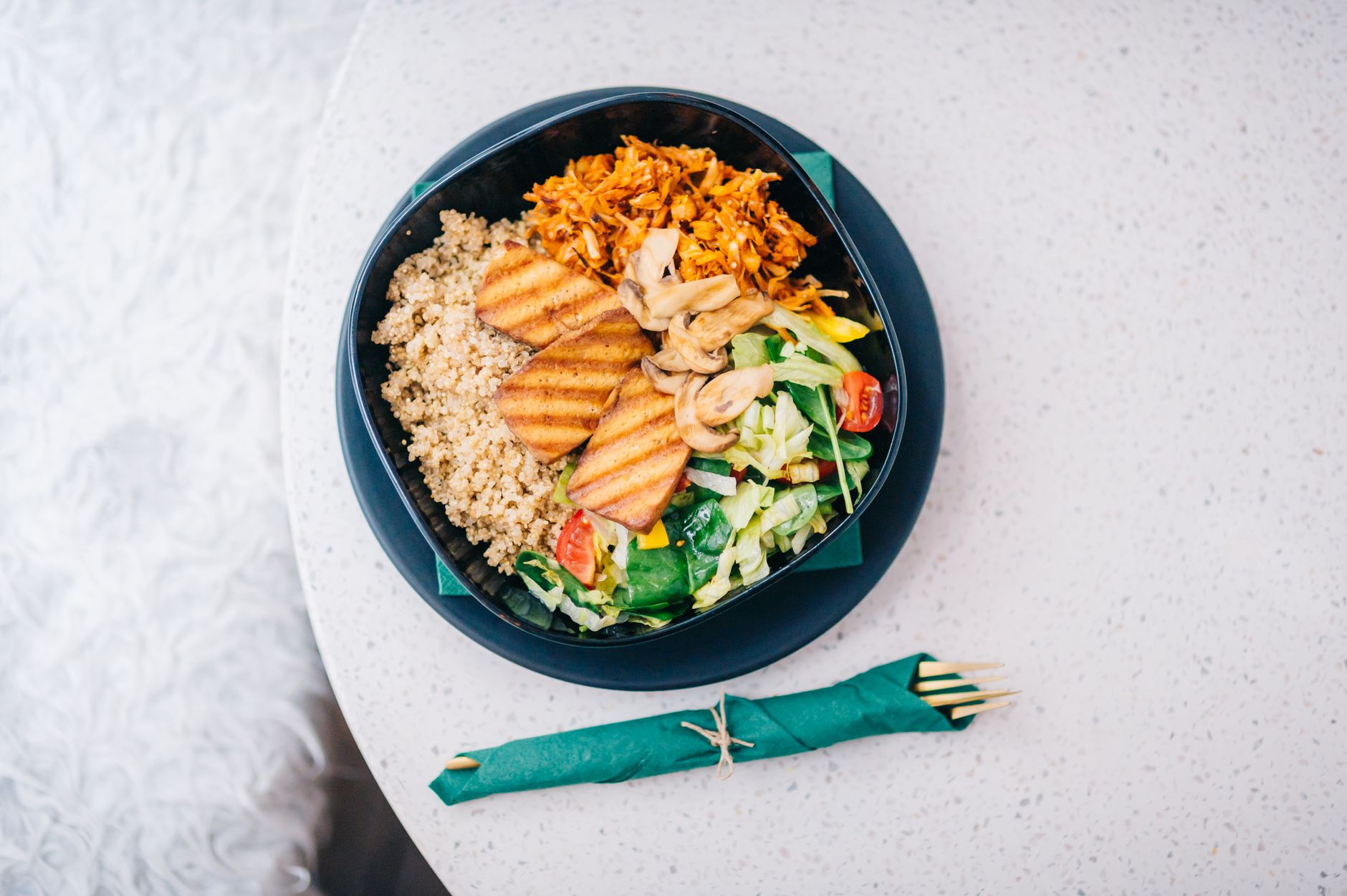
Let’s dive into 5 simple, anti-inflammatory recipes that fit into your 7-day plan. Each is designed to be low-iodine, nutrient-dense, and easy to prep ahead.
1. Lemon-Garlic Chicken with Roasted Veggies
- Preheat oven to 400°F (200°C).
- Toss 1 lb chicken breast with 1 tbsp olive oil, 1 minced garlic clove, 1 tsp lemon zest, salt, and pepper.
- Roast for 20 minutes. Add 1 cup chopped zucchini, 1 cup carrots, and 1 cup broccoli to the pan, then roast another 15 minutes.
- Serve with ½ cup quinoa.
Nutrition (per serving): 450 calories, 40g protein, 30g carbs, 18g fat.
2. Turmeric-Ginger Salmon with Cauliflower Rice
- Mix 1 tbsp olive oil, 1 tsp turmeric, ½ tsp ginger, salt, and pepper. Coat 1 salmon fillet.
- Bake at 375°F (190°C) for 12–15 minutes.
- Serve over 1 cup cauliflower rice with steamed spinach.
Nutrition (per serving): 350 calories, 30g protein, 15g carbs, 18g fat.
3. Spinach and Feta Stuffed Sweet Potatoes
- Bake 1 large sweet potato at 400°F (200°C) for 45 minutes.
- Mix 1 cup sautéed spinach, ¼ cup crumbled feta (low-iodine), 1 tbsp olive oil, and 1 minced garlic clove.
- Stuff into the sweet potato and top with 1 tbsp almonds.
Nutrition (per serving): 400 calories, 12g protein, 45g carbs, 18g fat.
4. Quinoa and Black Bean Bowl
- Cook ½ cup quinoa. Mix with ½ cup black beans, ½ cup diced bell peppers, 1 tbsp olive oil, cumin, and paprika.
- Top with ¼ avocado and 1 tbsp pumpkin seeds.
Nutrition (per serving): 450 calories, 18g protein, 60g carbs, 15g fat.
5. Chia Pudding with Almond Butter
- Mix 2 tbsp chia seeds, 1 cup coconut milk, and ½ tsp vanilla. Refrigerate overnight.
- Top with 1 tbsp almond butter and ½ cup raspberries.
Nutrition (per serving): 300 calories, 8g protein, 25g carbs, 18g fat.
---
Hyperthyroid Diet Meal Plan 7-Day Side Dishes: Flavor Boosters Without the Flare-Ups
Side dishes can make or break a hyperthyroid-friendly meal. The goal is flavor without inflammation or iodine overload. Here are 5 easy, low-iodine sides:
- Garlic-Herb Roasted Potatoes
- Toss 1 lb baby potatoes with 1 tbsp olive oil, 1 minced garlic clove, rosemary, salt, and pepper.
- Roast at 400°F (200°C) for 30 minutes.
- Sautéed Kale with Lemon
- Sauté 2 cups chopped kale in 1 tbsp olive oil with 1 minced garlic clove and lemon juice.
- Season with salt and pepper.
- Avocado and Tomato Salad
- Mash ½ avocado, mix with diced tomatoes, red onion, and olive oil.
- Add salt, pepper, and a squeeze of lime.
- Coconut-Crusted Zucchini
- Coat zucchini slices with 1 tbsp shredded coconut and 1 tsp olive oil.
- Bake at 375°F (190°C) for 20 minutes.
- Herbed White Beans
- Heat 1 can white beans with 1 tbsp olive oil, 1 minced garlic clove, parsley, and salt.
- Mash slightly for creaminess.
---
Hyperthyroid Diet Meal Plan 7-Day Meal Prep Tips: Save Time and Stay Consistent
Meal prepping for hyperthyroidism is all about efficiency and balance. Here’s how to make it work:
- Batch-cook proteins like chicken, turkey, or salmon on Sunday. Store in portions for easy assembly.
- Pre-cut veggies (bell peppers, carrots, zucchini) to make quick stir-fries or roasts.
- Use mason jars for layered meals (e.g., quinoa at the bottom, veggies in the middle, dressing on top).
- Freeze extras like soups or casseroles for busy days.
- Keep healthy snacks handy like nuts, berries, or Greek yogurt to avoid impulsive high-iodine choices.
For more meal prep inspiration, check out our 7-Day AIP Elimination Diet Meal Plan, which also emphasizes prepping ahead for gut-friendly eating.
---
Myth vs. Fact: Hyperthyroid Diet Misconceptions
There’s a lot of confusion about what you can and can’t eat with hyperthyroidism. Let’s clear it up:
- Myth: "You have to avoid all dairy."
Fact: Dairy isn’t inherently bad, but some people with hyperthyroidism tolerate it better without iodine-fortified options. Opt for unsweetened almond milk or lactose-free yogurt if dairy bothers you.
- Myth: "A low-carb diet will fix hyperthyroidism."
Fact: While low-carb can help with weight management, complex carbs (like quinoa or sweet potatoes) are important for steady energy. The goal isn’t restriction—it’s balance.
- Myth: "You can’t eat nuts or seeds."
Fact: Nuts and seeds are great for hyperthyroidism because they’re low-iodine and packed with healthy fats. Just avoid salted varieties.
- Myth: "You have to eat gluten-free."
Fact: Unless you have celiac disease or gluten sensitivity, gluten isn’t a thyroid trigger. Focus on whole grains like quinoa or brown rice instead.
---
Key Takeaways: Your Hyperthyroid Diet Checklist
- Prioritize protein and healthy fats to stabilize blood sugar and reduce cravings.
- Avoid high-iodine foods like saltwater fish, dairy, and processed meats unless low-iodine alternatives exist.
- Eat fiber-rich veggies and berries for antioxidants and digestion support.
- Meal prep proteins and veggies in advance to save time and stay consistent.
- Adjust portions based on your energy levels—listen to your body.
- Work with your endocrinologist to monitor thyroid levels and adjust your diet as needed.
---
Frequently Asked Questions
What foods should I avoid on a hyperthyroid diet?
Focus on limiting high-iodine foods like saltwater fish, dairy (unless low-iodine), soy products, and processed meats. Also avoid excessive caffeine and alcohol, which can worsen anxiety and sleep issues. For a full list, see our low-iodine swaps table above.
Can I eat dairy on a hyperthyroid diet?
Dairy isn’t automatically off-limits, but opt for unsweetened almond milk, lactose-free yogurt, or low-iodine cheese. If dairy triggers symptoms like bloating or anxiety, consider eliminating it temporarily to see if your thyroid stabilizes.
How many calories should I eat on a hyperthyroid diet?
Caloric needs vary, but a general starting point is 1,600–2,200 calories/day for women. Prioritize protein and healthy fats to keep you full. Track your energy levels—if you’re constantly hungry, increase portions slightly. For a sample day’s breakdown, see our nutrition facts table.
Is a low-iodine diet safe for hyperthyroidism?
Yes, but only under medical supervision. A low-iodine diet can help manage hyperthyroidism, but too little iodine can also cause issues. Work with your endocrinologist to monitor your levels and adjust as needed.
What are the symptoms of hyperthyroidism?
Common symptoms include rapid heartbeat, unexplained weight loss, anxiety, fatigue, heat intolerance, and frequent bowel movements. If you’re experiencing these, see your doctor for blood tests to check your TSH, T3, and T4 levels.
How does hyperthyroidism affect pregnancy?
Uncontrolled hyperthyroidism can increase risks for preterm labor and low birth weight. If you’re pregnant or trying to conceive, work with your healthcare team to manage your thyroid with diet, medication (if needed), and regular monitoring. For more, see our hyperthyroidism and pregnancy section.
---
When to See a Doctor or Specialist
While diet plays a key role in managing hyperthyroidism, it’s not a substitute for medical treatment. Contact your healthcare provider if you experience:
- Rapid or irregular heartbeat
- Severe weight loss or muscle weakness
- Extreme fatigue or dizziness
- New or worsening anxiety or depression
- Vision changes or eye discomfort (signs of Graves’ ophthalmopathy)
For hyperthyroidism, your best specialist is an endocrinologist, who can monitor your TSH, T3, and T4 levels and adjust your treatment plan (which may include medication or radioactive iodine therapy).
---
References
- The American Thyroid Association (ATA). (2023). Hyperthyroidism: Diagnosis and Treatment. https://www.thyroid.org
- Mayo Clinic. (2023). Hyperthyroidism: Symptoms and Causes. https://www.mayoclinic.org
- National Institutes of Health (NIH). (2022). Diet and Nutrition for Thyroid Disorders. https://www.niddk.nih.gov
- Harvard T.H. Chan School of Public Health. (2023). Iodine and Thyroid Health. https://www.hsph.harvard.edu
- The Endocrine Society. (2023). Guidelines for the Treatment of Hyperthyroidism. https://www.endocrine.org




