Learn how to establish milk supply with our expert tips and advice, helping you breastfeed with confidence and ease, including how to establish milk supply
By Shubhra Mishra — a mom of two who turned her own confusion during pregnancy into BumpBites, a global mission to make food choices clear, safe, and stress-free for every expecting mother. 💛
Check whether any food is safe during pregnancy with the BumpBites Food Safety Checker.
Quick take: You can establish a robust milk supply by nursing or pumping frequently, ensuring a good latch, staying hydrated, and using supportive foods or safe galactagogues. Most mothers see a steady supply by the end of the first week, but patience, proper technique, and professional help when needed are key.
It’s 2 a.m., you’re cradling a sleepy newborn, and a sudden surge of worry hits you: “Is my milk enough?” You’re not alone. The first weeks of breastfeeding are a whirlwind of feeding cues, diaper counts, and endless questions about milk production. The good news is that your body is designed to make the right amount of milk—once you give it the right signals.
In this guide we answer the most common, concrete questions that show up when you’re trying to establish a milk supply. From how a C‑section might affect output to which foods truly help, we break down the science, the practical steps, and the red‑flags that mean you should call your provider.
Read on for a step‑by‑step roadmap, supportive tips, and a clear timeline so you can feel confident that your baby is getting the nourishment they need.
How to increase milk supply after a C‑section
Cesarean delivery can delay the onset of copious milk because the hormonal surge that follows vaginal birth—especially the release of oxytocin—is sometimes less pronounced. However, the physiology of lactation remains the same: frequent removal of milk (by nursing or pumping) signals the body to produce more.
Here’s what you can do:
Start skin‑to‑skin as soon as possible. Even if you’re still recovering, placing your baby on your chest for short periods (10‑15 minutes) stimulates prolactin and oxytocin.
Begin breastfeeding within the first hour if you’re able. If pain or anesthesia limits direct nursing, use a syringe or cup to offer colostrum and transition to the breast later.
Pump after each feeding. Aim for 8‑12 sessions in 24 hours—either by nursing or by expressing milk for 10‑15 minutes per breast.
Manage pain effectively. Adequate pain control (e.g., acetaminophen, prescribed NSAIDs) helps you relax, which in turn supports oxytocin release.
Research from the American College of Obstetricians and Gynecologists (ACOG) indicates that mothers who combine early skin‑to‑skin with regular pumping recover milk supply faster, often reaching full supply by day 5‑7.
Remember, every mother’s timeline is unique. If after 72 hours you notice consistently low output (<30 mL per session) or your baby isn’t gaining weight, reach out to a lactation consultant.
Early skin‑to‑skin after a C‑section can jump‑start milk production.
Best breastfeeding positions to boost milk production
Position matters because a comfortable, effective latch reduces nipple pain and maximizes milk removal. The following positions are consistently recommended by the World Health Organization (WHO) and the Royal College of Obstetricians and Gynaecologists (RCOG) for stimulating supply:
Cradle hold. Baby lies across your forearm with their head at breast level. This is comfortable for most and allows good eye contact.
Football (or clutch) hold. Ideal for mothers recovering from a C‑section or those with larger breasts. Tuck the baby under your arm, keeping the baby’s body close to yours.
Side‑lying position. Great for night feeds or after a C‑section; you lie on your side while the baby faces you, reducing pressure on the incision.
Laid‑back (biological nurturing) position. You recline slightly, allowing gravity to help the baby latch deeper, which can improve milk flow.
Regardless of the position, ensure that the baby’s mouth covers both the nipple and a good portion of the areola. A shallow latch (only the nipple) often leads to “milk let‑down” without efficient extraction, signaling the body to make less milk.
Practice each position for a few minutes until you find the one that feels most natural. A lactation consultant can help you fine‑tune the latch, especially if you notice sore nipples or poor milk transfer.
How often should I pump to establish milk supply?
Milk production follows a supply‑and‑demand model: the more frequently milk is removed, the more the body signals to produce. The National Institute for Health and Care Excellence (NICE) recommends a minimum of 8–10 pumping or nursing sessions per 24 hours during the first two weeks.
Here’s a practical schedule you can adapt:
Time of Day
Activity
Duration per Breast
06:00 – 07:00
Pump (or nurse) after morning feed
10–15 minutes
09:00 – 10:00
Pump
10–15 minutes
12:00 – 13:00
Nurse
as long as baby wants
15:00 – 16:00
Pump
10–15 minutes
18:00 – 19:00
Night feed
as long as baby wants
21:00 – 22:00
Pump
10–15 minutes
02:00 – 03:00
Optional “dream feed” pump
10 minutes
Key points:
Aim for at least 30 minutes of total pumping time per day.
If your baby is nursing well, you can replace one or two pumping sessions with extra breastfeeds.
Consistency beats intensity: regular short sessions are more effective than occasional long ones.
If you miss a session, try to make up for it within the next 24 hours rather than stacking multiple long sessions in a row, which can lead to nipple fatigue.
Foods that help increase breast milk supply
Many cultures tout “galactagogue” foods—ingredients believed to boost milk. Scientific evidence is modest, but the following items are repeatedly highlighted by the U.S. Department of Agriculture (USDA) and the National Health Service (NHS) as safe and potentially supportive:
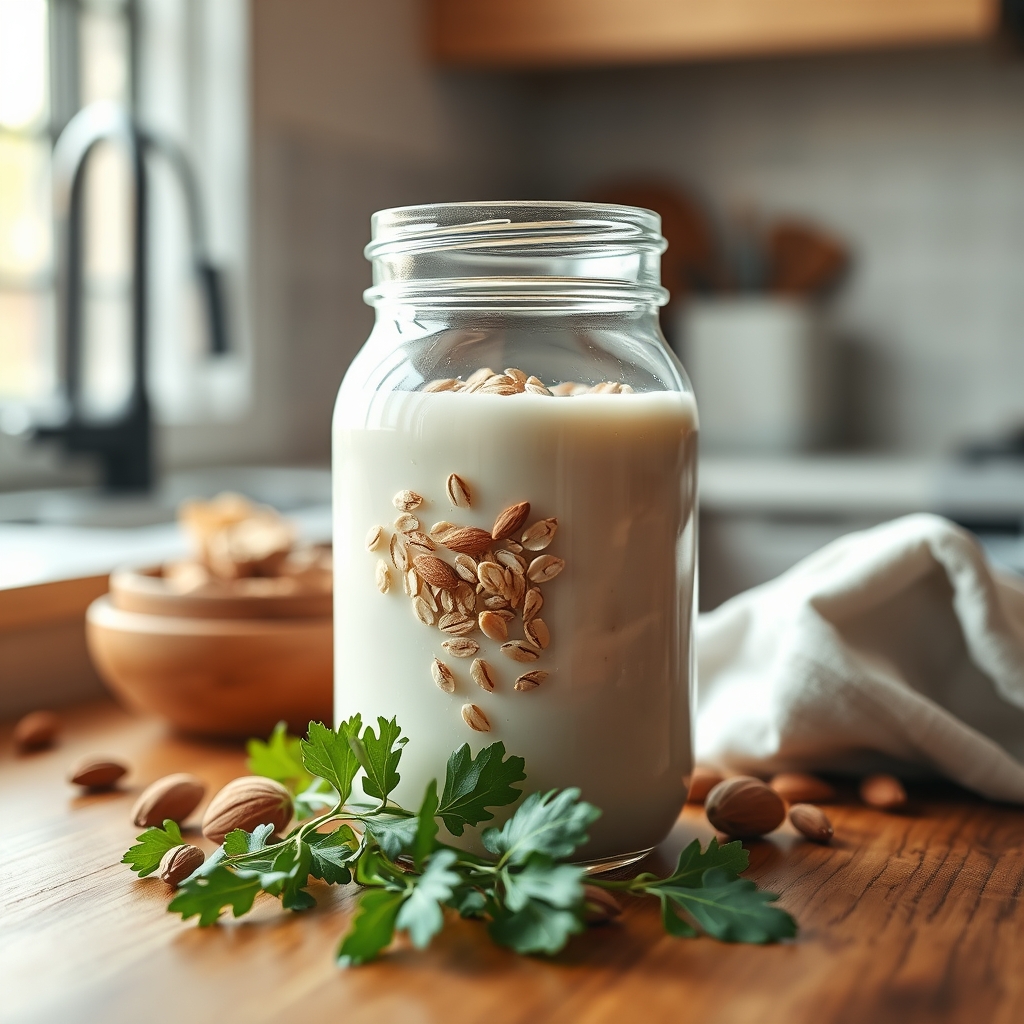
Oats. A cup of cooked oats provides iron and beta‑glucan, which may enhance prolactin.
Leafy greens. Spinach, kale, and collard greens are rich in calcium and iron.
Almonds and other nuts. A handful (≈30 g) supplies healthy fats and protein.
Fenugreek. The most studied herb; a typical dose is 1–2 capsules three times daily, but consult your provider.
Garlic. Though it can affect milk flavor, many mothers report a modest increase in output.
Water‑rich fruits. Watermelon, oranges, and berries help keep you hydrated, which is essential for milk volume.
Remember, “more” isn’t always “better.” Over‑consumption of certain herbs (e.g., fenugreek) can cause gastrointestinal upset for both mother and baby. Aim for a balanced diet, and let food be a supportive backdrop to the main driver: frequent milk removal.
Signs my baby is getting enough milk while establishing supply
During the first weeks, the most reliable indicators are wet diapers, weight gain, and contented behavior after feeds. The American Academy of Pediatrics (AAP) outlines the following benchmarks:
At least 6–8 wet diapers per day after day 3.
At least 3–4 dirty diapers per day (stools should transition from thick colostrum to mustard‑yellow milk stools).
Weight gain of 5‑7 ounces (140‑200 g) per week after the first week.
Baby appears satisfied, with relaxed hands and a calm demeanor after feeding.
Breast feels softer after feeding, indicating milk has been removed.
If you notice fewer wet diapers, persistent fussiness, or a drop in weight gain, it’s time to check latch and feeding frequency, and consider a lactation consult.
How long does it take to establish a milk supply after birth?
Milk production follows a predictable timeline, though individual experiences vary. According to the National Health Service (NHS):
Day 1–3 (colostrum phase): Small, nutrient‑dense colostrum is produced in low volumes (≈5‑10 mL per feeding).
Day 4–7 (transition milk): The mammary glands ramp up production; you may notice a “milk coming in” sensation—fullness, warmth, or mild engorgement.
Day 8–14 (mature milk): Full supply is typically established, and output stabilizes at 450‑800 mL per day.
Factors that can delay this timeline include high stress, inadequate feeding frequency, and certain medications. If you haven’t seen signs of transition milk by day 5, seek professional help.
Using galactagogues safely to boost milk supply
Herbal and supplemental galactagogues can be helpful, but safety first. The U.S. Food and Drug Administration (FDA) does not regulate many herbal products, so quality varies.
Safe approaches:
Fenugreek. Start with 1 capsule (300 mg) three times a day. Watch for side effects like gas or a maple‑syrup scent in breastmilk.
Blessed thistle. Often combined with fenugreek; use a low dose (≈80 mg) and discontinue if you notice gastrointestinal upset.
Prescription medications. In rare cases, doctors may prescribe domperidone (off‑label) after weighing cardiac risks. This is more common in the UK and Canada.
Never replace a balanced diet or regular nursing with supplements alone. Discuss any new herb with your provider, especially if you have thyroid issues or are taking other medications.
Difference between colostrum and mature milk in supply establishment
Colostrum and mature milk differ in composition, volume, and purpose:
Characteristic
Colostrum (Days 1‑3)
Mature Milk (After Day 7)
Volume per feeding
5‑10 mL
80‑120 mL
Protein
High (immune‑protective)
Moderate
Lactose
Low
High (primary carbohydrate)
Fat
Moderate
Higher (energy source)
Key function
Immunity, gut development
Growth, hydration
Because colostrum is produced in tiny amounts, the infant’s stomach empties quickly, prompting frequent feeding—exactly the signal your body needs to start making more milk. As supply builds, the volume increases while the composition shifts to meet the baby’s growing energy needs.
Additional considerations: low supply, stress, formula, relactation, medications, and storage
While the sections above cover the core steps, many mothers wonder about specific scenarios.
How to tell if low milk supply is a problem?
If you’re producing less than 30 mL per pumping session and your baby’s diaper count and weight gain are below the benchmarks listed earlier, it may be a true low‑supply issue. Other signs include persistent breast pain, plugging, or a feeling of emptiness after feeds.
Milk supply timeline first week postpartum
Day 1‑3: Colostrum (5‑10 mL). Day 4‑5: Transition milk begins, you may notice engorgement. Day 6‑7: Volume rises rapidly; many mothers report 300‑500 mL per day by the end of week 1.
Impact of stress on milk supply
Stress releases cortisol, which can blunt oxytocin release, reducing let‑down. The CDC recommends stress‑reduction techniques—deep breathing, short walks, or brief naps—to support hormonal balance.
Can formula supplementation affect milk supply?
Introducing formula can reduce the frequency of breast stimulation, potentially decreasing supply. If supplementation is medically necessary, try to pair it with pumping after each formula feed to maintain demand.
How to relactate after weaning?
Relactation follows the same principles: frequent stimulation (8‑10 sessions daily), hand expression or pumping, and supportive galactagogues. It often takes 2‑3 weeks to rebuild a robust supply, and a lactation consultant can provide a tailored plan.
What medications can reduce milk supply?
Certain drugs—like combined oral contraceptives containing estrogen, some antihistamines, and diuretics—can lower prolactin levels. The World Health Organization (WHO) advises discussing birth‑control options with your provider if you’re breastfeeding.
How to store expressed breast milk for later use?
Follow these guidelines from the U.S. Centers for Disease Control and Prevention (CDC):
Store in clean, BPA‑free containers.
Refrigerate at ≤4 °C for up to 4 days.
Freeze at ≤‑18 °C for up to 6 months (ideally 3 months for best quality).
Label each container with date and volume.
Thaw frozen milk in the refrigerator overnight or under warm running water; never microwave.
Never add fresh milk to previously frozen milk, as this can cause bacterial growth.
Pairing nutrient‑dense foods with regular pumping can support a healthy milk supply.
From our medical team: Consistency is the most powerful tool for building milk supply. Whether you’re nursing, pumping, or using a combination, aim for 8–12 milk removal sessions daily, ensure a deep latch, stay hydrated, and seek help at the first sign of trouble. If you’re ever unsure, a quick call to your lactation consultant can prevent weeks of frustration.
Myth vs. fact
Myth: “If I’m not breastfeeding every two hours, my supply will drop.”
Fact: While frequent removal is essential, the exact interval can vary. Nighttime feeds are especially important because prolactin peaks while you sleep.
Myth: “Herbal galactagogues guarantee more milk.”
Fact: Some herbs, like fenugreek, may modestly increase output for some mothers, but they are not a replacement for regular nursing or pumping.
Myth: “Stress only affects my mood, not my milk.”
Fact: Elevated cortisol can interfere with oxytocin release, making let‑down less efficient and potentially reducing supply.
Key takeaways
Breastfeed or pump at least 8‑10 times a day in the first two weeks.
Ensure a deep latch; pain‑free feeding is a sign of efficient milk removal.
Stay hydrated and include iron‑rich foods like oats, leafy greens, and almonds.
Safe galactagogues (e.g., fenugreek) can be tried after discussing with your provider.
Watch diaper count, weight gain, and breast softness to confirm adequate intake.
If supply feels low after day 5, seek help from a lactation consultant promptly.
Frequently asked questions
How many times a day should I breastfeed to increase my milk supply?
Most experts, including the AAP, recommend nursing at least 8‑12 times in 24 hours, which translates to roughly every 2‑3 hours, including at least one nighttime feed.
Can certain foods really boost breast milk production?
Evidence is modest, but foods like oats, almonds, leafy greens, and fenugreek have been associated with modest increases in output; they should be part of a balanced diet rather than a sole strategy.
What is the typical timeline for establishing a milk supply?
Colostrum appears from day 1‑3, transition milk usually arrives around day 4‑5, and mature milk is typically established by day 7‑10, though individual variation is normal.
Is it normal for my milk supply to drop after the first few weeks?
Supply can fluctuate as baby’s feeding patterns change; a gradual decline often signals reduced demand, not a problem, provided diaper counts and weight gain remain healthy.
Do I need to pump if my baby is not latching well?
Yes—pumping after each feed helps maintain supply while you work on latch; it also provides milk for supplemental feeding if needed.
Can stress affect my ability to produce enough milk?
Stress raises cortisol, which can blunt oxytocin release and reduce let‑down; incorporating relaxation techniques can help protect your supply.
When to call your doctor
If you notice any of the following, contact your obstetrician, midwife, or pediatrician promptly: fewer than 4 wet diapers in 24 hours after day 3, baby not gaining weight (loss or <150 g per week), persistent breast pain or redness, fever, or signs of mastitis (painful, hard breast with fever). This article is for informational purposes only and does not replace personalized medical advice.
References
American College of Obstetricians and Gynecologists (ACOG). “Breastfeeding After Cesarean Delivery.” Clinical Guidance, 2022.
World Health Organization (WHO). “Guidelines on Infant Feeding.” 2021.
Royal College of Obstetricians and Gynaecologists (RCOG). “Breastfeeding Management.” 2023.
American Academy of Pediatrics (AAP). “Breastfeeding and the Use of Human Milk.” Pediatrics, 2020.
National Institute for Health and Care Excellence (NICE). “Postnatal Care – Breastfeeding Guidance.” 2022.
U.S. Department of Agriculture (USDA). “Nutrition for Lactating Women.” 2021.
National Health Service (NHS). “Breastfeeding Support.” 2023.
U.S. Centers for Disease Control and Prevention (CDC). “Proper Storage of Breast Milk.” 2022.
Food and Drug Administration (FDA). “Herbal Supplements and Breastfeeding.” 2021.
World Health Organization (WHO). “Stress and Lactation.” Technical Brief, 2020.
Not sure about the label on How To Establish Milk Supply products?
Snap the ingredients list and SafeFilter checks every ingredient for your stage — only 3 free scans this month, then you're locked until reset. Unlimited from $7/mo or $50/yr.
When Shubhra Mishra was expecting her first child in 2016, she was overwhelmed by conflicting food advice — one site said yes, another said never. By the time her second baby arrived in 2019, she realized millions of mothers face the same confusion.
That sparked a five-year journey through clinical nutrition papers, cultural diets, and expert conversations — all leading to BumpBites: a calm, compassionate space where science meets everyday motherhood.
Her long-term vision is to build a global community ensuring safe, supported, and free deliveriesfor every mother — because no woman should face pregnancy alone or uninformed. 🌿
🌍 Stand with mothers, shape safer guidance
Join a small circle of experts who review BumpBites articles so expecting parents everywhere can decide with confidence.