Quick take: A Hashimoto’s diet focuses on anti-inflammatory foods like leafy greens, fatty fish, and fermented foods while avoiding gluten, dairy, soy, and processed foods. Start by swapping one meal a day to ease into the changes. If you’re pregnant or sensitive to stomach issues, focus on gentle foods like bone broth, coconut milk, and steamed veggies. Expect to see gradual improvements in energy and digestion within 4–12 weeks, but consistency is key. Always check with your endocrinologist before making major dietary shifts.
What foods to eat and avoid on a Hashimoto’s thyroiditis diet for beginners
There’s nothing like waking up with a brain fog so thick you can’t even remember your own name — let alone what you ate yesterday. That’s what happened to Sarah, a 32-year-old mom of two, when her Hashimoto’s thyroiditis flared up after a stressful work trip. She’d been managing her symptoms with medication, but her doctor mentioned diet as a potential trigger. “I had no idea where to start,” she says. “I Googled ‘Hashimoto’s diet food list’ and ended up overwhelmed by conflicting advice.”
You’re not alone. Hashimoto’s thyroiditis is an autoimmune condition where your immune system attacks your thyroid, often leaving you exhausted, cold, and mentally foggy. While there’s no “cure” for Hashimoto’s, research from the American Thyroid Association (ATA) shows that an anti-inflammatory diet can help reduce symptoms for many people. The goal? Cut back on foods that trigger inflammation and autoimmune responses while loading up on nutrients that support thyroid health.
Here’s the breakdown: focus on foods rich in selenium, zinc, vitamin D, and omega-3s — all of which help regulate your immune system and thyroid function. Avoid gluten, dairy, soy, and processed foods, which can exacerbate inflammation. Think of it as a reset button for your gut and immune system.
Foods to eat on a Hashimoto’s diet
Start with these nutrient-packed staples:
- Leafy greens (spinach, kale, Swiss chard): High in vitamin A and antioxidants.
- Fatty fish (salmon, mackerel, sardines): Rich in omega-3s, which reduce inflammation.
- Fermented foods (sauerkraut, kimchi, kefir, coconut yogurt): Support gut health, which is linked to autoimmune responses.
- Healthy fats (avocados, olive oil, nuts/seeds like almonds and chia): Essential for hormone production.
- Colorful vegetables (squash, carrots, beets): Packed with fiber and vitamins.
- Organ meats (liver, heart): High in B vitamins and iron, which are often low in Hashimoto’s.
- Bone broth: Heals the gut lining and provides collagen.
Foods to avoid on a Hashimoto’s diet
These are the usual suspects that can worsen inflammation or trigger flare-ups:
- Gluten (wheat, barley, rye): Linked to gut permeability in some studies (NIH).
- Dairy (milk, cheese, yogurt): Can cause digestive issues and may worsen autoimmune responses.
- Soy (tofu, tempeh, soy sauce): Contains phytoestrogens that may interfere with thyroid function (ATA).
- Processed foods (chips, frozen meals, deli meats): High in additives and inflammatory oils.
- Refined sugar (soda, candy, pastries): Spikes blood sugar and worsens inflammation.
- Alcohol: Can disrupt liver detoxification and thyroid hormone conversion.
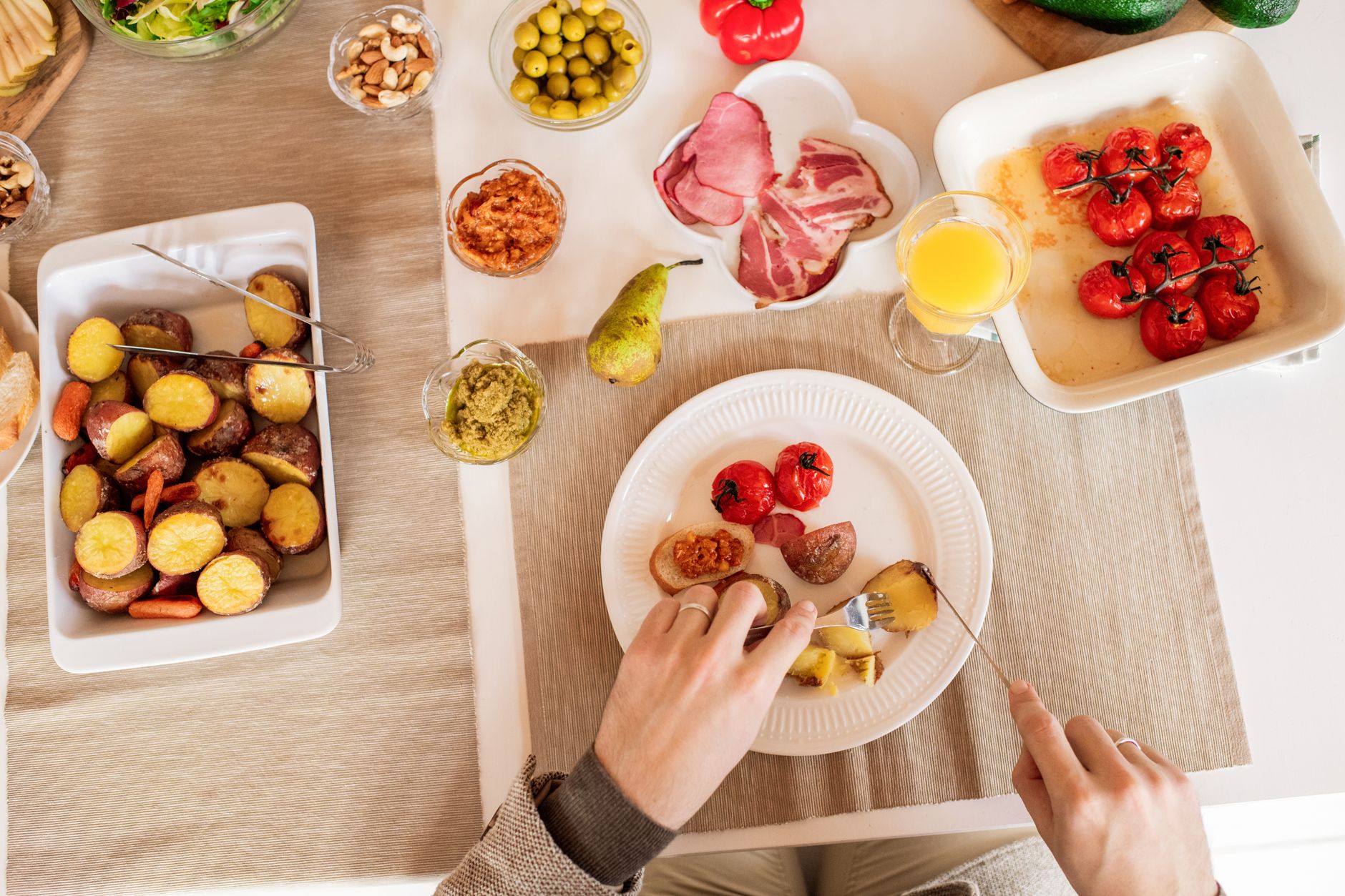
How to transition into a Hashimoto’s diet without triggering thyroid flare-ups
Sarah’s biggest mistake? She tried to eliminate everything at once. “I cut out gluten, dairy, and soy all at the same time, and I felt worse,” she admits. The key is gradual changes. Start by replacing one meal a day with a Hashimoto-friendly option. For example:
- Swap your morning cereal for chia pudding (chia seeds + coconut milk + berries).
- Replace your lunch sandwich with a salmon salad (canned salmon + olive oil + greens).
- End your day with a bone broth soup instead of takeout.
This slow transition helps your gut adjust and prevents a sudden immune system overload. If you experience fatigue, brain fog, or digestive upset, you may be triggering a flare-up. In that case, try the Autoimmune Protocol (AIP) for a few weeks to identify specific triggers.
How to start a Hashimoto’s diet plan with no prior experience or knowledge
Let’s be real: You’re not a nutritionist, and you don’t have time to meal-prep like a pro. That’s why we’re breaking this down into three simple steps to get started today.
Step 1: Stock your pantry with Hashimoto-friendly staples
Grab these non-perishable items first:
- Canned salmon or sardines (in water or olive oil).
- Chia seeds, flaxseeds, or hemp seeds.
- Coconut milk (full-fat, no sugar added).
- Olive oil or avocado oil.
- Bone broth or collagen peptides.
- Nuts and seeds (almonds, walnuts, pumpkin seeds).
- Frozen berries (for smoothies).
Step 2: Plan your first week of meals
Use this template for easy, anti-inflammatory meals:
Step 3: Learn to read labels like a pro
Watch for hidden gluten (e.g., malt, modified food starch), dairy (e.g., casein, whey), and soy (e.g., lecithin, textured vegetable protein). Apps like Cronometer can help track nutrients and allergens.
Pro tip: If you’re new to cooking, start with sheet-pan meals. Toss chicken, veggies, and olive oil on a tray, roast at 400°F for 25–30 minutes, and boom — dinner is done.
Safe Hashimoto’s diet foods for morning sickness and pregnancy (2026 guide)
Pregnancy with Hashimoto’s? You’re not alone. Many women wonder if their diet needs extra tweaks to support both their baby and thyroid. The good news: you don’t have to go gluten-free or dairy-free unless you’re sensitive, according to the American College of Obstetricians and Gynecologists (ACOG). However, focus on:
- Gentle gut-friendly foods (bone broth, coconut milk, steamed veggies).
- High-folate foods (spinach, lentils, avocados) to support fetal development.
- Selenium-rich foods (Brazil nuts, eggs, mushrooms) to support thyroid function.
- Avoid processed foods and excessive caffeine, which can worsen nausea.
If you’re struggling with morning sickness, try sipping ginger tea or eating small, frequent meals like toast with almond butter or crackers with avocado. And always check with your OB/GYN before making major dietary changes.
Does a gluten-free Hashimoto’s diet actually help reduce symptoms for beginners?
This is where things get tricky. While gluten can trigger inflammation in some people with Hashimoto’s, it’s not a one-size-fits-all solution. A 2021 study in Frontiers in Immunology found that only about 30% of Hashimoto’s patients report symptom improvement on a gluten-free diet. That means for many, cutting gluten alone won’t be enough.
Here’s what to do:
- Try a gluten-free trial for 4–6 weeks and track your symptoms.
- If you see no improvement, focus on eliminating other triggers (dairy, soy, processed foods).
- Consider the Autoimmune Protocol (AIP) if you suspect food sensitivities beyond gluten.
Sarah tried gluten-free for a month and noticed no change in her fatigue. She then eliminated dairy and soy, and within two weeks, her energy levels improved. “It wasn’t just one food,” she says. “It was the combination.”
Best Hashimoto’s diet meal prep ideas for new moms with limited time (2026)
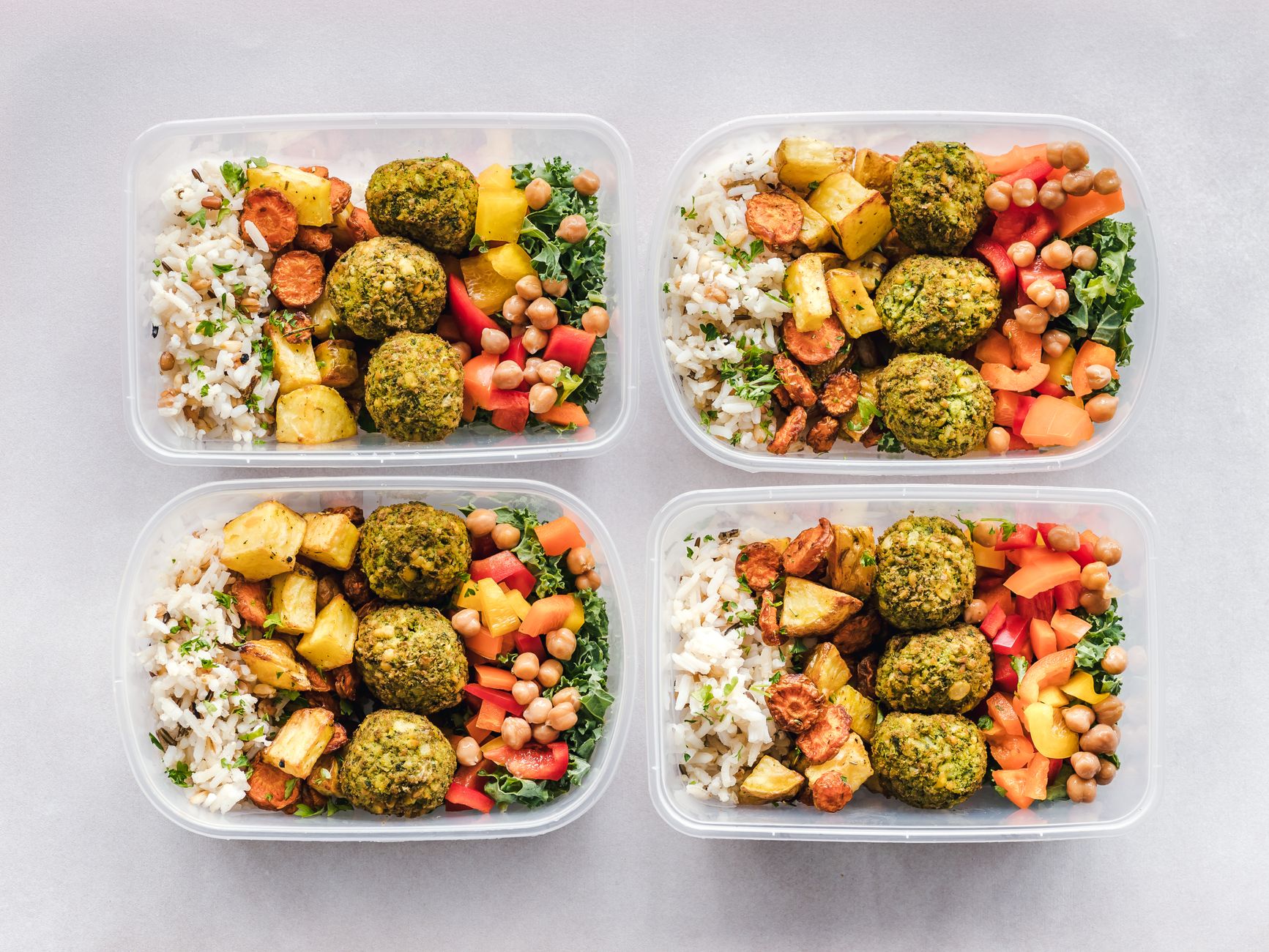
New moms, listen up: You don’t have time to chop veggies every night. That’s why we’re sharing five meal-prep hacks to save you hours:
1. Freeze individual portions of bone broth
Simmer a big batch, pour into ice cube trays, and freeze. Add a cube to soups, oatmeal, or even coffee for a gut-healing boost.
2. Pre-chop veggies and store in airtight containers
Wash and chop bell peppers, carrots, and zucchini on Sunday. Store in the fridge for up to 5 days. Toss into stir-fries, soups, or roast them for easy sides.
3. Make a big batch of grain-free "rice"
Blend cauliflower into rice-like texture, sauté with olive oil, and use as a base for stir-fries or bowls. It’s a game-changer for busy nights.
4. Batch-cook proteins
Roast a whole chicken, bake chicken thighs, or grill salmon in bulk. Store in the fridge for 3–4 days or freeze for later. Reheat with a splash of broth for extra flavor.
5. Keep emergency snacks handy
Stock your fridge with:
- Hard-boiled eggs.
- Pre-cut veggies + hummus.
- Nuts and seeds.
- Fermented veggies (like sauerkraut).
- Coconut milk cartons (for quick smoothies).
Can I eat soy products on a Hashimoto’s diet? Risks and alternatives for beginners
This is a hot topic. While soy is often blamed for thyroid issues, the evidence is mixed. The ATA notes that fermented soy (like tempeh or miso) may be better tolerated than processed soy (like soy milk or tofu) for some people. However, if you’re sensitive or experience symptoms like bloating or fatigue after eating soy, it’s best to avoid it.
Here’s how to navigate soy:
- Try fermented soy first (e.g., miso soup, tempeh).
- Monitor your symptoms for 2–3 weeks after eating soy.
- Avoid soy if you have a known sensitivity or if it worsens your Hashimoto’s symptoms.
- Alternatives include:
- Lentils or chickpeas for protein.
- Quinoa or buckwheat for grains.
- Nuts and seeds for healthy fats.
How to transition into a Hashimoto’s diet without triggering thyroid flare-ups
Flare-ups happen when your immune system overreacts to dietary changes. To avoid them:
1. Go slow
Make one change at a time (e.g., eliminate gluten for 2 weeks before cutting dairy). This helps your gut adjust.
2. Prioritize gut healing
Start with bone broth, fermented foods, and easy-to-digest proteins like chicken or turkey. Avoid high-fiber foods (like raw veggies) if you’re sensitive.
3. Listen to your body
If you feel worse after a meal, it may be a trigger. Keep a food diary to track symptoms.
4. Stay hydrated
Dehydration worsens fatigue and brain fog. Aim for half your body weight (in lbs) in ounces of water daily.
5. Manage stress
Cortisol (the stress hormone) can worsen autoimmune responses. Try deep breathing, gentle yoga, or a short walk outside.
What are the most common mistakes beginners make on a Hashimoto’s diet (and how to avoid them)
We’ve all been there — well-intentioned but misguided. Here are the top pitfalls and how to fix them:
Mistake 1: Cutting out too many foods at once
Sarah’s story is a cautionary tale. Don’t eliminate gluten, dairy, soy, and processed foods all at the same time. Your gut won’t thank you. Instead, focus on adding in anti-inflammatory foods first.
Mistake 2: Skipping meals or fasting too long
Intermittent fasting can worsen Hashimoto’s symptoms for some people, especially if you’re already fatigued. Aim for three balanced meals a day and snacks if needed.
Mistake 3: Not tracking symptoms
How do you know if the diet is working? Keep a journal or use an app like Cronometer to log meals and symptoms. Look for patterns over 4–6 weeks.
Mistake 4: Overdoing it with supplements
While selenium and vitamin D are important, too much can be harmful. Work with your endocrinologist to test levels before supplementing.
Mistake 5: Neglecting sleep and stress
Your thyroid thrives on rest. Poor sleep and chronic stress can worsen Hashimoto’s symptoms. Prioritize 7–9 hours of sleep and stress-management techniques like meditation or gentle exercise.
Hashimoto’s diet meal plan for beginners with Autoimmune Protocol (AIP) options
If you’re curious about the Autoimmune Protocol (AIP), it’s a stricter version of the Hashimoto’s diet that eliminates all potential triggers (including nuts, seeds, and nightshades). While AIP can help some people identify food sensitivities, it’s not necessary for everyone with Hashimoto’s.
Here’s how to incorporate AIP-friendly foods into your Hashimoto’s diet:
- Proteins: Grass-fed beef, chicken, turkey, fish (wild-caught), eggs (pasture-raised).
- Fats: Olive oil, avocado oil, coconut oil, ghee (if tolerated).
- Carbs: Sweet potatoes, squash, carrots, plantains.
- Fermented foods: Sauerkraut, kimchi, coconut yogurt.
- Avoid: Nuts, seeds, nightshades (tomatoes, peppers), gluten, dairy, soy, alcohol.
If you try AIP, stick to it for 30–60 days before reintroducing foods one at a time to test for reactions.
Best snacks for Hashimoto’s thyroiditis that won’t cause inflammation for new moms
New moms need snacks that are quick, nutritious, and easy to grab. Here are our top picks:
1. Chia pudding
Mix 2 tbsp chia seeds + ½ cup coconut milk + ½ tsp vanilla. Let sit overnight. Top with berries.
2. Hard-boiled eggs
Prep a batch on Sunday. Sprinkle with sea salt and pepper.
3. Avocado toast (gluten-free bread)
Mash avocado on toasted gluten-free bread. Top with everything bagel seasoning.
4. Seaweed snacks
Packed with iodine, which supports thyroid function. Look for low-sodium options.
5. Roasted chickpeas
Toss canned chickpeas with olive oil and spices. Roast at 400°F for 20–25 minutes.
6. Coconut yogurt + berries
Coconut yogurt is dairy-free and fermented, making it gut-friendly.
7. Turkey or chicken roll-ups
Wrap slices of turkey or chicken around cucumber or avocado.
How long does it take to see improvements on a Hashimoto’s diet for beginners?
Patience is key. While some people notice changes in 2–4 weeks, others take 3–6 months to see improvements. Here’s what to expect:
First 2 weeks
You may feel more energized due to better hydration and nutrient intake. However, some people experience a temporary flare-up as their gut adjusts.
4–6 weeks
Many report improved digestion, less bloating, and better sleep. Some notice a reduction in brain fog.
3–6 months
Long-term changes include stable energy levels, reduced inflammation, and improved thyroid function (as measured by blood tests). Consistency is everything.
If you don’t see improvements after 3 months, consider working with a functional medicine doctor or registered dietitian specializing in Hashimoto’s.
Hashimoto’s diet grocery list for someone with a sensitive stomach or IBS
If you have a sensitive stomach or IBS, focus on low-FODMAP, gut-healing foods. Here’s your shopping list:
Proteins
- Chicken or turkey (skinless).
- Salmon or cod (wild-caught).
- Eggs (pasture-raised).
- Bone broth (low-sodium).
Fats
- Olive oil or avocado oil.
- Coconut oil.
- Avocados.
Carbs
- Rice (white or brown).
- Quinoa.
- Sweet potatoes.
- Zucchini.
Fermented Foods
- Sauerkraut (pasteurized if sensitive).
- Coconut yogurt.
- Kimchi (low-sodium).
Avoid
- High-FODMAP veggies (onions, garlic, cabbage).
- Dairy (unless lactose-free).
- Processed foods.
- Alcohol.
Can I drink coffee or herbal teas on a Hashimoto’s diet? Best options for beginners
Coffee is a love-it-or-hate-it drink, but for Hashimoto’s, it’s best to limit it to 1 cup per day and avoid it on an empty stomach. Why? Coffee can:
- Disrupt sleep (which worsens Hashimoto’s symptoms).
- Increase cortisol levels (stress hormone).
- Cause digestive upset if you’re sensitive.
If you’re a coffee lover, try these alternatives:
- Matcha (lower caffeine than coffee).
- Chicory root coffee (caffeine-free, prebiotic).
- Golden milk (turmeric + coconut milk).
For herbal teas, focus on:
- Ginger tea (aids digestion).
- Chamomile (calming).
- Peppermint (soothes bloating).
- Ashwagandha tea (supports stress).
Hashimoto’s diet for beginners with food sensitivities beyond gluten and dairy
If gluten and dairy aren’t your only triggers, it’s time to dig deeper. Common sensitivities include:
- Soy (as discussed earlier).
- Nightshades (tomatoes, peppers, eggplant).
- Eggs (some people react to the protein avidin).
- Nuts and seeds (can cause digestive issues).
- Processed foods (often contain hidden allergens).
To identify sensitivities:
- Try an elimination diet for 30–60 days.
- Reintroduce foods one at a time and track symptoms.
- Consider a food sensitivity test with your doctor.
How to balance a Hashimoto’s diet with a busy work-from-home schedule in 2026
Working from home with Hashimoto’s? You’re juggling a million things — and your diet shouldn’t be another stressor. Here’s how to make it work:
1. Meal prep on Sundays
Cook a big batch of grains (quinoa, rice), proteins (chicken, salmon), and roast veggies. Store in the fridge for easy assembly.
2. Use slow cookers or Instant Pots
Throw in ingredients in the morning and let it cook while you work. Try:
- Chicken and veggie stew.
- Beef and sweet potato hash.
- Lentil soup.
3. Keep emergency snacks at your desk
Stock your desk with:
- Almonds or walnuts.
- Seaweed snacks.
- Dark chocolate (85%+ cocoa).
- Protein bars (check for no gluten/dairy/soy).
4. Schedule "lunch breaks"
Even if it’s just 10 minutes, step away from your desk to eat. Digestion works best when you’re not stressed.
5. Involve your partner or roommates
Ask someone to help with grocery shopping or cooking once a week. You’ll save time and energy.
Does a Hashimoto’s diet help with fatigue and brain fog for new moms? Expert-backed answers
New moms with Hashimoto’s often report improved energy and mental clarity on an anti-inflammatory diet. Why? Because:
- Better gut health reduces inflammation, which can worsen fatigue.
- More stable blood sugar prevents energy crashes.
- Reduced cortisol (stress hormone) from better sleep and nutrition.
- More nutrients (like B vitamins and omega-3s) support brain function.
The American Journal of Clinical Nutrition notes that diet can play a significant role in managing autoimmune symptoms, including brain fog. However, results vary — some moms see dramatic improvements, while others notice subtle changes. Be patient and consistent.
Myth vs. Fact: Hashimoto’s Diet Edition
Myth: You have to go gluten-free forever.
Fact: Only about 30% of people with Hashimoto’s see symptom improvement on a gluten-free diet. If you don’t tolerate gluten well, you can reintroduce it after 3–6 months of healing your gut. Always work with your doctor to monitor your thyroid function.
Myth: A Hashimoto’s diet is just another fad diet.
Fact: The Hashimoto’s diet is rooted in anti-inflammatory, gut-healing principles backed by research. It’s not about weight loss but about reducing autoimmune responses and improving overall health.
Myth: You can’t eat out or socialize while on a Hashimoto’s diet.
Fact: You can still enjoy meals with friends or family! Focus on safe swaps (e.g., ask for grilled chicken instead of fried, request olive oil instead of butter). Many restaurants now offer gluten-free and dairy-free options.
Myth: Supplements are the only way to manage Hashimoto’s.
Fact: While supplements like selenium and vitamin D can support thyroid health, diet is the foundation. Focus on whole foods first, and then consider supplements under your doctor’s guidance.
Key Takeaways
- Start with gradual changes — swap one meal at a time to avoid flare-ups.
- Focus on anti-inflammatory foods like fatty fish, leafy greens, and fermented foods.
- Avoid gluten, dairy, soy, and processed foods if they worsen your symptoms.
- Prioritize gut healing with bone broth, fermented foods, and easy-to-digest proteins.
- Expect improvements in 4–12 weeks, but consistency is key.
- Work with your endocrinologist or dietitian to personalize your plan.
Frequently Asked Questions
Is a Hashimoto’s diet the same as a thyroid diet for beginners?
Not exactly. A general thyroid diet often focuses on iodine-rich foods (like seaweed) and avoiding goitrogens (raw cruciferous veggies). However, a Hashimoto’s diet is more about reducing inflammation and autoimmune triggers, which means avoiding gluten, dairy, and processed foods — even if they’re not directly linked to thyroid function. Think of it as a subtype of the thyroid diet tailored to Hashimoto’s specifically.
How strict should a Hashimoto’s diet be when you’re pregnant or trying to conceive?
If you’re pregnant or trying to conceive, you don’t need to go on a strict elimination diet unless you have specific sensitivities. However, focus on nutrient-dense, gut-friendly foods like bone broth, leafy greens, and selenium-rich foods (Brazil nuts, eggs). Avoid processed foods, excessive caffeine, and alcohol. Always check with your OB/GYN before making major dietary changes, especially if you’re on thyroid medication.
Can I still eat nuts and seeds on a Hashimoto’s diet, or should I avoid them?
Nuts and seeds can be part of a Hashimoto’s diet, but they’re not for everyone. Some people tolerate them well, while others experience digestive issues or flare-ups. If you’re sensitive, try soaking or roasting nuts/seeds to reduce phytic acid (which can cause bloating). Start with small amounts and monitor your symptoms. If you’re on the Autoimmune Protocol (AIP), you’ll avoid nuts and seeds entirely.
What are the signs that my Hashimoto’s diet isn’t working for me as a beginner?
If your Hashimoto’s diet isn’t helping, watch for these red flags:
- Your symptoms (fatigue, brain fog, joint pain) worsen after 4–6 weeks.
- You experience digestive issues (bloating, diarrhea, constipation) that persist.
- Your thyroid lab markers (TSH, free T3, free T4) don’t improve (or worsen) on retesting.
- You feel more stressed or anxious than before starting the diet.
If this happens, consider working with a functional medicine doctor or dietitian to adjust your plan. You might need to eliminate additional foods (like nightshades or eggs) or address gut health with supplements like probiotics.
Is it safe to do intermittent fasting while following a Hashimoto’s diet?
Intermittent fasting can be tricky for Hashimoto’s because it may worsen cortisol levels (the stress hormone) and disrupt sleep, both of which can trigger flare-ups. However, some people tolerate 12-hour overnight fasts well. If you’re new to fasting




