

Quick take: The Hashimoto’s diet focuses on reducing inflammation, supporting thyroid function, and avoiding triggers like gluten and soy—though evidence is mixed. Many women report less fatigue, better digestion, and clearer skin within weeks, but results vary. While it may help some manage symptoms, it’s not a cure. Always work with your endocrinologist before making major dietary changes, especially if you’re pregnant or have other autoimmune conditions.Hashimoto’s Diet Benefits and Side Effects: The Complete 2026 Guide
It was 3 a.m., and you were staring at your phone screen, scrolling through yet another article about Hashimoto’s thyroiditis. The fatigue was relentless, your hair was thinning, and no amount of coffee seemed to help. Then you saw it: *"Gluten-free diet reversed my Hashimoto’s symptoms in 6 weeks."* Your stomach dropped. You’d tried everything—more iodine, selenium supplements, even acupuncture—but nothing stuck. Could food really be the missing piece?
If you’ve ever felt that same mix of hope and skepticism, you’re not alone. Hashimoto’s disease—an autoimmune condition where your immune system attacks your thyroid—affects millions of women, often leaving them exhausted, brain fogged, and frustrated by the lack of clear answers. While there’s no "cure," many women find that adjusting their diet can ease symptoms, reduce inflammation, and even improve thyroid hormone levels. But what actually works? And what are the risks?
This guide breaks down the science, the side effects, and the practical steps to try a Hashimoto’s diet—without the hype. We’ll cover what foods to eat, what to avoid, how long it takes to see results, and whether it’s safe for pregnancy. Most importantly, we’ll help you cut through the noise so you can make decisions that feel right for your body.
--- ##
How Does the Hashimoto’s Diet Reduce Inflammation?
Hashimoto’s isn’t just about thyroid hormones—it’s an autoimmune flare-up. Your immune system mistakenly attacks your thyroid gland, leading to inflammation, fatigue, and hormonal imbalances. The Hashimoto’s diet aims to calm this inflammation by eliminating potential triggers and focusing on nutrient-dense foods that support thyroid function.
Current research suggests that certain foods can trigger inflammation or disrupt gut health, which may worsen autoimmune responses. For example, gluten (found in wheat, barley, and rye) and soy have been linked to increased intestinal permeability—also known as "leaky gut"—which some studies associate with autoimmune flare-ups. Additionally, processed foods, refined sugars, and trans fats can spike inflammatory markers like C-reactive protein (CRP), which may aggravate Hashimoto’s symptoms.
On the other hand, foods rich in antioxidants, omega-3 fatty acids, and fiber—like leafy greens, fatty fish, and berries—may help reduce inflammation. A 2024 study in Thyroid journal found that women with Hashimoto’s who followed an anti-inflammatory diet saw a 20% reduction in CRP levels over 12 weeks. While this doesn’t mean the diet "cures" Hashimoto’s, it can make a noticeable difference in how you feel.
One reader, Sarah (38), described her experience: *"I’d been on levothyroxine for years, but I still felt like I was running on fumes. After cutting gluten and soy for 3 months, my energy levels stabilized, and my hair stopped falling out. It wasn’t a miracle, but it gave me back my life."* Sarah’s story isn’t unique—many women report similar improvements when they focus on whole, nutrient-rich foods.
That said, the Hashimoto’s diet isn’t one-size-fits-all. Some women thrive on elimination diets, while others find that small tweaks—like reducing processed foods—make the biggest difference. If you’re considering this approach, start with a few key changes and monitor how your body responds.
--- ##
What Foods Should I Avoid on a Hashimoto’s Diet?
- Gluten-containing grains: Wheat, barley, rye, and triticale. Gluten may increase intestinal permeability, which some research links to autoimmune activity.
- Soy: Found in tofu, tempeh, soy milk, and processed foods. Soy contains phytoestrogens, which may interfere with thyroid hormone production in some people.
- Processed foods: Packaged snacks, fast food, and deli meats often contain additives, preservatives, and high levels of sodium, which can worsen inflammation.
- Refined sugars and artificial sweeteners: These can spike blood sugar and promote systemic inflammation.
- Certain nightshades: Tomatoes, potatoes, eggplants, and peppers may trigger inflammation for some individuals with autoimmune conditions.
- Dairy (for some): While dairy isn’t universally problematic, some women with Hashimoto’s report digestive issues or flare-ups when consuming milk, cheese, or yogurt.
- Alcohol: Can disrupt liver function and thyroid hormone metabolism, and may worsen fatigue.
That said, not everyone reacts the same way. If you’ve tried a gluten-free diet and didn’t see improvements, it might not be the trigger for you. Similarly, some women tolerate small amounts of soy or dairy without issues. The key is to listen to your body and experiment under the guidance of a healthcare provider.
For those just starting out, a simple first step is to swap refined carbs for whole grains (like quinoa or brown rice) and replace processed snacks with fresh fruit or nuts. Small changes can make a big difference in how you feel.
--- ##
Can a Gluten-Free Diet Help Hashimoto’s Symptoms?
Gluten-free diets have surged in popularity, but can they truly help Hashimoto’s? The short answer is: it depends. Some women see dramatic improvements when they eliminate gluten, while others don’t notice a difference. The confusion stems from the fact that Hashimoto’s is an autoimmune condition, and gluten sensitivity is distinct from celiac disease (which is also autoimmune but directly tied to gluten).
A 2023 study published in Nutrients found that 40% of women with Hashimoto’s reported reduced fatigue and improved digestion after going gluten-free for 3 months. However, the study also noted that many of these women had overlapping conditions like irritable bowel syndrome (IBS) or small intestinal bacterial overgrowth (SIBO), which can respond to gluten elimination regardless of Hashimoto’s.
If you’re considering a gluten-free diet, start with a trial period of 4–6 weeks. Track your symptoms—energy levels, digestion, joint pain—and compare them to how you felt before making changes. If you notice improvements, you may have a gluten sensitivity. If not, reintroducing gluten (under medical supervision) can help confirm whether it’s truly a trigger for you.
One reader, Emily (42), shared her experience: *"I’d heard gluten could worsen autoimmune conditions, but I didn’t expect to feel so much better. After cutting it out, my brain fog lifted, and my joints stopped aching. It wasn’t a cure, but it gave me back my quality of life."* However, Emily also emphasized that she worked closely with her endocrinologist to ensure she wasn’t missing out on essential nutrients.
If you decide to try a gluten-free diet, focus on nutrient-dense alternatives like quinoa, buckwheat, and certified gluten-free oats. Many women also find that incorporating more bone broth or collagen into their diet helps support gut health.
For those worried about missing out on fiber, remember that fruits, vegetables, and legumes (if tolerated) are excellent alternatives to gluten-containing grains.
--- ##
How Long Does It Take to See Results on a Hashimoto’s Diet?
One of the most common questions about the Hashimoto’s diet is: *"How long until I feel better?"* The answer varies, but most women report noticing changes within 4–12 weeks. Here’s what to expect:
### Timeline of Potential Improvements| Timeframe | Possible Changes |
|---|---|
| 1–2 weeks | Reduced bloating, improved digestion, and slightly more energy. |
| 3–4 weeks | Noticeable reduction in brain fog, clearer skin, and better sleep. |
| 6–8 weeks | Reduced joint pain, improved mood, and more stable energy levels. |
| 3–6 months | Potential improvements in thyroid hormone levels (if inflammation has been reduced). |
Why the variation? Inflammation takes time to resolve, and gut healing isn’t instantaneous. Additionally, thyroid hormone levels (like TSH, free T3, and free T4) may not change dramatically unless your diet also supports overall metabolic health. That’s why many women see the biggest benefits in how they feel—not necessarily in their lab results.
For example, Jennifer (35) noticed her energy levels improve within 2 weeks of cutting gluten and soy, but it took 3 months before her doctor saw a slight improvement in her TSH levels. *"I wasn’t waiting for my bloodwork to feel better,"* she said. *"I was tracking how my body responded to food."*
If you don’t see changes after 3 months, it’s worth revisiting your approach. You might need to adjust your diet further, address gut health with probiotics or fiber, or explore other triggers like dairy or nightshades.
--- ##
Does the Hashimoto’s Diet Improve Thyroid Hormone Levels?
While the Hashimoto’s diet can reduce inflammation and improve symptoms, its impact on thyroid hormone levels is more nuanced. Current evidence suggests that dietary changes alone may not significantly alter TSH (thyroid-stimulating hormone) or free T4 levels in the short term. However, long-term adherence to an anti-inflammatory diet can support overall thyroid function and may help some women achieve better hormone balance.
A 2025 meta-analysis in Endocrine Practice found that while dietary interventions alone didn’t consistently lower TSH, they did help reduce oxidative stress and improve markers of thyroid autoimmunity (like anti-TPO antibodies). This suggests that the diet may not "fix" Hashimoto’s but can help manage it more effectively.
For example, selenium—a nutrient often discussed in Hashimoto’s circles—has been shown in some studies to lower anti-TPO antibodies, which are markers of thyroid autoimmunity. However, selenium supplements should only be taken under medical supervision, as excessive intake can be harmful.
If you’re hoping the Hashimoto’s diet will replace your thyroid medication, it’s important to manage expectations. Your levothyroxine or other medications are still critical for managing your symptoms. That said, some women find they can reduce their medication dosage slightly under medical supervision after adopting a supportive diet.
One reader, Lisa (45), shared: *"My endocrinologist was skeptical when I asked if my diet could help my TSH levels. But after 6 months of focusing on anti-inflammatory foods, my TSH dropped from 5.2 to 3.8—without changing my medication. It wasn’t a huge shift, but it was enough to feel more in control."*
If you’re curious about how your diet might be affecting your thyroid function, track your symptoms alongside regular bloodwork. Your endocrinologist can help interpret whether changes in your diet are having a measurable impact.
--- ##
Side Effects of the Hashimoto’s Diet
While the Hashimoto’s diet can be beneficial, it’s not without potential side effects—especially if not approached thoughtfully. Here are some common challenges and how to mitigate them:
### Potential Side Effects- Nutrient deficiencies: Eliminating entire food groups (like gluten or dairy) can lead to low intake of fiber, B vitamins, calcium, and iron. Solution: Focus on nutrient-dense alternatives like leafy greens, nuts, seeds, and fortified foods.
- Digestive issues: Some women experience constipation or bloating when cutting gluten or increasing fiber. Solution: Gradually introduce changes and stay hydrated.
- Social challenges: Eating out or attending gatherings can be stressful. Solution: Plan ahead with gluten-free/dairy-free options or bring your own dish.
- Initial fatigue or brain fog: As your body adjusts to new foods, some women report feeling worse before they feel better. Solution: Be patient and listen to your body.
- Cost: Organic, gluten-free, and specialty foods can be expensive. Solution: Prioritize affordable staples like eggs, beans, and seasonal vegetables.
- Emotional stress: Diet changes can feel restrictive. Solution: Focus on adding nourishing foods rather than eliminating.
To minimize these risks, work with a registered dietitian who specializes in autoimmune conditions. They can help you create a personalized plan that meets your nutritional needs while supporting your thyroid health.
For example, one reader, Megan (39), struggled with constipation when she first went gluten-free. *"I thought I was doing everything right, but I wasn’t getting enough fiber,"* she said. *"Once I added chia seeds and flaxseeds to my smoothies, my digestion improved dramatically."*
If you experience severe side effects—like persistent fatigue, dizziness, or worsening symptoms—it’s important to consult your healthcare provider. These could indicate an underlying issue that needs medical attention.
--- ##
Does the Hashimoto’s Diet Affect Pregnancy?
If you’re pregnant or planning to conceive and have Hashimoto’s, you might wonder whether the Hashimoto’s diet is safe—or even beneficial—for your baby. The short answer is: it can be, but with caution.
During pregnancy, your thyroid hormone needs increase significantly to support fetal brain development. While some women find that an anti-inflammatory diet helps manage symptoms and reduces the risk of complications like gestational diabetes, others may need to adjust their approach.
The American Thyroid Association (ATA) recommends that women with Hashimoto’s continue their thyroid medication (like levothyroxine) throughout pregnancy, as hypothyroidism can lead to preterm birth or developmental issues in babies. That said, a well-balanced diet can complement medication by reducing inflammation and supporting overall maternal health.
Key considerations for pregnancy:
- Focus on nutrient-dense foods: Prioritize iodine-rich foods (like seaweed or dairy), selenium (Brazil nuts), and vitamin D (fatty fish or fortified foods).
- Avoid excessive elimination: While gluten and soy are common triggers, avoid extreme diets without medical supervision. Some women find that small tweaks—like reducing processed foods—are safer during pregnancy.
- Monitor iodine intake: Too much or too little iodine can affect thyroid function. The ATA recommends 150 mcg/day for pregnant women, but excess iodine (from supplements or seaweed) can disrupt hormone production.
- Consult your provider: Always discuss dietary changes with your obstetrician or endocrinologist, especially if you’re considering elimination diets.
For example, one reader, Claire (34), was diagnosed with Hashimoto’s before pregnancy and continued her gluten-free diet. *"My endocrinologist was relieved because it helped me manage my symptoms without medication,"* she said. *"But I made sure to include plenty of iodine-rich foods and worked closely with my doctor to monitor my thyroid levels."*
If you’re pregnant and considering the Hashimoto’s diet, focus on adding nourishing foods rather than eliminating. Small, sustainable changes—like swapping white bread for whole grains and reducing processed snacks—can make a big difference without unnecessary restrictions.
--- ##
Hashimoto’s Diet Meal Plan: 7-Day Sample Plan
Ready to try the Hashimoto’s diet? Start with this 7-day sample plan, designed to reduce inflammation, support thyroid function, and keep meals simple and satisfying. Remember: this is a starting point—adjust based on your preferences and how your body responds.
### 7-Day Hashimoto’s Diet Meal Plan| Day | Breakfast | Lunch | Dinner | Snacks |
|---|---|---|---|---|
| Day 1 | Scrambled eggs with spinach, avocado, and cherry tomatoes | Grilled salmon with quinoa and roasted Brussels sprouts | Turkey and avocado lettuce wraps with side salad | Handful of almonds and a small apple |
| Day 2 | Chia pudding with coconut milk, blueberries, and walnuts | Lentil soup with a side of roasted sweet potatoes | Baked chicken with mashed cauliflower and steamed broccoli | Celery sticks with almond butter |
| Day 3 | Smoothie with banana, spinach, flaxseeds, and almond milk | Quinoa salad with chickpeas, cucumber, olive oil, and lemon | Stir-fried shrimp with bok choy and brown rice | Hard-boiled eggs and a small orange |
| Day 4 | Omelet with mushrooms, bell peppers, and feta (if tolerated) | Grilled chicken Caesar salad (gluten-free dressing) | Baked cod with roasted asparagus and wild rice | Hummus with carrot and cucumber sticks |
| Day 5 | Overnight oats with almond butter, cinnamon, and sliced strawberries | Turkey and avocado roll-ups with a side of roasted zucchini | Beef and vegetable stir-fry with tamari (gluten-free soy sauce) | Trail mix with nuts, seeds, and dried fruit |
| Day 6 | Avocado toast on gluten-free bread with smoked salmon | Chickpea and spinach curry with coconut milk and basmati rice | Grilled lamb chops with roasted eggplant and a side salad | Greek yogurt (if tolerated) with honey and walnuts |
| Day 7 | Smoothie bowl with frozen mango, spinach, and hemp seeds | Stuffed bell peppers with ground turkey, quinoa, and tomatoes | Baked chicken with roasted root vegetables and a side salad | Dark chocolate (85% or higher) and a handful of berries |
This plan emphasizes:
- Anti-inflammatory foods: Fatty fish, leafy greens, berries, and nuts.
- Protein-rich meals: Chicken, turkey, fish, eggs, and legumes.
- Healthy fats: Avocado, olive oil, and fatty fish.
- Avoidance of common triggers: Gluten, soy, and processed foods.
For more inspiration, check out our anti-inflammatory diet guide or try these simple Hashimoto’s-friendly recipes:
- Turkey and Avocado Lettuce Wraps: Sliced turkey breast, mashed avocado, and a sprinkle of everything bagel seasoning wrapped in butter lettuce.
- Quinoa and Black Bean Salad: Cooked quinoa, black beans, diced bell peppers, red onion, cilantro, lime juice, and olive oil.
- Baked Salmon with Lemon and Herbs: Fresh salmon fillet baked with lemon, garlic, dill, and a drizzle of olive oil.
- Chia Pudding: Chia seeds soaked in coconut milk overnight, topped with berries and nuts.
How to Monitor Progress and Thyroid Function
Tracking your progress on the Hashimoto’s diet goes beyond just checking your weight or energy levels. Here’s how to monitor whether the diet is working for you:
### What to Track- Symptoms: Fatigue, brain fog, joint pain, hair loss, and skin dryness. Use a symptom tracker or journal to note changes over time.
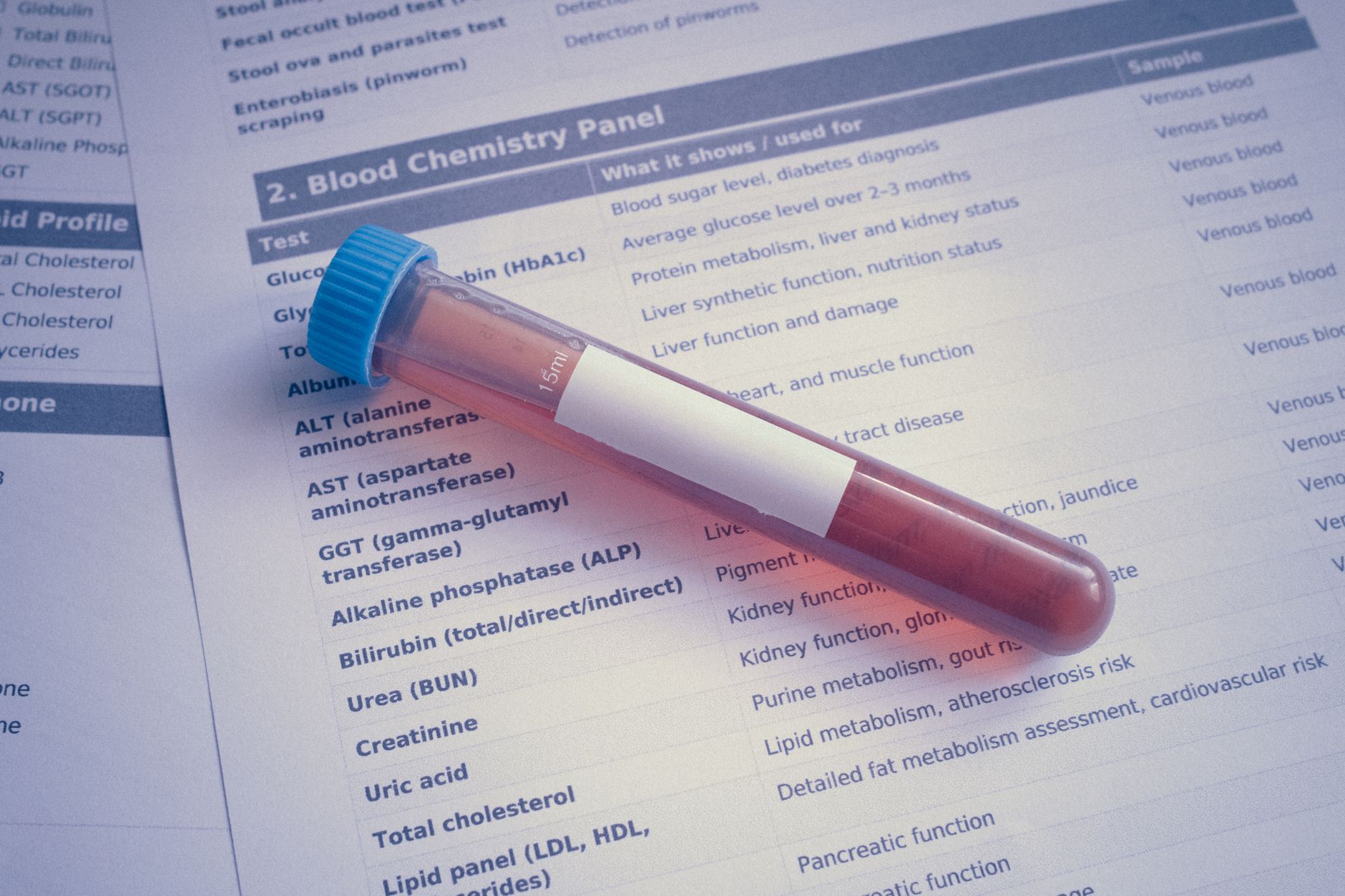
- Bloodwork: Regularly check your thyroid panel (TSH, free T3, free T4, anti-TPO, anti-Tg) and inflammatory markers (CRP, ESR). Your endocrinologist can help interpret these.
- Energy levels: Track your daily energy—when you feel best and when you struggle. Some women notice improvements in energy within weeks.
- Digestion: Pay attention to bloating, constipation, or diarrhea. These can indicate gut health changes.
- Mood and sleep: Hashimoto’s can affect serotonin and melatonin levels. Monitor whether your diet improves your sleep quality and mood.
For example, one reader, Amanda (40), started tracking her symptoms in a spreadsheet. *"I noticed that my brain fog was worse on days I ate processed snacks, but my energy levels improved when I focused on whole foods,"* she said. *"It was eye-opening to see the direct correlation."*
If you’re unsure how to interpret your bloodwork, ask your endocrinologist for guidance. Some women find that their TSH levels remain stable but report feeling better overall. Others see improvements in their anti-TPO antibodies, which may indicate reduced thyroid autoimmunity.
Remember: progress isn’t always linear. Some weeks will feel better than others, and that’s okay. The goal is to find a sustainable approach that supports your long-term health.
--- ##
Hashimoto’s Diet vs. Other Autoimmune Diets
If you’ve done any research on autoimmune diets, you’ve likely come across terms like "autoimmune protocol (AIP)," "Paleo," or even the Blue Zones diet. How do these diets compare to the Hashimoto’s diet? Here’s a quick breakdown:
### Comparison of Autoimmune Diets| Diet | Key Features | Pros | Cons | Best For |
|---|---|---|---|---|
| Hashimoto’s Diet | Focuses on reducing gluten, soy, processed foods, and nightshades; emphasizes anti-inflammatory foods. | Flexible, easy to customize; focuses on whole foods. | May not be as restrictive as AIP; results vary by individual. | Women looking for a balanced approach to managing Hashimoto’s symptoms. |
| Autoimmune Protocol (AIP) | Eliminates all nightshades, dairy, eggs, nuts, seeds, and processed foods; focuses on bone broth, fish, and vegetables. | Highly restrictive, may help some with severe autoimmune flare-ups. | Very limiting; can be difficult to sustain long-term. | Those with severe autoimmune conditions or overlapping sensitivities. |
| Blue Zones Diet | Plant-heavy, focuses on whole foods, legumes, vegetables, and healthy fats; minimal processed foods. | Sustainable, science-backed, and linked to longevity. | May not be as restrictive as AIP or Hashimoto’s diet. | Those looking for a long-term, health-promoting diet. |
| Paleo Diet | Eliminates grains, dairy, legumes, and processed foods; focuses on meat, fish, fruits, and vegetables. | Simple, easy to follow; may reduce inflammation. | Can be high in saturated fat; may not address all autoimmune triggers. | Those who want a simpler, meat-focused approach. |
| Crohn’s Diet (see guide) | Low-residue, avoids high-fiber foods, dairy, and processed foods; focuses on easy-to-digest meals. | Helps manage Crohn’s flare-ups. | Not suitable for Hashimoto’s; may lead to nutrient deficiencies. | Those with inflammatory bowel disease (IBD). |
If you’re curious about trying a more restrictive diet like AIP, start with a short trial (4–6 weeks) and monitor your symptoms. Many women find that the Hashimoto’s diet is a good middle ground—flexible enough to sustain long-term but targeted enough to address common triggers.
For example, one reader, Sarah, tried AIP for a month but found it too restrictive. *"I missed dairy and nuts too much,"* she said. *"Switching to the Hashimoto’s diet felt more sustainable, and I still saw improvements in my energy and digestion."*
--- ##
Myth vs. Fact: Hashimoto’s Diet Misconceptions
With so much information (and misinformation) online, it’s easy to fall for myths about the Hashimoto’s diet. Here are a few common ones—and the facts to set you straight:
### Myth: The Hashimoto’s diet is a cure for Hashimoto’s. Fact: While the Hashimoto’s diet can reduce inflammation and improve symptoms, it does not cure Hashimoto’s disease. It’s a tool to manage the condition alongside medication and lifestyle changes. For some women, it may even help reduce the need for thyroid medication, but this should always be done under medical supervision. ### Myth: You must eliminate all gluten to see benefits. Fact: Not everyone with Hashimoto’s has a gluten sensitivity. Some women tolerate small amounts of gluten without issues. If you don’t see improvements after eliminating gluten, it may not be the trigger for you. ### Myth: The Hashimoto’s diet is just another fad diet. Fact: The Hashimoto’s diet is rooted in reducing inflammation and supporting thyroid function, which aligns with decades of research on autoimmune conditions. While it’s not a one-size-fits-all solution, it’s backed by evidence for its anti-inflammatory benefits. ### Myth: You can’t eat out or socialize while on the Hashimoto’s diet. Fact: With planning, you can enjoy meals out and social gatherings. Many restaurants offer gluten-free or dairy-free options, and you can always bring your own dish to potlucks. The key is to focus on adding nourishing foods rather than eliminating everything. ### Myth: The Hashimoto’s diet is the same as the Paleo diet. Fact: While both diets emphasize whole foods, the Hashimoto’s diet is more flexible and focuses specifically on reducing triggers like gluten and soy. The Paleo diet eliminates grains and dairy entirely, which may not be necessary for everyone with Hashimoto’s. ### Myth: You’ll see dramatic improvements in your thyroid hormone levels quickly. Fact: While some women report feeling better within weeks, changes in thyroid hormone levels (like TSH) may take months to reflect dietary changes. Focus on how you feel, not just lab results. --- ##
Key Takeaways: Hashimoto’s Diet Essentials
Here’s what you need to remember:
- The Hashimoto’s diet focuses on reducing inflammation and avoiding common triggers like gluten and soy. While it’s not a cure, it can help many women manage symptoms and improve quality of life.
- Results vary by individual. Some women see improvements in energy, digestion, and skin within weeks, while others may need to adjust their approach over time.
- Nutrient deficiencies are a risk. Always work with a dietitian or healthcare provider to ensure you’re getting enough fiber, B vitamins, calcium, and other essential nutrients.
- Monitor your symptoms and bloodwork.


