

✅ Is Ham Hock Safe During Pregnancy?

✅ Is Ham Hock Safe During Pregnancy?

Quick answer: Generally safe

Ham hock can be safe in pregnancy when it’s fully cooked and consumed moderately. This evidence-based guide explores sodium, fat, food safety, and comforting ways to enjoy it responsibly, with expert storage, reheating, and portion guidance.

Source: BumpBites — pregnancy food-safety guide. Always consult your doctor.

Keep Ham Hock + 10,000 more foods as a free PDF

Instant download. One useful tip a week. Unsubscribe anytime.

By continuing you agree to our Privacy Policy.

How we decide: Verdicts follow mainstream food-safety guidance (pasteurization, cook temps, known pathogens). See our methodology · medical review board · disclaimer. Not a diagnosis — confirm with your clinician.

Ham Hock during pregnancy — at a glance
Pregnancy verdictGenerally safe
Suggested limit100g per day
Serving sizePer 100 g cooked ham hock
Calories≈ 260 kcal

Key things to know about Ham Hock in pregnancy

  • Ham Hock is generally considered safe to eat during pregnancy when it is fresh and properly prepared.
  • A per 100 g cooked ham hock serving of ham hock provides roughly ≈ 260 kcal, including ≈ 25 g of protein, ≈ 0 g of carbohydrates, ≈ 20 g (≈ 7 g saturated) of fat.
  • Ham Hock is relatively high in sodium (≈ 1,200 mg per serving), so keep portions modest if you are watching your salt intake.
  • Energy-dense and salty; use small portions, pair with fibre-rich sides and water.
  • High sodium and fat can raise blood pressure and reflux; treat ham hock as a flavour base, not a main protein.
On this page

Ham hock can be safe in pregnancy when it’s fully cooked and consumed moderately. This evidence-based guide explores sodium, fat, food safety, and comforting ways to enjoy it responsibly, with expert storage, reheating, and portion guidance.

Shubhra Mishra

By Shubhra Mishra — a mom of two who turned her own confusion during pregnancy into BumpBites, a global mission to make food choices clear, safe, and stress-free for every expecting mother. 💛

Are you a qualified maternal-health or nutrition expert? Join our reviewer circle.

Wondering about another food?

Check whether any food is safe during pregnancy with the BumpBites Food Safety Checker.

Ham Hock in Pregnancy — Comfort Food Meets Safety Science

The smell of a simmering ham hock stew is pure nostalgia — warm kitchens, family dinners, slow comfort. When you’re expecting, though, questions rise with the steam: Is it safe? How salty is too salty? Do I need to avoid smoked or cured versions? The good news: you don’t have to give up hearty comfort foods. With a few tweaks — proper cooking, mindful portions, smart pairings — ham hock can still belong on your pregnancy plate. [1] [3]

Quick Take (TL;DR)

  • Cook thoroughly: 74 °C / 165 °F internal temperature kills Listeria & Toxoplasma. [5]
  • Eat hot — not cold-cut style. Reheat leftovers until steaming. [2]
  • Moderate sodium: cured meats are brined; balance with vegetables and water. [6]
  • Small portions: use as flavour base, not main protein.
  • Store safe: refrigerate ≤ 4 °C / 40 °F; use within 3 days. [4]

What Exactly Is Ham Hock?

A ham hock is the joint between a pig’s leg and foot — a collagen-rich cut that becomes meltingly tender when slow-cooked. Traditionally, it’s cured or smoked for flavour, then used to deepen soups, beans, or greens. Safety depends entirely on how it’s processed and cooked. Raw or lightly cured hocks need full heat; ready-to-eat smoked ones must still be reheated piping hot. [1]

Safety Science — Why Temperature Matters

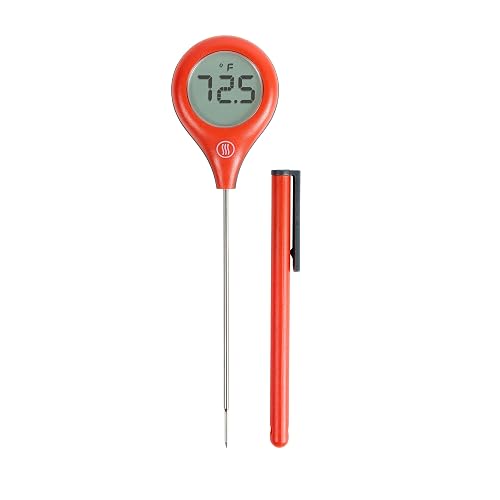
Listeria monocytogenes can survive in refrigerated, cured meats. During pregnancy, infection risk is higher and consequences are severe. The fix is simple: heat kills Listeria. Cook until juices run clear, fat renders, and a food thermometer reads 74 °C / 165 °F. Reheat leftovers to the same level before serving. [2] [5]

  • Discard any meat left out > 2 hours. [4]
  • Use clean utensils & surfaces — no cross-contamination. [4]
  • Freeze portions if not eating within 3 days.

Nutrition Snapshot — Rich but Manageable

A 100 g portion of cooked ham hock provides ≈ 260 kcal, ≈ 25 g protein, but also ≈ 1,200 mg sodium and significant saturated fat. That doesn’t make it forbidden — just a reason to keep portions small and pair with fibre. [6]

Nutrient (per 100 g)Approx.Pregnancy Impact
Calories≈ 260 kcalEnergy dense — limit extras.
Protein≈ 25 gSupports fetal growth.
Fat (sat.)≈ 20 g (≈ 7 g sat.)High — portion control = key.
Sodium≈ 1,200 mgHigh; watch BP & fluid retention.
Iron & ZincSmall boostHelps anemia prevention.

Portion & Balance — Savour Without Overdoing

A palm-sized (≈ 60 g cooked) portion delivers flavour without excess salt. Combine with high-potassium foods — sweet potatoes, greens, beans — to balance electrolytes. Turn it into a background note, not the headline. [6]

Trimester-Wise Tips

1st Trimester

Avoid cold cured meats; heat everything thoroughly. Keep portions light if nausea is present. [3]

2nd Trimester

Use as flavour in soups & stews rich in fibre and folate. Hydrate well to offset salt. [6]

3rd Trimester

Keep portions small to prevent reflux; add fresh greens and citrus to help iron absorption. [6]

Myths & Facts

  • Myth: “All ham is unsafe in pregnancy.”
    Fact: Only cold or undercooked ham is risky. Cooked ham hock is safe and nutritious. [2]
  • Myth: “Smoking makes it sterile.”
    Fact: Smoking adds flavour, not sterilization. Heat still required. [1]
  • Myth: “Low-fat means unlimited.”
    Fact: Even leaner cuts carry salt; moderation matters. [6]

Safer Swaps & Comfort Alternatives

  • Smoked turkey leg: Similar depth with less fat. [6]
  • Lean pork shoulder: Trim fat and slow-cook with herbs. [5]
  • Plant-based lentil stew: High fibre comfort alternative. [6]

Pregnancy FAQ — Ham Hock

Is ham hock safe during pregnancy?

Yes—when thoroughly cooked to at least 74 °C / 165 °F and eaten hot. Avoid cold or undercooked cured versions. [2] [5]

Can I eat smoked or cured ham hock?

Yes if heated until steaming hot; avoid raw or cold-cured varieties straight from the pack. [3]

Why is sodium in ham hock a concern?

Ham hock is heavily brined; excess sodium can worsen swelling or blood pressure in pregnancy. Balance it with fresh vegetables and hydration. [6]

What’s the safest way to store and reheat ham hock?

Refrigerate within 2 hours of cooking, store below 4 °C / 40 °F, and reheat leftovers to at least 74 °C / 165 °F. [4] [5]

Are there healthier or lighter alternatives?

Yes—use lean pork shoulder, smoked turkey leg, or plant-based lentil stews for similar flavour with less sodium and fat. [6]

References & Acknowledgements

Evidence based on FDA, CDC, NHS, WHO, USDA and Mayo Clinic guidelines on meat handling, Listeria prevention, cooking temperatures and balanced pregnancy nutrition. [1] [2] [3] [4] [5] [6]

🥗 Nutrition Facts

sugar0 g
limit Per Day100g
carbohydrates≈ 0 g
noteEnergy-dense and salty; use small portions, pair with fibre-rich sides and water. [[ref:mayo-pregnancy-nutrition]]
sodium≈ 1,200 mg
quantityPer 100 g cooked ham hock
fats≈ 20 g (≈ 7 g saturated)
protein≈ 25 g
calories≈ 260 kcal

Editor's pick for this topic

Shubhra Mishra

About the Author

When Shubhra Mishra was expecting her first child in 2016, she was overwhelmed by conflicting food advice — one site said yes, another said never. By the time her second baby arrived in 2019, she realized millions of mothers face the same confusion.

That sparked a five-year journey through clinical nutrition papers, cultural diets, and expert conversations — all leading to BumpBites: a calm, compassionate space where science meets everyday motherhood.

Her long-term vision is to build a global community ensuring safe, supported, and free deliveriesfor every mother — because no woman should face pregnancy alone or uninformed. 🌿

🌍 Stand with mothers, shape safer guidance

Join a small circle of experts who review BumpBites articles so expecting parents everywhere can decide with confidence.

References
  1. FDA — Food Safety During Pregnancy (meat, leftovers, reheating guidance) https://www.fda.gov/food/consumers/food-safety-during-pregnancy
  2. CDC — Preventing Listeria Infection (cook thoroughly, avoid cold cured meats) https://www.cdc.gov/listeria/prevention/index.html
  3. NHS — Foods to avoid in pregnancy (cold cured meats, safe reheating) https://www.nhs.uk/pregnancy/keeping-well/foods-to-avoid/
  4. WHO — Five Keys to Safer Food (clean, separate, cook, chill, safe water) https://www.who.int/publications/i/item/9789241594639
  5. USDA FSIS — Safe Minimum Internal Temperatures for Meats (74 °C / 165 °F for leftovers) https://www.fsis.usda.gov/food-safety/safe-food-handling-and-preparation/meat/minimum-internal-temperatures
  6. Mayo Clinic — Pregnancy nutrition basics (protein, fat, sodium moderation) https://www.mayoclinic.org/healthy-lifestyle/pregnancy-week-by-week/in-depth/pregnancy-nutrition/art-20043844

⚠️ Always consult your doctor for medical advice. This content is informational only.