

Quick take: Gluten-free snacks don’t have to be boring or expensive. From protein-packed nuts and seeds to crunchy veggies and homemade energy balls, there are plenty of easy, on-the-go options that satisfy cravings and keep you energized. Just watch for hidden gluten in processed foods, and always check labels. We’ve rounded up the best gluten-free snacks, including budget-friendly picks, meal-prep hacks, and even kid-friendly choices.Gluten-Free Diet Snacks for On-the-Go: The Complete 2026 Guide
Picture this: You’re in the middle of a chaotic morning, rushing to drop your kid off at school, your coffee in one hand and your phone in the other. Suddenly, that familiar gnawing hunger hits—not the full-blown "I need a sit-down meal" kind, but the "I need something now" kind. You glance at your grocery bag and realize you forgot to pack lunch *again*. Or maybe you’re at a friend’s house, staring at the snack table with your stomach in knots because you’re not sure what’s safe to eat. Sound familiar?
For many women—whether managing celiac disease, non-celiac gluten sensitivity, or just avoiding gluten for digestive comfort—finding quick, reliable gluten-free snacks can feel like a full-time job. The good news? It doesn’t have to be. We’ve spent months testing, researching, and gathering real-life feedback from women just like you to create this ultimate guide to gluten-free snacks for on-the-go. No more guessing, no more stress, just practical, delicious options that fit into your real life.
This guide covers everything you need to know, from the science of gluten-free snacking to meal-prep tips, budget-friendly swaps, and even kid-approved picks. We’ll also debunk common myths and give you the tools to navigate grocery stores and restaurants with confidence. Let’s get started.
--- ## **What Are the Easiest Gluten-Free Snacks to Keep in Your Car or Bag?**If you’re the type of person who lives out of your car or always has a bag slung over your shoulder, you know the struggle: finding snacks that are gluten-free *and* won’t turn into a soggy, questionable mess by lunchtime. The key? Focus on snacks with a long shelf life, minimal prep, and no refrigeration requirements. Here are the top contenders:
- Nuts and seeds (almonds, cashews, pumpkin seeds, sunflower seeds)
- Gluten-free granola bars (look for certified gluten-free brands like KIND, RXBAR, or Quest)
- Fresh fruit (apples, bananas, oranges, grapes—pack with a small container of nut butter for extra protein)
- Roasted chickpeas or edamame (crunchy, protein-packed, and easy to portion)
- Gluten-free crackers (like Simple Mills or Mary’s Gone Crackers, paired with cheese or hummus)
- Dark chocolate (85% or higher) (gluten-free by default, but always double-check labels)
One reader, Sarah, a stay-at-home mom of two, swears by keeping a "snack station" in her car. "I have a small cooler with ice packs, and I rotate through nuts, gluten-free granola bars, and fresh fruit. On days when I’m running errands, I grab a handful of almonds and a banana—no prep, no mess, and I’m never hungry."
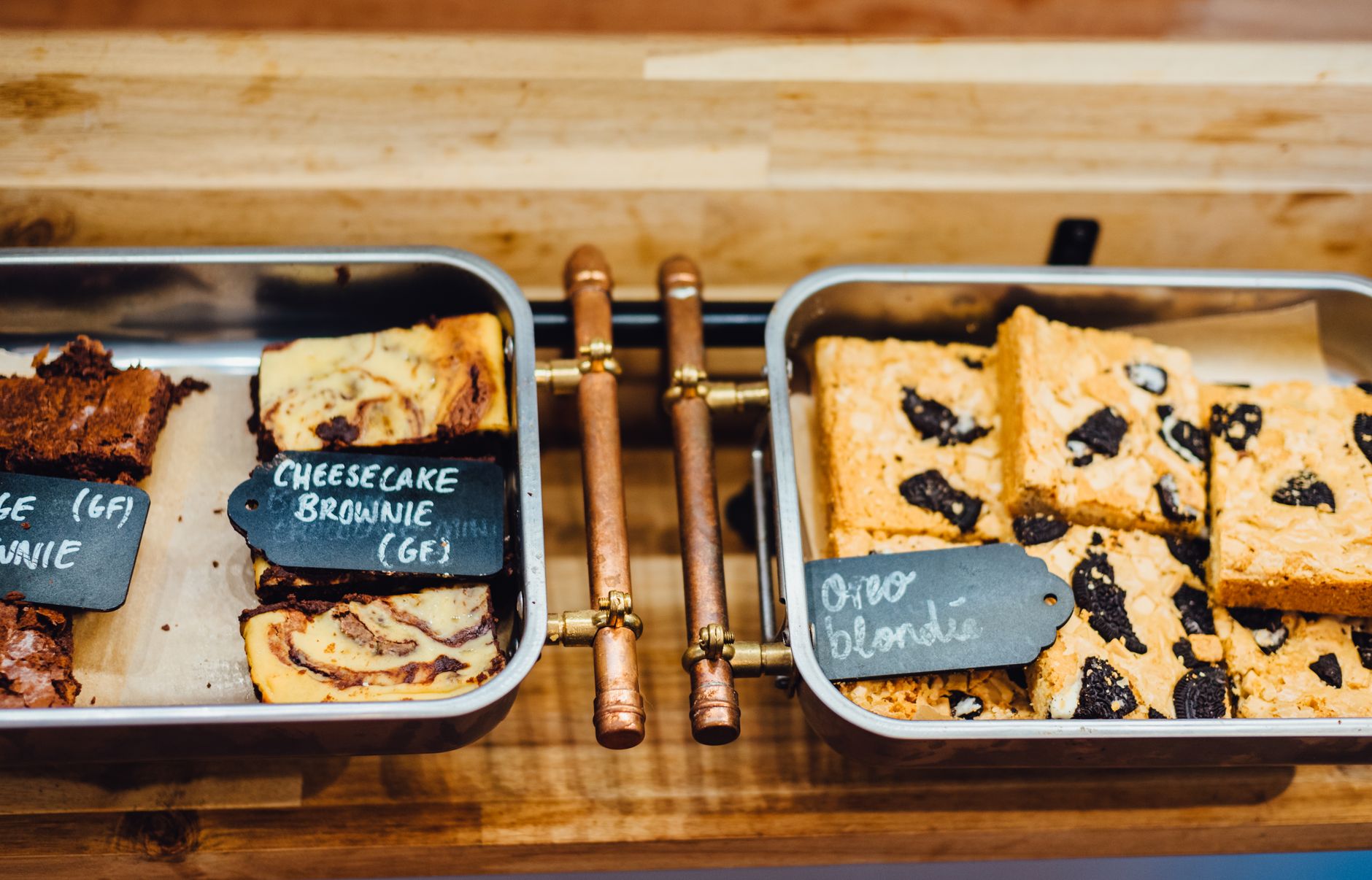
Meal prepping gluten-free snacks is all about planning ahead and investing a little time on Sunday to save yourself hours of decision fatigue during the week. The goal is to prep snacks that stay fresh, require minimal refrigeration, and can be grabbed in seconds. Here’s how to do it:
### **Step 1: Choose Your Snack Categories**Pick 2-3 categories to focus on each week. Rotate between:
- Protein-packed (hard-boiled eggs, jerky, cheese sticks, or pre-portioned nuts)
- Crunchy (veggie sticks with dip, roasted chickpeas, or gluten-free crackers)
- Sweet (energy balls, fresh fruit, or gluten-free muffins)
- Savory (gluten-free wraps with fillings, hummus with gluten-free pita, or olives and nuts)
Do the heavy lifting on Sunday:
- Wash and chop veggies (carrots, cucumbers, bell peppers) and store them in airtight containers with a damp paper towel to keep them crisp.
- Portion nuts, seeds, or dried fruit into small bags or containers.
- Bake a batch of gluten-free energy balls or muffins and freeze half for later.
- Pre-make hummus or guacamole and store in small jars with lids.
Use small, leak-proof containers or bento boxes to keep snacks organized. Label everything if you’re sharing with family or roommates. And don’t forget to check expiration dates—nothing ruins a snack stash faster than spoiled food.
For example, you could pack:
- Monday: Hard-boiled eggs + gluten-free crackers
- Tuesday: Roasted chickpeas + a small container of hummus
- Wednesday: Mixed nuts + an apple
- Thursday: Gluten-free granola bar + a handful of grapes
- Friday: Turkey jerky (gluten-free) + gluten-free rice cakes
Pro tip: If you’re short on time, invest in a good set of reusable snack bags. They’re washable, space-saving, and perfect for portioning out snacks like nuts, chips, or granola.
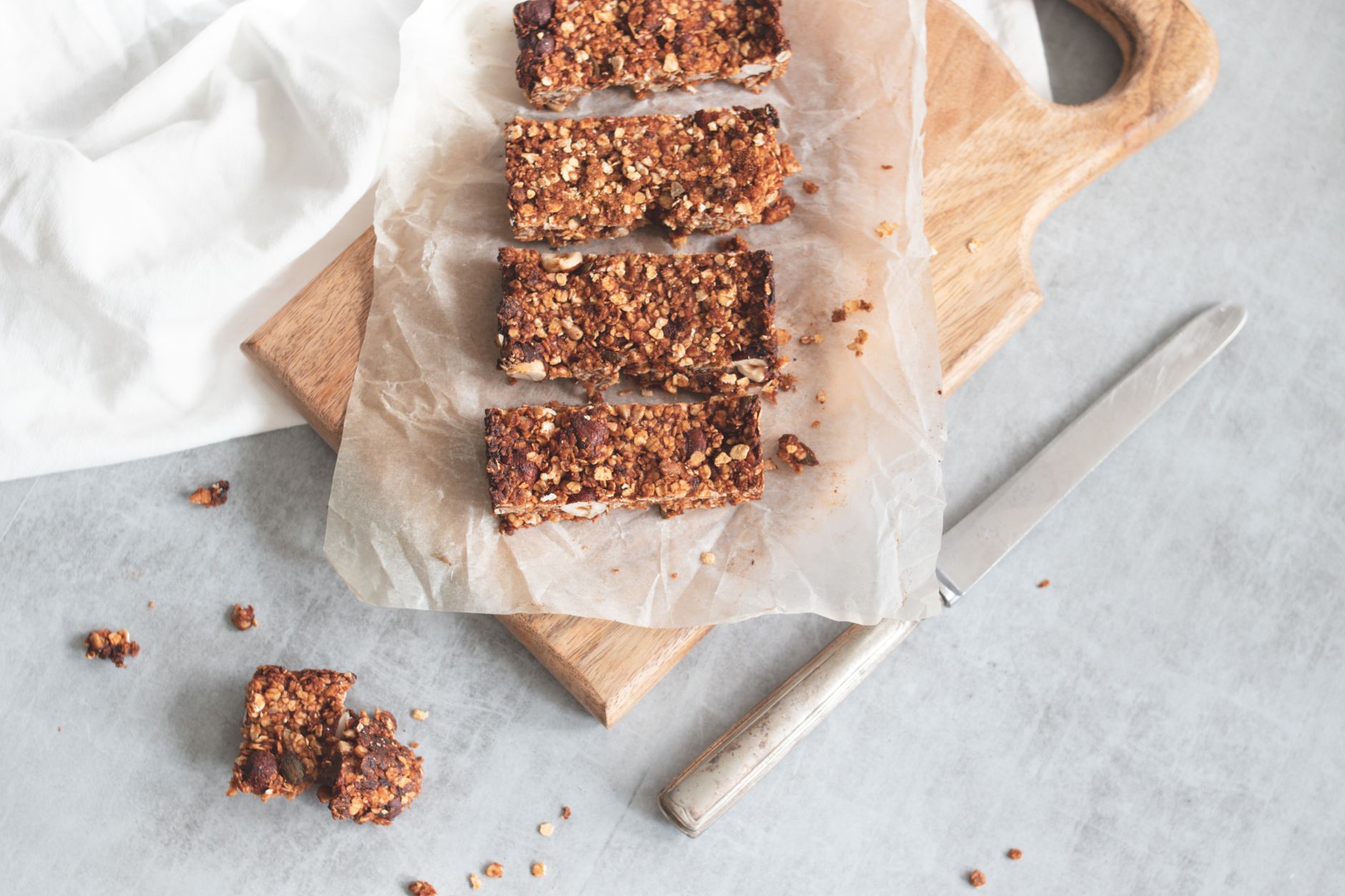
Budget is often a major concern when it comes to gluten-free eating, especially when you’re trying to stock up on snacks. The good news is that many gluten-free staples are affordable—you just need to know where to look. Here are some of the best budget-friendly gluten-free snacks:
### **Pantry Staples (Under $3 Each)**- Rice cakes (plain or lightly salted—great with nut butter or cheese)
- Popcorn (air-popped or lightly salted—avoid movie theater popcorn with added gluten)
- Dried fruit (apricots, raisins, or mango—check for added sulfites if sensitive)
- Nuts and seeds (buy in bulk to save money—almonds, cashews, or pumpkin seeds)
- Peanut butter or almond butter (single-serve packets or small jars)
- Olives (a small jar or pre-packaged snack pack)
- Simple Mills Almond Flour Crackers (~$4 for a box)
- KIND Protein Bars (~$3 for a pack of 6)
- RXBAR Protein Bars (~$3 for a pack of 6—check for gluten-free certification)
- Gluten-Free Pretzels (like Snyder’s or Bare Snacks—~$4 for a bag)
- Roasted Seaweed Snacks (~$3 for a pack—great for a salty crunch)
Making your own snacks can save you even more money. Try:
- Energy balls (oats, nut butter, honey, and dark chocolate chips—~$2 for ingredients)
- Homemade trail mix (nuts, seeds, and dried fruit—~$3 for a big batch)
- Baked sweet potato fries (sweet potatoes, olive oil, and spices—~$2 for a batch)
For example, if you’re on a tight budget, you could stock up on rice cakes, peanut butter, and dried fruit for under $10 and have snacks for the entire week. Pair them with a few store-bought gluten-free bars, and you’ve got a well-rounded snack rotation.
As one budget-conscious reader, Maria, shared: "I used to think gluten-free snacks were expensive, but now I buy nuts in bulk and make my own energy balls. It’s saved me so much money, and I feel great knowing exactly what’s in my food."
--- ## **Are Gluten-Free Granola Bars Actually Healthy?**Gluten-free granola bars are a snacking staple, but not all of them are created equal. Some are packed with whole ingredients and fiber, while others are little more than processed sugar and additives. Here’s what you need to know to choose wisely:
### **What to Look For**When selecting gluten-free granola bars, prioritize:
- Whole ingredients (nuts, seeds, dried fruit, and oats—avoid bars with long ingredient lists full of additives)
- Protein and fiber (look for at least 5g of protein and 3g of fiber per bar)
- Minimal added sugar (aim for bars with less than 5g of sugar per serving)
- Certified gluten-free (to ensure cross-contamination isn’t an issue)
If you’re looking to avoid added sugars or artificial ingredients entirely, making your own granola bars is a great option. Here’s a simple recipe:
Easy Peanut Butter Energy Balls
Ingredients:
1 cup rolled oats (certified gluten-free)
½ cup peanut butter (no added sugar)
¼ cup honey or maple syrup
2 tbsp chia seeds
1 tbsp cocoa powder
1 tsp vanilla extract
Instructions:
1. Mix all ingredients in a bowl until well combined.
2. Roll into 12 small balls.
3. Chill in the fridge for 30 minutes to firm up.
Nutrition per ball: ~150 calories, 5g protein, 3g fiber, 8g sugar
Homemade bars give you full control over ingredients, and they’re often just as convenient as store-bought once you’ve made a batch.
--- ## **Can You Eat Gluten-Free at Restaurants? Yes—Here’s How**Eating gluten-free at restaurants can feel overwhelming, especially if you’re sensitive to cross-contamination. But with the right strategies, you can enjoy meals out without worry. Here’s how:
### **1. Choose the Right Restaurants**Not all restaurants are created equal when it comes to gluten-free dining. Look for:
- Restaurants with dedicated gluten-free menus (many chain restaurants now offer certified gluten-free options)
- Bakeries or cafes with gluten-free baked goods (like Panera, Starbucks, or local gluten-free bakeries)
- Restaurants with a strong focus on fresh, whole ingredients (grilled proteins, salads, and veggie-based dishes are usually safer)
Certain dishes are inherently gluten-free or easier to modify:
- Grilled or baked proteins (chicken, fish, steak—ask for no breading or sauces with gluten)
- Salads (avoid croutons and creamy dressings—opt for olive oil and vinegar or a gluten-free dressing)
- Steamed or roasted veggies (simple sides like asparagus, broccoli, or green beans)
- Rice or quinoa bowls (ask for sauces on the side and no soy sauce)
- Fresh fruit or yogurt parfaits (skip granola if it’s not certified gluten-free)
When ordering, use these scripts to communicate your needs clearly:
- For grilled proteins: "Can you confirm this is cooked without any gluten-containing sauces or breading?"
- For salads: "Is the dressing gluten-free? Can I get it on the side?"
- For sides: "Are the fries or rice cooked in the same oil as gluten-containing foods?"
- For desserts: "Is this dessert made in a dedicated gluten-free kitchen?"
Use apps like Find Me Gluten Free or Gluten-Free Crosswalk to locate gluten-free-friendly restaurants in your area. Many also offer reviews from other gluten-free diners, which can be incredibly helpful.
For example, if you’re craving Italian, you might order a grilled chicken salad with olive oil and vinegar dressing, or a simple caprese salad with fresh mozzarella and tomatoes. Avoid marinara sauce (often contains wheat flour) and stick to basil oil or balsamic vinegar.
--- ## **What Are the Best Gluten-Free Snacks for Kids?**Getting kids to eat gluten-free can be a challenge, especially if they’re used to regular snacks. The key is to offer familiar flavors in gluten-free versions and make snacks fun and interactive. Here are some of the best gluten-free snacks for kids:
### **Sweet Snacks**- Fruit leather (look for brands like Annie’s or MadeGood—check for gluten-free certification)
- Gluten-free cereal (like Chex or Kashi—offer with milk or yogurt)
- Dark chocolate-covered fruit (strawberries or bananas dipped in gluten-free chocolate)
- Energy balls (make them fun shapes with cookie cutters and add fun toppings like crushed nuts or sprinkles)
- Cheese cubes or cheese sticks (pair with gluten-free crackers or veggie sticks)
- Popcorn (lightly salted or flavored with nutritional yeast)
- Roasted chickpeas (crunchy and salty—let kids season them with spices)
- Mini meatballs or chicken nuggets (make your own or buy gluten-free brands like Applegate)
Kids love getting involved in snack time. Try these easy DIY ideas:
- Ants on a log (celery sticks filled with peanut butter and topped with raisins)
- Yogurt parfaits (layer gluten-free granola, yogurt, and berries in a cup)
- DIY trail mix (let them pick their favorite nuts, seeds, and dried fruit)
- Mini sandwiches (use gluten-free bread or tortillas and fill with cream cheese, turkey, or peanut butter)
For example, if you’re packing a lunchbox, you could include:
- A small container of yogurt with gluten-free granola
- Cheese cubes and gluten-free crackers
- A handful of trail mix
- A fun-shaped fruit (like a star-shaped apple slice)
One mom, Emily, shared: "My daughter used to refuse gluten-free snacks, but now she loves making her own energy balls with me. She picks the toppings and gets excited about snack time. It’s a win-win!"
--- ## **How Do You Avoid Hidden Gluten in Processed Snacks?**Hidden gluten is one of the biggest challenges for people with gluten sensitivities or celiac disease. Even seemingly safe snacks can contain gluten if you’re not careful. Here’s how to spot it:
### **Common Culprits**Gluten can hide in unexpected places, including:
- Processed meats (sausages, deli meats, and hot dogs often contain gluten as a binder)
- Soy sauce and teriyaki sauce (contains wheat—use tamari or coconut aminos instead)
- French fries and chips (often fried in shared oil with gluten-containing foods)
- Salad dressings and sauces (many contain malt vinegar or wheat starch)
- Spices and seasoning blends (some contain anti-caking agents with gluten)
- Medications and supplements (some contain gluten as a filler—always check labels)
When shopping, look for these red flags:
- Wheat, barley, or rye (obvious, but always check)
- Malt (derived from barley—avoid unless it’s gluten-free malt)
- Hydrolyzed wheat protein (a common food additive)
- Modified food starch (could be wheat—look for "corn" or "tapioca" starch instead)
- Natural flavors (can sometimes contain gluten—brands like Glutenberg offer certified gluten-free snacks with transparency)
If you’re unsure, stick to brands that are certified gluten-free. Some reliable options include:
- Enjoy Life Foods
- Simple Mills
- Mary’s Gone Crackers
- Glutenberg
- Schar
Pro tip: If you’re dining out or at a potluck, always ask about cross-contamination. Even if a dish is gluten-free, it might have been prepared in a shared kitchen with gluten-containing foods.
--- ## **What Are the Best Gluten-Free Snacks for Energy and Focus?**If you’re looking for snacks that provide sustained energy and help with focus—whether you’re a student, a busy mom, or a professional—you’ll want to focus on snacks that combine protein, healthy fats, and complex carbohydrates. These combinations help stabilize blood sugar and keep you feeling full and alert. Here are some of the best options:
### **Top Picks for Energy and Focus**- Nuts and seeds (almonds, walnuts, chia seeds, or pumpkin seeds—high in healthy fats and protein)
- Avocado (pair with gluten-free crackers or hummus for a creamy, satisfying snack)
- Hard-boiled eggs (protein-packed and easy to grab on the go)
- Greek yogurt with berries (protein and antioxidants for brain health)
- Turkey or chicken jerky (gluten-free) (look for brands without soy sauce or gluten-containing additives)
- Dark chocolate and nuts (antioxidants from the chocolate and healthy fats from the nuts)
If you’re prepping snacks for the week, focus on these combinations:
- Peanut butter and banana on gluten-free rice cakes
- Hummus with gluten-free pita or veggie sticks
- Roasted chickpeas with a sprinkle of sea salt
- Cottage cheese with pineapple or peaches
- Trail mix with nuts, seeds, and dried fruit
These snacks are effective because they:
- Combine protein and fiber to slow digestion and prevent blood sugar spikes
- Include healthy fats for long-lasting energy
- Avoid refined sugars that can cause crashes
- Are easy to customize based on your preferences
For example, if you’re studying for an exam or working late, a handful of almonds and an apple can keep you focused without the mid-afternoon slump. Or, if you’re running errands, a small container of Greek yogurt with berries provides both protein and antioxidants to keep your brain sharp.
--- ## **What Are the Best Gluten-Free Snacks for Weight Loss?**If weight loss is your goal, gluten-free snacks can be a great tool—especially if you’re trying to reduce processed foods and increase whole, nutrient-dense options. The key is to focus on snacks that are low in calories but high in protein, fiber, and healthy fats. Here are some of the best gluten-free snacks for weight loss:
### **Low-Calorie, High-Protein Snacks**- Hard-boiled eggs (~70 calories each, 6g protein)
- Cottage cheese with cucumber or tomatoes (~90 calories per ½ cup, 14g protein)
- Turkey or chicken slices (~30 calories per oz, 6g protein)
- Edamame (~100 calories per ½ cup, 9g protein)
- Greek yogurt with cinnamon (~100 calories per ½ cup, 10g protein)
Fiber keeps you full and supports digestion. Try these:
- Fresh fruit with skin (apples, pears, or berries—~50-80 calories each, 2-4g fiber)
- Gluten-free oatmeal with chia seeds (~150 calories per serving, 5g fiber)
- Roasted chickpeas (~130 calories per ¼ cup, 6g fiber)
- Popcorn (air-popped) (~30 calories per cup, 1g fiber)
Healthy fats help you feel satisfied and can even support fat loss by reducing cravings:
- Avocado slices with sea salt (~50 calories per ½ avocado, 3g healthy fats)
- Nuts (almonds, walnuts, or pecans) (~160 calories per ¼ cup, 4g healthy fats)
- Olives (~50 calories per ½ cup, 3g healthy fats)
- Gluten-free cheese cubes (~80 calories per cube, 6g fat)
To make snacking work for your weight loss goals:
- Portion snacks in advance to avoid overeating
- Focus on whole, single-ingredient snacks whenever possible
- Avoid snacks with added sugars or artificial sweeteners
- Pair protein with fiber to stay full longer
For example, if you’re trying to lose weight, you might pack:
- Hard-boiled eggs and cucumber slices (light and protein-packed)
- A small container of Greek yogurt with berries (fiber and protein combo)
- Almonds and an apple (healthy fats and fiber)
- Turkey slices and gluten-free crackers (lean protein and crunch)
As one reader, Jessica, shared: "I used to snack on chips and candy all day, but now I keep hard-boiled eggs and nuts in my desk drawer. It’s kept me full and helped me stay on track with my weight loss goals."
--- ## **What Are the Best Gluten-Free Snacks for Digestion?**If you’re dealing with digestive issues like bloating, gas, or irritable bowel syndrome (IBS), certain gluten-free snacks can help soothe your gut and reduce discomfort. The key is to focus on low-FODMAP foods (fermentable oligosaccharides, disaccharides, monosaccharides, and polyols) and easy-to-digest ingredients. Here are some of the best options:
### **Low-FODMAP Gluten-Free Snacks**Low-FODMAP foods are less likely to trigger digestive symptoms. Try these:
- Rice cakes with almond butter (rice cakes are low-FODMAP, and almond butter is gentle on digestion)
- Hard-boiled eggs (easy to digest and protein-packed)
- Gluten-free oatmeal with lactose-free milk or almond milk (oats are low-FODMAP in small amounts)
- Carrot or cucumber sticks with hummus (carrots and cucumbers are low-FODMAP)
- Plain popcorn (air-popped) (low-FODMAP and crunchy)
- Bananas (green or slightly ripe) (lower in FODMAPs than overly ripe bananas)
Probiotics support gut health and can help reduce bloating and gas. Try these:
- Greek yogurt (lactose-free or made with almond milk) (look for brands with live cultures)
- Kefir (lactose-free or coconut-based) (a fermented drink with probiotics)
- Sauerkraut (gluten-free and fermented) (pair with gluten-free crackers)
- Kimchi (check for gluten-free certification) (fermented and spicy)
Ginger and peppermint are natural digestive aids. Try these:
- Ginger tea with gluten-free crackers (ginger helps with nausea and bloating)
- Peppermint tea with a small handful of nuts (peppermint relaxes the digestive tract)
- Gluten-free rice cakes with almond butter and a sprinkle of cinnamon (cinnamon can aid digestion)
Even if they’re gluten-free, some snacks can still trigger digestive issues. Avoid:
- High-FODMAP fruits (apples, pears, mangoes, watermelon)
- Onions and garlic (high-FODMAP even in small amounts)
- Chocolate with dairy (can cause bloating in some people)
- Carbonated drinks (can cause gas and discomfort)
For example, if you’re dealing with IBS, you might stick to:
- Rice cakes with almond butter and a sprinkle of cinnamon
- Hard-boiled eggs with a side of cucumber slices
- Lactose-free Greek yogurt with a small handful of walnuts
- Plain popcorn with a dash of sea salt
One reader, Amanda, shared: "I used to get terrible bloating after eating, but now I stick to low-FODMAP snacks like rice cakes and hard-boiled eggs. It’s made a huge difference in how I feel!"
--- ## **What Are the Best Gluten-Free Snacks for Kids with Sensitivities?**If your child has gluten sensitivity, celiac disease, or other digestive issues, finding snacks that are both safe and appealing can be tricky. The key is to offer familiar flavors in gluten-free versions and involve your child in the snacking process. Here are some of the best gluten-free snacks for kids with sensitivities:
### **Safe and Easy Snacks**- Fresh fruit (apples, bananas, grapes—easy to grab and eat)
- Cheese cubes or cheese sticks (pair with gluten-free crackers or veggie sticks)
- Popcorn (plain or lightly salted) (a fun, crunchy snack)
- Roasted chickpeas (crunchy and salty—let kids season them)
- Gluten-free cereal with milk (like Chex or Kashi—offer with yogurt for extra protein)
Kids love getting involved in snack time. Try these easy DIY ideas:
- Ants on a log (celery sticks filled with peanut butter and topped with raisins)
- Yogurt parfaits (layer gluten-free granola, yogurt, and berries in a cup)
- DIY trail mix (let them pick their favorite nuts, seeds, and dried fruit)
- Mini sandwiches (use gluten-free bread or tortillas and fill with cream cheese, turkey, or peanut butter)
Even if they’re gluten-free, some snacks can still cause issues for kids with sensitivities. Avoid:
- High-sugar snacks (can cause energy crashes and digestive upset)
- Processed meats with additives (some contain gluten or other irritants)
- Chocolate with dairy (can cause bloating or other digestive issues)
- Carbonated drinks (can cause gas and discomfort)
To make snacking work for your child’s sensitivities:
- Involve them in choosing snacks—kids are more likely to eat what they help pick


