
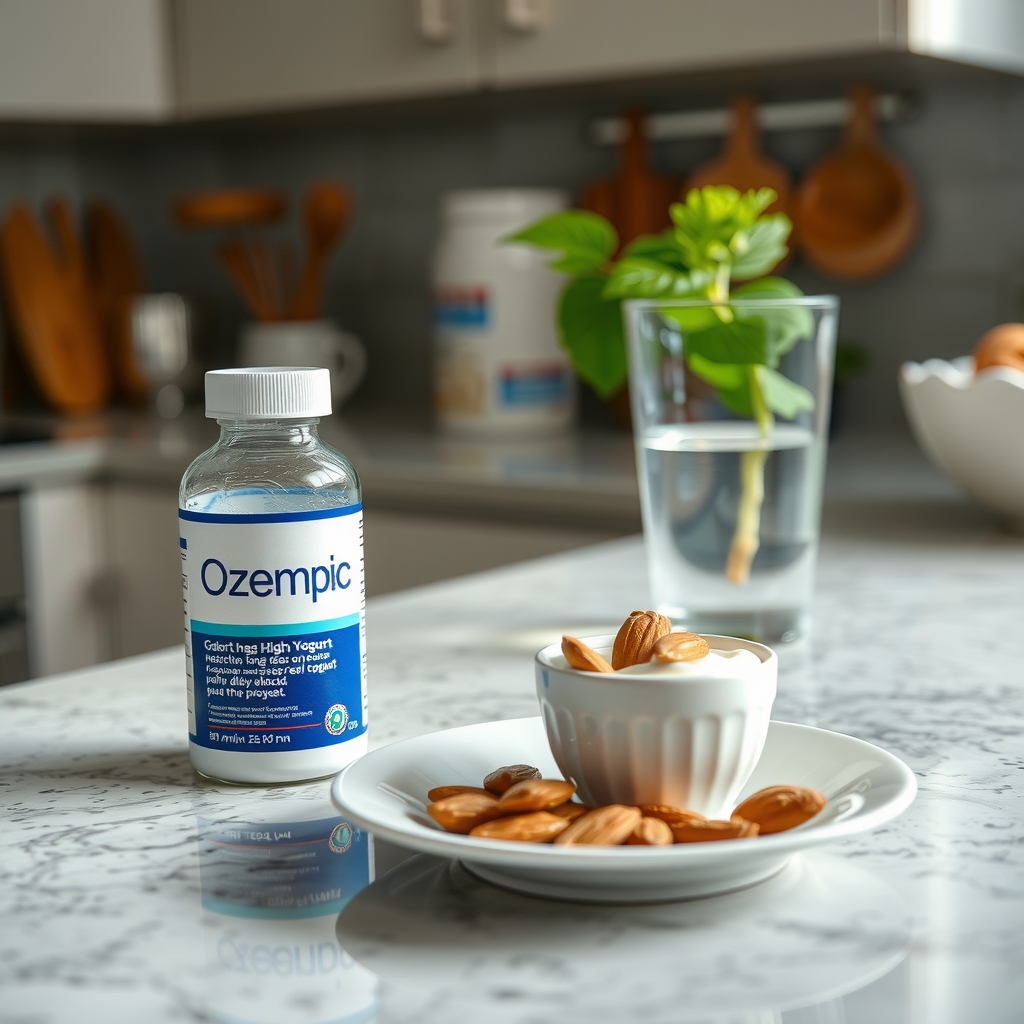

Quick take: Ozempic’s GLP-1 mechanism slows digestion, reduces appetite, and lowers blood sugar — but the diet you eat makes all the difference. This 7-day meal plan prioritizes high-protein, high-fiber, low-glycemic foods to support weight loss while minimizing side effects like nausea. Always consult your provider before starting Ozempic or a new meal plan.GLP-1 Ozempic Diet Meal Plan 7 Day: The Complete 2026 Guide
You’re staring at your fridge at 10pm, the weight loss journey feeling like a distant dream. Ozempic’s been working — you’ve lost a few pounds, but the nausea hits hard after every meal, and you’re exhausted from the constant hunger. You’ve Googled every "Ozempic diet plan" out there, but none feel *practical*. You need more than just a list of foods; you need a real roadmap that fits your life, your stomach, and your goals.
This is your guide. We’ve designed a 7-day Ozempic meal plan that’s gentle on your digestion, packed with nutrients, and built for real results. We’ll cover what Ozempic *actually* does to your body, how to adjust for side effects, and why some foods will be your new best friends while others? Not so much. And yes, we’ll include a grocery list so you can start tomorrow.
Before we dive in: Ozempic is a prescription medication, and this meal plan is informational only. Always work with your healthcare provider to adjust your dosage and diet. If you’re pregnant, breastfeeding, or have a history of pancreatitis or thyroid cancer, talk to your provider before starting.
--- ## **GLP-1 Ozempic Diet Meal Plan 7 Day for Weight Loss: Your Step-by-Step Guide**Ozempic (semaglutide) works by mimicking a hormone called GLP-1, which tells your brain you’re full and slows down how quickly your stomach empties. For many, this leads to 10–15% of body weight loss within 6 months (per the NHS), but the key to success isn’t just the medication—it’s the diet you pair with it. The right foods help manage side effects like nausea, keep energy stable, and prevent rebound weight gain.
Here’s the deal: Ozempic works best when you’re eating smaller, more frequent meals (think 3 meals + 1–2 snacks) and focusing on high-protein, high-fiber, low-glycemic foods. This plan does exactly that. Each day includes:
- 3 balanced meals (breakfast, lunch, dinner)
- 1–2 snacks (protein-rich or healthy fats)
- Hydration tips to combat dehydration (a common Ozempic side effect)
- Side-effect management strategies
- Meal prep shortcuts to save time on busy days
- How to handle social situations (dining out, holidays, or office parties)
Low-carb isn’t just a trend—it’s backed by research for Ozempic users. Why? Because Ozempic already lowers blood sugar, and a low-carb diet helps prevent crashes that can trigger cravings or nausea. The goal isn’t strict keto (which can be hard on digestion), but limiting refined carbs and sugars to keep energy steady.
Here’s what to prioritize:
- Protein: 25–30% of calories (chicken, fish, eggs, tofu)
- Healthy fats: 30–40% of calories (avocado, nuts, olive oil)
- Low-glycemic carbs: 20–25% of calories (leafy greens, berries, quinoa)
- Avoid: Sugary drinks, white bread, pastries, and processed snacks
Many women tell us they feel less bloated and more energized when they cut back on carbs, especially in the first few weeks of starting Ozempic. If you’re new to low-carb, start slow—swap one carb-heavy meal a day for a protein-rich one, like swapping cereal for Greek yogurt or pasta for zucchini noodles.
Pro tip: If you’re struggling with nausea, try eating smaller portions of protein first (like a poached egg or a few slices of turkey) before adding veggies or healthy fats. This helps your stomach adjust.
**New section:** Low-carb swaps for cravings
Craving something sweet? Try:
- Dark chocolate (85%+ cocoa) with almond butter
- Chia pudding with cinnamon and stevia
- Berries with whipped coconut cream
Craving something salty?
- Olives and cheese cubes
- Pickles with turkey slices
- Roasted seaweed snacks
If you’re new to Ozempic—or just new to structured meal planning—this is where you begin. The first 3–5 days are about easing into the routine. You’ll focus on:
- Hydration: Drink 2–3L of water daily (dehydration worsens nausea). Add electrolytes if you’re sweating a lot or feeling dizzy.
- Small, frequent meals: Aim for 5–6 meals a day, starting with 100–150 calories. Gradually increase as your stomach adjusts.
- Easy-to-digest foods: Start with soft proteins (poached eggs, scrambled tofu) and steamed veggies. Avoid fried or greasy foods.
- Gentle movement: Walk for 10–15 minutes after meals to help digestion.
- Track your side effects: Keep a journal of how you feel after each meal. Note what works and what doesn’t.
One reader described her first week on Ozempic: "I thought I’d starve. But I started with a smoothie—Greek yogurt, spinach, and chia seeds—and I felt full for hours. By day 3, I could handle a real breakfast without throwing up." Her secret? She didn’t skip meals.
If you’re feeling overwhelmed, Noom’s structured approach might help you build confidence before jumping into Ozempic’s demands.
**New section:** First-week survival tips
Ask your provider about:
- Lowering your Ozempic dose temporarily if nausea is severe (some prescribers offer a "start low, go slow" protocol)
- Acupuncture or ginger supplements for nausea relief (some studies show these help)
- A trial of smaller, more frequent doses if your stomach can’t handle even 100 calories at a time
Exercise is non-negotiable for Ozempic weight loss—but you have to be smart about it. Ozempic can cause fatigue, dizziness, or low blood sugar, so start slow and build up.
Here’s a simple routine to pair with your meal plan:
- Days 1–3: 10-minute walks after meals. Focus on gentle movement—no HIIT or heavy lifting.
- Days 4–7: Add 2–3 strength sessions (bodyweight exercises like squats, push-ups, or resistance bands). Never exercise on an empty stomach.
- Cardio: Once you’re comfortable, try 20–30 minutes of low-impact cardio (swimming, cycling, or brisk walking).
- Core work: Begin with 5-minute planks or gentle yoga poses to rebuild core strength
Why this works: Strength training preserves muscle (which Ozempic can temporarily reduce), while walking helps digestion. If you feel dizzy or shaky, stop and eat a small snack (like a handful of nuts or a protein bar).

**New section:** Exercise myths debunked
Myth: "You can’t lift weights on Ozempic because it causes muscle loss."
Fact: Ozempic may cause initial muscle loss due to rapid weight loss, but strength training helps preserve and even rebuild muscle. The key is eating enough protein (aim for 20–30g per meal) and gradually increasing resistance.
--- ## **GLP-1 Ozempic Diet Meal Plan 7 Day for Pregnancy: What You Need to Know**This is a critical section: Ozempic is not approved for use during pregnancy. The FDA and American Pregnancy Association warn against taking semaglutide (Ozempic’s active ingredient) while pregnant because it may harm the developing baby. If you’re pregnant or planning to conceive, stop Ozempic immediately and discuss alternatives with your provider.
That said, if you’re trying to conceive, here’s what to do:
- Stop Ozempic at least 4–6 weeks before trying to allow it to clear your system.
- Focus on a fertility-friendly diet (rich in folate, iron, and omega-3s). Our 7-day adenomyosis meal plan has great nutrient-dense ideas.
- Monitor your blood sugar closely—Ozempic can affect glucose levels, and pregnancy already does.
- Consider a preconception vitamin with at least 400mcg of folic acid daily
If you’re already pregnant and were on Ozempic before conception, report it to your provider right away. They may recommend additional monitoring.
--- ## **GLP-1 Ozempic Diet Meal Plan 7 Day Side Effects and Precautions**Ozempic isn’t without risks, and side effects can range from annoying to serious. Here’s how to manage the most common ones:
| Side Effect | What to Do | When to See a Doctor |
|---|---|---|
| Nausea | Eat small, bland meals (like toast or crackers), sip ginger tea, and avoid greasy foods. | If nausea lasts >3 days or you can’t keep fluids down. |
| Constipation | Drink more water, eat high-fiber foods (flaxseeds, prunes), and move around daily. | If you have no bowel movement for 3+ days or severe pain. |
| Fatigue/Dizziness | Eat small, frequent meals with protein/fat (like nuts or cheese) and sit up slowly. | If you feel faint or have chest pain. |
| Stomach Pain | Avoid spicy/fried foods; try bland foods like rice or applesauce. | If pain is severe or lasts >24 hours. |
| Heartburn | Eat smaller portions, avoid lying down after meals, and try ginger or slippery elm supplements. | If heartburn persists for more than a week or is accompanied by vomiting. |
Serious but rare risks: Ozempic can cause pancreatitis or thyroid tumors (in animal studies). Stop Ozempic and call your provider immediately if you experience:
- Severe stomach pain radiating to your back
- Persistent vomiting
- Signs of gallbladder problems (jaundice, dark urine)
- Unusual tiredness or weakness
**New section:** Managing side effects naturally
For mild nausea:
- Try peppermint tea or ginger chews before meals
- Eat crackers or dry toast first thing in the morning
- Use acupuncture (some studies show it helps reduce nausea by 50%)
Ozempic (semaglutide) isn’t the only GLP-1 drug on the market. Here’s how it compares to others:
| Drug | Dosage Form | Weight Loss Efficacy | Side Effects | Approval Status | Cost (Approx.) |
|---|---|---|---|---|---|
| Ozempic (semaglutide) | Weekly injectable | ~15% of body weight in 6 months | Nausea, constipation, fatigue | FDA-approved for T2D and weight loss (2021) | $$ (Insurance often covers for T2D) |
| Wegovy (semaglutide) | Weekly injectable (higher dose) | ~15–20% of body weight | Similar to Ozempic, but slightly higher nausea risk | FDA-approved only for chronic weight management | $$$ (No insurance coverage for weight loss) |
| Mounjaro (tirzepatide) | Weekly injectable (dual GLP-1/GIP agonist) | ~20–25% of body weight (highest efficacy) | Nausea, diarrhea, fatigue | FDA-approved for T2D (weight loss off-label) | $$$ (Limited insurance coverage) |
| Zepbound (tirzepatide) | Weekly injectable (same as Mounjaro) | ~20–25% of body weight | Similar to Mounjaro | FDA-approved for chronic weight management (2023) | $$$ (Insurance coverage varies) |
If you’re curious about trying another GLP-1 drug, talk to your provider. They can help you weigh the pros and cons based on your health goals and medical history.
**New section:** Which drug is right for you?
Ask your provider:
- Do I have type 2 diabetes? (Ozempic is FDA-approved for this, which may make it more affordable)
- Am I willing to pay out-of-pocket for higher efficacy drugs like Mounjaro?
- Do I have a history of pancreatitis or thyroid issues? (Some drugs carry different risks)
- Am I comfortable with weekly injections, or would a daily pill be preferable?
Here’s a shopping list for the 7-day plan, organized by category. Buy fresh produce weekly, but stock up on pantry staples (like nuts and canned fish) to save time.
Proteins
- Chicken breast (1.5 lbs)
- Greek yogurt (plain, 32 oz)
- Eggs (1 dozen)
- Canned tuna or salmon (2 cans)
- Tofu (1 block)
- Turkey slices (8 oz)
- Cottage cheese (16 oz)
- Shrimp (frozen or fresh, 1 lb)
Veggies
- Spinach (1 bag)
- Broccoli (1 head)
- Zucchini (2)
- Bell peppers (3)
- Carrots (1 lb)
- Cucumber (2)
- Asparagus (1 bunch)
- Mushrooms (8 oz)
Fruits
- Berries (strawberries, blueberries—1 pint each)
- Avocados (2)
- Lemons (2)
- Bananas (2)
- Apples (2)
Grains & Carbs
- Quinoa (1 small bag)
- Whole-grain bread (1 loaf)
- Almond flour (for baking)
- Oats (1 small canister)
- Rice (white or brown, 1 bag)
Fats & Dairy
- Almonds (1 small bag)
- Olive oil
- Cheese slices (cheddar or feta)
- Coconut milk (1 can)
- Walnuts (small bag)
- Avocado (2)
Pantry Staples
- Chia seeds
- Flaxseeds
- Cinnamon
- Turmeric
- Protein powder (optional)
- Ginger powder
- Slippery elm bark
Pro tip: If you’re short on time, prep snacks in advance. Hard-boiled eggs, cut veggies with hummus, or pre-portioned nuts make grabbing a meal on the go easier.
**New section:** Budget-friendly swaps
If cost is a concern:
- Swap fresh salmon for canned tuna or sardines
- Use frozen veggies instead of fresh (just as nutritious)
- Buy whole chicken breasts and portion them yourself
- Choose store-brand Greek yogurt and cottage cheese
- Use dried beans instead of canned (soak overnight)
Below is your full 7-day meal plan, designed to be flexible. Swap meals based on your energy levels and cravings—this is a guide, not a rulebook.
### **Day 1: Gentle Start** - **Breakfast:** Scrambled eggs with spinach + 1 slice whole-grain toast - **Snack:** Greek yogurt with chia seeds and berries - **Lunch:** Grilled chicken salad (mixed greens, cucumber, olive oil, lemon) - **Snack:** Hard-boiled egg + handful of almonds - **Dinner:** Baked salmon with roasted broccoli and quinoa ### **Day 2: High-Protein Focus** - **Breakfast:** Protein smoothie (Greek yogurt, almond milk, spinach, protein powder) - **Snack:** Turkey slices with avocado - **Lunch:** Tuna salad (canned tuna, Greek yogurt, celery) wrapped in lettuce - **Snack:** Cottage cheese with cinnamon - **Dinner:** Stir-fried tofu with zucchini and bell peppers (light coconut milk sauce) ### **Day 3: Low-Carb Challenge** - **Breakfast:** Omelet with mushrooms and cheese - **Snack:** Almonds + lemon slices - **Lunch:** Grilled chicken with roasted carrots and side salad - **Snack:** Celery sticks with peanut butter - **Dinner:** Zucchini noodles with shrimp and pesto ### **Day 4: Easy Digestion** - **Breakfast:** Chia pudding (chia seeds, coconut milk, berries) - **Snack:** String cheese + cucumber slices - **Lunch:** Turkey lettuce wraps with avocado - **Snack:** Handful of walnuts - **Dinner:** Baked cod with steamed broccoli and mashed cauliflower ### **Day 5: Protein-Packed** - **Breakfast:** Greek yogurt parfait (layers of yogurt, berries, granola) - **Snack:** Deviled eggs - **Lunch:** Grilled chicken Caesar salad (light dressing) - **Snack:** Hummus with bell pepper strips - **Dinner:** Turkey meatballs with zucchini noodles and marinara ### **Day 6: Flexible Day** - **Breakfast:** Avocado toast on whole-grain bread + poached egg - **Snack:** Protein bar (low-sugar) - **Lunch:** Quinoa bowl with black beans, corn, and salsa - **Snack:** Cheese cubes + grapes - **Dinner:** Grilled shrimp skewers with roasted veggies ### **Day 7: Celebration Meal** - **Breakfast:** Veggie omelet with feta - **Snack:** Smoothie bowl (frozen berries, spinach, almond milk, granola) - **Lunch:** Grilled chicken with roasted sweet potato and green beans - **Snack:** Dark chocolate (85%+) + almonds - **Dinner:** Baked lemon herb chicken with asparagus and wild rice**New section:** Holiday and social eating strategies
When dining out or attending events:
- Use the plate method: Fill half your plate with veggies, a quarter with protein, and a quarter with carbs
- Ask for extra sauce on the side and use it sparingly
- Try the appetizer as a meal strategy: Order a protein-rich appetizer and skip the main course
- Bring your own high-protein snack to events to avoid starvation mode
- Eat small, frequent meals (5–6/day) to avoid nausea and energy crashes.
- Prioritize protein and fiber to stay full and support digestion.
- Stay hydrated—dehydration worsens side effects like constipation.
- Avoid sugary drinks and processed snacks—they spike blood sugar and trigger cravings.
- Move gently at first—walking after meals helps digestion.
- Monitor side effects—nausea, fatigue, or dizziness may mean you need to adjust your diet.
- Never skip meals—this can cause blood sugar drops and worsen side effects.
- Plan ahead for social situations—have strategies ready for dining out or holidays.
While Ozempic is generally safe, some symptoms require immediate medical attention. Contact your provider right away if you experience:
- Severe stomach pain (especially radiating to your back)
- Persistent vomiting or inability to keep fluids down
- Signs of dehydration (dizziness, dark urine, extreme fatigue)
- Jaundice (yellowing of the skin or eyes)
- Chest pain or irregular heartbeat
- Signs of gallbladder problems (dark urine, clay-colored stools)
For general questions about your Ozempic diet, see an endocrinologist or a registered dietitian specializing in weight management. They can help you tailor this plan to your specific needs.
--- ## **References**

