

Quick take: A gestational diabetes diet for weight loss focuses on balanced, low-glycemic meals, portion control, and regular activity. Aim for 1,800–2,200 calories daily with 30–40% carbs, 25–30% protein, and 30–40% healthy fats—prioritizing fiber-rich whole foods. Monitor blood sugar, avoid sugary drinks, and pair meals with exercise like brisk walking. Weight loss isn’t always safe during pregnancy, but a healthy diet can help manage symptoms and reduce risks like macrosomia. Always check with your provider before starting any new plan.Gestational Diabetes Diet for Weight Loss: The Complete 2026 Guide
It was 2:30 a.m. when the notification popped up—your blood sugar was 142 mg/dL after a late-night snack. You’d been tracking your meals religiously, but something felt off. The doctor’s words echoed in your head: *"Gestational diabetes isn’t just about sugar; it’s about weight too."* Now, you’re scrolling through endless meal plans, trying to figure out how to lose weight *without* making your symptoms worse. Sound familiar?
You’re not alone. Gestational diabetes affects about 7% of pregnancies globally, and for many women, managing blood sugar means navigating a minefield of conflicting advice—some diets promise weight loss but ignore pregnancy safety, while others focus on stability but leave you feeling deprived. The good news? A well-structured gestational diabetes diet *can* help you lose weight *safely*—if you do it right.
This guide breaks down everything you need to know: from the best foods to eat (and avoid) to a step-by-step meal plan, exercise tips, and real stories from women who’ve done it. We’ll also address the myths, risks, and when to call your provider. By the end, you’ll have a clear, science-backed plan to support both your blood sugar *and* your weight—without stress.
--- ## **Best Foods for Gestational Diabetes Weight Loss**The foundation of any gestational diabetes diet for weight loss is food. You’re not just eating for two; you’re eating to stabilize blood sugar, reduce insulin resistance, and create a calorie deficit *safely*. The key? Whole, nutrient-dense foods that keep you full, energized, and—most importantly—help your body process glucose efficiently.
Start with these **top foods** that support weight loss while managing gestational diabetes:
- Non-starchy vegetables: Spinach, zucchini, broccoli, and Brussels sprouts are packed with fiber and low in carbs. Aim for at least 2 cups daily. *Pro tip:* Try roasting veggies with olive oil and herbs for extra flavor without added sugar.
- Lean proteins: Chicken breast, turkey, fish (salmon, cod), tofu, and eggs help stabilize blood sugar and keep you full. Pair them with healthy fats for extra satiety. *Example:* Grilled salmon with a side of asparagus provides protein + omega-3s to support both blood sugar and baby’s brain development.
- Healthy fats: Avocados, nuts (almonds, walnuts), seeds (chia, flax), and olive oil support heart health and slow digestion—helping prevent blood sugar spikes. *Fun fact:* Walnuts contain alpha-linolenic acid (ALA), a plant-based omega-3 that may improve insulin sensitivity.
- Whole grains (in moderation): Quinoa, oatmeal, and whole-grain bread (in 1-2 serving sizes) provide fiber but should be balanced with protein/fat to avoid spikes. *Swap idea:* Use oatmeal as a base for smoothie bowls with toppings like cinnamon and berries instead of granola.
- Fiber-rich fruits: Berries (blueberries, raspberries), apples, and pears are lower in sugar and high in fiber. Stick to ½ cup portions. *Seasonal tip:* In summer, try watermelon in moderation (about 1 cup) for hydration without blood sugar spikes.
- Legumes (sparingly): Lentils and chickpeas offer protein but are higher in carbs—limit to ½ cup cooked per serving. *Meal hack:* Blend chickpeas into hummus for a protein-rich dip that’s lower in carbs than store-bought versions.
What to avoid: Processed foods (chips, crackers), sugary drinks (even "natural" juices), white bread, pastries, and excessive fruit juices. These spike blood sugar and add empty calories. *Hidden culprit:* Sauces like ketchup and barbecue sauce often contain added sugars—opt for sugar-free versions or make your own with vinegar and herbs.
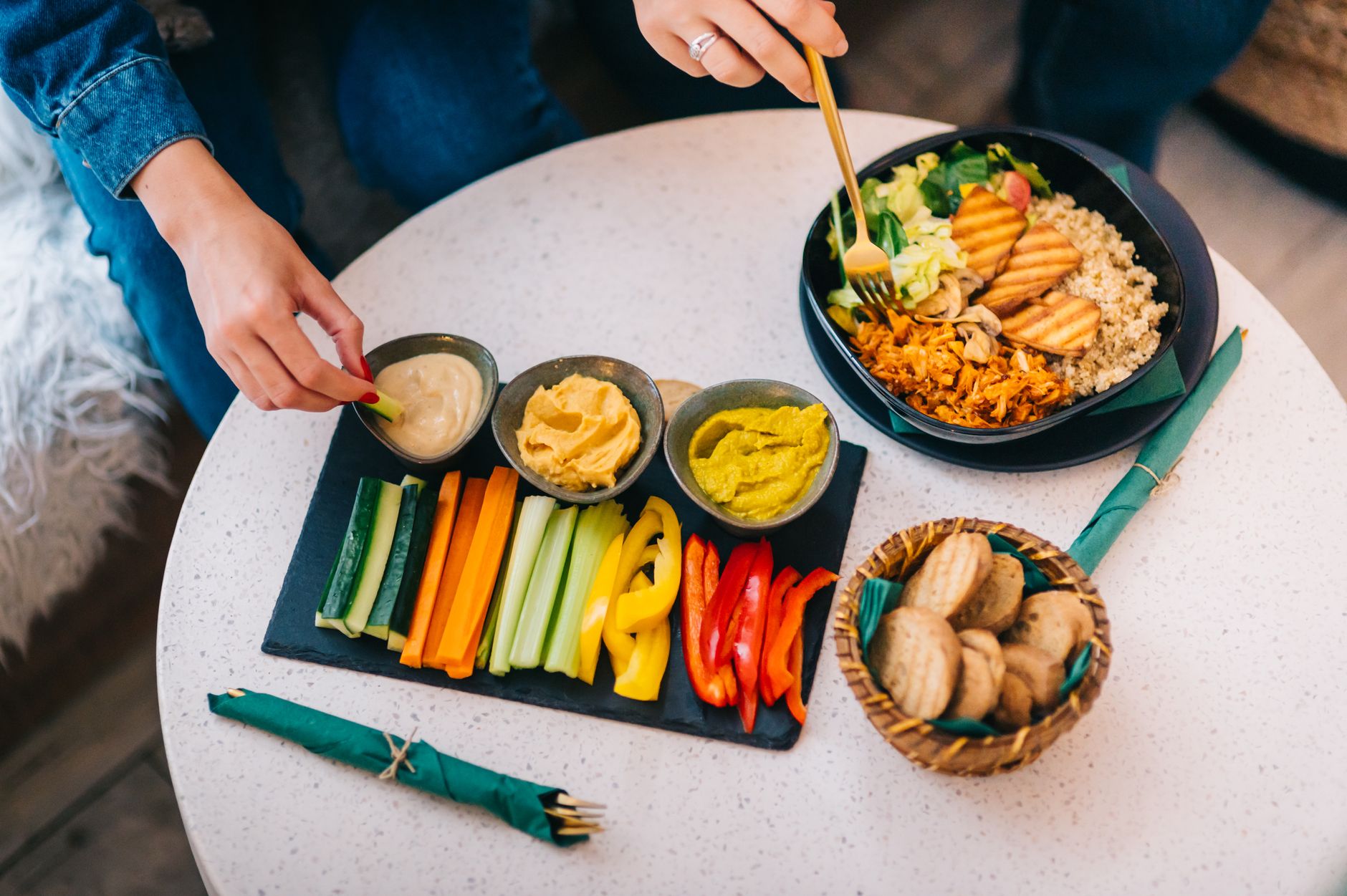
Pro tip: Many women find that swapping white rice for cauliflower rice or adding extra leafy greens to meals helps control portions without feeling deprived. Small swaps add up! *Bonus:* Cauliflower rice has only about 5 net carbs per cup compared to 45g in white rice.
--- ## **Sample Meal Plan for Gestational Diabetes Weight Loss**You’re probably thinking: *"Okay, but what does a real meal plan look like?"* Here’s a **7-day sample plan** designed for weight loss while keeping blood sugar stable. Each day targets **1,800–2,200 calories** with **30–40% carbs, 25–30% protein, and 30–40% healthy fats**. Adjust portions based on your provider’s recommendations.
Key rules:
- Eat every 3–4 hours to avoid blood sugar crashes.
- Pair carbs with protein/fat to slow digestion.
- Drink water or herbal tea with meals (no sugary drinks).
- Limit added sugars to <15g/day.
- New addition: Include **1–2 servings of fermented foods daily** (like unsweetened kefir or sauerkraut) to support gut health, which may improve insulin sensitivity.
| Day | Breakfast | Snack | Lunch | Snack | Dinner |
|---|---|---|---|---|---|
| Monday | Scrambled eggs with spinach + 1 slice whole-grain toast | Handful of almonds + celery sticks | Grilled chicken salad (mixed greens, cherry tomatoes, cucumber, olive oil) | Greek yogurt (unsweetened) + ¼ cup berries | Baked salmon + roasted Brussels sprouts + quinoa |
| Tuesday | Oatmeal with chia seeds, cinnamon, and ½ banana | Hard-boiled eggs + carrot sticks | Turkey lettuce wraps (ground turkey, avocado, salsa) | Cottage cheese + walnuts | Stir-fried tofu with broccoli and brown rice |
| Wednesday | Smoothie (unsweetened almond milk, spinach, protein powder, flaxseeds) | Apple slices + peanut butter | Grilled shrimp + quinoa bowl with roasted veggies | Hummus + cucumber slices | Herb-roasted chicken + mashed cauliflower + green beans |
| Thursday | Chia pudding (unsweetened almond milk, chia seeds, cinnamon) | Turkey slices + whole-grain crackers | Lentil soup + side salad | Cheese cubes + cherry tomatoes | Baked cod + roasted zucchini + wild rice |
| Friday | Avocado toast (whole-grain bread + mashed avocado + egg) | Handful of walnuts + pear slices | Grilled chicken Caesar salad (no croutons, light dressing) | Greek yogurt + flaxseeds | Beef stir-fry with bell peppers and broccoli |
| Saturday | Protein pancakes (almond flour, egg, banana, cinnamon) | Sliced bell peppers + guacamole | Quinoa salad with chickpeas, cucumber, and feta | Tuna salad (with Greek yogurt instead of mayo) + whole-grain crackers | Baked chicken + roasted sweet potato (small portion) + steamed greens |
| Sunday | Scrambled tofu with turmeric + whole-grain toast | Hard-boiled eggs + cherry tomatoes | Grilled salmon + farro salad (with olive oil and herbs) | Cottage cheese + pineapple (small portion) | Stuffed bell peppers (ground turkey, quinoa, tomatoes) |
Need low-calorie recipes? Try these **gestational diabetes-friendly hacks**:
- Swap white rice for cauliflower rice or zucchini noodles.
- Use Greek yogurt instead of sour cream in dips.
- Bake or grill instead of frying to cut unhealthy fats.
- Add vinegar (apple cider or balsamic) to meals to lower glycemic impact.
- New addition: **Spice it up!** Cinnamon, turmeric, and ginger can help improve insulin sensitivity. Sprinkle cinnamon on oatmeal or add ginger to smoothies.
Carb counting is the cornerstone of managing gestational diabetes. But here’s the catch: it’s not just about *how many* carbs you eat—it’s about *what kind* and *how they affect your blood sugar*. Your provider may recommend aiming for **15–45g net carbs per meal**, depending on your needs.
Net carbs = Total carbs – Fiber – Sugar alcohols. For example, 1 cup of berries has ~15g total carbs, ~7g fiber → **8g net carbs**. *Pro tip:* Use a food scale for accuracy—visual portion sizes can be misleading (e.g., a "small apple" might actually be 1.5 cups).
Glycemic index (GI) matters: Foods with a <55 GI (like non-starchy veggies) have a minimal impact on blood sugar, while those >70 (like white bread) spike it quickly. Pair high-GI foods with protein/fat to slow absorption. *Example:* If you eat white rice (GI ~73), combine it with protein (like grilled chicken) and healthy fat (like sesame oil) to reduce the spike.
How to track:
- Read labels: Look for "total carbs" and "fiber." Subtract fiber to get net carbs.
- Use apps: Try MyFitnessPal or Cronometer to log meals.
- Portion control: Even healthy carbs (like fruit) add up—stick to recommended servings.
- Test after meals: Check your blood sugar 1 hour post-meal to see how different foods affect you.
- New addition: **Track your "carb tolerance."** Some women tolerate 30g carbs at breakfast but only 20g at dinner—adjust based on your personal responses.
Example carb counts:
| Food | Net Carbs (per serving) |
|---|---|
| 1 small apple | 19g |
| ½ cup cooked quinoa | 20g |
| 1 slice whole-grain bread | 15g |
| ½ cup black beans | 20g |
| 1 cup spinach | 1g |
| 1 oz almonds | 2g |
| ½ cup cooked lentils | 20g |
| 1 medium carrot | 6g |
Myth: *"I can’t eat fruit because it has sugar."* Fact: Most fruits contain fiber and nutrients that slow sugar absorption. Stick to **small portions (½ cup)** of low-sugar fruits like berries, apples, or pears. *Bonus:* Frozen berries work just as well and are often cheaper!
--- ## **Gestational Diabetes Diet Low-Calorie Recipes**You’re probably thinking: *"I need to lose weight, but I don’t want to feel starved."* The good news? You can enjoy flavorful, satisfying meals with **under 300 calories per serving**. Here are **5 easy, low-calorie recipes** to add to your rotation:
-
Spinach & Feta Omelet (280 cal)
Whisk 2 eggs + 1 egg white, cook in a nonstick pan with 1 cup spinach and ¼ cup crumbled feta. Season with salt, pepper, and a pinch of nutmeg. Serve with 1 slice whole-grain toast.
-
Grilled Chicken & Veggie Skewers (320 cal)
Marinate 4 oz chicken breast in lemon juice, olive oil, and garlic. Thread onto skewers with bell peppers, zucchini, and red onion. Grill and serve with a side salad.
-
Turkey & Avocado Wrap (350 cal)
Spread 2 tbsp Greek yogurt on a whole-grain tortilla, add 3 oz sliced turkey, ¼ avocado, and a handful of arugula. Roll up and slice in half.
-
Zucchini Noodles with Pesto (250 cal)
Spiralize 1 medium zucchini, sauté in 1 tsp olive oil. Toss with 2 tbsp basil pesto and 1 oz grilled shrimp.
-
Cottage Cheese & Berry Bowl (220 cal)
Mix ½ cup low-fat cottage cheese with ½ cup raspberries, 1 tbsp chopped walnuts, and a drizzle of honey. Top with cinnamon.
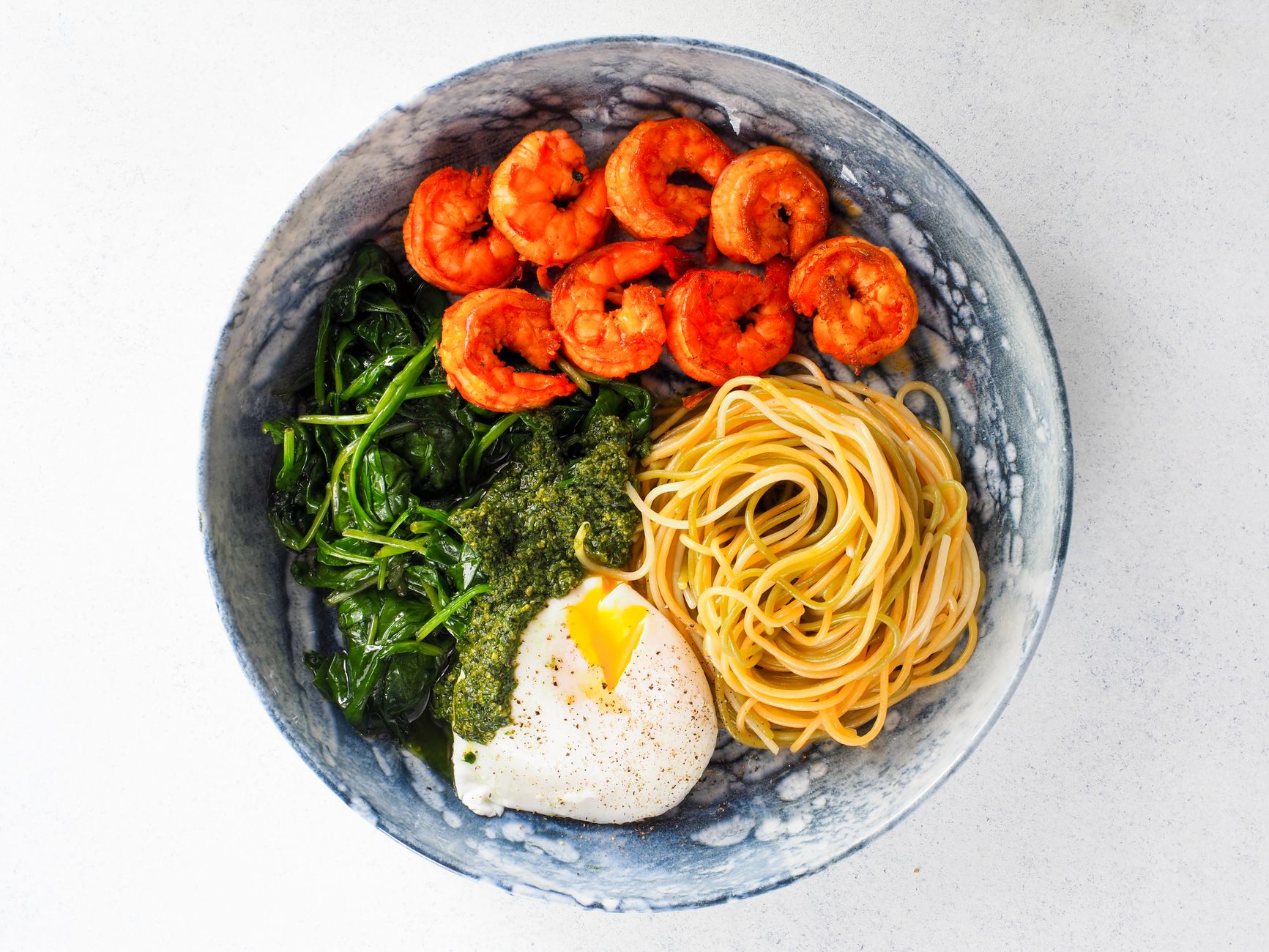
New addition: Quick 5-Minute Meals
- Microwave Egg Muffins (150 cal each): Whisk 3 eggs with ¼ cup spinach and 2 tbsp shredded cheese. Pour into a greased muffin tin and microwave for 2 minutes. Store in the fridge for grab-and-go breakfasts.
- Tuna-Stuffed Avocado (250 cal): Mix 1 can (3 oz) tuna with 1 tbsp Greek yogurt, salt, and pepper. Slice an avocado in half, remove the pit, and stuff with the tuna mixture.
- Apple & Cheese Slices (180 cal): Pair 1 small apple (sliced) with 1 oz cheddar cheese for a balanced snack with fiber, protein, and healthy fats.
Diet is only half the battle. Exercise helps lower blood sugar, improves insulin sensitivity, and supports weight loss—all while keeping you and your baby healthy. The American College of Obstetricians and Gynecologists (ACOG) recommends **150 minutes of moderate exercise per week** for women with gestational diabetes.
Best exercises:
- Walking: 30 minutes daily at a brisk pace (great for beginners). *New tip:* Walk after meals to help lower blood sugar—this is called "postprandial exercise."
- Swimming: Low-impact and joint-friendly. *Bonus:* The water’s buoyancy reduces stress on your joints while still providing resistance.
- Prenatal yoga: Improves flexibility and reduces stress. *Try this:* Focus on poses like "Legs-Up-the-Wall" to improve circulation and relaxation.
- Strength training: 2–3x/week with light weights (supports metabolism). *New addition:* Incorporate resistance bands for convenience at home.
- Avoid: Contact sports, hot yoga, or exercises that risk falling.
Sample weekly plan:
| Day | Activity | Duration |
|---|---|---|
| Monday | Brisk walking | 30 min |
| Tuesday | Prenatal yoga | 20 min |
| Wednesday | Walking + light weights | 25 min + 10 min |
| Thursday | Swimming | 25 min |
| Friday | Walking | 30 min |
| Saturday | Strength training | 20 min |
| Sunday | Rest or gentle stretching | 10 min |
Pro tip: Pair exercise with meals to help lower blood sugar. For example, take a **10-minute walk after lunch** to improve insulin response. *New addition:* If you’re short on time, even **5 minutes of stretching or deep breathing** after meals can make a difference in blood sugar control.
--- ## **Gestational Diabetes Weight Loss Success Stories**You’re not imagining it—many women have successfully managed gestational diabetes and lost weight. Here’s what a few readers shared with us:
—Sarah, 32, from Chicago
"I lost 8 lbs in 6 weeks by tracking carbs, walking 30 minutes daily, and swapping white rice for cauliflower rice. My blood sugar stabilized, and I felt more energetic. The key was consistency—not perfection. I also started journaling my meals and blood sugar readings to spot patterns."
—Priya, 28, from London
"I was skeptical about counting carbs, but my dietitian helped me adjust portions. I focused on protein and veggies, and my HbA1c dropped from 6.2 to 5.8. My provider even said I could try to lose *safely* under supervision. I also joined a prenatal walking group—social support made a huge difference!"
—Maria, 35, from New York
"I struggled with cravings in my third trimester, but I found that drinking herbal tea (like peppermint or chamomile) helped curb them. I also started meal-prepping on Sundays to avoid impulsive, high-carb choices. My biggest win? I lost 12 lbs without feeling deprived!"
Real talk: Weight loss during pregnancy isn’t always safe, but for some women, a **moderate deficit (200–300 cal/day)** with medical supervision can help manage symptoms. Always check with your provider before starting any plan. *New addition:* Many women find that **mindful eating**—paying attention to hunger and fullness cues—helps them avoid overeating without strict calorie counting.
--- ## **Gestational Diabetes Diet for Weight Loss Meal Timing**When you eat matters almost as much as what you eat. Spreading meals evenly throughout the day helps prevent blood sugar spikes and keeps energy levels steady. Here’s a simple **meal-timing guide**:
- Breakfast (7–8 a.m.): Start with protein + fiber (e.g., eggs + avocado toast). Avoid sugary cereals. *New tip:* Add **1 tsp ground flaxseeds** to your breakfast for extra fiber and omega-3s.
- Mid-morning snack (10–11 a.m.): Greek yogurt + nuts or a hard-boiled egg. *New addition:* Try **edamame** for a high-protein, low-carb snack.
- Lunch (12–1 p.m.): Balanced plate (protein + veggies + small carb portion). *Example:* Grilled chicken salad with olive oil dressing and a small portion of quinoa.
- Afternoon snack (3–4 p.m.): Veggies + hummus or cottage cheese. *New tip:* Pair **celery sticks with almond butter** for a crunchy, satisfying snack.
- Dinner (6–7 p.m.): Light but satisfying (e.g., grilled fish + salad). *New addition:* Include **fermented foods** like sauerkraut or kimchi for gut health.
- Optional bedtime snack (if needed): Herbal tea + a few almonds (if blood sugar is stable). *New tip:* Sip **golden milk** (turmeric + almond milk) for anti-inflammatory benefits.
Pro tip: If you’re hungry at night, try **sipping water or herbal tea** instead of eating. Sometimes thirst is mistaken for hunger! *New addition:* Keep a **small bowl of berries and a handful of nuts** on your nightstand for emergencies—but monitor blood sugar afterward.
--- ## **Gestational Diabetes Diet for Weight Loss Benefits**Managing gestational diabetes with a structured diet isn’t just about weight loss—it offers **long-term benefits** for you and your baby:
- Reduced macrosomia risk: Large-for-gestational-age babies are less likely when blood sugar is controlled.
- Lower C-section risk: Babies with high blood sugar often require interventions.
- Better postpartum recovery: Women with controlled gestational diabetes often have easier deliveries.
- Lower type 2 diabetes risk later: Managing gestational diabetes now may reduce future diabetes risk.
- More energy: Stable blood sugar prevents crashes and fatigue.
- New addition: **Improved skin health**: Gestational diabetes can sometimes cause skin tags or dark patches (acanthosis nigricans), but a low-GI diet may help reduce these.
But be cautious: Some women experience **gestational diabetes weight loss side effects**, like:
- Dizziness (if blood sugar drops too low). *Solution:* Carry glucose tablets or a small snack like nuts.
- Fatigue (if calories are too low). *Solution:* Increase healthy fats in your meals for sustained energy.
- Hormonal shifts (e.g., increased cravings in the third trimester). *Solution:* Plan ahead for cravings—pre-cut veggies and hard-boiled eggs can help.
- New addition: **Joint discomfort**: Some women experience stiffness or pain as they lose weight. *Solution:* Gentle prenatal yoga or swimming can help.
You might wonder: *Is this diet different from a normal pregnancy diet?* Yes—but not drastically. The key differences focus on **carb control, portion sizes, and blood sugar monitoring**. Here’s a quick comparison:
| Factor | Gestational Diabetes Diet | Normal Pregnancy Diet |
|---|---|---|
| Carb focus | 15–45g net carbs per meal; prioritize low-GI foods | No strict carb limits; focus on balanced meals |
| Portion control | Smaller, frequent meals; strict tracking | Flexible portions; no strict tracking |
| Exercise | 150+ mins moderate activity weekly | Encouraged but not mandatory |
| Blood sugar checks | Daily monitoring required | Only if prescribed |
| Weight loss | Safe, gradual loss (under supervision) | Gained weight is normal |
| New addition: Gut health focus | Includes fermented foods and fiber | General emphasis on fiber |
Bottom line: The gestational diabetes diet is a **more structured version** of a healthy pregnancy diet, with extra focus on blood sugar management.
--- ## **Gestational Diabetes Diet for Weight Loss Timing**When should you start? Ideally, as soon as you’re diagnosed—even if it’s early in your pregnancy. The earlier you control blood sugar, the better for your baby’s development.
When to adjust?
- If your blood sugar stays high despite diet/exercise, your provider may recommend **insulin or medication**.
- If you’re gaining too much weight (>1 lb/week), reduce portions slightly.
- If you feel dizzy or fatigued, check your blood sugar and eat a small snack.
- New addition: If you’re in your third trimester and struggling with weight loss, focus on **maintaining** rather than losing—growth spurt is normal!
When to stop? Once your gestational diabetes resolves (usually after delivery), you can return to a balanced diet—but keep an eye on long-term health. Many women with gestational diabetes develop type 2 diabetes later, so maintaining healthy habits is key. *New tip:* Schedule a **postpartum diabetes screening** at your 6-week checkup.
--- ## **Gestational Diabetes Diet for Weight Loss Supplements**While no supplement replaces a healthy diet, some may support blood sugar control and weight loss safely during pregnancy**. Always check with your provider before trying any:
| Supplement | Typical Dose | Best Time to Take | Food Source | Known Interactions |
|---|---|---|---|---|
| Magnesium | 300–400 mg/day | Evening (supports sleep) | Spinach, almonds, pumpkin seeds | Diuretics, some antibiotics |
| Chromium | 200–400 mcg/day | With meals (helps insulin sensitivity) | Broccoli, whole grains | None significant |
| Vitamin D | 600–2000 IU/day | Morning (supports immunity) | Fatty fish, egg yolks | Steroids, weight-loss drugs |
| Berberine | 500 mg, 2x/day | With meals (may lower blood sugar) | Barberry root (food source limited) | Diabetes meds (risk of low blood sugar) |
| New addition: Probiotics | 10–20 billion CFU/day | Morning or evening (with food) | Yogurt, kefir, sauerkraut | None significant |
Caution: Avoid **green tea extract, fenugreek, or bitter melon** without medical supervision—they may affect blood sugar or contractions. *New addition:* **Cinnamon** (1–2 tsp daily) may help improve insulin sensitivity—safe in moderation for most women.
--- ## **Gestational Diabetes Weight Loss: What to Expect in Each Trimester**Your gestational diabetes diet may need slight adjustments as your pregnancy progresses. Here’s what to expect:
First Trimester
Focus on **establishing habits**. This is the time to:
- Learn carb counting and meal timing.
- Start gentle exercise routines (like walking).
- Monitor blood sugar closely—morning sickness can affect readings.
Second Trimester
This is when **weight loss becomes more manageable**. Many women find:
- Increased energy for exercise.
- Better appetite control.
- More stable blood sugar with consistent diet/exercise.
Third Trimester
Your body undergoes **major changes**, and so should your approach:
- Focus on **maintaining weight** rather than losing—growth is normal.
- Prioritize **protein and calcium** for baby’s development.
- Adjust exercise to **lower impact** (e.g., swimming instead of running).
- Watch for **increased cravings**—plan ahead with healthy snacks.
Even with the best intentions, some women make avoidable mistakes. Here’s what to watch out for:
- Skipping meals: This can cause blood sugar to drop too low, leading to dizziness or fatigue. *Solution


