hen you have GERD, fat isn’t your enemy—*certain* fats are. The problem isn’t fat itself, but how much you eat at once and what it’s paired with. High-fat foods slow digestion, putting pressure on your lower esophageal sphincter (LES), the muscle that keeps stomach acid where it belongs. The goal? Opt for lean proteins, healthy fats in moderation, and foods that won’t trigger reflux. But it’s not just about avoiding fat—it’s about choosing the right balance of nutrients to keep you full and satisfied.
Here’s what to prioritize:
- Lean proteins: Skinless chicken, turkey, fish (salmon, cod, tilapia), tofu, and eggs. These are low in fat and easy to digest. For extra flavor without excess fat, try herbs like basil, oregano, or turmeric instead of heavy sauces.
- Healthy fats (in moderation): Avocados, nuts (almonds, walnuts), and seeds (chia, flax). Stick to small portions—about 1 tablespoon of nut butter or a quarter of an avocado per meal. Pairing healthy fats with fiber-rich foods, like apples or oats, can help slow digestion and reduce reflux risk.
- Low-fat dairy: Greek yogurt (unsweetened), cottage cheese, and skim milk. These are rich in calcium and protein but low in fat. Probiotics in yogurt may also support gut health, which can indirectly help with reflux symptoms.
- Whole grains: Oats, quinoa, brown rice, and whole-wheat bread. These provide fiber to keep you full and aid digestion. Oats, in particular, are a great choice because they absorb liquid and form a gel-like texture that can help buffer stomach acid.
- Non-acidic veggies: Spinach, zucchini, carrots, and green beans. These are low in acid and high in fiber. Steaming or roasting veggies can enhance their flavor without adding fat or acidity.
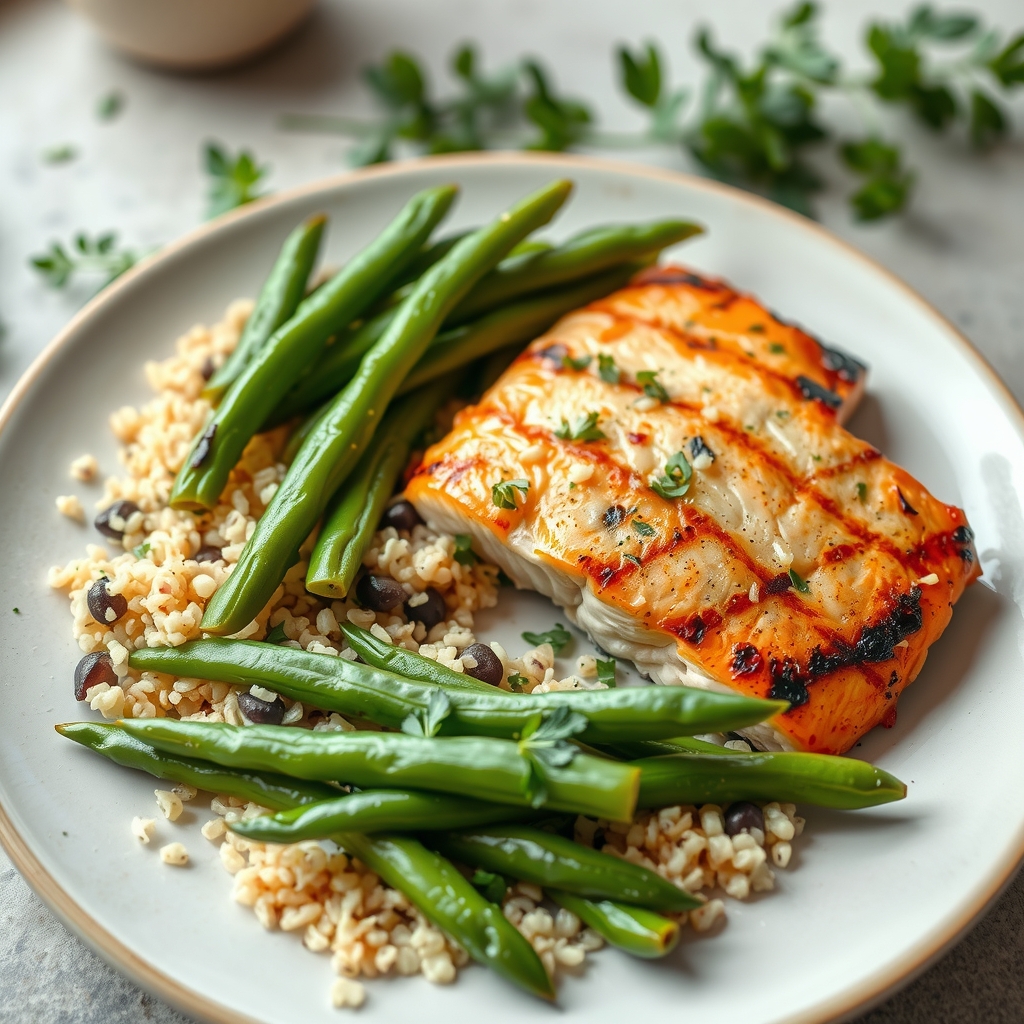
Pro tip: Pair lean proteins with non-starchy veggies to create balanced, reflux-friendly meals. For example, a grilled chicken salad with mixed greens, cucumber, and a light balsamic dressing is a winner. Avoid heavy dressings or creamy sauces—they’re high in fat and can trigger reflux. Instead, try olive oil sparingly or use lemon juice (in moderation) for flavor. If you love cheese, opt for low-fat varieties like feta or goat cheese, which are often better tolerated than higher-fat cheeses like cheddar.
GERD friendly meal plan for losing weight
Designing a meal plan for GERD and weight loss means focusing on small, frequent meals that are easy to digest. Aim for 3 main meals and 1–2 snacks per day, keeping portions modest. The key is consistency—small, sustainable changes add up over time. Here’s a sample plan to get you started, with an emphasis on variety and nutrient density to keep you full and satisfied.
Looking for more breakfast ideas? Check out our 100+ Easy Atkins Diet Breakfast Ideas for inspiration—many of those options are also GERD-friendly if you skip the high-fat toppings. Remember, the goal is to keep meals balanced and satisfying, so don’t be afraid to experiment with flavors and textures that work for you.
How to avoid reflux while dieting
Dieting often means cutting calories, which can lead to overeating later—or worse, triggering reflux. The key is mindful eating. Here’s how to stay on track without setting off your symptoms:
- Eat smaller, more frequent meals: Instead of 3 large meals, try 5–6 smaller ones. This keeps your stomach from overfilling and reduces pressure on your LES. Think of it like a slow, steady burn rather than a sprint.
- Avoid lying down after eating: Wait at least 2–3 hours before lying down or going to bed. If you must lie down, prop yourself up with pillows to elevate your upper body. This helps prevent stomach acid from flowing back into your esophagus.
- Chew thoroughly: Poor digestion can worsen reflux. Take your time eating and chew each bite at least 20 times. This not only aids digestion but also helps you recognize when you’re full, preventing overeating.
- Stay upright after meals: Avoid bending over or lifting heavy objects right after eating. Sit or stand for at least 30 minutes to allow your food to digest properly. If you need to clean up after a meal, take a short walk instead of hunching over the sink.
- Hydrate wisely: Drink water between meals, not during. Large amounts of liquid can stretch your stomach and trigger reflux. Herbal teas like chamomile or ginger can be a soothing alternative between meals.
If you’re used to drinking a lot of water with meals, try sipping herbal tea (like chamomile or ginger) instead. Both are soothing and may help reduce acid production. Another tip: drink water at room temperature rather than ice-cold, as cold liquids can sometimes exacerbate reflux symptoms. Also, consider using a straw for beverages—it can help reduce the amount of air you swallow, which may lessen bloating and discomfort.
GERD safe snacks for weight loss
Snacks can be your best friend or your worst enemy when it comes to GERD and weight loss. The right snacks keep you full and satisfied, while the wrong ones can send you straight to the bathroom. Here are some GERD-safe, weight-loss-friendly options, along with tips on how to make them even more effective:
- Veggies and hummus: Carrots, cucumbers, or bell peppers with a small serving of hummus. Choose hummus made with olive oil instead of sesame oil to keep it low in fat.
- Hard-boiled eggs: A protein-packed snack that’s easy to digest. Pair with a side of whole-grain crackers for added fiber.
- Greek yogurt: Unsweetened, plain Greek yogurt with a sprinkle of cinnamon or a few berries. Berries like blueberries and strawberries are low in acid and high in antioxidants.
- Rice cakes with almond butter: A low-fat, high-fiber combo that keeps you full. Opt for natural almond butter without added sugars.
- Cottage cheese with pineapple: The acid in pineapple may help reduce reflux for some people. Choose low-fat cottage cheese to keep it light.
- Popcorn (air-popped, no butter): A whole-grain snack that’s low in fat and high in fiber. Avoid buttery or caramel-coated popcorn, as these can trigger reflux.
- Roasted chickpeas: A crunchy, protein-rich snack. Toss chickpeas with a little olive oil and roast them in the oven until crispy. Avoid adding too much salt or spices, as these can sometimes irritate the esophagus.
- Avocado slices with whole-grain crackers: Avocado is low in acid and high in healthy fats. Stick to small portions to avoid overdoing it on fat.
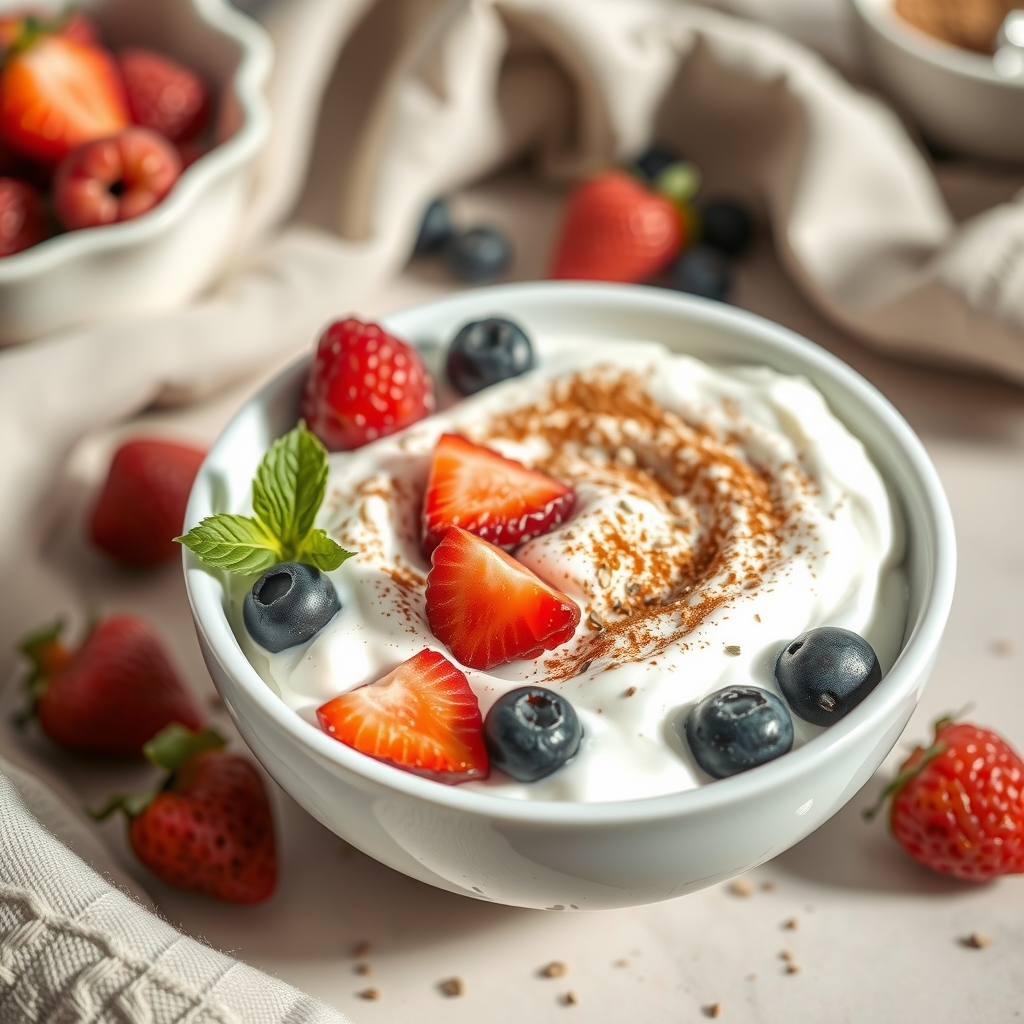
Pro tip: If you’re craving something crunchy, try baked pita chips or whole-grain crackers with a small amount of avocado. Avoid chips or nuts if they trigger reflux. Another idea is to make your own healthy snacks at home—it’s easier to control ingredients and portion sizes. For example, you can bake your own almond butter rice cakes by spreading a thin layer of almond butter on rice cakes and baking them for 5 minutes to crisp them up.
Low-acid breakfast ideas for GERD weight loss
Breakfast is often the hardest meal for people with GERD because it’s easy to go overboard on high-fat or high-acid foods. But with a little planning, you can start your day right without triggering reflux. Here are some low-acid, weight-loss-friendly breakfast ideas, along with tips on how to customize them to fit your taste:
- Oatmeal with almond butter and banana: Oats are high in fiber and easy to digest, while almond butter adds healthy fats in moderation. Top with a sliced banana for natural sweetness and extra potassium.
- Scrambled eggs with spinach and whole-grain toast: Eggs are a great source of protein, and spinach is low in acid. Use a non-stick pan with a small amount of olive oil to keep it light. Opt for whole-grain toast to add fiber.
- Smoothie with almond milk, spinach, and protein powder: Blend almond milk, a handful of spinach, a scoop of protein powder, and a few ice cubes for a creamy, reflux-friendly breakfast. Add a small handful of blueberries for natural sweetness and antioxidants.
- Whole-grain toast with avocado and poached eggs: Avocado is low in acid and high in healthy fats, while poached eggs provide lean protein. Use a small amount of avocado to keep it low in fat.
- Chia pudding with almond milk and berries: Chia seeds absorb liquid and form a pudding-like texture, while berries are low in acid. Mix chia seeds with almond milk the night before and let it sit in the fridge. Top with a handful of strawberries or blueberries in the morning.
- Cottage cheese with sliced peaches: Cottage cheese is low in fat and high in protein, while peaches are low in acid. Choose low-fat cottage cheese to keep it light.
- Whole-grain waffles with almond butter and sliced banana: Whole-grain waffles provide fiber, while almond butter adds healthy fats. Stick to a small portion of almond butter to avoid overdoing it on fat.
If you’re looking for more breakfast inspiration, our Atkins Diet Breakfast Ideas guide has plenty of options—just skip the high-fat toppings like cheese or bacon. Another tip: if you’re short on time in the morning, try prepping breakfast the night before. For example, you can make overnight oats by mixing oats with almond milk and a small amount of almond butter, then refrigerating it overnight. In the morning, just add your favorite low-acid toppings like banana slices or berries.
GERD friendly dinner recipes for weight loss
Dinner is often the meal where people let loose after a long day, but that can be a recipe for reflux. The key is to keep meals light, flavorful, and easy to digest. Here are three GERD-friendly dinner recipes that support weight loss, along with two additional recipes to expand your options:
1. Baked Lemon-Herb Salmon with Quinoa and Steamed Broccoli
Ingredients: Salmon fillet (6 oz), quinoa (½ cup dry), broccoli (1 cup florets), olive oil (1 teaspoon), lemon zest (1 teaspoon), fresh herbs (dill or parsley), salt, and pepper.
Instructions:
- Preheat oven to 375°F (190°C).
- Place salmon on a baking sheet lined with parchment paper. Drizzle with olive oil, lemon zest, and herbs. Season with salt and pepper.
- Bake for 12–15 minutes, until salmon is cooked through.
- Cook quinoa according to package instructions (use 1 cup water for ½ cup dry quinoa).
- Steam broccoli until tender-crisp (about 5–7 minutes).
- Serve salmon with quinoa and broccoli. Drizzle a tiny bit of olive oil over the broccoli if desired.
2. Turkey and Veggie Stir-Fry with Brown Rice
Ingredients: Lean ground turkey (4 oz), brown rice (½ cup dry), bell peppers (½), zucchini (½), carrots (½), low-sodium soy sauce (1 teaspoon), ginger (½ teaspoon grated), garlic (½ clove, minced—use sparingly), and olive oil (1 teaspoon).
Instructions:
- Cook brown rice according to package instructions.
- In a pan, heat olive oil and cook ground turkey until browned.
- Add sliced bell peppers, zucchini, and carrots. Stir-fry for 5–7 minutes.
- Add a splash of low-sodium soy sauce and a pinch of ginger. Avoid garlic if it triggers reflux.
- Serve over brown rice. Garnish with a sprinkle of fresh parsley if desired.
3. Baked Chicken with Roasted Sweet Potato and Asparagus
Ingredients: Chicken breast (6 oz), sweet potato (½ medium), asparagus (½ bunch), olive oil (1 teaspoon), salt, pepper, and rosemary (½ teaspoon).
Instructions:
- Preheat oven to 400°F (200°C).
- Cut sweet potato into cubes and toss with olive oil, salt, and pepper. Spread on a baking sheet.
- Place chicken breast on the same sheet. Season with salt, pepper, and rosemary.
- Add asparagus to the sheet.
- Bake for 25–30 minutes, until chicken is cooked through and vegetables are tender.
- Serve as a complete meal. Drizzle a tiny bit of olive oil over the sweet potato if desired.
4. Lentil and Vegetable Soup with Whole-Grain Bread
Ingredients: Lentils (½ cup dry), carrots (1 small), celery (1 stalk), onion (¼), garlic (½ clove, optional), vegetable broth (2 cups), olive oil (1 teaspoon), salt, pepper, and fresh parsley. Whole-grain bread for serving.
Instructions:
- In a pot, heat olive oil and sauté chopped onion, celery, and carrots until soft.
- Add minced garlic (if using) and cook for an additional minute.
- Add lentils, vegetable broth, salt, and pepper. Bring to a boil, then reduce heat and simmer for 20–25 minutes until lentils are tender.
- Garnish with fresh parsley and serve with a slice of whole-grain bread.
5. Baked Cod with Mashed Cauliflower and Green Beans
Ingredients: Cod fillet (6 oz), cauliflower (1 cup florets), green beans (½ cup), olive oil (1 teaspoon), salt, pepper, and lemon zest (½ teaspoon).
Instructions:
- Preheat oven to 375°F (190°C).
- Place cod on a baking sheet and season with salt, pepper, and lemon zest. Drizzle with a tiny bit of olive oil.
- Steam cauliflower and green beans until tender (about 10–12 minutes).
- Bake cod for 12–15 minutes.
- Mash cauliflower with a tiny bit of olive oil and salt. Serve with cod and green beans.
These recipes are designed to be low-fat, high in fiber, and easy to digest. They also provide balanced nutrition to keep you full and energized throughout the day. The key is to focus on fresh, whole ingredients and avoid heavy sauces or fried elements. If you’re short on time, batch-cook grains like quinoa or brown rice ahead of time to save prep work during the week.
GERD friendly foods that aid weight loss: a deeper dive
Not all GERD-friendly foods are created equal when it comes to weight loss. Some are more filling, more nutrient-dense, or better at keeping you satisfied between meals. Here’s a deeper dive into the best foods for both GERD and weight loss, including how to incorporate them into your routine and why they work:
If you’re looking for more options, our Atkins Diet Food List can be a helpful reference, but always prioritize low-fat, low-acid options. Remember, the goal is to create a sustainable routine that you enjoy. If you love a certain food, find a GERD-friendly way to incorporate it—even if it’s just a small portion. For example, if you love pizza, try a thin-crust, light cheese version with a side salad instead of a full slice.
GERD diet and exercise for weight loss: making it work
Exercise is a crucial part of weight loss, but if you have GERD, you need to be strategic about when and how you move. The right exercises can help with digestion, while the wrong ones can trigger reflux. Here’s how to make it work, including tips on choosing the right workouts and avoiding common mistakes:
- Avoid exercising right after eating: Wait at least 2–3 hours after a meal before starting any intense exercise. This gives your body time to digest. If you need to move sooner, opt for a gentle walk or stretch session.
- Try low-impact exercises: Walking, swimming, and yoga are great options because they’re gentle on your stomach and won’t put pressure on your LES. These activities also help reduce stress, which can worsen reflux symptoms.
- Incorporate strength training: Lifting light weights or using resistance bands can help build muscle and boost metabolism without triggering reflux. Focus on controlled movements and avoid holding your breath.
- Stay hydrated but smartly: Drink water before and after your workout, not during. Sipping small amounts can help prevent dehydration without overfilling your stomach. Herbal teas like peppermint (if tolerated) or chamomile can be a refreshing alternative.
- Listen to your body: If you feel discomfort during or after exercise, slow down or stop. GERD symptoms can sometimes be exacerbated by physical activity, especially if you’re not used to moving regularly.
If you’re new to exercise, start slow and build up gradually. Even a 10-minute walk after dinner can make a difference in digestion and weight loss. Another tip: try yoga or Pilates, which focus on breath control and gentle movements. These practices can help reduce stress and improve digestion, both of which are beneficial for GERD. If you’re short on time, consider breaking your workouts into smaller chunks—two 15-minute walks instead of one 30-minute session can be just as effective.
GERD diet and sleep: optimizing your routine
Sleep is often the first thing to go when you’re trying to lose weight, but it’s also one of the most important factors in managing GERD. Poor sleep can worsen reflux symptoms, while good sleep supports weight loss by regulating hunger hormones like ghrelin and leptin. Here’s how to optimize your sleep routine for both GERD and weight loss:
- Elevate your upper body: Sleeping on your left side with your upper body elevated (using an extra pillow or a wedge) can help reduce acid reflux. This position keeps stomach acid where it belongs and prevents it from flowing back into your esophagus.
- Avoid eating 2–3 hours before bed: Give your body time to digest before lying down. If you’re hungry, opt for a small, GERD-friendly snack like a handful of almonds or a cup of herbal tea.
- Create a bedtime routine: Wind down with calming activities like reading, gentle stretching, or meditation. Avoid screens, as the blue light can disrupt your sleep and increase stress, which may worsen reflux.
- Wear loose pajamas: Tight waistbands or belts can put pressure on your stomach and worsen reflux. Opt for loose, comfortable clothing to bed.
- Keep your bedroom cool and dark: A cool, dark environment promotes better sleep. Consider blackout curtains or a white noise machine to help you relax and fall asleep faster.

Another tip: avoid caffeine and alcohol close to bedtime, as these can relax the LES and trigger reflux. If you’re struggling with sleep, try a warm bath or shower before bed—this can help relax your muscles and prepare your body for rest. Finally, consider keeping a sleep diary to track your habits and identify patterns that might be affecting your sleep or reflux symptoms.
GERD diet and stress management: the mind-body connection
Stress can worsen GERD symptoms, and GERD can increase stress—it’s a vicious cycle. Managing stress is key to both weight loss and reflux relief. Here’s how to incorporate stress management into your routine, including practical tips and techniques to try:
- Practice deep breathing: Try the 4-7-8 technique: inhale for 4 seconds, hold for 7, and exhale for 8. This can help calm your nervous system and reduce stress. Practice this for 2–3 minutes whenever you feel overwhelmed or reflux symptoms creeping in.
- Try progressive muscle relaxation: Tense and release each muscle group in your body, starting from your toes and working your way up to your face. This can help reduce physical tension and improve digestion.
- Incorporate gentle movement: Yoga, tai chi, or even a short walk can help reduce stress and improve digestion. Focus on slow, mindful movements and deep breathing.
- Practice gratitude or journaling: Writing down three things you’re grateful for each day can help shift your mindset and reduce stress. Alternatively, try journaling about your feelings or reflux symptoms to identify patterns and triggers.
- Set boundaries: Learn to say no to commitments that cause stress. Prioritize self-care and make time for activities that bring you joy and relaxation.
Another tip: try aromatherapy with soothing scents like lavender or chamomile. These can help reduce stress and promote relaxation. If you’re short on time, even a 5-minute meditation or guided breathing exercise can make a difference. Remember, stress management is about finding what works for you—whether it’s a daily walk, a warm bath, or simply taking a few deep breaths when you feel overwhelmed.
GERD diet and hydration: what to drink and when
Hydration is often overlooked when it comes to GERD and weight loss, but it plays a crucial role in both. Drinking the right liquids and at the right times can help soothe reflux




