Mornings are the hardest time to stick to any diet, especially one as specific as fruitarianism. The key? Prep the night before or invest in five minutes of morning prep that doesn’t feel like a chore. Here’s how to make your mornings smoother:
1. Overnight soaked fruit and seeds: Soak a handful of pitted dates, figs, or apricots in water with a sprinkle of chia seeds or almond butter. This creates a no-cook, protein-rich snack that’s ready to grab. Pro tip: Use a small mason jar with a lid for easy portability. You can also experiment with adding a dash of cinnamon or vanilla extract for added flavor. For those who enjoy a bit of sweetness, a few drops of vanilla extract can make this snack feel like a treat.
2. Pre-cut fruit packs: Wash, dry, and portion your favorite fruits (like grapes, apple slices, or kiwi) into reusable silicone bags. Store them in the fridge, and grab one on your way out. For extra freshness, add a splash of lemon juice to prevent browning. To make this even more convenient, consider pre-cutting fruits in the evening and storing them in airtight containers with a paper towel to absorb excess moisture.
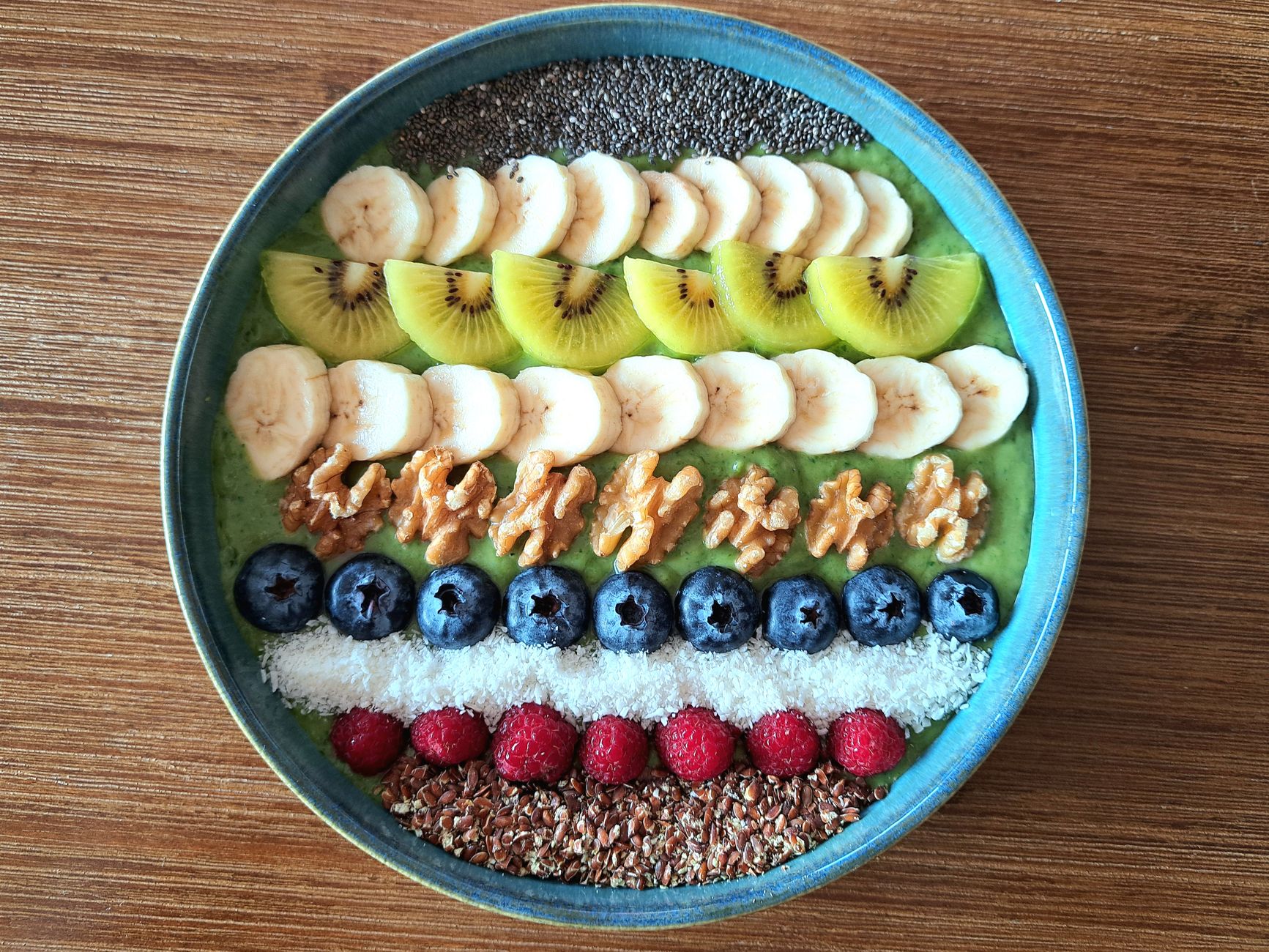
3. Smoothie pouches: Blend frozen banana, berries, and a splash of coconut water into a thick smoothie. Pour it into a small, spill-proof pouch (like a silicone one) and freeze. These last all day in your lunchbox and taste like a dessert. You can also add a spoonful of nut butter or a tablespoon of ground flaxseeds for extra protein and healthy fats.
Many women tell us they struggle with fruitarian snacks because they feel too heavy or too sweet. The trick is balancing textures and flavors—pair a juicy pear with a sprinkle of coconut flakes, or enjoy a handful of dried mango with a few walnuts for crunch. For those who prefer something savory, try pairing avocado slices with a sprinkle of sea salt and a drizzle of olive oil (if you include healthy fats).
If you’re looking for a caffeine boost, consider adding a small amount of matcha powder to your smoothie pouches. Matcha is rich in antioxidants and can provide a gentle energy lift without the crash of coffee.
---
Portable fruitarian snack ideas for work
Work lunches don’t have to be boring or unhealthy. The secret is variety—mix textures, temperatures, and flavors to keep your snacks interesting. Here are some of the best portable options:
- Fresh fruit with a twist: Try apple slices with sunflower seed butter, or a small bowl of berries with a drizzle of honey (if you include honey in your diet). For a savory option, pair cucumber slices with a sprinkle of hemp seeds and a squeeze of lime.
- Dried fruit and seed mixes: Combine dried apricots, raisins, pumpkin seeds, and a pinch of sea salt. Store in small containers for easy grab-and-go access. You can also add a few dark chocolate chips (if you include them) for a touch of indulgence.
- Fruit "ice cubes": Freeze small pieces of fruit like grapes, melon, or pineapple in silicone molds. These stay fresh for hours and double as a refreshing treat. For a fun twist, freeze fruit-infused ice cubes with coconut water for a hydrating snack.
- Smoothie bites: Blend dates, banana, and a handful of spinach (if you include leafy greens) into a thick paste. Roll into balls and freeze. These are like fruitarian energy balls! You can also add a spoonful of nut butter or a tablespoon of ground flaxseeds for extra protein.
If you’re worried about calories, focus on high-water-content fruits like watermelon, cucumber, or oranges—they’re hydrating and filling without being heavy. For a protein boost, add a small handful of almonds or cashews to your snack pack. If you're looking for a more substantial snack, consider adding a small container of hummus (if you include seeds) to your lunchbox for dipping.
One reader described her struggle with work snacks: “I’d bring fruit, but by lunchtime, it was mushy and boring. Now I rotate between frozen fruit bites, pre-cut veggies with hummus (if I include seeds), and smoothie pouches. It’s made all the difference!”
For more snack ideas that fit into different dietary needs, check out our Dash Diet Snacks for On the Go guide—it’s full of easy, healthy options that might inspire you to mix and match flavors.
If you work in an office with a kitchen, consider prepping your snacks there. For example, you can blend a large batch of smoothie pouches in the morning and store them in the fridge for the week. This not only saves time but also ensures your snacks are fresh and ready to go.
---
How to pack fruitarian snacks for travel
Traveling on a fruitarian diet can feel overwhelming, but with the right prep, you can stay nourished without relying on airport snacks. Here’s how to pack smart:
1. Use insulated lunch bags: Keep fresh fruit cool with an ice pack. Pack a mix of fruits that ripen at different rates (e.g., bananas, apples, and berries) to extend freshness. Consider using a small cooler bag with ice packs for longer trips, especially if you’re traveling by car or plane.
2. Opt for non-perishable options: Dried fruits, nuts, and seeds are your best friends. Pair them with a small container of nut butter for extra protein. You can also bring a small jar of honey (if you include it) for drizzling over fruits or mixing into teas.
3. Pre-portion everything: Use small containers or silicone bags to avoid spills. Label them if you’re sharing space (like in a shared hotel fridge). For easy identification, use different colored bags or containers for different types of snacks.
4. Bring a small blender or food processor: If you’re staying somewhere with a kitchen, you can whip up fresh smoothies or fruit salads on the go. A portable blender can be a game-changer for travel.
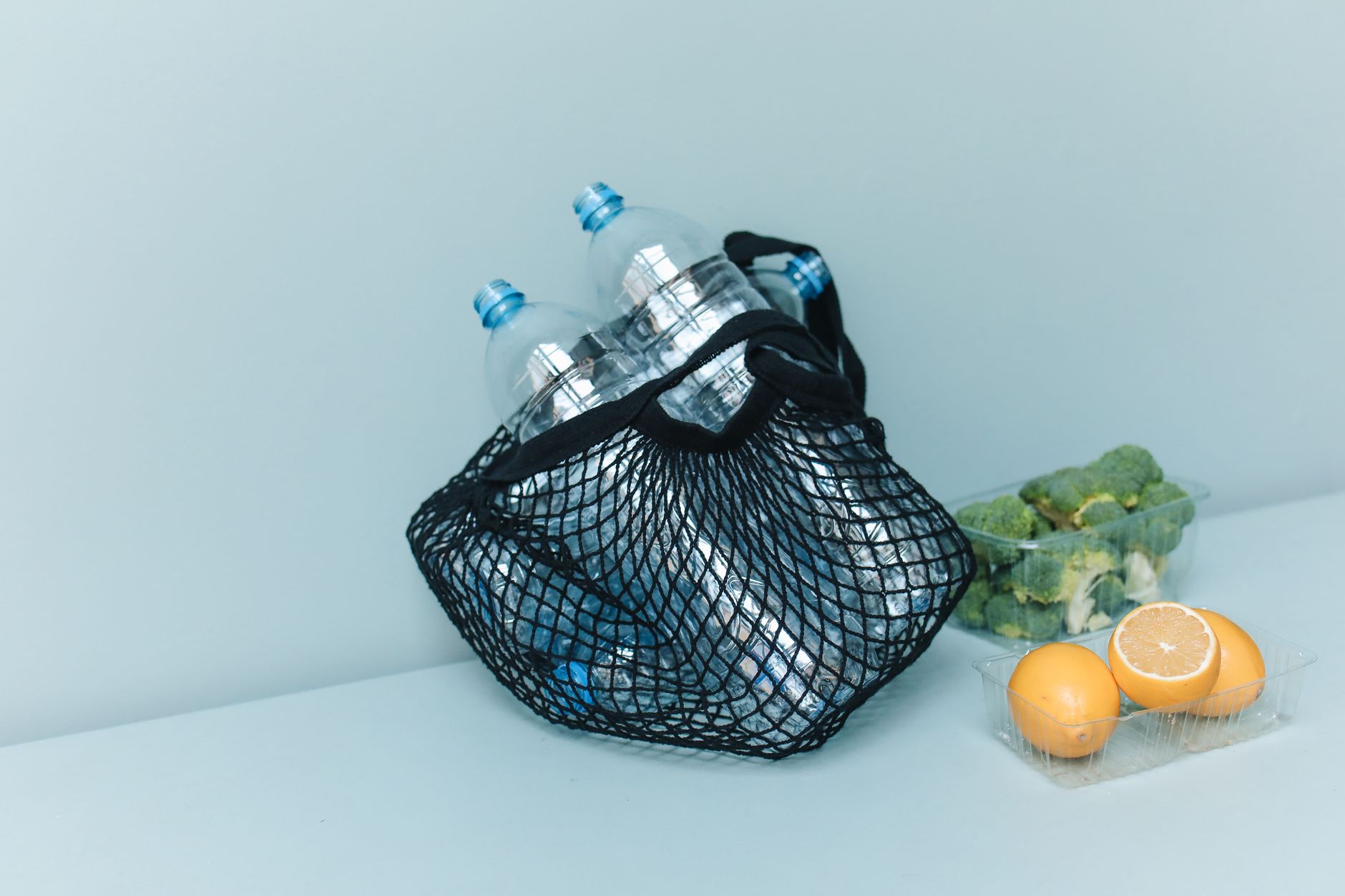
Many travelers underestimate the importance of hydration. Pair your snacks with a reusable water bottle to stay energized throughout the day. If you’re traveling internationally, consider bringing a reusable water bottle with a built-in filter to ensure you have access to clean water.
If you’re flying, check airline regulations for liquids. Most allow small containers of nut butter or honey in your carry-on, but always double-check the rules to avoid any issues at security.
---
Nutrient-dense fruitarian snacks for on-the-go
One of the biggest concerns with a fruitarian diet is meeting your nutrient needs, especially on the go. While fruits are rich in vitamins, minerals, and fiber, they can fall short in protein, healthy fats, and certain micronutrients like iron and calcium. Here’s how to cover your bases:
Protein: Include nuts and seeds like almonds, chia seeds, or hemp seeds in your snacks. A small handful of almonds can add 6 grams of protein to your meal. For a more substantial protein boost, consider adding a small container of edamame (if you include seeds) to your lunchbox.
Healthy fats: Avocados, coconut, and nut butters provide healthy fats that keep you full. Try avocado slices with a sprinkle of sea salt or a spoonful of almond butter on apple slices. For a quick and easy option, pack a small container of tahini (sesame seed paste) for drizzling over fruits or mixing into smoothies.
Iron and calcium: Pair iron-rich foods like dried apricots or figs with vitamin C (like orange slices or kiwi) to boost absorption. For calcium, include leafy greens like spinach (if you include them) or fortified plant-based milks in smoothies. You can also add a sprinkle of ground flaxseeds to your snacks for an extra calcium boost.
For a deeper dive into the nutritional benefits and risks of the fruitarian diet, check out our fruitarian diet benefits and risks guide. It breaks down what to watch for and how to stay balanced.
Here’s a quick comparison of nutrient-dense fruitarian snacks:
---
Fruitarian snack recipes that keep fresh all day
Freshness is the name of the game when it comes to fruitarian snacks. Here are a few recipes that stay intact until lunchtime:
1. No-Bake Fruit and Seed Energy Balls
- Blend 1 cup dried dates (pitted) with 1/2 cup almond butter and 1 tbsp coconut oil until sticky.
- Add 1/4 cup shredded coconut and 2 tbsp chia seeds. For extra flavor, add a teaspoon of vanilla extract or a pinch of cinnamon.
- Roll into small balls and refrigerate for at least 1 hour. Store in an airtight container for up to 5 days.
These are like fruitarian granola bars but without the oats! You can also add a few dark chocolate chips (if you include them) for a touch of sweetness.
2. Lemon-Glazed Fruit Skewers
- Cut pineapple, grapes, and kiwi into bite-sized pieces.
- Toss with a mix of 1 tbsp lemon juice and 1 tsp honey (if you include honey). For a tangy twist, add a pinch of sea salt to the glaze.
- Thread onto skewers and refrigerate until ready to grab. These stay fresh for up to 24 hours and taste like a tropical vacation.
For a fun presentation, use colorful skewers or small toothpicks to make these skewers extra appealing.
3. Frozen Fruit "Pops"
- Blend frozen mango, banana, and a splash of coconut water until smooth. For extra creaminess, add a spoonful of nut butter.
- Pour into silicone molds and freeze for 4 hours.
- Pop out and store in a bag for up to a week. These are like a fruitarian popsicle—perfect for hot days!
You can also experiment with different fruit combinations, such as strawberry-banana or peach-coconut, to keep your popsicles exciting.
For more easy fruitarian dinner recipes that build on these snack ideas, take a look at our easy fruitarian dinner recipes for inspiration.
---
Low-calorie fruitarian snacks for on the go
If you’re watching your calorie intake, focus on high-volume, low-calorie fruits like watermelon, cucumber, or berries. Here are some of the best low-calorie options:
- Watermelon cubes (about 45 calories per cup)
- Cucumber slices with lemon (about 16 calories per cup)
- Strawberries with a sprinkle of coconut flakes (about 50 calories per cup)
- Grapefruit segments (about 50 calories per half)
- Celery sticks with a drizzle of olive oil (if you include healthy fats) (about 20 calories per stalk)
Pair these with a small handful of nuts (like walnuts or almonds) for healthy fats without overdoing the calories. For a protein boost, add a few sunflower seeds to your snack pack. If you're looking for a savory option, consider pairing cucumber slices with a sprinkle of hemp seeds and a squeeze of lime.
If you’re curious about other low-calorie snack options, our Dash Diet Food List has plenty of ideas that can be adapted to a fruitarian approach. For a refreshing and low-calorie drink option, try infusing water with slices of citrus fruits or herbs like mint or basil.
---
Fruitarian snack prep for school lunches
Packing fruitarian snacks for kids can be tricky—you want something they’ll actually eat, but also something that fits the diet. Here are some kid-friendly ideas:
- Fruit "pizza": Spread a thin layer of nut butter on a whole-grain tortilla (if you include seeds), top with banana slices, and roll up. Slice into rounds. For a fun twist, use cookie cutters to shape the fruit into different shapes.
- Trail mix with a twist: Combine dried cranberries, pumpkin seeds, and a few dark chocolate chips (if you include them) for a sweet-and-salty snack. Add a small container of nut butter for dipping.
- Fruit smoothie pouches: Blend frozen berries with a splash of coconut water and pour into small pouches. Kids love the convenience! You can also add a spoonful of peanut butter (if you include nuts) for extra protein.
- Apple "coins" with cinnamon: Slice apples into rounds, sprinkle with cinnamon, and pack with a small container of sunflower seed butter. For a fun presentation, arrange the apple coins on a small plate with a side of cinnamon.
For picky eaters, involve them in the prep process. Let them choose their favorite fruits or assemble their own snack packs. This makes them more likely to enjoy (and eat) what they’ve packed. You can also create a fun "fruitarian snack station" at home where kids can mix and match their favorite ingredients.
If your child is an athlete, consider packing extra snacks for before and after practice. For example, a small container of nut butter and banana slices can provide quick energy before a game, while a smoothie pouch can help with recovery afterward.
---
Fruitarian snacks for athletes and active lifestyles
If you're an athlete or someone with an active lifestyle, fueling your body with nutrient-dense fruitarian snacks is key. The right snacks can provide quick energy, support muscle recovery, and keep you hydrated. Here are some tailored ideas:
Pre-workout snacks: Focus on snacks that provide quick energy, such as bananas, which are rich in potassium and natural sugars. Pair them with a small handful of almonds for sustained energy. You can also blend a quick smoothie with frozen banana, spinach, and a splash of coconut water for a hydrating pre-workout boost.
Post-workout snacks: After a workout, prioritize snacks that help with muscle recovery and rehydration. Try a smoothie with frozen berries, banana, and a spoonful of nut butter. This combination provides protein, healthy fats, and electrolytes. For a solid snack, pack avocado slices with a sprinkle of sea salt and a drizzle of olive oil.
Hydration snacks: Staying hydrated is crucial for athletes. Pack snacks with high water content, such as watermelon, cucumber, or oranges. You can also infuse water with slices of citrus fruits or herbs to make hydration more enjoyable. For a refreshing treat, freeze small pieces of fruit like grapes or pineapple and enjoy them as "fruit ice cubes."
Here’s a quick comparison of fruitarian snacks for active lifestyles:
---
Fruitarian snacks for different dietary restrictions
If you have specific dietary restrictions beyond fruitarianism, there are still plenty of snack options that fit. Here’s how to adapt:
Nut-free: If you have a nut allergy or simply prefer to avoid nuts, focus on seeds like sunflower seeds, pumpkin seeds, or chia seeds. Pair dried fruits like apricots or figs with seed butter (made from sunflower seeds or pumpkin seeds) for a nut-free protein boost.
Seed-free: If you avoid seeds due to allergies or other reasons, rely on fruits and nut butters. For example, pair apple slices with sunflower seed butter or enjoy a smoothie with banana and coconut water. You can also add a small amount of tahini (sesame seed paste) to your snacks if sesame seeds are tolerated.
Soy-free: Most fruitarian snacks are naturally soy-free, but always check labels on nut butters or seed butters to ensure they’re processed in a soy-free facility. Opt for single-ingredient nut butters or seed butters to avoid cross-contamination.
Dairy-free: Since fruitarianism typically avoids dairy, most snacks are already dairy-free. However, always check labels on any processed ingredients, such as nut butters or seed butters, to ensure they’re free from dairy additives.
If you have multiple dietary restrictions, consider consulting a registered dietitian to ensure you’re meeting all your nutritional needs. They can help you create a personalized plan that fits all your requirements.
---
Myth vs. Fact: Fruitarian Snacks on the Go
Myth: Fruitarian snacks are always healthy and filling.
Fact: While fruits are nutrient-dense, they can be low in protein and healthy fats, especially when eaten alone. Pairing them with nuts, seeds, or nut butters helps balance your meal. For example, a banana alone might leave you feeling hungry quickly, but adding chia seeds or almond butter can make it a more satisfying snack.
Myth: You can’t eat fruitarian snacks without refrigeration.
Fact: Dried fruits, nuts, and seeds stay fresh for days without refrigeration. Freezing small portions of fruit also extends their shelf life. For instance, dried apricots and walnuts can be stored in a cool, dry place for weeks, while frozen berries stay fresh for months.
Myth: Fruitarian snacks are only for athletes.
Fact: While athletes benefit from the natural sugars and electrolytes in fruits, fruitarian snacks are great for anyone looking for a quick, nutrient-packed option. Just be mindful of portion sizes to avoid blood sugar spikes. For example, a smoothie with banana and spinach can be a great mid-afternoon pick-me-up for anyone, not just athletes.
Myth: Fruitarian snacks are boring and repetitive.
Fact: With a little creativity, fruitarian snacks can be exciting and varied. Experiment with different fruit combinations, textures, and flavors to keep your snacks interesting. For example, try pairing tropical fruits like mango and pineapple with a sprinkle of coconut flakes for a taste of the islands.
---
Key Takeaways
- Prep is key—soak fruits overnight, pre-cut and portion snacks, and use insulated containers for travel.
- Balance your snacks with nuts, seeds, and nut butters to meet protein and fat needs.
- Rotate your fruit choices to avoid boredom and ensure a variety of nutrients.
- Freeze small portions of fruit to extend freshness and keep snacks cool.
- For kids, involve them in the snack prep to encourage enjoyment and participation.
- Always check for allergies and opt for organic when possible to minimize pesticide exposure.
- Adapt snacks to your lifestyle—whether you're an athlete, a busy professional, or a student.
- Experiment with different flavors and textures to keep your snacks exciting.
---
Frequently Asked Questions
What are some quick fruitarian snacks?
Quick fruitarian snacks include pre-cut fruit packs, overnight soaked dates with chia seeds, smoothie pouches, and frozen fruit "ice cubes." These require minimal prep and can be grabbed in seconds. For a caffeine boost, try adding a small amount of matcha powder to your smoothie pouches.
Can fruitarian snacks be packed for work?
Absolutely! Use insulated lunch bags with ice packs, pre-portion snacks into small containers, and opt for non-perishable options like dried fruits and nuts. Packing ahead ensures you’re never caught short. For a savory twist, consider packing cucumber slices with a sprinkle of hemp seeds and a squeeze of lime.
How do I keep fruitarian snacks fresh?
Store fresh fruits in airtight containers with a paper towel to absorb moisture. Freeze small portions of berries or grapes to extend their shelf life. For dried fruits and nuts, keep them in a cool, dry place away from sunlight. For added freshness, add a splash of lemon juice to pre-cut fruits to prevent browning.
What nutrients do fruitarian snacks provide?
Fruitarian snacks are rich in vitamins (like vitamin C and potassium), fiber, and antioxidants. However, they may lack protein, healthy fats, and certain minerals like iron and calcium. Pairing with nuts and seeds helps cover these gaps. For example, almonds provide healthy fats and protein, while dried apricots offer iron and vitamin C.
Are fruitarian snacks suitable for athletes?
Yes! Fruits provide natural sugars for quick energy and electrolytes like potassium to support hydration. For athletes, pair fruits with nuts or seeds for sustained energy. Smoothies with leafy greens (if included) can also be a great post-workout option. For instance, a smoothie with banana, spinach, and nut butter can provide a balanced mix of carbohydrates, protein, and healthy fats.
How many calories are in a typical fruitarian snack?
Calories vary depending on the snack. A small apple with a tablespoon of almond butter has about 150 calories, while a handful of dried apricots and walnuts can range from 200-250 calories. Focus on portion control to avoid overeating. For a lower-calorie option, try cucumber slices with lemon, which are about 16 calories per cup.
What are some nut-free fruitarian snack ideas?
If you have a nut allergy or prefer to avoid nuts, focus on seeds like sunflower seeds, pumpkin seeds, or chia seeds. Pair dried fruits like apricots or figs with seed butter (made from sunflower seeds or pumpkin seeds) for a nut-free protein boost. For example, apple slices with sunflower seed butter can be a delicious and satisfying snack.
How can I make fruitarian snacks more exciting for kids?
Involve your kids in the prep process by letting them choose their favorite fruits or assemble their own snack packs. Create fun shapes with cookie cutters or use colorful skewers for fruit skewers. For a treat-like snack, try making fruit pops with coconut water or smoothie pouches with their favorite fruits.
---
When to see a doctor or specialist
While the fruitarian diet can be nutritious, it’s important to monitor your nutrient intake, especially if you’re pregnant, breastfeeding, or have a chronic condition. Consult a registered dietitian or healthcare provider if you experience:
- Fatigue or weakness (possible iron or vitamin B12 deficiency)
- Dizziness or irregular heartbeat (possible electrolyte imbalance)
- Unexplained weight loss or muscle loss (possible protein deficiency)
- Digestive issues like constipation or bloating (possible fiber overload)
- Skin changes or hair loss (possible nutrient deficiencies)
For general health guidance, your primary care provider or a nutritionist specializing in plant-based diets can help tailor your snacking strategy to your needs. If you're experiencing symptoms that concern you, it's always best to consult a healthcare professional to rule out any underlying issues.
---
References
- Academy of Nutrition and Dietetics. (2023). *Plant-Based Diets: What Is a Plant-Based Diet?*
- American Heart Association. (2022). *Nut and Seed Consumption and Cardiovascular Health*.
- Harvard T.H. Chan School of Public Health. (2023). *The Fruitarian Diet: Pros and Cons*.
- National Institutes of Health. (2023). *Dietary Fiber and Health*.
- The Menopause Society. (2022). *Nutrient Considerations for Plant-Based Diets*.
- American Dietetic Association. (2021). *Nutrition and Athletic Performance*.
- American College of Sports Medicine. (2022). *Hydration and Exercise*.
- Food and Drug Administration (FDA). (2023). *Guidance for Industry: Dietary Supplements*.




