

Quick take: A fruitarian grocery list should prioritize whole, unprocessed fruits—think bananas, berries, apples, and citrus—while avoiding seeds and nuts (unless strictly raw). For beginners, start with seasonal, affordable staples like bananas, oranges, and apples, and supplement with protein-rich fruits like avocados and coconuts. Budget-friendly swaps like frozen berries or applesauce can help stretch your list without sacrificing nutrition. Always check labels for added sugars or preservatives, and consider a multivitamin to fill gaps like vitamin B12, iron, or omega-3s. Need a printable? We’ll link to our free template at the end.Fruitarian Diet Grocery Shopping List: The Complete 2026 Guide
It was 3 a.m., the fridge was bare, and my grocery list looked like a haiku: apples, bananas, and panic. I’d just read about the fruitarian diet—no meat, no dairy, no grains, just fruit—and my brain had short-circuited. How do you eat *only* fruit? What about protein? Will I turn into a raisin? The next morning, I stood in the produce section, staring at a mountain of bananas and wondering if I’d just signed up for a life of smoothie-only meals. Turns out, I wasn’t alone. Many women (and men) dive into fruitarianism for ethical, environmental, or health reasons—only to hit a wall when they realize a grocery cart full of fruit isn’t as simple as it seems.
This guide is for you: the curious beginner, the weight-loss seeker, the pregnant mom-to-be, the vegan athlete, or the budget-conscious shopper who wants to try fruitarianism without feeling like a fruit salad on legs. We’ll break down the complete fruitarian grocery shopping list by your specific needs—whether you’re aiming for weight loss, pregnancy nutrition, or just a sustainable way to eat more whole foods. We’ll cover protein sources (yes, they exist!), seasonal swaps, budget hacks, and how to avoid the most common mistakes. And yes, we’ll tackle the protein question—because if you’re not getting enough, you’ll feel it in your hair, your skin, and your energy levels.
Before we dive in, a quick note: while fruitarianism can be a healthy way to eat for some people, it’s not for everyone. The Academy of Nutrition and Dietetics advises that a fruitarian diet may lack essential nutrients like protein, iron, calcium, and omega-3s, which is why supplementation and careful planning are key. If you’re pregnant, breastfeeding, or have a chronic condition, consult your healthcare provider before making drastic dietary changes. This list is a tool to help you explore—not a one-size-fits-all solution.
Let’s get started.
---Best Fruitarian Grocery List for Beginners: Where to Start
If you’re new to fruitarianism, the first rule is: start simple. Your initial grocery list should focus on versatile, nutrient-dense fruits that are easy to prepare and won’t leave you feeling deprived. Think of this as your "fruitarian starter pack." Many beginners make the mistake of loading up on exotic fruits or overly expensive varieties, only to realize they’re stuck with a fridge full of avocados and mangoes that go to waste. Instead, focus on the basics—the fruits that are affordable, widely available, and packed with fiber, vitamins, and natural sweetness.
Here’s your beginner’s checklist:
- Bananas – Affordable, portable, and packed with potassium and vitamin B6. Perfect for quick snacks or smoothies.
- Apples – High in fiber and vitamin C. Choose organic if you’re concerned about pesticides, or opt for conventional varieties like Honeycrisp or Fuji.
- Oranges and other citrus fruits – Vitamin C powerhouses. Tangerines and clementines are easier to peel and less messy.
- Berries – Blueberries, strawberries, and raspberries are rich in antioxidants. Frozen berries work just as well and are often cheaper.
- Pears – A great source of fiber and copper. They’re also naturally sweet and satisfying.
- Grapes – Convenient and hydrating. Red and purple grapes are especially high in antioxidants.
- Avocados – Yes, they’re technically a fruit! High in healthy fats and potassium. Use them in smoothies or as a creamy base for meals.
- Coconuts – For their water, meat, and oil. Coconut water is a great electrolyte source, and the meat can be added to smoothies or eaten raw.
Pro tip: If you’re transitioning from a standard diet, start by replacing one meal a day with fruit. For example, swap your morning cereal for a banana and peanut butter (if you’re including nuts) or a smoothie with spinach, banana, and coconut milk. Gradually increase your fruit intake as your body adjusts.
For those who want to explore further, our flexitarian grocery list offers a gentler transition if you’re not ready to go fully fruitarian.
---Fruity Grocery List for Weight Loss: What Fruits Help You Shed Pounds
Here’s a weight-loss-friendly fruitarian grocery list:
- Watermelon – 92% water and low in calories. Great for hydration and curbing cravings.
- Strawberries – Low in sugar and high in fiber. Pair them with a sprinkle of chia seeds (if you’re including seeds) for extra protein.
- Peaches and nectarines – Naturally sweet and low in calories. Choose firm, ripe ones for a satisfying snack.
- Kiwi – High in fiber and vitamin C. One kiwi has about 50 calories and keeps you full for hours.
- Pineapple – Contains bromelain, an enzyme that aids digestion and may help reduce bloating.
- Cantaloupe – Another hydrating, low-calorie option. The natural sweetness can curb sugar cravings.
- Lemons and limes – Zero calories and great for adding flavor to water or salads (if you’re including leafy greens).
- Blackberries – Lower in sugar than strawberries but still high in fiber and antioxidants.
To maximize weight loss, focus on portion control. While fruit is nutritious, it’s still food, and overeating—even healthy foods—can lead to weight gain. Aim for 1–2 cups of fruit per meal and snack as needed. Pair fruits with protein sources like avocados, coconuts, or seeds (if allowed) to stay full longer.
For more tips on sustainable weight loss, check out our Mediterranean diet guide, which emphasizes whole foods and heart-healthy fats—principles that align well with weight-loss goals.
---Fruity Grocery List for Pregnancy: Safe and Nutrient-Dense Fruits
Pregnancy is a time when nutrition becomes even more critical, and many women wonder if a fruitarian diet is safe during this life stage. The short answer? It can be, but with caution. While fruit is packed with vitamins, minerals, and fiber, it may not provide all the nutrients a growing baby needs. However, if you’re committed to a fruitarian approach, focus on fruits that are rich in folate, iron, calcium, and omega-3s—nutrients that are especially important during pregnancy.
Here’s a fruitarian grocery list for pregnancy, designed to support both you and your baby:
- Bananas – High in potassium and vitamin B6, which can help with nausea and support fetal brain development.
- Oranges and grapefruit – Excellent sources of vitamin C and folate, which are crucial for fetal growth and immune function.
- Avocados – Rich in healthy fats and folate. The monounsaturated fats support brain development and help with hormone production.
- Pears – Contain folate and fiber, which can help prevent constipation—a common pregnancy complaint.
- Strawberries – High in folate and vitamin C. They also contain antioxidants that may reduce the risk of neural tube defects.
- Papaya – Contains papain, an enzyme that aids digestion and may help with heartburn. It’s also rich in vitamin A and folate.
- Figs – High in calcium and iron, which are essential for bone development and preventing anemia.
- Coconut – Coconut water is hydrating and contains electrolytes, while the meat provides healthy fats and iron.
- Kiwi – Packed with vitamin C and folate. One kiwi provides nearly 100% of your daily vitamin C needs.
However, pregnancy is not the time to experiment with extreme diets without medical supervision. Many healthcare providers recommend supplementing with prenatal vitamins to ensure you’re getting adequate amounts of folic acid, iron, calcium, and omega-3s. If you’re considering a fruitarian diet during pregnancy, consult your obstetrician or a registered dietitian to monitor your nutrient intake and your baby’s growth.
For more pregnancy-friendly nutrition tips, our article on the primal diet offers insights into nutrient-dense foods that support maternal and fetal health—though it includes animal products, so use it as a comparison point for variety.
---Fruity Grocery List for Vegan Athletes: Power Fruits for Performance
Vegan athletes often turn to plant-based diets for their performance benefits, and fruitarianism can be a subset of that approach—if you focus on the right fruits. The challenge? Fueling workouts with enough energy, protein, and electrolytes while avoiding blood sugar crashes. The good news is that many fruits are naturally energizing, hydrating, and packed with nutrients that support endurance and recovery.
Here’s a fruitarian grocery list for vegan athletes, designed to keep you fueled and strong:
- Bananas – A classic pre-workout snack due to their potassium and natural sugars, which provide quick energy.
- Apples – High in fiber and natural sugars. Pair with almond butter (if you’re including nuts) for a balanced snack.
- Berries – Blueberries and blackberries are rich in antioxidants, which help reduce exercise-induced oxidative stress.
- Mangoes – High in vitamin C and energy-boosting carbs. Great for post-workout recovery.
- Avocados – Healthy fats support joint health and reduce inflammation, which is crucial for athletes.
- Coconuts – Coconut water is a natural electrolyte source, while the meat provides medium-chain triglycerides (MCTs) for quick energy.
- Pineapple – Contains bromelain, which may reduce muscle soreness and inflammation.
- Dates – Naturally sweet and high in fiber and potassium. A great post-workout snack to replenish glycogen stores.
- Pomegranates – Rich in antioxidants and iron, which support oxygen transport during exercise.
For athletes, timing matters. Eat a banana or apple with a handful of seeds (if allowed) 30–60 minutes before a workout for sustained energy. After exercise, prioritize fruits with natural sugars and protein sources like avocados or coconuts to aid recovery. Hydration is key, so sip on coconut water or infuse water with citrus fruits throughout the day.
If you’re looking for more plant-based meal ideas, our carnivore diet guide might seem unrelated, but it’s a great contrast—showing how different diets approach fueling performance. For a more balanced approach, consider our Mediterranean diet list, which emphasizes whole foods and healthy fats for endurance.
---Fruity Grocery List for Budget-Friendly Fruitarianism
One of the biggest hurdles for many people trying the fruitarian diet is cost. Fresh, organic fruits can add up quickly, especially if you’re stocking up on specialty or out-of-season varieties. But with a little strategy, you can eat fruitarianly on a budget without sacrificing nutrition. The key is to focus on seasonal, frozen, and store-brand options while minimizing waste.
Here’s how to build a budget-friendly fruitarian grocery list:
- Seasonal fruits – Buy what’s in season and locally grown. For example, in the fall, apples and pears are often cheaper and more abundant.
- Bananas – One of the most affordable fruits. They’re also versatile—eat them fresh, freeze them for smoothies, or bake them into fruit leather.
– Often just as nutritious as name-brand oranges but cost significantly less. - Frozen berries – Just as nutritious as fresh and often cheaper. Use them in smoothies or oatmeal (if you’re including grains).
- Applesauce – A great way to stretch your fruit budget. Look for unsweetened versions to avoid added sugars.
- Coconuts – Buy dried coconut flakes or shredded coconut in bulk. They’re versatile for smoothies, baking, or snacking.
- Pears and peaches – Often cheaper than berries and still nutrient-dense.
- Watermelon – Seasonal and hydrating. Buy whole and slice it yourself to avoid pre-cut markups.
- Store-brand canned fruits – Look for fruits packed in their own juice (not syrup) and drain them to reduce sodium.
To save even more, consider growing your own fruit. Herbs like basil or mint can be grown in small pots, and even a small herb garden can add fresh flavor to your fruit-based meals. If you’re in a climate that allows it, plant a few fruit trees—like citrus or figs—for long-term savings.
For more budget-friendly meal ideas, check out our flexitarian grocery list, which often includes affordable staples like beans, lentils, and whole grains.
---Fruity Grocery List for Seasonal Fruits: When to Buy What
Seasonal fruits are not only fresher and more flavorful but also often cheaper and more nutrient-dense. Eating with the seasons also reduces your carbon footprint, as locally grown produce requires less transportation. Below is a seasonal fruitarian grocery list to help you plan your meals throughout the year.
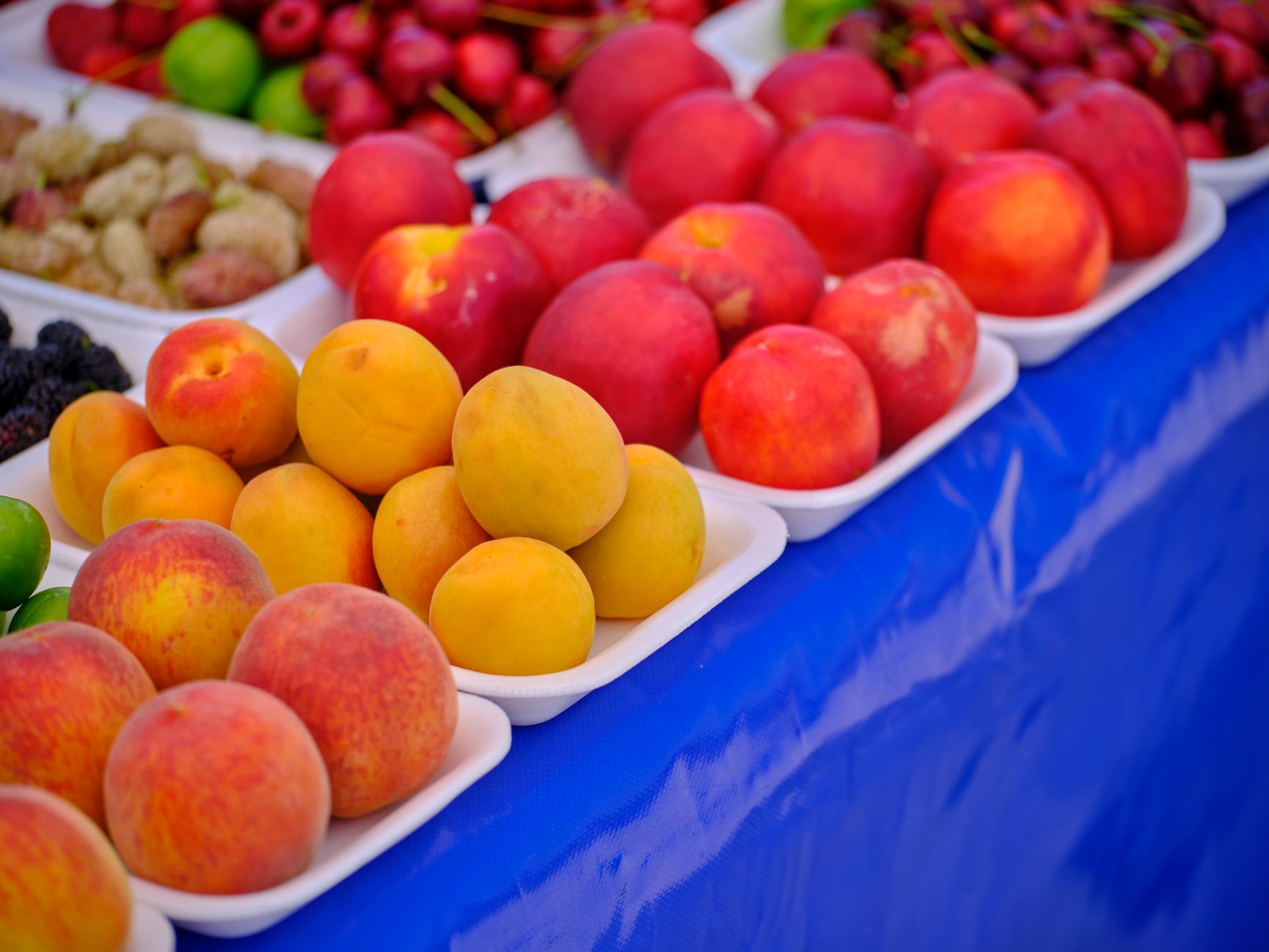
| Season | Best Fruits to Buy | Nutritional Highlights |
|---|---|---|
| Spring | Strawberries, cherries, apricots, peaches, nectarines, rhubarb | High in vitamin C, antioxidants, and folate. Rhubarb is a great source of fiber and vitamin K. |
| Summer | Watermelon, cantaloupe, berries, mangoes, pineapple, figs | Hydrating, rich in lycopene (watermelon), and high in vitamin A (mangoes). Figs are a great source of calcium. |
| Fall | Apples, pears, grapes, persimmons, kiwi, citrus (oranges, grapefruit) | High in fiber, vitamin C, and natural sugars for energy. Citrus fruits are great for immune support. |
| Winter | Citrus (oranges, tangerines, grapefruit), pomegranates, kiwi, bananas, persimmons | Rich in vitamin C, folate, and antioxidants. Bananas are a great source of potassium and natural sugars. |
When shopping for seasonal fruits, visit local farmers' markets or join a community-supported agriculture (CSA) program if available. These options often provide the freshest produce and a chance to connect with local growers who can share tips on preparation and storage.
---Fruity Grocery List for Protein Sources: How to Get Enough
One of the biggest concerns for fruitarians is protein. While many people assume meat and dairy are the only sources of protein, the truth is that fruits—especially certain varieties—can contribute to your protein needs. However, you’ll likely need to combine fruits with other plant-based protein sources (if allowed) or supplement to meet your daily requirements. The Endocrine Society notes that a well-planned plant-based diet can provide adequate protein, but it requires attention to variety and portion sizes.
Here’s how to build a fruitarian grocery list for protein:
- Avocados – One medium avocado contains about 3 grams of protein and 15 grams of healthy fats.
- Coconuts – Coconut meat provides about 3 grams of protein per 100 grams, along with medium-chain triglycerides (MCTs) for energy.
- Figs – Dried figs are a concentrated source of protein and fiber. A small bunch provides about 2 grams of protein per fig.
- Dates – While not high in protein, dates are often paired with nuts or seeds (if allowed) to create a balanced snack.
- Bananas – While not a high-protein fruit, bananas are often combined with seeds or nuts for a protein boost.
- Seeds (if allowed) – Chia seeds, flaxseeds, and hemp seeds are technically seeds, not fruits, but many fruitarians include them for their protein content. Chia seeds provide about 4.7 grams of protein per ounce.
- Nuts (if allowed) – Almonds, cashews, and walnuts are technically fruits (from a botanical standpoint) and can be included in some fruitarian diets. A small handful provides about 5–7 grams of protein.
To maximize protein intake, consider blending fruits with seeds or nuts (if allowed) into smoothies or oatmeal (if you’re including grains). For example, a smoothie with banana, avocado, chia seeds, and coconut milk can provide a balanced meal with protein, healthy fats, and fiber.
If you’re struggling to meet your protein needs, a plant-based protein powder (made from pea, hemp, or rice protein) can be a convenient supplement. Always check labels for added sugars or fillers.
For more protein-rich meal ideas, our primal diet guide includes animal-based protein sources, but it’s a great reference for understanding how to structure meals around protein.
---Fruity Grocery List for Snack Ideas: Quick and Satisfying
Snacking on a fruitarian diet can be tricky—you need options that are filling, satisfying, and easy to prepare. The key is to combine fruits with other nutrient-dense foods (like seeds or nuts, if allowed) to create balanced snacks that keep you full and energized. Below are some fruitarian-friendly snack ideas to keep you on track.
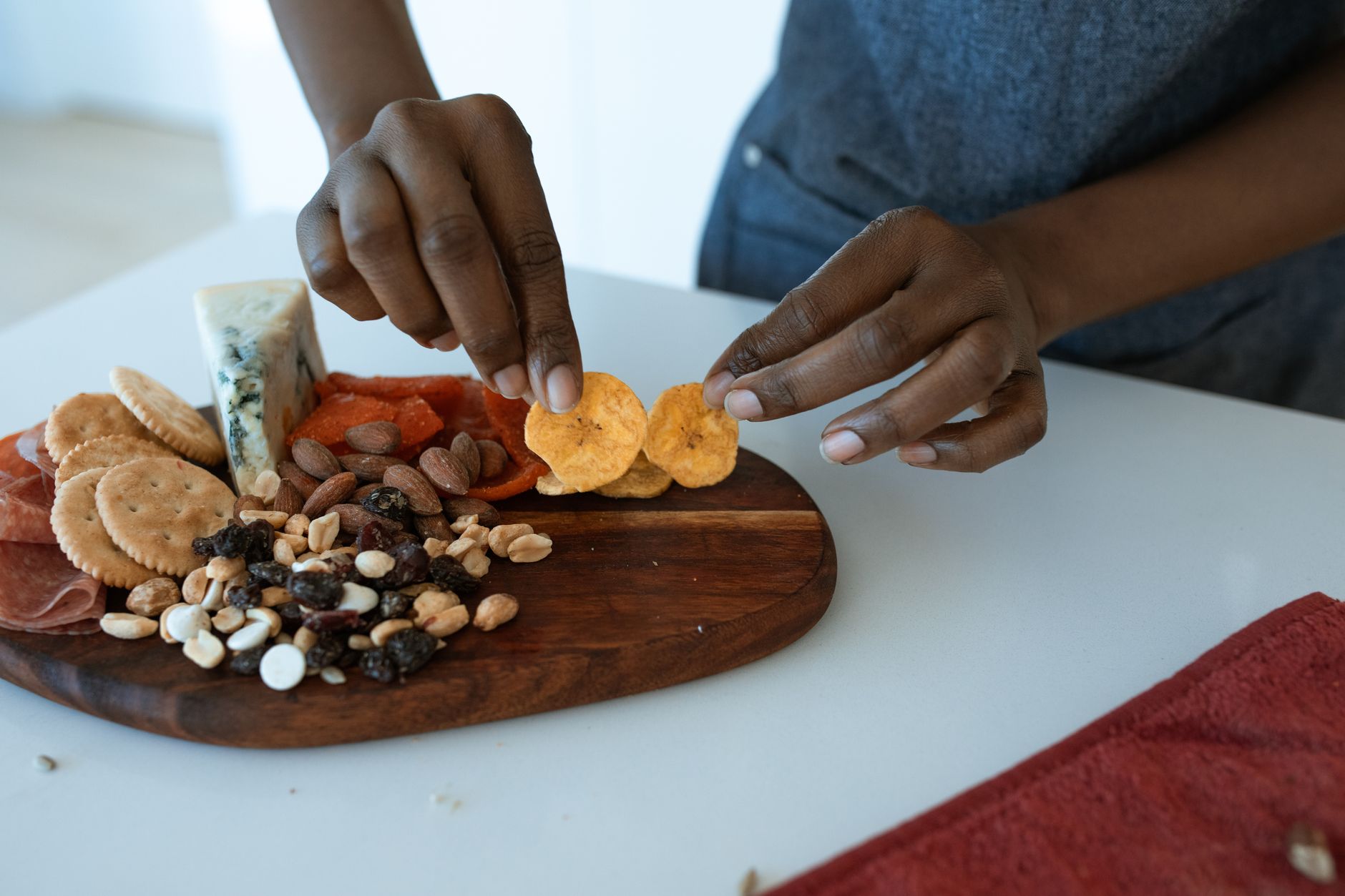
- Banana and peanut butter (if nuts are allowed) – A classic combo of natural sugars and protein.
- Apple slices with almond butter – Crunchy, creamy, and filling.
- Berries and chia seeds – Blend or mix fresh berries with chia seeds for a fiber- and protein-rich snack.
- Avocado toast (if grains are allowed) – Mash avocado on toasted fruit-based bread (like banana bread) for a satisfying meal.
- Coconut and banana smoothie – Blend frozen banana, coconut milk, and a handful of seeds for a creamy, protein-packed drink.
- Pears with walnuts – A sweet and crunchy snack that’s high in omega-3s.
- Fruit salad with lime juice – Mix seasonal fruits with a squeeze of lime for a refreshing, vitamin C boost.
- Dried fruit and seeds – A small handful of dried apricots or figs with a sprinkle of pumpkin seeds for a portable snack.
For meal prep, consider making large batches of fruit-based energy balls. Blend dates, nuts (if allowed), and seeds, then roll into balls and refrigerate. These make a great on-the-go snack or post-workout recovery option.
---Fruity Grocery List Printable: Downloadable Template
We know that shopping lists can get lost in the chaos of daily life, so we’ve created a printable fruitarian grocery list template for you to download and use. This template includes sections for seasonal fruits, budget-friendly options, protein sources, and snack ideas—so you can check off what you need and avoid last-minute store runs.
While we can’t embed a printable directly here, you can download the free PDF template from our resources page. It’s designed to be simple, customizable, and easy to print or save to your phone’s notes app.
For those who prefer digital tools, there are also fruitarian grocery list apps like MyFitnessPal or Cronometer, which allow you to track your fruit intake and ensure you’re meeting your nutritional needs. These apps can be especially helpful for monitoring protein, fiber, and micronutrient intake.
---Fruity Grocery List for Toddlers: Safe and Kid-Friendly Fruits
Introducing a fruitarian diet to toddlers requires extra caution. While fruits are naturally sweet and easy to digest, they may lack the protein, iron, and calcium that growing children need. The American Academy of Pediatrics recommends that toddlers consume a varied diet that includes a mix of fruits, vegetables, whole grains, and protein sources (like eggs, beans, or lean meats) to support healthy growth and development.
If you’re considering a fruitarian approach for your toddler, focus on the following kid-friendly fruits:
- Bananas – Easy to peel and naturally sweet. Great for snacking or blending into smoothies.
- Avocados – Creamy and mild in flavor. Perfect for toddler-friendly guacamole or mashed onto toast (if grains are included).
- Apples – Cut into small, manageable pieces. The fiber helps with digestion.
- Peaches and plums – Soft and easy to chew. Choose ripe ones for best texture.
- Berries – Strawberries, blueberries, and raspberries are great for hand-eye coordination and provide antioxidants.
- Mangoes – Sweet and easy to peel. A great source of vitamin C.
- Pears – Soft and naturally sweet. Choose ripe ones for best texture.
To ensure your toddler is getting enough protein, consider incorporating nut butters (if nuts are allowed) or seeds (like chia or hemp) into their diet. For example, you can blend banana, avocado, and a spoonful of nut butter into a smoothie. Always introduce new foods one at a time and watch for allergies or sensitivities.
For more toddler-friendly meal ideas, our Mediterranean diet guide offers simple, nutrient-dense recipes that are perfect for little ones.
---Fruity Grocery List for Seniors: Nutrient-Dense and Easy-to-Digest Fruits
As we age, our nutritional needs change, and digestion can become more delicate. For seniors exploring a fruitarian diet, the focus should be on fruits that are easy to digest, high in fiber, and rich in nutrients like vitamin C, potassium, and antioxidants. Many seniors also benefit from softer fruits that require minimal chewing, reducing the risk of choking.
Here’s a fruitarian grocery list for seniors:
- Bananas – Easy to digest and high in potassium, which helps regulate blood pressure.
- Applesauce – Soft, easy to swallow, and a great source of fiber.
- Peaches and nectarines – Soft and naturally sweet. Choose ripe ones for best texture.
- Pears – High in fiber and vitamin C. Choose ripe ones for easy digestion.
- Watermelon – Hydrating and low in calories. The seeds (if allowed) can be added for extra protein.
- Avocados – Healthy fats support brain health and reduce inflammation.
- Cantaloupe – Soft and hydrating. Great for those who need extra fluids.
- Blueberries – Antioxidant-rich and easy to eat in small portions.
- Papaya – Contains digestive enzymes that aid in breaking down food.
For seniors, it’s also important to stay hydrated. Infuse water with citrus fruits like oranges or lemons to add flavor without added sugars. If digestion is a concern, avoid overly fibrous fruits like persimmons or rhubarb, which can cause bloating.
For more senior-friendly meal ideas, our primal diet guide includes easy-to-prepare, nutrient-dense meals that align with healthy aging principles.
---Fruity Grocery List for Holidays: Festive and Fruitarian-Friendly
Holidays can be a challenge for anyone on a restrictive diet, but with a little creativity, you can enjoy the season while staying true to your fruitarian principles. The key is to focus on festive fruits that can be used in place of traditional holiday foods, like pies, cakes, and heavy sides. Here’s how to build a fruitarian-friendly holiday grocery list:
- Pomegranates – A beautiful, festive fruit that can be used in salads, as a garnish, or even in a fruit-based "mock" eggnog (blended with coconut milk and spices).
- Figs – Sweet and rich, figs can be stuffed with nuts (if allowed) or used in place of traditional pie fillings.
- Persimmons – A unique, honey-like flavor that works well in desserts or as a side dish.
- Apples and pears – Perfect for making fruit-based pies or tarts. Use coconut oil or coconut milk instead of butter for a dairy-free option.
- Citrus fruits – Oranges, grapefruit, and tangerines can be used to make festive cocktails (non-alcoholic or otherwise) or as a centerpiece for a fruit platter.
- Dates – A great way to add natural sweetness to holiday treats like energy balls or "fruitarian" truffles.
- Avocados – Use them to make creamy dips for veggie platters or as a base for "fruitarian" guacamole.
- Cranberries – While technically a berry, cranberries can be used in sauces or as a festive garnish.
For holiday meals, consider hosting a fruit-based potluck where guests bring dishes made entirely of fruits, nuts, and seeds (if allowed). This can be a fun way to celebrate the season while staying aligned with your dietary goals.
---Fruity Grocery List for Meal Prep: Plan Ahead for Success
Meal prep is a game-changer for anyone on a restrictive diet, and fruitarians are no exception. Planning ahead ensures you always have nutritious, filling meals and snacks on hand, reducing the temptation to reach for less healthy options. Below are some fruitarian meal prep tips to help you stay on track:
- Batch-cook smoothies – Pre-cut fruits like bananas, berries, and avocados, then store them in the freezer. When you’re ready to meal prep, blend them with coconut milk or water for a quick, protein-rich drink.
- Make fruit-based "meals" – Combine fruits with seeds or nuts (if allowed) to create balanced meals. For example, a bowl of mixed berries with chia seeds and coconut flakes makes a satisfying lunch.
- Pre-cut fruits for snacks – Wash and chop fruits like apples, pears, and watermelon in advance. Store them in airtight containers in the fridge for easy grab-and-go options.
- Prepare fruit-based desserts – Make energy balls, fruit leather, or fruit-based "nice cream" (blended frozen bananas) in advance. These can be stored in the freezer for up to a month.
- Infuse water with fruit – Cut up citrus fruits, berries, or cucumbers and store them in a pitcher of water in the fridge. This keeps your hydration on point and adds flavor without added sugars.
- Plan for protein – If you’re including seeds or nuts, prep portions in advance to add to meals or snacks. For example, sprinkle chia seeds on your smoothie or mix them into oatmeal (if grains are included).
For more meal prep ideas, our Lion Diet guide offers a structured approach to meal planning, though it includes animal products—so use it as a reference for variety and structure.
---Storage and Shelf Life: How to Keep Your Fruits Fresh
One of the biggest challenges of a fruitarian diet is food waste. Fruits spoil quickly, especially if not stored properly. To minimize waste and maximize freshness, follow these fruit storage tips:
- Bananas – Store unripe bananas at room temperature. Once ripe, place them in the fridge to slow ripening.
- Apples and pears – Keep them in a cool, dark place like a pantry or fridge. They’ll last longer and stay crisp.
- Berries – Wash just before eating to prevent mold


