Discover 20+ simple fruitarian breakfast ideas for a balanced, nutrient-packed start. Learn how to fuel your day with whole fruits, seeds, and plant-based
By Shubhra Mishra — a mom of two who turned her own confusion during pregnancy into BumpBites, a global mission to make food choices clear, safe, and stress-free for every expecting mother. 💛
Check whether any food is safe during pregnancy with the BumpBites Food Safety Checker.
Quick take: A fruitarian breakfast should start with whole, unprocessed fruits—think smoothies, chia puddings, or fresh fruit bowls—to balance energy, fiber, and natural sugars. For protein, pair with nuts, seeds, or coconut products, and plan ahead to avoid energy crashes. While delicious and nutrient-rich, fruitarian breakfasts may lack certain nutrients like B12, iron, and calcium, so supplementing or consulting a dietitian is wise. Never skip meals—this diet thrives on variety and preparation.
How I Realized My Fruitarian Breakfast Was Sabotaging My Energy
It was 9 a.m., and I was staring at my phone, scrolling through work emails while my stomach growled. Again. I’d sworn off carbs, grains, and processed foods months ago, embracing a fruitarian diet instead. My mornings had started with smoothies packed with berries, bananas, and flaxseeds—until they didn’t. By mid-morning, I’d crash hard, my brain foggy and my willpower waning. I’d assumed fruit alone would keep me full, but I’d missed the mark.
Turns out, I was right about one thing: fruitarian breakfasts can be delicious and energizing—but only if you plan for balance. Many women I’ve talked to (and many readers who’ve messaged us) hit the same wall: they love the idea of a fruit-focused diet but struggle with the practicality of keeping energy steady, protein levels up, and cravings at bay. The good news? With the right strategies, you can make fruitarian breakfasts sustainable, satisfying, and even energizing. This guide is your roadmap.
Whether you’re a beginner, an athlete, a busy mom, or someone navigating pregnancy, we’ll cover the best fruitarian breakfast ideas for every stage of life. We’ll also break down the nutrition, calories, and protein sources you need to know, plus how to avoid common pitfalls—like the energy crashes I experienced. By the end, you’ll have a 7-day meal plan and a toolkit to make fruitarian breakfasts work for you.
---
Easy Fruitarian Breakfast Recipes for Beginners
I
f you’re new to fruitarianism, the first step is to simplify. Start with whole fruits, easy-to-digest seeds, and minimal prep. The goal is to ease into the diet without feeling overwhelmed. Many beginners make the mistake of jumping into complex recipes too soon, which can lead to frustration. Instead, focus on three core principles:
Keep it simple: Start with fresh fruit, nuts, and seeds.
Prioritize hydration: Water and herbal teas help digestion.
Plan ahead: Prep overnight oats or smoothie packs.
Here are three foolproof, beginner-friendly recipes to get you started:
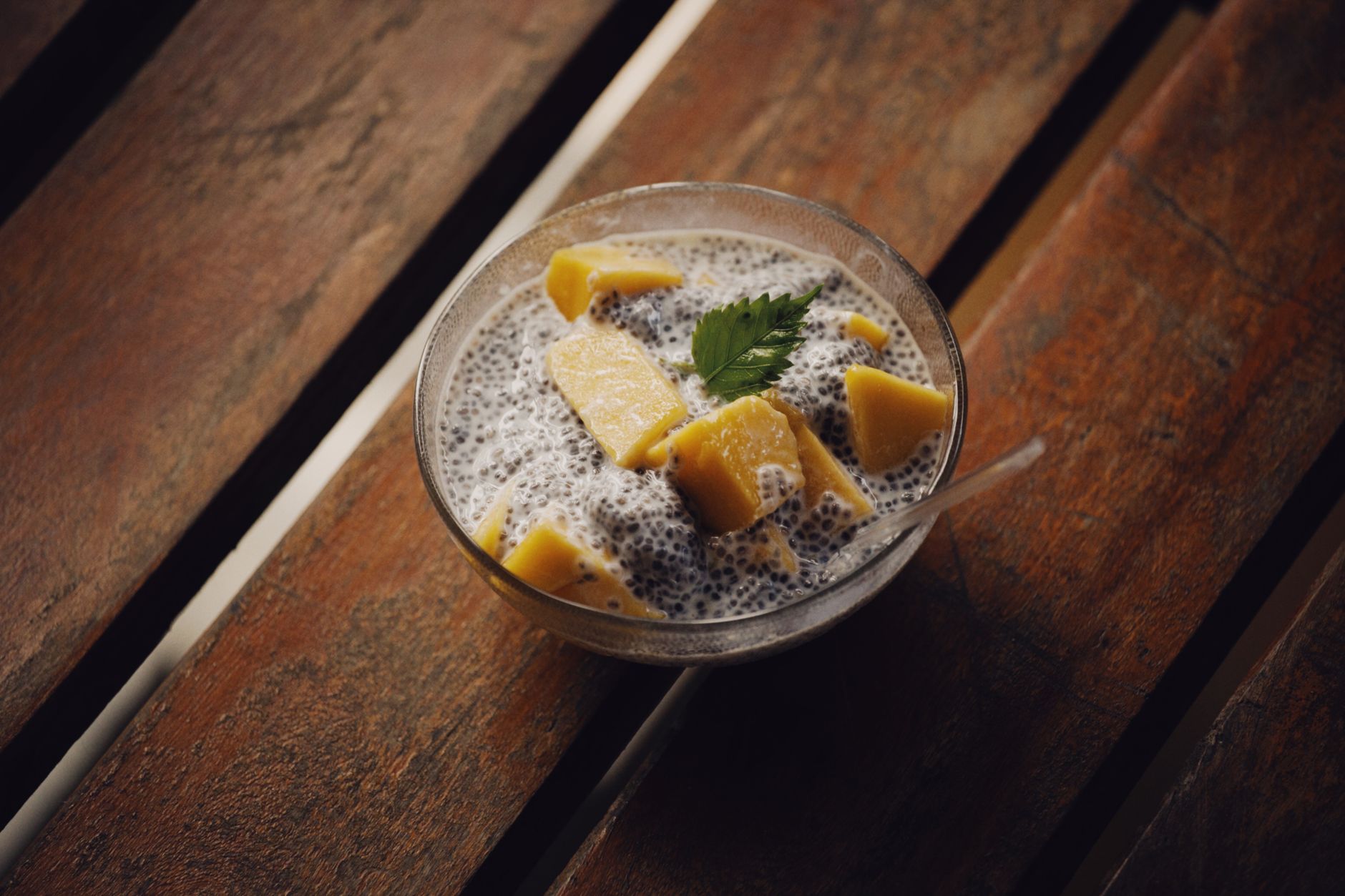
Chia pudding with tropical fruit
Chia Seed Pudding
Mix 3 tbsp chia seeds with 1 cup coconut milk (or almond milk).
Add 1 tbsp maple syrup or a few dates for sweetness.
Refrigerate overnight. Top with sliced banana, berries, or kiwi.
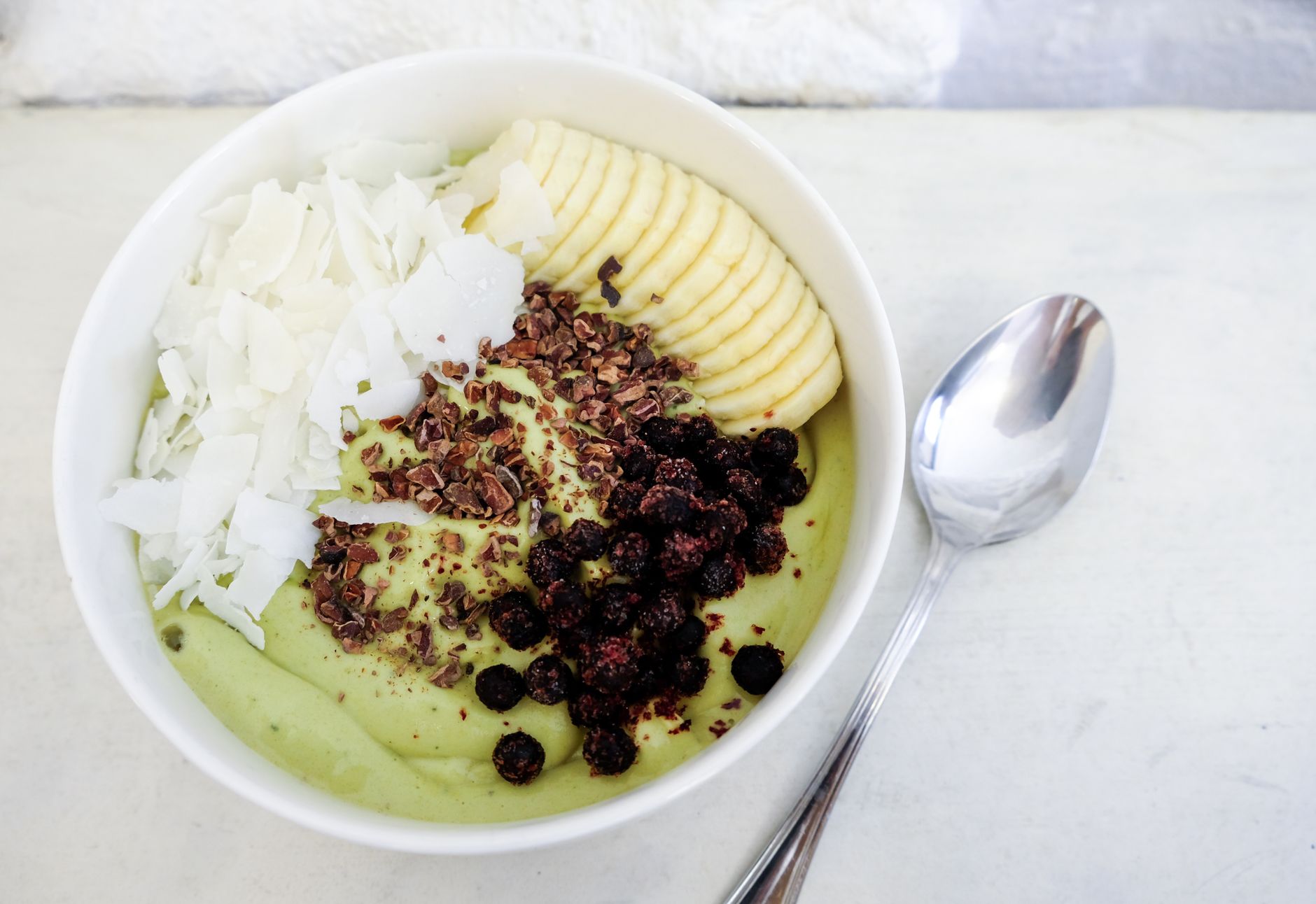
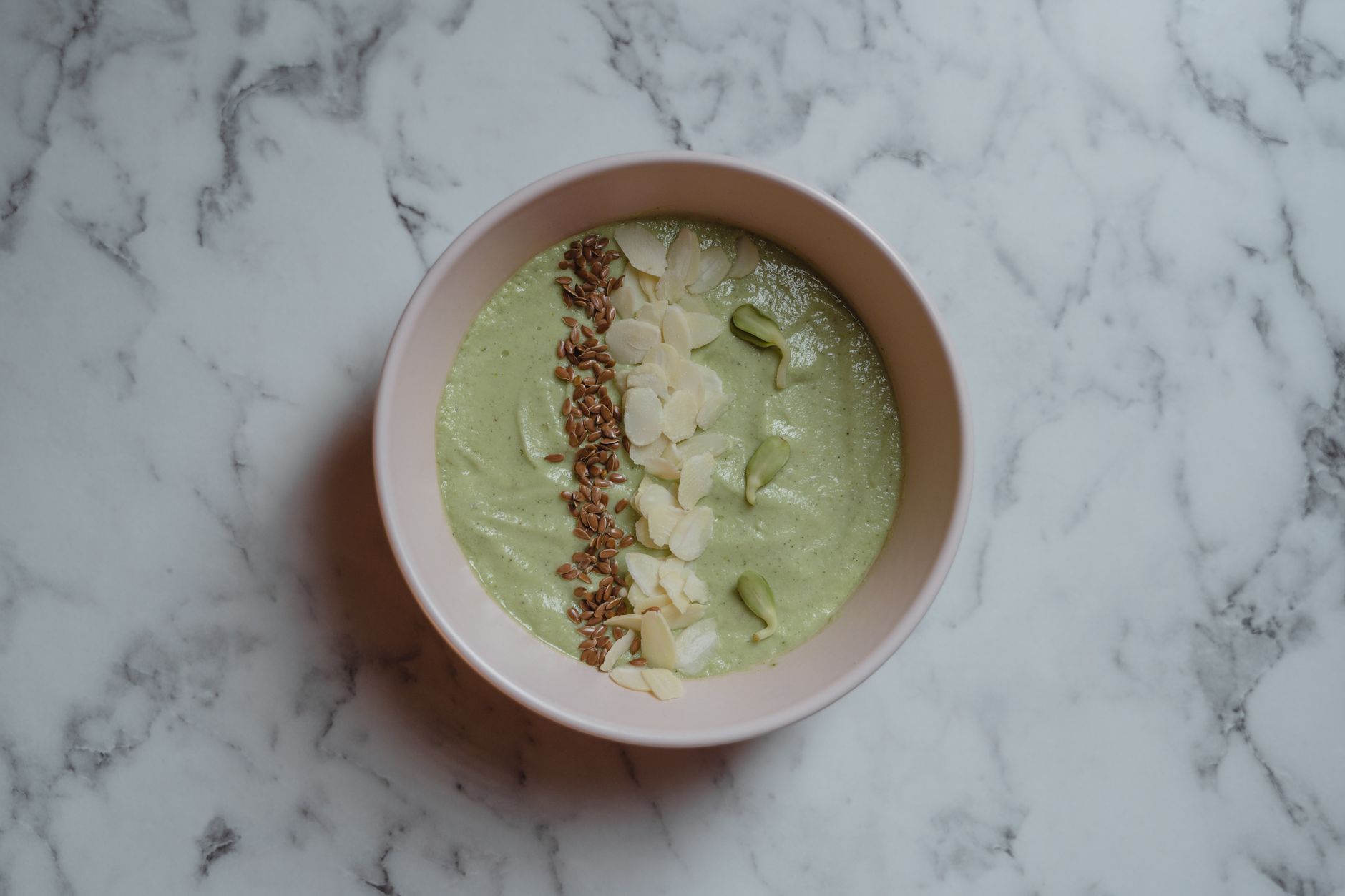
Green Smoothie Bowl
Blend 1 cup spinach, ½ banana, ½ cup frozen mango, and ½ cup coconut water.
Top with pumpkin seeds, sunflower seeds, or coconut flakes.
Combine 2 tbsp chia seeds with ½ cup almond milk and 1 tsp vanilla.
Let sit for 10 minutes, then stir in ½ cup diced apple or pear.
Top with walnuts or almonds for crunch.
Many readers tell us they struggle with transitioning from other diets. If you’ve been eating grains or dairy, your body might crave texture or creaminess. That’s where flexitarian-inspired tweaks—like adding coconut yogurt or avocado (if you’re not strictly fruitarian)—can help. But remember: the fruitarian diet is about whole fruits, seeds, and nuts. No processed sugars or oils.
---
Fruitarian Breakfast Ideas for Weight Loss
If your goal is weight loss, fruitarian breakfasts can be a fantastic tool—if done right. The key is to focus on low-calorie, high-volume fruits like berries, melons, and citrus, which are packed with fiber and water to keep you full. However, fruits like bananas, mangoes, and grapes are higher in sugar and calories, so they should be enjoyed in moderation.
Here’s how to structure your mornings for fat loss:
High-volume, low-calorie fruitarian breakfast
Start with hydration: Drink a glass of warm lemon water before eating.
Choose low-calorie fruits: Strawberries, raspberries, oranges, and watermelon are great options.
Add protein: Sprinkle hemp seeds or pumpkin seeds on top of your fruit bowl.
Avoid liquid calories: Skip fruit juices; opt for whole fruit instead.
One reader, Sarah, shared that she lost 15 pounds in three months by swapping her toast-and-jam breakfast for a berry chia pudding with almond butter. She noticed her cravings for sweets diminished because the fiber kept her full longer. Pro tip: If you’re struggling with cravings, try adding cinnamon or vanilla extract to your smoothies—it can help stabilize blood sugar.
For a more structured approach, consider this 7-day weight-loss meal plan:
Day
Breakfast
Calories (approx.)
Monday
Strawberry-banana smoothie with chia seeds
250
Tuesday
Watermelon and cucumber salad with lime
180
Wednesday
Green smoothie with spinach, kiwi, and pumpkin seeds
220
Thursday
Orange and grapefruit with almonds
200
Friday
Blueberry chia pudding with coconut flakes
230
Saturday
Pineapple and papaya with macadamia nuts
270
Sunday
Mango and coconut yogurt (if tolerated) with sunflower seeds
240
Remember, calorie balance matters. Even on a fruitarian diet, you can’t eat unlimited fruit and expect weight loss. Track your intake if needed, or use apps like MyFitnessPal to stay on target.
---
Fruitarian Breakfast Ideas for Athletes
Athletes need quick-digesting carbs, electrolytes, and protein to fuel performance. While fruitarian breakfasts can work for active individuals, you’ll need to strategically choose fruits and add protein sources to avoid energy crashes mid-workout. Many athletes we’ve spoken to swear by fruitarian breakfasts for their natural energy boosts, but they also emphasize the importance of timing—eating a pre-workout meal 1–2 hours before activity.
Here are three athlete-approved breakfast ideas:
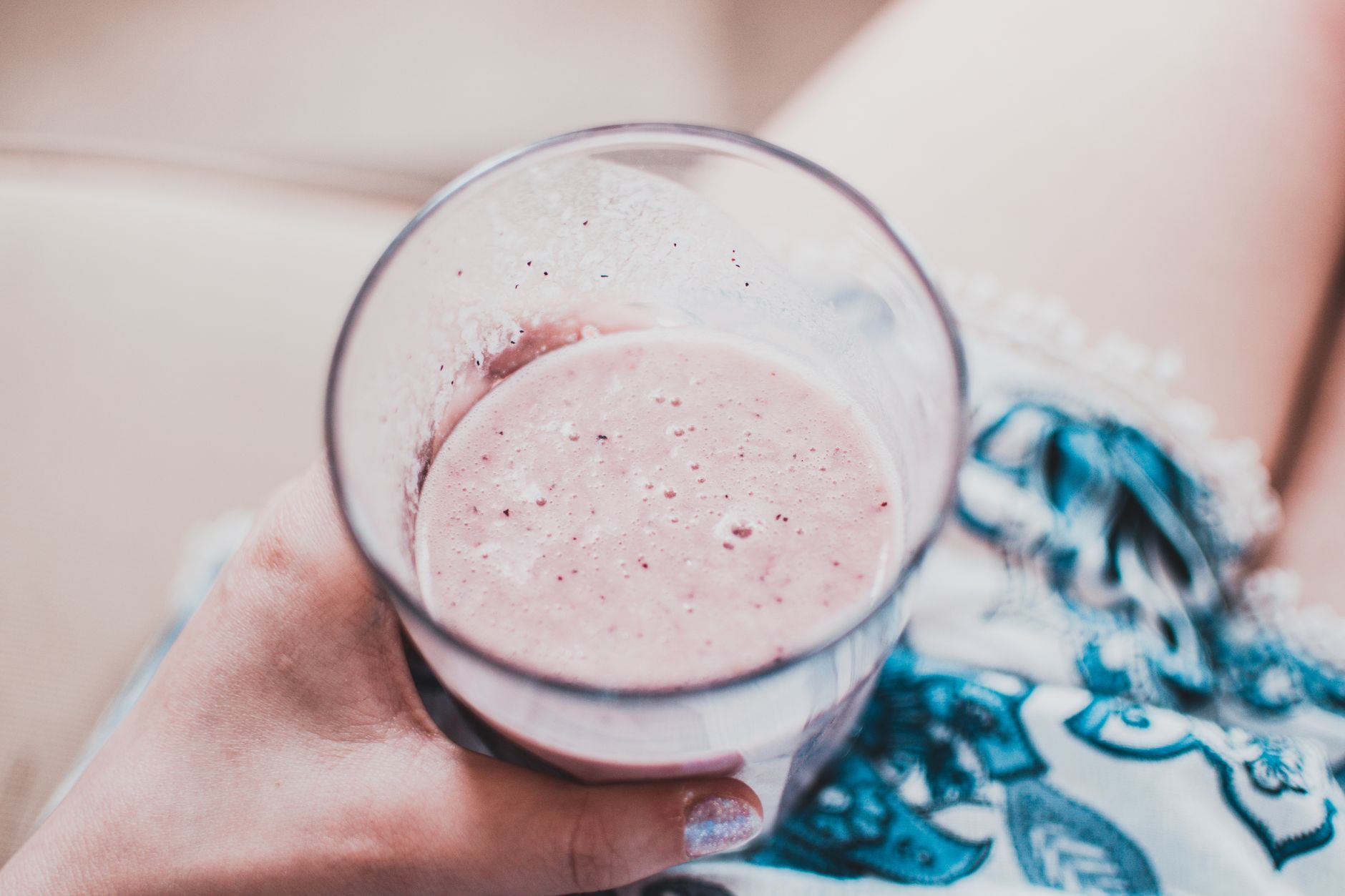
Pre-workout fruitarian smoothie bowl
Banana-Berry Power Bowl
Blend 1 banana, ½ cup frozen berries, 1 cup coconut water, and 1 scoop plant-based protein powder.
Top with almond butter and walnuts for healthy fats.
Perfect for a quick 30-minute pre-workout snack.
Coconut-Chia Energy Balls
Mix 1 cup shredded coconut, ½ cup dates, 2 tbsp chia seeds, and a pinch of sea salt.
Roll into balls and refrigerate. Eat 1–2 before a workout.
Great for on-the-go fuel.
Watermelon-Cucumber Hydration Bowl
Blend 2 cups watermelon, ½ cucumber, and a squeeze of lime.
Add a handful of pumpkin seeds for protein.
Drink 30 minutes before exercise to stay hydrated.
One marathon runner, Emily, told us she fuels her long runs with a date-and-coconut smoothie the night before, then tops her pre-run meal with plant-based protein like pea protein to avoid bonking. She also drinks electrolyte-rich coconut water during workouts to replace lost minerals.
For post-workout recovery, focus on protein-rich fruits like bananas (potassium) and avocados (if tolerated—some fruitarians include them). Pair with nuts or seeds to rebuild muscle.
---
Fruitarian Breakfast Ideas for Kids
Introducing a fruitarian diet to kids can be tricky—they need balanced nutrition for growth and development. While fruits are nutrient-dense, they may lack certain vitamins and minerals like B12, iron, and calcium. The American Academy of Pediatrics recommends that children under 18 consume a varied diet, so a strict fruitarian approach may not be ideal for young kids. However, you can incorporate more fruit into their meals while ensuring they get enough protein and healthy fats.
Here are some kid-friendly fruitarian breakfast ideas:
Colorful kid-approved smoothie
Rainbow Smoothie
Blend ½ cup each of red (strawberries), green (kiwi), yellow (pineapple), and orange (mango).
Add 1 tbsp flaxseeds for omega-3s.
Serve with a fun straw for extra appeal.
Apple-Cinnamon Chia Pudding
Mix 2 tbsp chia seeds with ½ cup almond milk and 1 tsp cinnamon.
Let sit overnight, then top with diced apple.
Kids love the cinnamon flavor!
Banana "Ice Cream"
Blend 2 frozen bananas until creamy.
Add a splash of coconut milk if needed.
Serve with a sprinkle of cocoa powder (if tolerated).
Many parents we’ve spoken to find that involving kids in meal prep makes them more likely to eat their fruitarian breakfasts. Let them wash berries, stir smoothie ingredients, or assemble chia pudding. Make it fun!
If you’re concerned about nutrient gaps, consider adding a multivitamin or consulting a pediatric dietitian. The DASH diet principles can also help ensure balanced meals while incorporating more fruit.
---
Fruitarian Breakfast Ideas for Busy Mornings
Let’s be real: most of us don’t have time to chop fruit and blend smoothies every morning. The good news? You can still enjoy a fruitarian breakfast on the go with a little planning. The key is to prep the night before and keep grab-and-go options handy.
Here are five no-fuss fruitarian breakfast ideas for busy schedules:
Quick fruitarian breakfast prep
Pre-Made Smoothie Packs
Freeze pre-portioned fruit (berries, banana slices) in bags.
Add chia seeds and coconut water to a blender in the morning.
Done in under 5 minutes.
Overnight Fruit "Oats" (Chia-Based)
Mix chia seeds, almond milk, and a sweetener in a jar.
Add diced pear or apple in the evening.
Grab and go in the morning—no cooking required.
Trail Mix Energy Balls
Blend dates, nuts, and coconut flakes. Roll into balls.
Store in the fridge for up to a week.
Perfect for days when you’re running late.
Fruit and Nut Butter Wraps (If Tolerated)
Spread almond butter on a lettuce wrap.
Add sliced banana or apple.
Roll up and eat on the go.
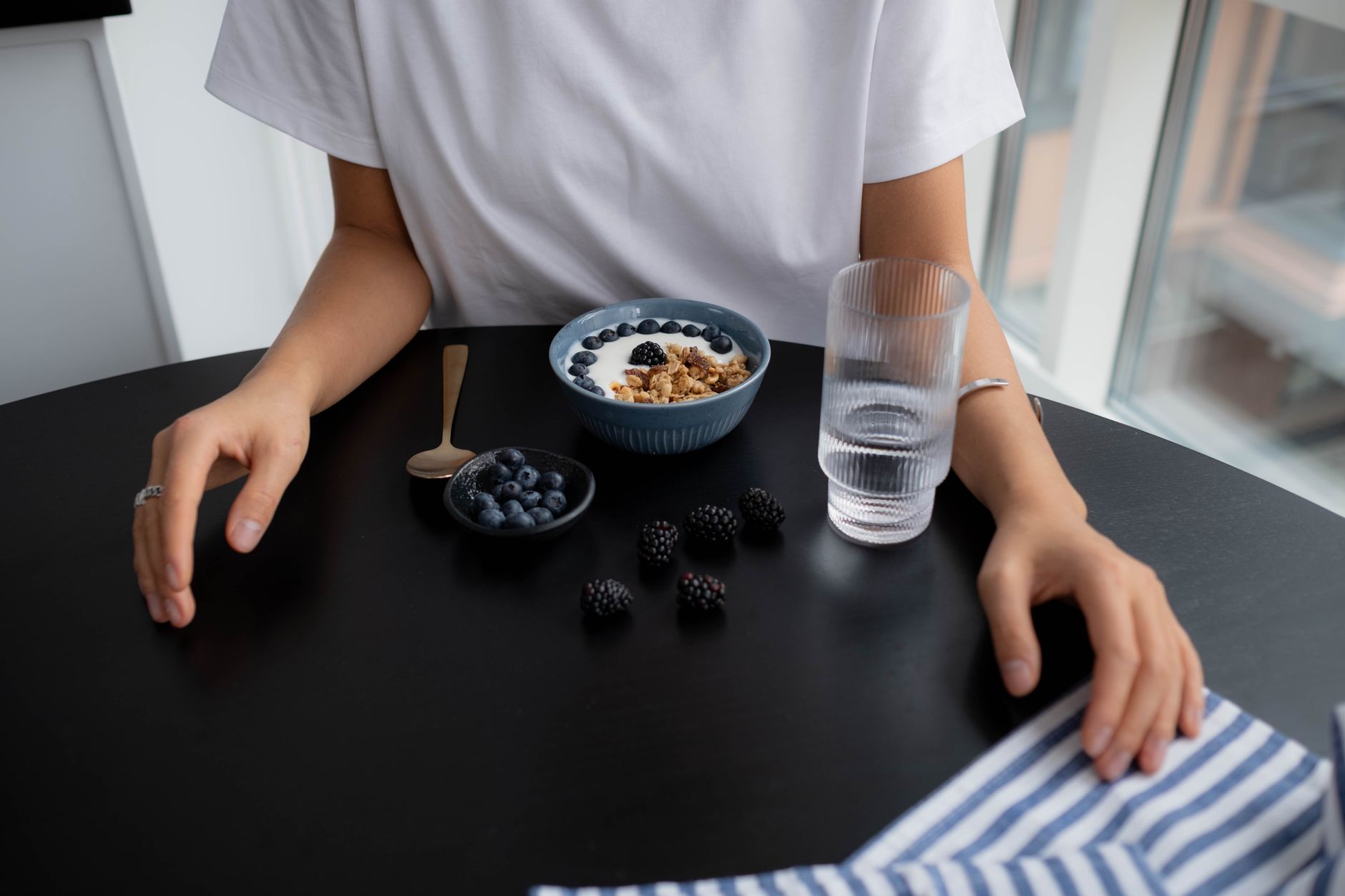
Coconut Yogurt Parfait
Layer coconut yogurt with frozen berries (thawed) and granola.
Prep the night before and grab in the morning.
No refrigeration needed if using shelf-stable coconut yogurt.
One mom, Priya, shared that she keeps a fruitarian breakfast "stash" in her freezer: pre-cut fruit, smoothie packs, and chia pudding jars. She wakes up to the smell of fresh fruit and a ready-to-eat meal—no stress. Pro tip: Use glass jars to store overnight oats or chia pudding so you can see the layers and enjoy the aesthetic too!
---
Fruitarian Breakfast Ideas with Seasonal Fruits
One of the joys of a fruitarian diet is celebrating seasonal produce. Seasonal fruits are not only more flavorful but also more nutrient-dense and cost-effective. Here’s how to rotate your breakfasts with the seasons:
Seasonal fruits for every month
Here’s a month-by-month guide to seasonal fruitarian breakfasts:
Month
Seasonal Fruits
Breakfast Ideas
January–February
Citrus (oranges, grapefruit), apples, pears
Orange-grapefruit smoothie with chia seeds; apple-cinnamon chia pudding
March–April
Strawberries, cherries, kiwi, apricots
Strawberry-banana smoothie bowl; kiwi and coconut yogurt parfait
May–June
Peaches, plums, berries, melons
Watermelon-cucumber smoothie; peach and almond butter wrap
July–August
Watermelon, pineapple, mango, blueberries
Tropical fruit salad with coconut flakes; mango-chia pudding
September–October
Apples, pears, persimmons, figs
Spiced apple chia pudding; pear and walnut energy balls
November–December
Pomegranate, cranberries, kiwi, citrus
Pomegranate-coconut smoothie; cranberry and almond trail mix
Seasonal eating also helps you avoid nutrient gaps. For example, winter citrus fruits are rich in vitamin C, while summer melons are hydrating. If you’re curious about other seasonal diet strategies, many of the same principles apply!
---
Fruitarian Breakfast Ideas for Vegan Diets
If you’re following a vegan fruitarian diet, you’re already on the right track—both diets avoid animal products. However, vegans on a fruitarian plan must be mindful of protein, iron, and B12, as these nutrients are harder to obtain from plant-based sources alone. The good news? Many plant-based protein sources are fruitarian-friendly, including nuts, seeds, and certain legumes (if tolerated).
Here are some vegan fruitarian breakfast ideas:
Protein-packed vegan fruitarian breakfast
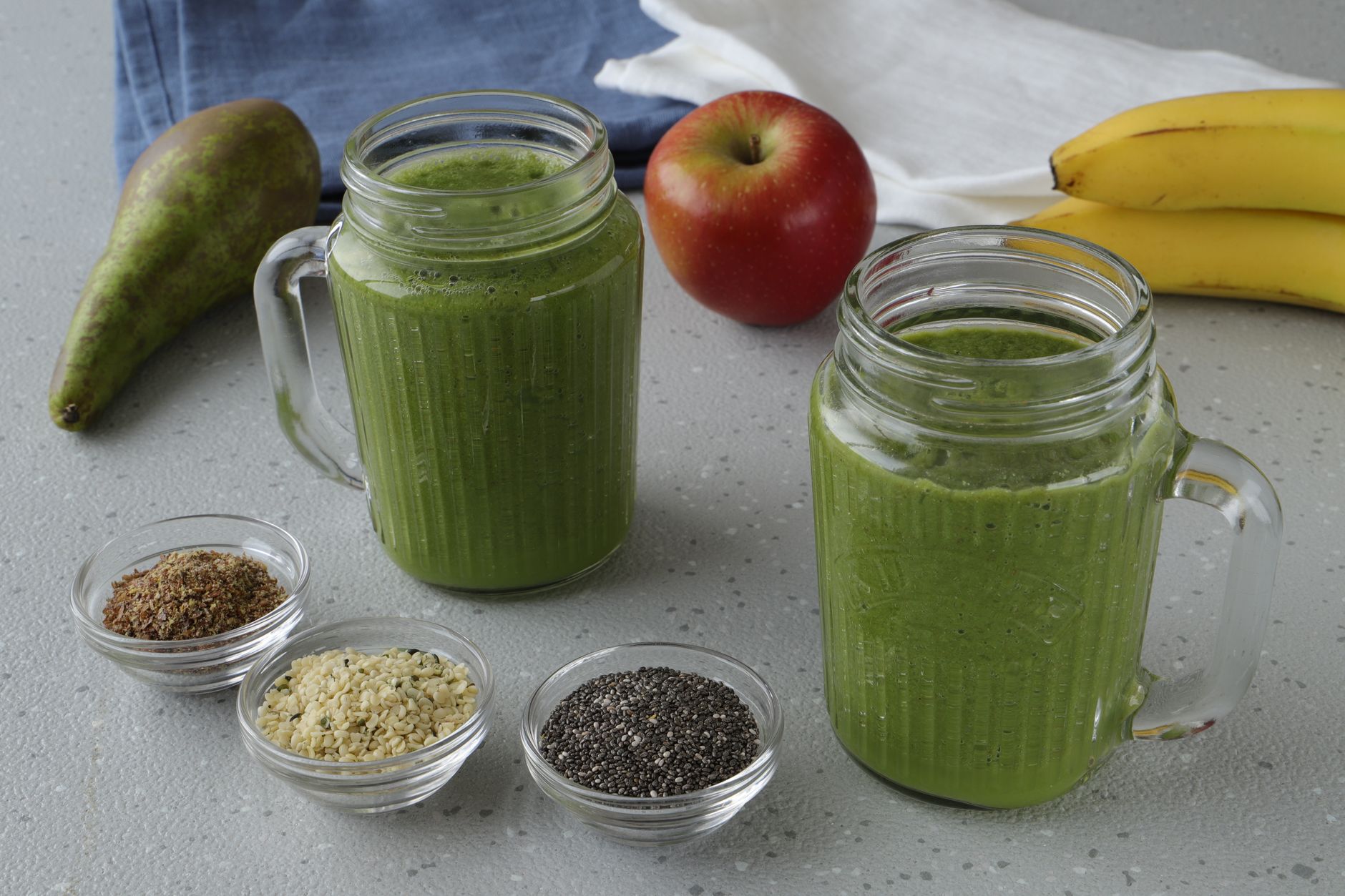
Hemp Seed Smoothie
Blend 1 cup spinach, 1 banana, 1 tbsp hemp seeds, and 1 cup coconut water.
Add a scoop of pea protein powder for extra protein.
Great for muscle recovery.
Sunflower Seed Butter Toast (If Tolerated)
Spread sunflower seed butter on a slice of whole-grain bread (if you’re not strictly fruitarian).
Top with sliced apple or pear.
Skip the bread for a fruitarian version—just eat the fruit and nut butter.
Date and Almond Butter Energy Balls
Blend 1 cup dates, ½ cup almond butter, and 1 tbsp chia seeds.
Roll into balls and refrigerate.
Perfect for a quick, protein-rich snack.
For vegans, supplementing with B12 is essential. Many plant-based diets lack this nutrient, and it’s critical for nerve function and red blood cell production. Consider a B12 supplement or fortified foods like nutritional yeast.
If you’re also interested in flexitarian diets, you’ll find similar principles—more plant-based meals with occasional animal products. But for a strict fruitarian approach, focus on nuts, seeds, and coconut products for protein and healthy fats.
---
Fruitarian Breakfast Ideas for Low-Carb
If you’re following a low-carb fruitarian diet, you’ll need to limit high-sugar fruits like bananas, mangoes, and grapes. Instead, focus on low-glycemic fruits like berries, citrus, and green apples. Even within a fruitarian diet, carb counting can help you stay in ketosis or a low-carb zone.
Here’s how to structure your low-carb fruitarian breakfasts:
Keto-friendly fruitarian breakfast
Berry Chia Pudding
Mix 2 tbsp chia seeds with ½ cup coconut milk.
Add ½ cup raspberries or blackberries.
Let sit overnight—low-carb and fiber-rich.
Avocado-Berry Smoothie (If Tolerated)
Blend ½ avocado, ½ cup spinach, ½ cup strawberries, and ½ cup coconut water.
Add a scoop of coconut cream for healthy fats.
Great for a creamy, low-carb start.
Lemon-Cucumber Chia Bowl
Mix chia seeds with coconut water and a squeeze of lemon.
Add cucumber slices and a sprinkle of sea salt.
Hydrating and low in carbs.
For a low-carb fruitarian meal plan, here’s a sample day:
Meal
Fruitarian Option
Net Carbs (approx.)
Breakfast
Berry chia pudding with coconut flakes
15g
Snack
Watermelon slices with lime
8g
Lunch
Green smoothie with spinach, kiwi, and coconut water
12g
Snack
Almonds and orange slices
10g
Dinner
Avocado (if tolerated) with lemon and sea salt
6g
If you’re also exploring keto-friendly breakfasts, you’ll notice some overlap—both diets emphasize healthy fats and low-carb fruits. However, keto allows more variety (like avocado), while fruitarianism sticks strictly to fruits, seeds, and nuts.
---
Fruitarian Diet Breakfast Benefits
Why choose a fruitarian breakfast? The benefits are plentiful, especially if you’re looking to improve digestion, energy levels, and overall well-being. Here’s what science and real-world experience tell us:
Rich in fiber: Fruits are packed with soluble and insoluble fiber, which supports gut health and keeps you full longer.
Naturally sweet: No need for added sugars—fruit provides natural sweetness with antioxidants.
Hydrating: Many fruits (like watermelon and oranges) are over 80% water, helping you stay hydrated.
Antioxidant-rich: Berries, citrus, and tropical fruits are loaded with vitamins C and E, which combat inflammation.
Easy to digest: Unlike heavy, greasy foods, fruits are gentle on the stomach.
However, there are trade-offs. Fruitarian breakfasts may lack:
Protein (unless you add nuts/seeds)
B12 (found only in animal products or fortified foods)
Iron and zinc (common in plant-based diets)
Omega-3s (unless you eat chia or flaxseeds regularly)
One reader, Priya, noticed her energy levels soared after switching to fruitarian breakfasts, but she also had to supplement with B12 and iron to avoid fatigue. Pro tip: If you’re concerned about nutrient gaps, consider a multivitamin or working with a dietitian to monitor your levels.
---
Fruitarian Diet Breakfast Nutrition: What You Need to Know
To make fruitarian breakfasts nutritionally complete, you need to understand the macronutrient and micronutrient profile of fruits, seeds, and nuts. Here’s a breakdown:
Macronutrient breakdown of fruitarian foods
Food
Calories (per 100g)
Carbs (g)
Fiber (g)
Protein (g)
Healthy Fats (g)
Banana
89
23
2.6
1.1
0.2
Almonds
579
22
12
21
49
Chia Seeds
486
42
34
16.5
30
Avocado (if tolerated)
160
9
6.7
2
15
Coconut Flakes
354
15
9
3
33
As you can see, nuts and seeds are your best friends for protein and healthy fats. If you’re struggling to get enough protein, try adding:
Hemp seeds (10g protein per 3 tbsp)
Pumpkin seeds (19g protein per 100g)
Almond butter (6g protein per 2 tbsp)
For iron and calcium, focus on:
Leafy greens (if tolerated—some fruitarians include them)
Sesame seeds
Figs and dates (for calcium)
If you’re curious about how fruitarianism compares to other diets, you might find the DASH diet or flexitarian diet helpful for balanced nutrition. However, fruitarianism is unique in its strict focus on whole fruits.
---
Fruitarian Breakfast Calories: How Many Should You Eat?
Calorie needs vary widely depending on age, activity level, and goals. However, most women need between 1,600–2,400 calories per day, with breakfasts contributing 300–500 calories. Here’s how to estimate your fruitarian breakfast calories:
Light breakfast (150–300 calories)
Handful of berries + sprinkle of chia seeds
Green smoothie with spinach and coconut water
Moderate breakfast (300–500 calories)
Banana chia pudding with almond butter
Watermelon and cucumber salad with lime
High-energy breakfast (500+ calories)
Tropical fruit salad with coconut flakes and macadamia nuts
Berry smoothie with hemp seeds and almond milk
One reader, Emma, found that she needed around 400 calories at breakfast to avoid afternoon crashes. She tracked her intake using an app and adjusted
Not sure about the label on Fruitarian Diet Breakfast Ideas products?
Snap the ingredients list and SafeFilter checks every ingredient for your stage — only 3 free scans this month, then you're locked until reset. Unlimited from $7/mo or $50/yr.
When Shubhra Mishra was expecting her first child in 2016, she was overwhelmed by conflicting food advice — one site said yes, another said never. By the time her second baby arrived in 2019, she realized millions of mothers face the same confusion.
That sparked a five-year journey through clinical nutrition papers, cultural diets, and expert conversations — all leading to BumpBites: a calm, compassionate space where science meets everyday motherhood.
Her long-term vision is to build a global community ensuring safe, supported, and free deliveriesfor every mother — because no woman should face pregnancy alone or uninformed. 🌿
🌍 Stand with mothers, shape safer guidance
Join a small circle of experts who review BumpBites articles so expecting parents everywhere can decide with confidence.