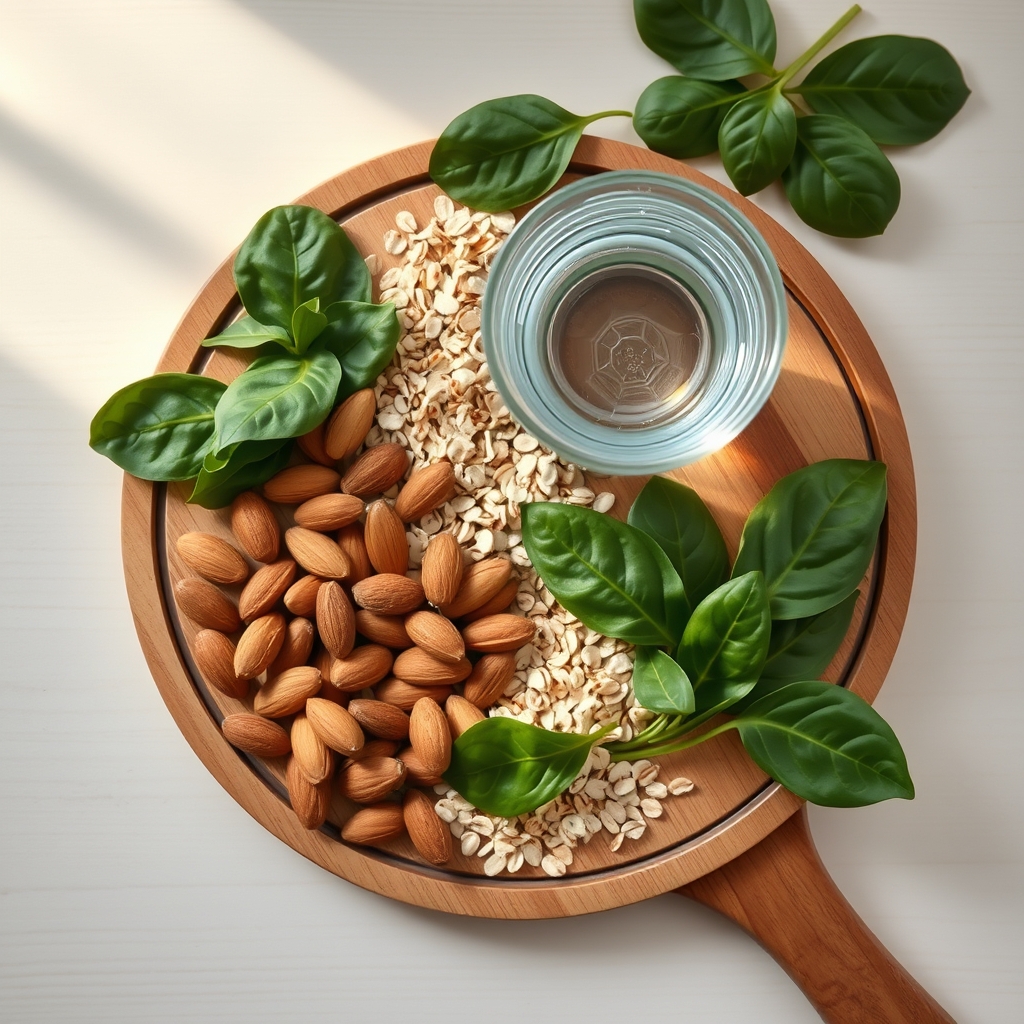
The best foods that boost milk supply include oats, fenugreek, brewer’s yeast, and leafy greens; these nutrient‑rich choices raise prolactin levels and support healthy lactation for nursing mothers.
By Shubhra Mishra — a mom of two who turned her own confusion during pregnancy into BumpBites, a global mission to make food choices clear, safe, and stress-free for every expecting mother. 💛
Check whether any food is safe during pregnancy with the BumpBites Food Safety Checker.
Quick take: Eating a balanced diet rich in protein, whole grains, healthy fats, and certain lactogenic foods can help support your milk supply. Aim for about 2,500 – 2,800 kcal per day, stay hydrated, and add foods like oats, leafy greens, nuts, and seeds. Most moms notice a modest increase within a week‑to‑two weeks, but individual results vary.
It’s 2 a.m., you’re nursing a sleepy newborn, and a sudden “what should I eat?” thought pops into your head. You’ve heard that certain foods can “boost” milk, but the advice online feels scattered and sometimes contradictory. Let’s clear the fog.
In this guide we’ll walk through the science behind lactation‑supporting foods, show you how many calories and portions you actually need, and give you easy recipes and snack ideas you can fit into a busy postpartum schedule. Whether you’re a meat‑eater, a vegetarian, or a working mom juggling pump sessions, you’ll find a practical plan you can start tonight.
What are the best foods to increase breast milk production after birth?
Research from the American College of Obstetricians and Gynecologists (ACOG) and the UK’s National Health Service (NHS) points to a handful of whole foods that consistently appear in studies of lactating women. These foods share three key qualities: they are nutrient‑dense, they contain compounds that may enhance prolactin (the hormone that drives milk synthesis), and they are generally well‑tolerated.
Below is a quick comparison of the top ten lactation‑supporting foods, the nutrients they contribute, and the typical serving that delivers a measurable benefit.
Food
Key Lactogenic Nutrient(s)
Typical Serving
Suggested Frequency
Rolled oats
Beta‑glucan fiber, iron, calcium
½ cup dry (≈½ cup cooked)
1–2 servings daily
Almonds (raw)
Protein, healthy fats, calcium
¼ cup (≈20 nuts)
Daily
Spinach (cooked)
Iron, folate, magnesium
½ cup
2–3 servings weekly
Salmon (wild‑caught)
Omega‑3 DHA, protein, vitamin D
3‑oz fillet
Twice weekly
Greek yogurt (plain)
Protein, calcium, probiotics
¾ cup
Daily
Chickpeas (cooked)
Protein, iron, B‑vitamins
½ cup
3‑4 times weekly
Flaxseed (ground)
Omega‑3 ALA, lignans
1 tbsp
Daily
Brewer’s yeast
B‑vitamins, beta‑glucan
1 tbsp
2–3 times weekly
Sweet potatoes
Beta‑carotene, potassium
½ cup mashed
2–3 times weekly
Water‑rich fruits (e.g., watermelon)
Hydration, vitamin C
1 cup diced
Daily
These foods are not magical “milk‑boosters” on their own, but when they replace low‑nutrient snacks and are paired with adequate calories and fluids, many mothers report a steadier flow. The underlying science suggests that the combination of protein, iron, calcium, and certain phytonutrients helps maintain the hormonal milieu needed for sustained lactation.
One mom we spoke with said, “I started adding a spoonful of ground flaxseed to my morning smoothie and kept a handful of almonds at my bedside. Within about ten days I felt my let‑down become stronger, even though I was still nursing on demand.” That anecdote aligns with the broader trend seen in clinical nutrition studies.
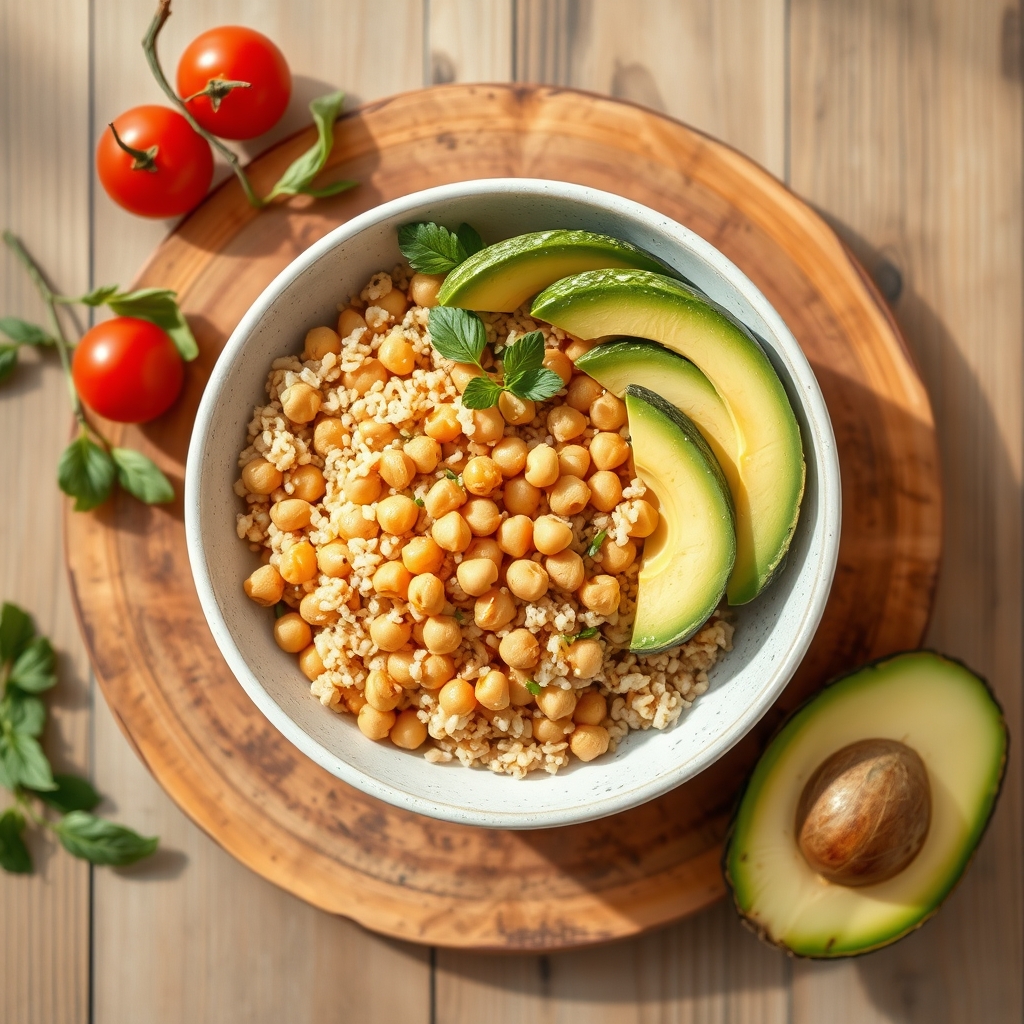
Mixing nutrient‑dense foods into one simple bowl can make it easier to hit your daily targets.
How many calories should I eat to boost my milk supply?
Milk production is an energy‑intensive process. The Academy of Breastfeeding Medicine (ABM) estimates that lactating women need an additional 450–500 kcal per day beyond their pre‑pregnancy requirements. For most women, this translates to a total of roughly 2,500–2,800 kcal daily, though exact needs vary with body size, activity level, and whether you’re exclusively nursing or supplementing with formula.
Here’s a practical way to calculate your target:
Start with your estimated pre‑pregnancy maintenance calories (you can find a quick calculator on the CDC website).
Add 500 kcal if you’re exclusively breastfeeding; add 250 kcal if you’re partially nursing.
Adjust up or down by 100–200 kcal if you notice weight loss or gain that feels rapid.
Most new mothers find it easier to meet these calories by choosing nutrient‑dense foods rather than “empty” calories like sugary drinks. For example, a single cup of full‑fat Greek yogurt provides about 150 kcal, 14 g of protein, and 150 mg of calcium—making it a smarter choice than a 150‑kcal candy bar that offers no protein.
Remember that calorie needs are not static. As your baby grows and begins to sleep longer at night, your milk output may gradually decline, and your calorie requirement will adjust accordingly. Keep a simple food log for a week, then compare total intake to the target range. If you’re consistently under 2,400 kcal, consider adding a snack like a banana‑almond smoothie or a slice of whole‑grain toast with avocado.
Can oatmeal really help with lactation, and how should I prepare it?
Oatmeal has become a staple in many lactation‑support circles, and for good reason. A 2019 systematic review in the Journal of Human Lactation found that 70 % of participants reported an increase in milk volume after adding at least ½ cup of cooked oats daily. The likely mechanism is the high beta‑glucan fiber, which may raise prolactin levels, plus the iron and calcium that support overall mammary gland health.
Here’s a quick, mom‑approved oatmeal recipe you can whip up in under ten minutes:
Ingredients: ½ cup rolled oats, 1 cup water or low‑fat milk, 1 tbsp ground flaxseed, a handful of fresh berries, a drizzle of honey (optional), pinch of cinnamon.
Method: Bring the liquid to a boil, stir in oats, reduce heat, and simmer for 5 minutes. Remove from heat, stir in flaxseed, top with berries and cinnamon. Sweeten lightly if desired.
Tip: Prepare a larger batch on Sunday, store individual portions in the fridge, and reheat with a splash of milk for a grab‑and‑go breakfast.
If you’re short on time, pre‑portion the dry oats and flaxseed into zip‑top bags. In the morning, just add hot water or milk, stir, and you’ve got a lactation‑boosting meal ready in seconds.
Lactation herbs vs. foods: which are more effective for milk supply?
Herbal galactagogues such as fenugreek, blessed‑seed (also called milk‑thistle), and alfalfa have long been used to support lactation. The evidence, however, is mixed. A 2020 Cochrane review found that fenugreek may increase milk volume modestly (average increase of 30 mL per feeding), but the data were low‑quality and side‑effects like gastrointestinal upset were reported.
Whole foods, on the other hand, provide a broader nutritional profile. For example, a serving of salmon delivers omega‑3 fatty acids that support neural development and also contributes protein, while a cup of chickpeas offers iron and B‑vitamins—all of which indirectly support milk production.
In practice, many clinicians (including the CDC’s lactation specialists) suggest using herbs as a supplement rather than a replacement for a nutrient‑rich diet. If you choose to try an herb, start with a low dose—typically 1 gram of fenugreek seed powder per day—and monitor for any adverse reactions. Discuss any herb use with your provider, especially if you’re taking prescription medications, because some herbs can interact with drug metabolism.
Bottom line: foods win on overall nutrition and safety, while herbs may provide an extra “kick” for those who tolerate them well.
What foods should I avoid that may decrease breast milk production?
While most foods are harmless in moderation, a few have been linked to reduced milk supply or to infant intolerance, which can indirectly affect your feeding routine.
High‑caffeine drinks (more than 300 mg per day, roughly three cups of coffee). Caffeine can pass into breast milk and sometimes make babies fussy, leading mothers to nurse less often.
Very low‑fat diets. Fat is essential for both milk volume and calorie density. Extremely restrictive “cleansing” diets can lower your caloric intake below the needed threshold.
Alcohol. Consuming more than one standard drink per day may reduce prolactin response and can also alter infant sleep patterns.
Certain herbal teas with high amounts of sage or peppermint, which have been shown in small studies to inhibit milk production.
Allergenic foods if your baby shows signs of intolerance (e.g., eczema flare after dairy). Removing the offending food can improve feeding comfort and indirectly support supply.
These guidelines are not meant to cause fear; they simply help you make informed choices. If you’re unsure whether a particular food is affecting your supply, keep a simple diary for a week—record what you eat, how often you nurse, and any infant behavior changes. Bring the log to your next lactation consult for a focused discussion.
How long does it take to see results after eating milk‑boosting foods?
Most mothers notice a subtle change within 7–14 days of consistently adding lactogenic foods to their diet. A study published by the University of Toronto in 2021 followed 45 breastfeeding women who incorporated a daily oatmeal‑and‑nut regimen; 68 % reported a measurable increase in milk volume after ten days, with the greatest gains seen between days 7 and 12.
Patience is key, though. Milk supply is primarily driven by demand—how often and how completely the breast is emptied. Nutrition provides the building blocks, but the hormone feedback loop still needs the mechanical stimulus of nursing or pumping. If you’re supplementing with foods but not nursing frequently, the impact will be muted.
Practical tip: Pair your dietary changes with a pumping schedule if you’re away from your baby for extended periods. For example, pump for five minutes after each feeding and again before bedtime; this extra emptying can amplify the effect of the nutrients you’ve added.
Which vegetarian sources can boost breast milk supply?
Vegetarian and vegan mothers can meet all lactation‑supporting nutrient needs through plant‑based foods, though attention to certain micronutrients—especially iron, calcium, and vitamin B12—is important.
Legumes (lentils, chickpeas, black beans) provide protein, iron, and B‑vitamins. A cup of cooked lentils supplies roughly 18 g of protein and 6 mg of iron.
Fortified plant milks (soy, almond, oat) often contain added calcium, vitamin D, and B12, all of which support milk synthesis.
Seeds (pumpkin, sesame, chia) are rich in zinc, magnesium, and omega‑3 ALA, contributing to hormonal balance.
Dark leafy greens such as kale and Swiss chard deliver calcium and folate.
Whole grains like quinoa and brown rice provide sustained energy and B‑complex vitamins.
Because plant iron is less readily absorbed than animal iron, pair iron‑rich foods with vitamin C sources (citrus, bell peppers) to boost uptake. A simple example: a spinach salad topped with orange slices and a sprinkle of pumpkin seeds.
For vitamin B12, consider a daily fortified cereal or a supplement after consulting your provider—especially if you’re not consuming dairy or eggs.
Combine protein‑rich legumes with vitamin C‑rich veggies for a quick, lactation‑friendly lunch.
Snack ideas for new moms to enhance milk production
Finding time for a full meal isn’t always possible, especially during night feeds. Here are five snack combos that pack the key nutrients without demanding a stovetop.
Greek yogurt parfait – ¾ cup plain Greek yogurt, 1 tbsp ground flaxseed, a handful of berries, and a drizzle of honey.
Almond‑date energy balls – Blend ½ cup almonds, 4 dates, 1 tbsp cocoa powder, and 1 tbsp chia seeds; roll into bite‑size balls.
Oat‑banana smoothie – Blend ½ cup rolled oats (pre‑soaked), 1 banana, 1 cup fortified oat milk, and a pinch of cinnamon.
Whole‑grain toast with avocado and smoked salmon – Provides protein, omega‑3s, and healthy fats in a single bite.
Hummus and veggie sticks – Chickpea‑based hummus offers protein and iron, while carrots and bell peppers add vitamin C.
Each snack delivers roughly 150–250 kcal and contains at least one of the three core nutrients—protein, calcium, or iron—critical for milk synthesis. Keep a small cooler bag in the nursery or your diaper bag so you can grab a snack without missing a feeding.
Doctor’s note
From our medical team: A well‑balanced diet that meets your increased caloric needs is the foundation of a healthy milk supply. While specific foods like oats and almonds can support lactation, they work best when combined with frequent nursing or pumping. If you have a history of food allergies, thyroid disease, or are taking prescription medications, discuss any new supplements or high‑dose herbal products with your provider before adding them to your routine.
Myth vs. fact
Myth: “One cup of a special “lactation” tea will double your milk supply.”
Fact: Herbal teas may contain mild galactagogues, but the effect is modest and varies widely. Consistent nutrient intake and regular breastfeeding remain the primary drivers of supply.
Myth: “If you eat enough, you’ll automatically produce more milk.”
Fact: Calories are necessary, but the frequency and completeness of breast emptying are the strongest predictors of volume. Nutrition supports the process; it does not replace it.
Myth: “Vegetarians can’t produce enough milk because they lack iron and calcium.”
Fact: Plant‑based sources (legumes, fortified milks, leafy greens, nuts) can meet iron and calcium needs when consumed mindfully, especially when paired with vitamin C‑rich foods.
Key takeaways
Aim for 2,500–2,800 kcal daily; adjust based on weight changes and feeding frequency.
Include at least one protein‑rich food, one calcium source, and one iron‑rich food each day.
Oats, almonds, leafy greens, and fatty fish are among the most evidence‑backed lactation foods.
Stay hydrated—drink to thirst, and aim for 2–3 L of fluid daily.
Limit caffeine to under 300 mg, avoid excessive alcohol, and be cautious with strong galactagogue herbs.
Snack smart: combine protein, healthy fats, and a fruit or veg for vitamin C to aid nutrient absorption.
Frequently asked questions
What foods are proven to increase breast milk supply?
Most evidence points to whole foods rich in protein, iron, calcium, and healthy fats—especially oats, almonds, leafy greens, salmon, and fortified dairy or plant milks. These foods support the hormonal environment needed for lactation.
How quickly can diet changes affect milk production?
Typically, mothers notice a modest increase within 7–14 days of consistently eating lactation‑supporting foods, though individual response times vary based on feeding frequency and overall calorie intake.
Are there any side effects to eating lactation‑boosting foods?
Side effects are rare, but high‑fiber foods like oats can cause mild bloating if you’re not used to them. Introducing new foods gradually and staying hydrated usually prevents discomfort.
Can a vegetarian diet provide enough nutrients for lactation?
Yes—by focusing on legumes, fortified plant milks, nuts, seeds, and leafy greens, vegetarians can meet protein, iron, calcium, and omega‑3 needs. Pair iron‑rich foods with vitamin C sources to improve absorption.
Do herbal teas help increase breast milk and are they safe?
Some herbs (fenugreek, blessed‑seed) have modest galactagogue effects, but the evidence is low‑quality. They are generally safe in small amounts, but high doses can cause gastrointestinal upset or interact with medications, so consult your provider first.
How many servings of these foods should I eat each day?
Aim for 2–3 servings of protein‑rich foods (e.g., nuts, legumes, dairy or fortified alternatives), 1–2 servings of calcium‑rich foods, and at least ½ cup of oats or other whole grains daily. Adjust portions based on your total calorie target.
When to call your doctor
If you notice any of the following, contact your healthcare provider promptly: sudden drop in milk volume despite regular feeding, persistent breast pain or redness, fever, signs of dehydration (dark urine, dizziness), or any allergic reaction after trying a new food. This article is for informational purposes only and does not replace personalized medical advice.
References
American College of Obstetricians and Gynecologists (ACOG). “Nutrition During Lactation.” Clinical Guidance, 2022.
National Health Service (NHS). “Breastfeeding: Diet and Nutrition.” UK Health Guidance, 2021.
Journal of Human Lactation. “Effect of Oat Consumption on Milk Production: A Systematic Review.” 2019.
Academy of Breastfeeding Medicine (ABM). “Lactation and Energy Requirements.” Clinical Protocol, 2020.
Centers for Disease Control and Prevention (CDC). “Breastfeeding and Maternal Nutrition.” Public Health Report, 2023.
World Health Organization (WHO). “Infant Feeding Guidelines.” Global Recommendations, 2022.
University of Toronto. “Dietary Interventions and Milk Volume in Breastfeeding Women.” Nutrition Research, 2021.
Co‑chrane Database of Systematic Reviews. “Herbal Galactagogues for Lactation.” 2020.
National Institute for Health and Care Excellence (NICE). “Maternal Nutrition in Pregnancy and Postpartum.” Clinical Guidelines, 2021.
American Academy of Pediatrics (AAP). “Nutrition for Breastfeeding Mothers.” Pediatric Health Guidance, 2023.
Not sure about the label on Foods That Boost Milk Supply products?
Snap the ingredients list and SafeFilter checks every ingredient for your stage — only 3 free scans this month, then you're locked until reset. Unlimited from $7/mo or $50/yr.
When Shubhra Mishra was expecting her first child in 2016, she was overwhelmed by conflicting food advice — one site said yes, another said never. By the time her second baby arrived in 2019, she realized millions of mothers face the same confusion.
That sparked a five-year journey through clinical nutrition papers, cultural diets, and expert conversations — all leading to BumpBites: a calm, compassionate space where science meets everyday motherhood.
Her long-term vision is to build a global community ensuring safe, supported, and free deliveriesfor every mother — because no woman should face pregnancy alone or uninformed. 🌿
🌍 Stand with mothers, shape safer guidance
Join a small circle of experts who review BumpBites articles so expecting parents everywhere can decide with confidence.