Discover how to create an exclusive pumping schedule that fits your lifestyle. Learn optimal timing, output tips, and ways to maintain milk supply efficiently.
By Shubhra Mishra — a mom of two who turned her own confusion during pregnancy into BumpBites, a global mission to make food choices clear, safe, and stress-free for every expecting mother. 💛
Check whether any food is safe during pregnancy with the BumpBites Food Safety Checker.
Quick take: An exclusive pumping schedule involves regularly expressing breast milk with a pump to feed your baby, rather than direct nursing. It's a demanding but rewarding choice that requires consistency, especially in the early weeks, to establish and maintain a healthy milk supply. Your schedule will evolve as your baby grows, requiring adjustments in frequency and duration to meet changing needs.
It’s 3 AM, and while your baby is sleeping soundly (for now!), you’re hooked up to a breast pump, listening to its rhythmic whir. If this sounds familiar, you’re likely an exclusive pumper. Many parents choose this path for various reasons—latch difficulties, medical needs, returning to work, or simply preference—and it’s a truly commendable way to provide breast milk for your little one.
Exclusive pumping means you’re relying solely on a pump to express milk, which is then fed to your baby via a bottle. It's a commitment that requires dedication and a well-thought-out schedule to ensure your baby gets enough milk and your supply remains robust. The good news? You’re not alone, and with the right information and support, you can absolutely make exclusive pumping a successful and sustainable journey.
Here at BumpBites, we understand the unique challenges and questions that come with exclusive pumping. We’re here to help you navigate how to create and maintain an effective schedule, from those demanding newborn days to adjusting as your baby grows, and everything in between.
What is an exclusive pumping schedule, and why choose it?
An exclusive pumping schedule is a structured routine of using a breast pump to express milk, which is then stored and fed to your baby in a bottle. Unlike direct breastfeeding, where the baby nurses at the breast, exclusive pumping creates a physical separation between milk production and feeding. This choice is often called "EPing" in the parenting community.
Many parents opt for exclusive pumping for a variety of valid and personal reasons. Sometimes, it’s a necessity: a baby might have trouble latching, be premature and unable to nurse effectively, or have a medical condition that prevents direct feeding. For others, it’s a practical decision. A parent might need to return to work quickly, or perhaps they simply find that pumping offers more flexibility and allows other caregivers to participate in feedings, which can be a huge support.
The core idea behind an exclusive pumping schedule is to mimic the demand-and-supply dynamic of direct breastfeeding. Your body produces milk based on how much is removed. So, consistent and complete milk removal through pumping signals your body to keep producing. A well-planned schedule helps establish and maintain your milk supply, ensuring your baby receives all the nutritional benefits of breast milk, even without nursing at the breast.
Choosing exclusive pumping is a significant commitment, often requiring more time and effort than direct nursing due to the need for pumping sessions, bottle washing, and milk storage. However, for many, the benefits—like knowing exactly how much milk your baby is getting, having a partner help with night feeds, or overcoming latch issues—make it a worthwhile and empowering journey. It's about finding what works best for you and your family.
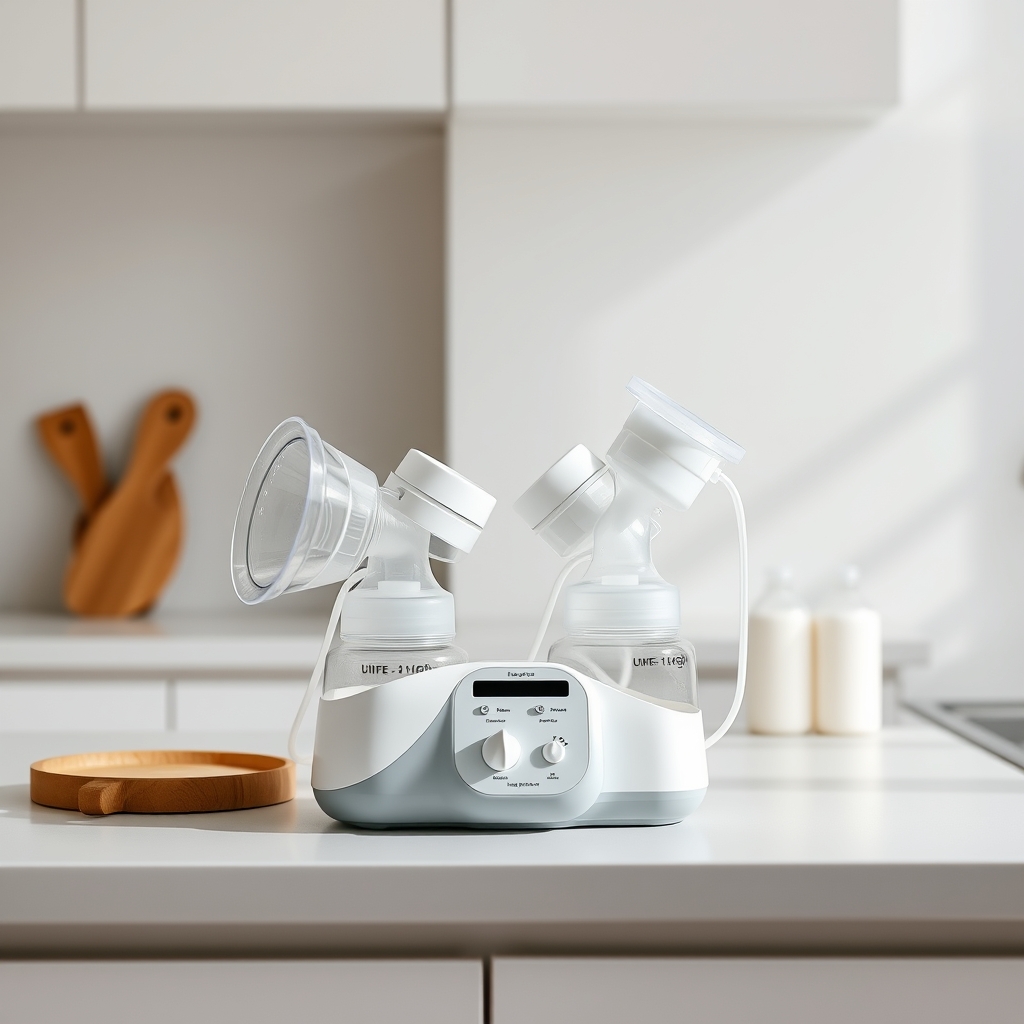
Having your pumping equipment clean and ready is key to maintaining a consistent exclusive pumping schedule.
What does a typical exclusive pumping schedule look like for a newborn?
The first few weeks after birth are crucial for establishing your milk supply, whether you're direct nursing or exclusively pumping. For a newborn, your body is essentially learning how much milk to produce, and frequent milk removal is the key signal. Most lactation experts, including the American Academy of Pediatrics (AAP), recommend pumping as often as a newborn would typically feed—which is a lot!
In the first 2-4 weeks postpartum, a typical exclusive pumping schedule for a newborn involves pumping **8-12 times in a 24-hour period**, with sessions spaced roughly every 2-3 hours. This frequency is vital because it helps establish your "milk-making capacity," signaling your body to produce a robust supply. Each session should ideally last **15-20 minutes**, or until your breasts feel soft and empty. Don't worry if you don't get much milk in the very beginning; colostrum, the first milk, is produced in small, potent amounts.
The "Golden Hour" for Milk Supply
Many parents find that pumping at least once during the "golden hour" (between 1 AM and 5 AM) can be particularly effective for establishing and maintaining supply. Prolactin, the hormone responsible for milk production, tends to be higher during these overnight hours. Skipping this session too early can sometimes negatively impact your overall supply, so try to include it if you can, even if it means sacrificing a little sleep initially.
Monitoring Output and Baby's Needs
While establishing your supply, focus on consistency rather than the exact ounces per session. Your baby's stomach is tiny at birth, and their milk needs will gradually increase. In the first few days, they only need about 1-2 ounces per feeding, increasing to 2-4 ounces by the end of the first week. As your baby grows, their stomach capacity increases, and so will the amount of milk they consume per feeding.
It's important to remember that this newborn schedule is intense, but it's usually not forever. It's an investment in your milk supply. As your supply becomes well-established (typically around 6-12 weeks postpartum), you'll often be able to gradually reduce the frequency of your pumping sessions without impacting your overall milk production, as long as you maintain consistent milk removal.
How often should I pump when exclusively pumping to maintain supply?
Maintaining a healthy milk supply while exclusively pumping is all about consistent and effective milk removal. Once your supply is established (usually by 6-12 weeks postpartum), the general guideline for most parents is to pump **6-8 times in a 24-hour period**. This frequency helps ensure that enough milk is removed to signal your body to continue producing adequately. However, individual needs can vary, and some people may need more or fewer sessions.
Consistency is Key
The key to maintaining supply isn't just the number of sessions, but also their consistency and completeness. Try to keep your pumping times relatively stable day-to-day. Skipping sessions or waiting too long between pumps can signal your body to produce less milk. Each session should continue to be **15-20 minutes long**, or until your breasts feel truly empty and soft. If you're using a double electric pump, ensure both breasts are emptying effectively.
Power Pumping for a Boost
If you notice a dip in your supply, or if you want to increase it, "power pumping" can be an effective strategy. Power pumping mimics cluster feeding, where a baby nurses very frequently over a short period. Here's a common power pumping schedule:
Pump for 20 minutes
Rest for 10 minutes
Pump for 10 minutes
Rest for 10 minutes
Pump for 10 minutes
This cycle takes about an hour and should be done once a day for several days to a week to see results. It's a great way to signal your body to produce more milk without adding multiple extra full sessions.
Signs of Adequate Milk Supply
How do you know if your pumping schedule is working and your supply is adequate? Look for these signs:
Your baby has consistent weight gain, as monitored by their pediatrician.
They have enough wet and dirty diapers (typically 6+ wet diapers and 3+ dirty diapers per day for newborns).
You are pumping enough milk to meet your baby's daily needs, with perhaps a little extra for a freezer stash.
Your breasts feel full before pumping and softer after.
If you're concerned about your supply, don't hesitate to reach out to a lactation consultant. They can help you assess your pumping technique, flange size, and schedule to optimize your milk production.
Exclusive pumping schedule for working moms: Balancing work and milk supply
Returning to work while exclusively pumping can feel like juggling a dozen balls at once, but with careful planning, it’s absolutely achievable. The biggest challenge is often finding the time and space to pump consistently throughout your workday to maintain your supply and meet your baby's needs. The good news is that federal law in the US (under the FLSA Break Time for Nursing Mothers provision) requires employers to provide reasonable break time and a private, non-bathroom space for pumping for up to one year after the child's birth.
Planning Your Workday Schedule
Ideally, you'll want to aim for **2-3 pumping sessions during an 8-hour workday**, depending on your baby's age and your overall milk supply needs. Each session should be around 15-20 minutes, plus travel time to and from your pumping space. This means you’ll need to schedule approximately 30-40 minutes for each pumping break.
Before work: Pump right before you leave for work, or as soon as you arrive, to empty your breasts and start the day strong.
Mid-morning: Your first work pump, roughly 2.5-3 hours after your morning pump.
Early afternoon: Your second work pump, another 2.5-3 hours later.
Late afternoon/Before leaving: A final quick pump before heading home can help, especially if you have a long commute.
After work: Pump again as soon as you get home.
This schedule helps mimic your baby's feeding patterns and keeps your body signaling for milk production. Don't forget to factor in cleaning your pump parts after each session!
Exclusive Pumping Schedule for Night Shifts
Working night shifts adds another layer of complexity. If you're on a night shift, your pumping schedule will shift to reflect that. You'll still need to aim for consistent milk removal, likely 2-3 times during your shift, even if it means pumping during what would traditionally be your "sleep" hours. Try to maintain your usual pumping frequency during your waking hours at home, and then adjust to pump during your break times at work. For instance, if you work 10 PM to 6 AM, you might pump around 11 PM, 2 AM, and 5 AM. It's crucial to prioritize pumping to protect your supply, even when your internal clock is confused.
Tips for Success at Work
Communicate with your employer: Discuss your pumping needs and schedule in advance.
Pack a pumping bag: Include all your pump parts, bottles, cooler bag with ice packs, cleaning supplies, and extra clothes (just in case!).
Stay hydrated and nourished: Keep water and snacks nearby during your pumping breaks.
Use a hands-free bra: This can make pumping more efficient and allow you to multitask (eat, work, or just relax).
Store milk safely: Use a cooler bag with ice packs for transport, and store milk in a fridge at work if available.
Returning to work requires a significant adjustment, but many parents successfully maintain their exclusive pumping journey by being organized, advocating for their needs, and staying consistent with their schedule.
A hands-free pumping bra can be a game-changer for working moms, allowing for more efficient use of time.
How to adjust your exclusive pumping schedule as baby grows older?
As your baby grows, their feeding needs evolve, and so too can your exclusive pumping schedule. The intense, frequent pumping of the newborn stage isn't usually sustainable or necessary long-term. Generally, by the time your milk supply is well-established (around 10-12 weeks postpartum), you can often start to gradually reduce the frequency of your pumping sessions.
Gradual Reduction of Pumping Sessions
The goal is to reduce sessions without reducing your overall milk volume. This is usually done by dropping one session at a time, very slowly, over several days or even a week. The general guideline is that most parents can maintain a full supply with **5-7 pumping sessions per 24 hours** once their supply is established. Some highly efficient pumpers might even manage with 4 sessions, but this is less common for full supply.
When to consider reducing: Your baby is consistently gaining weight, you have a stable milk supply that meets their needs, and your breasts no longer feel engorged between sessions.
How to reduce: Pick the session that yields the least amount of milk or is the most inconvenient. Over a few days, gradually increase the time between that session and the next, or shorten the session duration, until you can drop it completely. Your body needs time to adjust.
Monitor your supply: Pay close attention to your milk output over the next few days. If you notice a significant dip in overall volume, you might need to reintroduce that session or extend others.
Pumping Schedule by Age: A General Guide
Baby's Age
Pumping Frequency (per 24 hrs)
Pumping Duration (per session)
Newborn (0-4 weeks)
8-12 times
15-20 minutes
1-3 months
7-9 times
15-20 minutes
3-6 months
6-8 times
15-20 minutes
6-12 months (with solids)
4-6 times
15-20 minutes
12+ months (with solids)
2-4 times (or as desired)
10-15 minutes
Note: This is a general guide. Individual needs and milk supply can vary significantly. Always consult with a lactation consultant for personalized advice.
Introducing Solids and Further Adjustments
Once your baby starts solids around 6 months, their milk intake may slightly decrease, allowing for further adjustments to your pumping schedule. However, breast milk remains their primary source of nutrition for the first year, so don't drop too many sessions too quickly. By 12 months, as your baby is eating a wide variety of solids, you might consider further reducing sessions if you wish to continue providing breast milk, or begin the process of weaning.
The journey of exclusive pumping is dynamic. Be flexible, listen to your body, and always prioritize your and your baby's well-being. There's no single "perfect" schedule, only the one that works best for you at each stage.
Exclusive pumping vs. breastfeeding: What are the schedule differences?
While both exclusive pumping and direct breastfeeding provide babies with breast milk, the "schedules" and demands on the parent are quite different. Understanding these distinctions can help you manage expectations and choose the path that best suits your family's circumstances.
Direct Breastfeeding Schedule
Direct breastfeeding is typically "on demand," meaning the baby nurses whenever they show hunger cues. This can be very frequent, especially in the newborn period (8-12 times in 24 hours, or even more during cluster feeding). The baby's suckling directly stimulates milk release and supply. The schedule is largely dictated by the baby, and while there might be some predictability as they get older, it's often less structured than an exclusive pumping schedule.
Pros: No washing pump parts or bottles, direct physical bonding, hormones released during nursing can aid postpartum recovery and bonding.
Cons: Less control over feeding times, only one parent can directly feed, potential for latch issues, harder to know exact milk intake.
Exclusive Pumping Schedule
Exclusive pumping, as we've discussed, involves a more structured, clock-based schedule. You decide when to pump, and often, how long. This allows for greater predictability in your day and enables others to feed the baby. However, it also adds the logistical burden of pumping equipment, cleaning, and milk storage.
Pros: Predictable schedule, allows others to feed the baby, you know exactly how much milk your baby is getting, can overcome latch issues.
Cons: Time-consuming (pumping + feeding + cleaning), requires equipment, can feel less "natural" for some, potential for "pump dependency" for milk supply.
Key Differences in Practice
One of the most significant differences is the direct stimulation of the breast. A baby's latch and suckling are incredibly efficient at stimulating milk production and removal. A pump, even a hospital-grade one, can't perfectly replicate this. This is why exclusive pumpers often need to pump more frequently, especially in the beginning, to establish and maintain their supply compared to a baby who is directly nursing efficiently. The "schedule" of direct breastfeeding evolves naturally with the baby's cues, while the exclusive pumping schedule is a conscious, often rigid, effort to maintain supply.
Ultimately, both methods are valid and wonderful ways to provide breast milk. The "better" choice is the one that works best for the parent and baby, supporting their health and well-being without causing undue stress. Many parents also find a middle ground, doing a combination of direct nursing and pumping as needed.
What's the best exclusive pumping schedule for twins or multiples?
Pumping for twins or multiples is a heroic endeavor, requiring even more dedication and strategic planning than pumping for a single baby. The fundamental principles of supply and demand still apply, but the sheer volume of milk needed means your schedule will be more intensive.
Establishing Supply for Multiples
In the very early weeks (0-6 weeks postpartum), aiming to pump **10-12 times a day** is often recommended to establish a robust supply for two or more babies. This means pumping every 2-3 hours, including at least one overnight session. Each session should be 15-20 minutes, or until your breasts feel empty. The goal is to signal your body to produce a significantly larger volume of milk.
Tandem Pumping: A Time-Saver
For parents of multiples, a double electric pump is essential, and "tandem pumping" (pumping both breasts simultaneously) is a non-negotiable time-saver. Consider investing in a hands-free pumping bra from day one. This allows you to manage other tasks, or even feed one baby while pumping for both.
Adjusting as They Grow
Once your supply is well-established (around 6-12 weeks postpartum), you might be able to gradually reduce the frequency, but likely not as much as a parent pumping for a single baby. Many parents of multiples find they need to maintain **7-9 pumping sessions per 24 hours** to continue producing enough milk for both babies. This helps ensure you're removing enough milk to keep up with their growing demands, which can be 40-50 ounces or more per day combined.
Tips for Pumping for Multiples
Prioritize rest and hydration: Your body is working overtime. Sleep when you can, and drink plenty of water.
Get support: Enlist partners, family, or friends to help with bottle feeding, washing pump parts, or caring for the babies so you can pump.
Create a pumping station: Set up a comfortable spot with all your essentials: pump, water, snacks, phone, charger, burp cloths.
Organize milk storage: With more milk, you'll need a clear system for labeling and rotating your freezer stash.
Be kind to yourself: Pumping for multiples is incredibly demanding. Every ounce counts, and it's okay if you need to supplement with formula. Your effort is immense.
The journey of exclusive pumping for multiples is a marathon, not a sprint. Be patient with yourself and your body, and celebrate every ounce you produce. Support from a lactation consultant specializing in multiples can also be invaluable.
Signs that your exclusive pumping schedule is not working for you
Exclusive pumping is a demanding path, and sometimes, despite your best efforts, your schedule might not be working as effectively as you need it to. Recognizing these signs early can help you make adjustments or seek support before issues become overwhelming.
Low Milk Supply
This is one of the most common concerns for exclusive pumpers. Signs of low milk supply include:
Decreased daily milk output: You're consistently pumping less milk than your baby needs in a 24-hour period.
Baby's weight gain: Your baby isn't gaining weight appropriately, or is losing weight. This is a critical indicator and should always prompt a call to your pediatrician.
Fewer wet/dirty diapers: For newborns, fewer than 6 wet diapers and 3 dirty diapers per day can signal insufficient intake.
Breasts never feel full: While some natural softening is normal as supply regulates, consistently feeling "empty" without adequate output might be a concern.
If you suspect low supply, it's normal to feel worried. Many factors can influence milk production, including stress, hydration, nutrition, pump effectiveness, and underlying medical conditions. Don't assume it's your fault; seek help from a lactation consultant immediately.
Physical Discomfort and Pain
Pumping shouldn't be painful. If your pumping schedule is causing physical discomfort, it's a sign something is off:
Nipple pain or damage: Cracked, bleeding, or sore nipples are often a sign of incorrect flange size or pump settings.
Engorgement, clogged ducts, or mastitis: While common, frequent occurrences might indicate inadequate milk removal or too long between sessions.
Back or shoulder pain: Spending hours hunched over a pump can take a toll.
Mental and Emotional Strain
Exclusive pumping is a huge time commitment and can be mentally exhausting. Signs of emotional strain include:
Feeling overwhelmed, stressed, or anxious: The constant pressure to pump, clean, and feed can be immense.
Pumping leading to resentment: If you find yourself resenting the pump, the schedule, or even your baby, it’s a sign to re-evaluate.
Lack of sleep: Especially with newborn schedules, the broken sleep can significantly impact your mental health.
Isolation: Feeling tied to the pump can make it hard to leave the house or socialize.
Your mental health is just as important as your physical health and your baby's nutrition. If exclusive pumping is taking a severe toll on your well-being, it's okay to consider alternatives or adjustments, such as supplementing with formula, reducing pumping frequency, or transitioning to combination feeding.
Baby's Weight Gain and Satisfaction
Ultimately, the most important indicator is your baby's health and growth. If your "exclusive pumping schedule and baby's weight gain" are not aligning—meaning your baby isn't gaining weight adequately—then the schedule isn't working for them. Always consult your pediatrician for concerns about your baby's growth. A lactation consultant can then help you adjust your pumping strategy to better meet their needs, which might include increasing frequency, power pumping, or exploring supplements.
It's crucial to remember that your worth as a parent is not measured by how much milk you pump. If your current schedule isn't sustainable, there are always options and support available. Don't suffer in silence.
How many ounces should I pump per session on an exclusive pumping schedule?
Understanding how many ounces you should aim to pump per session is a common question, but the answer isn't a fixed number. It varies significantly based on several factors, including your baby's age, your individual milk-making capacity, the time of day, and how long it's been since your last pump.
Total Daily Output is Key
Rather than focusing solely on ounces per session, it's more helpful to think about your **total daily milk output**. A full-term, healthy baby typically needs about **25-30 ounces (750-900 ml) of breast milk per 24 hours** from about one month of age until they start solids. This amount usually remains relatively stable until around 6 months, even as they grow.
To calculate your target per-session output, divide your baby's total daily needs by the number of pumping sessions you do. For example:
If your baby needs 28 ounces per day and you pump 8 times: You'd aim for approximately 3.5 ounces per session.
If you pump 6 times: You'd aim for approximately 4.7 ounces per session.
Keep in mind this is an average, and some sessions will naturally yield more than others. Many parents find their morning pump (first pump of the day) produces the most milk, while evening sessions might yield less.
What's Normal Output?
Newborn (0-4 weeks): In the very early days, you might only get drops of colostrum or 0.5-1 ounce per session. As your milk comes in and supply establishes, this will increase. By 3-4 weeks, aiming for 2-4 ounces per session is a good goal to meet a baby's growing needs.
Established Supply (1 month+): For most exclusive pumpers with an established supply, a "normal" range per session can be anywhere from **3-6 ounces**. Some might get more, some less, but the crucial point is that your total daily output meets your baby's needs.
It's also common to have one "slacker breast" that consistently produces less than the other. This is entirely normal and usually nothing to worry about as long as your overall output is sufficient.
Factors Influencing Output Per Session
Time since last pump: Longer intervals usually mean more milk, but also potentially more engorgement.
Time of day: Prolactin levels are often higher in the early morning, leading to higher yields.
Hydration and nutrition: Staying well-hydrated and eating enough can impact supply.
Stress and sleep: High stress and lack of sleep can temporarily reduce output.
Pump effectiveness: Ensure your pump is working correctly and your flanges are the right size.
Don't compare your output to others! Every body is different. Focus on your baby's growth and whether you're meeting their needs. If you're consistently pumping less than your baby needs, a lactation consultant can help troubleshoot your schedule and technique to maximize your output.
Essential equipment and practical tips for exclusive pumping success
Exclusive pumping requires more than just a pump; it's a whole system. Having the right equipment and adopting smart habits can make your journey smoother and more sustainable. Many moms tell us that organization and efficiency are their secret weapons.
Essential Equipment Checklist
Hospital-Grade Double Electric Breast Pump: This is your workhorse. A hospital-grade pump offers stronger suction and more cycles per minute, which is crucial for establishing and maintaining supply. Many insurance plans cover the cost of a personal-use pump.
Correctly Sized Flanges: This is perhaps the most critical component for comfortable and efficient pumping. Incorrect flange size can lead to pain, nipple damage, and reduced milk output. Consult a lactation consultant to ensure you have the right size.
Hands-Free Pumping Bra: A game-changer! It frees up your hands so you can eat, work, or care for your baby while pumping.
Milk Storage Bottles and Bags: You'll need plenty of these. Storage bags are great for freezing, while bottles are good for daily use.
Cooler Bag with Ice Packs: Essential for transporting milk, especially for working moms.
Bottle Brush and Drying Rack: For proper hygiene and cleaning of all your pump parts and bottles.
Cleaning Wipes or Sterilizer: For quick cleaning of pump parts between sessions, especially if you don't have immediate access to a sink.
Nursing Pillow or Comfortable Chair: For ergonomic support during long pumping sessions.
Practical Tips for Sticking to an Exclusive Pumping Schedule
Create a "Pumping Station": Designate a comfortable spot where you have everything you need within reach: pump, water bottle, snacks, phone, charger, burp cloths, and a book or remote.
"Fridge Hack" (with caution): Some parents choose to store their pump parts in a sealed bag in the refrigerator between sessions (for up to 24 hours) to reduce washing. While many experienced pumpers use this, the CDC and other health organizations recommend washing parts after each use to prevent bacterial growth. If you choose this method, ensure your baby is full-term and healthy, and always sterilize parts at least once a day.
Stay Hydrated and Nourished: Your body needs fuel to make milk. Keep a water bottle handy and eat regular, nutritious meals and snacks.
Set Alarms: Especially in the early weeks, alarms can be your best friend to ensure consistent pumping.
Batch Wash: Instead of washing pump parts immediately after every session, consider having multiple sets of flanges and bottles so you can wash them all at once at the end of the day or every few sessions.
Build a Freezer Stash Gradually: Don't stress about having a huge freezer stash right away. Aim for a few extra ounces each day. A small emergency supply is often sufficient.
Seek Support: Connect with other exclusive pumpers online or in local groups. Sharing tips and struggles can be incredibly validating.
Be Flexible and Forgiving: There will be days when you miss a session, or your output is low. Don't beat yourself up. Do your best, and know that every drop of breast milk you provide is valuable.
How Long Can I Maintain an Exclusive Pumping Schedule?
The answer to "how long can I maintain an exclusive pumping schedule" is entirely personal. Some parents pump exclusively for a few weeks, others for several months, and many continue for a year or even longer. It depends on your goals, your baby's needs, your milk supply, and your mental and physical well-being. There's no right or wrong answer; the most important thing is that you feel good about your choice and that your baby is thriving.
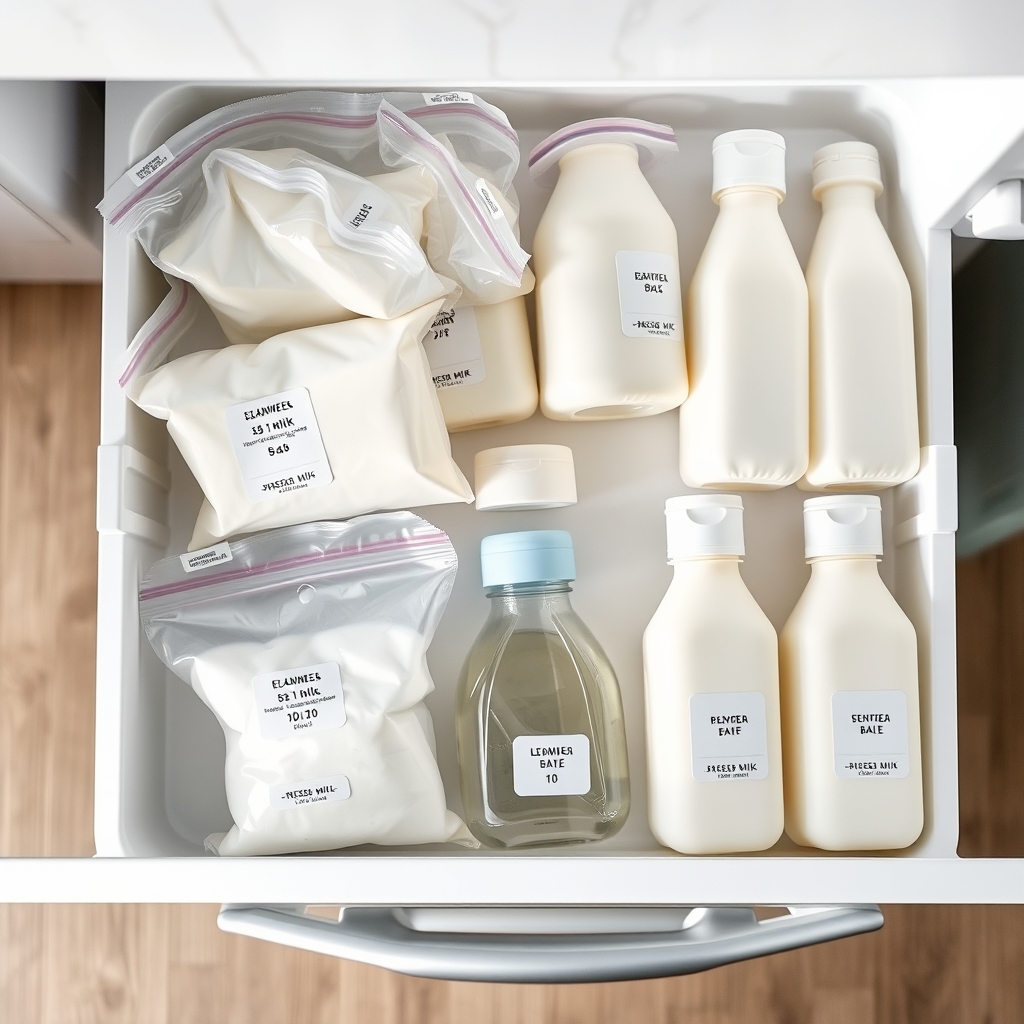
Organized milk storage is essential for exclusive pumpers, especially when building a freezer stash.
From our medical team: Exclusive pumping is a powerful choice that allows many parents to provide breast milk who might otherwise be unable to. Remember, a robust milk supply is built on consistent and effective milk removal. Pay close attention to your body's signals and your baby's growth. If you're experiencing pain, discomfort, or concerns about your supply, don't hesitate to reach out to a lactation consultant or your healthcare provider. They are your best resource for personalized guidance and support. We often see that parents who feel supported and confident in their pumping journey are more likely to achieve their feeding goals.
Myth vs. fact
Let's clear up some common misconceptions about exclusive pumping:
Myth: Exclusive pumping is just like breastfeeding, but with a machine.
Fact: While both provide breast milk, exclusive pumping is a distinct method with its own unique challenges and benefits. A pump cannot perfectly replicate a baby's suckling, which often means pumpers need to adhere to a more rigid schedule to maintain supply. It also involves the added tasks of equipment cleaning and milk storage.
Myth: If you exclusively pump, you won't bond with your baby as much as if you breastfeed.
Fact: Bonding happens through many forms of interaction, not just direct breastfeeding. Exclusive pumpers often have dedicated cuddling time, skin-to-skin contact, and gaze into their baby's eyes during bottle feeds. Plus, the ability for a partner to feed the baby can enhance family bonding.
Myth: You can quickly drop pumping sessions once your supply is established.
Fact: While you can gradually reduce pumping frequency after your supply is established (typically 10-12 weeks postpartum), it needs to be done slowly and carefully. Dropping sessions too quickly can lead to a significant dip in supply and potentially painful engorgement or clogged ducts. Most pumpers still need 5-7 sessions a day to maintain a full supply for a baby under one year.
Key takeaways
Consistency is paramount: Especially in the early weeks, pump 8-12 times a day, including overnight, to establish a strong milk supply.
Schedule evolves: As your baby grows and your supply regulates, you can gradually reduce pumping frequency to 5-7 times a day, but always monitor your output.
Equipment matters: Invest in a good double electric pump and correctly sized flanges for comfort and efficiency. A hands-free bra is a lifesaver.
Listen to your body: Pay attention to signs of low supply, pain, or emotional burnout. It's okay to adjust your goals or seek help.
Hydrate and nourish: Support your milk production by drinking plenty of water and eating nutritious foods.
Seek support: Don't hesitate to consult a lactation consultant or your healthcare provider for personalized advice and troubleshooting.
Frequently asked questions
Can you exclusively pump and still have a healthy baby?
Absolutely, yes! Exclusively pumping is a fantastic way to provide your baby with the many benefits of breast milk, and babies who are exclusively pumped for thrive just as well as those who are directly breastfed. The key is ensuring your baby receives adequate milk volume and that the milk is handled and stored safely.
How many times a day should I pump if I'm exclusively pumping?
For newborns (0-4 weeks), aim for 8-12 times a day to establish supply. Once your supply is well-established (around 6-12 weeks postpartum), most parents can maintain a full supply with 6-8 pumping sessions per 24 hours, with some able to reduce to 5-7 sessions as the baby gets older.
What is the ideal duration for each pumping session?
Each pumping session should ideally last 15-20 minutes, or until your breasts feel soft and empty. The goal is to fully drain the breasts to signal your body to continue producing milk, which is often achieved within this timeframe with an efficient double electric pump.
When can I start reducing my exclusive pumping schedule?
You can generally start considering a gradual reduction in pumping sessions after your milk supply is well-established, typically around 10-12 weeks postpartum. This should be done slowly, dropping one session at a time over several days, while closely monitoring your overall milk output.
Is it normal to have low supply while exclusively pumping?
While low supply can be a concern for some exclusive pumpers, it's not inevitable. Many factors can influence supply, including pump effectiveness, flange size, frequency of pumping, hydration, and stress. If you're experiencing low supply, it's crucial to consult a lactation consultant to identify the cause and develop a plan to address it.
How does exclusive pumping affect postpartum recovery?
Exclusive pumping can impact postpartum recovery in several ways. While the hormones released during pumping can aid uterine contractions and mood, the demanding schedule can lead to increased fatigue and stress. It's vital to prioritize rest, hydration, and self-care, and to seek support to manage the physical and emotional demands of the journey.
When to call your doctor
While exclusive pumping is generally safe, there are times when you should seek medical advice. Call your doctor or lactation consultant if you experience:
Severe or persistent breast pain, redness, swelling, or a fever, which could indicate mastitis or a breast infection.
Cracked, bleeding, or severely painful nipples that don't improve with flange adjustments.
A sudden and significant drop in milk supply that you cannot resolve with increased pumping.
Signs your baby is not getting enough milk, such as poor weight gain, fewer wet or dirty diapers, or persistent fussiness.
Symptoms of postpartum depression or anxiety, or if the demands of pumping are severely impacting your mental health.
Please remember, this article provides general information and is not a substitute for personalized medical advice from your healthcare provider or a certified lactation consultant. Always consult with a professional for any health concerns or before making decisions about your or your baby's care.
References
American Academy of Pediatrics (AAP). Breastfeeding and the Use of Human Milk. (2022).
Centers for Disease Control and Prevention (CDC). Proper Care and Storage of Breast Milk. (Ongoing guidance).
National Institutes of Health (NIH). Hormonal Regulation of Lactation.
Academy of Breastfeeding Medicine (ABM). Clinical Protocol #8: Human Milk Storage Information for Home Use for Full-Term Infants. (2017).
United States Department of Labor. Break Time for Nursing Mothers under the FLSA. (Ongoing guidance).
Not sure about the label on Exclusive Pumping Schedule products?
Snap the ingredients list and SafeFilter checks every ingredient for your stage — only 3 free scans this month, then you're locked until reset. Unlimited from $7/mo or $50/yr.
When Shubhra Mishra was expecting her first child in 2016, she was overwhelmed by conflicting food advice — one site said yes, another said never. By the time her second baby arrived in 2019, she realized millions of mothers face the same confusion.
That sparked a five-year journey through clinical nutrition papers, cultural diets, and expert conversations — all leading to BumpBites: a calm, compassionate space where science meets everyday motherhood.
Her long-term vision is to build a global community ensuring safe, supported, and free deliveriesfor every mother — because no woman should face pregnancy alone or uninformed. 🌿
🌍 Stand with mothers, shape safer guidance
Join a small circle of experts who review BumpBites articles so expecting parents everywhere can decide with confidence.