When you have endometriosis, your diet isn’t just about losing weight—it’s about reducing inflammation, balancing hormones, and supporting your gut health. Research shows that women with endometriosis often have higher levels of inflammatory markers, which can contribute to weight gain, particularly around the abdomen. A diet rich in anti-inflammatory foods can help lower these markers and improve symptoms like bloating, fatigue, and pain.
The best diets for endometriosis and weight loss typically include:
- Anti-inflammatory foods like leafy greens, fatty fish, turmeric, and ginger.
- Hormone-balancing nutrients such as fiber, healthy fats, and cruciferous vegetables.
- Gut-friendly foods like fermented foods, bone broth, and probiotic-rich options.
- Foods to limit or avoid such as processed sugars, gluten, dairy, and trans fats.
While there’s no one-size-fits-all approach, diets like the AIP (Autoimmune Protocol) Elimination Diet or a modified Mediterranean diet often work well for women with endometriosis. The key is to focus on whole, unprocessed foods while eliminating triggers that worsen inflammation and hormonal imbalances.
---
Foods to Eat and Avoid for Endometriosis Weight Loss
You’ve probably heard that diet can influence endometriosis symptoms, but what exactly should you be eating? Let’s break it down.
Foods to Include
These foods help reduce inflammation, support hormone balance, and promote healthy weight loss:
- Leafy greens (spinach, kale, Swiss chard) – Rich in magnesium and fiber, which help regulate blood sugar and reduce bloating.
- Fatty fish (salmon, mackerel, sardines) – Packed with omega-3s, which lower inflammation and support brain health.
- Berries (blueberries, raspberries, blackberries) – High in antioxidants that combat oxidative stress.
- Nuts and seeds (almonds, chia seeds, flaxseeds) – Provide healthy fats and plant-based protein to keep you full.
- Turmeric and ginger – Natural anti-inflammatory spices that can ease pain and reduce bloating.
- Bone broth – Supports gut healing and reduces inflammation.
- Fermented foods (sauerkraut, kimchi, kefir) – Boost gut bacteria, which is crucial for hormone regulation.
Foods to Limit or Avoid
Certain foods can worsen inflammation, disrupt hormones, and contribute to weight gain. These include:
- Processed sugars (soda, candy, pastries) – Spike blood sugar and promote inflammation.
- Gluten (wheat, barley, rye) – Some women with endometriosis report worse symptoms when consuming gluten.
- Dairy (milk, cheese, ice cream) – Can increase mucus production and inflammation for some.
- Trans fats (fried foods, margarine, processed snacks) – Linked to increased belly fat and inflammation.
- Alcohol – Can disrupt hormones and worsen pain.
Many women find that eliminating gluten and dairy—even if they don’t have celiac disease or lactose intolerance—helps reduce bloating and improve energy levels. If you’re unsure, try a gluten-free and dairy-free diet for 2–4 weeks to see if your symptoms improve.
---
Anti-Inflammatory Diet Plan for Endometriosis and Belly Fat
Now that you know what to eat, let’s put it into action with a simple, sustainable plan. The goal is to reduce inflammation, balance hormones, and create a calorie deficit for steady weight loss—without feeling deprived.
Sample Meal Plan for Endometriosis Weight Loss
Here’s a 7-day meal plan to get you started. Each day includes balanced meals with plenty of anti-inflammatory foods while keeping processed ingredients to a minimum.
This plan is flexible—swap in your favorite anti-inflammatory foods! For example, if you love breakfast ideas like bacon or eggs, feel free to include them in moderation. The goal is consistency, not perfection.
Foods to Enjoy, Limit, and Avoid for Endometriosis
To make this easier, here’s a quick reference:
---
How Does an Endometriosis Diet Help with Pain and Weight?
You might be wondering: *Does diet really affect endometriosis symptoms?* The answer is yes—but not in the way you might think. Endometriosis is driven by inflammation and hormonal imbalances, and certain foods can either fuel these issues or help calm them down.
The Link Between Inflammation and Weight Gain
Chronic inflammation from endometriosis can lead to weight gain, particularly around the abdomen. This is because inflammation disrupts hormones like insulin and leptin, which regulate hunger and fat storage. When your body is in a constant state of inflammation, it’s harder to lose weight—even if you’re eating fewer calories.
An anti-inflammatory diet helps by:
- Lowering inflammatory markers like CRP (C-reactive protein).
- Balancing blood sugar, which reduces cravings for sugary foods.
- Supporting gut health, which is closely linked to hormone regulation.
How Hormones Play a Role
Endometriosis thrives on estrogen dominance, which can make weight loss harder. Foods high in fiber (like vegetables and whole grains) help eliminate excess estrogen through your digestive system. Meanwhile, healthy fats (like those in avocados and nuts) support hormone production and balance.
Many women report reduced pain and bloating within 4–8 weeks of adopting an anti-inflammatory diet. While it won’t cure endometriosis, it can make symptoms much more manageable.
---
Sample Meal Plan for Endometriosis Weight Loss
Let’s dive deeper into what a day of eating might look like. This sample plan focuses on whole, nutrient-dense foods that support weight loss while easing endometriosis symptoms.
Breakfast: Turmeric Golden Milk Smoothie
Blend 1 cup unsweetened almond milk, 1 tbsp turmeric, ½ tsp cinnamon, ½ banana, 1 tbsp flaxseeds, and ice. This anti-inflammatory smoothie is creamy, satisfying, and packed with gut-soothing spices.
Lunch: Grilled Chicken and Quinoa Bowl
Mix cooked quinoa with grilled chicken, roasted Brussels sprouts, avocado, and a drizzle of olive oil and lemon. This meal is high in protein and fiber to keep you full and energized.
Snack: Celery Sticks with Almond Butter
A simple, crunchy snack that combines fiber with healthy fats to curb cravings.
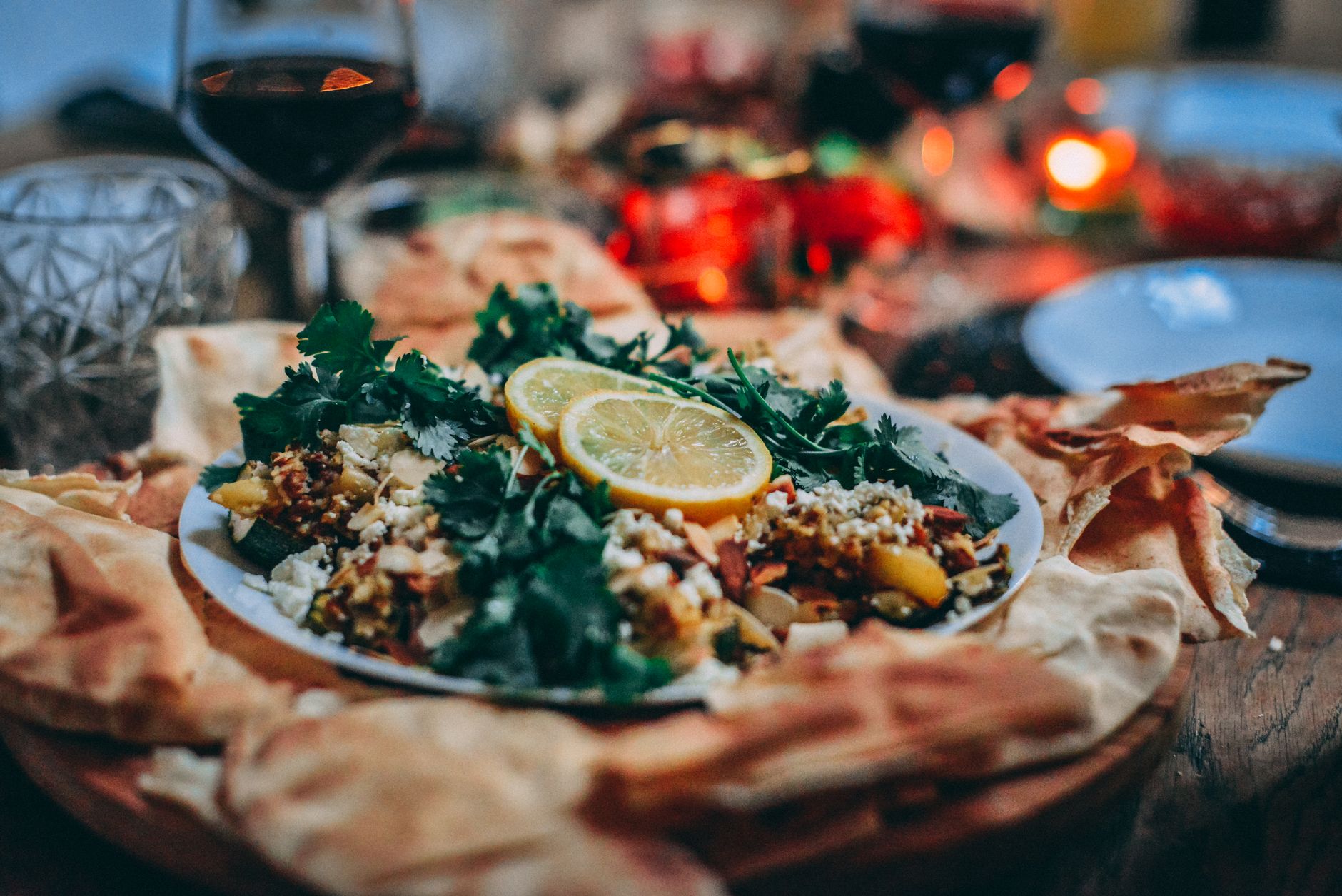
Dinner: Baked Salmon with Roasted Veggies
Season salmon with turmeric, garlic, and lemon, then bake until flaky. Serve with roasted asparagus and sweet potatoes. Omega-3s from the salmon help reduce inflammation, while the veggies add fiber.
---
Supplements to Support Weight Loss with Endometriosis
While food should be your first line of defense, certain supplements can help support weight loss and ease symptoms. Always check with your doctor before starting any new supplement, especially if you’re on medication.
These supplements can help reduce inflammation, support gut health, and aid in weight loss. However, they’re not a replacement for a balanced diet.
---
Can Losing Weight Improve Endometriosis Symptoms?
This is one of the most common questions we hear: *Will losing weight help my endometriosis?* The answer is nuanced. While weight loss alone won’t cure endometriosis, it can improve symptoms for many women. Here’s why:
- Reduced inflammation: Losing weight lowers inflammatory markers, which can ease pain and fatigue.
- Better hormone balance: Weight loss helps regulate estrogen levels, which can reduce the growth of endometrial tissue.
- Improved gut health: A healthier diet supports a balanced microbiome, which is linked to better immune function.
- Less pelvic congestion: Excess weight can put pressure on pelvic organs, worsening symptoms.
However, weight loss isn’t a guarantee for symptom relief. Some women with endometriosis struggle with weight regardless of diet. If you’re not seeing improvements after 3–6 months of a targeted diet, consider working with a dietitian specializing in endometriosis or an integrative medicine doctor.
---
Endometriosis Belly Bloat Diet Plan
Bloating is one of the most frustrating symptoms of endometriosis. The good news? Diet can help reduce it. Bloating often occurs due to water retention, gas, or digestive issues. Here’s how to tackle it:
Foods That Help Reduce Bloating
- Ginger: Helps with digestion and reduces gas.
- Peppermint tea: Soothes the digestive tract.
- Papaya: Contains enzymes that aid digestion.
- Pineapple: Bromelain helps break down proteins and reduce bloating.
- Fennel seeds: Act as a natural diuretic.
Foods That Worsen Bloating
- Carbonated drinks
- Processed sugars
- High-sodium foods
- Dairy (if lactose intolerant)
- Gluten-containing grains
Sample Anti-Bloat Meal Plan
Here’s a day of meals designed to minimize bloat:
- Breakfast: Chia pudding with coconut milk and berries (no dairy or gluten).
- Lunch: Grilled chicken salad with cucumber, avocado, and olive oil dressing (no croutons or heavy dressings).
- Snack: Sliced pear with a sprinkle of cinnamon.
- Dinner: Baked salmon with steamed asparagus and quinoa.
Stay hydrated and chew your food thoroughly to reduce air swallowing, which can contribute to bloating.
---
Managing Endometriosis Fatigue Through Diet for Weight Loss
Fatigue is a common symptom of endometriosis, and it can make weight loss feel even harder. The good news? Diet can help combat fatigue by stabilizing blood sugar, supporting iron levels, and reducing inflammation.
Foods to Boost Energy
- Iron-rich foods (spinach, lentils, red meat) – Low iron can cause fatigue.
- Complex carbs (quinoa, sweet potatoes, oats) – Provide steady energy.
- Healthy fats (avocados, nuts, seeds) – Keep you full and energized.
- B vitamins (eggs, leafy greens, whole grains) – Support energy metabolism.
Foods to Avoid for Fatigue
- Processed sugars (cause energy crashes)
- Refined grains (white bread, pasta) – Spike and crash blood sugar
- Caffeine (can disrupt sleep and energy levels)
Sample Anti-Fatigue Meal Plan
Here’s a day of meals to keep your energy up:
- Breakfast: Scrambled eggs with spinach and whole-grain toast.
- Lunch: Lentil soup with a side of mixed greens.
- Snack: Almond butter on apple slices.
- Dinner: Grilled chicken with roasted sweet potatoes and steamed broccoli.
---
Best Snacks for Endometriosis Weight Loss
Snacks can make or break your weight loss journey—especially when you’re dealing with endometriosis-related fatigue or cravings. Here are some of the best (and easiest) snacks to keep on hand:
- Hard-boiled eggs – High in protein to keep you full.
- Veggie sticks with hummus – Fiber and healthy fats.
- Nuts and seeds – Almonds, walnuts, or pumpkin seeds for crunch and healthy fats.
- Berries with Greek yogurt (dairy-free if needed) – Antioxidants and protein.
- Avocado slices with sea salt – Healthy fats and electrolytes.
- Dark chocolate (85%+) – A small square for a mood boost.
If you’re craving something sweet, try a smoothie with almond butter, banana, and spinach—it’s creamy, satisfying, and packed with nutrients.
---
Intermittent Fasting for Endometriosis and Weight Loss
Intermittent fasting (IF) has gained popularity for weight loss, but can it help with endometriosis? The answer is yes—but with caution. IF can reduce inflammation and improve insulin sensitivity, which may help with weight loss and symptom management. However, it’s not suitable for everyone, especially those with hormonal imbalances or digestive issues.
How to Try Intermittent Fasting Safely
- Start with a 12-hour overnight fast (e.g., stop eating at 7 PM, eat again at 7 AM).
- Gradually increase to a 14–16 hour fast if tolerated.
- Listen to your body—if you feel dizzy, fatigued, or experience worsened symptoms, stop and adjust.
- Focus on nutrient-dense foods during eating windows to avoid nutrient deficiencies.
If you have severe endometriosis symptoms, consult your doctor before trying IF. Some women find that a modified approach, like time-restricted eating (TRE), works better.
---
Gluten-Free Dairy-Free Diet for Endometriosis Weight Loss
Many women with endometriosis find relief by eliminating gluten and dairy. These foods can increase inflammation and mucus production, which may worsen symptoms. If you’re curious about trying a gluten-free, dairy-free diet, here’s how to do it effectively.
Gluten-Free Swaps
- Replace wheat pasta with chickpea or lentil pasta.
- Use gluten-free oats or quinoa instead of regular oats.
- Choose gluten-free bread made from almond flour or coconut flour.
Dairy-Free Swaps
- Use almond milk or coconut yogurt instead of cow’s milk.
- Choose dairy-free cheese made from nuts or coconut.
- Opt for dairy-free butter or coconut oil for cooking.
Sample Gluten-Free Dairy-Free Meal Plan
Here’s a day of meals without gluten or dairy:
- Breakfast: Chia pudding with coconut milk and berries.
- Lunch: Turkey lettuce wraps with avocado and pumpkin seeds.
- Snack: Rice cakes with almond butter.
- Dinner: Baked chicken with roasted sweet potatoes and steamed green beans.
If you’re unsure whether gluten or dairy is triggering your symptoms, try an elimination diet for 2–4 weeks. Keep a symptom journal to track improvements.
---
Endometriosis Diet Results: Weight Loss Timeline
One of the most common questions we get is: *How long will it take to see results?* The answer varies, but here’s what to expect:
- First 2 Weeks: You may notice reduced bloating and less discomfort, but weight loss is minimal.
- 4–8 Weeks: Many women see a noticeable difference in energy levels and symptom management. Some may lose 2–5 pounds.
- 3–6 Months: With consistency, you can expect steady weight loss (about 1–2 pounds per week) and improved symptom control.
Remember, weight loss with endometriosis can be slower due to hormonal and inflammatory factors. Focus on progress, not perfection.
---
Natural Remedies for Endometriosis Weight Gain
Beyond diet, there are natural remedies that can support weight loss and ease symptoms:
- Herbal teas like ginger, peppermint, and turmeric tea to reduce inflammation and bloating.
- Acupuncture has been shown to reduce endometriosis pain and improve energy levels.
- Stress reduction techniques like yoga or meditation to lower cortisol (a hormone linked to weight gain).
- Regular exercise (gentle movement like walking or swimming to avoid overexertion).
While these remedies can help, they’re most effective when combined with a balanced diet and lifestyle changes.
---
Common Mistakes to Avoid on an Endometriosis Diet
When trying to lose weight with endometriosis, it’s easy to make mistakes that sabotage your progress. Here are some pitfalls to avoid:
- Skipping meals – This can lead to blood sugar crashes and increased cravings.
- Over-restricting – Extreme diets can worsen fatigue and inflammation.
- Ignoring portion sizes – Even healthy foods can contribute to weight gain if eaten in excess.
- Not staying hydrated – Dehydration can worsen bloating and fatigue.
- Avoiding all fats – Healthy fats are essential for hormone balance.
Instead, focus on balance, consistency, and listening to your body.
---
Myth vs. Fact: Endometriosis and Weight Loss
Let’s debunk some common myths about endometriosis and diet:
Myth: “If I lose weight, my endometriosis will disappear.”
Fact: Weight loss can improve symptoms and reduce inflammation, but it won’t cure endometriosis. Surgery or hormonal treatments may still be needed for severe cases.
Myth: “I can’t lose weight because of my endometriosis.”
Fact: While weight loss may be slower due to hormonal and inflammatory factors, it’s still possible with the right diet and lifestyle changes.
Myth: “I need to go on a strict diet to see results.”
Fact: Small, sustainable changes—like reducing processed foods and increasing anti-inflammatory foods—can make a big difference over time.
---
Key Takeaways
- An endometriosis diet focuses on reducing inflammation, balancing hormones, and supporting gut health.
- Prioritize whole foods like leafy greens, fatty fish, berries, and nuts while limiting processed sugars, gluten, and dairy if sensitive.
- Supplements like omega-3s, magnesium, and turmeric can support weight loss and symptom management.
- Weight loss can improve symptoms, but it’s not a cure—consult your doctor for personalized advice.
- Listen to your body and adjust your diet as needed. Progress takes time!
---
Frequently Asked Questions
Can diet help reduce endometriosis symptoms?
Yes! An anti-inflammatory diet can lower pain, bloating, and fatigue by reducing inflammation and balancing hormones. While it won’t cure endometriosis, many women report significant improvements within weeks.
What foods should I avoid if I have endometriosis and want to lose weight?
Avoid processed sugars, gluten (if sensitive), dairy (if sensitive), trans fats, and alcohol. These foods can worsen inflammation and disrupt hormones, making weight loss harder.
Is it possible to lose belly fat with endometriosis through diet?
Yes, but it may take longer due to hormonal imbalances. Focus on whole foods, strength training, and stress management to target stubborn belly fat.
How long does it take to see weight loss results on an endometriosis diet?
Some women notice reduced bloating and improved energy within 2 weeks. Steady weight loss (1–2 lbs per week) typically takes 3–6 months with consistency.
Are there specific supplements for endometriosis weight management?
Yes! Omega-3s, magnesium, vitamin D, and turmeric are popular choices. Always check with your doctor before starting any new supplement.
Why do women with endometriosis struggle with weight loss?
Chronic inflammation, hormonal imbalances (like estrogen dominance), and digestive issues can make weight loss harder. A targeted diet and lifestyle changes can help.
---
When to See a Doctor or Specialist
While diet can make a big difference, some symptoms require medical attention. See your doctor if:
- You experience severe pain that doesn’t improve with diet or pain relief.
- You notice heavy bleeding or irregular periods.
- You’re losing weight unintentionally or struggling with extreme fatigue.
- You suspect food intolerances (like gluten or dairy sensitivity) but aren’t sure how to test them.
For endometriosis-specific care, consider seeing a gynecologist specializing in endometriosis or a functional medicine doctor who can help tailor a plan for your needs.
---
References
- American College of Obstetricians and Gynecologists (ACOG). (2023). *Endometriosis: Diagnosis and Treatment*.
- Harvard T.H. Chan School of Public Health. (2022). *Diet and Inflammation: What You Need to Know*.
- The Menopause Society (NAMS). (2023). *Nutrition and Endometriosis*.
- Mayo Clinic. (2023). *Endometriosis: Symptoms and Causes*.
- National Institutes of Health (NIH). (2022). *Dietary Approaches to Reduce Inflammation in Chronic Diseases*.
- Academy of Nutrition and Dietetics. (2023). *Dietary Guidelines for Managing Endometriosis*.




