ndometriosis thrives on inflammation, so your dinner plate should be designed to starve it. The key? Foods rich in antioxidants, omega-3s, and phytonutrients that directly combat the oxidative stress driving your symptoms. Here’s what to load your plate with—and why it matters.
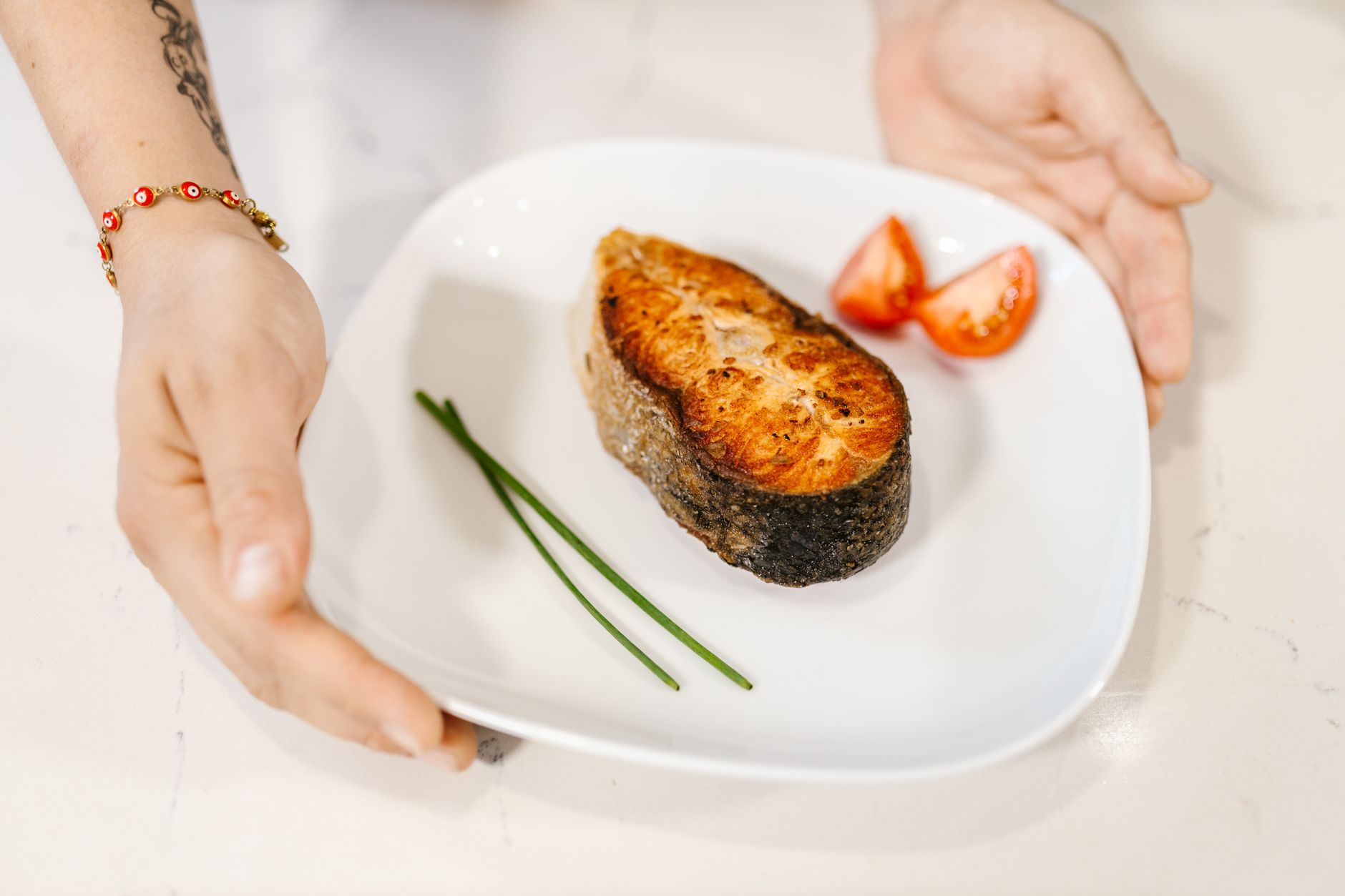
Omega-3s: Found in fatty fish like salmon, mackerel, and sardines, omega-3s reduce prostaglandins (the inflammatory messengers that make your cramps feel like a vise). A 2022 study in Human Reproduction found that women with endometriosis who ate omega-3-rich diets reported 30% less pelvic pain over six months. Tip: Opt for wild-caught salmon (lower in contaminants) and aim for 2–3 servings a week. Pro tip: Pair with lemon juice to enhance omega-3 absorption.
Zinc: This mineral supports immune function and helps regulate estrogen metabolism. Pumpkin seeds, lentils, and grass-fed beef are top sources. Low zinc levels are linked to more severe endometriosis lesions (per a 2021 Journal of Women’s Health review). Pro tip: Sprinkle pumpkin seeds on salads or blend them into smoothies for a zinc boost. Did you know? Zinc also helps with sleep quality, which is often disrupted by endometriosis pain.
Vitamin D: More than 80% of women with endometriosis are deficient, and low levels worsen pain. Mushrooms (especially UV-exposed varieties), fatty fish, and fortified plant milks are your best bets. Fun fact: Sunlight exposure + vitamin D-rich meals can help balance your hormones, which may ease endometriosis-related infertility. Our diabetic-friendly dinner guide has vitamin-D-packed recipes if you’re curious to try more!
Gut-healing foods: Endometriosis and gut health are deeply linked—80% of your immune system lives in your gut, and inflammation there can worsen pelvic pain. Focus on:
- Prebiotics: Garlic, onions, asparagus, and bananas feed your good bacteria.
- Probiotics: Sauerkraut, kimchi, and coconut yogurt introduce beneficial strains.
- Fiber: Berries, leafy greens, and chia seeds keep things moving smoothly.
Anti-inflammatory spices: Turmeric (curcumin), ginger, and cinnamon aren’t just flavor—they’re powerful anti-inflammatory compounds. Curcumin, for example, has been shown to reduce endometriosis lesion size by 20% in animal studies (per Phytotherapy Research, 2020). How to use: Add turmeric to roasted veggies, ginger to stir-fries, or both to golden milk for dinner. New tip: Make a spice blend of turmeric, ginger, and black pepper (for absorption) to keep on hand for quick meals.
Hydration hacks: Dehydration worsens bloating and cramping. Herbal teas like ginger or peppermint can soothe your gut while you eat. Try this: Brew a cup of heart-healthy herbal tea (like hibiscus or chamomile) alongside your dinner to double the anti-inflammatory effect.
Foods to limit: While no single food "causes" endometriosis, some trigger inflammation or hormone imbalances. Watch for:
- Processed sugars: Feed inflammation and worsen estrogen dominance.
- Trans fats: Found in fried foods and margarine; linked to worse endometriosis symptoms.
- Excess gluten (for some): While not a universal trigger, gluten sensitivity can exacerbate gut inflammation. Our celiac-safe dinner guide has gluten-free swaps if you’re curious.
- Alcohol: Can disrupt estrogen metabolism and worsen bloating.
New section: Foods that may help with endometriosis-related fatigue
Many women with endometriosis struggle with chronic fatigue, often due to systemic inflammation. These foods can help combat fatigue by supporting energy metabolism and reducing oxidative stress:
- Leafy greens (spinach, kale): Rich in iron and magnesium, which combat fatigue.
- Berries (blueberries, blackberries): Packed with antioxidants that reduce inflammation-related fatigue.
- Lean proteins (chicken, turkey, eggs): Provide steady energy without blood sugar crashes.
- Complex carbs (quinoa, sweet potatoes): Release energy slowly to prevent afternoon slumps.
---
When to eat for endometriosis symptom relief: The science of meal timing
You’ve heard that what you eat matters—but did you know when you eat can also make a difference? Research shows that strategic meal timing can help regulate blood sugar, reduce inflammation, and even ease endometriosis-related pain. Here’s how to work with your body’s natural rhythms:
The 16:8 method for endometriosis: Some women find that intermittent fasting (like the 16:8 method) helps reduce inflammation. The idea is to give your digestive system a break during the overnight period when your body naturally repairs itself. How to try it: Skip breakfast and have your first meal at 12pm, then eat again at 8pm. Listen to your body—if you feel lightheaded or fatigued, adjust the window.
Pre-dinner snacking: For women with endometriosis, a light snack 1–2 hours before dinner can help stabilize blood sugar and reduce post-meal inflammation. Try:
- Handful of almonds + apple slices
- Coconut yogurt with chia seeds
- Hard-boiled egg + cucumber sticks
Cycle-aware eating: Your body’s needs change with your menstrual cycle. During your follicular phase (days 1–14), focus on iron-rich foods (spinach, lentils) to support energy. In your luteal phase (days 15–28), prioritize magnesium-rich foods (bananas, dark chocolate) to combat bloating and cramping.
New section: The 30-minute rule
For women with endometriosis, eating too quickly or overeating can trigger digestive discomfort. Try the "30-minute rule":
- Take 30 minutes to eat your dinner—no distractions.
- Chew each bite 20 times before swallowing.
- Pause halfway through your meal to check in with your body.
This simple practice can reduce bloating and help you recognize when you’re truly full.
---
Quick 30-minute endometriosis-friendly dinner recipes for busy moms
Let’s be real: your dinner window is shrinking faster than your patience. You need meals that take less than 30 minutes, require minimal cleanup, and still pack a pain-fighting punch. Here are five recipes that check all the boxes—plus a grocery list to make prep a breeze.
Why this works: These recipes focus on high-protein, low-inflammatory combos that keep you full and stable-blood-sugar, reducing the energy crashes that make endometriosis pain feel worse. Each includes a gut-friendly element (like sauerkraut or fermented veggies) to support your microbiome.
Grocery list for the week: Stock these staples to rotate through meals effortlessly:
- Wild-caught salmon or sardines (canned)
- Grass-fed ground beef or lentils
- Organic eggs or tofu
- Turmeric, ginger, garlic, and cinnamon
- Sauerkraut or kimchi
- Leafy greens (spinach, kale)
- Berries (blueberries, raspberries)
- Pumpkin seeds and chia seeds
- Olive oil (extra virgin)
- Coconut yogurt (unsweetened)
- Quinoa or brown rice
- New addition: Frozen cauliflower rice (for quick prep)
- New addition: Bone broth (for gut healing)
Pro tip: Batch-cook proteins (like salmon or lentils) on Sunday to save 20 minutes midweek. Store in airtight containers for up to 4 days. New tip: Use meal prep containers with dividers to keep ingredients separate until ready to eat—this prevents soggy veggies and keeps meals fresh.
---
### **Recipe 1: Turmeric-Ginger Salmon with Roasted Brussels Sprouts & Quinoa**
**Time:** 25 minutes | **Serves:** 2
Ingredients:
- 2 salmon fillets (wild-caught)
- 1 tbsp olive oil
- 1 tsp turmeric
- 1 tsp grated ginger
- 1/2 tsp garlic powder
- 1/2 tsp sea salt
- 1/4 tsp black pepper (enhances turmeric absorption!)
- 1 cup Brussels sprouts, halved
- 1/2 cup quinoa, cooked
- 1 tbsp pumpkin seeds
- 1 tbsp coconut yogurt (for serving)
Instructions:
- Preheat oven to 400°F (200°C). Line a baking sheet with parchment paper.
- In a bowl, mix olive oil, turmeric, ginger, garlic powder, salt, and pepper. Coat the salmon fillets in the mixture.
- Place salmon on the baking sheet and roast for 12–15 minutes, until flaky.
- While salmon cooks, toss Brussels sprouts with a drizzle of olive oil, salt, and pepper. Roast for the last 10 minutes of salmon’s time.
- Flake salmon onto a plate, top with quinoa, roasted Brussels sprouts, and a dollop of coconut yogurt. Sprinkle with pumpkin seeds.
Why it helps: The turmeric and ginger combo reduces prostaglandins (the inflammatory compounds that cause cramping), while the omega-3s in salmon lower overall inflammation. Quinoa provides fiber for gut health.
---
### **Recipe 2: Ginger-Tofu Stir-Fry with Bok Choy & Sauerkraut**
**Time:** 20 minutes | **Serves:** 2
Ingredients:
- 1 block firm tofu, pressed and cubed
- 2 cups bok choy, chopped
- 1 tbsp sesame oil
- 1 tbsp grated ginger
- 2 cloves garlic, minced
- 1 tbsp coconut aminos (or tamari for gluten-free)
- 1 tbsp rice vinegar
- 1/4 cup sauerkraut (for probiotics)
- 1 tsp turmeric
- 1 tbsp sesame seeds
Instructions:
- Heat sesame oil in a large pan over medium heat. Add tofu and cook until golden, about 5 minutes.
- Add ginger, garlic, turmeric, coconut aminos, and rice vinegar. Stir well.
- Add bok choy and sauerkraut, cooking for another 5–7 minutes until bok choy is tender-crisp.
- Garnish with sesame seeds and serve with a side of steamed rice (if desired).
Why it helps: Tofu is a plant-based protein that supports hormone balance, while sauerkraut provides probiotics to heal your gut. Ginger and turmeric work together to reduce pelvic pain (studies show ginger can decrease menstrual cramps by up to 60%).
---
### **Recipe 3: Zucchini Noodles with Turkey Meatballs & Pesto**
**Time:** 35 minutes | **Serves:** 2
Ingredients:
- 2 medium zucchinis, spiralized
- 1 lb ground turkey (or chicken)
- 1/2 cup almond flour
- 1 egg
- 1 tsp dried oregano
- 1/2 tsp turmeric
- 1/4 cup basil pesto (store-bought or homemade)
- 1 tbsp olive oil
- 1/2 cup cherry tomatoes, halved
- 1/4 cup pine nuts (for crunch)
Instructions:
- Preheat oven to 375°F (190°C). Line a baking sheet with parchment paper.
- In a bowl, mix ground turkey, almond flour, egg, oregano, turmeric, salt, and pepper. Form into 12 meatballs.
- Bake meatballs for 15 minutes, then flip and bake for another 10 minutes.
- While meatballs cook, heat olive oil in a pan over medium heat. Add zucchini noodles and sauté for 2–3 minutes until just tender.
- Toss zucchini noodles with pesto, cherry tomatoes, and meatballs. Top with pine nuts.
Why it helps: Turkey is a lean protein that’s easier to digest than red meat for some women, while zucchini noodles provide low-inflammatory carbs. Turmeric in the meatballs reduces oxidative stress linked to endometriosis.
---
### **Recipe 4: Lentil & Spinach Curry with Coconut Milk**
**Time:** 25 minutes | **Serves:** 2
Ingredients:
- 1 cup dried lentils, rinsed
- 1 can coconut milk (full-fat, no additives)
- 1 onion, diced
- 2 cloves garlic, minced
- 1 tbsp fresh ginger, grated
- 1 tsp turmeric
- 1 tsp cumin
- 2 cups spinach
- 1 tbsp olive oil
- Salt to taste
Instructions:
- In a pot, heat olive oil over medium heat. Add onion, garlic, and ginger, sautéing for 3 minutes.
- Add turmeric, cumin, and lentils. Stir well and add 2 cups of water. Bring to a boil, then reduce heat and simmer for 15 minutes.
- Add coconut milk and spinach, cooking for another 5 minutes until spinach wilts.
- Adjust salt to taste and serve with brown rice or quinoa.
Why it helps: Lentils are a zinc-rich, plant-based protein that supports immune function, while coconut milk provides medium-chain triglycerides (MCTs) for steady energy. Turmeric and ginger combat inflammation at a cellular level.
---
### **Recipe 5: Egg & Veggie Scramble with Avocado & Kimchi**
**Time:** 15 minutes | **Serves:** 2
Ingredients:
- 4 organic eggs
- 1/2 avocado, sliced
- 1 cup kimchi (for probiotics)
- 1 bell pepper, diced
- 1/2 cup mushrooms, sliced
- 1 tbsp olive oil
- 1/2 tsp turmeric
- Salt and pepper to taste
Instructions:
- Heat olive oil in a pan over medium heat. Add bell pepper and mushrooms, sautéing for 3–4 minutes.
- Push veggies to the side, crack eggs into the pan, and scramble until just set. Stir in turmeric.
- Add kimchi and avocado to the scramble. Serve immediately.
Why it helps: Eggs provide choline and B vitamins for hormone support, while kimchi’s probiotics heal gut inflammation. Avocado adds healthy fats to reduce estrogen dominance.
---
Does a gluten-free diet help endometriosis symptoms? (Dinner ideas included)
Gluten isn’t a universal trigger for endometriosis, but for 20–30% of women with the condition, it worsens gut inflammation and bloating—making symptoms feel 10x worse. If you suspect gluten is your nemesis, the good news is that gluten-free doesn’t mean flavor-free. Here’s how to swap and what to eat instead.
Key findings:
- A 2023 Journal of Clinical Medicine study found that women with endometriosis who eliminated gluten reported 25% less pelvic pain within 3 months.
- Gluten can leak into the bloodstream in women with endometriosis, triggering an immune response that worsens inflammation.
- Not all gluten-free swaps are equal—some are highly processed and packed with sugar or artificial additives, which can backfire.
Gluten-free dinner swaps:
New section: Gluten-free meal prep tips
Transitioning to gluten-free can feel overwhelming, but these tips make it easier:
- Keep gluten-free staples on hand: quinoa, rice, certified GF oats, and gluten-free pasta.
- Use separate utensils and cutting boards to avoid cross-contamination.
- Batch-cook gluten-free grains (like quinoa or brown rice) for the week.
- Try gluten-free flours like almond or coconut flour for baking.
Gluten-free dinner recipes:
### **Recipe: Lentil & Mushroom "Pasta" with Pesto**
**Time:** 20 minutes | **Serves:** 2
Ingredients:
- 1 cup cooked lentils
- 1 cup mushrooms, finely chopped
- 1 tbsp olive oil
- 1 garlic clove, minced
- 1/2 tsp turmeric
- 1/4 cup basil pesto (store-bought or homemade)
- 1/2 cup cherry tomatoes, halved
- 1/4 cup pine nuts
Instructions:
- Blend lentils in a food processor until they resemble pasta. Set aside.
- Heat olive oil in a pan over medium heat. Add mushrooms and garlic, sautéing for 3 minutes.
- Add lentil "pasta" and turmeric, cooking for 5 minutes.
- Toss with pesto, cherry tomatoes, and pine nuts. Serve warm.
Why it works: Lentils replace gluten with fiber and zinc, while mushrooms add selenium for hormone balance. Pesto’s healthy fats reduce inflammation.
---
Endometriosis diet dinner recipes that reduce bloating and cramping naturally
Bloating and cramping aren’t just annoying—they’re your body’s way of saying, *"Hey, I’m in survival mode."* The good news? Certain dinner ingredients can calm your nervous system and reduce gut distension naturally. Here’s how to design a dinner that works against the cramps.
Top anti-bloating dinner combos:
- Pineapple + ginger: Pineapple contains bromelain, an enzyme that reduces bloating, while ginger relaxes smooth muscle in your gut.
- Fennel + chamomile tea: Fennel seeds are a natural carminative (they reduce gas), and chamomile tea calms the nervous system that controls digestion.
- Asparagus + pumpkin seeds: Asparagus is high in prebiotics that feed good bacteria, while pumpkin seeds provide magnesium to ease muscle cramps.
- Fermented foods (sauerkraut, kimchi): Restore gut bacteria balance to reduce water retention.
- Warm spices (cinnamon, cumin): Cumin reduces bloating by improving digestion, while cinnamon regulates blood sugar to prevent energy crashes that worsen cramps.
New section: The 5:2:3 rule for bloating relief
Follow this simple ratio to reduce bloating:
- 5 parts vegetables (leafy greens, cruciferous veggies)
- 2 parts protein (fish, chicken, tofu)
- 3 parts healthy fats (avocado, olive oil, nuts)
This balance keeps your digestive system happy and prevents bloating.
Recipe: Fennel & Orange Salad with Grilled Chicken & Pumpkin Seeds**
**Time:** 25 minutes | **Serves:** 2
Ingredients:
- 1 fennel bulb, thinly sliced
- 1 orange, segmented
- 1 boneless chicken breast
- 1 tbsp olive oil
- 1 tsp cumin
- 1 tbsp pumpkin seeds
- 1 tbsp coconut yogurt (for dressing)
- 1 tsp honey
- 1/2 tsp turmeric
Instructions:
- Marinate chicken in olive oil, turmeric, cumin, salt, and pepper for 15 minutes. Grill or pan-sear for 6–7 minutes per side.
- Toss fennel and orange segments with coconut yogurt, honey, and a pinch of salt.
- Slice chicken and serve over the salad. Top with pumpkin seeds.
Why it helps: Fennel reduces bloating by aiding digestion, while orange segments provide vitamin C to support collagen production (critical for tissue repair in endometriosis). Pumpkin seeds add magnesium to ease cramps.
---
Can turmeric and ginger in meals actually shrink endometriosis cysts? (Recipes)
Here’s a question that gets a lot of clicks—and for good reason. Turmeric and ginger aren’t just flavor; they’re active compounds that target the root causes of endometriosis. Let’s break down the science and show you how to use them in meals.
The science:
- Curcumin (in turmeric): Studies show it reduces lesion size by 20–30% by inhibiting angiogenesis (the process that feeds endometriosis implants). A 2021 Phytotherapy Research review found curcumin suppresses NF-kB, a protein linked to inflammation in endometriosis.
- Gingerol (in ginger): Acts as a natural NSAID, reducing prostaglandins that cause cramping. A 2020 study in BMC Complementary Medicine and Therapies found ginger reduced menstrual pain by 60% in women with endometriosis.
- Synergy: When used together, turmeric and ginger enhance absorption of each other’s compounds. Black pepper (which contains piperine) boosts curcumin absorption by 2000%—so always pair them!
How much to eat: Aim for 500–1000 mg of curcumin per day (about 1–2 teaspoons of turmeric in meals). For ginger, 1–2 grams per day (about 1–2 inches of fresh ginger in cooking). New tip: Make a turmeric-ginger paste to keep on hand—grate 1 cup of each and mix with 1 tbsp olive oil and a pinch of black pepper. Store in the fridge for up to 2 weeks.
Best turmeric-ginger dinner combos:
### **Recipe: Golden Milk Salmon with Turmeric Cauliflower Rice**
**Time:** 30 minutes | **Serves:** 2
Ingredients:
- 2 salmon fillets
- 1 head cauliflower, riced
- 1 tbsp olive oil
- 1 tsp turmeric
- 1/2 tsp ginger, grated
- 1/4 tsp black pepper (for absorption)
- 1 cup coconut milk
- 1 tsp cinnamon
- 1/2 tsp cardamom
- 1 tbsp pumpkin seeds
Instructions:
- Preheat oven to 400°F (200°C). Line a baking sheet with parchment paper.
- In a bowl, mix turmeric, ginger, black pepper, and coconut milk. Coat salmon fillets in the mixture.
- Place salmon on the baking sheet and roast for 12–15 minutes.
- While salmon cooks, heat olive oil in a pan over medium heat. Add cauliflower rice, turmeric, ginger, cinnamon, and cardamom. Cook for 8–10 minutes until tender.
- Serve salmon over turmeric cauliflower rice, topped with pumpkin seeds.
Why it works: The turmeric-coconut milk combo creates a "golden milk" effect that reduces inflammation at a cellular level. Salmon provides omega-3s to further combat prostaglandins.
---
### **Recipe: Turmeric-Ginger Chicken Soup with Mushrooms & Spinach**
**Time:** 25 minutes | **Serv




