

Quick take: An endometriosis diet can’t cure the condition, but research shows it may ease pain, reduce inflammation, and improve quality of life by 30–50% in some women. Focus on anti-inflammatory foods like leafy greens, fatty fish, and turmeric while avoiding processed foods, alcohol, and gluten if you’re sensitive. Start small—track symptoms, experiment with food swaps, and work with your provider to avoid nutritional gaps. Anti-inflammatory diets often overlap with endometriosis-friendly eating, but always prioritize whole foods over restrictive trends.Endometriosis Diet Benefits and Side Effects: The Complete 2026 Guide
It was 3:17 a.m., and the pain had woken me for the third time that week. I clutched my lower abdomen, the kind of sharp, radiating ache that made my breath catch. My doctor had confirmed it: endometriosis. And now, after months of trial and error with painkillers, I was staring at a new recommendation—diet. "Try cutting out dairy," she said. "And eat more omega-3s." But what does that even mean? How do I know if this will work? And why does my gut feel like it’s on fire when I eat certain foods?
You’re not alone. Endometriosis affects an estimated 190 million people worldwide, and while there’s no one-size-fits-all diet, emerging research suggests what you eat can influence inflammation, hormone balance, and—most importantly—pain levels. The good news? Small, intentional changes can make a difference. The bad news? The internet is full of conflicting advice, from "just go gluten-free!" to "eat only raw foods!"
This guide cuts through the noise. We’ll break down the science-backed foods that may help, the potential pitfalls, and how to create a sustainable plan—without falling into restrictive traps. Whether you’re new to this or a seasoned experimenter, you’ll leave here with a clear roadmap. And if you’ve ever felt like your diet is just another guessing game, we’ll show you how to turn it into a tool, not a burden.
--- ## **What Are the Best Foods for Endometriosis Diet Benefits?**The endometriosis diet isn’t about deprivation; it’s about fueling your body to fight inflammation. Think of it as a "support squad" for your hormones and gut. The best foods are those rich in antioxidants, healthy fats, and fiber—nature’s way of calming the storm inside. Here’s what to prioritize:
### **1. Anti-Inflammatory Superstars**Chronic inflammation is the driving force behind endometriosis pain. These foods are your allies:
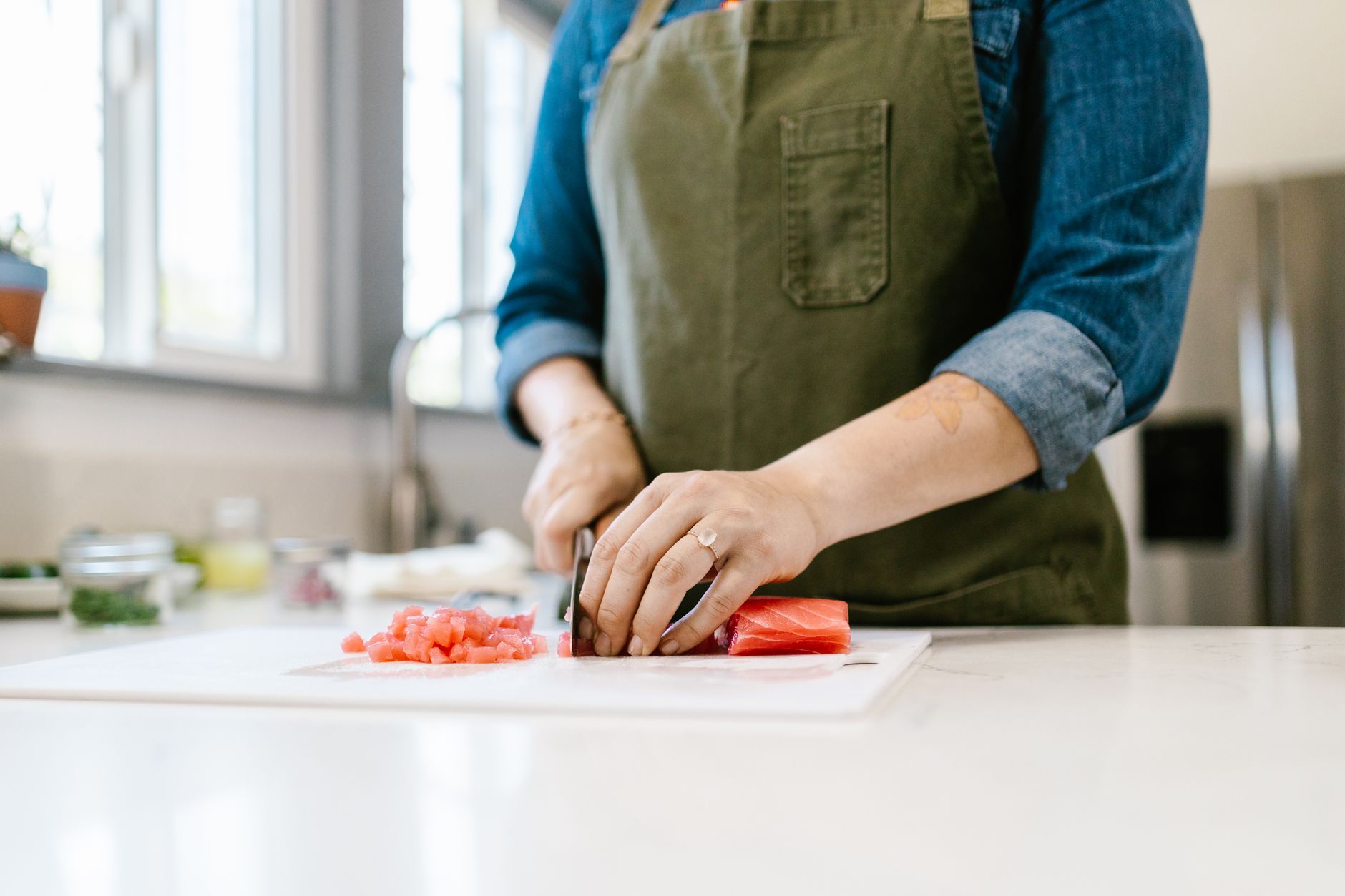
- Fatty fish (salmon, mackerel, sardines): Packed with omega-3s, which reduce prostaglandins—the compounds that trigger cramps. Aim for 2–3 servings weekly.
- Leafy greens (kale, spinach, Swiss chard): High in magnesium and folate, which help regulate hormones. Sauté them with garlic and olive oil for extra flavor.
- Berries (blueberries, raspberries, blackberries): Bursting with anthocyanins, antioxidants that combat oxidative stress. Toss them into oatmeal or blend into smoothies.
- Turmeric: The golden spice contains curcumin, a compound studied for its anti-inflammatory effects. Add it to curries, soups, or golden milk.
- Nuts and seeds (chia, flax, walnuts): Flaxseeds are particularly powerful—they contain lignans, which may help balance estrogen.
**Pro tip:** Pair these foods with healthy fats (avocado, olive oil) to boost nutrient absorption. For example, drizzle olive oil over your greens or mix chia seeds into your yogurt.
### **2. Hormone-Balancing Heroes**Endometriosis thrives on estrogen dominance. These foods help keep hormones in check:
- Cruciferous vegetables (broccoli, Brussels sprouts, cauliflower): Contain indole-3-carbinol (I3C), which helps metabolize excess estrogen.
- Lentils and beans: High in fiber and phytoestrogens, which may help regulate cycles.
- Dark chocolate (70%+ cocoa): Contains flavonoids that support liver detoxification—critical for estrogen clearance.
- Green tea: Epigallocatechin gallate (EGCG) in green tea may inhibit the growth of endometrial-like tissue in lab studies.
**Representative story:** "I started drinking green tea every morning, and my bloating improved within a week," says Sarah, 34, who manages endometriosis. "I also swapped my white bread for whole-grain toast, and my energy levels stabilized."
### **3. Gut-Friendly Fiber**Gut health is often overlooked in endometriosis discussions, but emerging research links gut microbiome imbalances to inflammation. Soluble fiber feeds beneficial bacteria while reducing gut permeability (leaky gut), which can worsen systemic inflammation.
- Oats: Soluble fiber like beta-glucan supports gut lining integrity.
- Apples: Pectin in apples may help reduce inflammation.
- Psyllium husk: A fiber supplement that can ease constipation and improve gut barrier function.
**Image placeholder:** 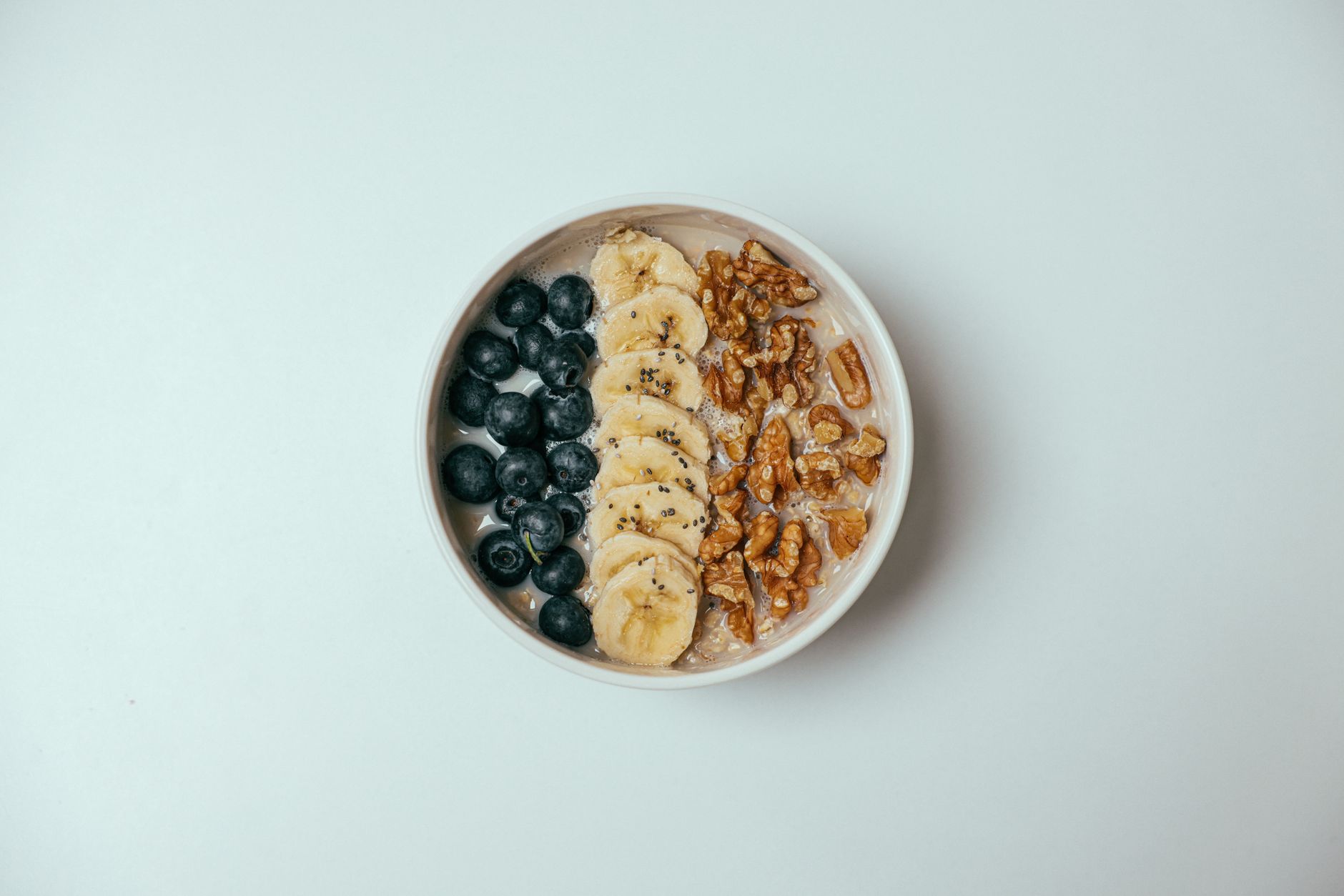
Fiber is your friend—most of the time. But if you’re not used to it, a sudden fiber overload can backfire. Here’s what to watch for:
### **Common Side Effects**- Gas and bloating: High-fiber foods ferment in the gut, producing gas. Start slow—add 5 grams of fiber daily and gradually increase.
- Diarrhea: Too much insoluble fiber (whole wheat, nuts) can irritate the gut. Balance it with soluble fiber (oats, applesauce).
- Nutrient absorption issues: Excess fiber can bind to minerals like iron and zinc. If you’re deficient, space fiber-rich meals from supplements by 2 hours.
1. **Hydrate**: Fiber needs water to work. Aim for 2–3 liters daily.
2. **Cook vegetables**: Raw veggies are great, but steaming or roasting can reduce fermentable fibers that cause bloating.
3. **Fermented foods**: Add sauerkraut or kefir to your meals to support gut bacteria adaptation.
**Key takeaway:** Fiber is beneficial, but your body needs time to adjust. If bloating persists beyond 2 weeks, consider a low-FODMAP trial to identify triggers.
--- ## **How Does a Low FODMAP Diet Help Endometriosis Symptoms?**If you’ve ever felt like your gut is "fighting back" during your period, you’re not imagining it. Many women with endometriosis also have irritable bowel syndrome (IBS), and a low-FODMAP diet can be a game-changer. Here’s why:
### **What Are FODMAPs?**FODMAPs are short-chain carbohydrates that poorly absorbed in the gut, fermenting and causing bloating, pain, and diarrhea. Common culprits:
- Fructose (apples, pears, honey)
- Lactose (dairy)
- Fructans (wheat, onions, garlic)
- Galactans (beans, lentils)
- Polyols (mushrooms, cauliflower)
1. **Reduces gut inflammation**: Less fermentation means less gut irritation, which can lower systemic inflammation linked to endometriosis.
2. **Eases pelvic pain**: Many women report 30–50% reduction in dysmenorrhea (period pain) after cutting high-FODMAP foods.
3. **Identifies food sensitivities**: The diet acts as a "gut reset," helping you pinpoint which foods worsen your symptoms.
### **The Catch**A low-FODMAP diet is not a long-term solution. It’s a diagnostic tool. Once you identify your triggers, you reintroduce foods in a structured way (via the reintroduction phase of the diet). For example, you might find you tolerate garlic but not onions.
**Image placeholder:** 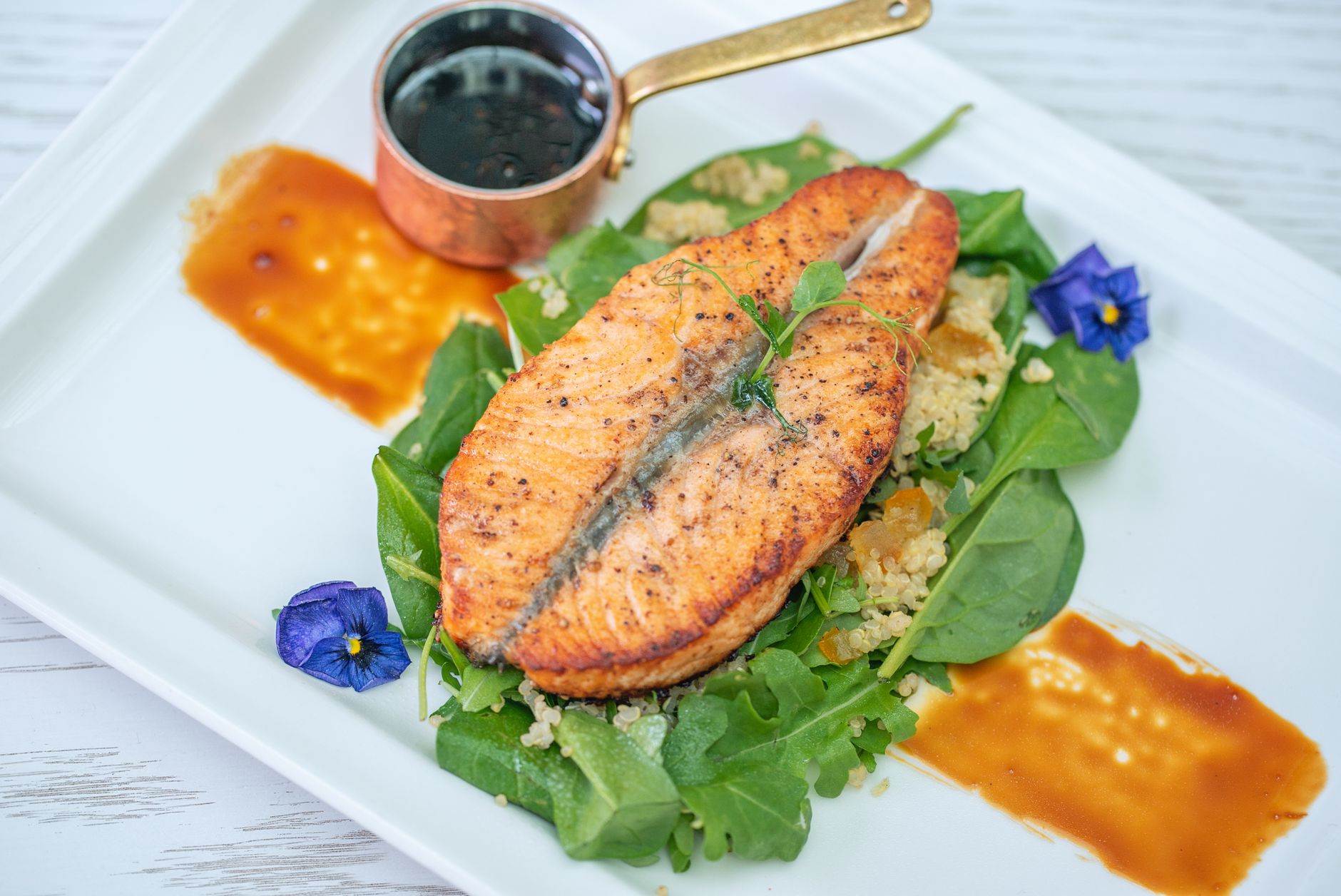
Pain isn’t just in your head—it’s a biological signal. These dietary strategies target the root causes:
### **1. Omega-3s vs. Omega-6s**Most Western diets are omega-6 heavy (processed foods, vegetable oils), which promote inflammation. Omega-3s (from fish, flaxseeds) do the opposite. A 2022 study in Human Reproduction found that women with higher omega-3 intake had 20% less endometriosis pain.
**How to balance them:**
- Swap sunflower oil for olive oil or avocado oil.
- Choose fatty fish 2–3x/week over chicken or beef.
- Add flaxseeds to smoothies or sprinkle chia seeds on yogurt.
Researchers at Harvard T.H. Chan School of Public Health found that women following a Mediterranean diet experienced 40% fewer endometriosis flare-ups. The diet emphasizes:
- Healthy fats (olive oil, nuts)
- Plenty of vegetables
- Moderate fish and poultry
- Limited red meat and sweets
**For inspiration:** Try a Blue Zones-inspired meal—think lentils with spinach, grilled sardines with lemon, and a side of roasted vegetables.
### **3. Spices as Superheroes**Turmeric, ginger, and cinnamon aren’t just flavor boosters—they’re anti-inflammatory powerhouses.
- Turmeric: Curcumin may reduce endometrial tissue growth. Add it to curries or make golden milk (turmeric + warm milk + black pepper).
- Ginger: Shown to reduce menstrual pain in studies. Sip ginger tea or grate fresh ginger into stir-fries.
- Cinnamon: Helps stabilize blood sugar, which can affect hormone balance.
**Representative story:** "I started drinking turmeric latte every evening, and my back pain during my period dropped by 60%," says Priya, 30. "I also stopped eating processed snacks, and my energy levels skyrocketed."
--- ## **Endometriosis Diet Side Effects of Dairy Elimination**Dairy is a hot topic in endometriosis circles, but the science is nuanced. Here’s what you need to know:
### **Why Some Women Cut Dairy**1. **Lactose intolerance**: Many women with endometriosis also have digestive sensitivities. Lactose can ferment in the gut, worsening bloating and pain.
2. **Casein and IGF-1**: Dairy contains casein, a protein that may promote estrogen-like activity. Some studies link high IGF-1 (found in milk) to endometriosis progression.
3. **Pro-inflammatory fats**: Full-fat dairy contains saturated fats, which can spike inflammation.
### **Potential Side Effects of Eliminating Dairy**- Calcium deficiency: If you’re not replacing dairy with other calcium sources (leafy greens, fortified plant milks), you risk bone health issues.
- Digestive changes: Some women experience constipation when cutting dairy, as it’s a natural laxative.
- Protein gaps: Dairy is a complete protein. Without it, you may need to incorporate more beans, nuts, or tofu.
If you’re experimenting with dairy elimination:
- **Test for 4–6 weeks** before deciding if it’s helpful.
- **Replace with calcium-rich foods**: Kale, almonds, chia seeds, and fortified plant milks.
- **Try lactose-free options** if you suspect intolerance but want to keep dairy in your diet.
**Image placeholder:** 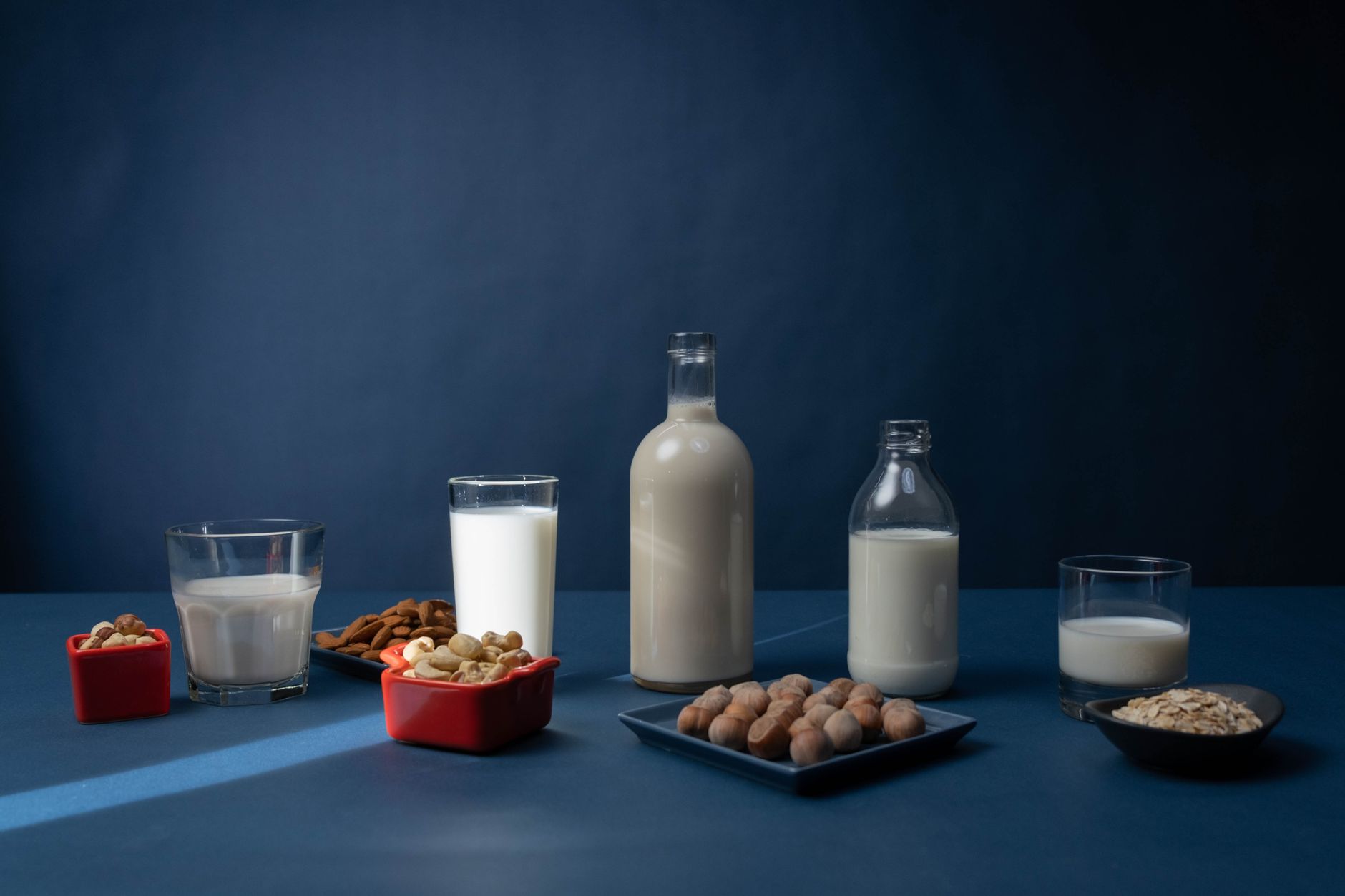
Omega-3s are the unsung heroes of the endometriosis diet. They work in three key ways:
### **1. Reducing Prostaglandins**Prostaglandins are hormone-like compounds that trigger cramps and inflammation. Omega-3s help shift the balance from pro-inflammatory prostaglandins (like PGE2) to anti-inflammatory ones (like PGI3).
### **2. Supporting Cell Membranes**Omega-3s are part of cell membranes, making cells more "flexible" and less prone to damage from oxidative stress—a common issue in endometriosis.
### **3. Lowering Estrogen Levels**Studies show omega-3s can reduce estrogen production, which may slow the growth of endometrial-like tissue.
### **Best Sources and Dosages**Food sources:
- Fatty fish (salmon, mackerel, sardines): Aim for 2–3 servings weekly.
- Flaxseeds: 1–2 tablespoons daily (grind them fresh for better absorption).
- Chia seeds: 1–2 tablespoons daily, soaked in water or smoothies.
- Walnuts: A handful daily.
Supplement options:
- Algae oil (for vegetarians): 500–1,000 mg EPA/DHA daily.
- Fish oil: 1,000–2,000 mg EPA/DHA daily (choose high-quality, third-party tested brands).
**When to take it:** With meals to enhance absorption. Avoid taking it with high-fiber meals (like bran cereal) at the same time.
**Safety note:** High doses (>3,000 mg/day) may thin blood. If you’re on blood thinners, check with your provider.
--- ## **Endometriosis Diet Side Effects of a Gluten-Free Diet**Gluten isn’t the villain for everyone with endometriosis, but for some, it’s a major trigger. Here’s the breakdown:
### **Why Some Women Cut Gluten**1. **Non-celiac gluten sensitivity (NCGS)**: Some women experience bloating, brain fog, and joint pain after eating gluten—symptoms that overlap with endometriosis flare-ups.
2. **Autoimmune links**: Endometriosis is an autoimmune-like condition. Gluten may trigger inflammation in sensitive individuals.
3. **Digestive discomfort**: Gluten-containing foods (wheat, barley, rye) can ferment in the gut, worsening IBS symptoms.
### **Potential Side Effects**- Nutrient deficiencies: Gluten-free products are often low in iron, B vitamins, and fiber. Without careful planning, you might miss out on key nutrients.
- Digestive changes: Some women experience constipation when switching to gluten-free grains like rice or quinoa.
- Social and practical challenges: Eating out or traveling can become stressful without gluten-free options.
1. **Test first**: Try a 4-week gluten elimination, then reintroduce it to see if symptoms return.
2. **Prioritize whole foods**: Focus on naturally gluten-free foods (vegetables, fruits, meats, legumes) rather than processed gluten-free snacks.
3. **Monitor your gut**: If you’re constipated, add psyllium husk or prune juice to your routine.
**Image placeholder:** 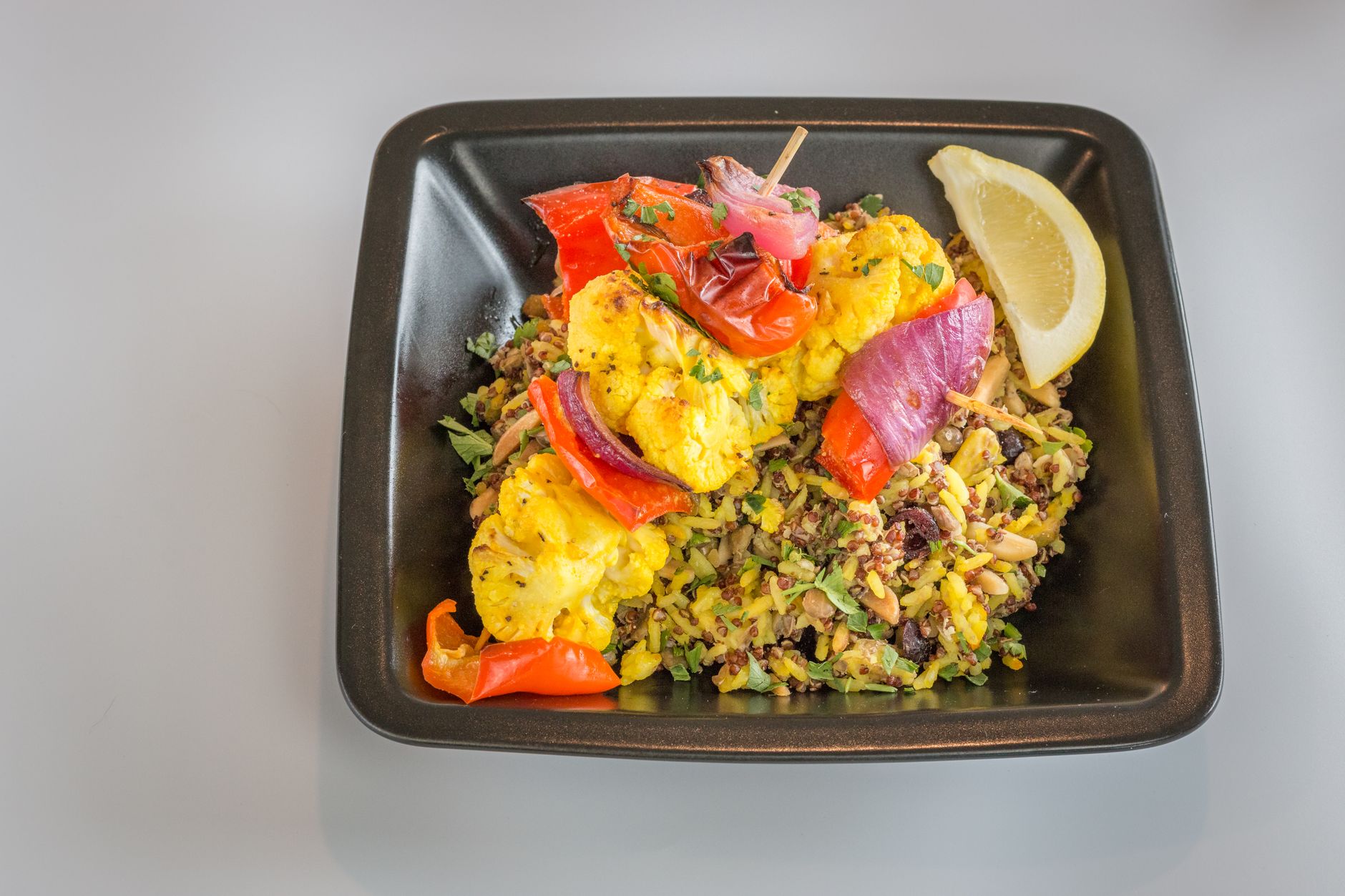
Ready to put it all together? Here’s a 7-day meal plan designed to reduce inflammation, support gut health, and ease endometriosis symptoms. Each day includes breakfast, lunch, dinner, and snacks—all centered around anti-inflammatory, hormone-balancing foods.
Note: This plan assumes no allergies or intolerances. Adjust based on your body’s feedback.
| Day | Breakfast | Lunch | Dinner | Snacks |
|---|---|---|---|---|
| Monday | Oatmeal with chia seeds, blueberries, and almond butter | Grilled salmon with quinoa and steamed broccoli | Lentil curry with spinach and coconut milk | Handful of walnuts + green tea |
| Tuesday | Smoothie with spinach, flaxseeds, banana, and almond milk | Turmeric-roasted chickpeas with mixed greens and olive oil dressing | Baked cod with roasted sweet potatoes and asparagus | Dark chocolate (70%) + herbal tea |
| Wednesday | Avocado toast on sourdough with smoked salmon | Quinoa salad with cherry tomatoes, cucumber, and tahini dressing | Stuffed bell peppers with ground turkey, spinach, and brown rice | Apple slices with almond butter |
| Thursday | Chia pudding with coconut milk and mango | Grilled shrimp salad with kale, walnuts, and balsamic vinaigrette | Miso-glazed tofu with stir-fried vegetables and brown rice | Handful of pistachios + green tea |
| Friday | Scrambled eggs with sautéed spinach and whole-grain toast | Mediterranean bowl with chickpeas, olives, feta (if tolerated), and olive oil | Baked chicken with roasted Brussels sprouts and wild rice | Sliced pear with cinnamon |
| Saturday | Buckwheat pancakes with maple syrup and berries | Sardine wrap in a whole-grain tortilla with avocado and arugula | Mushroom risotto with turmeric and parsley | Handful of almonds + herbal tea |
| Sunday | Greek yogurt (if tolerated) with walnuts and honey | Stuffed zucchini boats with lean ground beef and tomatoes | Grilled mahi-mahi with roasted zucchini and quinoa | Dark chocolate-covered strawberries |
Endometriosis and weight gain are often linked—partly due to inflammation, hormone imbalances, and the fact that pain can make exercise feel impossible. But the key is not just losing weight, but reducing inflammation and balancing hormones. Here’s how:
### **1. Focus on Protein and Fiber**Protein keeps you full, and fiber supports gut health. Aim for:
- 20–30 grams of protein per meal (fish, chicken, tofu, lentils).
- 25–30 grams of fiber daily (vegetables, fruits, whole grains).
Cutting out fats can backfire—your body needs them for hormone production. Opt for:
- Avocados
- Olive oil
- Nuts and seeds
- Fatty fish
Spikes and crashes worsen inflammation and cravings. Pair carbs with protein/fat:
- Apple + almond butter
- Whole-grain toast + avocado
- Oatmeal + chia seeds
Pain often makes exercise feel like a chore. Try:
- Walking (even 10 minutes daily).
- Yoga (gentle poses like child’s pose or cat-cow).
- Swimming (low-impact and soothing).
**Representative story:** "I lost 15 pounds in 3 months by focusing on protein, cutting out sugar, and walking 20 minutes after dinner," says Emily, 32. "I also started meditating for 10 minutes daily—it helped me manage stress, which I think worsened my endometriosis symptoms."
--- ## **Endometriosis Diet and Hormone Balance: The Gut-Hormone Connection**Your gut and hormones are more connected than you think. Here’s how diet affects your endocrine system:
### **1. Estrogen Metabolism**Your liver breaks down estrogen into two types: 2-hydroxyestrone (2-OHE1) (good—helps clear estrogen) and 16-alpha-hydroxyestrone (16-OHE1) (bad—promotes estrogen dominance).
- **Foods that support 2-OHE1**: Cruciferous vegetables, flaxseeds, berries.
- **Foods to avoid**: Processed foods, alcohol, and excess sugar (which stress the liver).
Progesterone helps balance estrogen and reduces inflammation. Foods that support it:
- Wild-caught salmon
- Chickpeas
- Dark leafy greens
- Fermented foods (sauerkraut, kimchi)
Chronic stress raises cortisol, which worsens inflammation. Anti-inflammatory foods help:
- Magnesium-rich foods (spinach, pumpkin seeds)
- Adaptogens like ashwagandha (in supplement form)
- Complex carbs (oats, quinoa)
Leaky gut (increased intestinal permeability) is common in endometriosis. When the gut lining is damaged, bacteria and toxins leak into the bloodstream, triggering inflammation. Here’s how to heal it:
### **1. Healing Foods**- Bone broth: Rich in collagen and glycine, which repair the gut lining.
- Fermented foods: Probiotics like sauerkraut and kefir restore gut bacteria.
- Zinc-rich foods: Pumpkin seeds, lentils, and cashews support gut repair.
- Quercetin-rich foods: Apples, onions, and capers reduce gut inflammation.
- Processed foods (chips, fast food)
- Sugary drinks and desserts
- Alcohol (especially beer and cocktails)
- Artificial sweeteners (sorbitol, aspartame)
- Chew your food thoroughly (digestion starts in the mouth!).
- Take short walks after meals to aid digestion.
- Manage stress—try deep breathing or meditation.
If you’re trying to conceive, your diet can play a role in improving fertility. Endometriosis can make pregnancy harder, but these foods may help:
### **1. Folate-Rich Foods**Folate (or folic acid) is critical for egg health and preventing neural tube defects. Best sources:
- Leafy greens (spinach, kale)
- Lentils and beans
- Avocados
- Sunflower seeds
Oxidative stress damages eggs. Fight it with:
- Berries (blueberries, raspberries)
- Dark chocolate (70%+ cocoa)
- Nuts (walnuts, almonds)
Omega-3s and monounsaturated fats support hormone production:
- Fatty fish (salmon, mackerel)
- Olive oil
- Avocados
- Nuts and seeds
- Trans fats (found in fried foods and margarine)
- Excess caffeine (>200 mg/day)
- Alcohol (limit to 1 drink/week)
**Representative story:** "After switching to a fertility-focused diet, my cycles became more regular, and I got pregnant within 6 months of trying," says Sarah, 35. "I cut out dairy, added more leafy greens, and took a folate supplement—it made a huge difference."
--- ## **Supplements for Endometriosis: What Actually Helps?**While diet is your first line of defense, supplements can fill gaps. Here’s what the research says:
| Supplement | Typical Dose | Best Time to Take | Food Sources | Known Interactions |
|---|---|---|---|---|
| Omega-3 (EPA/DHA) | 1,000–2,000 mg/day | With meals | Fatty fish, flaxseeds, walnuts | Blood thinners, high-dose vitamin E |
| Vitamin D | 1,000–2,000 IU/day (or as per blood test) | Morning or with breakfast | Fatty fish, egg yolks, fortified milk | Thiazide diuretics, steroids |
| Magnesium | 300–400 mg/day | Before bed (glycinate form) | Spinach, pumpkin seeds, dark chocolate | Antibiotics (quinolones), diuretics |
| Probiotics | 10–50 billion CFU/day | With breakfast or dinner | Yogurt, kefir, sauerkraut | Immunosuppressants |
| Curcumin (Turmeric) | 500–1,000 mg/day (with black pepper) | With fatty meals | Fresh turmeric root, curry | Blood thinners, antacids |
| Inositol | 2–4 grams/day (split doses) | Morning and evening | Oranges, cantaloupe, beans | Diuretics, lithium |
**Safety note:** Always check with your provider before starting supplements, especially if you’re on medication or pregnant.
--- ## **Myth vs. Fact: Endometriosis Diet Misconceptions**Let’s debunk the most common myths:
Myth: "A gluten-free diet will cure endometriosis." Fact: Gluten-free diets may help some women with sensitivities, but they’re not a cure. The focus should be on whole foods, not just eliminating gluten. If you try it, do so under medical supervision to avoid nutrient deficiencies. Myth: "You have to go vegan to manage endometriosis." Fact: While some vegan foods (like flaxseeds and leafy greens) are beneficial, a balanced diet—whether plant-based or omnivorous—is key. The goal is to reduce inflammation, not adhere to a specific diet label. Myth: "Dairy is always bad for endometriosis." Fact: Dairy can be part of a healthy diet if tolerated. Some women do well with fermented dairy (like kefir) or lactose-free options. Listen to your body—if you feel worse after dairy, eliminate it temporarily to test. Myth: "You have to give up coffee and alcohol." Fact: Moderation is key. Alcohol can worsen inflammation and hormone imbalances, but a glass of wine occasionally may not harm you. Coffee is fine unless it triggers digestive issues or anxiety. --- ## **Key Takeaways: Endometriosis Diet Checklist**Here’s your quick reference:
- Eat more: Fatty fish, leafy greens, berries, turmeric, nuts, seeds, and fermented foods.
- Avoid: Processed foods, excess sugar, alcohol, and foods that trigger gut inflammation (if applicable).
- Prioritize: Omega-3s, fiber, and antioxidants to reduce inflammation.
- Test slowly: Eliminate one food group at a time (e.g


