If you or a loved one struggles with poor appetite, protein becomes even more critical—it helps maintain muscle mass, keeps you full, and supports immune function. However, many high-protein snacks are bulky or require refrigeration, making them impractical for on-the-go situations. The key is to look for snacks that are calorie-dense, easy to chew, and packed with lean protein sources like eggs, Greek yogurt, or plant-based proteins.
One reader shared how she struggled with poor appetite after starting a new medication: "I used to pack peanut butter sandwiches, but they were too messy, and I’d end up eating half and leaving the rest. Now I keep single-serve packets of Greek yogurt with a sprinkle of granola—it’s creamy, protein-packed, and fits in my pocket."
Here are some top picks:
- Single-serve Greek yogurt cups (look for unsweetened varieties with at least 10g of protein per serving). Pair with a handful of almonds for healthy fats.
- Protein bars designed for seniors—avoid those with added sugars or artificial sweeteners. Brands like Quest or RXBAR offer options with 20g+ of protein and minimal ingredients.
- Hard-boiled eggs in pre-peeled, pre-sliced containers (available at some grocery stores or online). They’re portable, shelf-stable, and provide all nine essential amino acids.
- Cottage cheese sticks or single-serve containers. Opt for low-sodium versions and pair with berries for added fiber and antioxidants.
- Tuna or chicken salad packets (like those from Wild Planet or Chicken of the Sea). These are shelf-stable, high in protein, and easy to eat with crackers or a spoon.
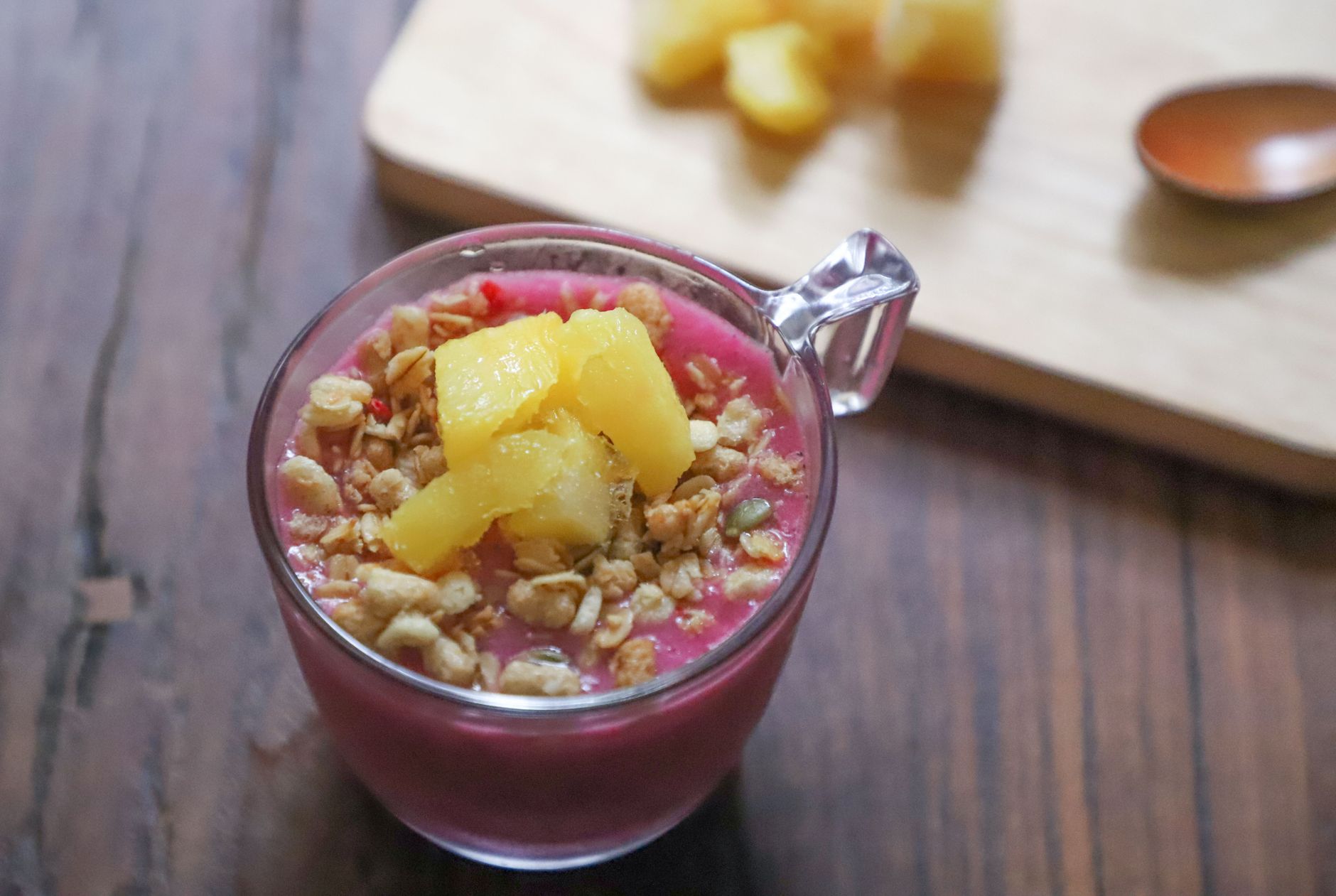
For those who prefer plant-based options, easy AIP snacks like roasted chickpeas or edamame packets can be excellent choices. They’re high in protein, fiber, and low in saturated fats.
---
Easy-to-Digest Snacks for Seniors with Digestive Issues While Traveling
Digestive issues like irritable bowel syndrome (IBS), acid reflux, or constipation can make snacking a minefield. The goal is to avoid high-fiber foods that might cause bloating or discomfort, while still ensuring the snack is gentle on the stomach and easy to digest. Look for snacks that are low in fat, easy to break down, and free from common irritants like artificial sweeteners or excessive spices.
One caregiver mentioned how her mother’s digestive sensitivity changed after a recent trip: "She used to love trail mix, but now even a handful of nuts makes her feel terrible. We switched to plain crackers with cheese, and it’s made a huge difference."
Here are some gentle yet nutritious options:
- Applesauce pouches (unsweetened, no added sugar). These are easy to digest, come in single-serve packs, and provide natural fiber.
- Banana chips (look for baked, not fried, varieties). They’re softer than whole nuts and provide potassium and fiber.
- White rice cakes with a thin layer of cream cheese or hummus. These are low in fat and easy to digest.
- Pudding cups (like Silk or Nestlé brands). Opt for sugar-free or low-sugar varieties and pair with a handful of blueberries for antioxidants.
- Clear broth or bouillon cubes (like Knorr). These can be mixed with water and sipped on the go for hydration and electrolytes.
For those with acid reflux, avoid citrus fruits, tomatoes, and spicy snacks. Instead, opt for bland, low-acid options like plain crackers, oatmeal, or even a small piece of plain white bread.
---
Nutrient-Dense Snacks for Elderly with Diabetes That Fit in a Purse
Managing diabetes on the go requires snacks that stabilize blood sugar, are low in refined carbs, and avoid spikes in glucose levels. The best snacks for seniors with diabetes are high in fiber, protein, and healthy fats, while being low in sugar and sodium. Pre-packaged options can be convenient, but always check the label for hidden sugars or artificial ingredients.
A friend of mine shared how she manages her diabetes while traveling: "I keep a small cooler in my purse for insulin, but for snacks, I stick to nuts and cheese. It’s easy to portion out a few almonds and a slice of cheese without refrigeration."
Here are some top picks:
- Single-serve nut packs (almonds, walnuts, or pistachios). Aim for unsalted varieties and portion out 1–2 oz per serving.
- Cheese sticks or cubes (low-fat or part-skim options like Babybel or Lactanti). Pair with whole-grain crackers for added fiber.
- Roasted seaweed snacks (low-calorie, high in iodine, and easy to pack). They’re also a great source of fiber and omega-3s.
- Dark chocolate-covered almonds (70% cocoa or higher). A small handful can satisfy sweet cravings without spiking blood sugar.
- Protein shakes or meal replacement shakes (like Ensure or Boost Gold). These are designed to be low in sugar and high in protein, making them ideal for diabetics.
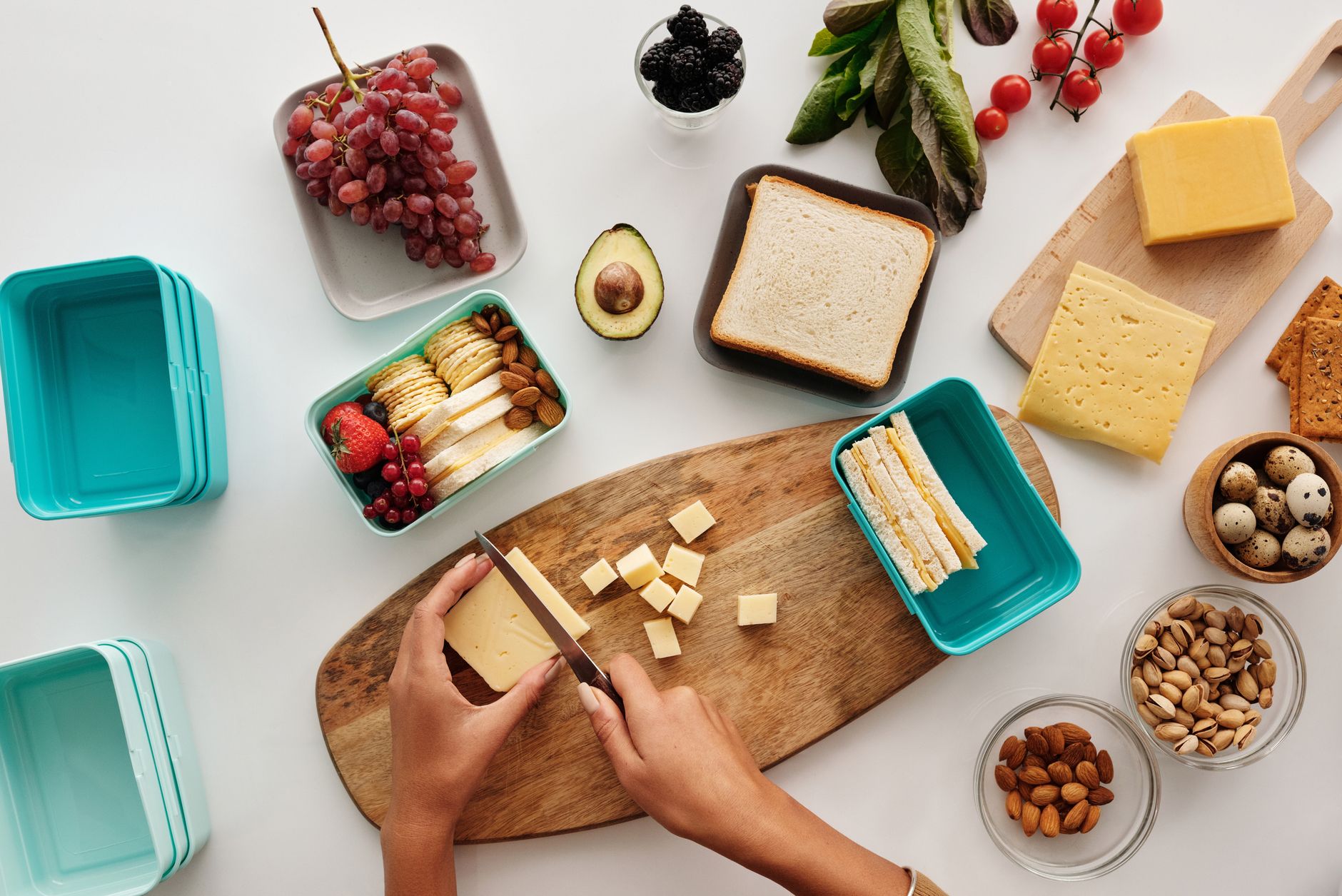
For those who prefer homemade options, Atkins diet snacks like olives, avocado slices, or hard-boiled eggs can also work well. Just ensure they’re portioned and packed safely.
---
Portable Snacks for Seniors with Alzheimer’s That Prevent Choking Hazards
For seniors with Alzheimer’s or dementia, snacking can become a challenge—especially if there’s a risk of choking or difficulty swallowing. The goal is to choose snacks that are soft, easy to chew, and require minimal preparation. Avoid hard, crunchy, or sticky foods that could pose a choking risk.
A caregiver shared how she adapted her mother’s snack routine after a recent diagnosis: "She used to love popcorn, but now I give her soft-cooked vegetables or pudding. It’s frustrating to see her struggle, but it’s worth it to keep her safe."
Here are some safe and nourishing options:
- Applesauce or mashed banana pouches (unsweetened and smooth). These are easy to swallow and provide natural sugars for energy.
- Pureed fruit cups (like peaches or pears in water). Look for no-sugar-added varieties.
- Cottage cheese or ricotta (soft and easy to eat). Pair with a drizzle of honey for added sweetness.
- Steamed or roasted vegetables (like carrots, zucchini, or sweet potatoes). Cut into small, soft pieces and pack in a container.
- Yogurt drops or pudding cups (like Yoplait GoGurt or Silk pudding). These are soft, portable, and come in single-serve packs.
For those with severe swallowing difficulties, consult a speech therapist or occupational therapist for recommendations on texture-modified foods. Some seniors may benefit from thickening agents like ThickenUp to make liquids safer to consume.
---
Snacks for Elderly with Low Blood Pressure That Provide Quick Energy
Low blood pressure can cause dizziness, fatigue, and even fainting, especially when standing up quickly. To combat this, focus on snacks that are high in sodium (in moderation), carbs for quick energy, and fluids to stay hydrated. However, be cautious with sodium intake—too much can worsen high blood pressure or other conditions.
A reader wrote in after a recent trip: "I felt so lightheaded when I stood up from my seat at the museum. My doctor said I needed more salt in my diet, but I didn’t know how to do it without feeling bloated. Now I keep saltine crackers and a small container of broth in my bag."
Here are some balanced options:
- Saltine crackers or graham crackers (a few can provide quick sodium without overdoing it). Pair with a small amount of cheese for protein.
- Pickles or olives (small amounts provide sodium and hydration). Avoid excessive intake if you have kidney issues.
- Trail mix with nuts and dried fruit (a small handful can provide carbs and healthy fats). Avoid large portions to prevent over-salting.
- Instant oatmeal packets (mix with water and add a pinch of salt for quick energy). These are high in carbs and fiber.
- Electrolyte drinks (like Pedialyte or Liquid IV). These can help replenish fluids and minerals lost during dehydration.
For those with heart conditions, limit sodium intake and opt for low-sodium versions of these snacks. Always consult your healthcare provider if you’re unsure about your sodium needs.
---
How to Pack Elderly Diet Snacks for a Day Trip Without Refrigeration
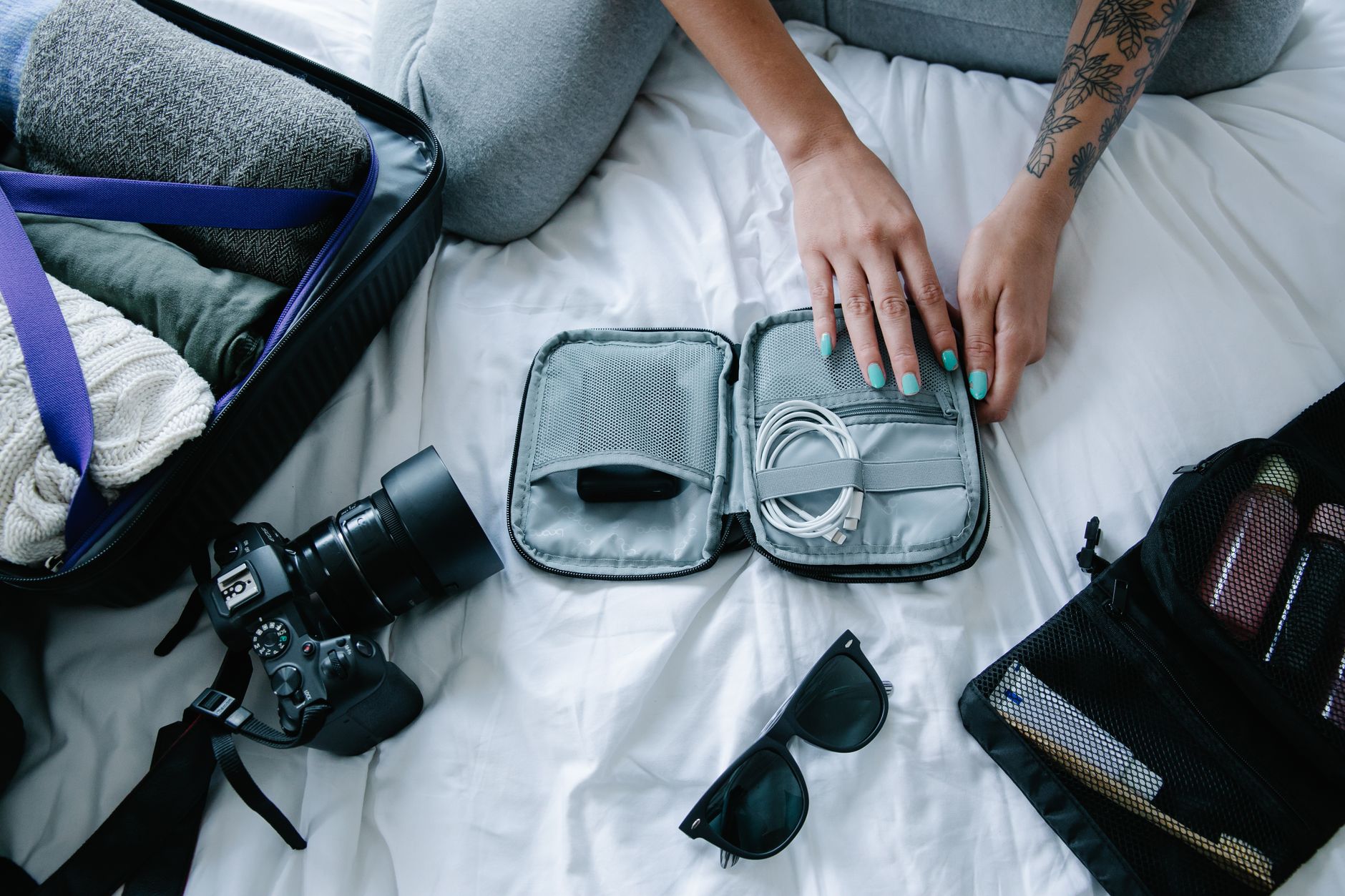
Packing snacks for a day trip without refrigeration requires a bit of planning, but it’s entirely doable with the right strategies. The key is to choose shelf-stable options, pack them securely, and keep them cool if needed. Here’s how to do it:
One caregiver shared her tips for a recent outing: "I used a small cooler with ice packs, but I also packed a few non-perishable snacks just in case. My mom loved the combination of nuts and cheese sticks—it kept her full and happy all day."
Step-by-Step Packing Guide
- Choose shelf-stable snacks like nuts, dried fruit, protein bars, or crackers. Avoid anything that requires refrigeration.
- Use small, leak-proof containers for liquids or soft foods like pudding or yogurt. Ziploc bags with the air squeezed out work well.
- Pack a small cooler with ice packs if you’re carrying perishable items like cheese or yogurt. Use frozen water bottles as ice packs—they’ll melt and provide hydration.
- Organize snacks by meal or time of day to avoid rummaging through your bag. For example, pack breakfast snacks (like a protein bar) in the morning, lunch snacks (like a cheese stick) midday, and an evening snack (like nuts) for later.
- Keep snacks accessible by placing them in an easy-to-reach pocket or bag compartment. Avoid deep pockets where snacks might get lost or forgotten.
Checklist for Packing Snacks
Before you leave:
- [ ] Check expiration dates on all snacks.
- [ ] Pack a variety of textures and flavors to keep things interesting.
- [ ] Include a small water bottle or electrolyte drink.
- [ ] Bring a napkin or wet wipes for easy cleanup.
- [ ] Label any homemade snacks with ingredients in case of allergies.
---
Best Snacks for Elderly with Osteoporosis That Support Bone Health on the Go
Osteoporosis weakens bones and increases the risk of fractures, so snacks that support bone health are a must. Focus on foods rich in calcium, vitamin D, magnesium, and protein—all of which help maintain bone density. Avoid snacks high in phosphorus or sodium, as these can interfere with calcium absorption.
A reader shared how she adjusted her snack routine after a bone density scan: "My doctor said I needed more calcium, but I didn’t know what to eat on the go. Now I keep fortified orange juice, almonds, and cheese sticks in my bag—it’s made a difference in how I feel."
Here are some top picks:
- Fortified orange juice or almond milk (single-serve boxes or pouches). Look for options with at least 30% of the daily value of calcium and vitamin D.
- Almonds or other nuts (a small handful provides calcium, magnesium, and healthy fats). Avoid salted varieties to keep sodium in check.
- Cheese sticks or cubes (low-fat or part-skim options). Pair with whole-grain crackers for added fiber.
- Canned sardines or salmon (packed in water or olive oil). These are rich in calcium and omega-3s. Look for single-serve cans for convenience.
- Fortified plant-based milks (like Silk or Calcium Plus brands). These are often fortified with calcium and vitamin D.
- Leafy greens pouches (like Sparrow’s spinach or kale). These are easy to digest and provide calcium and magnesium.
For those who struggle with swallowing, consider blending leafy greens with a smoothie or yogurt for a soft, nutrient-dense snack.
---
Comparison: Pre-Packaged vs. Homemade Elderly Diet Snacks
When it comes to snacking on the go, seniors and caregivers often debate whether pre-packaged or homemade snacks are better. The choice depends on convenience, nutrition, and personal preferences. Below is a comparison to help you decide:
For those who prefer pre-packaged options, look for brands that specialize in senior nutrition, such as Annie’s (organic crackers), KIND (nut bars), or Nature’s Bakery (gluten-free options). For homemade snacks, consider batch-preparing items like energy balls, trail mix, or cheese and cracker packs to save time.
---
How to Involve Elderly Individuals in Choosing Their Snacks
Encouraging seniors to be part of the decision-making process can empower them, improve adherence to dietary needs, and make snacking more enjoyable. Here’s how to involve them:
- Ask for preferences—what flavors, textures, and types of snacks do they enjoy? For example, do they prefer sweet or savory, crunchy or soft?
- Let them help pack snacks—even if it’s just placing items in a bag or choosing between two options. This builds ownership and excitement.
- Incorporate their favorite foods—if they love chocolate, include a small piece of dark chocolate with their nuts. If they enjoy fruit, pack a favorite dried fruit.
- Make snack time social—if possible, include them in meal or snack prep. This can be as simple as stirring ingredients together or assembling a trail mix.
- Use visual aids—for those with cognitive decline, use pictures or labels to help them choose snacks. For example, a picture of an apple next to a pouch of applesauce.
- Celebrate successes—praise them for trying new snacks or sticking to their dietary plan. Positive reinforcement goes a long way.
One caregiver mentioned how her father’s appetite improved after she let him choose his snacks: "He used to refuse everything I packed, but now he picks out his own trail mix and nuts. It’s made a huge difference in how much he eats."
---
The Role of Fiber in Elderly Diet Snacks and How to Balance It with Digestion Needs
Fiber is essential for digestion, heart health, and blood sugar control, but for seniors—especially those with digestive issues—too much fiber can cause bloating, gas, or discomfort. The key is to balance fiber intake with hydration and choose easily digestible sources.
A reader shared her experience: "I used to eat a lot of bran cereal, but now it gives me gas. My doctor said I should switch to oatmeal instead—it’s easier on my stomach."
Fiber-Rich Snacks for Seniors
- Oatmeal packets (instant oatmeal with added fiber). Choose varieties with at least 3g of fiber per serving.
- Whole-grain crackers or bread (look for labels with at least 3g of fiber per serving). Pair with cheese or hummus for added protein.
- Flaxseed or chia seed packs (small portions provide omega-3s and fiber). Sprinkle a teaspoon into yogurt or applesauce.
- Pears or apples with the skin (packed in pouches for convenience). The skin provides fiber, but avoid if chewing is difficult.
- Low-fiber alternatives like white rice cakes or plain crackers if high-fiber options cause discomfort.
Tips for Balancing Fiber
- Increase hydration—drink plenty of water or herbal teas to help fiber move smoothly through the digestive tract.
- Start with small portions—gradually increase fiber intake to allow your body to adjust.
- Avoid high-fiber foods with meals that are high in fat or protein, as this can slow digestion.
- Choose soluble fiber (like oats or applesauce) over insoluble fiber (like whole nuts or seeds) if digestion is a concern.
---
Where to Buy Elderly Diet Snacks Online or Locally
Finding the right snacks can be overwhelming, especially if you’re new to senior nutrition. Here’s where to look for high-quality, convenient options:
Online Retailers
- Amazon—offers a wide variety of pre-packaged snacks, including senior-specific options like Annie’s or KIND bars.
- Thrive Market—a subscription-based service with affordable, healthy snacks, including organic and gluten-free options.
- FreshDirect or Instacart—delivers groceries and pre-packaged snacks to your door, often with same-day delivery.
- Specialty senior nutrition sites like SeniorStrong or SilverSneakers offer curated snack boxes.
Local Stores
- Grocery stores—look for the health food or senior nutrition sections. Brands like Nature’s Bakery or Enjoy Life (allergy-friendly) are often stocked.
- Pharmacies or drugstores—many carry senior-specific snacks like Ensure or Boost meal replacements.
- Specialty health food stores—these often carry organic, gluten-free, or low-sodium options.
- Dollar stores—surprisingly, some carry affordable snacks like crackers, nuts, or dried fruit in small packs.
Budget-Friendly Options
- Store-brand snacks—many grocery stores offer generic versions of popular snacks at a lower cost.
- Bulk bins—buy nuts, seeds, or dried fruit in bulk and portion them into small bags for on-the-go snacking.
- DIY snack mixes—combine affordable ingredients like oats, raisins, and nuts to create your own trail mix.
- Sales and coupons—check weekly flyers or apps like Flipp for discounts on senior-friendly snacks.
---
Myth vs. Fact: Elderly Diet Snacks
There are plenty of misconceptions about snacking for seniors. Let’s separate fact from fiction:
Myth: Seniors don’t need snacks—they should just eat three meals a day.
Fact: Snacks are crucial for seniors, especially those with chronic conditions, poor appetite, or high energy needs. They help maintain blood sugar levels, prevent muscle loss, and provide essential nutrients between meals. For example, a protein-rich snack like Greek yogurt can help prevent afternoon energy crashes.
Myth: All pre-packaged snacks are unhealthy.
Fact: Many pre-packaged snacks are nutritious, especially those labeled for seniors or designed for specific dietary needs. Look for options low in sodium, sugar, and artificial ingredients. Brands like Annie’s or KIND offer healthy, convenient choices.
Myth: Seniors should avoid all fats—even healthy ones.
Fact: Healthy fats, like those found in nuts, avocados, and olive oil, are essential for brain health, hormone production, and nutrient absorption. The key is to choose unsaturated fats and avoid trans fats and excessive saturated fats.
---
Key Takeaways
- Focus on snacks that are high in protein, fiber, and healthy fats to support overall health and manage chronic conditions.
- Choose snacks that are easy to digest, low in sodium and sugar, and portable for on-the-go convenience.
- For seniors with specific health needs (like diabetes, osteoporosis, or Alzheimer’s), tailor snacks to meet those requirements.
- Involve seniors in choosing their snacks to encourage better eating habits and improve adherence to dietary needs.
- Balance fiber intake with hydration to avoid digestive discomfort.
- Pack snacks securely and consider using a small cooler for perishable items when traveling.
- Explore both pre-packaged and homemade options to find what works best for your lifestyle and budget.
- Always check labels for allergens, sodium, and sugar content to ensure snacks are safe and healthy.
---
Frequently Asked Questions
What are the best snacks for elderly people who have trouble chewing?
For seniors with chewing difficulties, focus on soft, easy-to-swallow snacks like:
- Applesauce or mashed banana pouches
- Cottage cheese or ricotta
- Pureed fruit cups
- Yogurt drops or pudding cups
- Steamed or roasted vegetables (cut into small pieces)
If swallowing is a concern, consult a speech therapist for texture-modified food recommendations.
Are there any snacks for elderly with high blood pressure that don’t contain salt?
Yes! For seniors with high blood pressure, opt for low-sodium or no-salt-added snacks like:
- Fresh fruit (apples, bananas, berries)
- Unsalted nuts or seeds
- Plain popcorn (air-popped, no butter)
- Whole-grain crackers (check labels for sodium content)
- Fresh vegetables with hummus
Avoid processed snacks, deli meats, and canned soups, which are often high in sodium.
What are some snacks for elderly with low energy levels that provide sustained energy?
To combat low energy, choose snacks that combine carbs, protein, and healthy fats for sustained energy:
- Greek yogurt with granola
- Hard-boiled eggs with whole-grain toast
- Trail mix with nuts and dried fruit
- Cheese and whole-grain crackers
- Protein bars (look for options with at least 10g of protein)
Hydration is also key—pair snacks with water or electrolyte drinks to prevent energy crashes.
How can I find snacks for elderly with lactose intolerance that are still nutritious?
For lactose-intolerant seniors, opt for lactose-free or dairy-free alternatives:
- Lactose-free cheese or yogurt
- Almond or soy-based "cheese" sticks
- Fortified plant-based milks (like almond or oat milk)
- Nut butters (peanut, almond, or sunflower seed butter)
- Hard-boiled eggs or tofu
Always check labels for hidden dairy ingredients, and consider lactose-free supplements if calcium intake is a concern.
What are the best snacks for elderly people who are picky eaters but need balanced meals?
For picky eaters, focus on snacks that are familiar, easy to eat, and still provide balanced nutrition:
- Classic peanut butter and jelly sandwiches (use whole-grain bread)
- Cheese and whole-grain crackers
- Trail mix with their favorite nuts and dried fruit
- Frozen yogurt or ice cream (in moderation)
- Popcorn (plain or lightly salted)
Gradually introduce new foods by pairing them with familiar favorites. For example, add a few raisins to their trail mix or try a new cracker with their cheese.
Are there any snacks for elderly with osteoporosis that are fortified with vitamin D?
Yes! Vitamin D is crucial for calcium absorption and bone health. Look for fortified snacks like:
- Fortified orange juice or almond milk
- Canned sardines or salmon (packed in water or olive oil)
- Fortified plant-based milks (like Silk or Calcium Plus brands)
- Yogurt or cheese with added vitamin D
- Mushrooms (exposed to UV light to boost vitamin D content)
Sunlight exposure (10–15 minutes a day) can also help boost vitamin D levels.
---
When to See a Doctor or Specialist
While snacks are an important part of a senior’s diet, some changes in appetite, digestion, or energy levels may warrant a visit to a healthcare provider. See a doctor if:
- You experience unexplained weight loss or gain despite eating regularly.
- You have persistent digestive issues like nausea, vomiting, or diarrhea that don’t improve with dietary changes.
- You notice a significant drop in energy levels or frequent dizziness, which could indicate low blood pressure or anemia.
- You have difficulty swallowing or choking on foods, which may require a referral to a speech therapist or gastroenterologist.
- You develop food allergies or intolerances that aren’t improving with elimination diets.
- You’re concerned about malnutrition or dehydration, especially if you’re living alone or have cognitive decline.
For bone health concerns, consult an endocrinologist or osteoporosis specialist if you have a history of fractures or low bone density. For diabetes management, work with an endocrinologist or diabetic educator




