

Quick take: An eczema-friendly grocery list focuses on anti-inflammatory foods like leafy greens, fatty fish, and nuts while avoiding common triggers such as dairy, gluten, and processed sugars. Start by scanning your own flare-ups for patterns—many women notice their skin worsens after eating citrus, tomatoes, or spicy foods. This list prioritizes nutrient-dense staples and includes budget-friendly swaps to make the diet sustainable long-term.Eczema Diet Grocery Shopping List: The Complete 2026 Guide
It was 2:17 a.m. when you noticed it—the itch. A slow, creeping burn behind your knees, the kind that makes you clench your jaw and stare at the ceiling. You’ve tried every moisturizer, every steroid cream, even the $200 eczema patch your dermatologist recommended. But tonight, you’re convinced it’s not just your skin. It’s the food. The leftover pizza you ate for dinner. The handful of almonds you snacked on yesterday. The dairy you drank with breakfast.
If you’ve ever had that gut-wrenching moment—where your eczema feels like a betrayal of everything you’re doing to manage it—you’re not alone. Research shows that up to 30% of people with eczema report food triggers, and for many, the right diet can be a game-changer. But here’s the catch: no two eczema diets are the same. What works for your best friend might flare up your skin. What helps your toddler could send you into a histamine storm. And if you’re pregnant, vegan, or managing multiple food allergies, the grocery list just got a whole lot more complicated.
This guide is your roadmap. We’ll walk you through the science-backed foods to prioritize, the sneaky ingredients to avoid, and how to build a grocery list that actually works for your body—whether you’re stocking up for quick meals, meal prepping for the week, or adjusting for pregnancy or picky eaters. By the end, you’ll have a clear plan to shop with confidence, reduce flare-ups, and maybe—just maybe—finally sleep through the night.
Note: While diet can play a significant role in managing eczema, it’s not a cure. Always work with your dermatologist or a registered dietitian to tailor this approach to your specific triggers and needs.
--- ## **The Realities of Eczema Triggers: What Your Skin Is Trying to Tell You**Before you hit the grocery store, it’s worth taking a step back. Eczema triggers aren’t one-size-fits-all. While dairy, gluten, and processed foods are common culprits, some people’s skin reacts to nightshades, others to eggs, and a surprising number to even their favorite dark chocolate. The key? Pay attention to your body’s patterns.
Many women tell us they notice their eczema flares up after eating citrus fruits, tomatoes, or spicy foods—but they’re not sure why. The answer often lies in histamines, compounds that trigger inflammation and itching. Foods like aged cheeses, fermented items (like sauerkraut or soy sauce), and even certain wines can release histamines in your body, making your skin react. Others may have a sensitivity to fodmaps (fermentable oligosaccharides, disaccharides, monosaccharides, and polyols)—a group of carbohydrates found in foods like onions, garlic, and apples that can cause digestive distress and, in turn, worsen eczema.
Pro tip: Keep an eczema diary for two weeks. Track what you eat and when your skin flares up. You might be surprised by what you discover. (For more on food triggers, check out our ADHD diet guide, which also covers how diet can impact skin health.)
If you’re unsure where to start, consider eliminating the most common triggers for a month and then reintroducing them one at a time. This process, known as an elimination diet, can help pinpoint exactly what’s causing your flare-ups. For a structured approach, our AIP elimination diet grocery list is a great place to begin.
--- ## **Best Foods to Avoid on an Eczema Diet Grocery List**Not all foods are created equal when it comes to eczema. Some are inflammatory powerhouses, while others are skin-soothing superstars. Below is a breakdown of foods to limit or avoid, along with why they might be triggering your skin.
Common triggers to avoid:
- Dairy (milk, cheese, yogurt, butter) – Contains casein and whey, which can increase mucus production and inflammation.
- Gluten (wheat, barley, rye) – Can cause gut permeability, leading to inflammation and skin reactions.
- Processed sugars (soda, candy, pastries) – Spike blood sugar and promote inflammation.
- Nightshades (tomatoes, potatoes, eggplants, peppers) – May trigger histamine release in some people.
- High-histamine foods (aged cheeses, fermented foods, cured meats, alcohol) – Can worsen histamine intolerance.
- Soy (tofu, soy sauce, edamame) – Some people with eczema report skin reactions to soy.
- Artificial additives (preservatives, food dyes, artificial sweeteners) – Can irritate sensitive skin and digestive systems.
Note: If you suspect a specific food is triggering your eczema, consider consulting an allergist or dietitian for testing. Many people with eczema also have food allergies or intolerances, which can be confirmed with a skin prick test or blood test.
--- ## **How to Create a Weekly Eczema Diet Grocery Shopping Plan**Planning your grocery list can feel overwhelming, especially when you’re trying to avoid a dozen different triggers. The key is to start small and build a routine. Here’s how to create a weekly plan that works for you:
- Identify your top 3 triggers – Based on your eczema diary, focus on eliminating or reducing these foods first.
- Prioritize anti-inflammatory foods – Stock up on leafy greens, fatty fish, nuts, and seeds (more on these below).
- Batch cook and freeze – Prep soups, stews, and casseroles in bulk to save time during the week.
- Keep snacks on hand – Grab-and-go options like nuts, seeds, or fresh fruit can prevent impulsive choices.
- Plan for leftovers – Cook once, eat twice to minimize food waste and reduce the need for last-minute takeout.
Example weekly plan:
- Monday – Grilled salmon with quinoa and roasted veggies
- Tuesday – Turkey lettuce wraps with avocado and cucumber
- Wednesday – Lentil soup with a side salad
- Thursday – Baked chicken with roasted sweet potatoes and steamed broccoli
- Friday – Stuffed bell peppers with ground turkey and quinoa
- Saturday – Smoothie bowl with almond butter and berries
- Sunday – Leftovers or a simple salad with grilled chicken and mixed greens
Pro tip: Use Sunday as your meal prep day. Dedicate an hour to chopping veggies, cooking grains, and portioning out snacks. This way, you’re not scrambling during the week when hunger strikes and your skin is already irritated.
--- ## **Low-Histamine Grocery Items for Eczema Patients**If you suspect histamines are flaring up your eczema, a low-histamine diet may be the answer. Histamines are naturally occurring compounds in certain foods that can trigger inflammation and itching. Below is a list of low-histamine foods to include in your grocery list:
Fresh fruits (in moderation): - Watermelon - Cantaloupe - Honeydew - Fresh pineapple - Fresh mango - Fresh peaches - Fresh plums - Fresh apricots
Fresh vegetables: - Zucchini - Cucumber - Lettuce (romaine, iceberg, butterhead) - Green beans - Carrots - Fresh corn - Fresh bell peppers (green or yellow) - Fresh asparagus
Proteins: - Fresh or frozen fish (salmon, cod, tilapia, trout) - Fresh or frozen poultry (chicken, turkey) - Fresh or frozen eggs - Fresh or frozen tofu (if not soy-sensitive) - Fresh or frozen lamb
Grains: - Rice (white, brown, basmati) - Quinoa - Millet - Buckwheat - Gluten-free oats
Dairy alternatives: - Coconut milk - Almond milk - Oat milk - Cashew milk
Fats and oils: - Olive oil - Avocado oil - Coconut oil - Ghee (clarified butter)
Herbs and spices (fresh or dried): - Basil - Cilantro - Parsley - Oregano - Thyme - Cinnamon - Ginger - Turmeric
Note: Even low-histamine foods can cause reactions in some people. If you’re unsure, start with a small portion and monitor your skin’s response.
--- ## **Gluten-Free Eczema Diet Grocery List for Beginners**If gluten is a trigger for your eczema, switching to a gluten-free diet can make a big difference. However, it’s important to note that gluten-free doesn’t always mean eczema-friendly—some gluten-free processed foods contain other inflammatory ingredients. Here’s how to build a gluten-free grocery list that also supports your skin:
Grains and starches: - Quinoa - Brown rice - White rice - Buckwheat - Millet - Amaranth - Certified gluten-free oats
Proteins: - Chicken - Turkey - Beef - Pork - Fish (salmon, cod, tilapia) - Eggs - Tofu (if not soy-sensitive) - Tempeh (if not soy-sensitive) - Lentils - Chickpeas - Black beans
Fruits: - All fresh fruits (avoid canned fruits with added sugar)
Vegetables: - All fresh vegetables (avoid frozen veggies with added sauces)
Fats and oils: - Olive oil - Avocado oil - Coconut oil - Ghee - Nuts and seeds (almonds, walnuts, chia seeds, flaxseeds)
Gluten-free pantry staples: - Coconut aminos (instead of soy sauce) - Gluten-free tamari - Nutritional yeast - Gluten-free spices
Pro tip: Always check labels for hidden gluten in sauces, broths, and processed foods. Words like "malt," "hydrolyzed wheat protein," and "brewer’s yeast" often indicate gluten.
--- ## **Dairy Alternatives for Eczema-Friendly Grocery Shopping**If dairy is a trigger for your eczema, you don’t have to miss out on creamy textures or rich flavors. There are plenty of dairy-free alternatives that can still support your skin health. Here’s what to look for on your next grocery run:
Plant-based milks: - Almond milk (unsweetened) - Oat milk (unsweetened) - Cashew milk (unsweetened) - Coconut milk (unsweetened) - Hemp milk (unsweetened)
Creamy alternatives: - Coconut yogurt - Almond yogurt - Cashew yogurt - Oat yogurt
Cheese substitutes: - Nutritional yeast (for a cheesy flavor) - Vegan cheese (made from nuts or coconut oil) - Cashew-based cheese spreads
Butter alternatives: - Coconut oil (solid at room temperature) - Olive oil - Avocado oil - Nut butters (almond, cashew, peanut)
Pro tip: If you’re using plant-based milks, opt for unsweetened versions to avoid added sugars, which can worsen inflammation.
--- ## **Anti-Inflammatory Foods to Include in Eczema Diet Shopping List**The foods you eat can either fuel inflammation or help calm it down. For eczema, focusing on anti-inflammatory foods is key. These foods are rich in vitamins, minerals, and healthy fats that support skin health and reduce flare-ups. Here’s what to prioritize:
Leafy greens: - Spinach - Kale - Swiss chard - Arugula - Collard greens
Fatty fish: - Salmon - Mackerel - Sardines - Anchovies - Trout
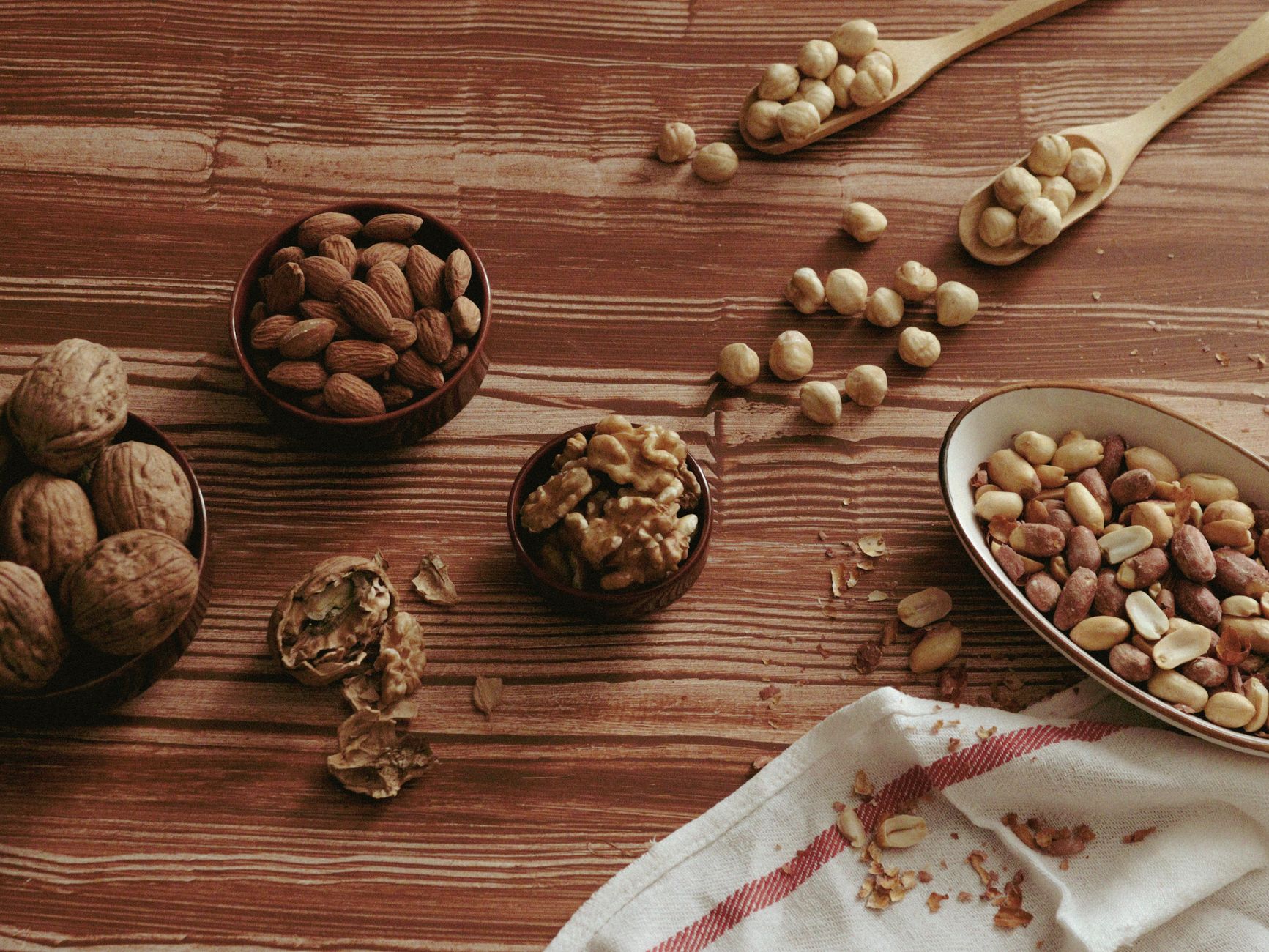
Nuts and seeds: - Almonds - Walnuts - Chia seeds - Flaxseeds - Pumpkin seeds - Sunflower seeds
Berries: - Blueberries - Strawberries - Raspberries - Blackberries
Healthy fats: - Olive oil - Avocado oil - Avocados - Extra virgin olive oil
Herbs and spices: - Turmeric - Ginger - Cinnamon - Rosemary - Oregano
Essential nutrients for skin health: - Omega-3s (found in fatty fish, flaxseeds, and walnuts) – Reduce inflammation and support skin barrier function. - Vitamin E (found in nuts, seeds, and avocados) – A powerful antioxidant that protects skin cells. - Zinc (found in pumpkin seeds, lentils, and beef) – Helps repair skin and reduce inflammation. - Vitamin C (found in citrus fruits, bell peppers, and leafy greens) – Supports collagen production and skin healing. - Probiotics (found in fermented foods like sauerkraut or kefir—if tolerated) – Promote gut health, which is linked to skin health.
Pro tip: Pair fatty fish with leafy greens for a balanced meal. For example, grilled salmon with a side of sautéed spinach and roasted Brussels sprouts.
--- ## **How to Read Labels for Eczema-Friendly Groceries**Reading labels can feel like learning a foreign language, but it’s one of the most important skills for managing eczema through diet. Here’s what to look for—and what to avoid—when scanning ingredient lists:
Watch out for: - Artificial additives – Preservatives (BHA, BHT), food dyes (Red 40, Yellow 5), and artificial sweeteners (aspartame, sucralose). - Hidden gluten – Malt, barley, rye, brewer’s yeast, and hydrolyzed wheat protein. - Soy – Soybean oil, tofu, tempeh, and soy lecithin (if sensitive). - Dairy – Lactose, whey, casein, and butter. - Nightshades – Tomatoes, potatoes, eggplants, and peppers (if sensitive). - High-histamine ingredients – Aged cheeses, fermented foods, and cured meats.
Look for: - Whole, unprocessed foods – Ingredients you recognize and can pronounce. - Certified gluten-free – Look for the GF symbol on packaging. - Low-histamine labels – Some brands now label products as low-histamine. - Organic or non-GMO – While not always necessary, these can reduce exposure to pesticides and additives.
Pro tip: Use apps like Yuka or Fooducate to scan barcodes and get instant feedback on whether a product is eczema-friendly. These apps can also help you identify hidden ingredients.
--- ## **Eczema Diet Grocery List for Pregnant Women**Pregnancy brings its own set of dietary considerations, especially when managing eczema. The good news? Many of the foods that support skin health during pregnancy are also eczema-friendly. Here’s what to prioritize—and what to be cautious about:
Safe and supportive foods: - Leafy greens (spinach, kale) – Rich in folate and vitamin K, which are essential during pregnancy. - Fatty fish (salmon, sardines) – High in omega-3s, but limit to 2–3 servings per week due to mercury concerns. - Nuts and seeds (almonds, chia seeds) – Provide healthy fats and fiber. - Berries (blueberries, strawberries) – Packed with antioxidants. - Sweet potatoes – A great source of vitamin A and fiber.
Foods to approach with caution: - Raw sprouts (alfalfa, clover) – Can carry bacteria like listeria, which is risky during pregnancy. - Undercooked meats and seafood – Increase risk of foodborne illness. - High-mercury fish (shark, swordfish, king mackerel) – Can harm fetal brain development. - Unpasteurized dairy or cheese – Risk of listeria. - Excessive caffeine – Can cross the placenta and affect fetal development.
Pro tip: If you’re unsure about a food, ask your obstetrician or a prenatal dietitian. They can help you navigate dietary changes safely during pregnancy.
--- ## **Eczema Diet Grocery List for Children**Managing eczema in children can be especially challenging, especially when picky eating habits come into play. The goal is to make eczema-friendly foods fun, familiar, and appealing. Here’s how to build a grocery list that works for kids:
Kid-friendly staples: - Bananas and apples – Easy to snack on and naturally sweet. - Whole-grain crackers – Look for gluten-free options if needed. - Hummus and veggie sticks – Carrots, cucumbers, and bell peppers are great for dipping. - Yogurt (dairy-free if needed) – Opt for unsweetened versions. - Hard-boiled eggs – A protein-packed snack. - Popcorn (plain, air-popped) – A fun, crunchy treat. - Smoothies – Blend berries, spinach, and almond milk for a hidden veggie boost.
Meal ideas: - Turkey and cheese roll-ups (use dairy-free cheese if needed). - Mini pizzas on gluten-free crust with tomato sauce and veggies. - DIY trail mix with nuts, seeds, and dried fruit. - Grilled chicken strips with a side of roasted sweet potatoes.
Pro tip: Involve your child in grocery shopping and meal prep. Let them pick out fruits or help assemble a smoothie. When kids are part of the process, they’re more likely to try—and enjoy—eczema-friendly foods.
--- ## **Eczema Diet Grocery List for Adults with Food Allergies**If you have food allergies in addition to eczema, your grocery list gets even more specific. The key is to identify cross-contamination risks and prioritize safe, allergen-free alternatives. Here’s how to shop smart:
For people with dairy allergies: - Swap dairy milk for almond, oat, or coconut milk. - Use dairy-free cheese and yogurt alternatives. - Opt for butter substitutes like coconut oil or olive oil.
For people with gluten allergies: - Choose certified gluten-free grains like quinoa and rice. - Read labels carefully for hidden gluten in sauces and broths. - Opt for gluten-free oats (not just "oats" but specifically labeled GF).
For people with soy allergies: - Avoid soy sauce, tofu, and tempeh. - Use coconut aminos as a substitute for soy sauce. - Check labels for hidden soy in processed foods.
For people with nut allergies: - Opt for seed-based butters (sunflower seed butter) instead of nut butters. - Choose seed-based snacks like pumpkin seeds or sunflower seeds. - Be cautious of cross-contamination in shared kitchens or restaurants.
Pro tip: When in doubt, ask! Grocery store staff can often help you find allergen-free products. Many stores now have dedicated sections for allergy-friendly foods.
--- ## **Eczema Diet Grocery List for Vegan**A vegan diet can be incredibly eczema-friendly if you focus on whole, plant-based foods. However, it’s important to ensure you’re getting enough protein, healthy fats, and key nutrients like B12 and iron. Here’s your vegan grocery list:
Proteins: - Lentils - Chickpeas - Black beans - Tofu (if not soy-sensitive) - Tempeh (if not soy-sensitive) - Seitan (if gluten isn’t a trigger) - Hemp seeds - Chia seeds
Healthy fats: - Avocados - Nuts (almonds, walnuts, cashews) - Seeds (chia, flax, pumpkin) - Olive oil - Coconut oil
Grains: - Quinoa - Brown rice - Buckwheat - Millet - Amaranth
Fruits and vegetables: - All fresh, organic fruits and vegetables (avoid canned with added sugar). - Leafy greens (spinach, kale, Swiss chard). - Berries (blueberries, strawberries).
Fortified foods: - Nutritional yeast (for B12 and a cheesy flavor). - Fortified plant-based milks (for calcium and vitamin D). - Fortified cereals (for iron and other nutrients).
Pro tip: Pair plant-based proteins with vitamin C-rich foods (like bell peppers or citrus) to enhance iron absorption. For example, lentil soup with a side of steamed broccoli.
--- ## **Eczema Diet Grocery List for Keto**If you’re following a ketogenic diet to manage eczema, your grocery list will focus on high-fat, low-carb foods. However, it’s important to note that keto isn’t inherently eczema-friendly—some people thrive on it, while others find their skin worsens due to high-fat intake or hidden carbs. Here’s how to approach it:
High-fat, low-carb foods: - Avocados - Olive oil - Coconut oil - Butter (if dairy isn’t a trigger) - Fatty cuts of meat (ribeye, pork chops, chicken thighs) - Fatty fish (salmon, mackerel) - Eggs - Cheese (if dairy isn’t a trigger) - Nuts and seeds (macadamias, pecans, chia seeds)
Low-carb vegetables: - Leafy greens (spinach, kale, arugula) - Zucchini - Cauliflower - Broccoli - Brussels sprouts - Asparagus
Foods to avoid: - Sugar (including artificial sweeteners like sucralose, which can trigger reactions in some people). - Grains (wheat, rice, oats). - Starchy vegetables (potatoes, corn, peas). - Most fruits (except small portions of berries). - Legumes (beans, lentils, chickpeas).
Pro tip: If you’re trying keto for eczema, monitor your skin closely. Some people find their symptoms improve due to reduced inflammation, while others notice their skin dries out or becomes more irritated. Adjust as needed!
--- ## **Eczema Diet Grocery List for Budget**Managing eczema on a budget is totally doable—you just need to prioritize affordable, nutrient-dense foods and minimize waste. Here’s how to shop smart without breaking the bank:
Budget-friendly staples: - Canned or frozen fish (salmon, sardines, mackerel) – Often cheaper than fresh and just as nutritious. - Eggs – One of the most affordable protein sources. - Lentils and chickpeas – High in protein and fiber, and they’re incredibly cheap. - Brown rice and quinoa – Buy in bulk to save money. - Seasonal produce – Apples, carrots, and cabbage are often cheaper and just as nutritious. - Nuts and seeds in bulk – Buy from bulk bins to save on packaging costs. - Frozen vegetables – Just as nutritious as fresh and won’t spoil as quickly.
Money-saving tips: - Buy in bulk – Grains, nuts, and seeds are cheaper when purchased in larger quantities. - Use coupons and sales – Sign up for store loyalty programs to get discounts. - Meal prep – Cooking in bulk reduces the need for expensive takeout. - Avoid pre-cut or pre-packaged foods – These are often more expensive and contain fewer nutrients. - Shop store brands – Generic or store-brand products are usually just as good as name brands. - Plan your meals around sales – If chicken is on sale, plan a few meals around it.
Pro tip: Visit ethnic grocery stores for affordable, unique ingredients. Many cultures have budget-friendly staples that align with an eczema-friendly diet, like Asian markets for tofu or Middle Eastern markets for lentils and chickpeas.
--- ## **Eczema Diet Grocery List for Quick Meals**When you’re short on time but still want to eat eczema-friendly, quick meals are a lifesaver. The key is to focus on prepped ingredients and simple recipes that require minimal effort. Here’s how to build a grocery list for fast, healthy meals:
Quick meal staples: - Pre-cut vegetables (bell peppers, carrots, broccoli) – Save time on chopping. - Cooked grains (brown rice, quinoa) – Buy pre-cooked or cook a big batch on Sunday. - Canned beans (black beans, chickpeas) – Rinse and add to salads or soups in minutes. - Rotisserie chicken – Shred for salads, wraps, or soups. - Pre-cooked fish (salmon, cod) – Microwave and serve with a quick side. - Frozen veggie mixes – Perfect for stir-fries or adding to soups. - Hummus or nut butter – Great for quick snacks or dips.
5-minute meal ideas: - Avocado toast with smoked salmon and microgreens. - Greek yogurt (or dairy-free alternative) with berries and nuts. - Hard-boiled eggs with a side of cucumber slices. - Tuna salad (with olive oil instead of mayo) wrapped in lettuce leaves. - Microwave quinoa with canned beans, spinach, and olive oil.
Pro tip: Keep a "quick meal" jar in your pantry with pre-portioned ingredients like nuts, seeds, and dried fruit. This way, you can grab and go when time is tight.
--- ## **Meal Prep and Grocery Organization Tips for Eczema-Friendly Eating**Meal prepping is your best friend when it comes to sticking to an eczema-friendly diet. The less time you spend deciding what to eat, the less likely you are to reach for a trigger food when hunger strikes. Here’s how to organize your grocery list and meal prep like a pro:
Organize your grocery list by category: - Start with proteins (meat, fish, eggs, tofu). - Move to produce (fruits and vegetables). - Then grains and starches (rice, quinoa, oats). - Follow with dairy alternatives or dairy-free options. - End with pantry staples (oils, spices, nuts, seeds).
Use a meal prep container system: - Invest in glass or BPA-free plastic containers for leftovers. - Portion out snacks (nuts, seeds, cut-up veggies) in advance. - Pre-cut vegetables for easy grab-and-go options.
Batch cook proteins and grains: - Cook a big batch of chicken, turkey, or fish on Sunday and use throughout the week. - Make a large pot of quinoa or brown rice and store in the fridge.
Label everything: - Use masking tape and a marker to label containers with the contents and date. - This helps you keep track of what’s in your fridge and avoid waste.
Freeze extras: - Soups, stews, and casseroles freeze well and can be reheated in minutes. - Portion out meals before freezing for easy grab-and-go options.
Pro tip: Dedicate one day a week to meal prep—whether it’s Sunday or Wednesday. Having a routine makes it easier to stay consistent.
--- ## **Budgeting for an Eczema-Friendly Diet**One of the biggest concerns people have about switching to an eczema-friendly diet is the cost. While some specialty foods can be pricey, there are ways to make it budget-friendly. Here’s how to budget without sacrificing your skin health:
Prioritize affordable staples: - Canned or frozen fish (salmon, sardines) – Often cheaper than fresh and just as nutritious. - Eggs


