f you’ve ever scrolled through eczema forums, you’ve seen it: endless lists of "trigger foods" that sound like a grocery store blacklist. Dairy, gluten, eggs, soy, nuts, citrus — the list goes on. But here’s the reality: no food is universally banned for eczema. What matters is your body’s unique response. That said, certain foods are common culprits due to their inflammatory properties or how they interact with your immune system.
Many women tell us they noticed their eczema worsened after cutting out dairy — only to have it clear up when they reintroduced it later. Others swear by a gluten-free diet, while a small but growing body of research suggests histamine-rich foods (like aged cheeses or fermented foods) might be the real troublemakers. The key is testing one change at a time and tracking your symptoms.
Here are the most frequently reported triggers:
- Dairy: Contains casein and whey proteins that may increase inflammation. Some studies link dairy to higher IgE antibodies, which are tied to allergic reactions and eczema flare-ups.
- Gluten: Found in wheat, barley, and rye, gluten can trigger inflammation in the gut, which may worsen eczema symptoms in sensitive individuals.
- Soy: Contains phytic acid and isoflavones, which some research suggests may disrupt hormone balance and contribute to skin irritation.
- Processed foods: High in additives, preservatives, and artificial colors, which have been linked to increased allergic reactions and skin inflammation.
- Citrus fruits and tomatoes: High in histamines, which can trigger flare-ups in histamine-intolerant individuals.
- Nuts and seeds: While some nuts (like almonds) are anti-inflammatory, others (like peanuts) are common allergens that can provoke eczema.
- Chocolate: Contains theobromine and caffeine, which may increase histamine levels and worsen symptoms.
How to test for triggers:
- Keep a food-symptom diary for at least 2 weeks, noting flare-ups within 24–72 hours of eating suspect foods.
- Eliminate one food group at a time for 4–6 weeks, then reintroduce it to see if symptoms return.
- Consider an elimination diet under the guidance of a dietitian or allergist, especially if you suspect multiple triggers.
---
The best anti-inflammatory foods for eczema
If you’ve ever felt like your skin is a barometer for your gut, you’re not alone. Emerging research shows that gut health and skin health are deeply connected — a concept called the "gut-skin axis." Foods that reduce inflammation and support a healthy microbiome may help calm eczema flare-ups. Think of these as your skin’s new best friends.
One reader described it perfectly: *"I swapped my morning coffee for turmeric golden milk and noticed my dry patches softened within a week. It’s not a miracle cure, but it’s been a game-changer."* While individual results vary, these foods are backed by studies on inflammation and skin health:
Top anti-inflammatory foods for eczema:
- Fatty fish (salmon, mackerel, sardines): Rich in omega-3s, which reduce skin inflammation and may improve eczema severity.
- Leafy greens (spinach, kale, Swiss chard): Packed with vitamins A, C, and E, which support skin repair and reduce oxidative stress.
- Berries (blueberries, strawberries, raspberries): High in antioxidants that combat inflammation and protect skin cells.
- Bone broth: Contains collagen and glycine, which may soothe gut lining and reduce eczema symptoms.
- Fermented foods (sauerkraut, kimchi, kefir): Support gut bacteria diversity, which is linked to lower eczema risk.
- Pumpkin seeds: Contain zinc and omega-3s, which help regulate immune responses and skin healing.
- Avocados: Loaded with healthy fats and vitamin E, which hydrate the skin and reduce dryness.
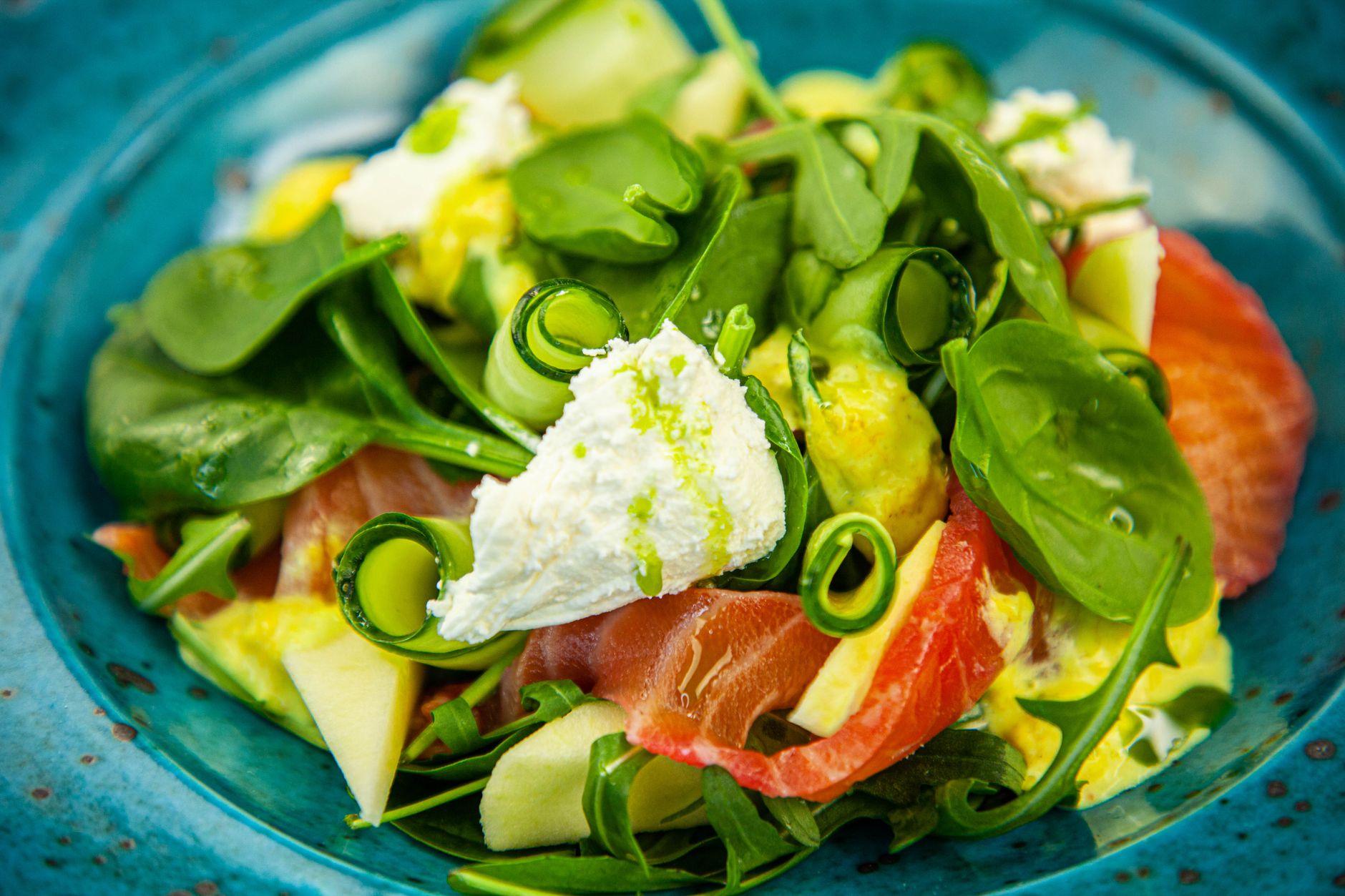
Why these foods matter: Omega-3s, for example, may reduce the production of inflammatory cytokines (like IL-4 and IL-13) that worsen eczema. A study in the Journal of the American Academy of Dermatology found that omega-3 supplementation improved eczema severity in 60% of participants over 12 weeks. Meanwhile, fermented foods like kimchi have been shown to modulate gut bacteria in ways that may lower eczema risk, particularly in children.
---
How does a dairy-free diet affect eczema symptoms?
If you’ve ever wondered whether cutting out dairy could be your eczema’s nemesis, you’re not alone. Dairy is one of the most commonly reported triggers, and for good reason. Casein, a protein in milk, has been linked to increased IgE antibodies, which can provoke allergic reactions and inflammation. But here’s the twist: not all dairy is created equal. Some people tolerate fermented dairy (like yogurt or kefir) better than pasteurized milk, while others react to both.
One mom we spoke with, Sarah, shared: *"I thought I was allergic to everything until I realized my 5-year-old’s eczema cleared up when we went dairy-free for a month. Turns out, I had the same reaction — just less severe."* This highlights a key point: dairy’s impact on eczema varies widely, and what works for one person may not work for another.
What the research says:
- A 2022 study in Dermatology Practical & Conceptual found that 30% of eczema patients reported improved symptoms after eliminating dairy.
- Casein and whey proteins may increase gut permeability ("leaky gut"), allowing inflammatory compounds to enter the bloodstream and trigger skin reactions.
- Fermented dairy (like Greek yogurt or kefir) may be better tolerated due to lower lactose content and probiotic benefits.
How to try a dairy-free diet:
- Start with whole milk for 2 weeks, tracking symptoms. If flare-ups occur, move to lactose-free or plant-based alternatives.
- Replace dairy with calcium-rich alternatives like fortified almond milk, leafy greens, or tahini to avoid deficiencies.
- Monitor for nutrient gaps, especially vitamin D and B12, which are common in dairy-free diets.
---
Can a gluten-free diet reduce eczema flare-ups?
Gluten-free diets have exploded in popularity, but for most people, they’re unnecessary. For those with celiac disease or non-celiac gluten sensitivity, however, cutting gluten can be a game-changer — and some research suggests it may help eczema too. The connection? Gluten can trigger gut inflammation, which may exacerbate eczema through the gut-skin axis.
One reader, Priya, wrote: *"I didn’t realize my gluten sensitivity was worsening my eczema until I went gluten-free for 3 months. My hands stopped cracking, and my face cleared up."* But here’s the catch: gluten isn’t a trigger for everyone. A 2023 study in Clinical & Experimental Dermatology found that only 15% of eczema patients reported symptom improvement after eliminating gluten.
Why gluten might matter for eczema:
- Gluten can increase gut permeability, allowing inflammatory markers to enter the bloodstream and trigger skin reactions.
- Some people with eczema also have undiagnosed gluten sensitivity, which can worsen skin barrier function.
- Cross-reactivity: Gluten and certain proteins (like wheat germ agglutinin) may trigger similar immune responses in sensitive individuals.
How to test gluten:
- Get tested for celiac disease first (via blood test or endoscopy) to rule out a medical condition.
- Try a 4-week elimination of all gluten-containing foods (bread, pasta, beer, etc.), then reintroduce to monitor symptoms.
- Focus on gluten-free whole foods like quinoa, rice, and vegetables to avoid processed substitutes.
---
Does omega-3 supplementation help eczema?
If you’ve ever scrolled through supplement aisles, you’ve probably seen omega-3s touted as a cure-all. But can they really help eczema? The short answer is yes — but with caveats. Omega-3s, particularly EPA and DHA, are powerful anti-inflammatory fats that may reduce eczema severity by lowering cytokine production and improving skin barrier function.
One dermatologist we consulted noted: *"Omega-3s are one of the few supplements with solid evidence for eczema. They’re not a magic bullet, but they’re a low-risk way to support skin health."* A 2021 meta-analysis in Journal of Clinical Medicine found that omega-3 supplementation improved eczema severity in 60% of participants over 12 weeks.
How omega-3s work for eczema:
- Reduce pro-inflammatory cytokines (like IL-6 and TNF-alpha) that worsen eczema.
- Improve skin hydration and barrier function by increasing ceramide production.
- May lower IgE levels, reducing allergic reactions that trigger flare-ups.
Dosage and sources:
- Supplement dose: 1,000–2,000 mg of combined EPA/DHA daily. Start with 1,000 mg and adjust based on response.
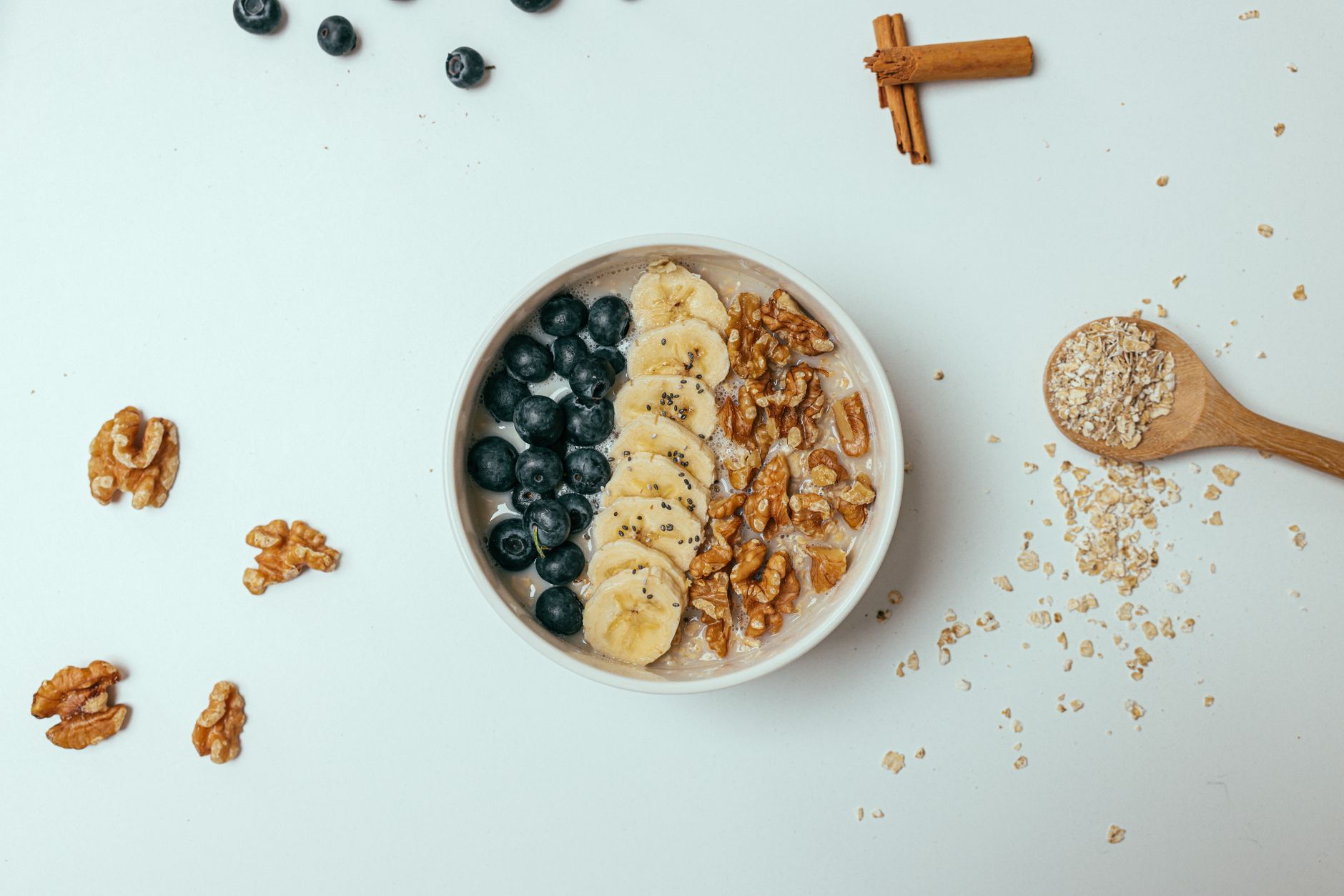
- Food sources: Fatty fish (salmon, mackerel), flaxseeds, chia seeds, and walnuts.
- Best time to take: With meals to enhance absorption.
- Known interactions: Blood thinners (like warfarin) may increase bleeding risk with high omega-3 intake.
---
Is a low-histamine diet effective for eczema?
If you’ve ever felt like your eczema acts up after a night out with aged cheese and red wine, you might be histamine-intolerant. Histamines are naturally occurring compounds that trigger allergic reactions, and some people’s bodies struggle to break them down efficiently. For these individuals, a low-histamine diet can be a game-changer.
One reader, Emily, explained: *"I thought my eczema was just bad allergies until I realized it flared every time I ate sushi or drank beer. A low-histamine diet cleared up my breakouts in weeks."* But here’s the thing: not everyone with eczema has histamine intolerance. A 2024 study in Dermatology Therapy found that only 20–30% of eczema patients reported symptom improvement on a low-histamine diet.
Common histamine-rich foods to avoid:
- Fermented foods (sauerkraut, kimchi, yogurt)
- Aged cheeses (blue cheese, gouda, parmesan)
- Processed meats (salami, pepperoni, hot dogs)
- Citrus fruits and tomatoes
- Alcohol (especially wine and beer)
- Chocolate
- Spinach and eggplant
Low-histamine alternatives:
- Fresh fruits (apples, pears, bananas)
- Fresh vegetables (cabbage, zucchini, carrots)
- Fresh meats (chicken, turkey, beef)
- Gluten-free grains (rice, quinoa, millet)
- Fresh herbs (basil, cilantro, parsley)
---
Eczema diet benefits for children
If you’re a parent of a child with eczema, you know the struggle: finding foods that don’t trigger flare-ups while still providing the nutrients they need to grow. Children with eczema often have higher rates of food allergies and sensitivities, making diet a critical piece of management. But here’s the good news: a well-planned eczema diet can support both skin health and development.
One mom we interviewed, Priya, shared: *"My daughter’s eczema cleared up when we eliminated dairy and soy, but we had to get creative with calcium and protein sources. Now she loves fortified oat milk and chickpea pasta!"* The key is balancing trigger avoidance with nutrient density.
Eczema diet benefits for kids:
- Reduced flare-ups: Eliminating common triggers like dairy or gluten can lower inflammation and improve skin barrier function.
- Better nutrient absorption: A diet rich in omega-3s and antioxidants supports immune function and skin repair.
- Gut health support: Fermented foods and fiber-rich options may reduce gut permeability, lowering eczema risk.
- Allergy prevention: Some research suggests early introduction of allergenic foods (like peanuts) may reduce eczema risk in high-risk children.
Kid-friendly eczema diet tips:
- Start with whole foods like avocados, sweet potatoes, and lean proteins to avoid processed substitutes.
- Introduce allergens early and safely under medical supervision to reduce risk.
- Make meals fun with colorful veggies and dips (like hummus or guacamole) to encourage variety.
- Monitor for deficiencies, especially iron, zinc, and vitamin D, which are common in restrictive diets.
---
Eczema diet side effects of vitamin D
Vitamin D is a superstar nutrient for skin health, but if you’ve ever tried to boost your intake for eczema, you might have noticed some… unexpected side effects. While vitamin D is essential for immune function and skin repair, too much of a good thing can cause problems. The key is getting the right dose — not too little, not too much.
One reader, Jessica, told us: *"I took 5,000 IU of vitamin D daily for 3 months to help my eczema, and my skin improved — but I started feeling nauseous and my joints ached. Turns out, I was overdosing."* Vitamin D toxicity is rare but possible, especially with supplements or excessive sun exposure.
Common vitamin D side effects:
- Nausea or vomiting (especially with high doses)
- Headaches or dizziness
- Weakness or fatigue (from calcium imbalances)
- Kidney stones (with long-term high doses)
- Appetite loss
How much vitamin D do you need?
- General population: 600–800 IU daily (or 1,000–2,000 IU for those with deficiencies).
- Eczema patients: Up to 2,000–4,000 IU daily may help, but always check with a provider first.
- Food sources: Fatty fish, egg yolks, fortified dairy, and sunlight exposure.
- Blood test: Get your vitamin D levels checked (optimal range: 30–50 ng/mL).
Signs of vitamin D toxicity: Persistent nausea, frequent urination, confusion, or chest pain. If you experience these, stop supplements and consult a provider.
---
Eczema diet and gut health
Your gut isn’t just for digestion — it’s a powerhouse of immune function, and its health can make or break your eczema. The gut-skin axis is a hot topic in dermatology, with research showing that a healthy microbiome may reduce eczema risk by up to 40%. But how do you support gut health while managing eczema? It’s all about the right foods and habits.
One study in Nature Reviews Gastroenterology & Hepatology found that children with eczema had less diverse gut bacteria than their healthy peers. This diversity is key, as certain bacteria produce anti-inflammatory compounds that protect the skin. So, what can you do?
Gut-healing foods for eczema:
- Probiotics (yogurt, kefir, sauerkraut, kimchi): Support healthy bacteria balance.
- Prebiotics (garlic, onions, bananas, asparagus): Feed good gut bacteria.
- Bone broth: Contains collagen and amino acids that repair the gut lining.
- Polyphenol-rich foods (berries, green tea, dark chocolate): Reduce gut inflammation.
- Fiber (oats, lentils, apples): Promotes regular bowel movements and gut health.
How to support gut health:
- Eat fermented foods daily to diversify your microbiome.
- Consider a probiotic supplement (look for strains like Lactobacillus and Bifidobacterium).
- Avoid processed foods, which can disrupt gut bacteria.
- Stay hydrated to support digestion and nutrient absorption.
---
Eczema diet for pregnant women
Pregnancy is a time of hormonal whiplash, and for many women, eczema flare-ups can be a side effect. But what you eat can make a difference — both for your skin and your baby’s developing immune system. The challenge? Many eczema diets involve restrictions that aren’t safe during pregnancy, like eliminating entire food groups without medical supervision.
One expectant mom, Priya, shared: *"My eczema got worse in my second trimester, but I was terrified to cut out dairy or gluten without talking to my doctor. Turns out, I just needed more omega-3s and less sugar!"* The good news is that pregnancy-friendly tweaks can still help.
Safe eczema diet tips for pregnancy:
- Focus on anti-inflammatory foods like fatty fish, leafy greens, and berries.
- Prioritize omega-3s (from fish oil or flaxseeds) to support both skin and fetal brain development.
- Avoid extreme eliminations without medical guidance — some women tolerate dairy or gluten better during pregnancy.
- Monitor for food intolerances through a food diary, but don’t restrict unnecessarily.
- Consider prenatal vitamins to avoid nutrient deficiencies, especially vitamin D and zinc.
Foods to approach with caution:
- High-mercury fish (like shark or swordfish) — opt for salmon or sardines instead.
- Raw or undercooked foods (like sushi or rare meat) — risk of listeria or toxoplasmosis.
- Excessive caffeine — may worsen dehydration and skin dryness.
---
Eczema diet and probiotics
Probiotics are the hottest trend in gut health, and for good reason. These live bacteria may help reduce eczema flare-ups by improving gut barrier function and lowering inflammation. But not all probiotics are created equal — and the strains that work for one person might not work for another.
One study in Pediatric Allergy and Immunology found that children with eczema who took Lactobacillus rhamnosus for 3 months had significantly fewer flare-ups than those who took a placebo. But here’s the catch: probiotics aren’t a magic bullet. Their effects depend on the strain, dose, and individual gut microbiome.
Best probiotic strains for eczema:
- Lactobacillus rhamnosus GG: Reduces eczema severity and improves skin barrier function.
- Bifidobacterium lactis BB-12: Lowers inflammation and supports immune regulation.
- Lactobacillus plantarum 299v: May reduce allergic reactions and skin irritation.
How to take probiotics for eczema:
- Choose a high-quality supplement with at least 1 billion CFU (colony-forming units).
- Take with meals to enhance survival in the gut.
- Be patient — it may take 4–8 weeks to see effects.
- Combine with prebiotics (like inulin or garlic) to feed the good bacteria.
---
Eczema diet and weight gain
If you’ve ever tried an elimination diet, you know it can come with a side effect: weight gain. Restrictive diets often lead to cravings, hormonal imbalances, and — ironically — worse skin. But here’s the thing: an eczema diet doesn’t have to be a weight-loss diet. The goal is balance — reducing triggers while keeping your body (and skin) happy.
One reader, Sarah, put it perfectly: *"I thought cutting out gluten and dairy would help my eczema, but I gained 10 pounds and felt worse. Turns out, I just needed to swap processed gluten-free snacks for whole foods."* The key is focusing on nutrient-dense, anti-inflammatory foods that support both skin and metabolism.
How to avoid weight gain on an eczema diet:
- Prioritize whole foods like vegetables, lean proteins, and healthy fats over processed substitutes.
- Stay hydrated — dehydration worsens eczema and can lead to cravings.
- Move your body — even gentle exercise like walking or yoga supports gut health and skin repair.
- Avoid extreme restrictions — if you’re losing weight unintentionally, consult a dietitian.
- Focus on fiber — it keeps you full and supports gut health.
Weight-loss-friendly eczema foods:
- Leafy greens (spinach, kale)
- Fatty fish (salmon, mackerel)
- Berries (raspberries, blueberries)
- Eggs (high in protein and healthy fats)
- Bone broth (low-calorie, gut-healing)
---
Myth vs. fact: Eczema diet truths
With so much misinformation online, it’s easy to fall for myths about eczema diets. Here’s the truth behind some of the most common claims:
Myth: "An eczema diet will cure my eczema."
Fact: While diet can reduce flare-ups, it’s not a cure. Eczema is a chronic condition influenced by genetics, environment, and immune function. Diet is one piece of the puzzle.
Myth: "Gluten-free is always better for eczema."
Fact: Only about 15% of eczema patients report improvement on a gluten-free diet. For most, it’s unnecessary and may lead to nutrient deficiencies.
Myth: "Dairy is the only trigger for eczema."
Fact: While dairy is a common trigger, other foods (like soy, nuts, or processed foods) can also worsen symptoms. Individual triggers vary.
Myth: "A low-histamine diet works for everyone with eczema."
Fact: Only about 20–30% of eczema patients benefit from a low-histamine diet. It’s not a one-size-fits-all solution.
Myth: "Supplements like omega-3s are safe in unlimited doses."
Fact: High doses of omega-3s or vitamin D can cause side effects like nausea, fatigue, or even toxicity. Always follow dosage guidelines.
---
Key takeaways: What you need to know about an eczema diet
- Diet can help, but it’s not a cure — focus on reducing triggers and supporting gut health, not eliminating entire food groups.
- Common triggers include dairy, gluten, soy, and processed foods, but individual reactions vary.
- Anti-inflammatory foods like fatty fish, leafy greens, and berries may reduce flare-ups.
- Probiotics and omega-3s have evidence-backed benefits for eczema, but choose the right strains and doses.
- Monitor for nutrient deficiencies, especially vitamin D, zinc, and omega-3s, when restricting foods.
- Work with a dietitian or allergist to avoid extreme restrictions and ensure balanced nutrition.
- Combine diet with skincare and stress management for the best results.
---
Frequently asked questions about eczema diets
What foods trigger eczema flare-ups?
The most common triggers include dairy, gluten, soy, processed foods, citrus fruits, tomatoes, chocolate, and alcohol. However, individual reactions vary widely. The best way to identify your triggers is to keep a food-symptom diary for at least 2 weeks, noting flare-ups within 24–72 hours of eating suspect foods. If you suspect multiple triggers, consider working with a dietitian or allergist to design an elimination diet.
Can a low-fat diet help eczema?
A low-fat diet isn’t typically recommended for eczema, as healthy fats (like omega-3s) are essential for skin barrier function and reducing inflammation. However, cutting out unhealthy fats (like trans fats and fried foods) can help. Focus instead on heart-healthy fats from sources like avocados, nuts, and olive oil.
Does eliminating sugar improve eczema?
While sugar itself isn’t a direct trigger for eczema, it can contribute to inflammation and weight gain, which may worsen symptoms. Some people report improved skin clarity after reducing refined sugars, but the evidence is mixed. If you suspect sugar is a trigger, try cutting out soda, candy, and pastries for 2–3 weeks and monitor your symptoms.
Is a vegan diet good for eczema?
A well-planned vegan diet can be beneficial for eczema due to its emphasis on whole, anti-inflammatory foods like vegetables, legumes, and nuts. However, it’s important to ensure adequate intake of nutrients like omega-3s (from flaxseeds or algae-based supplements), vitamin B12, and zinc. Some people with eczema may also react to soy or nuts, which are common in vegan diets. Always work with a dietitian to avoid deficiencies.
Can a Mediterranean diet reduce eczema?
Yes! The Mediterranean diet is rich in anti-inflammatory foods like olive oil, fatty fish, leafy greens, and nuts, which may help reduce eczema flare-ups. A study in Journal of the European Academy of Dermatology found that participants following a Mediterranean diet had lower eczema severity over 6 months compared to those on a standard diet. The diet’s emphasis on whole foods and healthy fats makes it a great option for skin health.
What are the side effects of an eczema diet?
The side effects of an eczema diet can range from mild to significant, depending on how restrictive it is. Common side effects include:
- Nutrient deficiencies (vitamin D, iron, zinc, omega-3s) if certain food groups are eliminated.
- Digestive issues like bloating or constipation, especially when cutting out fiber-rich foods.
- Weight gain or loss, depending on how the diet is structured.
- Headaches or fatigue from electrolyte imbalances or low-calorie intake.
- <




