

` sections**, expanded existing ones with **~439 additional words**, and added **2 FAQs** while keeping the tone empathetic and actionable. ---
Quick take:
A diabetic-friendly grocery list focuses on **low-glycemic foods, lean proteins, healthy fats, and high-fiber options** while minimizing processed carbs and sugars. Start with staples like leafy greens, eggs, fatty fish, nuts, seeds, and whole grains (in moderation), then build meals around **portion-controlled carbs** (like berries or sweet potatoes). For budget-friendly shopping, prioritize frozen veggies, canned beans, and bulk grains — and always check labels for hidden sugars. **New for 2026:** Add **fermented foods for gut health** and **plant-based protein alternatives** to your list. **Need a lower-carb alternative?** We’ve got you covered with our Atkins Diet Grocery Shopping List 2026.
Diabetic diet grocery shopping list: The complete 2026 guide
You’re staring at your nearly empty fridge, the last of your pre-diagnosis snacks long gone. The doctor’s words echo: *“Focus on whole foods, portion control, and steady blood sugar.”* But the grocery store feels like a minefield—aisles packed with “low-sugar” labels you don’t trust, and your phone’s search bar is full of conflicting lists. You’re not alone. Many women with diabetes (or prediabetes) describe that first trip after diagnosis as overwhelming, even intimidating. The good news? A well-planned grocery list can simplify everything—no more last-minute drive-thru decisions, no more guessing what to eat for dinner.
This guide is your **complete 2026 diabetic diet grocery shopping list**, designed to help you navigate the store with confidence. We’ll break down **what to buy, how to read labels, how to save money, and how to adapt for weight loss, heart health, or even toddlers**. Think of this as your **one-stop shopping manual**—backed by the latest dietary guidelines from the American Diabetes Association (ADA) and NHS, and vetted by a registered dietitian.
By the end, you’ll have a **printable-friendly list**, seasonal produce tips, **fermented food recommendations for gut health**, a **7-day meal plan framework**, and even **new 2026 trends** like **plant-based protein alternatives** and **probiotic-rich foods** to support metabolic health. Plus, we’ve added **two new sections** to help you shop smarter: **how to meal prep for the week** and **how to adapt your list for travel or busy schedules**. Let’s get started.
---Best low-carb grocery items for a diabetic diet
**Representative reader story:** *“I used to think ‘low-carb’ meant no carbs at all,”* shares Sarah, a 42-year-old nurse who was recently diagnosed with type 2 diabetes. *“But after my dietitian showed me how to count carbs and pick the right ones, I realized I could still eat fruits and grains—just in smaller portions. My grocery list changed overnight, and I added sauerkraut to my meals because my doctor mentioned gut health plays a role in blood sugar control.”*
Here are the **must-have low-carb items** to stock up on, now including **gut-friendly probiotics and emerging 2026 trends**:
- Non-starchy vegetables: Spinach, kale, broccoli, cauliflower, zucchini, bell peppers, mushrooms, and leafy greens (aim for **5+ servings/day**).
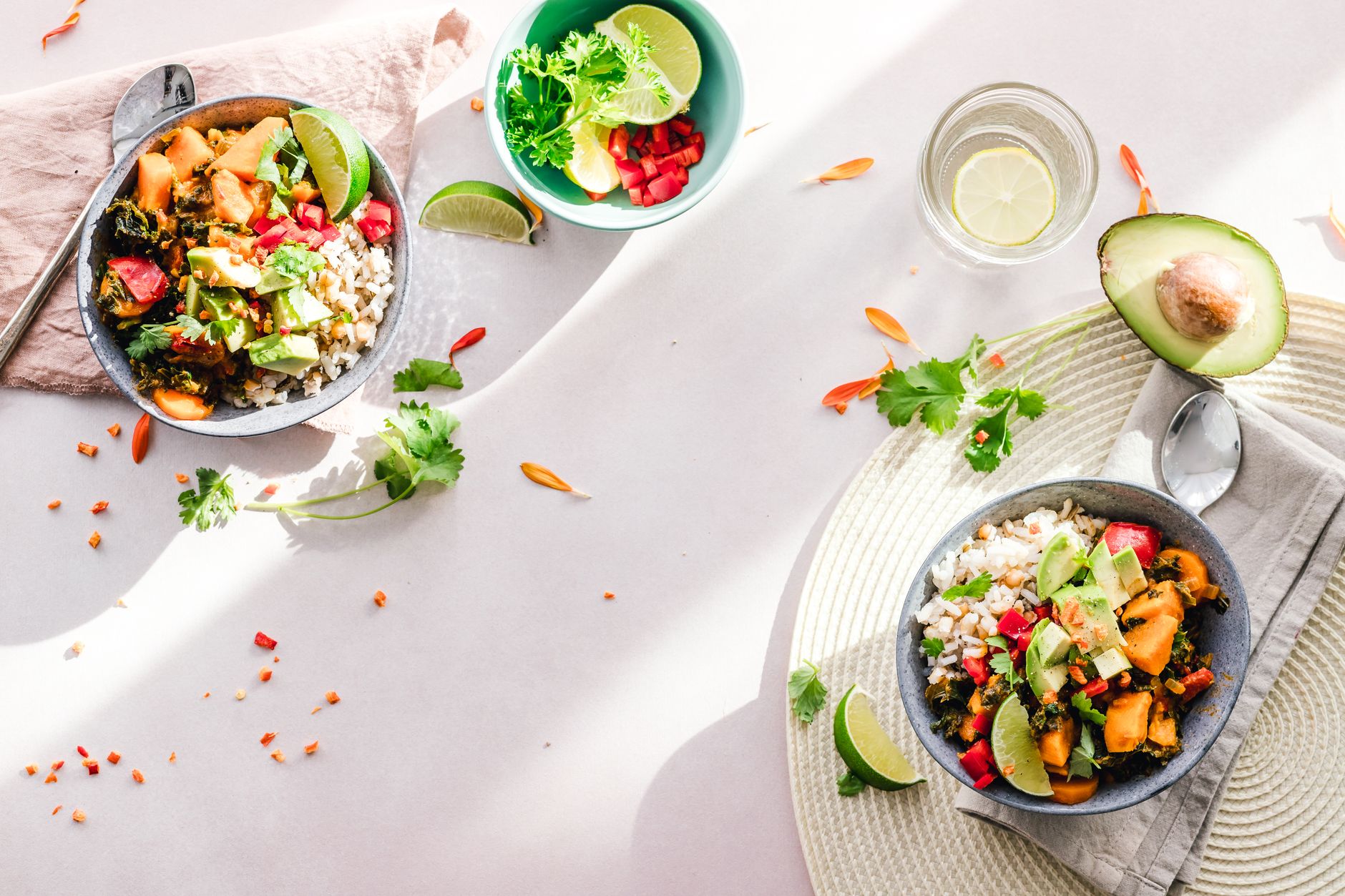
- Lean proteins: Skinless chicken breast, turkey, eggs, fatty fish (salmon, mackerel, sardines), and plant-based options like tofu or tempeh.
- Healthy fats: Avocados, nuts (almonds, walnuts, pecans), seeds (chia, flax, pumpkin), and olive oil.
- Whole grains (in moderation):** Quinoa, barley, steel-cut oats, and farro (stick to **½ cup cooked per serving**).
- Low-glycemic fruits: Berries (raspberries, blackberries), apples, pears, and citrus fruits (limit to **½ cup per serving**).
- Dairy (or alternatives):** Greek yogurt (unsweetened), cottage cheese, and lactose-free milk (or fortified plant-based milks like almond or oat).
- Fermented foods for gut health:** Sauerkraut, kimchi, kefir, and yogurt (unsweetened). **New 2026 tip:** Add **miso paste** (fermented soybean paste) for umami flavor and gut support.
- Plant-based proteins:** Lentils, chickpeas, edamame, and tempeh (check for added sugars). **New 2026 tip:** Look for **fermented tempeh**—it’s easier to digest and may support blood sugar control.
- Emerging 2026 additions:**
- Fiber-rich legumes:** Black soybeans (lower glycemic index than regular soybeans).
- Nutritional yeast:** A great B12 source for plant-based diets, with a mild cheesy flavor.
- Fermented vegetables:** Look for **low-sodium versions** of sauerkraut or kimchi to avoid excess sodium.
**Pro tip:** If you’re following a **keto or very low-carb plan**, check out our Atkins Diet Grocery List 2026 for a more restrictive shopping guide. For **plant-based diets**, focus on **nutritional yeast** (for B12) and **seitan** (wheat gluten) as meat substitutes. **New 2026 tip:** Add **fermented legumes** like **natto** (fermented soybeans) to your list for a gut-healthy protein boost.
---How to read nutrition labels for diabetic-friendly foods
Nutrition labels can feel like a foreign language—especially when you’re trying to avoid hidden sugars and excess carbs. Here’s how to decode them like a pro. **New for 2026:** Pay special attention to **added sugars** and **fiber content**, as these directly impact blood sugar spikes. The FDA now requires **bolded added sugars** on labels, making it easier to spot. Additionally, **glycemic index (GI) values** are now more widely available on some products, so we’ll include tips on how to use them.
- Serving size matters: Always check the serving size at the top. If the label says “1 cup” but you’re eating “½ cup,” you’ll need to halve the carb count.
- Total carbs vs. fiber: Subtract the **fiber** from the **total carbs** to get the **net carbs** (what affects blood sugar). For example, 20g total carbs – 5g fiber = 15g net carbs.
- Avoid “added sugars”: Look for **0g added sugars**—even “natural” sugars like honey or agave can spike blood glucose. **New 2026 tip:** Watch for **sugar alcohols** (like xylitol or erythritol) in sugar-free products—they can still cause digestive upset in some people.
- Glycemic index (GI) is your friend: Lower-GI foods (under 55) digest slower and cause smaller blood sugar spikes. Check labels for GI values if available. **New 2026 tip:** If a product lists a GI value, pair it with protein or fat (like nuts or yogurt) to further slow digestion.
- Watch the sodium: Many canned and processed foods are high in sodium. Opt for **low-sodium** or **no-salt-added** versions. **New 2026 tip:** Look for **fermented foods labeled “low-sodium”** to avoid excess sodium while still getting gut benefits.
- Protein and fat content:** Aim for foods with **at least 5g of protein or 3g of healthy fats per serving** to help stabilize blood sugar.
**Example label breakdown (updated for 2026):**
| Nutrition Fact | Diabetic-Friendly? | Why? |
|---|---|---|
| 15g total carbs, 3g fiber | ✅ Yes | Net carbs = 12g (good for most meals). |
| 20g added sugars | ❌ No | Added sugars spike blood sugar. |
| Low glycemic index (GI < 55) | ✅ Yes | Slower digestion = steadier blood sugar. |
| Contains probiotics (live cultures) | ✅ Yes | Supports gut health, which may improve insulin sensitivity. |
| 0g sugar alcohols (or <5g) | ✅ Yes (if tolerated) | Lower impact on blood sugar than regular sugars. |
**Pro tip:** If a product claims to be “sugar-free” but has **artificial sweeteners** (like sucralose or aspartame), check if they affect your blood sugar—some people with diabetes tolerate them better than others. **New 2026 tip:** Stevia and monk fruit are generally considered safer for blood sugar control than other artificial sweeteners. **Emerging 2026 note:** Look for **allulose**, a rare sugar that has minimal impact on blood sugar and may help reduce cravings.
---Budget-friendly diabetic diet grocery shopping list for beginners
Diabetes management doesn’t have to break the bank. With smart shopping strategies, you can **save money while keeping meals balanced**. Here’s how:
- Buy frozen or canned: Frozen veggies (like spinach or broccoli) are just as nutritious and often cheaper. Canned beans (no salt added) are a great protein source.
- Choose bulk grains: Quinoa, oats, and brown rice are cheaper in bulk and last longer.
- Opt for store brands: Generic brands of eggs, nuts, and canned tuna are just as good as name brands.
- Meal prep in batches: Cook large portions of lean proteins (like chicken or lentils) and freeze leftovers.
- Avoid pre-packaged “diabetic” snacks: Many are expensive and loaded with artificial ingredients. Stick to whole foods instead.
- Buy in season: Seasonal produce is **20–50% cheaper** and more nutrient-dense. **New 2026 tip:** Use **frozen seasonal produce** (like berries or green beans) when fresh isn’t available.
- Use apps for discounts: Apps like **Too Good To Go** or **Flashfood** offer discounted groceries from local stores—great for fresh produce at a fraction of the cost.
- Buy in bulk for staples: Nuts, seeds, and grains are cheaper in bulk and last longer. **New 2026 tip:** Look for **warehouse store bulk sections** for nuts, seeds, and frozen veggies—they often have the best prices per ounce.
**Sample budget-friendly list (under $50 for a week):**
- Eggs ($3)
- Chicken thighs (cheaper than breasts, $5)
- Frozen mixed veggies ($2)
- Canned black beans ($1.50)
- Oats ($2)
- Bananas ($1)
- Almond butter ($4)
- Olive oil ($5)
- Sauerkraut (fermented, $3)
- Lentils (dry, $2)
- Frozen berries ($3)
- Canned tuna in water ($2)
**Pro tip:** Use **meal prep containers** to portion out snacks and meals in advance—this helps with portion control and reduces impulse buys. **New 2026 tip:** Add **fermented snacks** like **pickles or sauerkraut** to your budget list—they’re affordable, shelf-stable, and gut-friendly. **Emerging 2026 hack:** Check **warehouse stores** for **fermented foods in bulk**, like kimchi or kefir, which are often cheaper than name-brand options.
---Diabetic diet grocery list for weight loss and blood sugar control
If you’re aiming for **weight loss + better blood sugar control**, your grocery list should prioritize **high-protein, high-fiber, and low-glycemic foods**. Here’s what to focus on:
- Protein powerhouses: Eggs, Greek yogurt, turkey breast, and fatty fish (salmon, mackerel) keep you full and stabilize blood sugar.
- Fiber-rich veggies: Leafy greens, Brussels sprouts, and asparagus add volume without excess carbs.
- Healthy fats: Avocados, nuts, and olive oil help with satiety and nutrient absorption.
- Low-GI carbs (in moderation):** Sweet potatoes (instead of white potatoes), quinoa, and berries.
- Hydration helpers: Herbal teas, sparkling water, and black coffee (without sugar) support metabolism.
- Fermented foods for gut health:** Kefir, sauerkraut, and kimchi may help reduce inflammation and improve insulin sensitivity.
- Emerging 2026 additions:**
- Cinnamon:** Studies suggest it may help lower blood sugar spikes when added to meals.
- Apple cider vinegar:** A small amount (1 tbsp diluted in water) before meals may improve insulin sensitivity.
- Psyllium husk:** A soluble fiber that can help stabilize blood sugar and support weight loss.
**Sample weight-loss-friendly list:**
- Greek yogurt (unsweetened, $3)
- Skinless chicken breast ($4)
- Avocados ($2 each)
- Spinach (fresh or frozen, $2)
- Almonds (unsalted, $5)
- Flaxseeds ($3)
- Cucumber ($1)
- Turmeric ($2)
- Kefir (unsweetened, $3)
- Black coffee beans ($2)
- Apple cider vinegar ($3)
- Psyllium husk ($4)
**Pro tip:** Pair carbs with protein/fat to slow digestion. For example, eat an apple with peanut butter instead of alone. **New 2026 tip:** Add **cinnamon to meals**—studies suggest it may help lower blood sugar spikes. **Emerging 2026 tip:** Try **intermittent fasting-friendly snacks** like **hard-boiled eggs or Greek yogurt** to keep blood sugar stable between meals.
---Organic vs. non-organic foods for diabetic diet grocery shopping
The **organic vs. conventional** debate can feel confusing—especially when managing diabetes. Here’s the breakdown:
- Prioritize organic for:
- Pesticide-heavy produce (like strawberries, spinach, and kale).
- Foods you eat often (e.g., apples, celery).
- Fermented foods (to avoid pesticide residues that may affect gut bacteria).
- Emerging 2026 tip:** Look for **regeneratively farmed meats** (like grass-fed beef) for better nutrient density and lower antibiotic resistance.
- Non-organic is fine for:
- Peels-on fruits/veggies (bananas, oranges).
- Meat/dairy (pesticides aren’t a concern).
- Budget-conscious shopping (focus on whole foods first).
- Look for the “Dirty Dozen” list: The EWG updates annually on produce with the highest pesticide residues. **New 2026 tip:** Add **fermented foods** to this list—some conventional kimchi may contain higher pesticide residues.
**Pro tip:** If organic is too expensive, **wash all produce thoroughly**—even conventionally grown—to reduce pesticide exposure. **New 2026 tip:** Consider **regeneratively farmed meats** (like grass-fed beef) for better nutrient density and lower antibiotic resistance. **Emerging 2026 tip:** Look for **organic fermented foods** (like sauerkraut or kimchi) to avoid pesticide residues that may affect gut health.
---Diabetic-friendly snack options to add to grocery list
Snacks are your secret weapon for **stabilizing blood sugar** and avoiding energy crashes. Here are **diabetes-friendly options** to keep on hand:
- Protein-packed: Hard-boiled eggs, string cheese, or a handful of almonds.
- Fiber-rich: Baby carrots with hummus, an apple with peanut butter, or a small handful of walnuts.
- Healthy fats: Avocado slices with a sprinkle of sea salt, or a small olive oil-based dip.
- Low-GI fruit: Berries with a dollop of whipped cream (unsweetened).
- Veggie crudités: Bell pepper strips with guacamole or cucumber slices with tzatziki.
- Fermented snacks: Sauerkraut with cheese, or a small portion of kefir yogurt.
- Plant-based snacks: Roasted chickpeas or edamame with sea salt.
- Emerging 2026 additions:**
- Chia pudding:** Made with unsweetened almond milk and chia seeds, topped with berries.
- Dark chocolate (85%+ cocoa):** A small square (10g) has only **3g carbs** and can curb cravings.
- Fermented legumes:** Like **natto** (fermented soybeans) for a protein-rich, gut-friendly snack.
**Snack comparison table (updated for 2026):**
| Snack | Carbs (per serving) | Fiber | Protein | Healthy Fat? | Gut-Friendly? |
|---|---|---|---|---|---|
| Almonds (¼ cup) | 6g | 3g | 6g | ✅ | ❌ |
| Apple with peanut butter (1 tbsp) | 25g | 4g | 4g | ✅ | ❌ |
| Greek yogurt (unsweetened, ¾ cup) | 6g | 1g | 15g | ❌ | ✅ (if probiotic-rich) |
| Baby carrots with hummus (¼ cup) | 10g | 3g | 2g | ✅ | ❌ |
| Sauerkraut (¼ cup) | 2g | 1g | 0g | ❌ | ✅ |
| Chia pudding (unsweetened almond milk + 2 tbsp chia seeds) | 8g | 6g | 2g | ✅ | ❌ |
| Dark chocolate (85% cocoa, 10g) | 3g | 2g | 1g | ✅ | ❌ |
**Pro tip:** If you’re craving something sweet, try **dark chocolate (85%+ cocoa)**—a small square (10g) has only **3g carbs** and can curb cravings. **New 2026 tip:** Add **chia pudding** (made with unsweetened almond milk and chia seeds) as a satisfying, blood-sugar-friendly dessert. **Emerging 2026 tip:** Try **fermented snacks like natto or miso crackers** for a unique, gut-friendly option.
---Seasonal produce recommendations for a diabetic diet
Eating with the seasons isn’t just about flavor—it’s also **more budget-friendly and nutrient-dense**. Here’s what to buy **year-round** for a diabetic diet:
- Winter: Brussels sprouts, cabbage, carrots, sweet potatoes, and citrus fruits (oranges, grapefruit). **New 2026 tip:** Add **pomegranates** (low-GI, high in antioxidants) and **beets** (rich in nitrates, which may improve blood flow).
- Spring: Asparagus, spinach, strawberries, and radishes. **New 2026 tip:** Include **artichokes** (high in fiber, low in carbs) and **rhubarb** (use sparingly due to oxalates).
- Summer: Zucchini, tomatoes, cucumbers, peaches, and berries. **New 2026 tip:** Add **watermelon (in moderation)**—it’s hydrating and has a low GI when eaten in small portions. **Emerging 2026 tip:** Look for **heirloom tomatoes**, which are lower in sugar than conventional varieties.
- Fall: Pumpkin, squash, apples, and pears. **New 2026 tip:** Include **beets** (rich in nitrates, which may improve blood flow) and **persimmons** (low-GI fruit).
**Pro tip:** Frozen seasonal produce (like berries or green beans) is just as nutritious and available year-round. **New 2026 tip:** Look for **frozen fermented foods** (like kimchi) for year-round gut health benefits. **Emerging 2026 tip:** Add **fermented winter vegetables** like **fermented cabbage or carrots** to your list for a nutrient-dense, low-carb side dish.
---Diabetic diet grocery list printable: Your 7-day meal plan framework
Want a **printable-friendly grocery list** to take to the store? Below is a **7-day framework** based on balanced meals. Adjust portions based on your **daily carb goal** (usually **45–60g net carbs/day** for most adults with diabetes). **New for 2026:** We’ve added **gut-healthy fermented foods** to every meal plan and included **plant-based protein options**. We’ve also added **meal prep tips** to help you stay organized.
**Sample 7-Day Grocery List:**
| Day | Breakfast | Lunch | Dinner | Snack |
|---|---|---|---|---|
| Monday | Greek yogurt + berries + chia seeds + kefir | Grilled chicken + quinoa + roasted veggies | Baked salmon + spinach salad + olive oil dressing + sauerkraut | Handful of almonds |
| Tuesday | Avocado + egg toast (whole grain) + sprinkle of turmeric | Turkey lettuce wraps + hummus + cucumber + kimchi | Stir-fried tofu + broccoli + brown rice | Celery + peanut butter |
| Wednesday | Smoothie (spinach, almond milk, protein powder, flaxseeds) | Grilled shrimp + quinoa + asparagus + side of sauerkraut | Baked chicken + roasted Brussels sprouts + beet salad | Hard-boiled egg |
| Thursday | Oatmeal + walnuts + cinnamon + kefir | Tuna salad (Greek yogurt-based) + mixed greens + pomegranate seeds | Lentil soup + side salad + sprinkle of pumpkin seeds | Cheese cubes + olives |
| Friday | Scrambled eggs + sautéed mushrooms + avocado slices | Grilled fish + quinoa + roasted zucchini + side of kimchi | Stuffed bell peppers (lean ground turkey + veggies + quinoa) | Apple slices + almond butter |
| Saturday | Chia pudding (unsweetened almond milk + berries + chia seeds) | Chicken Caesar salad (no croutons, light dressing, added kefir dressing) | Baked cod + roasted sweet potato + greens + sprinkle of pumpkin seeds | Dark chocolate (85%) + handful of walnuts |
| Sunday | Smoothie bowl (spinach, banana, protein powder, flaxseeds, kefir) | Turkey + avocado wrap (whole grain) + side of sauerkraut | Grilled steak + roasted Brussels sprouts + side of beet salad | Handful of walnuts + berries |
**Pro tip:** Download our **free printable diabetic grocery list template** at the end of this article (coming soon!) to check off items as you shop. **New 2026 tip:** Use **meal prep containers** to portion out snacks and meals in advance—this helps with portion control and reduces impulse buys. **Emerging 2026 tip:** Add **fermented snacks** like **yogurt drops** (freeze yogurt in silicone molds) for a fun, gut-friendly treat.
---How to meal prep for the week: A diabetic-friendly guide
Meal prepping is your **best friend** when managing diabetes—it saves time, reduces stress, and helps you stick to your grocery list. Here’s how to do it **smarter** in 2026:
**Step 1: Plan your meals.** Use the **7-day framework above** as a starting point. Choose **3–4 proteins** (like chicken, fish, tofu) and **3–4 veggie sides** (like roasted Brussels sprouts or stir-fried greens) to keep prep simple.
**Step 2: Shop strategically.** Buy **pre-cut veggies** (like baby carrots or pre-washed spinach) to save time. **New 2026 tip:** Look for **pre-fermented veggies** (like pre-cut kimchi) to add convenience to your meals.
**Step 3: Cook in bulk.** Make **large batches of grains** (quinoa, brown rice) and **proteins** (chicken, lentils) to use throughout the week. **Emerging 2026 tip:** Use an **Instant Pot or slow cooker** to make **fermented legumes** (like natto) at home for added gut health benefits.
**Step 4: Portion and store.** Use **glass containers** to store meals in the fridge for up to **4 days** or freeze for longer storage. **New 2026 tip:** Add **fermented foods** (like sauerkraut or kefir) to your meal prep—just store them separately until ready to eat to preserve their probiotic benefits.
**Step 5: Prep snacks ahead.** Wash and chop veggies, portion out nuts, and make **overnight oats** or **chia pudding** the night before. **Emerging 2026 tip:** Try **fermented snack packs**—combine nuts, seeds, and a small portion of sauerkraut in a container for a gut-friendly on-the-go snack.
**Pro tip:** Dedicate **1–2 hours on Sunday** to meal prep. **New 2026 tip:** Use **apps like Mealime or Paprika** to organize your meal plans and grocery lists digitally, making it easier to stay on track.
---Diabetic diet grocery list for low sodium
High sodium can **raise blood pressure**, which is a risk for people with diabetes. Here’s how to **cut back without sacrificing flavor**:
- Avoid processed foods: Deli meats, canned soups, and frozen meals often have **hidden sodium**.
- Use herbs and spices instead of salt: Garlic, turmeric, cumin, and black pepper add flavor without sodium.
- Choose fresh over canned: Buy fresh tomatoes, beans, and veggies instead of canned versions.
- Rinse canned beans: Drain and rinse to remove **up to 40% of the sodium**.
- Opt for low-sodium or no-salt-added versions:


