Preventing cross-contamination is arguably the most critical aspect of maintaining a celiac-safe diet, especially in a shared kitchen. It's not enough to just eat gluten-free foods; you must also ensure they don't come into contact with gluten-containing ingredients, even in tiny amounts. For someone with celiac disease, even a crumb of gluten can trigger an immune response and intestinal damage. You might feel like a detective in your own kitchen, but with a few clear strategies, you can create a safe zone for your celiac-safe diet breakfast ideas.
The first step is to designate specific equipment if you live in a household where gluten is also present. This is particularly important for porous materials or items that are difficult to clean thoroughly. Key items to consider having separate for gluten-free use include:
- Toaster or Toaster Oven: Crumbs from regular bread are a major contamination risk. A dedicated gluten-free toaster is essential, or use toaster bags in a shared toaster.
- Cutting Boards: Wooden cutting boards can harbor gluten particles. Use a separate, clearly marked cutting board (e.g., a colored plastic one) for gluten-free foods.
- Colanders and Sieves: These can trap gluten particles in their mesh. Have a dedicated set for gluten-free rinsing and sifting.
- Pots, Pans, and Utensils: While metal and ceramic are generally easy to clean, if a utensil has been used to stir a gluten-containing dish and not thoroughly washed, it poses a risk. Ideally, wash all shared items meticulously before gluten-free use, or consider a few dedicated items for peace of mind.
- Sponges/Dishcloths: If a sponge has wiped a surface with gluten, it can transfer it. Use separate sponges or fresh dishcloths for gluten-free dishes and surfaces.
Storage is another key area. Store all gluten-free ingredients and products in clearly labeled, sealed containers, ideally on a separate shelf above gluten-containing items. This prevents gluten-free items from being contaminated by falling crumbs or flour dust. For example, keep your certified gluten-free oats in an airtight container, away from regular flour or bread.
When preparing food, always clean surfaces thoroughly before you start. Wipe down countertops with a clean cloth and fresh cleaning solution. Wash your hands thoroughly before handling gluten-free ingredients. If you're cooking for both gluten-free and gluten-containing diets simultaneously, prepare the gluten-free meal first, using clean utensils and separate cooking areas. Be mindful of airborne flour; if someone is baking with wheat flour, it's best to prepare your gluten-free meal at a different time or in a separate, well-ventilated area.
For spreads like butter, jam, or peanut butter, consider having dedicated gluten-free jars if others in the household might dip a gluten-containing knife into them. A small, separate butter dish or individual portions can solve this common issue. These seemingly small details make a big difference in ensuring a truly celiac-safe environment for your breakfast.
Quick 5-Minute Celiac-Safe Breakfast Ideas for Busy Mornings
Mornings can be a whirlwind, but a celiac diagnosis shouldn't mean sacrificing a healthy, safe breakfast for speed. With a little planning and smart choices, you can whip up delicious and nourishing celiac-safe diet breakfast ideas in five minutes or less. The trick is to have ingredients readily available and to focus on minimal-prep options.
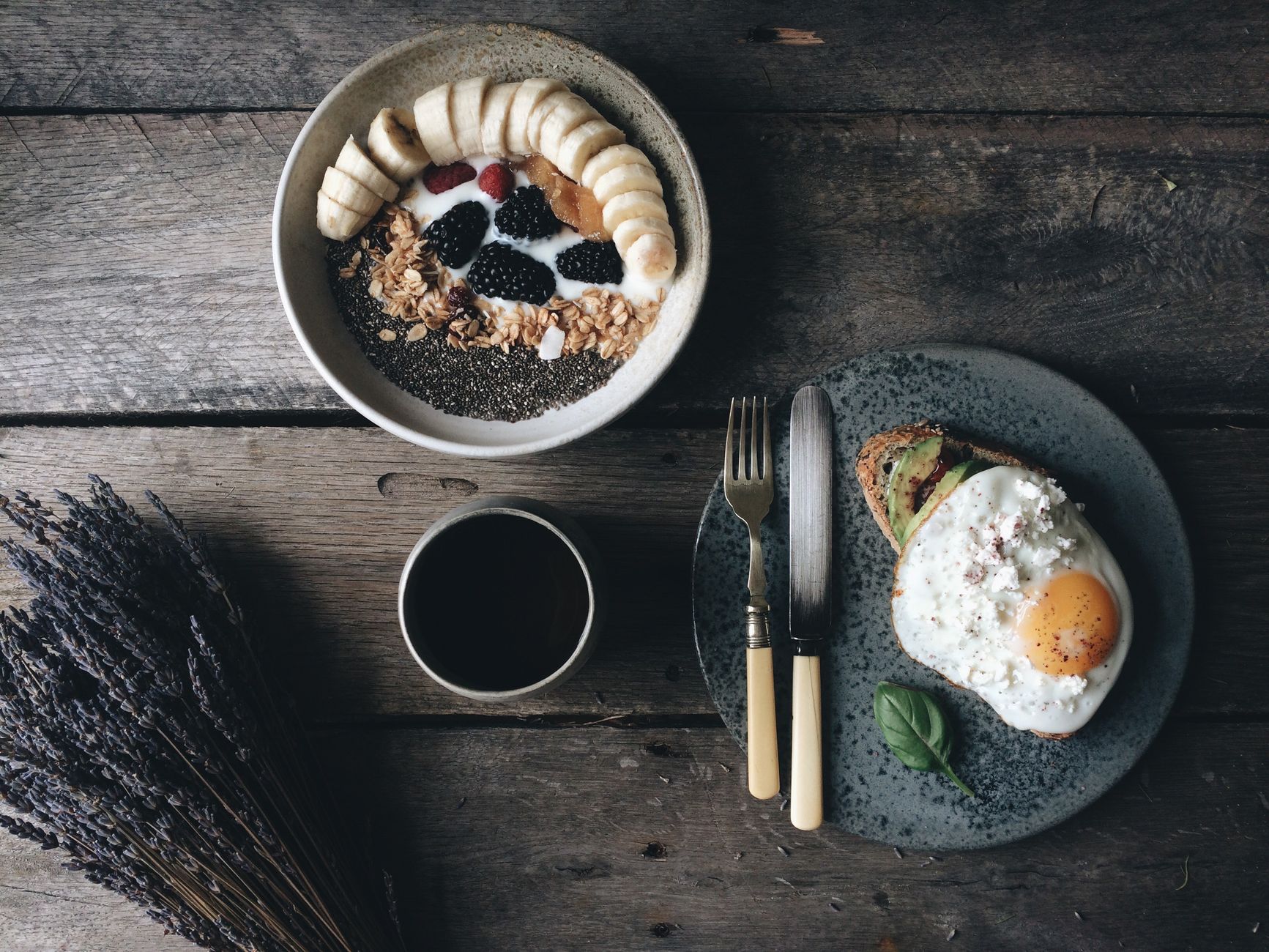
One of the easiest go-to options is a **fruit and yogurt bowl**. Simply combine plain dairy or non-dairy yogurt (ensure it's certified gluten-free if using an oat-based alternative) with your favorite fresh or frozen berries. Add a sprinkle of chia seeds, hemp hearts, or a handful of chopped nuts for extra protein and healthy fats. This is incredibly customizable and requires no cooking.
Another fantastic speedy choice is a **smoothie**. Blend together a banana, a handful of spinach (you won't taste it!), a scoop of certified gluten-free protein powder, a tablespoon of almond butter, and your choice of milk (almond, soy, or dairy). For a gut-friendly boost, consider adding a tablespoon of psyllium husk or ground flaxseed. Smoothies are portable and can pack a serious nutritional punch, perfect for when you're literally running out the door. If you're looking for more inspiration, we have some fantastic gut-friendly breakfast ideas that are easily adaptable to be celiac-safe.
For something savory, try a **hard-boiled egg and avocado combo**. Keep a batch of hard-boiled eggs in the fridge for the week (they last 5-7 days). In the morning, peel an egg, slice an avocado, sprinkle with salt and pepper, and you're good to go. This provides excellent protein and healthy fats to keep you full until lunch.
If you enjoy something warm, **instant certified gluten-free oatmeal** can be a lifesaver. Look for brands specifically labeled "certified gluten-free" to avoid cross-contamination. Many varieties cook in the microwave in under two minutes. Stir in some nut butter and sliced fruit for added flavor and nutrients. For a quick protein boost, you can even whisk in an egg white while it cooks for a creamy texture, or stir in protein powder after it's cooked.
Here are a few more lightning-fast celiac-safe breakfast ideas:
- Apple slices with almond butter: Simple, satisfying, and quick.
- Rice cakes with toppings: Spread with avocado, hummus, or cream cheese and everything bagel seasoning. Ensure rice cakes are pure rice.
- Leftover dinner as breakfast: Think roasted vegetables with a fried egg, or a portion of gluten-free chili. It might sound unconventional, but it's a great way to ensure a balanced, safe meal.
The key to mastering quick celiac-safe breakfasts is to prioritize naturally gluten-free foods that require minimal preparation and to always double-check labels on any packaged ingredients. This way, you can enjoy a safe and delicious breakfast, even on your busiest mornings.
Are Oats Safe for Celiac Disease? A Detailed Guide to Certified Gluten-Free Oats
The question of whether oats are safe for individuals with celiac disease is one of the most frequently asked and can be quite confusing. Historically, oats were often advised against due to concerns about gluten. However, current understanding and scientific evidence suggest that pure, uncontaminated oats are safe for most people with celiac disease. The crucial distinction lies in the term "pure, uncontaminated," which translates to "certified gluten-free oats."
The issue with conventional oats is not the oat grain itself, but rather cross-contamination during harvesting, transportation, or processing. Oats are often grown in rotation with wheat, barley, or rye, or processed in facilities that also handle gluten-containing grains. This means that a bag of regular oats, even if oats are naturally gluten-free, can contain trace amounts of wheat, barley, or rye due to shared equipment and handling. For someone with celiac disease, these trace amounts are enough to cause intestinal damage and symptoms.
This is where "certified gluten-free oats" come in. These oats are grown, harvested, and processed in dedicated gluten-free facilities or using strict protocols to prevent any contact with gluten-containing grains. There are generally two methods for producing celiac-safe oats:
- Purity Protocol Oats: These oats are grown from certified gluten-free seeds in fields that have not grown gluten-containing grains for a specified period. They are harvested with dedicated equipment, transported in dedicated vehicles, and processed in dedicated gluten-free facilities. This method ensures the oats are free from gluten contamination from field to package.
- Mechanically Sorted Oats: Some oats are processed using specialized optical sorting equipment that removes gluten-containing grains from conventionally grown oats. While this method can significantly reduce gluten levels, purity protocol oats are generally considered the gold standard for minimal contamination risk.
Organizations like the Celiac Disease Foundation (CDF) and the National Celiac Association (NCA) recommend that individuals with celiac disease only consume certified gluten-free oats. Look for a clear "certified gluten-free" label from a reputable third-party certification program on the packaging. This ensures the product has been tested and meets the less than 20 ppm gluten standard.
Even with certified gluten-free oats, a small percentage of individuals with celiac disease (estimated around 5-10%) may still experience symptoms. This can be due to avenin, a protein in oats that has a similar structure to gluten and can trigger a reaction in some sensitive individuals. If you are newly diagnosed or have been strictly gluten-free for some time, it's often recommended to introduce certified gluten-free oats slowly and monitor your symptoms. Always consult with your doctor or a registered dietitian specializing in celiac disease before adding oats to your diet, especially if you have concerns.
For most, certified gluten-free oats are a wonderful addition to a celiac-safe diet, offering a versatile, fiber-rich, and delicious option for breakfast bowls, granola, and baking.
Celiac-Safe Breakfast Recipes That Are Also High in Protein and Fiber
A truly satisfying celiac-safe breakfast doesn't just need to be gluten-free; it also needs to provide sustained energy and keep you full. That's where protein and fiber come in. Protein helps build and repair tissues and provides satiety, while fiber supports digestive health and helps regulate blood sugar. Combining these two elements in your celiac-safe diet breakfast ideas ensures you're fueled and feeling great.
Here are some delicious and easy recipes that pack a punch of protein and fiber:
Fluffy Gluten-Free Protein Pancakes or Waffles
Traditional pancakes and waffles are often off-limits, but with gluten-free flour blends, you can enjoy them safely. Look for a certified gluten-free all-purpose flour blend (many contain rice flour, potato starch, and tapioca starch). To boost protein and fiber, consider adding:
- Protein Powder: Stir a scoop of unflavored or vanilla certified gluten-free protein powder (whey, pea, or rice protein) into the batter.
- Ground Flaxseed or Chia Seeds: Add 1-2 tablespoons to the batter for an omega-3 and fiber boost. They also help bind the batter.
- Eggs: Use an extra egg or two in the recipe for more protein.
- Toppings: Top your pancakes with Greek yogurt, berries, nuts, or a drizzle of nut butter for additional protein and fiber.
Recipe idea: Mix 1 cup GF flour blend, 1 scoop protein powder, 1 tsp baking powder, a pinch of salt. Whisk in 1 egg, 1 cup milk (dairy/non-dairy), and 1 tbsp melted coconut oil. Cook on a hot griddle.
Quinoa Breakfast Bowl with Eggs and Veggies
Quinoa is a naturally gluten-free grain that is also a complete protein, meaning it contains all nine essential amino acids. It’s also rich in fiber. It makes an excellent savory breakfast base, similar to grits or rice.
- Cook quinoa according to package directions (rinse first!).
- While the quinoa cooks, sauté your favorite vegetables like spinach, bell peppers, and mushrooms in a little olive oil.
- Top the warm quinoa and veggies with a fried, poached, or scrambled egg.
- Season with salt, pepper, and a dash of hot sauce if you like.
This meal is incredibly versatile; you can swap the veggies for anything you have on hand, or even add some lean, certified gluten-free sausage for extra protein. Quinoa is also a fantastic base for heart-healthy breakfast options.
Chia Seed Pudding Parfait
Chia seeds are tiny powerhouses, packed with fiber, omega-3 fatty acids, and protein. They absorb liquid and create a pudding-like consistency, perfect for make-ahead breakfasts.
- Combine 3 tablespoons of chia seeds with 1 cup of your preferred milk (almond, coconut, or dairy) and 1-2 teaspoons of maple syrup or honey (optional).
- Stir well and let it sit in the fridge overnight.
- In the morning, layer the chia pudding with fresh berries, a dollop of Greek yogurt (dairy or non-dairy), and a sprinkle of chopped nuts or seeds.
This can be prepared in individual jars for easy grab-and-go breakfasts throughout the week. You can also vary the flavors by adding cocoa powder, vanilla extract, or mashed fruit to the base pudding.
These protein and fiber-rich breakfasts will keep you feeling full and energized, helping you avoid mid-morning slumps and making adherence to your celiac-safe diet much easier.
What Are the Worst Gluten-Containing Breakfast Foods to Avoid with Celiac Disease?
When you're managing celiac disease, understanding what to avoid is just as crucial as knowing what to embrace. Many traditional breakfast foods are high in gluten, and some seemingly innocent options can harbor hidden gluten, posing a significant risk for those with celiac disease. Steering clear of these items is fundamental to preventing intestinal damage and uncomfortable symptoms.
The primary culprits are foods made from **wheat, barley, and rye**. These grains are the main sources of gluten and are staples in many classic breakfast items. Here’s a breakdown of common breakfast foods that you absolutely must avoid:
- Bread and Toast: This includes virtually all standard white, whole wheat, sourdough, rye, and pumpernickel breads. Bagels, English muffins, croissants, and most commercial pastries (donuts, Danishes, muffins) fall into this category.
- Cereals: Many popular breakfast cereals are wheat-based (e.g., Cheerios, Wheat Chex, Frosted Flakes, Shredded Wheat) or contain barley malt as a flavoring agent (e.g., Rice Krispies, Corn Flakes – check labels carefully as formulations can vary). Even seemingly "healthy" granolas often contain oats that aren't certified gluten-free or other wheat-based binders.
- Pancakes, Waffles, and Crepes: Unless explicitly made with certified gluten-free flour, these are typically wheat-based.
- Baked Goods: Muffins, scones, biscuits, cakes, and other sweet treats commonly found at bakeries or in the grocery store's baking aisle are almost always made with wheat flour.
- Malted Beverages: Malt is derived from barley and is a significant source of gluten. This can be found in some flavored milks, nutritional drinks, and even some coffee substitutes.
- Processed Breakfast Meats: While plain meat is gluten-free, some sausages, bacon, or breakfast patties might contain gluten-containing fillers, binders, or seasonings. Always read labels carefully, even for items you wouldn't expect to have gluten.
Beyond the obvious, **hidden gluten** is a major concern. Gluten can be lurking in unexpected places due to processing or as an ingredient in complex foods. This is why reading nutrition labels meticulously is non-negotiable, especially for breakfast cereals and processed items. Look for ingredients like:
- Wheat: Often listed as wheat flour, wheat germ, wheat bran, durum, semolina, spelt, farro, kamut, einkorn.
- Barley: Malt, barley malt extract, barley flour.
- Rye: Rye flour.
- Oats: Unless specifically labeled "certified gluten-free," conventional oats carry a high risk of cross-contamination.
- Modified Food Starch: If the source isn't specified (e.g., "modified corn starch"), it could be wheat-derived.
- Hydrolyzed Vegetable Protein (HVP): Can be derived from wheat.
- Soy Sauce: Most traditional soy sauces contain wheat. Look for "tamari" which is usually gluten-free.
- Flavorings: Natural and artificial flavorings can sometimes contain gluten, although this is less common with clear labeling.
The safest approach is to choose foods that are naturally gluten-free or those explicitly labeled "certified gluten-free." When in doubt, it’s always best to avoid the product or contact the manufacturer for clarification. This diligence is crucial for maintaining your health and preventing the adverse effects of gluten exposure.
How to Transition to a Celiac-Safe Breakfast Diet Without Digestive Discomfort
Transitioning to a celiac-safe breakfast diet can feel daunting, especially if you're used to traditional gluten-heavy morning meals. It's common to feel overwhelmed or even experience some initial digestive discomfort if you make drastic changes too quickly. The goal is to make this shift smoothly, minimizing any potential digestive upset while ensuring you're meeting your nutritional needs. Many women tell us that a gradual, informed approach makes all the difference.
Here’s how to make the transition to celiac-safe diet breakfast ideas as comfortable as possible:
1. Start Gradually, If Possible (and Medically Advised)
If you've just received a celiac diagnosis, your doctor will likely advise an immediate and strict gluten-free diet. However, if you're exploring a gluten-free diet for non-celiac gluten sensitivity, a phased approach can be beneficial. Begin by replacing just one gluten-containing breakfast item at a time. For instance, swap your regular toast for certified gluten-free toast or a rice cake, or replace your wheat-based cereal with a certified gluten-free version. This allows your digestive system to adapt slowly to new fibers and ingredients.
2. Focus on Naturally Gluten-Free Whole Foods First
Instead of immediately stocking up on gluten-free processed alternatives (which can sometimes be lower in fiber and higher in sugar), prioritize naturally gluten-free whole foods. Eggs, fruits, vegetables, nuts, seeds, and plain dairy or non-dairy yogurts should form the bulk of your breakfast. These foods are generally easier to digest and provide essential nutrients without the need for complex substitutes. For example, a simple fruit and yogurt bowl or scrambled eggs with spinach is a great starting point.
3. Introduce New Fibers Slowly
Many gluten-free alternatives, especially those made with whole grains like quinoa, brown rice flour, or certified gluten-free oats, can be higher in fiber than refined wheat products. While fiber is crucial for digestive health, a sudden increase can lead to bloating or gas. Introduce these new fiber sources gradually. For instance, start with a small serving of certified gluten-free oatmeal and slowly increase the portion size over a few days.
4. Stay Hydrated
As you increase your fiber intake, it's vital to drink plenty of water. Fiber absorbs water, and adequate hydration helps it move smoothly through your digestive system, preventing constipation and discomfort. Start your day with a glass of water, and continue to sip throughout the morning.
5. Keep a Food and Symptom Journal
Especially in the initial weeks, tracking what you eat and how you feel can be incredibly insightful. Note down your celiac-safe diet breakfast ideas and any digestive symptoms (bloating, gas, discomfort, changes in bowel habits). This helps you identify any specific ingredients that might be causing issues, even within the gluten-free realm, and allows you to fine-tune your diet. This is a common practice for those managing other digestive sensitivities, such as an Crohn's friendly diet.
6. Don't Forget Probiotics and Prebiotics
Many individuals with celiac disease have compromised gut flora. Incorporating probiotic-rich foods (like plain yogurt with live cultures, kefir, or fermented vegetables) and prebiotic fibers (like bananas, asparagus, and certified gluten-free oats) can help support a healthy gut microbiome. Discuss with your doctor or a dietitian if a probiotic supplement is right for you.
By taking a mindful and gradual approach, you can successfully transition to a celiac-safe breakfast diet, feeling confident and comfortable with your new routine.
Best Celiac-Safe Breakfast Options for Picky Eaters and Children
Any parent knows the breakfast struggle, and adding celiac disease to the mix can make it even more challenging. Picky eaters, especially children, often resist new foods and crave the familiar. The key to successful celiac-safe diet breakfast ideas for this group is to make them fun, familiar, and delicious, often by adapting classic favorites or focusing on naturally appealing foods. Remember, the goal is to provide safe, nutritious options without making food a battleground.
Adapting Familiar Favorites
Many traditional kid-friendly breakfasts can be made celiac-safe with the right substitutions:
- Gluten-Free Pancakes or Waffles: Use certified gluten-free pancake/waffle mix. Many brands are excellent and taste just like the "real thing." Top with fresh fruit, maple syrup, or a dollop of whipped cream (check labels for additives). Make them mini or use fun shapes to appeal to kids.
- Certified Gluten-Free Cereal: There's a growing variety of certified gluten-free cereals available, from O-shaped oats (ensure certified GF) to corn-based puffs and flakes. Serve with their favorite milk (dairy or non-dairy). Always double-check the "certified gluten-free" label.
- "Egg in a Hole" (Gluten-Free): Use certified gluten-free bread, cut a hole in the middle with a cookie cutter, and cook an egg inside. It’s a fun, interactive way to eat eggs.
- Sausage and Bacon: Many brands of plain sausage and bacon are naturally gluten-free, but always verify the label for hidden ingredients or cross-contamination warnings. Serve alongside scrambled eggs and fruit.
Naturally Appealing and Fun Options
Sometimes, the simplest naturally gluten-free foods are the biggest hits:
- Smoothies: These are a fantastic way to sneak in fruits, vegetables (like spinach!), and protein. Blend fruit (banana, berries), a splash of milk (dairy or non-dairy), and a spoonful of nut butter or plain yogurt. Make them colorful and serve with a fun straw. This is also a great way to get easy energy and satiety into the morning routine.
- Fruit Skewers: Cut up various fruits and arrange them on skewers. Kids love eating food off a stick! Serve with a side of plain yogurt or a small bowl of nut butter for dipping.
- Yogurt Parfaits: Layer plain yogurt (dairy or non-dairy) with berries and certified gluten-free granola. Let older children assemble their own parfaits.
- "Breakfast Pizzas": Use a certified gluten-free tortilla or rice cake as a base. Spread with cream cheese or nut butter, then top with sliced fruit (bananas, berries) and a sprinkle of cinnamon or seeds.
- Hard-Boiled Eggs: Simple, portable, and a great source of protein. Offer them peeled or let children peel their own.
Tips for Success with Picky Eaters
- Involve Them: Let children help choose fruits, stir ingredients, or set the table. When they're involved, they're more likely to eat it.
- Offer Choices: Instead of "What do you want?", try "Do you want berries or sliced bananas with your pancakes?"
- Don't Force It: If they don't eat much at one meal, don't worry too much. Focus on overall nutrition throughout the day.
- Be Patient: It can take multiple exposures for a child to accept a new food. Keep offering a variety of safe options.
Creating a positive and safe breakfast environment for picky eaters with celiac disease requires creativity, patience, and a focus on delicious, certified gluten-free ingredients.
Your 7-Day Celiac-Safe Breakfast Meal Plan
Having a meal plan can take the guesswork out of your mornings and ensure you're consistently enjoying celiac-safe diet breakfast ideas. This 7-day plan offers a variety of flavors and textures, focusing on naturally gluten-free foods and certified gluten-free products. Remember to always check labels for "certified gluten-free" to prevent cross-contamination.
Celiac-Safe Breakfast Food List: Enjoy, Limit, Avoid
Navigating a celiac-safe diet requires a clear understanding of what you can eat freely, what to approach with caution, and what to eliminate entirely. This comprehensive list focuses specifically on breakfast items, helping you make informed choices for your celiac-safe diet breakfast ideas.
Foods to Enjoy (Naturally Gluten-Free & Safe)
- Fruits: All fresh fruits (berries, bananas, apples, oranges, melon, grapes, avocado).
- Vegetables: All fresh vegetables (spinach, kale, bell peppers, onions, tomatoes, mushrooms, zucchini, sweet potatoes).
- Eggs: All forms (scrambled, fried, poached, omelets, hard-boiled).
- Plain Dairy Products: Milk, plain yogurt, cottage cheese, natural cheeses (cheddar, mozzarella, Swiss).
- Non-Dairy Milks: Almond milk, soy milk, coconut milk, rice milk (ensure unflavored and unsweetened, and if oat milk, ensure certified GF).
- Legumes: Beans (black beans, chickpeas) for savory breakfasts.
- Nuts and Seeds: Almonds, walnuts, pecans, chia seeds, flax seeds, hemp hearts, pumpkin seeds, sunflower seeds.
- Nut Butters: Peanut butter, almond butter, cashew butter (check labels for "certified gluten-free" to avoid cross-contamination in processing, especially for larger brands).
- Gluten-Free Grains (whole grain): Quinoa, brown rice, wild rice, buckwheat (kasha), millet, certified gluten-free oats.
- Flours (single-ingredient): Rice flour, almond flour, coconut flour, tapioca starch, potato starch, cornstarch.
- Fats/Oils: Olive oil, avocado oil, coconut oil, butter.
- Herbs and Spices: All pure herbs and spices.
- Meats (unprocessed): Plain bacon, ham, sausage (always check labels for fillers/binders, look for "certified gluten-free").
Foods to Limit (Check Labels Carefully, Potential for Hidden Gluten or Cross-Contamination)
- Processed Gluten-Free Products: Gluten-free breads, bagels, muffins, cereals, granola, pancakes/waffle mixes. While safe if certified, they can sometimes be lower in fiber or higher in sugar/unhealthy fats. Prioritize certified options.
- Flavored Yogurts: Some may contain thickeners or ingredients with hidden gluten. Choose plain and add your own fruit.
- Processed Breakfast Meats: Flavored sausages, pre-made breakfast patties. May contain gluten as binders or seasonings.
- Dressings/Sauces: Some hot sauces, ketchups, or marinades used in savory breakfast dishes. Check for wheat-derived ingredients or modified food starch.
- Coffee Creamers: Flavored creamers can sometimes contain stabilizers or flavorings with hidden gluten.
- Regular Oats: Only certified gluten-free oats are safe. All other oats should be avoided due to high risk of cross-contamination.
Foods to Avoid (Contain Gluten)
- Wheat-Based Breads: White bread, whole wheat bread, rye bread, sourdough, bagels, English muffins, croissants, biscuits, most commercial muffins.
- Wheat-Based Cereals: Most traditional breakfast cereals (e.g., Cheerios, Frosted Flakes, Wheat Chex, Shredded Wheat, Corn Flakes - unless specifically labeled certified GF).
- Wheat-Based Baked Goods: Donuts, pastries, Danishes, regular pancakes, waffles, crepes (unless certified GF).
- Malt Products: Malted milk, malt extract, barley malt syrup (found in some cereals, granola bars).
- Barley and Rye: Found in various flours, beer, and some processed foods.
- Couscous and Semolina: Both are wheat products.
- Standard Pasta: Made from wheat.
- Non-Certified Oats: All oats not explicitly labeled and certified gluten-free.
- Beer: Most traditional beers contain barley.
By keeping this list in mind, you can confidently navigate your grocery store and kitchen to prepare satisfying and safe celiac-safe diet breakfast ideas.
Common Mistakes to Avoid on a Celiac-Safe Breakfast Diet
Even with the best intentions, it's easy to make mistakes when adhering to a strict celiac-safe diet, especially at breakfast. These errors can lead to accidental gluten exposure, digestive discomfort, and nutrient deficiencies. Being aware of these common pitfalls can help you maintain your health and enjoy your celiac-safe diet breakfast ideas with confidence.
- Underestimating Cross-Contamination: This is arguably the most frequent and dangerous mistake. Thinking a quick wipe of a counter is enough, using a shared toaster, or dipping a gluten-contaminated knife into a jam jar can lead to gluten exposure. Always use dedicated or meticulously cleaned equipment, separate storage, and clean hands.
- Not Reading Labels Thoroughly: Gluten can hide in unexpected places like flavorings, binders, or stabilizers. Assuming a product is gluten-free because its main ingredients are naturally GF (e.g., corn flakes, rice milk) is a mistake. Always look for a "certified gluten-free" label or carefully scan the ingredient list for wheat, barley, rye, and their derivatives.
- Over-Reliance on Processed Gluten-Free Foods: While convenient, many gluten-free processed foods (breads, pastries, cereals) can be high in sugar, unhealthy fats, and refined starches, and often lack the fiber and nutrients of whole foods. Relying too heavily on these can lead to nutrient deficiencies and digestive issues. Prioritize naturally gluten-free whole foods.
- Ignoring Certified Gluten-Free Oats: Some individuals avoid all oats, even certified gluten-free ones, due to past confusion. While a small percentage may react to avenin, most celiac patients can safely enjoy certified gluten-free oats, which are a valuable source of fiber and nutrients. Missing out on them can unnecessarily limit your diet.
- Lack of Fiber: A traditional gluten-free diet, especially if it relies on refined GF products, can be low in fiber. This can lead to constipation and other digestive issues. Actively incorporate high-fiber, naturally gluten-free foods like fruits, vegetables, legumes, nuts, seeds, and certified gluten-free whole grains (quinoa, brown rice, certified GF oats).
- Not Planning Ahead: Rushing in the morning without a plan often leads to poor choices or accidental gluten exposure. Meal prepping a few celiac-safe breakfast options (like overnight oats, hard-boiled eggs, or pre-chopped veggies for an omelet) can prevent frantic, risky decisions.
- Forgetting About Dairy/Other Sensitivities: Many people with celiac disease also have temporary or permanent lactose intolerance due to intestinal damage. Introducing dairy too soon or not recognizing other sensitivities (like to soy or corn) can cause digestive discomfort, making it harder to differentiate gluten reactions.
By being vigilant about cross-contamination, reading labels, prioritizing whole foods, and planning your meals, you can navigate your celiac-safe diet breakfast ideas effectively and maintain optimal health.
Myth vs. Fact
Navigating a celiac-safe diet can be challenging, and misconceptions often circulate. Let's clear up some common myths about celiac-safe diet breakfast ideas.
Myth: "Gluten-free" on a label means a food is automatically safe for celiac disease.
Fact: While "gluten-free" labeling is regulated (meaning less than 20 ppm gluten in the US), the gold standard for celiac patients is "certified gluten-free." This indicates third-party testing and stricter protocols against cross-contamination. Always look for the certification seal, especially on products like oats or baked goods.
Myth: Eating a little bit of gluten won't hurt if you don't feel symptoms.
Fact: For individuals with celiac disease, any amount of gluten, even trace amounts that don't cause immediate symptoms, can cause intestinal damage. The damage can be silent, leading to long-term health complications like nutrient deficiencies, osteoporosis, and an increased risk of certain cancers. Strict adherence is crucial, regardless of symptoms.
Myth: All oats are naturally gluten-free, so they're safe for celiacs.
Fact: While oats themselves are naturally gluten-free, they are very prone to cross-contamination with wheat, barley, and rye during growing, harvesting, and processing. Only "certified gluten-free oats" (purity protocol or mechanically sorted) are considered safe for most people with celiac disease. Always check for the specific certification.
Key Takeaways
- Prioritize naturally gluten-free whole foods like fruits, vegetables, eggs, lean proteins, and certified gluten-free grains for your celiac-safe breakfast.
- Strictly prevent cross-contamination in your kitchen by using dedicated equipment (toasters, cutting boards) and thorough cleaning practices.
- Always look for "certified gluten-free" labels on packaged products to ensure they meet safety standards for celiac disease.
- Incorporate high-protein and high-fiber foods (eggs, quinoa, chia seeds, certified GF oats) to create satisfying and energy-sustaining breakfasts.
- Be vigilant about hidden gluten in processed foods and read all nutrition labels carefully, avoiding wheat, barley, rye, and non-certified oats.
- Transition to a celiac-safe diet gradually if possible, focusing on whole foods and introducing new fibers slowly to minimize digestive discomfort.
- For picky eaters, adapt familiar favorites using certified GF alternatives and make breakfast fun with colorful, naturally appealing options.
Frequently Asked Questions
What are the most common symptoms of gluten intolerance after eating breakfast?
After accidentally consuming gluten in a breakfast, symptoms can vary widely but commonly include digestive issues like bloating, gas, abdominal pain, diarrhea, or constipation. Other non-digestive symptoms may arise, such as fatigue, headache, brain fog, skin rashes, or joint pain. The onset and severity of symptoms differ for each individual and depend on the amount of gluten ingested and individual sensitivity.
How long does it take for celiac-safe breakfast foods to reduce digestive symptoms?
Once you consistently switch to celiac-safe breakfast foods and a strict gluten-free diet, many people with celiac disease start to experience a reduction in digestive symptoms within a few days to a few weeks. However, complete healing of the small intestine can take much longer, often several months to years, especially for adults. Adherence to the diet is key for sustained improvement and long-term health.
Are there any celiac-safe breakfast cereals that are also low in sugar?
Yes, there are several celiac-safe breakfast cereals that are also low in sugar. Look for certified gluten-free cereals made from plain corn, rice, or certified gluten-free oats. Many brands offer unsweetened or lightly sweetened varieties. You can also make your own by topping plain certified gluten-free oats with fresh fruit, nuts, and a tiny drizzle of maple syrup or honey to control sugar content.
What are the best gluten-free breakfast substitutes for bagels and toast?
For bagels and toast, excellent gluten-free substitutes include certified gluten-free bread and bagels, which are widely available in various textures and flavors. You can also use rice cakes, corn tortillas, or even slices of roasted sweet potato as a base for savory toppings like avocado and eggs, or sweet spreads like nut butter and fruit. These provide safe and delicious alternatives to traditional gluten-containing options.
Can celiac patients safely eat breakfast foods made with barley or rye?
No, celiac patients cannot safely eat breakfast foods made with barley or rye. Both barley and rye contain gluten, which triggers the autoimmune response in individuals with celiac disease. Even small amounts can cause intestinal damage and symptoms. It is crucial to strictly avoid all products containing barley or rye, including malt, which is derived from barley.
How do I ensure my home kitchen is completely celiac-safe for breakfast prep?
To ensure your kitchen is completely celiac-safe for breakfast prep, you need to implement strict cross-contamination prevention. This includes having dedicated gluten-free cutting boards, toasters, and sponges. Store all gluten-free ingredients in clearly labeled, airtight containers on separate shelves, preferably above gluten-containing items. Always clean countertops thoroughly and wash hands before preparing gluten-free meals, especially if a shared kitchen is in use.
When to See a Doctor or Specialist
While this article provides comprehensive information on celiac-safe diet breakfast ideas, it is crucial to remember that it is for informational purposes only and not a substitute for professional medical advice. If you suspect you have celiac disease, or if you've been diagnosed and are struggling to manage your diet or symptoms, it's important to consult with a healthcare professional.
You should see your doctor or a specialist if:
- You experience persistent digestive symptoms (bloating, diarrhea, constipation, abdominal pain) despite adhering to a strict celiac-safe diet.
- You have unexplained weight loss, fatigue, or signs of nutrient deficiencies (e.g., anemia, bone pain).
- You are experiencing ongoing non-digestive symptoms like skin rashes, joint pain, or neurological issues.
- You are having difficulty identifying hidden gluten or preventing cross-contamination in your home.
- You need personalized guidance on nutrient intake, especially if you have other dietary restrictions or health conditions.
- You are considering introducing certified gluten-free oats or other new foods and want to ensure it's safe for your specific case.
A gastroenterologist can confirm a celiac diagnosis and monitor your intestinal healing. A registered dietitian specializing in celiac disease can provide invaluable personalized dietary guidance, help you plan meals, and ensure you're getting all necessary nutrients. Don't hesitate to seek professional help to ensure your celiac journey is as healthy and comfortable as possible.
References
- Celiac Disease Foundation. (n.d.). What is Celiac Disease? Retrieved from https://celiac.org/about-celiac-disease/what-is-celiac-disease/
- National Celiac Association. (n.d.). Gluten-Free Diet. Retrieved from https://nationalceliac.org/celiac-disease-questions/gluten-free-diet/
- U.S. Food and Drug Administration. (2020). Gluten-Free Labeling of Foods. Retrieved from https://www.fda.gov/food/guidance-regulation-food-and-dietary-supplements/gluten-free-labeling-foods
- Mayo Clinic. (2022). Celiac disease. Retrieved from https://www.mayoclinic.org/diseases-conditions/celiac-disease/symptoms-causes/syc-20352220
- Academy of Nutrition and Dietetics. (2023). Eating Gluten-Free. Retrieved from https://www.eatright.org/health/food-safety/food-allergies-and-intolerances/eating-gluten-free
- Celiac Disease Foundation. (n.d.). Oats and the Gluten-Free Diet. Retrieved from https://celiac.org/gluten-free-living/gluten-free-diet/oats/