If you're just starting out, keep it simple. These five meals require minimal ingredients and no fancy techniques:
- Salt-and-sear steak: Season a ribeye or sirloin with kosher salt, sear in a hot cast-iron skillet for 3–4 minutes per side, then rest for 5 minutes. Serve with a pat of butter melted on top.
- Butter-basted chicken thighs: Season bone-in, skin-on chicken thighs with salt, sear skin-side down in a cold pan until crispy, then flip and cook until internal temp reaches 165°F. Drizzle with melted butter.
- Eggs and bacon: Fry crispy bacon in a pan, then crack eggs into the same pan to cook in the rendered fat. Add a side of sautéed pork belly if you want extra fat.
- Pan-seared pork chops: Season chops with salt, sear in butter or ghee for 4–5 minutes per side. Add a side of fried eggs or a slice of bacon for extra fat.
- Beef liver and onions (optional): Sear beef liver in butter until browned (about 3 minutes per side), then add thinly sliced onions if tolerated. Cook until onions soften slightly.
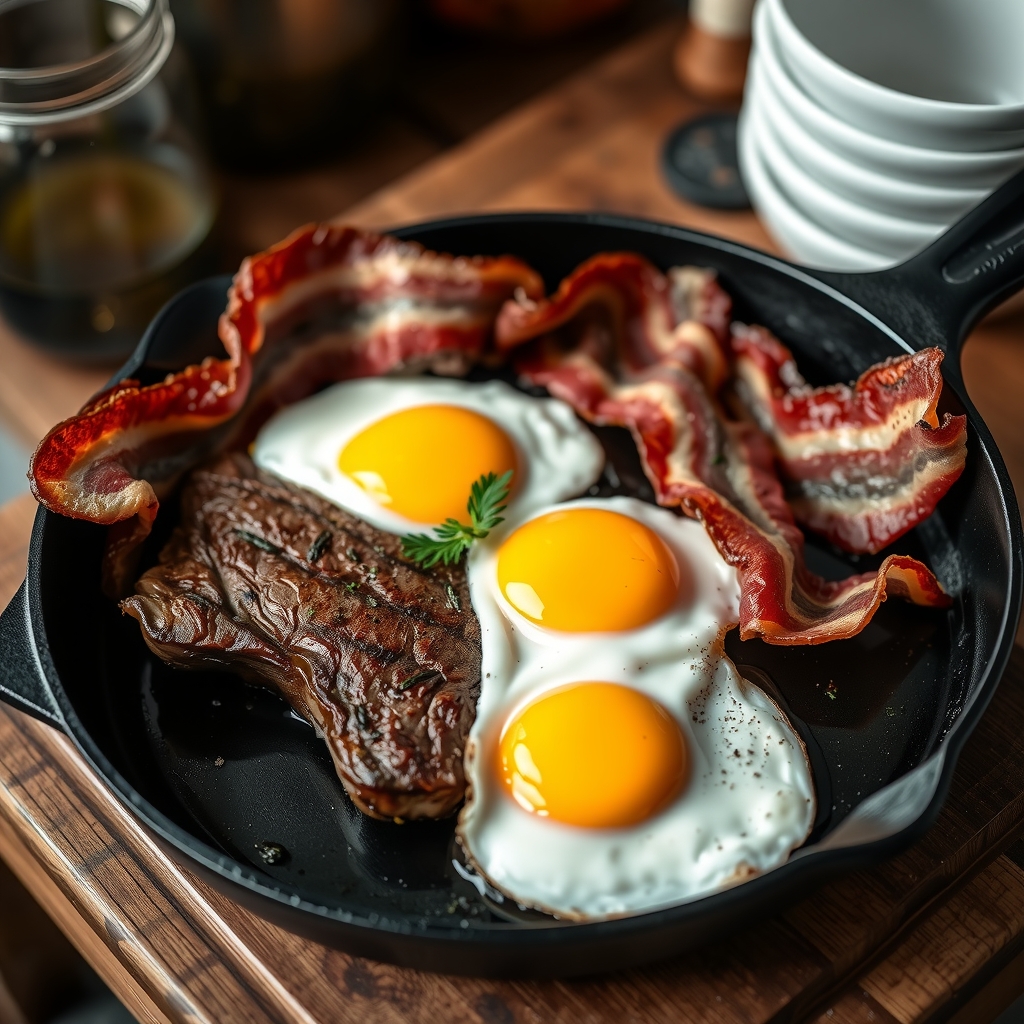
For beginners, focus on fatty cuts of meat — ribeye, pork belly, chicken thighs, and lamb chops — as they provide more energy and help you feel satisfied with fewer calories. Avoid lean cuts like chicken breast or pork tenderloin, which can leave you hungry and craving carbs.
Pro tip: Buy frozen organ meats like liver or heart in bulk and store them in the freezer. They're rich in micronutrients but can be polarizing at first. Try cooking them with a fatty cut (like bacon or pork belly) to balance the flavor.
Carnivore diet dinner recipes with steak and eggs: the ultimate beginner combo
Steak and eggs is the perfect carnivore dinner because it's fast, filling, and packed with nutrients. Here's how to make it effortlessly:
- Choose a fatty cut of steak: ribeye, NY strip, or sirloin works well. Aim for at least 1 inch of fat on the ribeye.
- Season generously with kosher salt (no pepper — it's anti-inflammatory but can irritate some people on carnivore).
- Heat a cast-iron skillet over high heat until smoking hot. Add the steak and sear for 3–4 minutes per side for medium-rare. For thicker cuts, cook to 130°F internal temp.
- While the steak cooks, crack 2–3 eggs into the same pan. Cook them sunny-side-up or over-easy in the steak's rendered fat.
- Serve immediately with a pat of butter melted on top of the steak.
This meal is a powerhouse of nutrients: steak provides iron, zinc, and B vitamins, while eggs deliver choline, vitamin D, and healthy fats. For extra fat, add a side of crispy bacon or a slice of pork belly.
Many readers tell us they struggle with portion sizes on carnivore. A good rule of thumb is to aim for 1–2 pounds of meat per meal, prioritizing fatty cuts. If you're trying to lose weight, start with 1 pound and adjust based on your hunger levels.
If you're new to carnivore, you might notice changes in your digestion at first. This is normal as your gut adjusts to the high-fat diet. Stay hydrated and consider adding a pinch of salt to your water to help with electrolyte balance.
Quick carnivore diet dinner recipes under 30 minutes: weeknight wins
Weeknights don't have to mean sad, boring meals. With these quick recipes, you can have a delicious carnivore dinner in under 30 minutes:
- Sheet-pan chicken thighs and bacon:
- Preheat oven to 400°F (200°C).
- Toss bone-in, skin-on chicken thighs with strips of bacon and a drizzle of melted butter.
- Roast for 25–30 minutes, flipping halfway through.
- Serve with crispy bacon and a side of fried eggs.
- One-pan pork belly and eggs:
- Score the pork belly in a diamond pattern and sear skin-side down in a cold pan until crispy.
- Flip and cook until internal temp reaches 145°F.
- Crack eggs into the pan and cook until desired doneness.
- Drizzle with extra pork fat for added richness.
- Ground beef and liver hash:
- Brown ground beef in a skillet with a pinch of salt.
- Add diced beef liver and cook until browned.
- For extra fat, add a pat of butter or a drizzle of bacon fat.
- Serve with a side of crispy bacon.

For even faster meals, invest in a good meat grinder. You can make your own ground beef, pork, or lamb at home, which is often cheaper and more flavorful than store-bought. Ground meat is also great for quick stir-fries or meatballs.
If you're short on time, consider batch-cooking proteins like ground beef or chicken thighs on Sunday and reheating them in the morning. Store them in the fridge for up to 4 days or freeze for longer storage.
Carnivore diet dinner recipes for weight loss: high-protein, low-calorie options
If your goal is weight loss, focus on leaner cuts of meat and smaller portions. Here are some strategies to help you lose weight on carnivore:
- Prioritize fatty cuts initially to feel satiated, then gradually reduce fat intake as your body adapts.
- Aim for 1–1.5 pounds of meat per meal, starting with leaner cuts like chicken breast or pork tenderloin.
- Increase activity levels, especially strength training, to help your body burn fat more efficiently.
- Stay hydrated and add electrolytes (sodium, potassium, magnesium) to help with cravings and energy levels.
Here are three weight-loss-friendly carnivore dinner recipes:
- Grilled chicken thighs with lemon butter:
- Season bone-in, skin-on chicken thighs with salt and grill or broil until internal temp reaches 165°F.
- Drizzle with melted butter and a squeeze of lemon (if tolerated).
- Serve with a side of sautéed pork belly for added fat.
- Beef liver and onions:
- Sear beef liver in butter until browned, then add thinly sliced onions (if tolerated).
- Cook until onions soften slightly.
- Serve with a side of crispy bacon for extra fat.
- Baked salmon with lemon:
- Season salmon fillets with salt and bake at 375°F (190°C) for 12–15 minutes.
- Drizzle with melted butter and a squeeze of lemon (if tolerated).
- Serve with a side of fried eggs for added protein.
While the carnivore diet can be effective for weight loss, it's important to note that it's not a sustainable long-term solution for everyone. Some people experience rapid weight loss initially due to water weight loss and reduced insulin levels, but long-term results vary. If you're struggling with weight loss, consider tracking your macros or consulting a dietitian for personalized guidance.
For more information on weight loss strategies, check out our easy Mediterranean diet dinner recipes — which offer a more balanced approach to healthy eating.
Carnivore diet dinner recipes with organ meats: why you should try them
Organ meats are a nutritional powerhouse on the carnivore diet, providing essential vitamins and minerals like iron, vitamin A, and B vitamins. However, they can be polarizing at first due to their strong flavors and textures. Here's how to make them more approachable:
- Beef liver:
- Sear beef liver in butter or ghee until browned (about 3 minutes per side).
- For extra fat, add a slice of bacon or a pat of butter.
- Serve with a side of fatty cut like ribeye or pork belly.
- Chicken liver pâté:
- Cook chicken livers in butter until browned, then blend with a splash of chicken fat or bone broth (if tolerated) until smooth.
- Serve with crispy bacon or as a topping for steak.
- Pork heart:
- Sear pork heart in butter until browned, then add a splash of apple cider vinegar (if tolerated) to tenderize.
- Serve with a side of fatty cut like pork belly or ribeye.
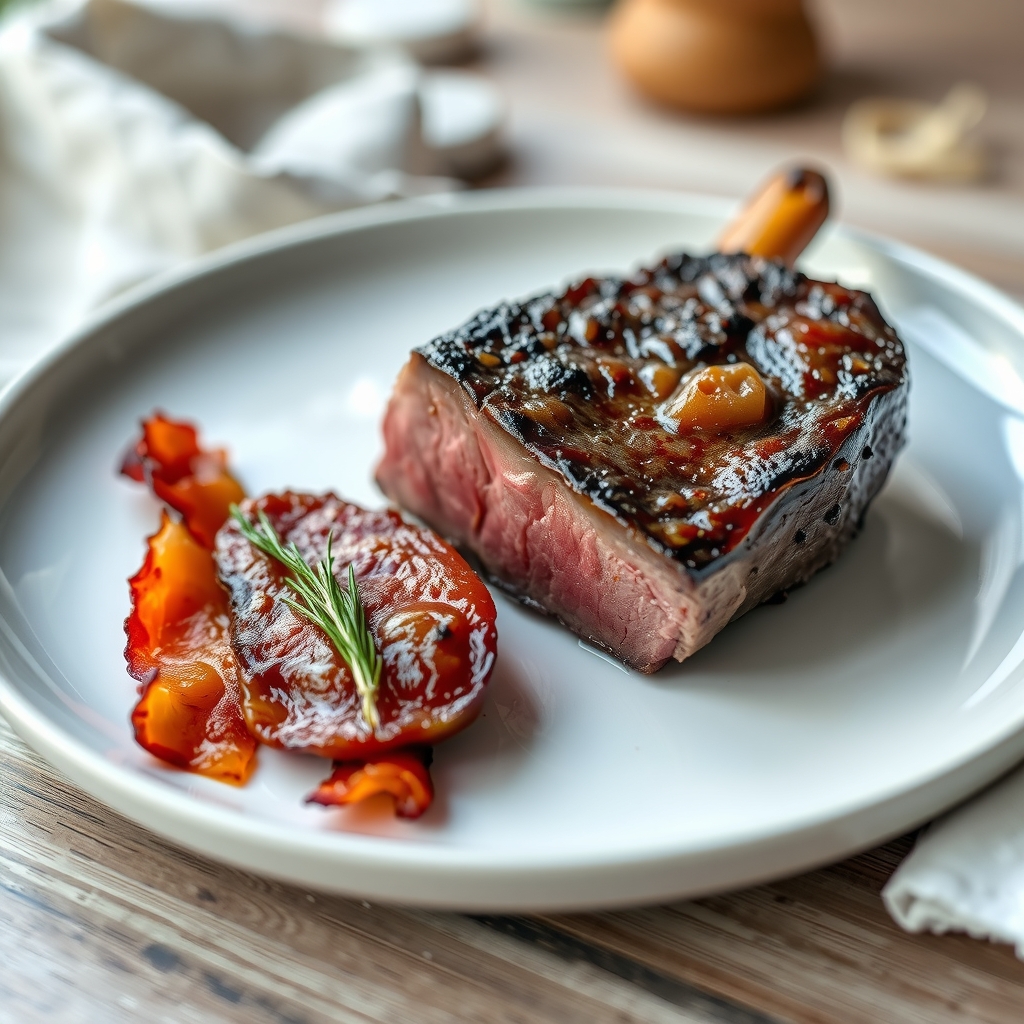
If you're new to organ meats, start with small portions and gradually increase as your tolerance improves. Pair them with fatty cuts to help balance the flavor. Many people find that they tolerate organ meats better when cooked in fat and paired with other proteins.
Organ meats are rich in nutrients that are often lacking in modern diets, including vitamin A, iron, and B vitamins. They can help support your immune system, energy levels, and overall health. If you're struggling with fatigue or low energy on carnivore, consider adding more organ meats to your diet.
Carnivore diet dinner recipes for pregnant women: what to avoid and what's safe
If you're pregnant and considering the carnivore diet, it's important to approach it with caution. While some women report benefits from the diet during pregnancy, it's not recommended without medical supervision. The carnivore diet can be high in saturated fat and low in certain nutrients like folate, which are crucial for fetal development.
If you're pregnant and want to try a low-carb or high-fat diet, consider alternatives like the easy Mediterranean diet or easy Mind diet, which are more balanced and better supported by research for pregnant women.
However, if you're already on carnivore and pregnant, focus on these guidelines:
- Avoid raw or undercooked meats, fish, and eggs to reduce the risk of foodborne illnesses like listeria or salmonella.
- Prioritize nutrient-dense cuts like liver, which provides essential nutrients like folate and iron.
- Stay hydrated and add electrolytes to help with nausea and fatigue.
- Monitor your energy levels and adjust portion sizes as needed.
If you're pregnant and considering a carnivore-like diet, consult your healthcare provider first. They can help you navigate the risks and benefits and ensure you're meeting your nutritional needs.
Carnivore diet dinner recipes with fish: seafood options that fit
Fish is a fantastic option on the carnivore diet, providing omega-3 fatty acids, protein, and essential nutrients. Here are some easy fish-based carnivore dinner recipes:
- Garlic butter salmon:
- Season salmon fillets with salt and cook in a skillet with melted butter and minced garlic (if tolerated).
- Cook until salmon is opaque and flakes easily.
- Serve with a side of crispy bacon or fried eggs.
- Lemon butter cod:
- Season cod fillets with salt and cook in a skillet with melted butter and a squeeze of lemon (if tolerated).
- Cook until cod is opaque and flakes easily.
- Serve with a side of fatty cut like ribeye or pork belly.
- Sardines and eggs:
- Open a can of sardines in oil and mix with a fried egg.
- Serve with a side of crispy bacon or pork belly.

Fish is a great option for carnivore because it's high in protein and healthy fats, but it's also important to choose wild-caught, sustainably sourced fish whenever possible. Avoid fish with high mercury levels, such as shark, swordfish, and king mackerel.
If you're new to eating fish regularly, start with smaller portions and gradually increase as your tolerance improves. Pair fish with fatty cuts like bacon or pork belly to help balance the flavor and provide extra energy.
Carnivore diet dinner ideas for busy weeknights: meal prep and shortcuts
If you're short on time, meal prep can be a game-changer. Here are some strategies to save time on weeknights:
- Batch-cook proteins: Cook large batches of ground beef, chicken thighs, or pork belly on Sunday and store them in the fridge or freezer. Reheat in the morning and use for quick meals.
- Use frozen organ meats: Frozen liver, heart, and other organ meats are often cheaper and more convenient than fresh. Thaw overnight in the fridge and cook as needed.
- Invest in a meat grinder: You can make your own ground beef, pork, or lamb at home, which is often cheaper and more flavorful than store-bought.
- Keep frozen bacon on hand: Frozen bacon is a great shortcut for quick meals. Just thaw it in the microwave and cook as needed.
Here are three meal prep-friendly carnivore dinner ideas:
- Prepped ground beef and eggs:
- Cook a large batch of ground beef with a pinch of salt and store in the fridge.
- When ready to eat, heat the ground beef in a skillet and crack eggs into the pan to cook in the rendered fat.
- Sheet-pan chicken thighs and bacon:
- Toss bone-in, skin-on chicken thighs with strips of bacon and a drizzle of melted butter.
- Roast at 400°F (200°C) for 25–30 minutes, flipping halfway through.
- Store leftovers in the fridge for up to 4 days.
- Frozen pork belly and eggs:
- Score and freeze pork belly in portions. When ready to cook, sear skin-side down in a cold pan until crispy.
- Flip and cook until internal temp reaches 145°F.
- Crack eggs into the pan and cook until desired doneness.
For even more convenience, consider using a slow cooker or Instant Pot to cook larger batches of meat. You can make slow-cooked pulled pork, shredded chicken, or even beef stew with minimal effort.
Carnivore diet dinner recipes high protein: build your meals around these cuts
If you're looking to maximize protein intake, focus on these high-protein carnivore dinner options:
- Beef:
- Ribeye
- NY strip
- Ground beef (80/20 fat ratio)
- Beef liver
- Beef heart
- Pork:
- Pork chops
- Pork belly
- Ground pork
- Pork heart
- Chicken:
- Bone-in, skin-on chicken thighs
- Chicken liver
- Ground chicken
- Fish:
- Salmon
- Cod
- Sardines
- Mackerel
Here's a simple comparison table to help you choose the best high-protein options:
To maximize protein intake, aim for at least 1–2 pounds of meat per meal. If you're trying to build muscle or recover from illness, consider adding a protein shake made with bone broth or collagen powder (if tolerated) between meals.
If you're looking for more high-protein meal ideas, check out our easy Whole30 dinner recipes, which also focus on nutrient-dense, animal-based meals.
Nutritional considerations and micronutrient balance on carnivore
The carnivore diet can be nutrient-dense, but it's important to be mindful of potential deficiencies. Here are some key nutrients to focus on:
- Vitamin C: While vitamin C is not essential in the diet (your body can make it from glucose), some people report better energy and skin health when they include small amounts of vitamin C-rich foods like citrus or bell peppers (if tolerated).
- Magnesium: Many people on carnivore experience muscle cramps or fatigue due to low magnesium levels. Consider adding a magnesium supplement or eating more fatty cuts of meat, which are naturally higher in magnesium.
- Electrolytes: Sodium, potassium, and magnesium are crucial for hydration and energy levels. Add a pinch of salt to your water and consider a magnesium supplement if you experience cramps or fatigue.
- Fiber: While fiber is not essential, some people report better digestion when they include small amounts of bone broth or collagen (if tolerated).
Here's a simple table to help you balance your micronutrients on carnivore:
If you're concerned about micronutrient deficiencies, consider working with a dietitian or healthcare provider who is familiar with the carnivore diet. They can help you create a personalized plan to meet your nutritional needs.
Supplementation and hydration on carnivore
While the carnivore diet can provide many essential nutrients, some people choose to supplement to ensure they're meeting their needs. Here are some common supplements and their benefits:
- Electrolytes: Sodium, potassium, and magnesium are crucial for hydration and energy levels. Consider adding a pinch of salt to your water or using an electrolyte supplement like LMNT.
- Magnesium: Many people on carnivore experience muscle cramps or fatigue due to low magnesium levels. Magnesium glycinate or citrate is well-absorbed and gentle on the stomach.
- Omega-3s: If you're not eating fatty fish regularly, consider taking a fish oil or krill oil supplement to support heart health and reduce inflammation.
- Vitamin D: Many people are deficient in vitamin D, especially those who spend little time outdoors. Consider getting your levels tested and supplementing if needed.
- Collagen or gelatin: These can support joint health, skin elasticity, and gut health. Look for grass-fed or pasture-raised sources.
When it comes to hydration, aim to drink at least half your body weight in ounces of water per day. For example, if you weigh 150 pounds, aim for at least 75 ounces of water daily. Add electrolytes to your water to help with hydration and reduce cravings.
If you're new to carnivore, you might notice changes in your digestion at first. This is normal as your gut adjusts to the high-fat diet. Stay hydrated and consider adding a pinch of salt to your water to help with electrolyte balance.
Grocery list and pantry staples for carnivore dinners
Stocking your fridge and pantry with the right ingredients makes carnivore dinners a breeze. Here's a basic grocery list to get you started:
- Proteins:
- Ribeye or NY strip steak
- Bone-in, skin-on chicken thighs
- Ground beef (80/20 fat ratio)
- Pork chops or pork belly
- Salmon or other fatty fish
- Beef liver or chicken liver
- Eggs (preferably pasture-raised)
- Bacon (preferably uncured)
- Fats:
- Butter or ghee
- Tallow or lard
- Coconut oil (for cooking)
- Pantry staples:
- Kosher salt
- Black pepper (optional)
- Apple cider vinegar (if tolerated)
- Bone broth or collagen powder
- Electrolyte supplements (if needed)
- Freezer staples:
- Frozen bacon
- Frozen ground beef or pork
- Frozen organ meats (liver, heart)
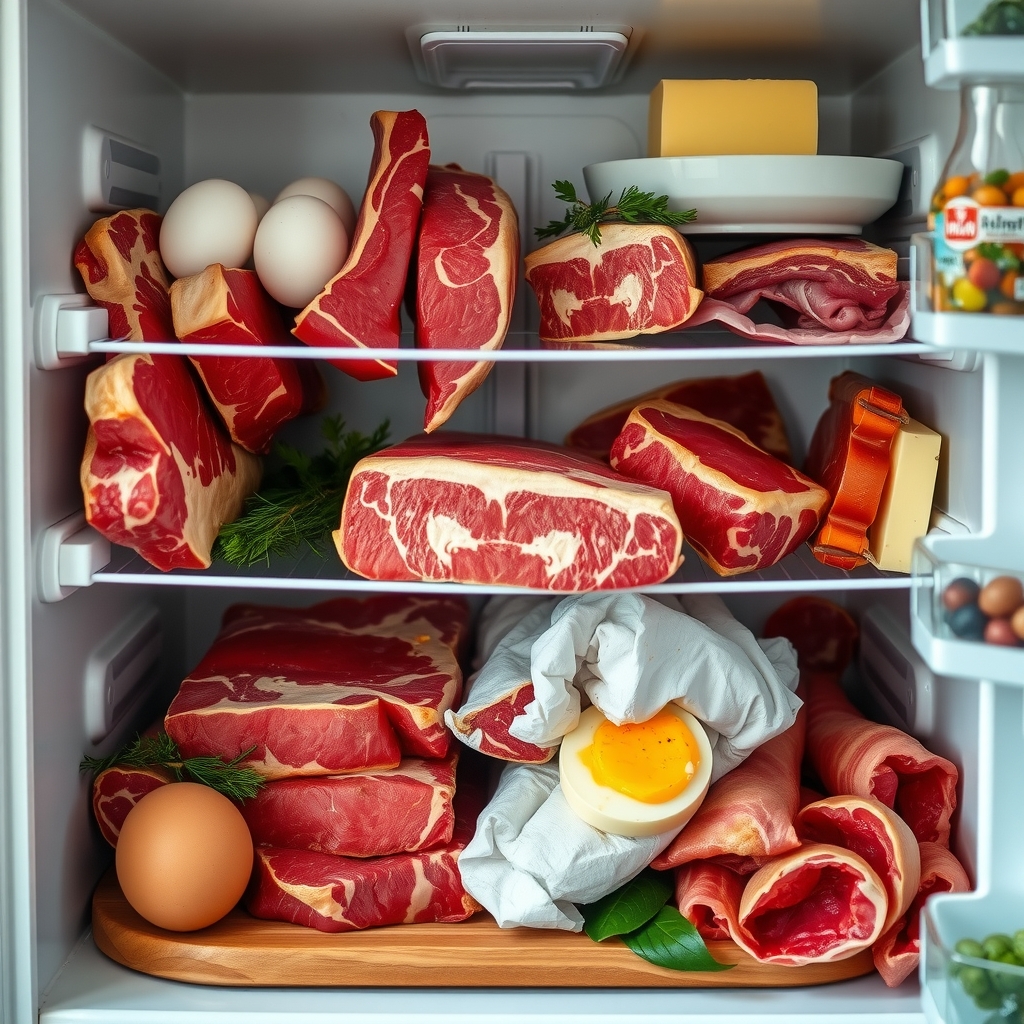
When shopping for meat, prioritize grass-fed, pasture-raised, or wild-caught options whenever possible. These cuts are higher in nutrients like omega-3s and conjugated linoleic acid (CLA), which have anti-inflammatory benefits. Avoid conventionally raised meats, which may contain higher levels of antibiotics and hormones.
If you're on a budget, consider buying in bulk and freezing portions. You can also look for sales on organ meats, which are often cheaper than other cuts of meat. Many butchers offer discounts on organ meats if you ask.
Cooking techniques and tips for carnivore dinners
Mastering a few simple cooking techniques will make carnivore dinners a breeze. Here are some tips to help you get started:
- Searing: Always season your meat generously with salt before cooking. Heat your pan until smoking hot, then sear your meat for 3–4 minutes per side. This creates a flavorful crust and locks in juices.
- Resting meat: After cooking, let your meat rest for 5–10 minutes before slicing. This allows the juices to redistribute, resulting in a more flavorful and tender cut.
- Using rendered fat: Cook eggs, bacon, or other meats in the rendered fat from your steak or pork belly. This adds extra fat and flavor to your meal without adding extra ingredients.
- Batch cooking: Cook large batches of meat and store them in the fridge or freezer for quick meals later in the week. This saves time and ensures you always have protein on hand.
- Reheating: Reheat meat gently in a skillet or microwave to avoid drying it out. Add a splash of water or broth (if tolerated) to help keep it moist.
Here are a few more pro tips:
- Invest in a good meat thermometer to ensure your meat is cooked to the proper internal temperature.
- Use a cast-iron skillet for searing and frying — it retains heat well and adds a delicious flavor to your meat.
- Don't overcrowd your pan when cooking. Cook in batches if needed to ensure even cooking and proper browning.
- If you're cooking with bone broth or collagen, add it to your water or coffee to help with hydration and nutrient intake.
Myth vs. fact: debunking common carnivore diet misconceptions
Let's clear up some common myths about the carnivore diet:
Myth: The carnivore diet is just steak and eggs.
Fact: While steak and eggs are popular choices, the carnivore diet includes a wide variety of meats, fats, and organ meats. You can eat fatty cuts like pork belly, lamb chops, and salmon, as well as organ meats like liver and heart. The key is to focus on nutrient-dense, fatty cuts of meat to meet your nutritional needs.
Myth: You'll get bored eating only meat.
Fact: Many people find that they enjoy the simplicity and variety of the carnivore diet. With so many different cuts of meat, fats, and organ meats to choose from, it's easy to keep meals interesting. Plus, the lack of plant-based foods can make it easier to focus on enjoying the flavors of meat.
Myth: The carnivore diet is dangerous and unsustainable.
Fact: While the carnivore diet is not for everyone, many people report significant health benefits, including improved digestion, reduced inflammation, and better energy levels. However, it's important to approach the diet with caution and work with a healthcare provider to ensure you're meeting your nutritional needs. For most people, the diet is sustainable long-term if it aligns with their health goals and lifestyle.
Myth: You don't need to supplement on carnivore.
Fact: While the carnivore diet can provide many essential nutrients, some people choose to supplement to ensure they're meeting their needs. Common supplements include electrolytes, magnesium, omega-3s, and vitamin D. If you're concerned about deficiencies, consider working with a dietitian or healthcare provider who is familiar with the carnivore diet.
Myth: The carnivore diet is only for people with autoimmune conditions.
Fact: While the carnivore diet has been shown to help some people with autoimmune conditions, it can also benefit others looking to improve digestion, reduce inflammation, or lose weight. The diet's simplicity and focus on nutrient-dense foods make it appealing to a wide range of people.
Myth: You can't eat fish on carnivore.
Fact: Fish is a fantastic option on the carnivore diet, providing omega-3 fatty acids, protein, and essential nutrients. Just be sure to choose wild-caught, sustainably




