The cardiac diet isn’t about restrictive lists—it’s about building meals around foods that actively support heart health. Focus on these nutrient powerhouses:
- Fiber-rich foods: Oats, beans, lentils, apples, and berries help lower cholesterol and keep blood sugar stable.
- Healthy fats: Avocados, nuts, seeds, and fatty fish (like salmon and mackerel) reduce inflammation and support artery health.
- Potassium: Bananas, sweet potatoes, spinach, and white beans help balance sodium and lower blood pressure.
- Magnesium: Dark leafy greens, almonds, and pumpkin seeds support muscle and nerve function, including your heart.
- Omega-3s: Found in flaxseeds, chia seeds, and fatty fish, these fats reduce triglycerides and may lower the risk of heart disease.
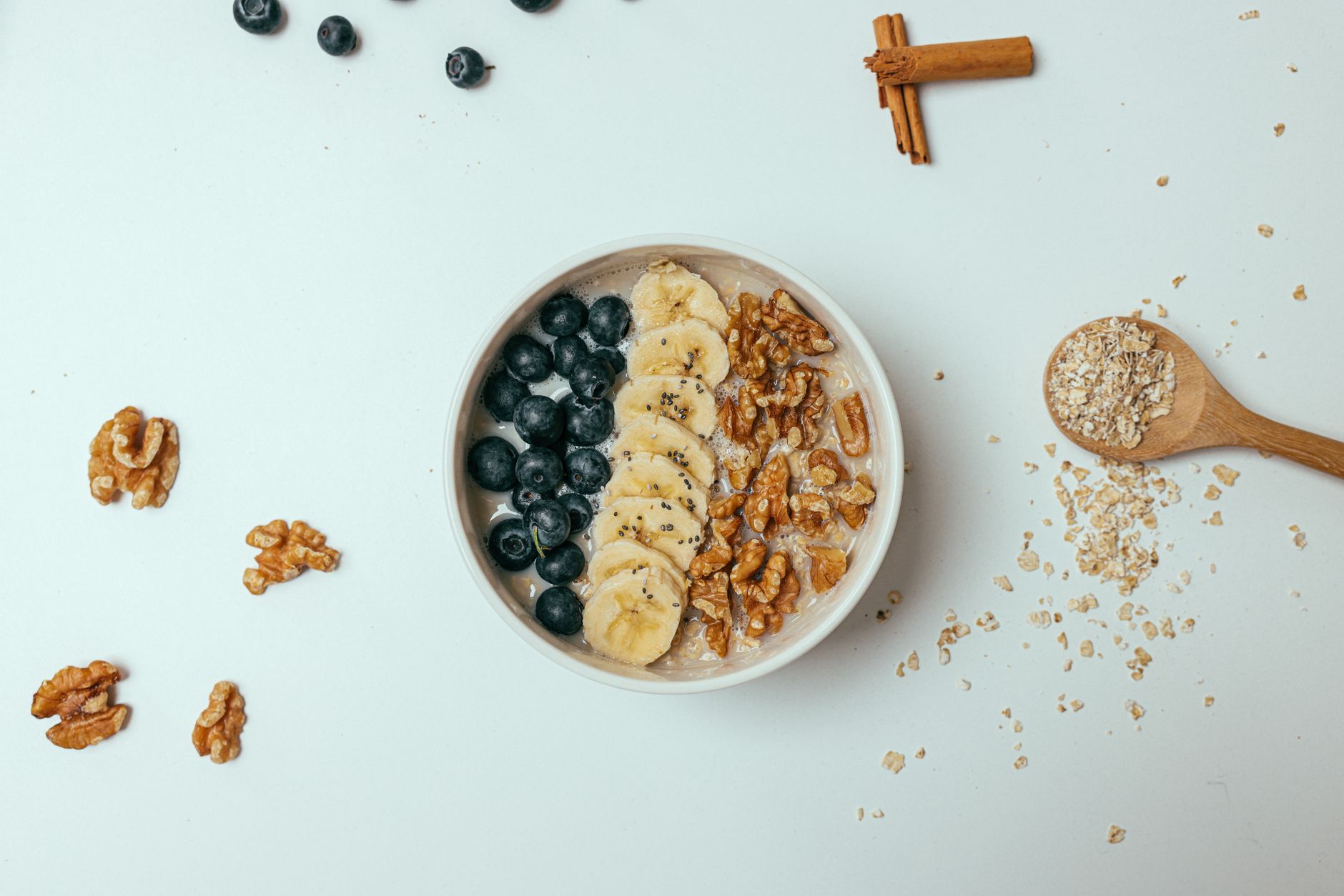
Start by adding one or two of these foods to your meals each day. For example, swap your morning cereal for oatmeal topped with walnuts and blueberries—a simple way to get fiber, healthy fats, and antioxidants. Or replace your afternoon snack with hummus and carrot sticks for plant-based protein and fiber.
**Pro tip:** If you’re unsure where to start, think of the cardiac diet as an upgraded version of the DASH diet—similar principles, but with a focus on heart-specific nutrients like omega-3s and magnesium. The DASH diet’s emphasis on whole foods and reduced sodium aligns perfectly with cardiac health goals.
---
How to start a cardiac-friendly diet after pregnancy
Postpartum life is chaotic—sleep deprivation, hormonal shifts, and the physical demands of caring for a newborn can make healthy eating feel like an afterthought. But your heart’s health matters now more than ever. Here’s how to ease into a cardiac-friendly diet without adding stress:
- Prioritize protein and fiber: Opt for Greek yogurt with chia seeds and berries for breakfast, or lentil soup with whole-grain bread for lunch. These meals keep you full and energized.
- Keep healthy snacks handy: Pre-cut veggies with hummus, a handful of almonds, or a small apple with peanut butter. Store them in the fridge or freezer for grab-and-go options.
- Hydrate with heart-healthy drinks: Swap sugary sodas for infused water with lemon and cucumber or unsweetened herbal tea. Avoid excessive caffeine, which can raise blood pressure.
- Cook in batches: Dedicate one day a week to meal prepping—roast a big tray of veggies, cook a pot of beans, or bake a sheet of salmon. Store portions in the fridge for easy assembly.
- Don’t guilt-trip yourself: If you have a moment to eat, choose something nourishing—even if it’s just a handful of nuts or a smoothie. Small, consistent choices matter more than perfection.
**Reader story:** "After giving birth, I felt like I had no time for myself—let alone healthy meals. But I started keeping a jar of pre-washed baby spinach in the freezer. I’d toss it into smoothies with banana and almond milk. It took five minutes, gave me iron and fiber, and felt like a win. Small steps add up."
If you’re breastfeeding, focus on calcium-rich foods like leafy greens, fortified plant milks, and almonds to support both your milk supply and heart health. And remember: The Nordic diet’s emphasis on whole, minimally processed foods is another great framework for postpartum nutrition.
---
Cardiac heart-healthy diet meal plan for beginners
Here’s a simple 7-day meal plan to get you started. Each day includes breakfast, lunch, dinner, and two snacks. Adjust portions based on your activity level and calorie needs—most women need about 1,600–2,200 calories daily for heart health, but your provider can give personalized guidance.
**Key notes for the plan:**
- Use olive oil or avocado oil for cooking instead of butter or vegetable oils high in trans fats.
- Season foods with herbs, garlic, lemon, and spices instead of salt.
- Drink plenty of water and limit sugary drinks.
- If you’re short on time, pre-cut veggies or frozen veggie mixes can be lifesavers.
---
Low-sodium foods for cardiac heart-healthy diet
Sodium is one of the biggest culprits in high blood pressure, so reducing it is a cornerstone of the cardiac diet. The American Heart Association recommends no more than 1,500–2,300 mg of sodium per day, depending on your health status. Here’s how to cut back without sacrificing flavor:
- Read labels: Even "healthy" foods like canned soups, frozen meals, and bread can be high in sodium. Opt for no-salt-added or low-sodium versions.
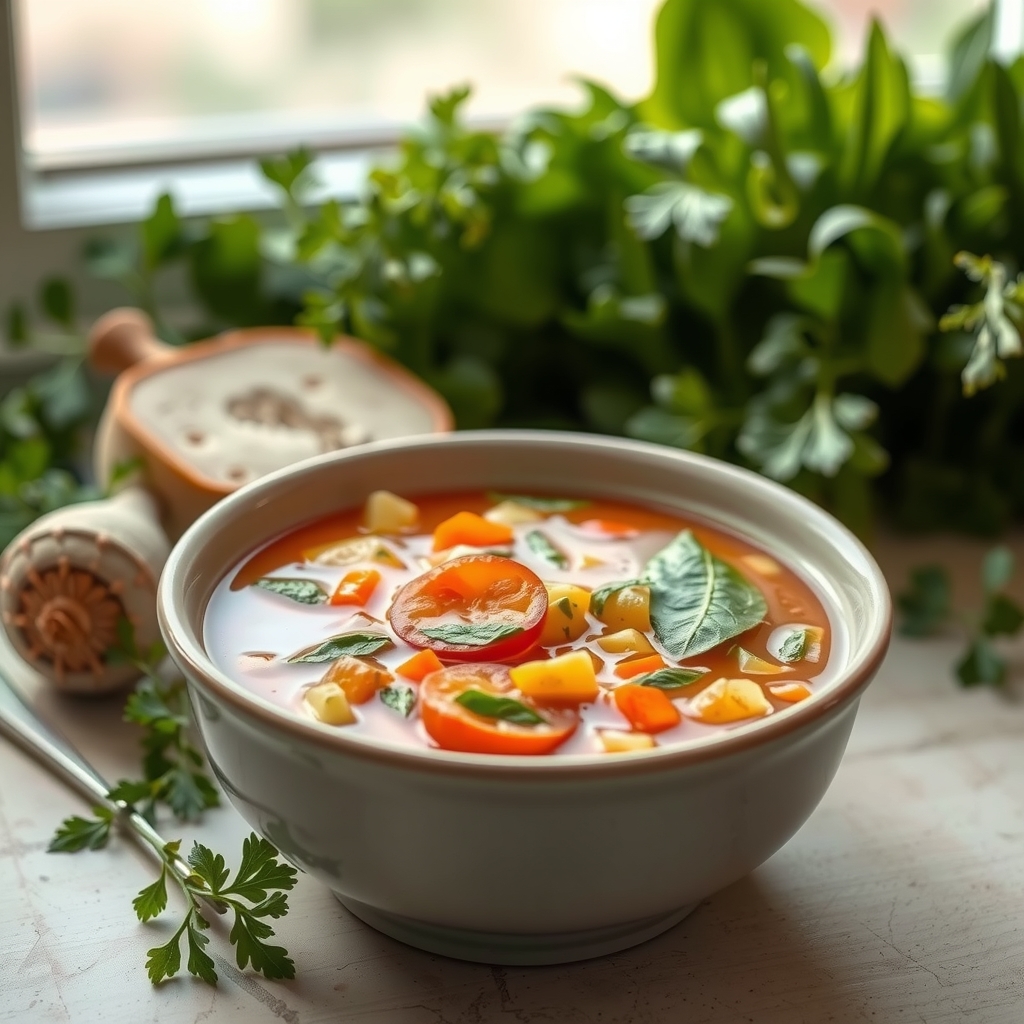
- Cook at home: Restaurant meals and takeout are often loaded with hidden sodium. Learn to make simple dishes like stir-fries with fresh veggies and lean protein or homemade soups with low-sodium broth.
- Use herbs and spices: Garlic, basil, oregano, cumin, and paprika add flavor without sodium. Try a spice blend like Italian seasoning or za’atar for quick seasoning.
- Avoid processed meats: Deli meats, sausages, and hot dogs are often preserved with salt. Swap them for grilled chicken, turkey, or plant-based proteins.
- Watch out for "healthy" traps: Even foods like tomato sauce, soy sauce, and broth can be high in sodium. Use low-sodium versions or make your own.
**Pro tip:** If you love canned beans, rinse them thoroughly before using to remove up to 40% of their sodium content. Similarly, rinse canned tuna or chicken to reduce sodium levels.
---
High-potassium foods for heart health beginners
Potassium helps balance sodium and supports healthy blood pressure. The Dietary Guidelines for Americans recommend 2,600–3,400 mg of potassium daily, but most people don’t get enough. Here are easy ways to boost your intake:
- Bananas: One medium banana provides about 420 mg of potassium. Pair it with nuts for a quick snack.
- Sweet potatoes: One medium baked sweet potato has about 540 mg of potassium. Top it with Greek yogurt for extra protein.
- Spinach: Just one cup of cooked spinach gives you 840 mg of potassium. Add it to smoothies, omelets, or salads.
- White beans: Half a cup of cooked white beans provides 595 mg of potassium. Use them in soups, stews, or mashed as a spread.
- Avocados: Half an avocado has about 485 mg of potassium. Spread it on toast or add it to salads.
- Salmon: A 3-ounce serving of cooked salmon provides about 400 mg of potassium. Pair it with leafy greens for a balanced meal.
**Easy swap:** Instead of reaching for a salty snack, try roasted chickpeas with paprika for a crunchy, potassium-rich alternative.
---
Cardiac diet for beginners with hypertension
If you’ve been diagnosed with hypertension, the cardiac diet becomes even more important. The goal is to lower blood pressure naturally through food, exercise, and stress management. Here’s how to adapt the cardiac diet for hypertension:
- Focus on the DASH diet principles: The DASH diet is specifically designed to lower blood pressure by emphasizing fruits, veggies, whole grains, and lean proteins while reducing sodium and saturated fats.
- Limit alcohol: Even moderate alcohol intake can raise blood pressure. If you drink, limit it to one drink per day (e.g., 5 oz of wine).
- Increase magnesium-rich foods: Magnesium helps relax blood vessels. Add spinach, almonds, pumpkin seeds, and dark chocolate to your meals.
- Monitor your sodium: Aim for less than 1,500 mg per day if your hypertension is severe or if you have other risk factors like diabetes.
- Stay active: Even light activity like walking can help lower blood pressure. Aim for at least 150 minutes of moderate exercise per week.
**Sample hypertension-friendly meal:** Grilled chicken with quinoa, steamed broccoli, and a side salad dressed with olive oil and lemon. This meal is low in sodium, high in potassium and magnesium, and packed with fiber.
---
Cardiac heart-healthy diet grocery list for beginners
Shopping for a cardiac-friendly diet can feel overwhelming, but this beginner-friendly grocery list covers the essentials. Organize your list by sections to save time:
Produce
- Leafy greens (spinach, kale, Swiss chard)
- Berries (blueberries, strawberries, raspberries)
- Bananas
- Sweet potatoes
- Avocados
- Bell peppers
- Carrots
- Broccoli
- Zucchini
- Tomatoes
Proteins
- Fatty fish (salmon, mackerel, sardines)
- Skinless chicken breast
- Turkey breast
- Eggs
- Greek yogurt (unsweetened)
- Cottage cheese
- Lentils
- Chickpeas
- Black beans
- Tofu or tempeh
Whole Grains
- Oats
- Quinoa
- Brown rice
- Whole-grain bread
- Whole-grain pasta
- Farro
Healthy Fats
- Olive oil
- Avocado oil
- Almonds
- Walnuts
- Pumpkin seeds
- Chia seeds
- Flaxseeds
Low-Sodium Staples
- Low-sodium broth
- No-salt-added canned beans
- Herbs and spices (garlic powder, basil, oregano, cumin, paprika)
Dairy (or Dairy Alternatives)
- Unsweetened almond milk
- Fortified soy milk
- Low-fat or non-fat cheese (in moderation)
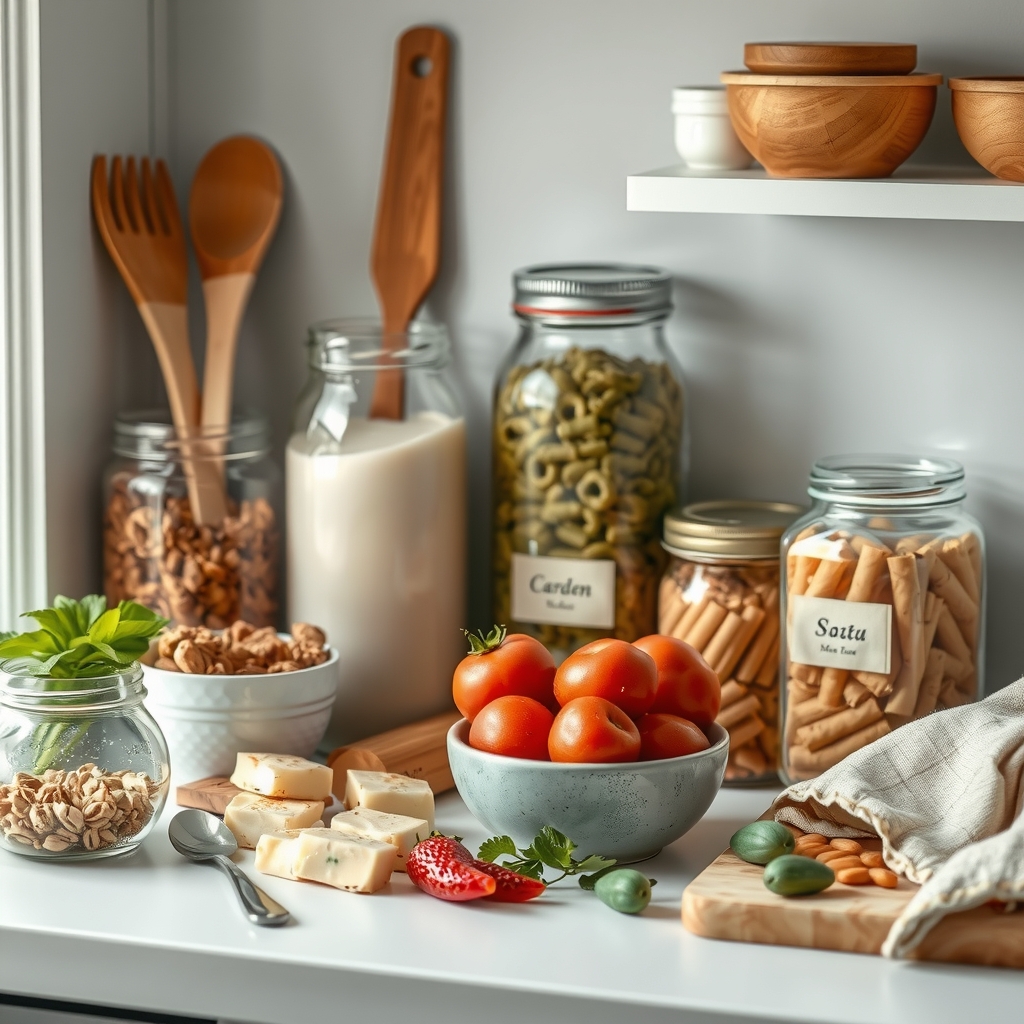
**Pro tip:** If you’re short on time, buy pre-cut veggies, frozen berries, or pre-cooked grains to simplify meal prep. Frozen veggies retain nutrients and can be just as healthy as fresh.
---
Cooking tips for heart-healthy meals
Cooking at home is one of the easiest ways to control sodium, saturated fats, and portion sizes. Here are some simple tips to make heart-healthy meals effortless:
- Use nonstick or ceramic cookware: These require less oil than traditional pans, reducing your fat intake.
- Bake, steam, or grill instead of frying: Opt for baked chicken over fried, or steamed veggies over sautéed in butter.
- Marinate lean proteins: Use lemon juice, vinegar, or herbs to add flavor without salt. For example, marinate chicken in olive oil, garlic, and rosemary before grilling.
- Sauté with healthy fats: Use olive oil or avocado oil instead of butter for cooking. These oils are rich in monounsaturated fats, which support heart health.
- Batch-cook grains and proteins: Cook a big pot of quinoa or brown rice once a week and use it in salads, bowls, or sides. Similarly, bake a tray of chicken or fish to use in multiple meals.
- Experiment with global flavors: Try Mediterranean (olive oil, herbs, lemon), Asian-inspired (ginger, garlic, sesame oil), or Mexican (limes, cilantro, avocado) dishes to keep meals exciting.
**Example recipe:** One-Pan Lemon Garlic Salmon with Asparagus
- Preheat oven to 400°F (200°C).
- Place salmon fillets on a baking sheet lined with parchment paper.
- Drizzle with olive oil, lemon juice, minced garlic, salt (if tolerated), and pepper.
- Arrange asparagus around the salmon.
- Bake for 12–15 minutes until salmon flakes easily.
- Serve with a side of quinoa or a simple salad.
---
Common food pitfalls to avoid
Even with the best intentions, it’s easy to fall into habits that sabotage heart health. Here are the most common mistakes—and how to fix them:
- Assuming "low-fat" means heart-healthy: Many low-fat foods are loaded with sugar or artificial ingredients. For example, low-fat yogurt often has added sugar. Instead, choose unsweetened Greek yogurt and add your own fruit.
- Skipping meals or overeating later: When you’re short on time, it’s tempting to skip breakfast or lunch. But this can lead to overeating at dinner or unhealthy snacking. Instead, keep quick, portable snacks like nuts, fruit, or pre-cut veggies.
- Relying on frozen meals: Convenience meals are often high in sodium, saturated fats, and preservatives. If you need a quick meal, opt for frozen veggies or pre-cut salads and cook from scratch.
- Ignoring portion sizes: Even healthy foods like nuts or avocados can contribute to excess calories if eaten in large amounts. Use measuring cups or a food scale to keep portions in check.
- Drinking sugary beverages: Soda, sweetened coffee drinks, and fruit juices can add hundreds of calories and sugar to your diet. Stick to water, herbal tea, or black coffee.
- Avoiding fats entirely: Healthy fats are essential for heart health. If you’re avoiding all fats, you might be missing out on nutrients like omega-3s and vitamin E. Include avocados, nuts, seeds, and fatty fish in your meals.
**Pro tip:** If you’re craving something indulgent, try a dark chocolate square (70%+ cocoa) or a small piece of fruit with nut butter. These satisfy cravings while keeping your diet heart-healthy.
---
Supplement and vitamin considerations
While food should be your primary source of nutrients, some people benefit from supplements—especially if they have dietary restrictions or deficiencies. Here’s what to consider:
**Important note:** Always check with your provider before starting any supplement, especially if you’re on medication. For example, omega-3s can interact with blood thinners, and magnesium supplements may affect blood pressure medications.
If you’re unsure whether you need supplements, start with a balanced diet and consider a blood test to check for deficiencies. Many women are low in vitamin D or B12, which can affect energy and heart health.
---
Monitoring progress and adjusting your diet
How do you know if your cardiac diet is working? Track these signs and adjust as needed:
- Blood pressure: If you have hypertension, monitor your blood pressure regularly. Aim for readings below 120/80 mmHg. If your blood pressure doesn’t improve after 3–6 months, consult your provider.
- Energy levels: Heart-healthy foods are nutrient-dense, so you may notice improved energy and fewer crashes. If you’re consistently fatigued, focus on iron-rich foods (spinach, lentils) or consider a blood test.
- Cholesterol levels: If you have high cholesterol, ask your provider to check your levels every 6–12 months. A cardiac diet can help lower LDL ("bad" cholesterol) and raise HDL ("good" cholesterol).
- Weight changes: A heart-healthy diet often supports a healthy weight, but don’t obsess over the scale. Focus on how your clothes fit and how you feel.
- Food cravings: If you’re craving salty, fatty, or sugary foods, it may be a sign you need more protein, fiber, or healthy fats. Try adding avocado to your lunch or nuts to your snacks to curb cravings.
**Pro tip:** Keep a simple food journal for a week. Note how you feel after meals—energized, sluggish, or satisfied—and adjust based on what works best for you. Apps like MyFitnessPal can help track nutrients and calories.
---
Myth vs. Fact
Myth: "You have to give up all your favorite foods on a cardiac diet."
Fact: The cardiac diet isn’t about restriction—it’s about balance. You can still enjoy foods like dark chocolate, red wine (in moderation), and occasional treats. The key is portion control and choosing nutrient-dense versions (e.g., dark chocolate over milk chocolate).
Myth: "All fats are bad for your heart."
Fact: Not all fats are created equal. Saturated and trans fats (found in fried foods and processed snacks) raise LDL cholesterol, but healthy fats like those in avocados, nuts, and olive oil support heart health.
Myth: "You can’t eat dairy on a cardiac diet."
Fact: Dairy can be part of a heart-healthy diet, but opt for low-fat or non-fat versions and limit processed cheeses. Greek yogurt and cottage cheese are great choices because they’re high in protein and low in sodium.
---
Key Takeaways
- Focus on whole foods like fruits, veggies, whole grains, lean proteins, and healthy fats. These provide the nutrients your heart needs without excess sodium or saturated fat.
- Start small: Swap one unhealthy habit at a time, like choosing oatmeal over cereal or swapping butter for olive oil.
- Cook at home as much as possible to control ingredients and portion sizes. Even simple meals like stir-fries or salads can be heart-healthy with the right ingredients.
- Prioritize low-sodium foods and watch out for hidden sodium in canned soups, frozen meals, and bread. Use herbs and spices to add flavor.
- Include high-potassium foods like bananas, sweet potatoes, and spinach to help balance sodium and support blood pressure.
- If you’re unsure about supplements, start with a balanced diet and consider a blood test to check for deficiencies. Always consult your provider before starting new supplements.
- Monitor your progress by tracking blood pressure, energy levels, and cholesterol. Adjust your diet as needed based on how you feel and your provider’s guidance.
---
Frequently Asked Questions
What foods should I avoid on a cardiac diet?
Limit or avoid foods high in saturated fats, trans fats, sodium, and added sugars. These include:
- Fried foods (French fries, fried chicken)
- Processed meats (sausages, bacon, deli meats)
- Full-fat dairy (butter, whole milk, regular cheese)
- Refined grains (white bread, white rice, sugary cereals)
- Sugary drinks (soda, sweetened coffee, fruit juices)
- Packaged snacks (chips, crackers, candy)
Instead, focus on whole, minimally processed foods like veggies, fruits, lean proteins, and whole grains.
How many calories should I eat on a cardiac diet?
The ideal calorie intake depends on your age, sex, activity level, and health goals. Most women need 1,600–2,200 calories daily for heart health, but your provider can give personalized guidance. If you’re unsure, start with a moderate calorie goal and adjust based on how you feel—energized, sluggish, or satisfied.
Can I eat dairy on a cardiac diet?
Yes, but choose low-fat or non-fat versions and limit processed cheeses. Greek yogurt, cottage cheese, and small amounts of low-fat cheese are great choices because they’re high in protein and low in sodium. If you have lactose intolerance, opt for fortified plant milks like almond or soy milk.
What is a typical cardiac diet meal plan?
See our 7-day meal plan above for a sample of balanced, heart-healthy meals. A typical day might include:
- Breakfast: Oatmeal with walnuts, blueberries, and flaxseeds
- Lunch: Grilled chicken salad with spinach, cherry tomatoes, avocado, and balsamic dressing
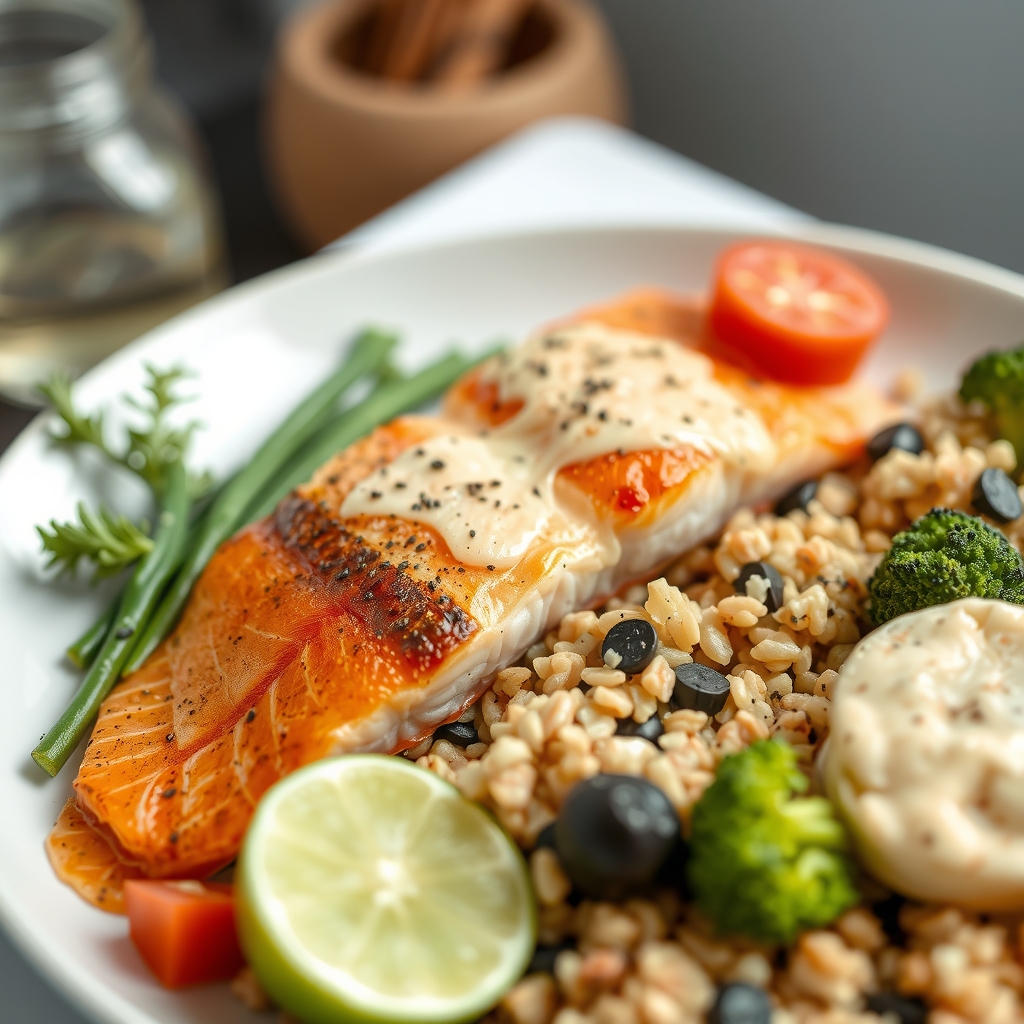
- Dinner: Baked salmon with quinoa and steamed broccoli
- Snacks: Handful of almonds, apple slices with peanut butter
Adjust portions based on your needs, and don’t forget to stay hydrated with water or herbal tea.
How long does it take to see benefits from a cardiac diet?




