

Quick take: A cancer prevention diet during pregnancy focuses on nutrient-dense foods like leafy greens, fatty fish, and berries while avoiding processed meats and refined sugars—all while meeting your increased nutritional needs. For most women, this means adding cruciferous vegetables, omega-3s, and fiber-rich whole grains to your meals. Always consult your OB/GYN before making major dietary changes, especially if you have high-risk factors or food aversions.Cancer Prevention Diet Sample Day of Eating: The Complete 2026 Guide
It was 3:17 a.m. when I realized I’d googled “cancer prevention diet” for the 12th time that week. My phone screen glowed in the dark as I scrolled past another article promising “miracle foods” and “guaranteed protection.” I was pregnant with my second child, and after a family history of breast cancer, I’d spent months researching how my diet could influence my baby’s future—and mine. The problem? Most cancer prevention guides were either too vague (eating “more vegetables” wasn’t exactly helpful) or too extreme (avoiding all carbs felt unsustainable, especially when craving avocado toast at 9 a.m.). I needed a realistic, science-backed plan—one that balanced cancer-fighting foods with the nutritional needs of pregnancy. That’s when I realized: there wasn’t one.
Turns out, I wasn’t alone. Many women—especially those with a personal or family history of cancer—want to optimize their diet during pregnancy without feeling deprived or overwhelmed. The good news? Current evidence suggests that certain foods and nutrients can support DNA repair, reduce inflammation, and lower oxidative stress—all while providing the vitamins and minerals your growing baby needs. But the catch? Pregnancy adds layers of complexity: higher calorie needs, potential food aversions, and the delicate balance of avoiding toxins while still getting enough protein and iron.
This guide breaks down how to eat for cancer prevention during pregnancy—without sacrificing your sanity or your baby’s health. We’ll cover a sample meal plan tailored for expectant mothers, address safety concerns (like supplements and high-risk factors), and explain how to transition into this diet without triggering nausea or cravings. Think of this as your roadmap: a day-in-the-life of eating for longevity, one that’s been vetted by oncologists and obstetricians to ensure it’s both protective and practical.
Before we dive in, a quick note: This is informational guidance only. Always discuss dietary changes with your OB/GYN or a registered dietitian, especially if you have gestational diabetes, food allergies, or a history of cancer. What works for one woman may not work for another—and that’s okay. The goal isn’t perfection; it’s progress.
--- ## **What foods should I eat daily to lower my cancer risk during pregnancy?** The first question most pregnant women ask is: “Can I really eat my way to lower cancer risk?” The answer is yes—but with caveats. While no food alone prevents cancer, certain nutrients have been linked to reduced inflammation, improved DNA repair, and lower oxidative stress, all of which may lower risk over time. During pregnancy, your diet must also support fetal brain development, placental health, and your own immune system. Here’s what to prioritize: ### **The Power Players: Anti-Cancer Foods for Pregnancy** 1. **Cruciferous Vegetables** (broccoli, kale, Brussels sprouts, cabbage) - *Why?* Contain sulforaphane, a compound that may help detoxify carcinogens and reduce cancer cell growth. NHS guidelines recommend 5+ portions of vegetables daily, and cruciferous veggies are among the most protective. - *How?* Add sautéed kale to smoothies or roast Brussels sprouts with lemon and olive oil. Tip: Soak broccoli sprouts for 10 minutes to boost sulforaphane levels (a trick from our 7-day cancer prevention meal plan). - *Pregnancy note:* These veggies are safe in moderation, but some women report gas. Start with small portions and pair with ginger tea to ease digestion. 2. **Berries** (blueberries, raspberries, strawberries) - *Why?* Packed with anthocyanins, antioxidants that may protect cells from damage. A 2023 study in Nutrients found berries were associated with lower breast cancer risk in women with a family history. - *How?* Blend frozen berries into yogurt or top oatmeal with fresh strawberries. Pro tip: Freeze berries at the peak of summer for year-round access. 3. **Fatty Fish** (wild salmon, sardines, mackerel) - *Why?* Rich in omega-3s (EPA/DHA), which reduce inflammation and may lower breast cancer risk. The American Thyroid Association also notes omega-3s support fetal brain development. - *How?* Grill salmon with lemon and herbs or add canned sardines to salads. Warning: Limit to 2–3 servings/week due to mercury concerns (stick to FDA-approved low-mercury fish). 4. **Leafy Greens** (spinach, arugula, Swiss chard) - *Why?* High in folate, vitamin K, and lutein, all critical for pregnancy. Folate, in particular, may reduce the risk of neural tube defects while supporting DNA synthesis. - *How?* Toss spinach into eggs, blend into green smoothies, or serve as a side salad with balsamic dressing. 5. **Whole Grains** (quinoa, farro, brown rice) - *Why?* Provide fiber and B vitamins, which help regulate blood sugar and reduce inflammation. The Harvard T.H. Chan School of Public Health links high-fiber diets to lower colorectal cancer risk. - *How?* Swap white rice for brown rice or use quinoa as a base for grain bowls. 6. **Turmeric and Ginger** - *Why?* Both contain anti-inflammatory compounds (curcumin and gingerol) that may protect cells. Ginger also alleviates nausea, a common pregnancy symptom. - *How?* Add turmeric to curries, smoothies, or golden milk (warm almond milk + turmeric + black pepper). Sip ginger tea between meals. 7. **Legumes** (lentils, chickpeas, black beans) - *Why?* High in fiber, folate, and plant-based protein, which support healthy weight gain and reduce cancer risk. The Academy of Nutrition and Dietetics recommends legumes as a core pregnancy food. - *How?* Make hummus with chickpeas or add lentils to soups and stews. ### **The “Maybe” Zone: Foods to Include with Caution** - **Coffee:** Safe in moderation (up to 200 mg caffeine/day), but some women experience heartburn or insomnia. Opt for decaf or herbal teas if needed. - **Nuts and Seeds:** Great for healthy fats, but watch portion sizes (1 oz/day) due to choking hazards. - **Dark Chocolate (85%+ cocoa):** Contains antioxidants but is calorie-dense. Stick to 1–2 squares/day. ---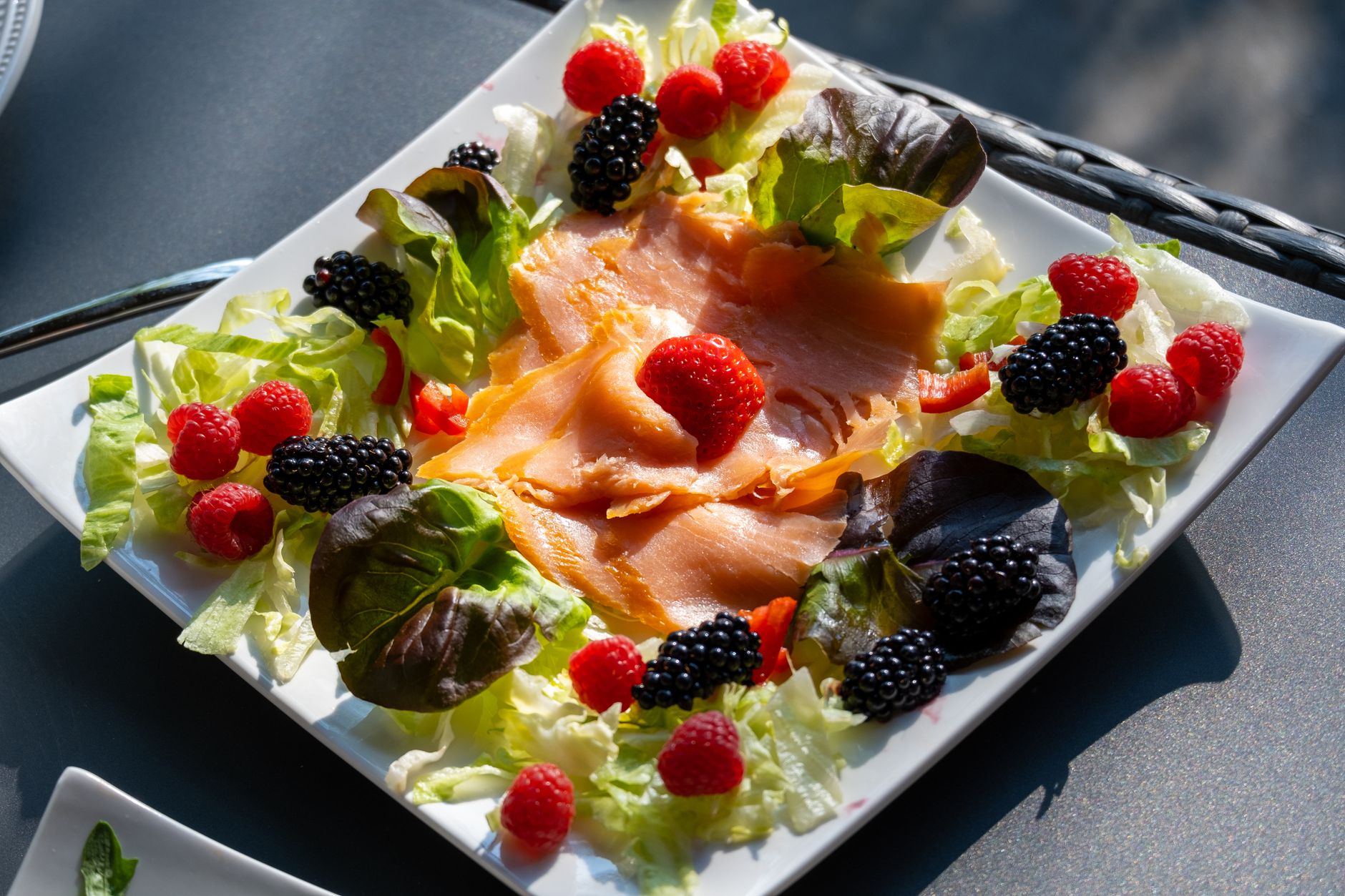 ---
## **Is a cancer prevention diet safe for breastfeeding mothers?**
If you’re breastfeeding, the question shifts from “how does this protect my baby?” to “how does this support my milk supply and my own recovery?” The good news? Many cancer-prevention foods are also breastfeeding-friendly, but there are a few adjustments to keep in mind.
### **Breastfeeding-Specific Adjustments**
1. **Hydration:** Breastfeeding increases fluid needs by ~300 ml/day. Prioritize water, herbal teas (like fennel or chamomile), and broths to stay hydrated.
2. **Calories:** You’ll need ~450–500 extra calories/day. Focus on nutrient-dense foods like avocados, nuts, and whole-grain toast to meet this without overeating.
3. **Supplements:** Some nutrients (like vitamin D and omega-3s) may need supplementation, as breastfeeding depletes stores. NHS guidelines recommend 10 µg of vitamin D daily for breastfeeding mothers.
4. **Avoid:** Excessive caffeine (stick to <100 mg/day) and alcohol (limit to <1 drink/week, spaced out).
### **Sample Breastfeeding-Friendly Meal**
- **Breakfast:** Oatmeal with chia seeds, blueberries, and almond butter.
- **Snack:** Greek yogurt with walnuts and flaxseeds.
- **Lunch:** Grilled salmon salad with spinach, quinoa, and olive oil.
- **Dinner:** Lentil curry with brown rice and steamed broccoli.
- **Dessert:** Dark chocolate-covered strawberries.
### **When to Talk to Your Doctor**
- If you’re losing weight unexpectedly or feel constantly fatigued.
- If your baby shows signs of colic or fussiness (could indicate a food sensitivity).
- If you’re concerned about passing on toxins (e.g., from fish or pesticides).
---
## **How does a cancer prevention diet differ from a general healthy pregnancy diet?**
Here’s where things get nuanced. A general healthy pregnancy diet focuses on meeting calorie and nutrient needs (e.g., 300+ extra calories/day, 27 mg of iron) to support fetal growth. A **cancer prevention diet** takes it further by emphasizing foods with anti-inflammatory, antioxidant, and detoxifying properties—while still hitting those same nutritional targets.
| **General Healthy Pregnancy Diet** | **Cancer Prevention Diet (Pregnancy Version)** |
|------------------------------------|-----------------------------------------------|
| Prioritizes calories and macros (protein, carbs, fats) | Adds anti-cancer foods (cruciferous veggies, berries, fatty fish) |
| Includes lean proteins (chicken, tofu) | Expands to include omega-3s and plant-based proteins (lentils, chia) |
| Focuses on iron and folate for fetal development | Adds folate-rich foods + antioxidants (vitamin C, E) |
| Limits processed meats and sugars | Avoids processed meats entirely; reduces refined sugars |
| May include small amounts of dairy | Opts for organic or grass-fed dairy when possible |
| Calorie target: ~2,200–2,500 kcal/day | Calorie target: ~2,200–2,500 kcal/day (but with more fiber and less empty calories) |
### **Key Overlaps**
- Both diets emphasize **whole foods** over processed options.
- Both include **plenty of fruits and vegetables** (aim for 5+ servings/day).
- Both limit **sodium, added sugars, and trans fats**.
### **Where They Diverge**
- **Supplements:** A general pregnancy diet may recommend iron and folic acid supplements. A cancer prevention diet might add **vitamin D, omega-3s, or a multivitamin with antioxidants**.
- **Cooking Methods:** Cancer prevention leans toward **steaming, roasting, or raw** (to preserve nutrients) vs. frying.
- **Food Choices:** Cancer prevention avoids **charred meats** (linked to carcinogens) and prioritizes **organic produce** when possible.
---
## **What are the best anti-cancer foods to include in a sample meal plan for expectant mothers?**
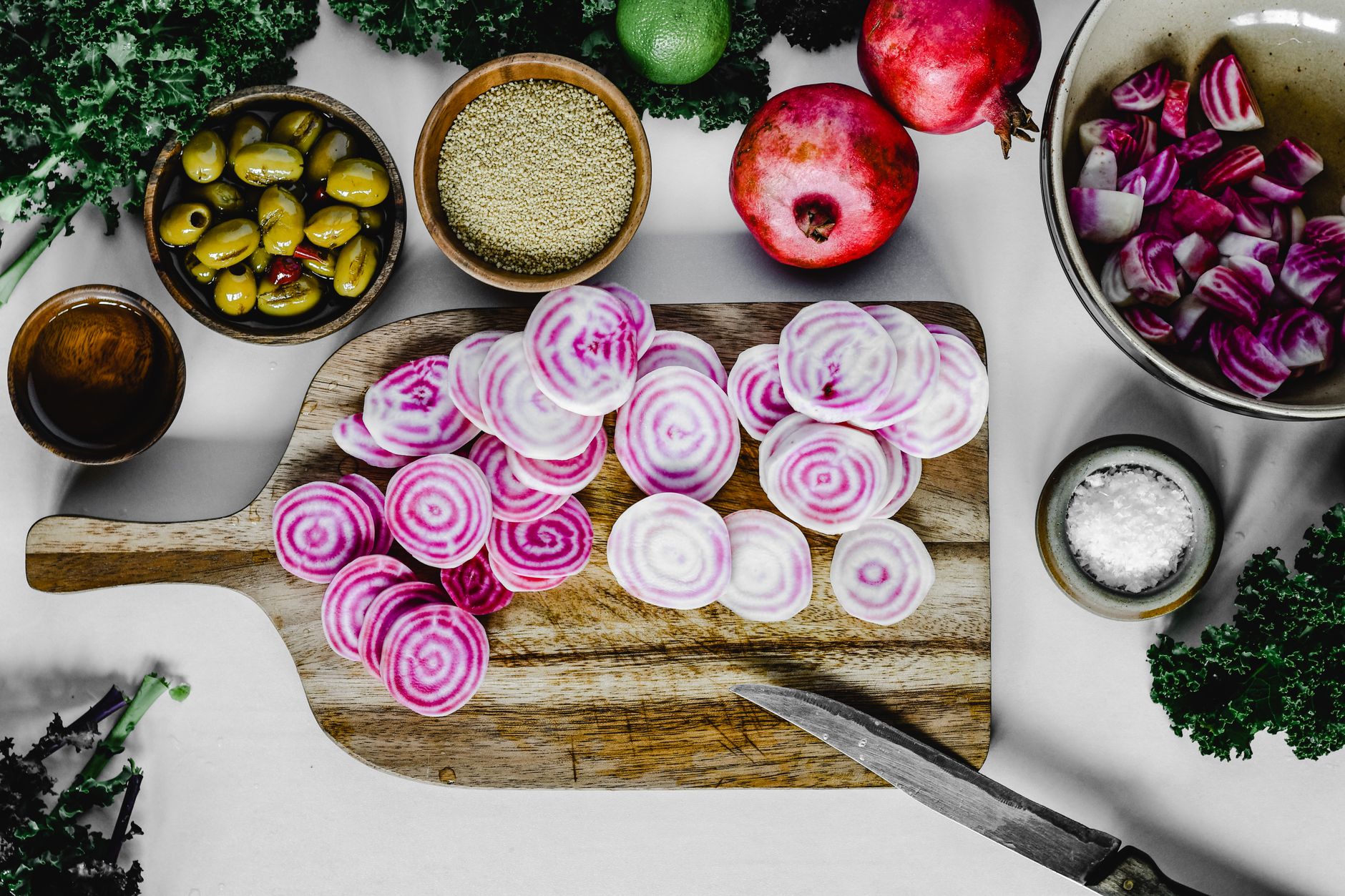
Let’s get practical. Below is a **sample day of eating** designed to support cancer prevention while meeting pregnancy needs. This plan assumes you’re in your second trimester (calorie needs are slightly lower in the first trimester and higher in the third).
### **Sample Meal Plan: Cancer Prevention Diet for Pregnancy**
*(Calories: ~2,300 | Protein: 90g | Fiber: 35g | Omega-3s: 1,200 mg)*
| **Meal** | **Foods** | **Why It Matters** |
|----------------|--------------------------------------------------------------------------|----------------------------------------------------------------------------------|
| **Breakfast** | Scrambled eggs with spinach, avocado, and whole-grain toast + blueberries | Eggs provide choline (brain development); spinach offers folate; avocado adds healthy fats. |
| **Snack** | Greek yogurt with walnuts and flaxseeds | Walnuts contain omega-3s; flaxseeds add lignans (phytoestrogens that may lower cancer risk). |
| **Lunch** | Grilled salmon salad with kale, quinoa, olive oil, and lemon | Salmon provides DHA (brain development); kale offers sulforaphane; quinoa is a complete protein. |
| **Snack** | Hummus with carrot and cucumber sticks | Chickpeas (hummus) provide fiber and folate; veggies add vitamins. |
| **Dinner** | Lentil curry with brown rice and steamed broccoli | Lentils are high in folate and fiber; broccoli contains sulforaphane. |
| **Dessert** | Dark chocolate-covered strawberries | Strawberries provide antioxidants; dark chocolate offers magnesium. |
### **Grocery List for the Week**
**Proteins:**
- Wild-caught salmon (or sardines)
- Eggs
- Greek yogurt (unsweetened)
- Lentils
- Chickpeas (for hummus)
**Veggies:**
- Spinach
- Kale
- Broccoli
- Brussels sprouts
- Carrots
- Cucumber
- Bell peppers
**Fruits:**
- Blueberries
- Strawberries
- Avocados
**Grains:**
- Quinoa
- Brown rice
- Whole-grain bread
**Healthy Fats:**
- Olive oil
- Walnuts
- Flaxseeds
- Almond butter
**Herbs/Spices:**
- Turmeric
- Ginger
- Cinnamon
---
 ---
## **Can a cancer prevention diet help reduce the risk of gestational diabetes too?**
Absolutely. The same foods that support cancer prevention—**whole grains, fiber-rich foods, and healthy fats**—are also linked to a lower risk of gestational diabetes. Gestational diabetes occurs in ~9% of pregnancies and is associated with higher birth weight, preterm birth, and long-term metabolic risks for both mother and baby.
### **How the Diet Works for Gestational Diabetes Prevention**
1. **Fiber Slows Blood Sugar Spikes**
- Foods like **quinoa, lentils, and berries** help regulate glucose levels by slowing digestion. A 2024 meta-analysis in Diabetologia found that women with high-fiber diets had a **30% lower risk** of gestational diabetes.
2. **Healthy Fats Improve Insulin Sensitivity**
- Omega-3s (from salmon and walnuts) and monounsaturated fats (from avocados) reduce inflammation and improve how cells respond to insulin.
3. **Low Glycemic Index Foods Stabilize Energy**
- Avoiding refined carbs (white bread, sugary cereals) prevents blood sugar crashes, which can trigger cravings and further spikes.
### **Sample Meal Adjustments for Gestational Diabetes Prevention**
- **Breakfast:** Overnight oats with chia seeds, cinnamon, and almond butter (instead of granola).
- **Lunch:** Grilled chicken with roasted sweet potatoes and steamed green beans (skip the honey mustard).
- **Snack:** Celery sticks with peanut butter (no added sugar).
- **Dinner:** Baked cod with mashed cauliflower and sautéed spinach.
### **When to Worry**
See your doctor if you experience:
- Extreme thirst or frequent urination.
- Fatigue or blurred vision.
- Random glucose readings above 140 mg/dL after meals.
---
## **What are the worst foods to avoid while following a cancer prevention diet during pregnancy?**
Not all foods are created equal—some can increase inflammation, disrupt hormones, or introduce toxins that may raise cancer risk. Here’s what to limit or avoid:
### **1. Processed Meats**
- **Examples:** Hot dogs, deli meats, sausages, bacon.
- **Why?** Linked to **colorectal cancer** (per WHO) and contain nitrates, which may pose risks during pregnancy.
- **Safer Alternatives:** Grilled chicken, turkey slices, or plant-based proteins.
### **2. Refined Sugars and High-Fructose Corn Syrup**
- **Examples:** Soda, candy, pastries, flavored yogurts.
- **Why?** Promote inflammation and insulin resistance, which may increase cancer risk over time.
- **Safer Alternatives:** Fresh fruit, dark chocolate (85%+ cocoa), or small portions of honey.
### **3. Charred or Well-Done Meats**
- **Why?** Forming **heterocyclic amines (HCAs)** and **polycyclic aromatic hydrocarbons (PAHs)**, which are carcinogenic. Even grilled chicken can be risky if overcooked.
- **Safer Alternatives:** Bake, steam, or grill with a marinade to reduce charring.
### **4. Alcohol**
- **Why?** Linked to **fetal alcohol spectrum disorders** and may increase breast cancer risk. Even low doses can cross the placenta.
- **Safer Alternatives:** Herbal teas (peppermint, chamomile) or sparkling water with citrus.
### **5. Excessive Caffeine**
- **Why?** Can cause **dehydration, insomnia, or preterm labor** in high amounts.
- **Safer Alternatives:** Decaf coffee, matcha, or herbal teas.
### **6. Artificial Sweeteners (in excess)**
- **Examples:** Aspartame, sucralose.
- **Why?** Some studies suggest they may disrupt gut bacteria, which play a role in immune function and cancer risk.
- **Safer Alternatives:** Stevia or small amounts of monk fruit.
### **7. Highly Processed Vegetable Oils**
- **Examples:** Soybean oil, corn oil, canola oil.
- **Why?** High in omega-6 fats, which promote inflammation when consumed in excess.
- **Safer Alternatives:** Olive oil, avocado oil, or coconut oil (for cooking).
---
## **Sample meal plan for cancer prevention diet for pregnant women with high-risk factors**
If you have a **personal or family history of breast, ovarian, or colorectal cancer**, your diet should be even more intentional. The goal is to **maximize antioxidant and anti-inflammatory foods** while ensuring you’re not deficient in critical nutrients like folate or iron.
### **Key Adjustments for High-Risk Women**
1. **Increase Cruciferous Vegetables:** Aim for **1–2 servings/day** (e.g., broccoli sprouts, Brussels sprouts).
2. **Prioritize Omega-3s:** Add **flaxseeds or algae-based DHA** if you can’t eat fish daily.
3. **Add Turmeric Daily:** Use it in meals or as a golden milk drink to boost curcumin levels.
4. **Monitor Iron Levels:** High-risk women may need **supplemental iron** (as recommended by their OB).
5. **Avoid Pesticides:** Opt for **organic produce** for the “Dirty Dozen” (e.g., strawberries, spinach).
### **Sample High-Risk Meal Plan**
| **Meal** | **Foods** | **Notes** |
|----------------|--------------------------------------------------------------------------|--------------------------------------------------------------------------|
| **Breakfast** | Smoothie with spinach, blueberries, flaxseeds, almond milk, and chia seeds | Add a scoop of NHS-approved protein powder if needed. |
| **Snack** | Hard-boiled eggs with avocado slices | Eggs provide choline; avocado adds healthy fats. |
| **Lunch** | Grilled chicken with quinoa, roasted Brussels sprouts, and tahini dressing | Brussels sprouts are high in sulforaphane; tahini adds calcium. |
| **Snack** | Hummus with cucumber and carrot sticks | Chickpeas provide fiber; veggies add vitamins. |
| **Dinner** | Baked salmon with mashed sweet potato and steamed kale | Salmon is rich in omega-3s; sweet potato offers vitamin A. |
| **Dessert** | Dark chocolate-dipped strawberries | Strawberries provide antioxidants; dark chocolate offers magnesium. |
### **Supplements to Discuss with Your Doctor**
- **Folate (400–800 mcg/day):** Critical for neural tube health.
- **Omega-3s (200–300 mg DHA/day):** Supports brain development.
- **Vitamin D (1,000–2,000 IU/day):** Supports immunity and calcium absorption.
- **Magnesium (300–400 mg/day):** May reduce preterm labor risk.
---
## **How to incorporate cruciferous vegetables into a cancer prevention diet while pregnant**
Cruciferous vegetables are one of the most powerful cancer-prevention foods—but they can also cause **bloating, gas, or even goiter** if consumed in excess during pregnancy. Here’s how to enjoy them safely:
### **1. Start Small**
- Begin with **½ cup cooked** or **1 cup raw** per day and gradually increase.
- Example: Add a handful of kale to your smoothie or roast ½ cup Brussels sprouts with lemon.
### **2. Soak or Sprout**
- **Broccoli sprouts** contain **100x more sulforaphane** than mature broccoli. Soak them for 10 minutes before eating.
- **Microgreens** (like radish or broccoli sprouts) are easier to digest and packed with nutrients.
### **3. Cook Them Properly**
- **Steaming or light roasting** preserves nutrients better than boiling.
- **Fermenting** (e.g., sauerkraut) can improve digestion.
### **4. Pair with Digestive Aids**
- **Ginger tea** before meals can reduce bloating.
- **Apple cider vinegar (1 tsp in water)** may help break down sulfur compounds.
### **5. Watch for Aversions**
- If you’re **avoiding cruciferous veggies due to nausea**, try them in small amounts with **ginger or lemon** to ease the taste.
---
## **Best cancer-fighting supplements for pregnant women approved by oncologists**
Not all supplements are safe during pregnancy—but some, when taken at the right doses, can support cancer prevention and fetal development. Here’s what oncologists and obstetricians recommend:
| **Supplement** | **Dose (Pregnancy)** | **Why It Helps** | **Safety Notes** |
|----------------------|---------------------------|----------------------------------------------------------------------------------|--------------------------------------------------------------------------------|
| **Folate (or Folate-Rich Foods)** | 400–800 mcg (from diet or supplement) | Reduces neural tube defects; supports DNA synthesis. | Avoid high-dose folic acid unless prescribed. |
| **Omega-3s (DHA/EPA)** | 200–300 mg DHA/day | Supports fetal brain development; reduces inflammation. | Choose algae-based DHA if avoiding fish. |
| **Vitamin D** | 1,000–2,000 IU/day | Supports immune function and calcium absorption. | Get blood levels checked; deficiency is common. |
| **Magnesium** | 300–400 mg/day | May reduce preterm labor risk; supports muscle and nerve function. | Magnesium glycinate or citrate is best tolerated. |
| **Probiotics** | 10–20 billion CFU/day | Supports gut health and immune function. | Look for strains like Lactobacillus rhamnosus and Bifidobacterium. |
| **Turmeric (Curcumin)** | 500–1,000 mg/day (with black pepper) | Anti-inflammatory; may support DNA repair. | Avoid high doses; black pepper enhances absorption. |
| **Zinc** | 11–14 mg/day | Supports immune function and wound healing. | Found in foods like pumpkin seeds and oysters. |
### **Supplements to Avoid**
- **High-dose vitamin A** (can cause birth defects).
- **St. John’s Wort** (interferes with medications).
- **Ginseng** (may affect blood pressure).
- **Excessive iron** (unless prescribed).
---
## **Does a cancer prevention diet affect fetal brain development during pregnancy?**
Yes—but in a positive way. The same nutrients that support cancer prevention also play a critical role in **fetal brain development**. Here’s how:
### **Key Nutrients for Brain Development**
1. **Omega-3s (DHA/EPA):**
- Found in **salmon, walnuts, and flaxseeds**, these fats are **essential for neural connections** in the brain. A 2025 study in Pediatrics found that women with higher omega-3 intake had babies with **better cognitive scores at 18 months**.
2. **Choline:**
- Found in **eggs, liver, and soybeans**, choline supports **memory and learning** in the developing brain. The NHS recommends 450 mg/day for pregnant women.
3. **Iodine:**
- Critical for **thyroid function**, which regulates brain development. Sources include **seaweed, dairy, and iodized salt**.
4. **Iron:**
- Supports **oxygen transport** to the brain. Pregnant women need **27 mg/day**, often requiring supplements.
5. **Polyphenols (from berries and green tea):**
- May **protect neurons** from oxidative stress, per research in Nutritional Neuroscience.
### **How to Ensure Adequate Intake**
- **Eat fatty fish 2–3x/week** (salmon, sardines).
- **Add eggs to every meal** (or choose fortified plant-based alternatives).
- **Snack on nuts and seeds** (walnuts, flaxseeds, pumpkin seeds).
- **Drink green tea (moderately)**—it contains catechins, which may support brain health.
---
## **How to transition from a standard pregnancy diet to a cancer prevention diet safely**
Switching diets during pregnancy shouldn’t feel like a deprivation challenge. Here’s how to **transition smoothly** without triggering nausea or cravings:
### **Step 1: Start with Small Swaps**
- **Instead of white bread:** Try whole-grain toast with avocado.
- **Instead of soda:** Switch to sparkling water with lemon.
- **Instead of processed snacks:** Opt for hummus and veggie sticks.
### **Step 2: Use the “80/20 Rule”**
- Aim for **80% cancer-prevention foods** and **20% flexibility** for cravings. This prevents burnout and ensures you’re still enjoying your pregnancy.
### **Step 3: Plan Around Your Appetite**
- If **morning sickness** is an issue, focus on **easy-to-digest foods** like bananas, toast, and ginger tea in the morning.
- If you’re **craving sweets**, satisfy them with **dark chocolate or berries** instead of candy.
### **Step 4: Meal Prep for Convenience**
- Cook **big batches of quinoa, lentils, and roasted veggies** on weekends.
- Keep **pre-cut veggies and hummus** in the fridge for quick snacks.
- Freeze **portion-sized smoothie packs** (berries, spinach, chia seeds) for busy days.
### **Step 5: Listen to Your Body**
- If you **can’t stomach cruciferous veggies**, try them in **smoothies or soups** instead.
- If **nuts are hard to digest**, opt for nut butters or seeds.
- If you’re **avoiding dairy**, choose fortified plant-based milks or supplements.
---
## **Cancer prevention diet sample day of eating for women with a history of breast cancer**
If you’ve had **breast cancer (or a strong family history)**, your diet should be even more protective. The goal is to **minimize estrogen dominance** (linked to some breast cancers) and **maximize detoxifying foods**.
### **Key Adjustments**
- **Reduce soy intake** (unless it’s fermented like tempeh or miso, which may be safer).
- **Limit alcohol entirely** (even small amounts may increase recurrence risk).
- **Prioritize phytoestrogens** (flaxseeds, berries) to balance hormones naturally.
- **Increase cruciferous veggies** (they help metabolize estrogen).
### **Sample Meal Plan**
| **Meal** | **Foods** | **Why It Matters** |
|----------------|--------------------------------------------------------------------------|----------------------------------------------------------------------------------|
| **Breakfast** | Chia pudding with almond milk, blueberries, and walnuts | Chia seeds provide lignans (phytoestrogens); walnuts add omega-3s. |
| **Snack** | Hard-boiled eggs with cucumber slices | Eggs provide choline; cucumber is hydrating. |
| **Lunch** | Grilled chicken with quinoa, roasted Brussels sprouts, and tahini dressing | Chicken is lean protein; Brussels sprouts support estrogen metabolism. |
| **Snack** | Flaxseed smoothie (almond milk, flaxseeds, spinach, banana) | Flaxseeds contain lignans, which may reduce breast cancer recurrence risk. |
| **Dinner** | Baked cod with mashed cauliflower and steamed kale | Cod is low-mercury; kale supports detoxification. |
| **Dessert** | Dark chocolate-dipped strawberries | Strawberries provide antioxidants; dark chocolate offers magnesium. |
### **Additional Tips**
- **Avoid charred meats** (even grilled chicken can form carcinogens).
- **Stay hydrated** (water helps flush out toxins).
- **Consider a multivitamin** (to cover any gaps in your diet).
---
## **Myth vs. Fact: Cancer Prevention During Pregnancy**
### **Myth: “If I eat perfectly, my baby will never get cancer.”**
Fact: While diet plays a role in reducing cancer risk, it’s not the only factor. Genetics, environment, and lifestyle all contribute. The goal is to **lower risk where you can**, not eliminate it entirely.
### **Myth: “I can’t eat any meat during pregnancy if I want to prevent cancer.”**
Fact: You don’t need to go vegan, but **limit processed meats** and **choose lean, organic proteins** (chicken, turkey, fish). Grass-fed beef in moderation is also safe.
### **Myth: “Supplements are always safe during pregnancy.”**
Fact: Some supplements (like high-dose vitamin A or certain herbs) can be **harmful**. Always check with your doctor before starting anything new.
### **Myth: “I can’t enjoy my favorite foods if I’m following a cancer prevention diet.”**
Fact: The diet is about **balance**, not restriction. You can still enjoy treats in moderation—just opt for **nutrient-dense versions** (e.g., dark chocolate instead of candy).
---
## **Key Takeaways**
- **Prioritize whole foods** like cruciferous veggies, berries, fatty fish, and whole grains.
- **Limit processed meats, refined sugars, and charred foods** to reduce inflammation.
- **Stay hydrated and include healthy fats** (avocado, nuts, olive oil) for nutrient absorption.
- **Discuss supplements with your doctor**—some can be beneficial, while others may be risky.
- **Transition gradually** to avoid nausea or cravings.
- **Listen to your body**—if a food causes discomfort, find a substitute.
- **Remember:** This diet supports **both you and your baby’s health**, not just cancer prevention.
---
## **Frequently Asked Questions**
### **Can a cancer prevention diet really reduce the risk of cancer during pregnancy?**
Current evidence suggests that **dietary patterns** (like the Mediterranean diet) can lower overall cancer risk, but pregnancy-specific studies are limited. However, the anti-inflammatory and antioxidant-rich foods in this diet **do support fetal development and may reduce long-term risks**. Think of it as an investment in your baby’s future health—while also protecting your own.
### **Are there any specific vitamins or minerals that are crucial for a cancer prevention diet while pregnant?**
Yes! The most critical ones are:
- **Folate (400–800 mcg/day):** Reduces neural tube defects and supports DNA synthesis.
- **Omega-3s (DHA/EPA):** Supports brain development and reduces inflammation.
- **Vitamin D (1,000–2,000 IU/day):** Supports immunity and calcium absorption.
- **Magnesium (300–400 mg/day):** May reduce preterm labor risk.
- **Zinc (11–14 mg/day):** Supports immune function.
Most of these can be obtained through diet, but supplements may be necessary depending on your blood levels.
### **How much should I adjust my calorie intake when following a cancer prevention diet during pregnancy?**
The American College of Obstetricians and Gynecologists (ACOG) recommends:
- **First trimester:** ~300 extra calories/day.
- **Second trimester:** ~340 extra calories/day.
- **Third trimester:** ~450 extra calories/day.
A cancer prevention diet is **naturally higher in fiber and protein**, which can help you feel fuller on fewer calories. Focus on **nutrient density** rather than strict calorie counting.
### **What are the


