

Quick take: The best foods for cancer prevention focus on **nutrient-density, fiber, and antioxidants**—think colorful vegetables, lean proteins, whole grains, and healthy fats. Start by swapping processed foods for whole, minimally processed options, and build meals around foods like cruciferous veggies, berries, fatty fish, and legumes. Even small changes—like adding a handful of spinach to your morning smoothie or choosing olive oil over butter—add up over time.Cancer Prevention Diet Food List for Beginners: The Complete 2026 Guide
It was 3 a.m., the glow of my phone screen casting shadows across my pillow, when I typed the words into Google: *"What foods actually help prevent cancer?"* The search results were overwhelming—endless lists of superfoods, conflicting advice, and a sense that I had to overhaul my entire diet overnight. I had just learned my aunt’s diagnosis, and suddenly, every meal I ate felt like a choice between protection or risk. That’s when I realized: cancer prevention doesn’t have to be complicated. It starts with simple, practical swaps—foods that are already in your kitchen, or easy to add to your grocery list.
The good news? Research from the American Cancer Society and the World Cancer Research Fund shows that **diet accounts for about 30–40% of all cancer cases**, and small, consistent changes can make a meaningful difference. You don’t need to eliminate entire food groups or follow a restrictive diet. Instead, focus on **nutrient-dense, whole foods** that support your body’s natural defenses. This guide is your roadmap: no jargon, no guilt, just actionable steps to build a cancer-prevention diet—starting today.
Note: While diet is a powerful tool for cancer prevention, it’s not a cure or guarantee. Cancer risk is influenced by genetics, environment, and lifestyle factors beyond food. This guide is informational only—always consult your healthcare provider before making major dietary changes, especially if you have a personal or family history of cancer.
--- ## **Best Foods for Cancer Prevention for Beginners: Where to Start** You don’t need to memorize a list of "perfect" foods. Instead, think in terms of **categories** that naturally pack cancer-fighting nutrients. These are the pillars of a protective diet: - **Colorful vegetables and fruits** (especially cruciferous and berries) – rich in antioxidants and fiber. - **Whole grains** (quinoa, brown rice, oats) – provide B vitamins and fiber to support gut health. - **Lean proteins** (fish, poultry, legumes) – offer essential amino acids without excess saturated fat. - **Healthy fats** (olive oil, avocados, nuts) – reduce inflammation and support cell repair. - **Fermented foods** (sauerkraut, kefir, yogurt) – boost gut microbiome diversity, linked to lower cancer risk.Pro tip: Aim for **at least 7–10 servings of vegetables and fruits daily** (the NHS’s 5-a-day recommendation is a great starting point, but more is even better). If that feels like a lot, start with one extra serving per day—like adding a side salad to lunch or snacking on baby carrots instead of chips.
What to avoid: Processed meats (bacon, hot dogs, deli meats), sugary drinks, and refined carbs (white bread, pastries) are linked to higher cancer risk. The goal isn’t perfection—it’s progress. Even swapping one processed meal a week for a homemade version can reduce your exposure to harmful additives and preservatives.
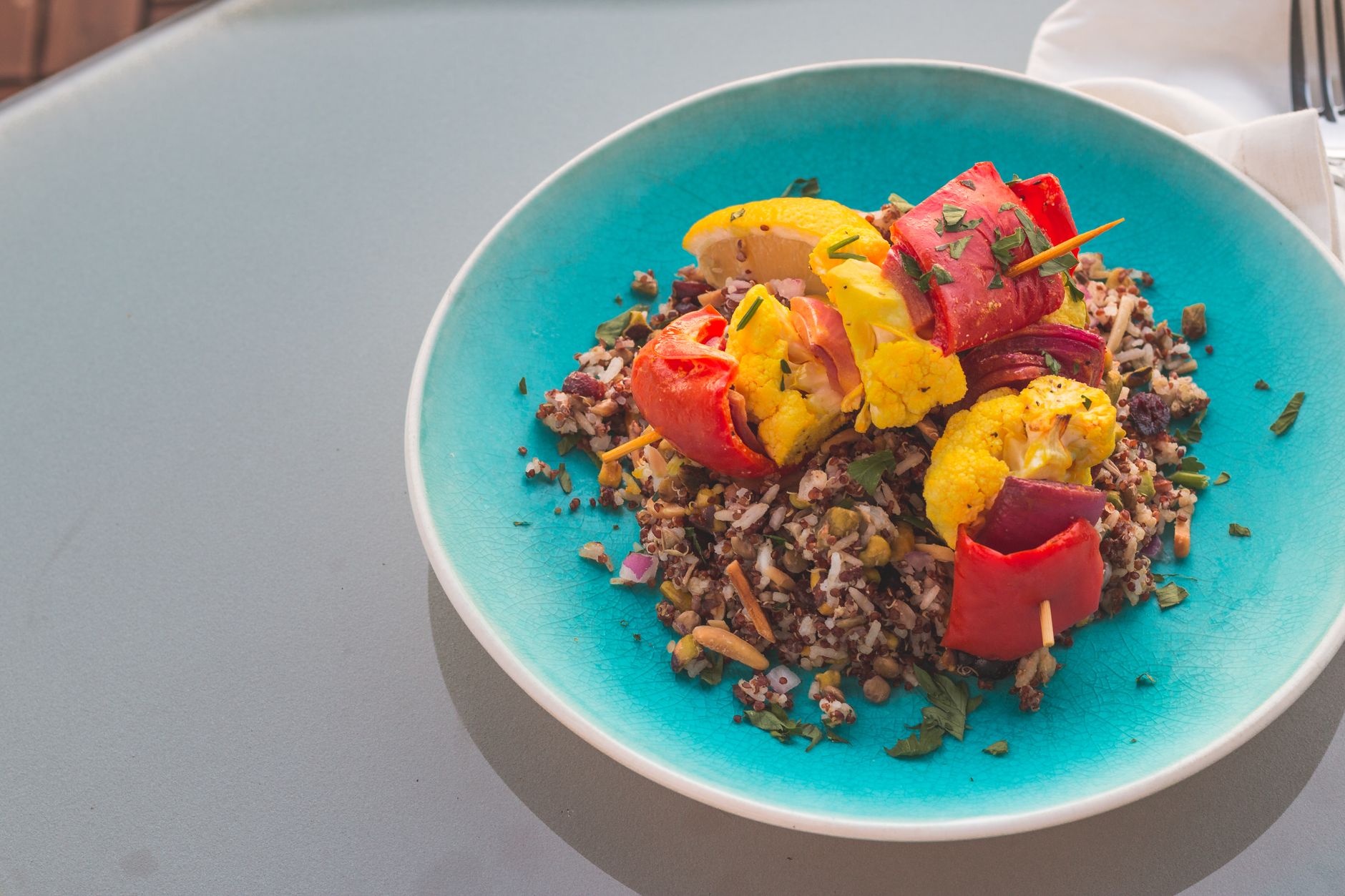
Real talk: I started by keeping a **small bowl of baby carrots and hummus** on my desk. When I craved a snack, I reached for that instead of the vending machine. It wasn’t about willpower—it was about making the healthy option the *easy* option.
--- ## **Cancer Prevention Diet Meal Plan for Beginners: 7-Day Sample** Building a meal plan can feel overwhelming, but **repurpose the same ingredients** in different ways to keep it simple. Below is a **7-day beginner-friendly plan** that prioritizes cancer-preventive foods while keeping meals easy to prepare. | **Day** | **Breakfast** | **Lunch** | **Dinner** | **Snack** | |----------|----------------------------------------|----------------------------------------|-------------------------------------|------------------------------------| | **Mon** | Oatmeal with chia seeds, walnuts, and blueberries | Grilled chicken salad with spinach, cherry tomatoes, cucumber, and balsamic vinaigrette | Baked salmon with roasted sweet potatoes and steamed broccoli | Greek yogurt with flaxseeds | | **Tue** | Smoothie (spinach, banana, almond milk, flaxseeds) | Turkey and avocado wrap with whole-grain tortilla | Lentil soup with a side of quinoa and sautéed kale | Handful of almonds and an apple | | **Wed** | Scrambled eggs with sautéed mushrooms and whole-grain toast | Quinoa bowl with black beans, corn, bell peppers, and lime dressing | Grilled shrimp with roasted Brussels sprouts and wild rice | Carrot sticks with hummus | | **Thu** | Chia pudding with almond milk and sliced strawberries | Chickpea salad (chickpeas, cucumber, red onion, lemon, olive oil) | Baked chicken with roasted carrots and mashed cauliflower | Cottage cheese with pineapple | | **Fri** | Whole-grain toast with mashed avocado and cherry tomatoes | Tuna salad (with Greek yogurt instead of mayo) on a whole-grain cracker | Turkey meatballs with spaghetti squash and marinara sauce | Sliced bell peppers with guacamole | | **Sat** | Greek yogurt parfait with granola, walnuts, and raspberries | Grilled veggie burger (beyond meat or lentil-based) with sweet potato fries | Stir-fried tofu with broccoli, bell peppers, and brown rice | Handful of mixed nuts | | **Sun** | Whole-grain pancakes with almond butter and banana slices | Caprese salad (tomatoes, fresh mozzarella, basil, olive oil) with a side of whole-grain bread | Baked cod with roasted asparagus and farro | Sliced cucumber with tzatziki |Pro tip: **Batch-cook grains and proteins** on weekends to save time during the week. For example, cook a big pot of quinoa or lentils on Sunday, then use them in salads, bowls, or soups all week. The DASH diet principles (which emphasize whole foods and portion control) can help you build this habit.
--- ## **Cancer Prevention Diet Grocery List for Beginners** You don’t need a gourmet kitchen or expensive ingredients. Focus on **pantry staples, fresh produce, and lean proteins**. Here’s a **beginner-friendly grocery list** to get you started: ### **Produce (Fresh & Frozen)** - Leafy greens: spinach, kale, Swiss chard - Cruciferous veggies: broccoli, Brussels sprouts, cabbage, cauliflower - Colorful veggies: bell peppers, carrots, beets, sweet potatoes - Berries: blueberries, strawberries, raspberries - Other fruits: apples, bananas, oranges, avocados ### **Proteins** - Lean poultry: chicken breast, turkey - Fish: salmon, cod, sardines, mackerel - Legumes: lentils, chickpeas, black beans - Eggs - Tofu or tempeh (for plant-based options) ### **Whole Grains** - Oats - Quinoa - Brown rice - Whole-grain bread and pasta - Farro or barley ### **Healthy Fats** - Extra virgin olive oil - Avocados - Nuts: almonds, walnuts, pistachios - Seeds: chia, flaxseeds, pumpkin seeds - Nut butters: almond or peanut butter (unsweetened) ### **Dairy & Alternatives** - Greek yogurt or kefir - Cottage cheese - Fortified plant-based milks (almond, oat) ### **Fermented Foods** - Sauerkraut - Kimchi - Miso paste - Kefir or yogurt ### **Pantry Staples** - Herbs and spices (turmeric, garlic, ginger, cinnamon) - Lemon juice - Balsamic vinegar - Olive oil - Canned tomatoes (no salt added)Budget hack: Frozen vegetables (like spinach, broccoli, and mixed berries) are just as nutritious as fresh and often cheaper. Stock up on these for busy days!
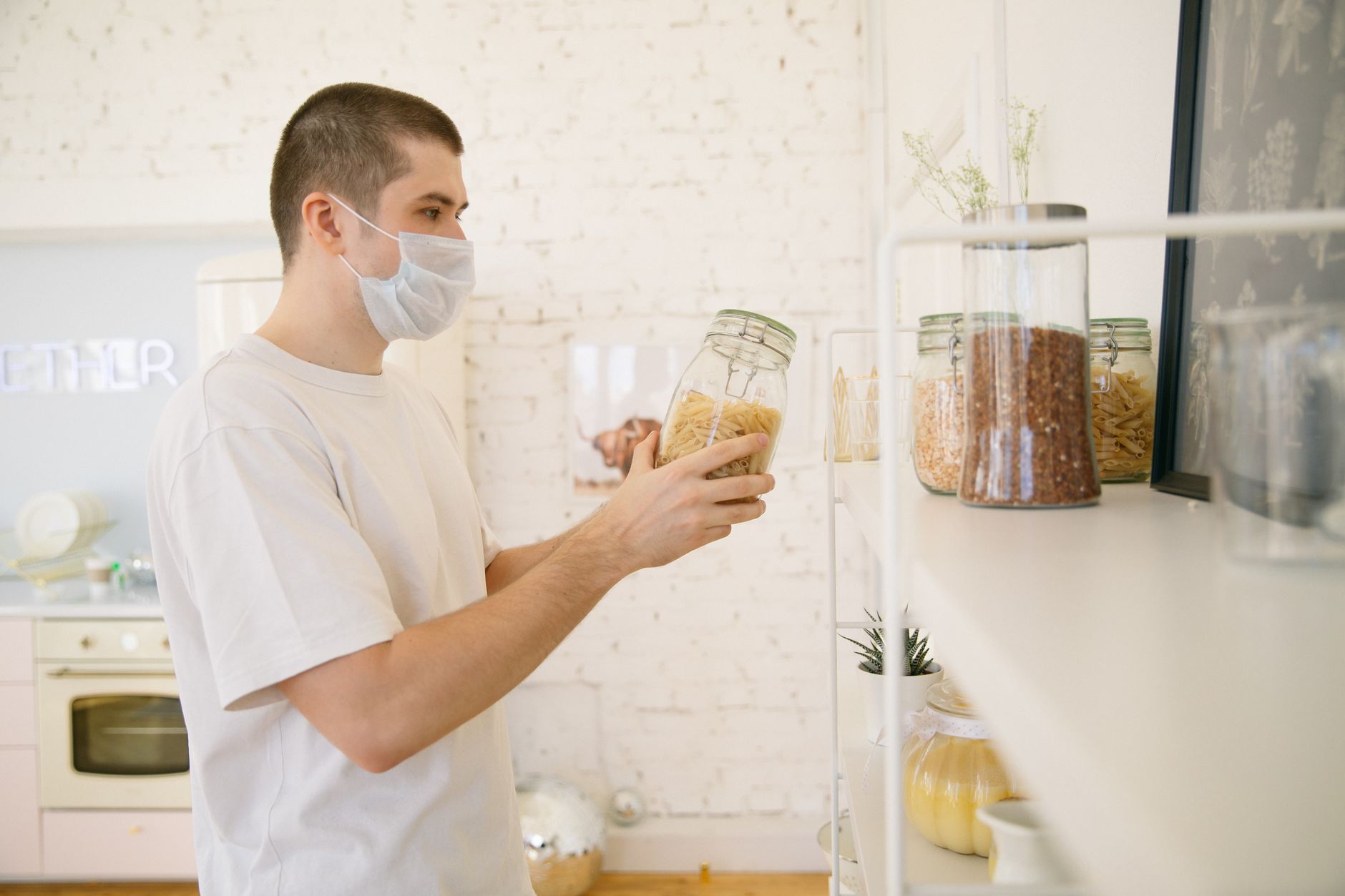
Pregnancy tip: If you’re worried about mercury in fish, opt for **wild-caught salmon, sardines, or trout**—they’re rich in omega-3s and lower in mercury. The AIP diet principles (which emphasize nutrient density and avoid processed foods) can also be a good framework for pregnancy.
--- ## **Cancer Prevention Diet Foods Low in Sugar for Beginners** Sugar—especially in its refined form—is linked to **insulin resistance, chronic inflammation, and higher cancer risk** (per the American Cancer Society). The goal isn’t to eliminate sugar entirely (natural sugars in fruit are fine!), but to **reduce added sugars** and focus on **whole, unprocessed foods**. ### **How to Cut Back on Sugar** 1. **Read labels:** Avoid foods with added sugars listed in the first 3 ingredients (e.g., corn syrup, high-fructose corn syrup, dextrose). 2. **Swap sweetened drinks:** Opt for sparkling water, herbal tea, or infused water instead of soda or juice. 3. **Choose whole fruits over fruit juices:** Juices lack fiber and contain concentrated sugar. 4. **Bake at home:** Store-bought muffins, granola bars, and cookies often contain hidden sugars. 5. **Use natural sweeteners sparingly:** Honey, maple syrup, and dates can be used in moderation but are still sugars. ### **Low-Sugar, Cancer-Preventive Foods** | **Category** | **Examples** | **Why It’s Great** | |--------------------|---------------------------------------|-----------------------------------------------------------------------------------| | **Produce** | Berries, apples, pears, citrus fruits | High in fiber and antioxidants; low glycemic impact. | | **Proteins** | Chicken, turkey, fish, eggs, tofu | Provide essential amino acids without added sugars. | | **Grains** | Oats, quinoa, brown rice, whole-grain bread | Lower glycemic index; support steady blood sugar. | | **Fats** | Avocados, nuts, seeds, olive oil | Healthy fats reduce inflammation and cravings. | | **Dairy Alternatives** | Unsweetened almond milk, coconut yogurt | Avoid added sugars found in flavored versions. | | **Snacks** | Popcorn (air-popped), veggie sticks, hummus | Crunchy and satisfying without sugar spikes. | ### **Easy Low-Sugar Swaps** - **Instead of:** Flavored yogurt with added sugar. - **Try:** Plain Greek yogurt with cinnamon and a drizzle of honey (or skip honey entirely). - **Instead of:** Granola bars. - **Try:** Homemade energy balls made with oats, almond butter, and dark chocolate chips (70% or higher). - **Instead of:** Sweetened oatmeal. - **Try:** Oatmeal cooked in water or unsweetened almond milk with cinnamon, walnuts, and a small handful of berries.Sweet tooth hack: If you crave something sweet, try **frozen grapes or banana slices**—they’re naturally sweet and satisfy cravings without the sugar crash.
--- ## **Cancer Prevention Diet vs. Anti-Cancer Diet: What’s the Difference?** You may have heard the terms **"cancer prevention diet"** and **"anti-cancer diet"** used interchangeably, but they’re not exactly the same. Here’s the breakdown: | **Feature** | **Cancer Prevention Diet** | **Anti-Cancer Diet** | |---------------------------|----------------------------------------------------|--------------------------------------------------| | **Primary Goal** | Reduces risk of cancer by focusing on whole foods, fiber, and antioxidants. | Actively targets cancer cells (often used during or after treatment). | | **Approach** | Broad, general guidelines for long-term health. | More restrictive; may include specific supplements, detox protocols, or elimination diets. | | **Evidence Base** | Supported by large-scale studies (e.g., WCRF, American Cancer Society). | Often based on case studies, emerging research, or alternative medicine principles. | | **Examples** | Mediterranean diet, DASH diet, plant-based diets. | Ketogenic diet, high-dose turmeric/curcumin, gluten-free diets (for specific cancers). | | **Best For** | General population, especially those with family history or lifestyle risk factors. | Individuals undergoing cancer treatment or in remission (often under medical supervision). | ### **Can a Cancer Prevention Diet Be Anti-Cancer?** Yes! Many **anti-cancer diets** (like the Mediterranean diet or plant-based diets) overlap with cancer prevention diets because they share the same core principles: - **High in fiber** (from vegetables, fruits, and whole grains). - **Rich in antioxidants** (from colorful produce). - **Low in processed foods and red meat**. - **Includes healthy fats** (olive oil, nuts, fatty fish). However, **anti-cancer diets often go further** by incorporating: - **Specific supplements** (e.g., curcumin, green tea extract). - **Detox protocols** (like liver-supportive foods). - **Elimination diets** (e.g., removing gluten or dairy for autoimmune links to cancer).Key takeaway: If you’re healthy and want to **lower your cancer risk**, focus on a **cancer prevention diet** (like the one in this guide). If you’re **diagnosed with cancer or in remission**, work with your oncologist or a **registered dietitian specializing in oncology** to explore anti-cancer dietary strategies.
--- ## **Cancer Prevention Diet for Colon Cancer: Key Focus Areas** Colon cancer is the **third most common cancer worldwide**, and diet plays a significant role in both prevention and recurrence. Research from the World Cancer Research Fund highlights several dietary strategies to lower risk: ### **1. Increase Fiber Intake** - **Why it matters:** Fiber **binds to carcinogens** in the colon, speeds up their removal, and feeds **beneficial gut bacteria** that produce short-chain fatty acids (like butyrate), which protect colon cells (per *Gut Microbes*). - **Best sources:** Whole grains (quinoa, brown rice), legumes (lentils, chickpeas), vegetables (broccoli, Brussels sprouts), and fruits (apples, berries). ### **2. Eat More Cruciferous Vegetables** - **Why it matters:** Vegetables like **broccoli, cabbage, and Brussels sprouts** contain **sulforaphane**, a compound that may help **detoxify carcinogens** and reduce inflammation in the colon (per *Nutrition and Cancer*). - **How to eat them:** Roast, steam, or lightly sauté to preserve nutrients. Try adding them to soups, stir-fries, or salads. ### **3. Choose Healthy Fats Over Saturated Fats** - **Why it matters:** Saturated fats (from red meat and processed meats) are linked to **higher colon cancer risk**, while **monounsaturated and omega-3 fats** (from olive oil, nuts, and fish) may protect against inflammation (per the American Cancer Society). - **Swap:** Replace butter with olive oil, and choose baked or grilled fish over fried. ### **4. Limit Processed Meats and Red Meat** - **Why it matters:** The World Health Organization classifies processed meats (like bacon and hot dogs) as **Group 1 carcinogens** (same category as tobacco) and red meat as **Group 2A carcinogens** (probably carcinogenic). - **How to reduce:** Swap deli meats for grilled chicken or turkey; limit red meat to **1–2 times per week**. ### **5. Stay Hydrated and Eat Probiotics** - **Why it matters:** Water helps **flush out carcinogens** in the colon, while probiotics (from fermented foods like sauerkraut and kefir) support a **healthy gut microbiome**, which is linked to lower colon cancer risk (per *Nature Reviews Gastroenterology & Hepatology*). ### **Sample Colon Cancer Prevention Meal Plan** | **Meal** | **Example** | |----------------|---------------------------------------------| | **Breakfast** | Oatmeal with chia seeds, walnuts, and blueberries | | **Lunch** | Grilled chicken salad with kale, cherry tomatoes, cucumber, and balsamic vinaigrette | | **Snack** | Hummus with carrot and celery sticks | | **Dinner** | Baked salmon with roasted Brussels sprouts and quinoa | | **Dessert** | Greek yogurt with flaxseeds and raspberries | --- ## **Cancer Prevention Diet for Breast Cancer: Hormone-Balancing Foods** Breast cancer is **highly influenced by hormones**, particularly estrogen. A diet rich in **phytoestrogens (plant-based estrogens), fiber, and healthy fats** can help **balance hormones** and reduce risk. Here’s what to focus on: ### **1. Eat More Phytoestrogens** - **Why it matters:** Phytoestrogens (found in soy, flaxseeds, and cruciferous veggies) **compete with estrogen** in the body, potentially reducing the risk of estrogen receptor-positive breast cancer (per *Journal of Clinical Oncology*). - **Best sources:** - **Soy:** Edamame, tofu, tempeh (choose organic when possible). - **Flaxseeds:** Add to smoothies, oatmeal, or yogurt. - **Cruciferous veggies:** Broccoli, Brussels sprouts, cabbage. ### **2. Prioritize Fiber** - **Why it matters:** Fiber **binds to estrogen in the gut**, helping to remove excess hormones from the body (per *Journal of Clinical Oncology*). - **Best sources:** Whole grains, legumes, vegetables, and fruits. ### **3. Choose Healthy Fats** - **Why it matters:** Omega-3s (from fatty fish and flaxseeds) **reduce inflammation**, while trans fats (from fried foods) may increase breast cancer risk (per the American Cancer Society). - **Swap:** Replace butter with olive oil; eat fatty fish (salmon, sardines) **2–3 times per week**. ### **4. Limit Alcohol and Caffeine** - **Why it matters:** Alcohol **increases estrogen levels** and is linked to higher breast cancer risk (per the American Cancer Society). Caffeine in excess may also affect hormone balance. - **How to reduce:** Limit alcohol to **1 drink per week** (or less); opt for herbal tea over excessive coffee. ### **5. Include Turmeric and Green Tea** - **Why it matters:** - **Turmeric (curcumin):** May **inhibit breast cancer cell growth** and reduce inflammation (per *Breast Cancer Research and Treatment*). - **Green tea (EGCG):** Contains **epigallocatechin gallate**, a compound that may **slow tumor growth** (per *Journal of Clinical Oncology*). - **How to eat them:** - Add turmeric to smoothies, soups, or golden milk (turmeric + almond milk + cinnamon). - Drink **2–3 cups of green tea daily** (avoid adding milk, as it may reduce EGCG absorption). ### **Sample Breast Cancer Prevention Meal Plan** | **Meal** | **Example** | |----------------|---------------------------------------------| | **Breakfast** | Smoothie with spinach, flaxseeds, almond butter, and blueberries | | **Lunch** | Grilled tofu stir-fry with broccoli, bell peppers, and brown rice | | **Snack** | Handful of almonds and an apple | | **Dinner** | Baked salmon with roasted Brussels sprouts and quinoa | | **Dessert** | Dark chocolate (70% or higher) with raspberries | --- ## **Cancer Prevention Diet for Men: Testosterone & Gut Health** Men’s cancer risk is influenced by **hormones (like testosterone), gut health, and chronic inflammation**. A cancer-prevention diet for men should focus on: - **Supporting testosterone levels** (healthy fats, zinc, magnesium). - **Reducing inflammation** (omega-3s, turmeric, berries). - **Promoting gut health** (fiber, probiotics, fermented foods). ### **Key Foods for Men** | **Food Group** | **Examples** | **Why It Matters** | |----------------------|---------------------------------------|-----------------------------------------------------------------------------------| | **Fatty Fish** | Salmon, mackerel, sardines | Rich in omega-3s, which reduce inflammation and may lower prostate cancer risk. | | **Nuts & Seeds** | Walnuts, almonds, pumpkin seeds | Provide zinc and magnesium, which support testosterone and immune function. | | **Cruciferous Veggies** | Broccoli, Brussels sprouts, cabbage | Contain sulforaphane, which may protect against prostate cancer. | | **Berries** | Blueberries, strawberries, raspberries | High in antioxidants that combat oxidative stress. | | **Fermented Foods** | Sauerkraut, kimchi, kefir | Support gut microbiome diversity, linked to lower cancer risk. | | **Whole Grains** | Quinoa, brown rice, oats | Provide fiber to reduce inflammation and support gut health. | ### **Avoid These for Men** - **Processed meats** (linked to higher prostate and colorectal cancer risk). - **Excessive alcohol** (increases estrogen and reduces testosterone). - **Sugary drinks** (linked to higher risk of liver and pancreatic cancer). ### **Sample Men’s Cancer Prevention Meal Plan** | **Meal** | **Example** | |----------------|---------------------------------------------| | **Breakfast** | Scrambled eggs with sautéed spinach and whole-grain toast | | **Lunch** | Gr

