Yes, most soft cheeses are safe in pregnancy if they’re pasteurized; avoid unpasteurized types. Find out which soft cheeses you can enjoy and which to skip.
By Shubhra Mishra — a mom of two who turned her own confusion during pregnancy into BumpBites, a global mission to make food choices clear, safe, and stress-free for every expecting mother. 💛
Check whether any food is safe during pregnancy with the BumpBites Food Safety Checker.
Quick take: Most soft cheeses are safe in pregnancy when they’re made from pasteurized milk and are stored and served properly. The primary risk comes from unpasteurized varieties that can harbor Listeria monocytogenes, a bacteria that can cause severe illness for you and your baby. Check labels, keep cheese refrigerated, and enjoy pasteurized soft cheeses like cream cheese, ricotta, and certain brie varieties without worry.
It’s 2 a.m., you’re scrolling through a recipe for a creamy spinach dip, and a question pops up: “Can I eat soft cheese during pregnancy?” Your stomach flips, and you wonder if that velvety brie on the cheese board could be putting your baby at risk. You’re not alone—many expecting parents hit this exact moment of doubt, especially when a favorite snack feels suddenly off‑limits.
🔢 Calculate it for your situation: Use our Pregnancy Food Safety for a personalized result in seconds.
First, breathe. The short answer is that soft cheese can be part of a healthy pregnancy diet, but only when it’s made from pasteurized milk and handled safely. In the sections below we’ll unpack why soft cheeses raise a red flag, which varieties are safe, how to spot pasteurization, storage tricks, and what to do if you develop symptoms of a Listeria infection. We’ll also give you a handy list of alternatives and a quick reference table so you never have to wonder again.
By the end of this guide, you’ll know exactly which cheeses you can spread on crackers, how to keep them safe in your fridge, and when a bite might need a doctor’s attention. Let’s turn that late‑night worry into confidence.
Why soft cheese raises concerns: the Listeria connection
Soft cheeses—think brie, camembert, feta, goat cheese, and blue‑veined varieties—have a high moisture content and a relatively low acidity, which creates an ideal environment for Listeria monocytogenes to grow if the cheese is made from raw (unpasteurized) milk. Listeria is a gram‑positive bacterium that can survive refrigeration and even thrive at temperatures as low as 0 °C (32 °F). When a pregnant person contracts listeriosis, the infection can cross the placenta, leading to miscarriage, stillbirth, or severe newborn complications such as meningitis.
Most cases of listeriosis in the United States are linked to contaminated ready‑to‑eat foods, and soft cheese accounts for a notable proportion of those outbreaks. The CDC reports that about 20 % of listeriosis cases are food‑related, and among those, unpasteurized dairy products are a recurring source. The risk is not zero with pasteurized cheeses, but the likelihood of Listeria surviving the pasteurization process (which heats milk to at least 72 °C for 15 seconds) is dramatically reduced.
Because the immune system is naturally suppressed during pregnancy, the body’s ability to fight off bacterial infections is weakened, making even a modest dose of Listeria more dangerous than it would be for a non‑pregnant adult. That’s why health agencies issue specific guidance on soft cheese consumption for expecting mothers.
Recent outbreak investigations in Europe have shown that a single contaminated batch of raw‑milk brie can affect dozens of pregnant consumers across multiple countries, underscoring how quickly Listeria can spread when pasteurization is absent. The data reinforce the same message you’ll find in U.S. guidance: pasteurization is the single most effective barrier.
What health authorities say about soft cheese in pregnancy
The <
strong>Centers for Disease Control and Prevention (CDC) advises pregnant people to avoid any soft cheese that’s “unpasteurized, raw milk, or made from raw milk.” The guidance is clear: “If you’re not sure, throw it out.” The World Health Organization (WHO) echoes this recommendation, stating that “pregnant women should only consume dairy products that have been heat‑treated to kill harmful bacteria.” In the United Kingdom, the National Health Service (NHS) and the Food Standards Agency (FSA) both list unpasteurized soft cheeses as foods to avoid during pregnancy.
The American College of Obstetricians and Gynecologists (ACOG) adds that “soft cheeses that are clearly labeled as made from pasteurized milk are generally safe.” ACOG also emphasizes proper storage—cheese should be kept at 4 °C (40 °F) or below and consumed before the “use‑by” date. The Royal College of Obstetricians and Gynaecologists (RCOG) in the UK provides a similar stance, noting that “hard cheeses are safe regardless of pasteurization, but soft cheeses should be checked for a pasteurized label.”
In the United States, the Food and Drug Administration (FDA) requires that all commercially sold cheese be made from pasteurized milk unless it carries a specific exemption for traditional raw‑milk products. The FDA’s “Food Safety Modernization Act” highlights that pasteurization eliminates >99.9 % of Listeria, making the residual risk negligible for pregnant consumers.
All these bodies converge on three core points: check for pasteurization, keep cheese refrigerated, and discard any product that looks or smells off. Following these steps reduces the already low risk of Listeria to a level that most pregnant people find acceptable.
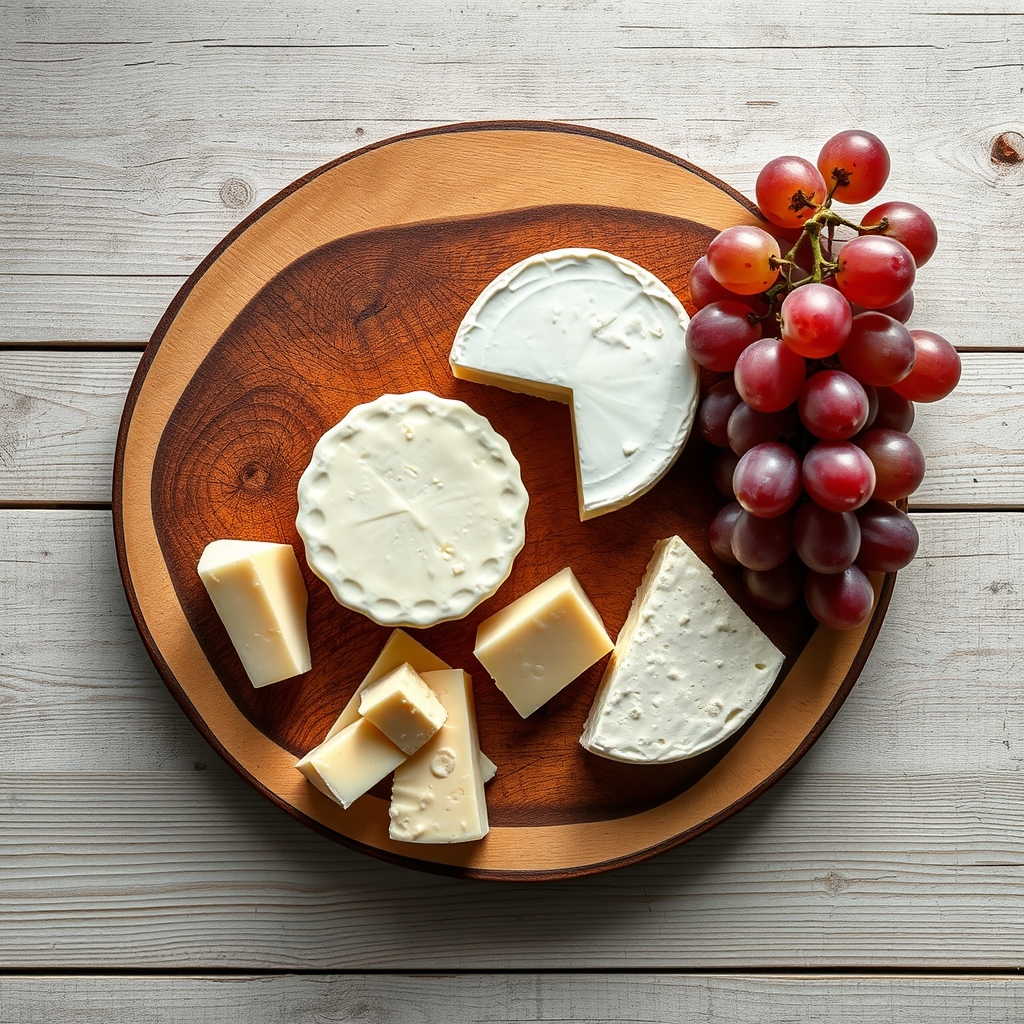
Know which soft cheeses are safe: look for the pasteurization label.
Safe soft cheeses: what you can enjoy
When a cheese is labeled “made from pasteurized milk,” the Listeria risk is negligible. Below is a quick reference of soft cheeses that are typically safe for pregnant people, provided they’re stored correctly and consumed before the expiration date.
Cream cheese (including flavored varieties)—always pasteurized in the U.S.
Ricotta—most commercial ricotta is pasteurized; look for the label.
Mascarpone—commonly pasteurized, especially in dessert preparations.
Brie—pasteurized brie is safe; many European brands now offer pasteurized versions.
Feta—U.S. and many European manufacturers use pasteurized milk; verify the label.
Goat cheese (chevre)—soft goat cheese is safe when pasteurized; many grocery stores stock pasteurized versions.
Blue‑veined soft cheeses (e.g., Gorgonzola, Roquefort)—only if the label states pasteurized.
Even within these categories, the safest approach is to buy cheese from reputable retailers that clearly mark pasteurization status. If you’re ever unsure, a quick phone call to the producer or a look at the product’s website can confirm whether the cheese meets the safety standards.
When you’ve selected a safe cheese, think about pairing it with nutrient‑rich foods. For example, spreading a slice of pasteurized brie on a whole‑grain cracker and topping it with sliced strawberries adds fiber, vitamin C, and antioxidants—nutrients that support immune health and iron absorption during pregnancy.
Many brands now offer “mini‑log” versions of soft cheeses, which are individually sealed and have a shorter shelf life. These single‑serve packs are handy for travel or for keeping a small portion fresh without exposing the rest of the block to repeated temperature changes.
Soft cheeses to avoid: the ones that still carry risk
Any soft cheese that is not explicitly labeled as pasteurized should be avoided during pregnancy. Common culprits include:
Traditional European brie and camembert that are marketed as “raw milk” or “artisan” without pasteurization information.
Unpasteurized feta from specialty delis or farmers’ markets.
Soft goat cheeses from small‑scale producers that do not specify pasteurization.
Blue‑veined cheeses like Roquefort, Stilton, and Gorgonzola when made from raw milk.
Any “fresh” cheese sold in bulk bins without a clear label—these are often unpasteurized.
Even if a cheese looks and smells perfectly fine, the microscopic presence of Listeria can’t be detected by sight or smell. That’s why the label is the most reliable safeguard.
In addition to unpasteurized varieties, be cautious with cheese that has been left out for extended periods. Soft cheeses left at room temperature for more than two hours can become a breeding ground for Listeria, even if they started out pasteurized. When you’re hosting a gathering, keep the cheese on a chilled platter or over a bed of ice, and discard any leftovers that have sat out too long.
Cross‑contamination is another hidden danger. A knife used to slice raw chicken and then a soft cheese without washing can transfer Listeria. The CDC recommends dedicating separate cutting boards for ready‑to‑eat foods and raw proteins, and washing hands for at least 20 seconds before handling cheese.
How to verify pasteurization and handle soft cheese safely
Identifying pasteurization status is straightforward when you know where to look. Here’s a step‑by‑step guide you can follow while shopping:
Read the ingredient list. It should say “pasteurized milk” or “made from pasteurized milk.”
Check the front of the package. Many brands display a “Pasteurized” badge or stamp.
Look for “U.S.‑standard” or “EU‑standard” markings. In the United States, the FDA requires pasteurization for all commercially sold cheese, but imported artisanal cheeses may be exempt.
Ask the deli counter. If you’re buying from a bakery or cheese counter, request confirmation that the cheese is pasteurized.
When in doubt, discard. It’s better to err on the side of caution than to gamble on an unlabeled product.
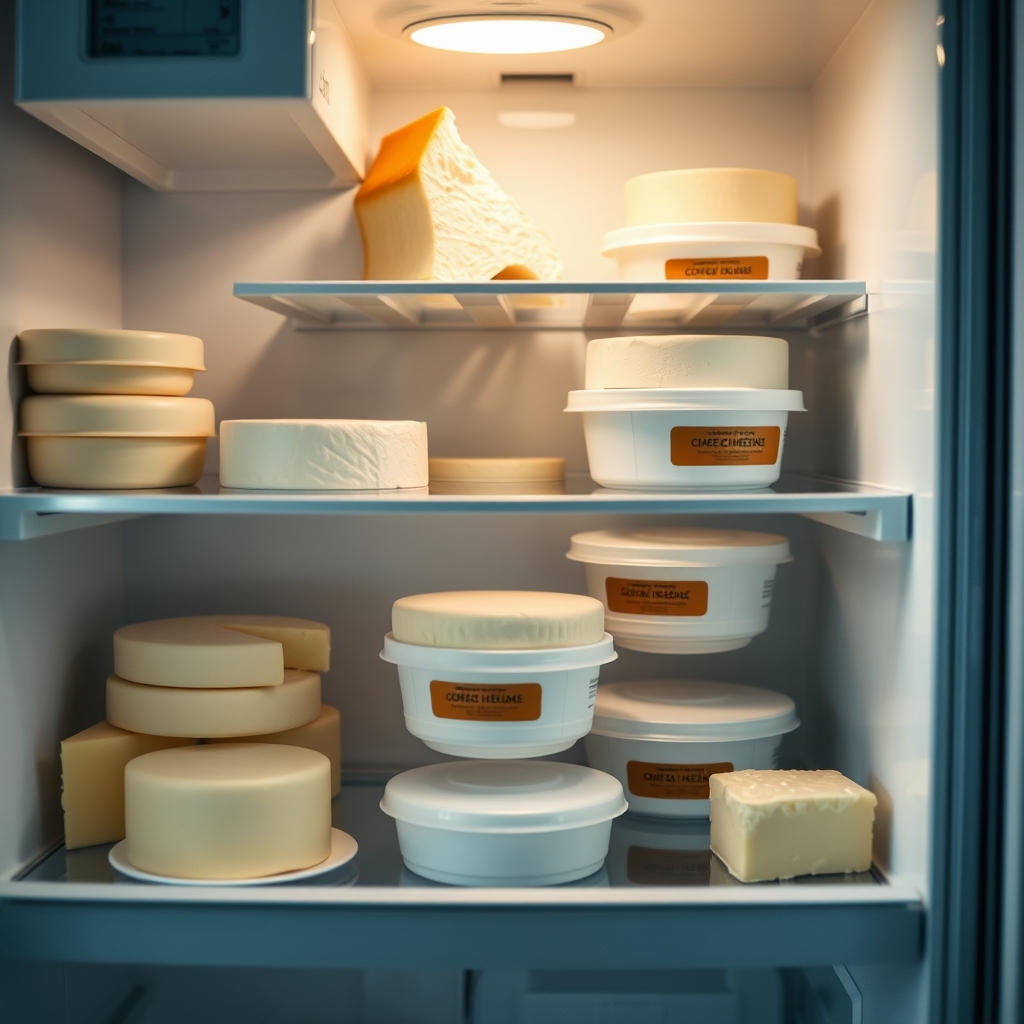
Beyond verification, proper storage is essential. Keep soft cheese in its original packaging or wrap it tightly in parchment paper followed by a loose layer of aluminum foil. Store it in the coldest part of the refrigerator (usually the bottom shelf, not the door). Aim to consume opened soft cheese within 5–7 days, and always respect the “use‑by” date.
If you’re planning to serve soft cheese at a party, consider these safety tips:
Serve cheese on a chilled platter or keep it on a small ice bed.
Replace any cheese that has been left out at room temperature for more than two hours.
Use separate utensils for each cheese to avoid cross‑contamination.
For an easy way to track your food safety habits, try our Pregnancy Food Safety calculator. It helps you log what you’ve eaten and alerts you when a product approaches its safe‑use window.
Store soft cheeses on the bottom shelf for consistent cold temperatures.
Symptoms of Listeria infection and what to do
Listeriosis is rare, but pregnant people should be aware of its early signs. Symptoms typically appear anywhere from a few days to several weeks after exposure and can include:
Fever of 38 °C (100.4 °F) or higher, often without a clear source
Muscle aches, especially in the neck or back
Gastrointestinal upset – nausea, diarrhea, or abdominal cramps
General feeling of malaise or flu‑like fatigue
If you develop any of these signs, especially a fever, contact your obstetric provider promptly. Blood tests can confirm Listeria, and early antibiotic treatment (usually ampicillin or penicillin) can reduce the risk of severe outcomes for the baby.
Pregnant people who are diagnosed with listeriosis are typically treated with a 14‑day course of intravenous antibiotics, followed by a monitoring plan for the fetus. The good news is that with timely care, most infections are resolved without lasting complications.
Because the symptoms overlap with common viral illnesses, it’s easy to dismiss them as a seasonal cold. However, a fever that persists for more than 24 hours or any new gastrointestinal distress during pregnancy warrants a phone call to your provider. Early detection is the most effective way to protect both you and your baby.
Alternative cheese options and protein sources for pregnancy
If you prefer to sidestep soft cheese altogether, there are plenty of tasty alternatives that still give you the creamy texture you love while staying well within safety guidelines.
Hard cheeses such as cheddar, Swiss, and Parmesan are safe regardless of pasteurization because their low moisture and high acidity inhibit bacterial growth.
Processed cheese spreads (e.g., Philadelphia® cream cheese) are made from pasteurized milk and have a long shelf life.
Plant‑based cheeses—many brands now offer almond‑ or cashew‑based “soft” cheeses that are dairy‑free and free from Listeria risk.
Protein‑rich foods like Greek yogurt, cottage cheese, eggs, lean poultry, and legumes provide the calcium and protein you need without the soft‑cheese concern.
Incorporating a variety of these foods ensures you meet the recommended 1,000 mg of calcium per day for pregnancy, as advised by the Institute of Medicine (IOM). Pairing cheese with vitamin C‑rich fruits (such as orange slices) can also enhance iron absorption from plant sources, a helpful tip for maintaining healthy iron levels.
When you choose a plant‑based cheese, read the ingredient list for added oils or preservatives. Some vegan cheeses contain coconut oil, which can be higher in saturated fat; opting for those based on nuts or soy can provide a better nutrient profile.
Understanding Listeria: How it survives and spreads
Listeria monocytogenes is unusually hardy. Unlike many food‑borne bacteria, it can multiply at refrigeration temperatures, and it tolerates a wide pH range. This resilience means that even after a cheese is made, the organism can keep growing if the product isn’t kept cold enough. The bacterium’s ability to form biofilms—a slimy protective layer—allows it to cling to equipment in dairy processing plants, which is why strict hygiene standards are essential.
In the home, cross‑contamination is a common route. Cutting boards, knives, or even a spoon that has touched raw meat can transfer Listeria to a soft cheese that is later stored in the fridge. That’s why the CDC recommends using separate utensils for ready‑to‑eat foods and cleaning surfaces with hot, soapy water after handling raw products. Proper hand‑washing—at least 20 seconds with soap—remains the simplest, most effective barrier.
Large‑scale recalls in 2021 and 2023 involving soft cheeses from Europe highlighted how quickly contaminated batches can reach international markets. Those incidents prompted the FDA and European Food Safety Authority to tighten import inspections, reinforcing the importance of pasteurization as the first line of defense.
Nutrition benefits of soft cheese during pregnancy
When you choose pasteurized soft cheeses, you’re not just avoiding risk—you’re gaining nutrients that support a growing baby. Soft cheeses are excellent sources of calcium, protein, vitamin B‑12, and riboflavin. A typical 30‑gram serving of pasteurized brie delivers about 180 mg of calcium (roughly 18 % of the daily recommendation) and 5 grams of high‑quality protein.
Vitamin B‑12, abundant in dairy, is crucial for fetal brain development and red‑blood‑cell formation. Pregnant people who follow a vegetarian diet can benefit from the B‑12 that soft cheeses provide, as plant‑based sources are limited. Additionally, many soft cheeses contain zinc and phosphorus, minerals that aid bone growth and immune function.
Soft cheeses also provide vitamin K2, a form of vitamin K that supports calcium placement in bones rather than arteries. While research is still emerging, adequate vitamin K2 intake during pregnancy may contribute to optimal skeletal development for the baby.
Because soft cheeses are often lower in sodium than their processed counterparts, they can fit into a heart‑healthy pregnancy diet when consumed in moderation. Pairing them with fiber‑rich foods—whole‑grain crackers, fresh fruit, or leafy greens—creates a balanced snack that steadies blood sugar and keeps you satisfied between meals.
Tips for enjoying soft cheese safely at gatherings
Entertaining while pregnant can feel tricky, but a few simple strategies let you indulge without anxiety. First, ask the host ahead of time about the cheese selection; most caterers are happy to accommodate a request for pasteurized varieties. If you’re the host, label each cheese platter with the pasteurization status and the “use‑by” date, just as you would for any perishable food.
Second, keep the cheese chilled until the moment you serve it. A portable cooler with ice packs works well for picnics or outdoor parties. For indoor events, place the cheese board on a shallow tray of ice and replenish the ice as needed. Finally, provide disposable toothpicks or small forks for guests to avoid cross‑contamination, and discard any cheese that has been out for more than two hours.
Creative plating can also enhance safety. Using chilled marble slabs or silicone cheese stones keeps the surface cool, reducing bacterial growth while adding a touch of elegance. Adding fresh herbs, sliced apples, or drizzle of honey not only boosts flavor but also introduces antioxidants that support overall health.
Reading cheese labels: decoding certifications
Beyond the “pasteurized” claim, you may see certifications such as “USDA Organic,” “EU Protected Designation of Origin (PDO),” or “Certified Humane.” While these labels speak to farming practices, they do not replace the need to verify pasteurization. In the United States, the USDA organic seal can appear on both pasteurized and raw‑milk cheeses, so always double‑check the ingredient list.
In the UK, the “British Farm Assurance” (BFA) mark indicates compliance with certain animal welfare standards, but again it does not guarantee pasteurization. When you see a “Raw Milk” or “Unpasteurised” statement, treat the product as unsafe for pregnancy, regardless of other certifications.
When shopping online, look for product images that include the pasteurization badge, and read the product description for any mention of “thermally processed” or “heat‑treated.” If the information is missing, contact the retailer’s customer service before purchasing.
Smart snacking: building a balanced cheese plate
A well‑rounded cheese plate can be a nutrient‑dense snack that supports pregnancy needs. Aim for a mix of textures and food groups: a small wedge of pasteurized brie, a spoonful of ricotta, whole‑grain crackers, sliced bell peppers, and a handful of berries. This combination delivers calcium, protein, fiber, vitamin C, and antioxidants—all in a single bite.
Portion control matters. A typical serving of soft cheese is about 30 grams (roughly the size of a pair of dice). Pairing that with a half‑cup of fresh fruit keeps calories in check while providing a satisfying contrast of sweet and savory.
For those watching sodium intake, choose low‑salt varieties of feta or goat cheese, and rinse them briefly under cold water before serving. Adding a drizzle of olive oil or a sprinkle of fresh herbs can enhance flavor without relying on excess salt.
Travel tips: keeping soft cheese safe on the go
Whether you’re heading to a family reunion or a weekend getaway, soft cheese can still be part of your travel menu—if you plan ahead. Pack cheese in a hard‑sided cooler bag with a gel ice pack, and keep it in a separate compartment from raw meats. Aim to keep the interior temperature at or below 4 °C (40 °F) for the duration of the trip.
If you’ll be away for more than a day, consider pre‑portioning cheese into small airtight containers. This reduces exposure to air and helps you track how long each portion has been stored. When you arrive at your destination, place the cheese directly into the refrigerator rather than on the countertop.
When dining out, ask the server whether the cheese on a salad or appetizer is made from pasteurized milk. Many restaurants are happy to accommodate, especially if you explain that you’re pregnant. If you’re unsure, it’s safest to choose a cooked cheese dish (like a baked mozzarella) or a hard cheese alternative.
Doctor’s note
From our medical team: “Pregnant patients who enjoy soft cheese should focus on products that are clearly labeled as pasteurized. When in doubt, choose hard cheeses or pasteurized alternatives, and always keep cheese refrigerated. If you develop a fever or flu‑like symptoms, reach out to your provider right away—early treatment can protect both you and your baby.”
🔢 Ready to crunch your numbers? Use our Pregnancy Food Safety for a personalized result in seconds.
Myth vs. fact
Myth: All soft cheeses are unsafe during pregnancy.
Fact: Only soft cheeses made from unpasteurized milk pose a significant Listeria risk. Pasteurized versions are considered safe when stored and handled properly.
Myth: You can tell if a cheese is safe by its smell or texture.
Fact: Listeria cannot be detected by taste, smell, or appearance. The only reliable indicator is a clear label stating the cheese is made from pasteurized milk.
Myth: Freezing soft cheese eliminates the Listeria threat.
Fact: Freezing does not kill Listeria; it may only slow bacterial growth. Proper pasteurization remains the key safety step.
Key takeaways
Soft cheeses are safe in pregnancy when they’re made from pasteurized milk.
Always read labels; look for “pasteurized” on the front or ingredient list.
Store cheese in the coldest part of the fridge and consume within a week of opening.
If you’re unsure, choose hard cheeses, processed spreads, or plant‑based alternatives.
Watch for fever, muscle aches, or gastrointestinal symptoms and contact your provider immediately.
Use the Pregnancy Food Safety calculator to keep track of your dairy intake and storage dates.
Frequently asked questions
Is it safe to eat soft cheese during pregnancy?
Yes—soft cheese is safe if it’s made from pasteurized milk and stored correctly. The CDC and ACOG both confirm that pasteurized soft cheeses pose a negligible Listeria risk.
Which soft cheeses are allowed when pregnant?
Pasteurized versions of brie, camembert, feta, goat cheese, cream cheese, ricotta, and blue‑veined soft cheeses are generally allowed. Always verify the “pasteurized” label before buying.
Can Listeria be found in soft cheese?
Listeria can be present in soft cheeses made from raw (unpasteurized) milk. Pasteurization destroys the bacteria, making the cheese safe for pregnant people.
How can I make soft cheese safe to eat while pregnant?
Choose only cheeses that state “pasteurized milk” on the packaging, keep them refrigerated at 4 °C (40 °F) or below, and consume them before the use‑by date. If you’re serving cheese at a gathering, keep it chilled and discard any leftovers left out for more than two hours.
What are the symptoms of Listeria infection in pregnancy?
Common early signs include fever, chills, muscle aches, nausea, and diarrhea. Because these symptoms can mimic a mild flu, it’s important to contact your obstetric provider promptly if you develop a fever or feel unwell.
Should I avoid all soft cheeses or only certain types?
You only need to avoid soft cheeses that are unpasteurized. Pasteurized brie, camembert, feta, and similar varieties are fine. When in doubt, opt for hard cheeses or pasteurized alternatives.
Can I freeze soft cheese for later use?
Freezing soft cheese is safe for preserving texture, but it does not eliminate any Listeria that might already be present. If the cheese was pasteurized before freezing, it remains low‑risk; however, always thaw it in the refrigerator and use it within a few days.
What should I do if I accidentally ate an unpasteurized cheese?
If you discover you’ve consumed an unpasteurized soft cheese, monitor yourself for fever, chills, or gastrointestinal symptoms for up to two weeks. Contact your provider right away if any of these signs appear, even if they seem mild.
Is soft cheese okay if I’m on a low‑sodium diet?
Many soft cheeses contain moderate sodium, but low‑salt varieties of feta, goat cheese, and ricotta are available. Rinsing the cheese briefly under cold water can also reduce sodium content without affecting flavor.
Does the safety of soft cheese change after the first trimester?
The risk from Listeria is highest in the first and early second trimesters when the immune system is most suppressed. However, guidelines from ACOG and the NHS recommend consistent precautions throughout pregnancy, so the same pasteurization checks apply at any stage.
When to call your doctor
Seek immediate medical attention if you experience any of the following while pregnant: fever of 38 °C (100.4 °F) or higher, severe headache, stiff neck, confusion, muscle aches, gastrointestinal distress (persistent nausea, vomiting, or diarrhea), or a sudden change in fetal movement. This article provides general information and is not a substitute for personalized medical advice.
References
Centers for Disease Control and Prevention (CDC). “Listeria (Listeriosis) and Pregnancy.” 2023 guidance.
World Health Organization (WHO). “Food Safety: Listeria monocytogenes.” 2022 recommendations.
American College of Obstetricians and Gynecologists (ACOG). “Nutrition During Pregnancy.” Practice Bulletin No. 995, 2022.
National Health Service (NHS). “Food safety for pregnant women.” Updated 2023.
Food Standards Agency (FSA). “Guidance on Raw Milk and Unpasteurised Dairy Products.” 2022.
Royal College of Obstetricians and Gynaecologists (RCOG). “Food safety in pregnancy.” 2023 clinical guidance.
Institute of Medicine (IOM). “Dietary Reference Intakes for Calcium.” 2020.
U.S. Food and Drug Administration (FDA). “Food Safety: Pasteurization.” 2021.
American Academy of Pediatrics (AAP). “Nutrition for Pregnant Adolescents.” 2022.
Not sure about the label on Can I Eat Soft Cheese During Pregnancy Safe Vs Avoid products?
Snap the ingredients list and SafeFilter checks every ingredient for your stage — only 3 free scans this month, then you're locked until reset. Unlimited from $7/mo or $50/yr.
When Shubhra Mishra was expecting her first child in 2016, she was overwhelmed by conflicting food advice — one site said yes, another said never. By the time her second baby arrived in 2019, she realized millions of mothers face the same confusion.
That sparked a five-year journey through clinical nutrition papers, cultural diets, and expert conversations — all leading to BumpBites: a calm, compassionate space where science meets everyday motherhood.
Her long-term vision is to build a global community ensuring safe, supported, and free deliveriesfor every mother — because no woman should face pregnancy alone or uninformed. 🌿
🌍 Stand with mothers, shape safer guidance
Join a small circle of experts who review BumpBites articles so expecting parents everywhere can decide with confidence.