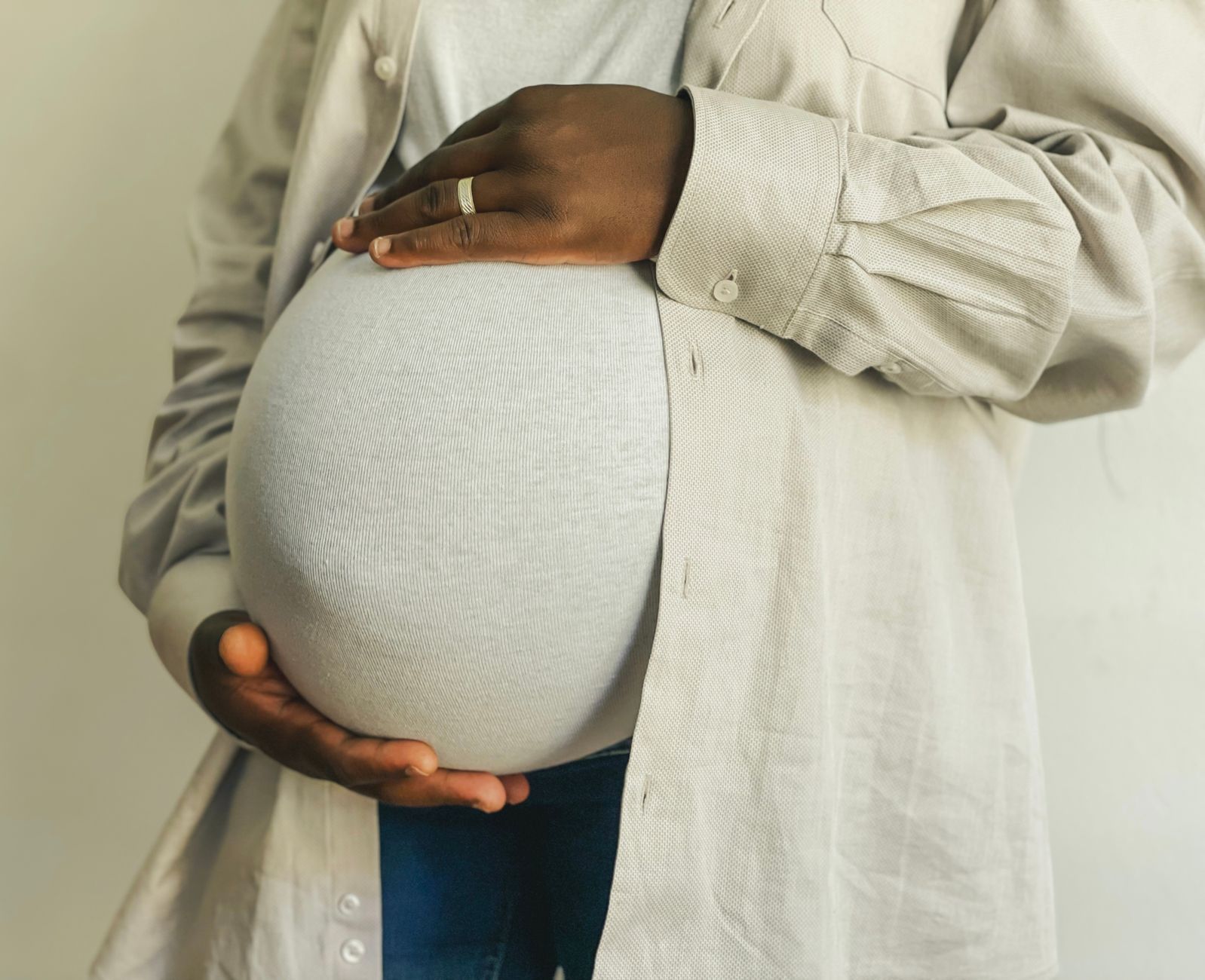
Worried about preeclampsia? Learn the key signs and diagnostic criteria to check if you might have it. Quick, clear answers for pregnant women.
By Shubhra Mishra — a mom of two who turned her own confusion during pregnancy into BumpBites, a global mission to make food choices clear, safe, and stress-free for every expecting mother. 💛
Check whether any food is safe during pregnancy with the BumpBites Food Safety Checker.
Quick take: Preeclampsia is a serious pregnancy complication characterized by high blood pressure and signs of organ damage, usually appearing after 20 weeks. While you can monitor symptoms like swelling, headaches, or vision changes at home, a definitive diagnosis requires a doctor to measure your blood pressure and conduct urine and blood tests. Never try to self-diagnose; if you suspect preeclampsia, contact your healthcare provider immediately for evaluation.
It's 2 a.m. and you're scrolling through forums, a nagging headache pulsing behind your eyes, your ankles looking more like tree trunks than feet. You've heard the word "preeclampsia" whispered in hushed tones, and now a tiny seed of worry has sprouted into a full-blown fear: *do I have it?* You're not alone. The symptoms of preeclampsia can be subtle at first, easily mistaken for common pregnancy discomforts, which makes knowing when to be concerned a huge source of anxiety for expecting parents.
We understand that feeling of uncertainty. Preeclampsia is a serious condition, but it's also manageable, especially when caught early. This article is designed to help you understand the warning signs, what they mean, and crucially, when to pick up the phone and call your doctor. We'll walk you through the diagnostic criteria, clarify the differences between similar conditions, and empower you with the knowledge to advocate for yourself and your baby.
Remember, this information is for guidance only. Your healthcare provider is your best resource for personalized medical advice and diagnosis. Let's dive in.
What Exactly Is Preeclampsia?
Preeclampsia is a serious pregnancy complication that typically begins after 20 weeks of gestation, though it can sometimes develop earlier or even postpartum. It's characterized by high blood pressure (hypertension) and signs that other organ systems, most often the kidneys and liver, are not functioning correctly. While high blood pressure alone can be concerning, it's the combination with other organ involvement that defines preeclampsia.
This condition affects about 5-8% of pregnancies globally, making it a relatively common but significant health concern for expecting parents. It's not just about blood pressure; preeclampsia can impact blood clotting, kidney function, liver function, and even brain activity. If left untreated, it can lead to severe complications for both mother and baby, including preterm birth, fetal growth restriction, placental abruption, and in rare cases, seizures (eclampsia) or stroke.
The exact cause of preeclampsia isn't fully understood, but it's believed to originate in the placenta. Early in pregnancy, the placenta should develop new blood vessels that are wide and open, allowing plenty of blood flow to the baby. In women with preeclampsia, these blood vessels don't develop properly, becoming narrow and restricting blood flow. This reduced blood flow is thought to trigger a cascade of events that affect the mother's blood vessels and organs throughout her body.
Symptoms can range from mild to severe and can sometimes appear suddenly. That's why consistent prenatal care, including regular blood pressure checks and urine tests, is so vital. Your healthcare team is always looking for these early indicators to ensure timely intervention.
The Key Warning Signs: What to Watch For
Recog
nizing the symptoms of preeclampsia can be tricky because many of them, like swelling or headaches, are common complaints during a typical pregnancy. However, it's the *combination* of symptoms, their severity, or a sudden onset that should prompt you to contact your doctor. Paying attention to your body and noting any changes is crucial.
Here's a breakdown of the key warning signs:
High Blood Pressure: The Core Criterion
This is the defining symptom of preeclampsia. Your blood pressure is measured as two numbers: the systolic (top number, pressure when your heart beats) and diastolic (bottom number, pressure when your heart rests between beats). A reading of 140/90 mmHg or higher on two separate occasions, at least four hours apart, after 20 weeks of pregnancy, is generally considered high. However, even a significant jump from your usual blood pressure, even if it's not quite 140/90, should be discussed with your provider.
One mom shared her experience: "I always had low blood pressure, so when my midwife saw 130/85 at 34 weeks, she told me to keep an eye on it. A week later, I had a headache that wouldn't quit, and my home monitor read 145/95. That's when I knew something was really off." This illustrates why knowing your baseline and monitoring changes is so important.
Protein in Your Urine (Proteinuria)
Normally, your kidneys filter waste products from your blood and keep important proteins in your body. With preeclampsia, the kidneys can become damaged, allowing protein to leak into your urine. This is called proteinuria. It's usually detected through a simple urine dipstick test during your prenatal appointments or with a more accurate 24-hour urine collection. Significant levels of protein in your urine, along with high blood pressure, are a strong indicator of preeclampsia.
Other Signs and Symptoms
While high blood pressure and proteinuria are the primary diagnostic criteria, preeclampsia can manifest with a range of other symptoms indicating organ dysfunction. These often accompany or follow the blood pressure changes:
Severe Headaches: Not your typical pregnancy headache. These are often persistent, throbbing, and don't respond to over-the-counter pain relievers like acetaminophen. They might feel like they're "behind your eyes" or across your forehead.
Vision Changes: This can include blurred vision, seeing spots or flashing lights, temporary vision loss, or a heightened sensitivity to light. These symptoms are caused by swelling and pressure affecting the small blood vessels in your brain and eyes.
Sudden Swelling (Edema): While some swelling in the feet and ankles is normal in pregnancy, preeclampsia-related swelling is often sudden, excessive, and affects the face, hands, and feet. If your rings suddenly feel too tight, or your shoes no longer fit, take note. It's also important to remember that swelling can occur internally and may not always be visible externally.
Upper Abdominal Pain: This pain is usually felt on the right side of your abdomen, just below your ribs. It can be a sign of liver involvement and might feel like heartburn, indigestion, or gallbladder pain. It's often sharp or severe and persistent.
Nausea or Vomiting: While common in early pregnancy, new-onset or worsening nausea and vomiting in the second or third trimester can be a sign of preeclampsia, especially if accompanied by other symptoms.
Decreased Urine Output: If you notice you're urinating less frequently or producing smaller amounts of urine, it could indicate that your kidneys are not functioning optimally.
Shortness of Breath: This can occur due to fluid buildup in the lungs (pulmonary edema), a rare but serious complication of preeclampsia. If you find yourself struggling to breathe, even at rest, it's an emergency.
Weight Gain: A sudden and rapid weight gain, often more than 2 pounds in a week, can be due to fluid retention and should be mentioned to your doctor.
While some swelling is normal in pregnancy, sudden or excessive swelling in your face, hands, or feet warrants a call to your doctor.
Beyond the Symptoms: How Doctors Diagnose Preeclampsia
While knowing the symptoms is vital for you to report concerns, a definitive diagnosis of preeclampsia always comes from your healthcare provider. They will use a combination of physical exams, blood pressure monitoring, and laboratory tests to confirm the condition. Self-assessment tools can be helpful for awareness, but they are never a substitute for professional medical evaluation.
Understanding Blood Pressure Readings
Your blood pressure is the most crucial indicator. During prenatal visits, your doctor or midwife will take your blood pressure regularly. They're looking for readings that meet the criteria for hypertension in pregnancy. Here’s a general guide:
Blood Pressure Category
Systolic (mmHg)
Diastolic (mmHg)
Implication in Pregnancy
Normal Blood Pressure
Less than 120
Less than 80
Healthy range.
Elevated Blood Pressure
120-129
Less than 80
Requires monitoring; not yet hypertension but a warning sign.
A single reading indicates high BP; two such readings (4 hrs apart) confirm hypertension. If accompanied by organ damage, it's preeclampsia.
Severe Preeclampsia Threshold
160 or higher
110 or higher
Requires immediate medical attention.
Your doctor will consider your baseline blood pressure. For example, if your usual blood pressure is 90/60, a reading of 130/80 might be more concerning for *you* than for someone whose normal is 110/70, even though both are technically below the "hypertensive" threshold. It's about a significant *change* as much as absolute numbers.
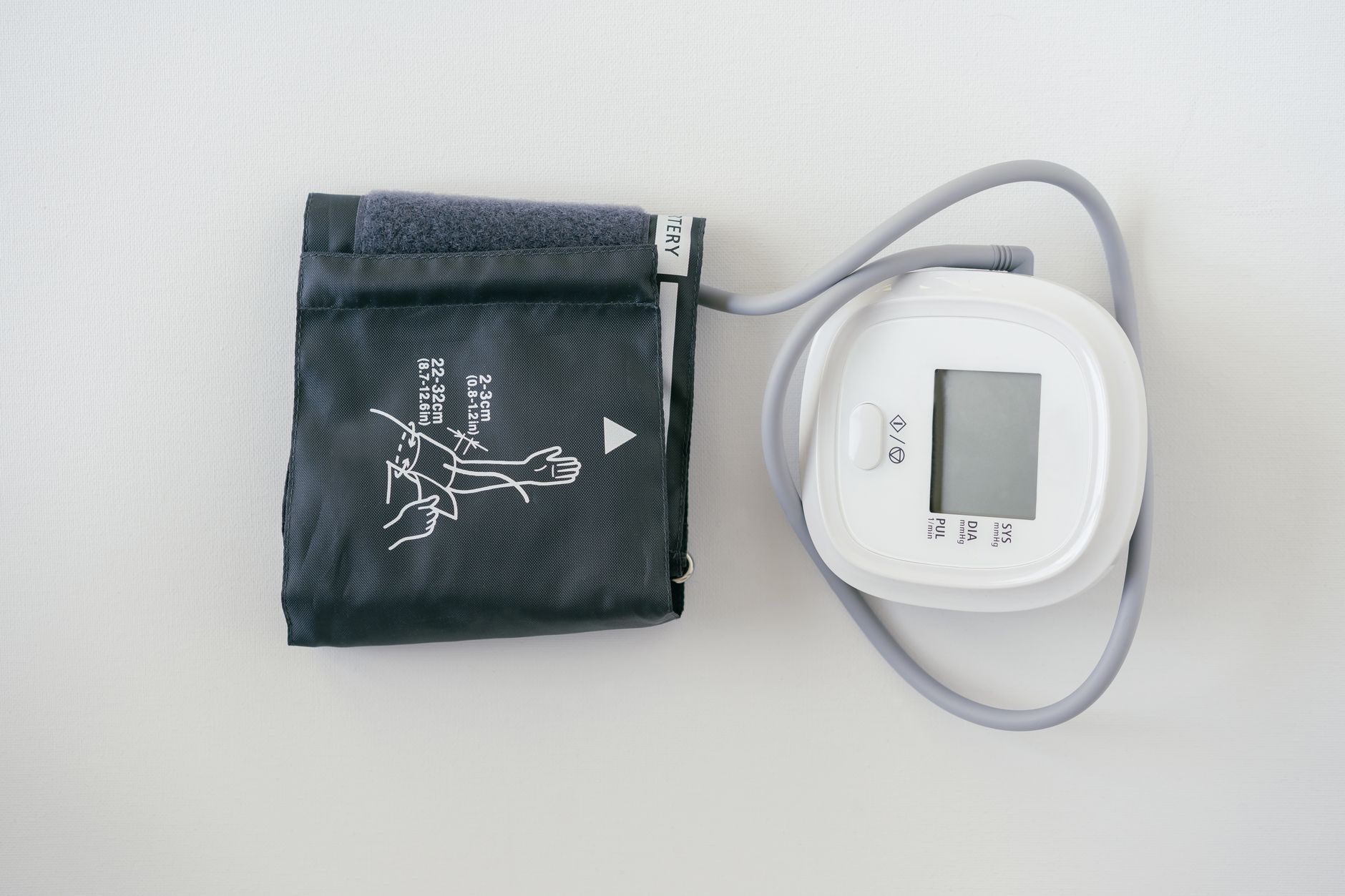
Many women find it helpful to monitor their blood pressure at home, especially if they have a history of hypertension or have been advised to do so by their doctor. Make sure you use a validated, automatic cuff that goes on your upper arm. Take your blood pressure at the same time each day, sitting calmly with your feet flat on the floor and your arm supported at heart level. Keep a log of your readings to share with your provider.
The Role of Lab Tests
Beyond blood pressure, several lab tests are essential for diagnosing preeclampsia and assessing its severity:
Urine Tests: A dipstick test at each prenatal visit can screen for protein. If protein is detected, a 24-hour urine collection might be ordered. This involves collecting all your urine over a full day to accurately measure the amount of protein being excreted.
Blood Tests: These tests check for signs of organ damage and assess your overall health:
Liver Function Tests (LFTs): Measure enzymes (like ALT and AST) that are released when liver cells are damaged. Elevated levels can indicate liver involvement.
Kidney Function Tests: Check creatinine and uric acid levels. Elevated creatinine suggests impaired kidney function.
Platelet Count: Platelets are cells that help your blood clot. In preeclampsia, platelet counts can drop (thrombocytopenia), indicating a more severe form of the condition.
Hemoglobin and Hematocrit: These measure red blood cell count, which can sometimes be affected.
Your doctor will review all these results in conjunction with your symptoms and medical history. They might also order an ultrasound to check your baby's growth and amniotic fluid levels, and a nonstress test or biophysical profile to assess the baby's well-being.
To help you understand the diagnostic criteria based on your own measurements, our Preeclampsia Diagnostic Criteria calculator can provide a helpful overview. Just remember, this tool is for informational purposes and does not replace a medical diagnosis.
Regularly monitoring your blood pressure at home with an accurate cuff can provide valuable data for your healthcare provider.
Preeclampsia vs. Gestational Hypertension vs. Eclampsia: What's the Difference?
Understanding the nuances between these conditions can be confusing, but it's important to grasp the distinctions. All three involve high blood pressure during pregnancy, but they differ in terms of severity and the presence of organ damage.
Gestational Hypertension: This is high blood pressure that develops after 20 weeks of pregnancy, but *without* any signs of organ damage (like proteinuria or elevated liver enzymes). It's essentially high blood pressure in pregnancy that hasn't progressed to preeclampsia. While often less severe, about 15-25% of women with gestational hypertension will eventually develop preeclampsia, so close monitoring is essential.
Preeclampsia: This is gestational hypertension *plus* signs of organ damage, most commonly proteinuria, but it can also involve impaired liver function, kidney problems, low platelet count, fluid in the lungs, or new-onset neurological symptoms like severe headaches or vision changes. Preeclampsia can range from mild to severe, and careful management is crucial to prevent progression.
Eclampsia: This is the most severe form of preeclampsia. It occurs when preeclampsia leads to seizures that cannot be attributed to other causes. Eclampsia is a medical emergency and requires immediate treatment to protect both mother and baby. While rare, it highlights why monitoring and managing preeclampsia early is so critical.
Here's a table summarizing the key differences:
Condition
Defining Criteria
Key Symptoms (beyond BP)
Severity
Gestational Hypertension
High blood pressure (≥140/90 mmHg) after 20 weeks, NO organ damage.
Often none, or mild swelling.
Typically mild, but can progress to preeclampsia.
Preeclampsia
High blood pressure (≥140/90 mmHg) after 20 weeks, PLUS signs of organ damage (e.g., proteinuria, elevated liver enzymes, low platelets, severe headaches, vision changes).
Mild to severe; requires close monitoring and management.
Eclampsia
Preeclampsia that progresses to seizures.
Seizures (convulsions).
Severe medical emergency, life-threatening.
Your healthcare provider will carefully evaluate your symptoms and test results to determine which condition you have and tailor your care plan accordingly.
Who Is at Risk? Common Preeclampsia Risk Factors
While any pregnant person can develop preeclampsia, certain factors increase your risk. Knowing these can help you and your provider be more vigilant throughout your pregnancy. It's important to remember that having a risk factor doesn't mean you *will* get preeclampsia, just that your chances are higher.
High-Risk Factors
History of Preeclampsia: If you had preeclampsia in a previous pregnancy, especially if it was severe or occurred early, your risk in subsequent pregnancies is significantly higher.
Chronic Hypertension: Having high blood pressure before pregnancy increases your risk. This is sometimes called "superimposed preeclampsia" when it develops on top of existing hypertension.
Kidney Disease: Pre-existing kidney conditions can contribute to your risk.
Autoimmune Conditions: Conditions like lupus or antiphospholipid syndrome are strong risk factors.
Type 1 or Type 2 Diabetes: Women with diabetes, especially if not well-controlled, have an elevated risk.
Multiple Gestation: Carrying twins, triplets, or more increases the demands on your body and the placenta, raising the risk.
Moderate-Risk Factors
First Pregnancy (Nulliparity): Women who are pregnant for the first time are at a higher risk than those who have had previous pregnancies.
Obesity: A body mass index (BMI) of 30 or higher before pregnancy is associated with increased risk.
Age: Being under 19 or over 35 (especially over 40) can increase your risk.
Interval Between Pregnancies: A gap of 10 years or more since your last pregnancy can slightly increase risk.
Family History: If your mother or sister had preeclampsia, you might have a genetic predisposition.
Assisted Reproductive Technology (ART): Pregnancies conceived through IVF or other ART methods may have a slightly higher risk.
Certain Blood Disorders: Such as thrombophilia.
If you have one or more of these risk factors, your doctor might recommend certain preventive measures, such as taking a low-dose aspirin (81 mg) daily starting in the late first trimester. This decision should always be made in consultation with your healthcare provider, as aspirin isn't suitable for everyone.
When to Seek Immediate Medical Attention
While it's important to monitor for all symptoms, some warrant an immediate call to your doctor or midwife, or even a trip to the emergency room. Do NOT wait for your next appointment if you experience any of these:
Severe Headache: A persistent, throbbing headache that doesn't go away with rest or acetaminophen.
Vision Changes: Any new blurring, seeing spots or flashing lights, temporary loss of vision, or extreme light sensitivity.
Upper Abdominal Pain: Severe pain just below your ribs on the right side, especially if it's persistent and doesn't ease up.
Sudden, Excessive Swelling: Particularly if it affects your face and hands, or if your swelling has increased rapidly.
Shortness of Breath: Difficulty breathing, chest pain, or a feeling of breathlessness, even when resting.
Sudden Rapid Weight Gain: More than 2 pounds in a week.
Any Seizure Activity: This is an emergency requiring immediate medical intervention.
Blood Pressure Readings of 160/110 mmHg or higher: If you take your blood pressure at home and get a reading in this range, recheck it after 15 minutes of rest. If it's still high, seek immediate medical attention.
Trust your instincts. If something feels significantly "off" or different from your usual pregnancy symptoms, it's always best to get checked out. It's better to be overly cautious than to delay care for a potentially serious condition.
Managing Preeclampsia: What Happens Next?
If you are diagnosed with preeclampsia, your healthcare team will develop a personalized management plan. The goal is to carefully monitor both you and your baby to prevent the condition from worsening and to deliver the baby at the safest time. The approach largely depends on the severity of your preeclampsia and your gestational age.
Monitoring and Treatment
Close Observation: You'll likely have more frequent prenatal appointments. This might involve daily blood pressure checks (at home or in the clinic), regular urine tests, and blood tests to monitor kidney and liver function and platelet count.
Fetal Monitoring: To ensure your baby is doing well, your doctor will likely recommend more frequent ultrasounds to check growth, amniotic fluid levels, and blood flow through the umbilical cord. Nonstress tests (NSTs) and biophysical profiles (BPPs) will also be used to assess the baby's well-being.
Medications:
Blood Pressure Medication: If your blood pressure is consistently high, your doctor may prescribe antihypertensive medications to lower it and prevent complications like stroke. These are carefully chosen to be safe in pregnancy.
Corticosteroids: If you are less than 34 weeks pregnant, corticosteroids (like betamethasone) might be given to help speed up your baby's lung development in case an early delivery becomes necessary.
Magnesium Sulfate: This medication is often given intravenously during labor and for 24 hours postpartum to prevent seizures (eclampsia). It's a powerful and effective neuroprotectant for both mother and baby.
Activity Restrictions: Depending on the severity, you might be advised to reduce your activity or even go on bed rest. This can help lower blood pressure and improve blood flow to the placenta.
Hospitalization: In more severe cases, or if you are showing signs of progression, you may need to be admitted to the hospital for continuous monitoring and management.
Delivery
The only definitive cure for preeclampsia is the delivery of the baby and placenta. However, the timing of delivery is a delicate balance between managing the risks to the mother and allowing the baby more time to develop.
If preeclampsia is mild and you are less than 37 weeks pregnant, your doctor might try to manage it expectantly, meaning they will closely monitor you and your baby, aiming to prolong the pregnancy as long as it is safe to do so.
If you reach 37 weeks with preeclampsia, or if the condition becomes severe at any gestational age (e.g., very high blood pressure, worsening organ damage, or signs of fetal distress), delivery will be recommended. This might involve inducing labor or a C-section, depending on your individual circumstances.
Postpartum, most women see their preeclampsia symptoms resolve within a few days or weeks. However, some women can develop preeclampsia postpartum, or continue to have high blood pressure for longer. Close follow-up with your doctor after delivery is essential to ensure your blood pressure returns to normal and any lingering symptoms are addressed.
From our medical team: "Preeclampsia can feel scary, but it's crucial to remember that with good prenatal care and early detection, we can manage it effectively. Your vigilance in reporting symptoms is invaluable. We're here to support you, answer your questions, and ensure the best possible outcomes for you and your baby. Don't hesitate to reach out with any concerns, no matter how small they seem."
There's a lot of misinformation out there about preeclampsia. Let's clear up some common myths:
Myth: Preeclampsia only happens to first-time moms. Fact: While first pregnancies do carry a higher risk, preeclampsia can occur in any pregnancy, regardless of how many times you've been pregnant before. Women with certain risk factors are more susceptible in subsequent pregnancies.
Myth: Eating a low-salt diet or drinking more water can prevent or cure preeclampsia. Fact: While a healthy diet is always recommended, there's no scientific evidence that specific dietary changes like restricting salt or increasing water intake can prevent or treat preeclampsia. It's a complex condition originating in the placenta, not directly caused by diet. Always follow your doctor's dietary advice.
Myth: If you have swelling, you automatically have preeclampsia. Fact: Swelling (edema) is a very common and normal part of pregnancy, especially in the third trimester, due to increased blood volume and pressure on veins. Preeclampsia-related swelling is typically sudden, excessive, and often affects the face and hands, in addition to feet and ankles, and occurs alongside other symptoms like high blood pressure.
Myth: You can only get preeclampsia before the baby is born. Fact: While most cases occur after 20 weeks of pregnancy, preeclampsia can also develop for the first time *after* delivery, known as postpartum preeclampsia. Symptoms are similar and require immediate medical attention.
Resting and managing stress are important during pregnancy, especially if you're at risk for or managing preeclampsia.
Key Takeaways
Preeclampsia is a serious pregnancy condition involving high blood pressure and signs of organ damage, usually after 20 weeks.
You cannot self-diagnose preeclampsia; a medical professional is needed for accurate diagnosis through blood pressure checks, urine tests, and blood tests.
Key warning signs include persistent severe headaches, vision changes, sudden and excessive swelling (face, hands, feet), upper abdominal pain, and rapid weight gain.
Monitor your blood pressure at home if advised by your doctor and report any readings of 140/90 mmHg or higher, or any significant increase from your baseline.
Gestational hypertension involves high blood pressure without organ damage, while eclampsia is preeclampsia with seizures.
If you experience any severe or concerning symptoms, contact your healthcare provider immediately. Don't wait for your next appointment.
Management strategies focus on close monitoring of both mother and baby, sometimes including medication, and timely delivery.
Frequently Asked Questions
What are the main symptoms of preeclampsia?
The primary symptoms are high blood pressure (140/90 mmHg or higher) and protein in your urine (proteinuria). Other key warning signs include persistent, severe headaches, vision changes (blurred vision, spots), sudden swelling of the face and hands, upper abdominal pain, and rapid weight gain. Always report these to your doctor.
How is preeclampsia diagnosed by doctors?
Doctors diagnose preeclampsia based on a combination of factors: consistent high blood pressure readings (at least 140/90 mmHg on two occasions, four hours apart), and signs of organ damage confirmed by lab tests. These tests include checking for protein in your urine, elevated liver enzymes, low platelet counts in your blood, and sometimes elevated creatinine for kidney function.
Can I check my blood pressure at home for preeclampsia?
Yes, checking your blood pressure at home can be a helpful monitoring tool, especially if your doctor advises it. Use a validated, automatic upper-arm cuff and take readings consistently. However, home monitoring only provides part of the picture; it cannot diagnose preeclampsia, which also requires clinical assessment and lab tests for organ damage.
What is a safe blood pressure range during pregnancy?
Generally, a blood pressure reading below 120/80 mmHg is considered normal and safe during pregnancy. Readings consistently at or above 140/90 mmHg are considered high and require medical evaluation. Even a significant increase from your personal baseline blood pressure, even if it's below 140/90, should be discussed with your healthcare provider.
When should I be concerned about swelling and headaches?
While some swelling and occasional headaches are common in pregnancy, be concerned if swelling is sudden, excessive, and affects your face and hands, or if headaches are severe, persistent, don't respond to pain relief, and are accompanied by vision changes. These combinations could signal preeclampsia and warrant immediate medical attention.
Is it possible to have preeclampsia without high blood pressure?
No, by definition, preeclampsia always includes high blood pressure as a core diagnostic criterion. However, some forms of preeclampsia, particularly HELLP syndrome (a severe variant), can present with other symptoms like abdominal pain and liver issues before blood pressure reaches critically high levels. In rare cases, a pregnant person with chronic hypertension might experience preeclampsia with only a moderate increase in their usual high blood pressure, still meeting the criteria for superimposed preeclampsia.
When to Call Your Doctor
Preeclampsia requires prompt medical attention. Call your doctor or midwife immediately if you experience any of the following symptoms:
A blood pressure reading of 140/90 mmHg or higher on two occasions, four hours apart, or a single reading of 160/110 mmHg or higher.
Persistent, severe headaches that don't improve with rest or pain relievers.
Changes in your vision, such as blurred vision, seeing spots or flashing lights, or temporary vision loss.
Sudden and excessive swelling of your face, hands, or feet.
Severe pain in your upper abdomen (usually on the right side, under your ribs).
Sudden, rapid weight gain (more than 2 pounds in a week).
Shortness of breath or difficulty breathing.
Any seizure activity.
This article provides general information and is not a substitute for professional medical advice. Always consult your healthcare provider for diagnosis and treatment of any medical condition.
References
American College of Obstetricians and Gynecologists (ACOG). (2020). Hypertension in Pregnancy. ACOG Practice Bulletin, No. 222.
National Institute for Health and Care Excellence (NICE). (2019). Hypertension in pregnancy: diagnosis and management. NICE guideline [NG133].
Centers for Disease Control and Prevention (CDC). (2023). Preeclampsia and Eclampsia.
Mayo Clinic. (2023). Preeclampsia.
World Health Organization (WHO). (2011). WHO recommendations for prevention and treatment of pre-eclampsia and eclampsia.
Preeclampsia Foundation. (2023). About Preeclampsia.
Not sure about the label on Do I Have Preeclampsia Simple Diagnostic Criteria Checker products?
Snap the ingredients list and SafeFilter checks every ingredient for your stage — only 3 free scans this month, then you're locked until reset. Unlimited from $7/mo or $50/yr.
When Shubhra Mishra was expecting her first child in 2016, she was overwhelmed by conflicting food advice — one site said yes, another said never. By the time her second baby arrived in 2019, she realized millions of mothers face the same confusion.
That sparked a five-year journey through clinical nutrition papers, cultural diets, and expert conversations — all leading to BumpBites: a calm, compassionate space where science meets everyday motherhood.
Her long-term vision is to build a global community ensuring safe, supported, and free deliveriesfor every mother — because no woman should face pregnancy alone or uninformed. 🌿
🌍 Stand with mothers, shape safer guidance
Join a small circle of experts who review BumpBites articles so expecting parents everywhere can decide with confidence.