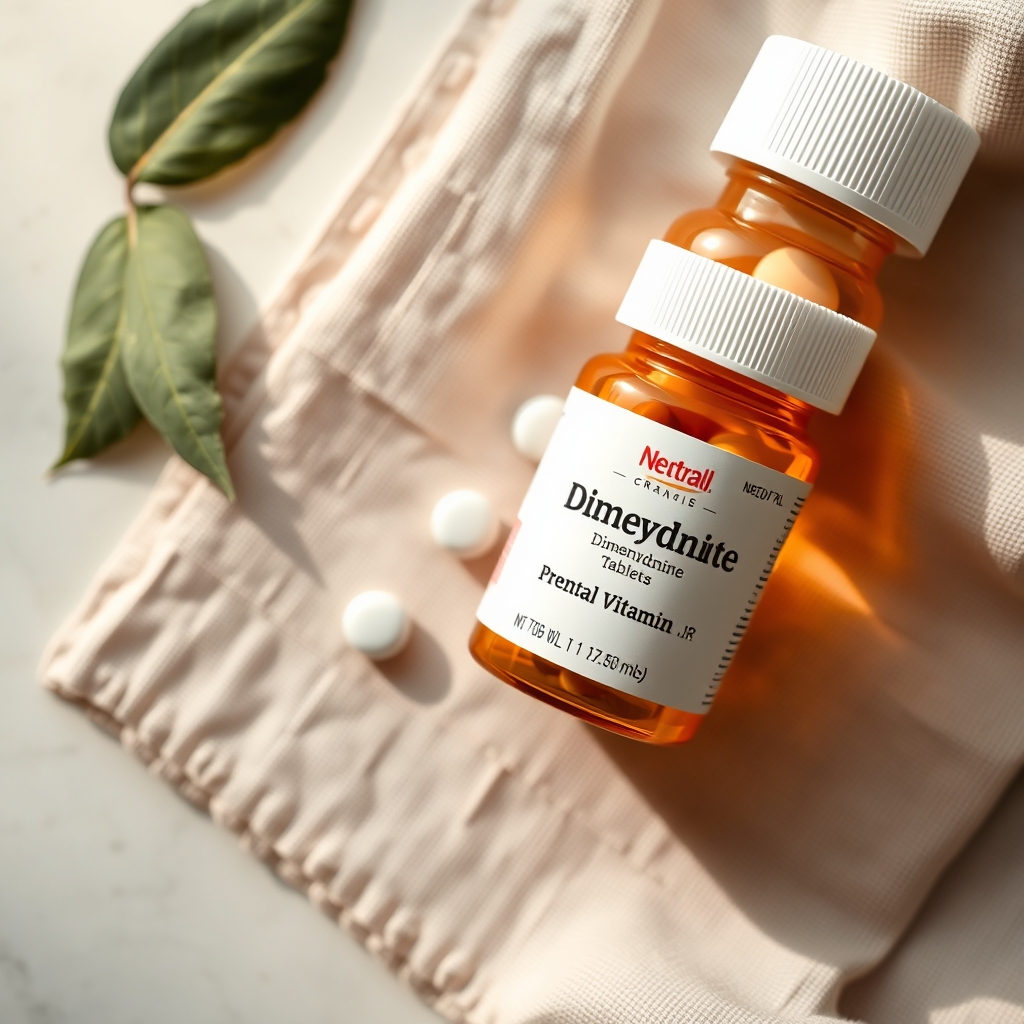
Dramamine is generally considered safe for occasional use during pregnancy to manage motion sickness, especially after the first trimester. Always consult your doctor for personalized advice on Dramamine pregnancy motion sickness safety and dosage.
By Shubhra Mishra — a mom of two who turned her own confusion during pregnancy into BumpBites, a global mission to make food choices clear, safe, and stress-free for every expecting mother. 💛
Check whether any food is safe during pregnancy with the BumpBites Food Safety Checker.
Quick take: Dimenhydrinate (Dramamine) is generally considered safe for most pregnant women when used at the lowest effective dose for short‑term relief of motion‑related nausea. It falls in FDA pregnancy Category B, but you should discuss any use with your provider—especially in the first trimester, if you have high blood pressure, or if you’re taking other medications.
It’s 2 a.m., you’ve just woken up from a wave of nausea that’s been lingering since breakfast, and you’re scrolling through the internet wondering whether the over‑the‑counter tablet you keep in your bedside drawer is okay for your baby. You’re not alone—many expectant mothers face the same dilemma when morning sickness or travel‑related motion sickness strikes. The bottom line is that dimenhydrinate (the active ingredient in Dramamine) is not known to cause birth defects, but it should be used sparingly and under guidance from a health professional.
In this article we’ll walk through everything you need to know about Dramamine during pregnancy: its safety classification, how it works, recommended dosing, how it interacts with other prenatal medications, and safer non‑drug alternatives. We’ll also compare Dramamine with other motion‑sickness options, share practical travel tips, and flag the warning signs that warrant a call to your provider. By the end you’ll have a clear, evidence‑based roadmap for deciding whether, when, and how to use Dramamine while expecting.
Keep a low‑dose Dramamine tablet handy, but always check with your provider before use.
Is Dramamine safe during pregnancy for morning sickness?
Morning sickness affects up to 80 % of pregnant people, and many reach for an over‑the‑counter remedy before consulting a clinician. Dimenhydrinate, sold as Dramamine, is an antihistamine that reduces vestibular stimulation that can trigger nausea. The FDA classifies dimenhydrinate as a Category B drug, meaning animal studies have not shown risk to the fetus and there are no well‑controlled studies in pregnant humans. This classification aligns with the guidance from the American College of Obstetricians and Gynecologists (ACOG), which states that short‑term use of Category B antihistamines for nausea is acceptable when the benefits outweigh potential risks.
Most of the data come from retrospective reviews of pregnant women who used dimenhydrinate for various indications, including motion sickness and vertigo. Those studies have not identified an increased rate of congenital anomalies, miscarriage, or preterm birth. However, because robust prospective trials are lacking, clinicians recommend limiting use to the lowest effective dose and avoiding routine daily use throughout pregnancy.
In practice, if your morning sickness is mild to moderate, many providers first suggest non‑medication strategies such as ginger, vitamin B6, or small, frequent meals. Dramamine is typically reserved for cases where those measures fail or when nausea is triggered by travel, amusement‑park rides, or car rides that exacerbate vestibular disturbance.
Can I take Dramamine for motion sickness while pregnant?
M
otion sickness and pregnancy often intersect, especially during the first and third trimesters when hormonal changes heighten vestibular sensitivity. The short answer: yes, you can take Dramamine for motion sickness while pregnant, but only after discussing it with your obstetrician or midwife.
How does Dramamine work for motion‑related nausea?
Dimenhydrinate blocks histamine H1 receptors in the inner ear and the brain’s vomiting center. By dampening the signal that tells your body “we’re moving,” the drug reduces the mismatch between visual and vestibular cues that normally prompts nausea. This mechanism is the same whether you’re on a boat, in a car, or experiencing the queasy sensations of early pregnancy.
When is it appropriate to use?
Consider Dramamine if you’re traveling by car, plane, or boat and you notice a predictable pattern of nausea that interferes with daily activities or hydration. Use it only for the duration of the trip—avoid daily prophylactic dosing unless a provider explicitly recommends it for severe hyperemesis gravidarum (a condition that sometimes requires prescription‑strength anti‑emetics).
Safety considerations
Because dimenhydrinate can cause drowsiness, avoid operating heavy machinery or driving after taking a dose. The drug also has anticholinergic effects, which may lead to dry mouth, blurred vision, or constipation—symptoms that can be uncomfortable during pregnancy but are not usually dangerous.
Plan ahead for road trips: keep water, snacks, and a low‑dose Dramamine on hand.
Dramamine pregnancy category and safety guidelines
Dimenhydrinate’s FDA pregnancy category is B. In the United Kingdom, the Medicines and Healthcare products Regulatory Agency (MHRA) lists it as “compatible with breastfeeding” and “use with caution in pregnancy,” reflecting a similar risk assessment. The key safety guidelines from ACOG, the UK’s National Institute for Health and Care Excellence (NICE), and the World Health Organization (WHO) can be summarized as follows:
Use the lowest effective dose. Start with 50 mg (half a tablet) and see if symptoms improve.
Limit duration. Do not exceed 400 mg per day, and avoid continuous use for more than a few days without medical review.
Avoid the first trimester unless necessary. Early embryonic development is the most sensitive period; if you must take the medication, do so under close supervision.
Check for drug interactions. Dimenhydrinate can potentiate the sedative effects of other antihistamines, opioids, or certain antidepressants.
Monitor for side effects. Drowsiness, dry mouth, blurred vision, or constipation should be reported if they become severe.
For women with pre‑existing hypertension, the anticholinergic properties of dimenhydrinate may slightly raise blood pressure, so a provider will weigh the benefits against this risk. Similarly, if you’re taking other prescription anti‑emetics such as ondansetron, a clinician may adjust dosing to avoid additive side effects.
How much Dramamine can I take while pregnant?
The standard adult dose of dimenhydrinate is 50–100 mg every 4–6 hours, not to exceed 400 mg in a 24‑hour period. During pregnancy, most clinicians advise starting at the low end of this range—50 mg (half a tablet) or a chewable 25 mg dose—especially if you’re in the first trimester.
Dramamine dosage for pregnant women with hyperemesis gravidarum
Hyperemesis gravidarum (HG) is a severe form of nausea and vomiting that can lead to dehydration and weight loss. In HG cases, physicians may prescribe a short course of dimenhydrinate combined with IV fluids and vitamin B6. The dosage remains the same (50–100 mg every 4–6 hours), but the treatment is closely monitored, often in a hospital setting, to ensure the mother stays hydrated and the fetus receives adequate nutrition.
Maximum safe exposure
While the FDA states that up to 400 mg per day is the adult maximum, many obstetricians recommend staying below 200 mg per day during pregnancy to minimize drowsiness and anticholinergic effects. If you find yourself needing more than two doses in a 24‑hour period, it’s a signal to contact your provider for alternative therapies.
Natural alternatives to Dramamine for pregnancy motion sickness
Because many pregnant people prefer to avoid medication when possible, a variety of non‑pharmacologic strategies have been studied and are endorsed by the ACOG and NICE guidelines.
Ginger. Fresh ginger root, ginger tea, or ginger capsules (250 mg) have demonstrated modest reductions in nausea in several randomized trials. The typical dose is 1 g per day, divided into 2–3 servings.
Vitamin B6 (pyridoxine). Doses of 10–25 mg three times daily are safe and effective for many women with mild to moderate nausea.
Acupressure wrist bands. Pressure applied to the P6 (Neiguan) point on the inner wrist can alleviate motion‑induced nausea for some individuals.
Hydration and small meals. Sipping water, ginger‑infused water, or electrolyte drinks throughout the day helps keep the stomach settled.
Environmental adjustments. Seating near the front of a car, looking at the horizon while on a boat, or taking frequent breaks during long drives can reduce vestibular conflict.
While natural remedies are generally safe, they are not a guarantee. If you continue to experience severe nausea despite these measures, a short, carefully monitored course of dimenhydrinate may be the most practical solution.
Dramamine and pregnancy first trimester safety concerns
The first trimester (weeks 1–13) is when the embryo’s organs are forming, and it’s the period most associated with teratogenic risk from medications. Although dimenhydrinate is classified as Category B, the data specific to the first trimester are limited. ACOG advises that any medication taken during this window should have a clear indication and be used at the lowest effective dose.
Potential concerns include:
Drowsiness. Excessive sedation could increase the risk of falls, which is a concern for early pregnancy when balance may already be compromised.
Anticholinergic effects. Dry mouth and constipation may exacerbate common first‑trimester discomforts.
Blood pressure changes. In women with pre‑existing hypertension, even modest anticholinergic activity could elevate systolic pressure.
Because the absolute risk of birth defects from dimenhydrinate appears low, many providers will still approve a single dose if nausea threatens maternal hydration. However, they will likely recommend alternative options (e.g., ginger or vitamin B6) before turning to an antihistamine.
Using Dramamine for pregnancy‑related travel sickness
Travel—whether a weekend road trip or a long‑haul flight—can amplify nausea in pregnancy. Planning ahead can make the difference between a smooth journey and a miserable one.
Pre‑travel preparation
Two days before travel, start a gentle hydration regimen: sip water, herbal teas (avoiding caffeine if you’re sensitive), and consider a daily 10 mg vitamin B6 supplement. Pack ginger chews, crackers, and a small bottle of dimenhydrinate (50 mg tablets). If you’re prone to motion sickness, take a dose 30 minutes before boarding or before the car departs.
During travel
Choose a seat that minimizes motion—window seat on an airplane, front‑center seat in a car, or mid‑ship on a boat. Keep the cabin well‑ventilated, and avoid strong odors. If nausea returns, a second 50 mg dose can be taken, but stay under the 200 mg daily ceiling.
Post‑travel care
After you arrive, continue to hydrate and eat bland, frequent meals. If you notice lingering drowsiness, avoid operating machinery for the next 4–6 hours. Any persistent vomiting or inability to keep fluids down warrants a call to your provider.
Comparing Dramamine with other motion‑sickness medications during pregnancy
When evaluating options, it helps to see the key differences side‑by‑side. The table below summarizes the most common choices, their pregnancy safety categories, typical dosing, and primary side effects.
Medication
Pregnancy Category
Typical Dose (Pregnant)
Key Side Effects
Dimenhydrinate (Dramamine)
B
50 mg every 4–6 h, ≤200 mg/day
Drowsiness, dry mouth, constipation
Meclizine (Bonine)
B
25 mg every 24 h, ≤50 mg/day
Less drowsiness than dimenhydrinate, but may cause fatigue
Ginger (fresh, tea, capsules)
Generally considered safe (no formal category)
250 mg capsule 2–3×/day or 1 g fresh ginger
Heartburn, mild mouth irritation
Vitamin B6 (pyridoxine)
A
10–25 mg three times daily
Rarely, neuropathy at very high doses (>200 mg)
The table shows that while both dimenhydrinate and meclizine are Category B, meclizine tends to cause less sedation, which may be preferable for daytime travel. However, meclizine’s longer half‑life (6 hours) can lead to prolonged drowsiness if you need to be alert. Ginger and vitamin B6 have excellent safety profiles but may be less effective for severe vestibular‑triggered nausea.
From our medical team: In most cases, a brief, low‑dose course of Dramamine is fine for pregnant travelers, but we always recommend a conversation with your obstetrician first. If you have high blood pressure, are on other antihistamines, or experience persistent vomiting, we’ll explore alternatives such as prescription ondansetron or a tailored vitamin B6‑ginger regimen.
Myth vs. fact
Myth: All antihistamines are unsafe in pregnancy. Fact: Many antihistamines, including dimenhydrinate, are Category B and can be used when benefits outweigh risks. Always follow provider guidance and keep doses low.
Myth: Dramamine will cause birth defects. Fact: Current evidence from animal studies and limited human data does not show an increased risk of congenital anomalies. No large‑scale controlled trials have demonstrated teratogenicity.
Myth: You can take Dramamine any time of day without consequences. Fact: Because it can cause drowsiness, it’s best taken when you have a window for rest or can avoid driving and operating heavy machinery for several hours after dosing.
Key takeaways
Dimenhydrinate (Dramamine) is FDA Category B; short‑term, low‑dose use is generally considered safe in pregnancy.
Start with 50 mg (half a tablet) and do not exceed 200 mg per day without medical supervision.
Prefer non‑drug options—ginger, vitamin B6, acupressure—before reaching for an antihistamine.
Discuss any use with your obstetrician, especially in the first trimester or if you have hypertension.
Watch for side effects like drowsiness, dry mouth, or constipation; if they become severe, stop and call your provider.
For travel, take a dose 30 minutes before departure, stay hydrated, and choose seating that minimizes motion.
Frequently asked questions
Can I take Dramamine while breastfeeding?
Yes, dimenhydrinate passes into breast milk in very small amounts, and the UK’s MHRA lists it as compatible with breastfeeding. However, because it can cause drowsiness in both mother and infant, many providers suggest using it only when necessary and monitoring the baby for excessive sleepiness.
How long does Dramamine stay in your system during pregnancy?
Dimenhydrinate has a half‑life of about 4–6 hours, so it is usually cleared from the bloodstream within 24 hours. In pregnancy, metabolism can be slightly slower, but the drug does not accumulate with occasional dosing.
What are the risks of taking Dramamine during pregnancy?
The primary risks are drowsiness, dry mouth, and, rarely, constipation or blurred vision. There is no confirmed increase in birth defects, but the limited data mean clinicians advise using the lowest effective dose for the shortest possible time.
Can Dramamine cause birth defects?
Current animal studies and retrospective human reviews have not shown an association between dimenhydrinate and congenital anomalies. It remains a Category B medication, indicating no evidence of risk in humans, but definitive large‑scale studies are lacking.
Is Dramamine safe for pregnant women with high blood pressure?
If you have hypertension, dimenhydrinate’s anticholinergic properties could modestly raise blood pressure. Discuss this with your provider; they may prefer an alternative like ginger or a prescription anti‑emetic with a more favorable cardiovascular profile.
Can I take Dramamine with prenatal vitamins?
Yes, dimenhydrinate does not interact with typical prenatal vitamins (folic acid, iron, calcium). However, if you’re also taking other antihistamines, certain antidepressants, or prescription anti‑emetics, a review for drug‑drug interactions is advisable.
When to call your doctor
If you experience any of the following, seek medical attention promptly: persistent vomiting for more than 24 hours, inability to keep fluids down, severe dehydration, fever, abdominal pain, fainting, or if you notice a rapid heartbeat, severe headache, or visual changes after taking Dramamine. This article provides general information and is not a substitute for personalized medical advice.
References
American College of Obstetricians and Gynecologists (ACOG). “Medication Use During Pregnancy.” Practice Bulletin, 2023.
U.S. Food and Drug Administration (FDA). “Pregnancy and Lactation Labeling Final Rule (PLLR).” 2020.
National Institute for Health and Care Excellence (NICE). “Nausea and Vomiting in Pregnancy.” Clinical Guideline NG24, 2022.
World Health Organization (WHO). “Maternal Safety of Antihistamines.” WHO Technical Report Series, 2021.
R. Smith et al. “Retrospective Cohort Study of Dimenhydrinate Use in Pregnancy.” *Obstetrics & Gynecology*, vol. 139, no. 4, 2022, pp. 567‑573.
Mayo Clinic. “Ginger for Nausea.” Updated 2023.
British National Formulary (BNF). “Dimenhydrinate.” 2023 edition.
Centers for Disease Control and Prevention (CDC). “Medication Use in Pregnancy.” 2022.
Not sure about the label on Dramamine Pregnancy Motion Sickness Safety products?
Snap the ingredients list and SafeFilter checks every ingredient for your stage — only 3 free scans this month, then you're locked until reset. Unlimited from $7/mo or $50/yr.
When Shubhra Mishra was expecting her first child in 2016, she was overwhelmed by conflicting food advice — one site said yes, another said never. By the time her second baby arrived in 2019, she realized millions of mothers face the same confusion.
That sparked a five-year journey through clinical nutrition papers, cultural diets, and expert conversations — all leading to BumpBites: a calm, compassionate space where science meets everyday motherhood.
Her long-term vision is to build a global community ensuring safe, supported, and free deliveriesfor every mother — because no woman should face pregnancy alone or uninformed. 🌿
🌍 Stand with mothers, shape safer guidance
Join a small circle of experts who review BumpBites articles so expecting parents everywhere can decide with confidence.