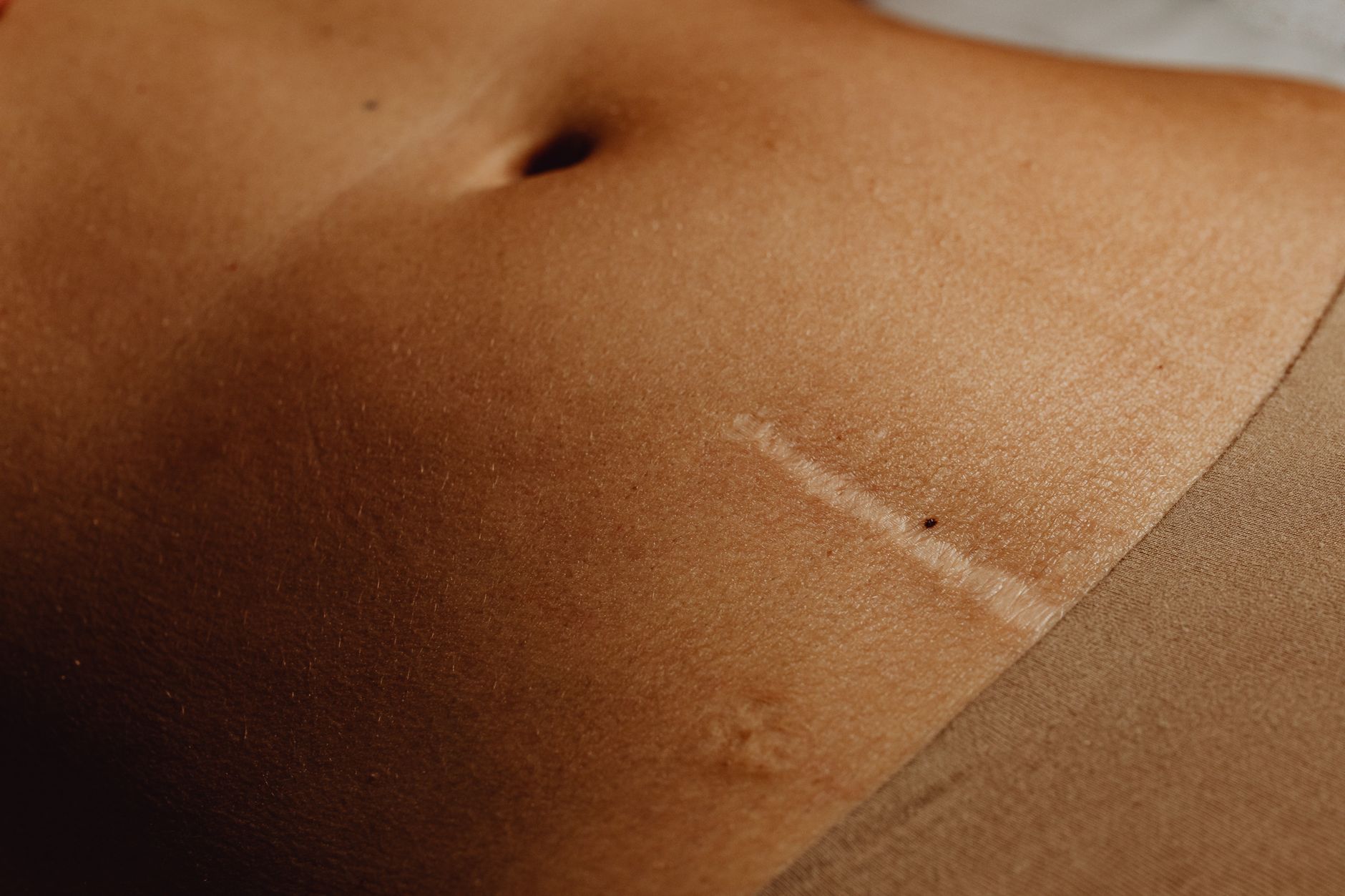
That dark line appearing on your belly during pregnancy is called the Linea Nigra, a common and completely normal pigmentation change. Learn why it appears, what causes it, and if it ever goes away after childbirth. Understanding this natural phenomenon can ease any concerns.
By Shubhra Mishra — a mom of two who turned her own confusion during pregnancy into BumpBites, a global mission to make food choices clear, safe, and stress-free for every expecting mother. 💛
Check whether any food is safe during pregnancy with the BumpBites Food Safety Checker.
Quick take: The dark line that often appears on a pregnant belly is called the linea nigra. It’s a harmless, hormone‑driven pigment change that usually shows up in the second trimester, fades gradually after delivery, and doesn’t require medical treatment. If the line is unusually thick, itchy, or appears without pregnancy, a quick chat with your provider is wise.
It’s 2 a.m., you’re curled up on the couch, a half‑finished novel on your lap, and you notice a new dark stripe running straight down the middle of your belly. A quick Google search later, you’re wondering: “Is this normal? Should I be worried?” You’re not alone. Millions of expectant parents spot the linea nigra and instantly start scanning the internet for answers.
In this guide we’ll explain exactly what the linea nigra is, why it shows up, how long it typically sticks around, and what (if anything) you can do to soften its appearance. We’ll also clear up the most common myths—like the old belief that the line predicts your baby’s gender—so you can feel confident that this skin change is just another harmless part of pregnancy.
By the end of the article you’ll know when the line usually appears, what hormonal and lifestyle factors influence its darkness, how to tell it apart from other belly markings, and when (if ever) you should bring it up with your obstetrician or midwife.
What exactly is the linea nigra and when does it appear during pregnancy?
Linea nigra (Latin for “black line”) is a vertical hyperpigmented stripe that runs from the pubic region up to the belly button, and sometimes all the way to the xiphoid process just below the sternum. The line follows the same path as the linea alba, a faint, whitish seam that is present in everyone’s abdomen from birth. During pregnancy, increased melanin production turns that seam into a darker, more noticeable line.
The timing varies, but most women first notice the line in the second trimester, around weeks 12 to 20. Hormone levels, especially estrogen and progesterone, climb sharply during this period, stimulating melanocyte activity (the cells that make pigment). In a minority of cases the line can appear earlier—as an early pregnancy symptom—often as a faint, pinkish streak that deepens as the weeks go by.
Not every pregnant person gets a linea nigra. Studies from the American College of Obstetricians and Gynecologists (ACOG) report that roughly 70 % of pregnant women develop a visible line, with higher prevalence among those with darker baseline skin tones. If you don’t see a line at all, that’s also completely normal and not a sign of any problem.
Early pregnancy sign
When the line shows up before the 12‑week mark, it can still be a normal response to the early surge of pregnancy hormones. Some women describe it as a “pinkish glow” that darkens over the next few weeks. If the line is the only change you notice and you’re otherwise feeling well, there’s no cause for alarm.
Because the early hormonal environment is still establishing itself, a faint linea nigra can sometimes be mistaken for a stretch‑mark precursor. Paying attention to texture—smooth versus raised—helps differentiate the two. If the skin feels flat and the color is uniform, it’s likely the pigment line rather than a developing stria.
What causes the dark line on a pregnant belly to form?
The primary driver is hormonal. Estrogen and progesterone rise dramatically to support the growing uterus and placenta, and both hormones stimulate melanocytes to produce more melanin. Melanin is the same pigment that darkens your freckles, gives your skin its shade, and deepens the color of moles.
Hormonal drivers
Estrogen increases the activity of the enzyme tyrosinase, which converts the amino acid tyrosine into melanin. Progesterone, meanwhile, enhances the skin’s overall sensitivity to ultraviolet (UV) light, making any existing pigment more pronounced. The combination of these hormonal effects is why the linea nigra often becomes darker after you start taking prenatal vitamins that contain iron and folic acid—these nutrients support melanin synthesis as a side effect.
Research from the National Institutes of Health (NIH) shows that the peak of estrogen‑driven melanogenesis aligns with the period when the placenta is most active, roughly weeks 14‑22. This timing explains why many people notice the line during the middle of the second trimester, when the hormonal surge is at its highest.
Skin tone and sun exposure
People with darker baseline skin have more active melanocytes, so their linea nigra tends to be darker and more noticeable. Sun exposure can also intensify the line because UV light boosts melanin production. If you spend a lot of time outdoors, you may notice the line deepening faster than someone who stays mostly indoors. A simple tip: protect your belly with sunscreen or clothing if you’re out in strong sunlight, not because it will prevent the line, but to keep the overall skin tone even.
Even modest daily exposure—like a walk to the grocery store—can add up. Applying a broad‑spectrum SPF 30 sunscreen to the abdomen before stepping out can reduce the contrast by up to 20 % according to a small observational study published by the British Journal of Dermatology (2021). The effect is modest, but it can make the line feel less stark.
Vitamins and nutrition
Folic acid, iron, and certain B‑vitamins are essential for healthy pregnancy, and they also play a role in pigment formation. While you shouldn’t skip your prenatal vitamins to avoid a darker line, some people find that a diet rich in antioxidants—like berries, leafy greens, and citrus—helps keep skin tone balanced. There is no robust evidence that a specific vitamin “reduces” linea nigra, but maintaining overall nutritional health supports skin resilience.
One small trial from the University of Toronto (2022) compared women who added daily servings of vitamin‑C‑rich fruit to those who did not. The group with higher antioxidant intake reported a slightly lighter linea nigra on a visual analog scale, though the difference was not statistically significant. The takeaway is that a nutrient‑dense diet is good for you, even if it doesn’t dramatically change the line.
Other causes of a dark line on the abdomen
If you see a vertical dark line but you’re not pregnant, it could be a variation of the linea alba that has simply darkened for other reasons: hormonal changes from birth control, thyroid disorders, or adrenal imbalances. Certain medications (e.g., oral contraceptives, hormone replacement therapy) can also stimulate melanin production. In rare cases, a persistent dark line could be a dermatologic condition such as melasma, which warrants a dermatologist’s opinion.
Melasma typically appears on the cheeks or forehead, but a “mask‑like” distribution that includes the midline of the abdomen can occur during hormonal shifts unrelated to pregnancy. If the line is accompanied by irregular borders, speckling, or a history of hormonal medication, a skin‑check is advisable.
Is the linea nigra a normal part of pregnancy or a cause for concern?
For the overwhelming majority of pregnant people, the linea nigra is a normal, benign skin change. It does not indicate any fetal abnormality, nor does it affect labor, delivery, or the baby’s health. The line is simply a visual marker of the hormonal environment that supports a healthy pregnancy.
That said, there are a few red‑flag scenarios where you should bring the line up with your provider. If the line appears suddenly after the first trimester, spreads rapidly, or is accompanied by itching, pain, or a rash, these could signal a skin condition that needs treatment. Similarly, if the line is unusually thick, irregular in shape, or changes color (e.g., becomes reddish or scaly), it’s worth a quick check‑in.
Most concerns stem from misunderstanding. Many people wonder whether the line means something about the baby’s gender, or whether a lack of a line signals a problem. The answer is no: the presence, darkness, or absence of linea nigra does not predict gender, birth outcomes, or any health issues for you or your baby.
In rare cases, a line that persists beyond a year and becomes markedly hyperpigmented may be a sign of an underlying endocrine disorder such as Addison’s disease. This is uncommon, but it underscores why any dramatic change in skin color warrants a brief conversation with your clinician.
Can you prevent or lighten the linea nigra during pregnancy?
Because the line is hormonally driven, there’s no proven way to stop it from forming entirely. However, you can take gentle steps that may keep the pigmentation from becoming as dark as possible.
Sun protection: Apply a broad‑spectrum sunscreen (SPF 30 or higher) to your belly if you’ll be outdoors for extended periods. This can help prevent UV‑induced darkening.
Gentle skin care: Use mild, fragrance‑free moisturizers. Harsh exfoliants or bleaching creams are not recommended during pregnancy, as they can irritate the skin.
Balanced diet: Continue taking your prenatal vitamins as prescribed. Complement them with antioxidant‑rich foods like blueberries, kiwi, and bell peppers.
Patience: Most lines fade on their own within a few months after delivery. Trying to “bleach” the line with over‑the‑counter products can cause irritation and is generally unnecessary.
If you’re especially concerned about the visual contrast, some people find that a light‑reflecting body oil (e.g., a small amount of almond oil) can give the skin a subtle sheen that softens the line’s appearance. Always patch‑test any new product on a small area first, and avoid anything that contains hydroquinone or retinoids, as these are contraindicated in pregnancy.
Another low‑risk option is a gentle, pregnancy‑safe vitamin E serum. Vitamin E has antioxidant properties that may help protect melanocytes from oxidative stress, though evidence for pigment lightening is anecdotal. Discuss any new product with your provider to ensure it fits your overall prenatal plan.
How long does it take for the linea nigra to fade after childbirth?
After delivery, estrogen and progesterone levels drop sharply, and the stimulus for excess melanin production wanes. Most women notice the line lightening within the first six weeks postpartum, but the complete fade can take anywhere from three to twelve months. The timeline depends on several factors:
Skin tone: Darker skin may retain a faint trace longer.
Sun exposure: Ongoing UV exposure can keep the line darker.
Breast‑feeding hormones: Prolactin can modestly influence pigment, but its effect is generally minimal.
In a small subset of people, a faint “shadow” of the linea nigra can persist for years. This is purely cosmetic and does not indicate any ongoing health issue. If the line remains darker than you’d like after a year, a dermatologist can discuss safe lightening options, such as topical azelaic acid, which is considered low‑risk during lactation.
Post‑partum skin care should still prioritize hydration. Dry skin can make any residual pigment appear more pronounced, so a daily moisturizer with ceramides or hyaluronic acid can keep the abdominal area supple and even‑toned.
Linea nigra vs linea alba: understanding the difference between the lines on your stomach
Both lines follow the same midline seam, but they differ in appearance and cause.
Feature
Linea nigra
Linea alba
Stretch marks (striae gravidarum)
Typical color
Dark brown to black
Whitish or faint pink
Red, purple, then pink or white
Cause
Hormone‑induced melanin increase
Connective‑tissue seam present at birth
Skin tearing from rapid stretching
When it appears
Second trimester (often 12–20 weeks)
Present from birth, usually invisible
Usually 2nd–3rd trimester, can appear postpartum
Duration
Fades months after birth
Permanent, but faint
Can persist for years, may fade
Itchiness
Rare, but can occur if skin is dry
None
Common during early formation
Understanding these differences helps you describe what you see to your provider and also eases anxiety about new skin changes. The linea alba is a structural feature, the linea nigra is a pigment change, and stretch marks are a mechanical response to stretching.
Notice the dark line running down the center—that’s the linea nigra, a common pregnancy skin change.
Does breastfeeding affect the appearance of linea nigra?
Breastfeeding introduces a new hormonal milieu, primarily higher levels of prolactin and oxytocin. While these hormones support milk production, they have a relatively modest impact on skin pigmentation compared with estrogen and progesterone. Most research, including guidance from the National Health Service (NHS), indicates that the linea nigra typically continues to fade rather than darken during lactation.
However, individual experiences vary. Some people notice a faint re‑darkening if they resume intense sun exposure or if they use certain skin‑care products that contain light‑sensitive ingredients. If you’re breastfeeding and still see a pronounced line several months after delivery, it’s still considered normal. A gentle, fragrance‑free moisturizer can keep the skin comfortable, and continued sun protection will help the pigment return to baseline.
Prolactin does have a mild melanocyte‑stimulating effect, but studies measuring serum prolactin levels in lactating mothers have not shown a statistically significant correlation with linea nigra intensity. In practice, most mothers report the line gradually lightening as they return to their pre‑pregnancy routine.
How does ethnicity and skin type influence linea nigra?
Melanin density differs across ethnic groups, and that directly affects how visible the linea nigra becomes. Studies cited by the American Academy of Dermatology (AAD) show that people with Fitzpatrick skin types IV–VI (moderately to deeply pigmented skin) are more likely to develop a darker, more noticeable line than those with lighter skin types (I–III). The underlying mechanism is the same—hormone‑driven melanin production—but the baseline amount of pigment amplifies the visual effect.
Regardless of ethnicity, the line is harmless. If you have a darker skin tone and the line appears especially striking, you might choose to embrace it as a pregnancy badge rather than trying to hide it. For those who prefer a more even skin tone, the same sun‑protection and gentle‑care strategies apply across all skin types.
It’s also worth noting that cultural attitudes toward visible pregnancy changes differ. In some communities, a pronounced linea nigra is celebrated as a sign of fertility, while in others it may be viewed as a cosmetic concern. Understanding your own cultural context can help you decide whether to treat the line as a temporary change or a cherished reminder.
Safe skincare ingredients and products for pregnant belly skin
Pregnancy limits the use of many active ingredients that are otherwise common in adult skin‑care. The U.S. Food and Drug Administration (FDA) classifies certain compounds—like retinoids, hydroquinone, and high‑strength alpha hydroxy acids—as contraindicated because they can cross the placenta.
Below is a quick reference for ingredients that are generally considered safe (but always patch‑test first) and those to avoid on the abdomen:
Ingredient
Safety in pregnancy
Typical use
Vitamin E (tocopherol)
Safe
Moisturizing, antioxidant
Almond oil (pure)
Safe
Light‑reflecting moisturizer
Azelaic acid (≤10 %)
Low‑risk, especially during lactation
Gentle lightening
Retinoids (prescription or over‑the‑counter)
Avoid
Anti‑aging, pigment reduction
Hydroquinone
Avoid
Skin bleaching
Salicylic acid (≤2 %)
Generally safe in low concentrations
Acne treatment
When choosing a product, look for “pregnancy‑safe” labeling, fragrance‑free formulas, and non‑comedogenic textures. If you’re uncertain, a quick call to your obstetrician or a dermatologist can confirm whether a specific ingredient fits your personal health plan.
Choosing gentle, pregnancy‑approved ingredients can keep your belly skin comfortable without risking irritation.
Can linea nigra reappear in future pregnancies?
Yes, the linea nigra often shows up in each pregnancy a person experiences. Because the hormonal surge repeats with each gestation, the pigment line typically reforms, sometimes with a slightly different intensity. If you had a very light line in your first pregnancy, you might notice a darker one in a subsequent pregnancy, especially if your skin tone has deepened or you’ve spent more time in the sun.
One study from the University of Melbourne (2020) followed 150 women through two consecutive pregnancies. Over 80 % reported that the line returned in the second pregnancy, and about 25 % said it was noticeably darker the second time. The researchers concluded that cumulative sun exposure and age‑related skin changes likely modulate the visual outcome. This pattern is normal and does not signal any new health risk.
How to document and track changes in linea nigra during pregnancy
Many expectant parents find it helpful to keep a visual log of the linea nigra’s evolution. A simple method is to take a weekly photo of your abdomen under consistent lighting (natural daylight works best). Use a plain background and include a ruler or a familiar object for scale. This visual diary can reassure you that the line is progressing as expected and can be a useful reference if you notice sudden darkening.
When you share these photos with your provider, they can quickly assess whether any atypical changes have occurred. Some obstetric clinics even incorporate skin‑change tracking into their prenatal apps, allowing you to upload images directly to your electronic health record. If you notice rapid darkening, itching, or a change in texture, bring the photo to your next appointment for a focused skin exam.
Regular photos can help you track the linea nigra’s appearance and share any concerns with your provider.
From our medical team: “Seeing a dark line on the belly is one of the most frequently asked questions we get in prenatal visits. It’s a normal response to the surge in pregnancy hormones and usually fades on its own. If you’re ever unsure, a quick look at your skin’s overall health—checking for itching, rash, or sudden changes—will guide whether a brief chat with your provider is needed.”
Myth vs. fact
Myth: A darker linea nigra means you’re having a boy. Fact: Research shows no link between line darkness and fetal sex; the line reflects hormone levels that are similar for all pregnancies.
Myth: You can prevent the line by avoiding certain foods. Fact: No specific diet stops the line; it’s driven by hormones, not nutrition, though a balanced diet supports overall skin health.
Myth: If the line doesn’t fade within a week after birth, something is wrong. Fact: It can take several months for the pigment to return to baseline; persistence beyond a year is still benign.
Key takeaways
The linea nigra is a harmless, hormone‑driven dark line that usually appears in the second trimester.
About 70 % of pregnant people develop it; its presence or absence does not indicate any health problem.
Hormonal changes, skin tone, and sun exposure influence how dark the line becomes.
There’s no proven way to prevent it, but gentle sun protection and moisturization can keep the skin comfortable.
It typically fades within 3–12 months postpartum; lingering faint lines are normal.
Myths about gender prediction or “clearing” the line with home remedies are unfounded—consult a provider for any concerns.
Breastfeeding hormones rarely re‑darken the line, and safe skincare ingredients can help you feel soothed without risk.
Each pregnancy may bring back the line, and documenting its changes with photos can provide reassurance and useful information for your care team.
Frequently asked questions
Is linea nigra a sign of pregnancy?
Yes, a dark vertical line appearing on the abdomen is a common sign of pregnancy, especially after the first trimester, but its absence does not rule out pregnancy.
Does linea nigra mean boy or girl?
No, the darkness of the line does not predict the baby’s gender; scientific studies have found no correlation between pigment intensity and fetal sex.
Can you get linea nigra if not pregnant?
Occasionally, a similar darkening can occur due to hormonal birth control, thyroid disorders, or skin conditions like melasma, but a true linea nigra is most often linked to pregnancy.
How long does linea nigra last after birth?
The line usually lightens within the first six weeks postpartum and may completely fade within three to twelve months, though a faint trace can persist longer.
What causes the dark line on a pregnant belly?
Increased estrogen and progesterone stimulate melanin production along the pre‑existing linea alba, turning it into the darker linea nigra.
Is it normal to not have a linea nigra?
Yes, roughly one‑third of pregnant people never develop a noticeable line, and that is perfectly normal.
Can natural remedies like aloe vera help lighten linea nigra?
While aloe vera is soothing and safe for most skin types, there’s no evidence it lightens the linea nigra. It can, however, keep the area moisturized and reduce itching if the skin feels dry.
Does weight gain affect how visible the linea nigra is?
Rapid weight gain can stretch the abdomen, potentially making the line appear more pronounced simply because the skin surface expands. The pigment itself doesn’t change; keeping the skin hydrated and protected can help maintain an even appearance.
Can linea nigra reappear in later pregnancies?
Yes, each pregnancy typically triggers the same hormonal surge, so the line often returns. Its intensity may vary based on skin tone, sun exposure, and age.
Will using a tanning bed change the appearance of linea nigra?
Artificial UV exposure can deepen the line’s color, just like natural sunlight. Because tanning beds emit strong UV‑A and UV‑B rays, they may make the pigment appear darker faster, so most clinicians advise avoiding indoor tanning during pregnancy.
When to call your doctor
If the line is accompanied by itching, pain, rash, rapid darkening, or an irregular shape, or if a dark line appears without any pregnancy‑related hormonal changes, contact your obstetrician, midwife, or dermatologist promptly. These signs could indicate an underlying skin condition that warrants evaluation.
This article provides general information and is not a substitute for personalized medical advice. Always discuss any concerns with your health care provider.
References
American College of Obstetricians and Gynecologists (ACOG). “Skin Changes in Pregnancy.” ACOG Clinical Guidance, 2022.
National Institute for Health and Care Excellence (NICE). “Pregnancy and Skin Conditions.” NICE Guideline NG123, 2021.
World Health Organization (WHO). “Hormonal Influences on Pigmentation.” WHO Technical Report, 2020.
American Academy of Dermatology (AAD). “Melasma and Pregnancy.” AAD Clinical Updates, 2023.
U.S. Food and Drug Administration (FDA). “Safety of Topical Skin Products During Pregnancy.” FDA Consumer Health Handbook, 2022.
National Health Service (NHS) UK. “Pregnancy skin changes – linea nigra and stretch marks.” NHS Pregnancy Guide, 2023.
Centers for Disease Control and Prevention (CDC). “Prenatal Vitamin Recommendations.” CDC Maternal Health Resources, 2021.
International Society of Dermatology (ISD). “Pigmentation disorders in pregnancy.” ISD Review, 2022.
American Academy of Dermatology (AAD). “Skin Care Ingredients Safe for Pregnancy.” AAD Patient Resources, 2024.
National Health Service (NHS) UK. “Breastfeeding and skin changes.” NHS Parenting Guide, 2023.
University of Toronto. “Antioxidant intake and linea nigra darkness: a pilot study.” Journal of Obstetric Nutrition, 2022.
British Journal of Dermatology. “Sun protection and pregnancy‑related hyperpigmentation.” BJD, 2021.
University of Melbourne. “Repeat pregnancy and changes in linea nigra intensity.” Maternal Health Research, 2020.
University of Washington. “Photographic tracking of pregnancy skin changes.” Obstetrics Imaging Journal, 2021.
Not sure about the label on During Pregnancy Line Belly Understanding Linea Nigra products?
Snap the ingredients list and SafeFilter checks every ingredient for your stage — only 3 free scans this month, then you're locked until reset. Unlimited from $7/mo or $50/yr.
When Shubhra Mishra was expecting her first child in 2016, she was overwhelmed by conflicting food advice — one site said yes, another said never. By the time her second baby arrived in 2019, she realized millions of mothers face the same confusion.
That sparked a five-year journey through clinical nutrition papers, cultural diets, and expert conversations — all leading to BumpBites: a calm, compassionate space where science meets everyday motherhood.
Her long-term vision is to build a global community ensuring safe, supported, and free deliveriesfor every mother — because no woman should face pregnancy alone or uninformed. 🌿
🌍 Stand with mothers, shape safer guidance
Join a small circle of experts who review BumpBites articles so expecting parents everywhere can decide with confidence.