Learn how ESC implementation with staff training, family engagement, and rooming-in improves newborn care. Discover best practices for safer, family-centered maternity care.
By Shubhra Mishra — a mom of two who turned her own confusion during pregnancy into BumpBites, a global mission to make food choices clear, safe, and stress-free for every expecting mother. 💛
Check whether any food is safe during pregnancy with the BumpBites Food Safety Checker.
Quick take: Implementing early skin‑to‑skin contact (ESC) works best when you combine thorough staff training, active family engagement, and a clear rooming‑in policy. The three pillars reinforce each other, improve maternal‑infant bonding, and boost outcomes such as breastfeeding rates and newborn stability. Start with a structured curriculum, involve parents from prenatal visits, and make sure the birthing suite is set up for safe, continuous rooming‑in.
It’s 2 a.m., you’ve just helped your partner settle into the hospital’s labor suite, and a nurse whispers, “We’ll start skin‑to‑skin as soon as the baby’s born.” Your heart races. Is this the right thing to do? Will the baby be safe? You’re not alone—many expectant parents wonder the same thing when they first hear about early skin‑to‑skin contact, or ESC. The good news is that hospitals that train their staff, involve families, and adopt rooming‑in see measurable health benefits without added risk.
In this guide we walk you through every step of ESC implementation: from designing a practical training program for nurses and physicians, to educating families before labor, to setting up a rooming‑in environment that protects both baby and mother. We’ll also share tools for tracking success, common obstacles and how to overcome them, and a quick reference you can keep on hand. By the end you’ll know exactly what to ask your provider and how to support a smooth, evidence‑based ESC experience in your birth hospital.
What is ESC and why it matters?
Definition
Early skin‑to‑skin contact (ESC) is the practice of placing a newborn, usually within the first 10 minutes after birth, directly onto the mother’s bare chest. The infant remains clothed only in a diaper and a hat, while the mother is covered with a blanket. This “kangaroo care” begins the moment the baby takes its first breath and continues for at least the first hour, unless medical complications require immediate intervention.
Health benefits for mom and baby
Research from the American College of Obstetricians and Gynecologists (ACOG) and the World Health Organization (WHO) consistently shows that ESC stabilizes newborn temperature, heart rate, and breathing, reduces crying, and promotes early initiation of breastfeeding. For mothers, ESC releases oxytocin, which helps the uterus contract, lessens postpartum bleeding, and fosters emotional bonding. A systematic review published in The Lancet found that babies who experience ESC are 20‑30 % less likely to require intensive care, and mothers are more likely to report satisfaction with their birth experience.
Beyond the immediate clinical outcomes, ESC also supports long‑term developmental health. Studies from the National Institute of Child Health and Human Development (NICHD) link early bonding to better neurodevelopmental scores at two years of age. In short, ESC is a low‑cost, high‑impact intervention that benefits the whole family.
Early skin‑to‑skin contact creates a calm, protected environment for both mother and infant.
Designing a staff training program
Step
‑by‑step curriculum
Creating a robust ESC training curriculum involves six essential steps:
Needs assessment: Survey obstetric, neonatal, and nursing staff to gauge current knowledge and identify gaps.
Learning objectives: Define clear goals, such as “Demonstrate safe placement of a newborn on the mother’s chest within 5 minutes of birth.”
Content development: Compile evidence‑based modules covering physiology, safety checks, communication, and cultural sensitivity.
Simulation practice: Use high‑fidelity birthing simulators to rehearse ESC scenarios, including emergency pauses.
Assessment: Conduct pre‑ and post‑training quizzes and observe real‑time performance during early labor.
Continuous feedback: Schedule quarterly refresher sessions and incorporate staff suggestions into the curriculum.
Each module should be 20‑30 minutes long, allowing for hands‑on practice and Q&A. Combining short videos, interactive case studies, and peer coaching keeps the material engaging and memorable.
Training methods
Blend classroom learning with bedside mentorship. A typical week might look like this:
Day 1: 45‑minute lecture on ESC science, followed by a short video of a successful ESC birth.
Day 2: Simulation lab where participants practice positioning a newborn on a mannequin mother, focusing on temperature monitoring.
Day 3: Shadowing a senior midwife during actual deliveries, with a checklist to verify each ESC step.
Day 4: Debriefing session to discuss challenges, cultural considerations, and family communication.
Incorporate interdisciplinary education—invite lactation consultants, neonatologists, and even hospital security staff to discuss how their roles intersect with ESC. This fosters a shared sense of ownership across the care team.
Sample schedule for a 4‑week rollout
Week
Focus
Activities
1
Foundations
Online modules, baseline quiz, intro to ESC benefits.
2
Hands‑on practice
Simulation labs, role‑play with actors portraying families.
3
Clinical integration
Live observation, bedside coaching, safety checklist use.
After the initial rollout, maintain momentum by celebrating milestones—e.g., “100 % of deliveries this month included ESC”—through staff newsletters and a visual dashboard in the nurses’ lounge. Recognition reinforces the habit and encourages peer‑to‑peer learning.
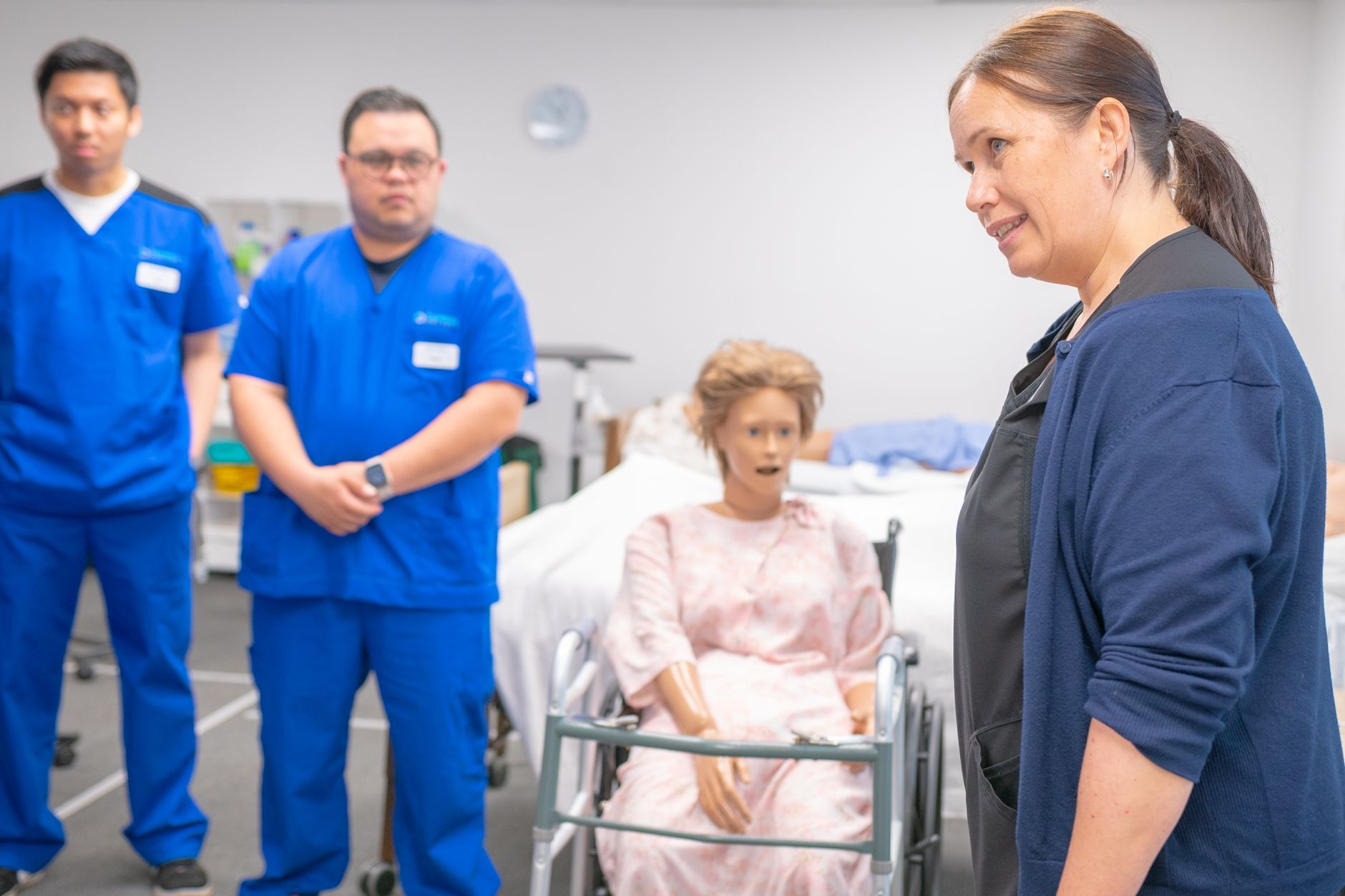
Simulation training lets staff rehearse ESC safely before applying it in real births.
Engaging families in ESC
Education before labor
Families who understand the “why” of ESC are more likely to request it and cooperate during the first minutes after birth. Offer prenatal classes that cover:
The physiological benefits of skin‑to‑skin contact.
What to expect during the first hour (e.g., minimal lighting, quiet environment).
How partners can support the mother—by holding a blanket, encouraging breathing, or simply staying present.
Hand out a concise one‑page “ESC Fact Sheet” that includes a QR code linking to the Eat‑Sleep‑Console (ESC) NOWS calculator, so parents can see how ESC fits into newborn scoring systems.
In‑room communication
During admission, ask parents about their preferences for ESC and rooming‑in. Document their consent in the electronic health record (EHR) and repeat the plan during the “time out” before delivery. Use simple, reassuring language: “We’ll place baby on your chest as soon as the cord is cut, unless we need to intervene for medical reasons.” This transparency reduces anxiety and aligns expectations.
Support tools
Provide bedside visual aids—posters that illustrate the ESC steps, and a “Family ESC Checklist” they can tick off together. Encourage partners to hold a warm blanket and a soft pillow, which can be pre‑positioned in the delivery room. Offer a brief “post‑birth debrief” where the team explains what happened, reinforces the benefits, and answers any lingering questions.
Rooming‑in policies and practical logistics
Setting up the environment
Rooming‑in means the newborn stays in the mother’s room 24 hours a day for the first 24–48 hours, unless medically contraindicated. To make this work:
Arrange the crib or bassinet within arm’s reach of the mother’s bed, with clear pathways for staff.
Install a low‑noise, dimmable lighting system that can be adjusted for nighttime feeding without disturbing the baby.
Provide a bedside “safety kit” containing a pulse oximeter, a thermometer, and a hand‑sized fire‑extinguisher for rare emergencies.
Staffing and safety checks
Assign a dedicated “rooming‑in champion”—often a senior nurse—to conduct a safety checklist each shift. The checklist includes:
Verification that the infant’s ID band matches the mother’s chart.
Temperature check of the newborn after each skin‑to‑skin session.
Ensuring that the mother’s positioning does not obstruct the baby’s airway.
Confirming that all cords and wires (e.g., IV lines) are safely tucked away.
These quick checks take less than two minutes but dramatically reduce the risk of accidental suffocation or falls.
Integrating with existing protocols
Rooming‑in should dovetail with the hospital’s existing newborn care bundle, which often includes delayed cord clamping, vitamin K administration, and early breastfeeding support. Map each ESC step to the corresponding item on the bundle checklist, and embed prompts in the EHR so that when a provider orders “delayed cord clamping,” a pop‑up automatically reminds them to “initiate ESC within 10 minutes.” This integration ensures that ESC is not an isolated task but part of a cohesive care pathway.
Rooming‑in creates a seamless, nurturing environment for the first days after birth.
Monitoring, evaluating, and reporting outcomes
Key performance indicators (KPIs)
Track ESC success with a set of measurable indicators:
Percentage of deliveries with ESC initiated within 10 minutes.
Duration of uninterrupted skin‑to‑skin contact (average minutes per birth).
Breastfeeding initiation rate at discharge.
Neonatal temperature stability (percentage of infants maintaining >36.5 °C in the first hour).
Maternal satisfaction scores from post‑discharge surveys.
Data collection tools
Use the hospital’s existing quality‑improvement software to capture these metrics. Create a simple ESC data entry form that auto‑populates from the birth record, reducing manual entry errors. For real‑time monitoring, set up a dashboard that displays daily ESC compliance rates alongside other perinatal quality measures.
Continuous quality improvement
Review KPI data monthly in a multidisciplinary “ESC Steering Committee” meeting. Identify trends—e.g., a dip in ESC initiation during night shifts—and develop targeted interventions, such as additional night‑staff training or a quick‑reference pocket card. Celebrate improvements publicly, which reinforces staff motivation and keeps ESC top‑of‑mind.
Common barriers and solutions
Staff resistance
Some clinicians worry that ESC will delay necessary newborn assessments. Address this by demonstrating that most newborn checks (Apgar scoring, vital signs) can be performed while the baby remains on the mother’s chest. Offer “fast‑track” protocols that outline exactly which steps can be safely completed without removing the infant.
Family misconceptions
Families may fear that ESC will be uncomfortable for the mother, especially after a C‑section. Provide reassurance that the mother can be positioned comfortably on a side‑lying or semi‑reclined surface, and that a support pillow can relieve pressure on the incision site. Highlight stories of mothers who felt empowered by the closeness, which helps normalize the practice.
Resource constraints
Limited staffing or space can make rooming‑in feel daunting. Mitigate this by reallocating existing postpartum nurses to cover the first 24 hours, and by using portable bassinets that fit easily beside the mother’s bed. Small budget items—like extra blankets or a bedside clock—can make a big difference in safety and comfort.
Integrating ESC into hospital workflow
Alignment with birth bundles
Map ESC steps onto the hospital’s “Healthy Birth Bundle.” For example, the bundle’s “early lactation support” component can be fulfilled by the ESC session, creating a streamlined workflow that eliminates duplication.
Electronic health record (EHR) prompts
Program the EHR to generate an ESC reminder at the moment the birth is recorded. The prompt can include a checklist link, a quick‑order set for the mother’s postpartum analgesia, and an auto‑filled field for the ESC start time. This digital cue ensures consistency across shifts and reduces reliance on memory.
Leadership and culture
Secure buy‑in from hospital leadership by presenting the cost‑benefit analysis: ESC reduces NICU admissions, shortens length of stay, and improves patient satisfaction—all of which translate to higher reimbursement rates under value‑based purchasing models. Encourage leaders to model ESC themselves—e.g., a chief medical officer can speak at a staff training session about the importance of early bonding.
Cultural considerations and inclusive practices
Families come from diverse cultural backgrounds, each with its own traditions around birth, newborn care, and physical contact. ACOG’s 2022 cultural‑competency guidelines recommend that staff ask open‑ended questions (“Are there any cultural practices you’d like us to respect during skin‑to‑skin?”) and document any preferences in the birth plan. This proactive approach prevents misunderstandings and shows respect for traditions such as delayed bathing, modesty coverings, or family‑centered rituals.
When language barriers exist, provide translated ESC fact sheets and interpreter services. The NHS highlights that visual aids—like illustrated posters of the ESC steps—can bridge gaps when verbal explanations are limited. Including partners, grandparents, or community doulas in the education session also honors collectivist cultures where birth is a shared event, fostering a supportive environment for ESC.
Financial and resource planning for ESC
Although ESC itself is low‑cost, successful implementation requires upfront investment in training materials, simulation equipment, and environmental modifications. A modest budget analysis (often under $10,000 for a medium‑size hospital) can cover: simulation mannequins, printed educational brochures, and a modest upgrade to lighting controls. The FDA’s “Medical Device and Equipment Guidance” notes that many of these items qualify for capital‑expense depreciation, easing the financial impact.
Long‑term savings are compelling. A 2021 SHM quality‑improvement study reported that hospitals adopting ESC saw a 12 % reduction in NICU admissions, translating to an average annual cost avoidance of $250,000 per institution. When presenting the plan to administrators, frame ESC as a revenue‑positive quality initiative that aligns with value‑based care incentives and improves patient‑reported experience scores.
Leveraging technology and telehealth for ESC education
Digital tools can amplify ESC education beyond the hospital walls. Offer a short, mobile‑friendly video series that walks families through the ESC process, the role of the partner, and safety tips. Embedding these videos in the hospital’s patient portal ensures that expectant parents can watch them at their own pace, even during a pandemic‑related virtual prenatal visit.
Telehealth follow‑up appointments in the first week postpartum provide an opportunity to reinforce ESC benefits and troubleshoot any challenges (e.g., positioning difficulties after a C‑section). The CDC’s 2022 Safe Sleep guidelines emphasize that remote counseling can improve adherence to skin‑to‑skin recommendations, especially in rural communities where in‑person support may be limited.
Legal and policy framework for ESC
In many jurisdictions, ESC is now incorporated into obstetric quality‑measure mandates. For example, the U.S. Joint Commission’s Perinatal Core Measures (2022) list “Early Mother‑Infant Contact” as a required metric, with reporting obligations for every birth. In the UK, NHS England’s “Newborn and Infant Care Pathways” explicitly reference ESC as a best‑practice standard, and hospitals must demonstrate compliance during annual inspections.
Legal risk is minimized when policies are documented, consent is obtained, and staff follow standardized checklists. The ACOG advises that hospitals retain signed ESC consent forms in the medical record and maintain incident‑report logs for any adverse events. This documentation not only protects the institution but also provides a clear audit trail for quality‑improvement teams.
Sustainability and environmental benefits of ESC
Early skin‑to‑skin contact reduces the need for additional equipment such as incubators, radiant warmers, and disposable heating blankets. By keeping the newborn’s temperature stable through direct maternal warmth, hospitals can lower energy consumption and waste generation—a small but meaningful contribution to greener healthcare practices.
Moreover, ESC encourages breastfeeding, which has downstream environmental advantages. Breastmilk eliminates the carbon footprint associated with formula production, packaging, and shipping. A 2020 WHO analysis estimated that widespread breastfeeding could reduce greenhouse‑gas emissions by up to 84 million tons of CO₂ equivalent annually. Framing ESC as part of a sustainability strategy can further motivate leadership to invest in the program.
From our medical team: ESC is not a luxury; it’s a scientifically proven, low‑cost intervention that strengthens the mother‑baby dyad. When staff feel confident, families feel respected, and the environment supports continuous rooming‑in, the whole system benefits. We recommend starting with a pilot unit, collecting data, and scaling up once you see measurable improvements in breastfeeding and newborn stability.
Fact: ESC can be safely performed after cesarean deliveries when the mother’s incision is protected with a sterile drape and a support pillow, according to ACOG guidelines.
Myth: Rooming‑in increases the risk of infant suffocation.
Fact: When proper safety checklists are used, rooming‑in actually reduces accidental falls and promotes timely detection of respiratory distress, as shown by the CDC’s Safe Sleep recommendations.
Myth: Staff training is a one‑time event.
Fact: Ongoing education, simulation refreshers, and feedback loops are essential to maintain high ESC compliance, per the WHO’s quality‑improvement framework.
Key takeaways
Start ESC within the first 10 minutes of birth and aim for at least 60 minutes of uninterrupted skin‑to‑skin.
Build a staff curriculum that blends didactic learning, simulation, and bedside mentorship.
Engage families early—prenatal classes, written fact sheets, and bedside checklists improve consent and participation.
Implement rooming‑in with clear safety checklists, dedicated staff champions, and a supportive environment.
Track ESC metrics (initiation time, duration, breastfeeding rates) and review them monthly for continuous improvement.
Address common barriers—staff concerns, family myths, and resource limits—with evidence‑based solutions and leadership support.
Respect cultural preferences, plan financially for equipment and training, and use digital tools to reinforce learning.
Document consent and follow legal guidelines to protect both families and institutions.
Consider the environmental upside: ESC reduces equipment use and supports breastfeeding, which lessens healthcare’s carbon footprint.
Frequently asked questions
What is ESC implementation in maternity care?
ESC implementation is the systematic integration of early skin‑to‑skin contact into a hospital’s birth routine, supported by staff training, family education, and rooming‑in policies. It ensures that most newborns receive the first minutes of direct contact with their mother’s chest, which improves physiological stability and bonding.
How does staff training affect ESC outcomes?
Well‑designed training equips nurses and physicians with the skills to start ESC quickly and safely, leading to higher compliance rates and better newborn temperature control. Studies cited by ACOG show that hospitals with comprehensive ESC curricula see a 15‑20 % increase in breastfeeding initiation.
Why is family engagement important in ESC?
When families understand ESC’s benefits, they are more likely to request it and support the mother during the first hour. Engaged parents also help maintain the skin‑to‑skin session by providing blankets, soothing the baby, and reinforcing the practice during subsequent feedings.
What are the benefits of rooming‑in for newborns?
Rooming‑in keeps the baby close to the mother, which promotes frequent breastfeeding, stabilizes infant temperature, and reduces the likelihood of unnecessary NICU transfers. The CDC notes that rooming‑in also lowers the risk of “cot‑death” by allowing parents to monitor the infant continuously.
How can hospitals measure the success of ESC implementation?
Key performance indicators include ESC initiation within 10 minutes, average skin‑to‑skin duration, breastfeeding initiation at discharge, and newborn temperature stability. Data can be captured in the EHR and displayed on a quality‑improvement dashboard for transparent reporting.
What challenges arise during ESC staff training and how can they be addressed?
Common challenges are staff skepticism, time constraints, and variability in skill level. Solutions include presenting evidence from reputable bodies (ACOG, WHO), offering short, modular training sessions, and using simulation to build confidence without risking patient safety.
Can ESC be done if the mother has a medical condition that limits mobility?
Yes. ESC can be adapted for mothers who are on bed rest, have limited upper‑body strength, or use a wheelchair. The ACOG 2023 guidance recommends using a supportive positioning pillow and a bedside assistant to maintain safe skin‑to‑skin contact while protecting the mother’s incision or surgical site.
What role does the partner play during ESC and rooming‑in?
The partner can hold a warm blanket, help position the baby, and provide verbal reassurance. Studies from the NICHD show that active partner involvement improves breastfeeding success and maternal confidence, especially during the first 24 hours of rooming‑in.
How does telehealth support ESC after discharge?
Remote follow‑up visits let lactation consultants review positioning, answer questions about feeding, and troubleshoot skin‑to‑skin challenges that may arise at home. The CDC’s 2022 guidance notes that telehealth can increase adherence to ESC recommendations, particularly for families in rural areas.
What legal documentation is needed for ESC consent?
Most hospitals use a brief ESC consent form that is signed during admission and stored in the electronic health record. ACOG advises that the form include a statement of the benefits, any contraindications, and an option to decline. Keeping this documentation ensures compliance with quality‑measure reporting and protects both the family and the institution.
When to call your doctor
If you notice any of the following after ESC, seek medical help right away: newborn temperature below 36.5 °C, persistent crying that does not settle with skin‑to‑skin, signs of breathing difficulty (grunting, bluish lips), or if the mother experiences heavy bleeding, severe pain, or fever. Remember, this article provides general information and is not a substitute for personalized medical advice—always discuss your specific situation with your obstetrician or midwife.
References
American College of Obstetricians and Gynecologists (ACOG). “Guidelines for Early Skin‑to‑Skin Contact.” 2023.
World Health Organization (WHO). “Early Initiation of Breastfeeding and Skin‑to‑Skin Contact.” 2022.
Centers for Disease Control and Prevention (CDC). “Safe Sleep and Rooming‑In Recommendations.” 2021.
National Institute of Child Health and Human Development (NICHD). “Long‑Term Developmental Outcomes of Early Bonding.” 2020.
The Lancet. “Impact of Early Skin‑to‑Skin Contact on Neonatal Morbidity.” 2021.
Royal College of Obstetricians and Gynaecologists (RCOG). “Postnatal Care and Family Involvement.” 2022.
National Health Service (NHS). “Rooming‑In Policies for Newborns.” 2023.
Society of Hospital Medicine (SHM). “Quality Improvement Toolkit for ESC Implementation.” 2022.
Food and Drug Administration (FDA). “Medical Device and Equipment Guidance.” 2022.
World Health Organization (WHO). “Quality‑Improvement Framework for Perinatal Care.” 2023.
Not sure about the label on Esc Implementation Staff Training Family Engagement Rooming In products?
Snap the ingredients list and SafeFilter checks every ingredient for your stage — only 3 free scans this month, then you're locked until reset. Unlimited from $7/mo or $50/yr.
When Shubhra Mishra was expecting her first child in 2016, she was overwhelmed by conflicting food advice — one site said yes, another said never. By the time her second baby arrived in 2019, she realized millions of mothers face the same confusion.
That sparked a five-year journey through clinical nutrition papers, cultural diets, and expert conversations — all leading to BumpBites: a calm, compassionate space where science meets everyday motherhood.
Her long-term vision is to build a global community ensuring safe, supported, and free deliveriesfor every mother — because no woman should face pregnancy alone or uninformed. 🌿
🌍 Stand with mothers, shape safer guidance
Join a small circle of experts who review BumpBites articles so expecting parents everywhere can decide with confidence.