Learn how to interpret MCA-PSV results for fetal anemia screening, including key thresholds and next steps for accurate diagnosis and care during pregnancy.
By Shubhra Mishra — a mom of two who turned her own confusion during pregnancy into BumpBites, a global mission to make food choices clear, safe, and stress-free for every expecting mother. 💛
Check whether any food is safe during pregnancy with the BumpBites Food Safety Checker.
Quick take: Fetal anemia screening, particularly using Middle Cerebral Artery Peak Systolic Velocity (MCA-PSV), is a non-invasive ultrasound technique that helps assess a baby's risk of anemia in the womb. By measuring blood flow in a specific brain artery, providers can determine if the baby might be anemic and decide if further testing or treatment, like an intrauterine transfusion, is needed. Interpreting these results involves comparing your baby's MCA-PSV measurement to gestational age-specific normal ranges, often expressed as Multiples of the Median (MoM).
The journey of pregnancy brings with it a mix of immense joy and, for many expecting parents, a fair share of worries. One such concern might arise when your doctor recommends a specialized ultrasound called an MCA-PSV scan. Perhaps you’ve heard the term and immediately wondered, "Is my baby okay? What does this mean?" It’s a natural reaction to feel a little anxious when unfamiliar medical tests are introduced.
🔢 Calculate it for your situation: Use our MCA-PSV Fetal Anaemia for a personalized result in seconds.
At BumpBites, we understand that feeling. We're here to demystify complex medical information and provide you with clear, accurate, and reassuring answers. This article will walk you through everything you need to know about fetal anemia screening using MCA-PSV, from understanding what the numbers mean to knowing what steps might follow. Our goal is to empower you with knowledge, so you can navigate this aspect of your pregnancy with greater confidence and peace of mind.
Fetal anemia, while less common, can be a serious condition for developing babies. Conditions like Rh incompatibility, infections, or twin-to-twin transfusion syndrome can sometimes lead to the baby not having enough red blood cells. The good news is that advancements in prenatal care, like MCA-PSV screening, allow us to detect and manage these issues effectively, often leading to healthy outcomes. Let's dive in and explore how this important screening works.
MCA-PSV is a specialized ultrasound measurement that helps assess your baby's risk of anemia.
What is Fetal Anemia and Why is it a Concern?
Fetal anemia is a condition where your baby in the womb doesn't have enough healthy red blood cells. Red blood cells are crucial because they carry oxygen from the placenta to all parts of the baby’s body, including the brain, heart, and other organs. Without enough oxygen, a baby's development can be affected, and in severe cases, it can lead to serious complications like heart failure (hydrops fetalis) or even fetal death.
There are several reasons why a baby might develop anemia in the womb. The most common causes include:
Rh incompatibility (Rh isoimmunization): This occurs when a mother with Rh-negative blood is carrying an Rh-positive baby, and her immune system produces antibodies that attack the baby's red blood cells. This is less common now due to preventative treatments like RhoGAM.
Parvovirus B19 infection: Also known as "fifth disease," this common childhood infection can sometimes cross the placenta and temporarily stop the baby's red blood cell production.
Twin-to-twin transfusion syndrome (TTTS): In identical twin pregnancies where blood vessels in the placenta connect, one twin might receive too much blood (recipient twin) and the other too little (donor twin), leading to anemia in the donor twin.
Alpha-thalassemia: A genetic blood disorder that affects hemoglobin production.
Fetal-maternal hemorrhage: A rare event where the baby's blood leaks into the mother's circulation.
Because the consequences of severe fetal anemia can be significant, early detection and appropriate management are critical. This is where screening methods like MCA-PSV come into play, offering a non-invasive way to identify babies at risk and guide further interventions.
Understanding MCA-PSV: How it Works
MCA-P
SV stands for Middle Cerebral Artery Peak Systolic Velocity. It's a mouthful, but the concept is quite straightforward. It's a specialized measurement taken during an ultrasound scan that looks at the speed of blood flow in a specific artery in your baby's brain.
The Physiology Behind the Measurement
When a baby becomes anemic, their blood becomes thinner and flows more easily. To compensate for the reduced oxygen-carrying capacity, the baby's body tries to deliver oxygen more efficiently, especially to vital organs like the brain. This compensatory mechanism causes the blood flow in the middle cerebral artery (MCA) — a key artery supplying the brain — to speed up. The "peak systolic velocity" refers to the fastest speed the blood travels through this artery during a heartbeat.
Think of it like this: if you're trying to water a garden with a hose that has weak water pressure (like an anemic baby's thinner blood), you might squeeze the hose opening to make the water shoot out faster and reach further. Similarly, the baby's circulatory system adjusts to make the blood flow faster to ensure the brain gets enough oxygen.
How the Measurement is Taken
During an MCA-PSV ultrasound, a sonographer or doctor uses a Doppler ultrasound probe. Doppler ultrasound uses sound waves to detect and measure the speed and direction of blood flow. The probe is placed on your abdomen, and the sound waves bounce off the red blood cells moving through the MCA. The machine then translates these echoes into a visual waveform and a numerical reading of the blood flow velocity, typically measured in centimeters per second (cm/s).
The sonographer will carefully locate the middle cerebral artery in your baby's brain. This involves getting a specific view of the brain and then using color Doppler to identify the artery. Once located, pulsed Doppler is used to measure the peak velocity. The measurement needs to be taken when the baby is not moving and ideally during a period of quiescence to ensure accuracy.
Decoding Your MCA-PSV Results: MoM Interpretation
Receiving an MCA-PSV measurement in cm/s might not immediately tell you much on its own. The key to interpreting these results lies in comparing them to what's considered normal for your baby's specific gestational age. This is where the concept of Multiples of the Median (MoM) becomes incredibly useful.
What is MoM and Why is it Used?
MoM stands for "Multiples of the Median." It's a standardized way to express a measurement relative to the average (median) for a given gestational age. Here's why it's important:
Gestational Age Adjustment: A baby's MCA-PSV naturally increases as the pregnancy progresses. A measurement that might be normal at 20 weeks could be considered high at 30 weeks if not adjusted. MoM takes this natural variation into account.
Standardization: By converting the raw cm/s measurement into MoM, different measurements can be compared consistently, regardless of when they were taken in pregnancy.
Thresholds: Clinical guidelines use specific MoM thresholds (e.g., 1.5 MoM) to indicate the likelihood of fetal anemia, making interpretation clearer and more actionable.
Step-by-Step Interpretation of MCA-PSV Results
Obtain the Raw MCA-PSV Measurement: Your sonographer or doctor will provide you with a specific value in cm/s from the ultrasound.
Determine Your Baby's Exact Gestational Age: This is crucial. Even a difference of a few days can impact the interpretation.
Find the Median Value for that Gestational Age: Medical charts and software contain tables of median MCA-PSV values for each week of pregnancy. For example, the median MCA-PSV at 24 weeks might be 30 cm/s.
Calculate the MoM: Divide your baby's measured MCA-PSV by the median MCA-PSV for their gestational age.
Example: If your baby's MCA-PSV is 45 cm/s at 24 weeks, and the median for 24 weeks is 30 cm/s:
MoM = 45 cm/s / 30 cm/s = 1.5 MoM.
Compare the MoM to Clinical Thresholds: Once you have the MoM value, you compare it to established cut-off points. These thresholds indicate the probability of fetal anemia and guide further management.
Calculating MoM can feel a bit technical, but many clinics use specialized software to do this automatically. If you'd like to understand the numbers better or even calculate your own, our MCA-PSV Fetal Anaemia calculator can help you convert your raw MCA-PSV measurement to MoM and see how it compares to standard thresholds for your gestational age.
Normal MCA-PSV Ranges and Thresholds by Gestational Age
As we've discussed, MCA-PSV values naturally increase throughout pregnancy, so what's considered "normal" depends entirely on your baby's gestational age. The key is not the absolute number in cm/s, but how that number compares to the expected median for that specific week, expressed as a Multiple of the Median (MoM).
Understanding MoM Thresholds
The most widely accepted threshold for identifying fetal anemia is an MCA-PSV of 1.5 MoM or higher. This means that your baby's blood flow velocity is 1.5 times faster than the average for babies of the same gestational age. Different MoM values correlate with different probabilities of anemia:
MCA-PSV Result (MoM)
Interpretation
Likelihood of Anemia
Recommended Action
Less than 1.0 MoM
Normal
Very low probability of anemia
Routine prenatal care; no immediate action related to anemia.
1.0 - 1.29 MoM
Borderline/Low Risk
Low probability of mild anemia
Often warrants close monitoring, repeat MCA-PSV in 1-2 weeks, especially if risk factors are present.
1.3 - 1.49 MoM
Moderate Risk
Moderate probability of moderate anemia
Increased surveillance, repeat MCA-PSV within 3-7 days. Discussion of further invasive testing.
1.5 MoM or higher
High Risk
High probability of moderate to severe anemia
Strong indication for further invasive testing (cordocentesis) to confirm anemia and potentially immediate treatment (intrauterine transfusion).
It's important to remember that these are guidelines. Your healthcare provider will consider your individual circumstances, risk factors, and the overall clinical picture when interpreting your specific results. For example, a baby with a known risk factor for anemia (like Rh incompatibility) might be managed more aggressively even with a slightly lower MoM value than a baby with no known risk factors.
Gestational Age-Specific Median Values (Example)
While the MoM simplifies interpretation, it's based on specific median values. Here’s a simplified example of how median MCA-PSV (cm/s) changes with gestational age (exact values can vary slightly between studies and populations):
20 Weeks: Median ~26 cm/s
24 Weeks: Median ~30 cm/s
28 Weeks: Median ~34 cm/s
32 Weeks: Median ~38 cm/s
36 Weeks: Median ~42 cm/s
As you can see, a 30 cm/s reading at 20 weeks would be very high (likely >1.5 MoM), whereas at 24 weeks, it's the median (1.0 MoM). This highlights why gestational age adjustment is so critical for accurate assessment.
When is MCA-PSV Screening Recommended?
MCA-PSV screening is not a routine test for all pregnancies. It's typically recommended when there's an increased risk or suspicion of fetal anemia. Your healthcare provider will consider your medical history and specific pregnancy factors when deciding if this screening is right for you. The most common indications for MCA-PSV screening include:
Rh Isoimmunization (Red Cell Alloimmunization)
This is the most common reason for MCA-PSV screening. If you are Rh-negative and carry an Rh-positive baby, and your body has produced antibodies that could attack your baby's red blood cells, regular MCA-PSV monitoring is crucial. The screening helps to identify when the antibody levels are impacting the baby and if intervention is needed.
Parvovirus B19 Infection
If you contract Parvovirus B19 (Fifth Disease) during pregnancy, especially in the second trimester, there's a risk it could lead to fetal anemia and hydrops (fluid retention). MCA-PSV screening helps monitor the baby for signs of anemia after exposure.
Twin-to-Twin Transfusion Syndrome (TTTS)
In monochorionic twin pregnancies (where twins share a placenta), TTTS can occur. The donor twin often becomes anemic due to unequal blood flow. MCA-PSV can be used to monitor the donor twin for anemia and the recipient twin for polycythemia (too many red blood cells).
Other Less Common Indications
Non-immune hydrops fetalis: When a baby develops excessive fluid in at least two body cavities without an immune cause, anemia can be one of the underlying reasons.
Fetal-maternal hemorrhage: If there's suspicion of a significant bleed from the baby into the mother's circulation, MCA-PSV can help assess for fetal anemia.
Suspected alpha-thalassemia major: In regions where this genetic condition is prevalent, MCA-PSV can be part of the screening protocol.
When to Start and How Often to Repeat
Screening usually begins in the late first or early second trimester (often around 18-20 weeks) for high-risk pregnancies, such as those with Rh isoimmunization. The frequency of repeat scans depends on the specific risk factor and the previous MCA-PSV results. For Rh isoimmunization, scans might be performed every 1-2 weeks. If the MoM starts to trend upwards but is still below the critical threshold, more frequent monitoring (e.g., twice a week) may be recommended to catch any rapid changes.
It's important to discuss your specific risk factors with your healthcare provider to understand if and when MCA-PSV screening is recommended for your pregnancy.
Your healthcare provider will explain your MCA-PSV results and discuss any necessary next steps.
The MCA-PSV Procedure: What to Expect
If your doctor recommends an MCA-PSV scan, you might be wondering what the experience will be like. It's generally a straightforward, non-invasive ultrasound procedure, similar to your routine anatomy scan, but with a specific focus.
Before the Scan
There's usually no special preparation required for an MCA-PSV scan. You don't need a full bladder, for instance. You'll likely be asked to lie comfortably on your back on an examination table, often slightly tilted to your side to prevent vena cava compression (which can make you feel dizzy).
During the Scan
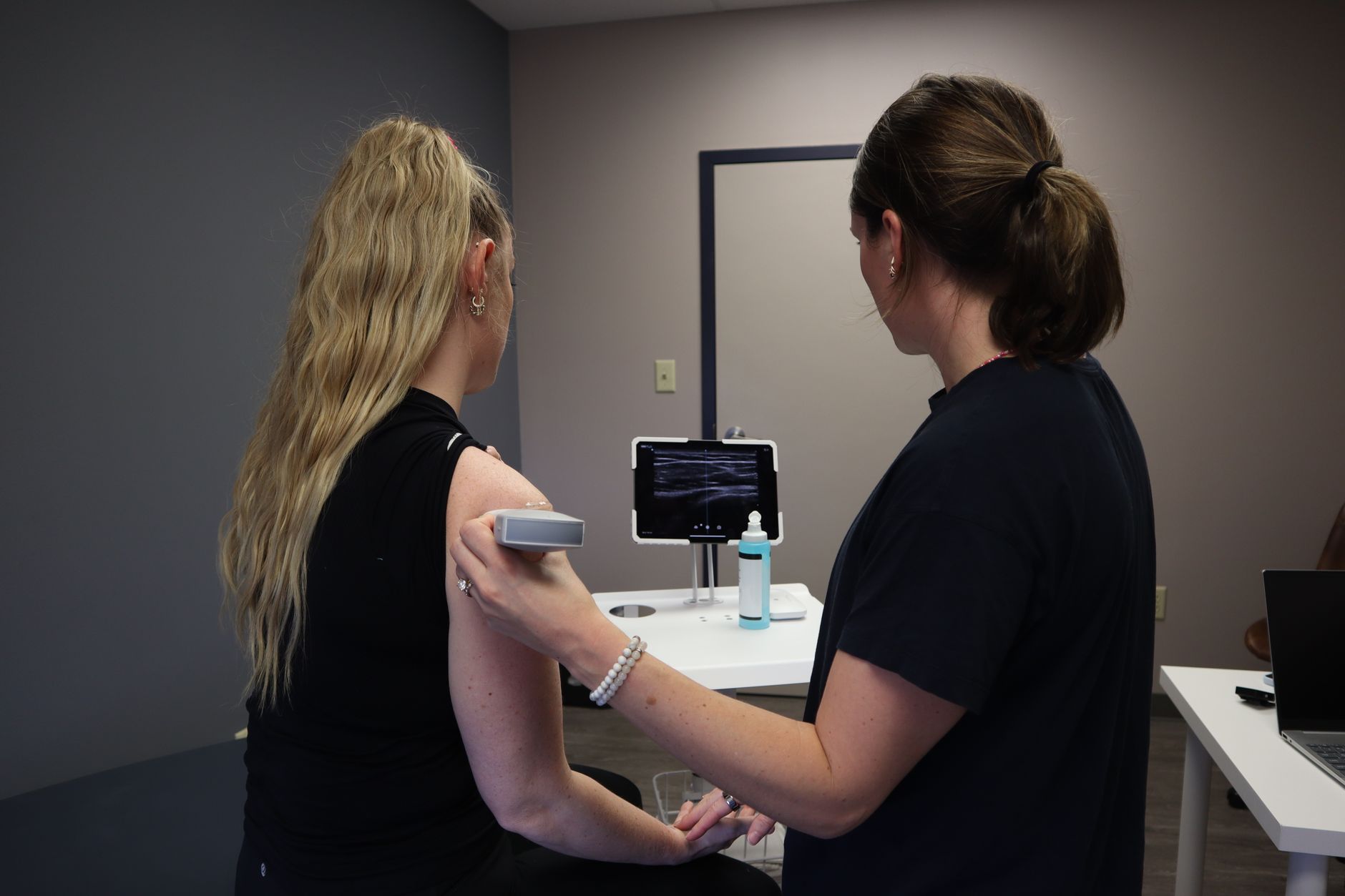
The sonographer will apply a warm gel to your abdomen. They will then use a handheld transducer (the ultrasound probe) to glide over your belly. They'll first locate your baby and then spend some time getting a clear view of your baby's head and brain. This can sometimes take a little patience, especially if your baby is in an awkward position or very active.
Once the middle cerebral artery is identified, the sonographer will activate the Doppler function. You might hear whooshing sounds, which are the sounds of blood flowing. They will carefully measure the peak systolic velocity, often taking several measurements to ensure accuracy. The whole process typically takes about 15-30 minutes, though it can be longer if the baby isn't cooperating!
Many moms tell us that while the scan itself isn't uncomfortable, the waiting for results can be nerve-wracking. Remember that the healthcare team is there to get the best possible information to ensure your baby's well-being.
After the Scan
Once the scan is complete, the gel will be wiped off. The sonographer will usually compile the results and share them with the interpreting radiologist or your obstetrician. You might get immediate feedback, or your doctor might call you later to discuss the findings and any next steps. It's always a good idea to ask when and how you'll receive your results.
Practical Tips for Performing and Documenting MCA-PSV Doppler Ultrasound Examinations (For your provider, good for you to know)
While you won't be performing the scan, understanding some of the technical considerations can help you appreciate the precision involved:
Accurate Gestational Age: Precise dating of the pregnancy is paramount for correct MoM calculation.
Appropriate Angle: The Doppler angle needs to be as close to 0 degrees as possible (ideally less than 30 degrees) to get an accurate velocity measurement.
Fetal State: The baby should ideally be in a resting state, not actively moving or breathing, as these activities can temporarily alter blood flow.
No Head Compression: Excessive pressure on the abdomen with the probe can artificially increase blood flow velocity.
Multiple Measurements: Taking several measurements and averaging them helps ensure reliability.
Documentation: Clear documentation of the gestational age, raw MCA-PSV (cm/s), and calculated MoM is essential for tracking trends over time.
What Happens After an Abnormal MCA-PSV Result?
An abnormal MCA-PSV result (typically 1.5 MoM or higher) doesn't automatically mean your baby has severe anemia, but it does indicate a significantly increased risk. It's a screening tool, not a definitive diagnosis. The next steps will depend on the MoM value, your gestational age, and your overall clinical situation.
Further Diagnostic Testing: Cordocentesis
If the MCA-PSV result is concerning, the gold standard for definitively diagnosing fetal anemia is a procedure called **cordocentesis**, also known as percutaneous umbilical blood sampling (PUBS).
What it is: Cordocentesis involves using a thin needle, guided by ultrasound, to collect a small sample of blood directly from the umbilical cord.
What it tells us: This blood sample allows doctors to directly measure the baby's hemoglobin level (which indicates anemia), blood type, and other important factors.
Risks: While generally safe, cordocentesis is an invasive procedure and carries a small risk of complications, such as bleeding, infection, or premature labor. Your doctor will discuss these risks thoroughly with you.
Cordocentesis is usually performed in a specialized fetal treatment center by an experienced maternal-fetal medicine specialist.
Management Pathways After Diagnosis
If cordocentesis confirms fetal anemia, the management will depend on the severity of the anemia, the gestational age, and the overall health of your baby.
1. Close Monitoring
For mild anemia, especially if you are close to term, your doctor might recommend continued close monitoring with frequent MCA-PSV scans and possibly non-stress tests (NSTs) to assess fetal well-being. The goal would be to allow the pregnancy to continue as long as safely possible, potentially inducing labor if the anemia worsens or if you reach full term.
2. Intrauterine Transfusion (IUT)
For moderate to severe anemia, particularly if the baby is preterm, an **intrauterine transfusion (IUT)** may be necessary. This is a life-saving procedure.
What it is: During an IUT, red blood cells (usually O-negative, CMV-negative, irradiated, and washed) are transfused directly into the baby's umbilical vein or, less commonly, into the fetal abdominal cavity, again guided by ultrasound.
When it's done: IUTs are typically performed between 18 and 35 weeks of gestation.
Frequency: Multiple transfusions may be needed throughout the pregnancy, as the transfused red blood cells have a limited lifespan.
Goal: The aim is to raise the baby's hemoglobin level to a safe range, allowing the pregnancy to continue until a healthier gestational age for delivery.
The decision to proceed with cordocentesis or IUT is a serious one, and your care team will involve you in every step, explaining the risks, benefits, and alternatives. Many families who have gone through this describe it as a challenging but ultimately successful journey, with healthy babies born after these interventions.
Factors Affecting MCA-PSV Accuracy
While MCA-PSV is a highly valuable tool, like any medical test, its accuracy can be influenced by several factors. Understanding these can help you appreciate why your provider might re-scan or consider other tests.
Fetal Heart Rate
A very fast or very slow fetal heart rate can affect the blood flow dynamics and potentially alter the MCA-PSV reading. For instance, a very high heart rate (tachycardia) might artificially increase the PSV, while a very low heart rate (bradycardia) could lower it.
Fetal Breathing Movements and Activity
Active fetal breathing movements or vigorous body movements can cause temporary fluctuations in blood flow, leading to inaccurate measurements. Sonographers typically wait for a period of fetal quiescence (rest) to take the most reliable measurement.
Type of Anemia
MCA-PSV is most accurate for detecting *hemolytic* anemia, where red blood cells are being destroyed (as in Rh isoimmunization or Parvovirus). It may be less sensitive for other types of anemia, such as those caused by chronic blood loss or severe nutritional deficiencies, although it can still be helpful.
Multiple Gestations (Twins, Triplets)
In twin pregnancies, especially monochorionic (shared placenta) twins, interpreting MCA-PSV can be more complex due to the potential for twin-to-twin transfusion syndrome (TTTS) or other complications. The reference ranges and interpretation might need to be adjusted, and often both twins are monitored. For example, in TTTS, the donor twin might be anemic, while the recipient twin might have polycythemia (too many red blood cells), which can also affect MCA-PSV readings, albeit in a different direction.
Maternal Factors
While less common, certain maternal conditions like severe maternal anemia or maternal fever could theoretically influence fetal circulation, though their direct impact on MCA-PSV interpretation is generally considered minor compared to fetal factors.
Technical Aspects of the Scan
As mentioned earlier, the skill of the sonographer and the quality of the ultrasound equipment play a significant role. An incorrect Doppler angle or improper gain settings on the machine can lead to inaccurate velocity readings. That's why these scans are best performed by experienced professionals in accredited centers.
Because of these variables, your provider might recommend serial MCA-PSV scans over time to look for trends rather than relying on a single measurement. This helps to build a more accurate picture of your baby's condition.
MCA-PSV vs. Other Diagnostic Methods
MCA-PSV is a powerful screening tool, but it's part of a broader diagnostic landscape. Understanding how it compares to other methods can help clarify its role in managing fetal anemia.
Method
Description
Advantages
Disadvantages
Role in Fetal Anemia Detection
MCA-PSV (Doppler Ultrasound)
Measures peak blood flow velocity in the fetal middle cerebral artery.
Non-invasive, widely available, no risk to fetus, excellent screening tool.
Indirect measure, can be affected by fetal activity/heart rate, not diagnostic on its own.
Primary screening tool for identifying fetuses at risk, guiding need for invasive tests.
Cordocentesis (Fetal Blood Sampling)
Directly samples fetal blood from the umbilical cord.
Gold standard for diagnosis, provides definitive hemoglobin level, blood type, etc.
Confirmatory diagnostic test after a concerning MCA-PSV; also used for IUT.
Non-invasive Fetal Hemoglobin Testing (e.g., spectrophotometry of amniotic fluid)
Analyzes amniotic fluid for bilirubin levels (a byproduct of red blood cell breakdown).
Less invasive than cordocentesis (requires amniocentesis), provides indirect evidence.
Requires amniocentesis (invasive), less direct than blood sampling, accuracy can vary.
Historically used for Rh disease; now largely replaced by MCA-PSV as a first-line screening.
Amniocentesis for Fetal Rh Status
Tests amniotic fluid for fetal Rh status (DNA).
Determines if fetus is Rh-positive or Rh-negative in Rh-sensitized pregnancies.
Invasive (amniocentesis), does not directly assess anemia severity.
Used to confirm fetal Rh status to guide management if maternal antibodies are present.
As you can see, MCA-PSV is invaluable because it's non-invasive and provides a real-time assessment of the baby's risk without putting the pregnancy at risk. However, when the risk becomes high, an invasive procedure like cordocentesis is necessary to get a definitive diagnosis and often to provide treatment. These methods are complementary, working together to ensure the best possible care for your baby.
Living with a High-Risk Pregnancy: Support and Monitoring
Discovering that your baby might be at risk for anemia and facing the possibility of specialized procedures can be incredibly stressful. It's completely normal to feel a range of emotions, from anxiety and fear to hope and determination. Remember, you are not alone in this journey.
Emotional Support
Many parents who go through a high-risk pregnancy find immense value in connecting with others who have similar experiences. Support groups, whether online or in person, can provide a safe space to share fears, ask questions, and gain practical advice from those who truly understand. Lean on your partner, family, and friends for emotional support. Don't hesitate to reach out to a mental health professional if you feel overwhelmed; managing stress is important for both you and your baby.
One reader shared, "When we found out our baby might be anemic, it felt like our world stopped. The weekly scans were terrifying. But talking to other moms online who had been through intrauterine transfusions helped me see there was a light at the end of the tunnel. It gave me the strength to get through it."
What to Ask Your Provider
Being informed is one of the best ways to manage anxiety. Don't be afraid to ask your healthcare team any questions you have. Here are some questions you might consider:
What is my baby's current MCA-PSV MoM, and what does it mean for our specific situation?
What are the specific risks and benefits of any recommended procedures (e.g., cordocentesis, IUT)?
How often will I need follow-up appointments and scans?
What symptoms should I watch out for that might indicate a worsening condition?
What is the success rate of intrauterine transfusions for my baby's gestational age?
Are there any lifestyle recommendations I should follow?
Who can I contact if I have questions between appointments?
Can you recommend any support groups or resources for parents facing similar diagnoses?
The Importance of Close Monitoring
During this time, adhering to your monitoring schedule is crucial. Each ultrasound, each blood test, provides vital information that helps your medical team make the best decisions for your baby's health. While the frequent appointments can be demanding, they are a testament to the advanced care available today that can lead to positive outcomes for babies who, in the past, might not have had such a chance.
Focus on taking care of yourself – rest, nutrition, and managing stress are all part of supporting your body and your baby through this challenging period. Remember, your medical team is dedicated to guiding you through this with expertise and compassion.
From our medical team: "An elevated MCA-PSV reading is a critical alert, not a diagnosis. It tells us that we need to investigate further, and it allows us to intervene before severe complications arise. The advancements in fetal medicine, particularly with procedures like intrauterine transfusions, mean that most babies diagnosed with anemia can receive effective treatment and go on to thrive. Trust your care team, ask questions, and know that we are here to support you and your baby every step of the way."
🔢 Ready to crunch your numbers? Use our MCA-PSV Fetal Anaemia for a personalized result in seconds.
Myth vs. Fact
When you're dealing with complex medical information, it's easy for misconceptions to arise. Let's clear up some common myths about fetal anemia screening and MCA-PSV.
Myth: A high MCA-PSV result automatically means my baby has severe anemia.
Fact: Not necessarily. A high MCA-PSV (e.g., 1.5 MoM or higher) indicates a *high risk* or *likelihood* of moderate to severe anemia, but it is a screening tool, not a definitive diagnosis. Further testing, like cordocentesis (fetal blood sampling), is needed to confirm the anemia and its severity.
Myth: If my baby has fetal anemia, there's nothing that can be done until after birth.
Fact: This is untrue. One of the most significant advancements in fetal medicine is the ability to treat severe fetal anemia *in utero* through intrauterine transfusions (IUTs). These transfusions can stabilize the baby's condition and allow the pregnancy to continue safely, often preventing serious complications.
Myth: MCA-PSV screening is part of routine pregnancy care for everyone.
Fact: MCA-PSV is a specialized screening test, not a universal one. It's typically recommended only for pregnancies identified as being at higher risk for fetal anemia, such as those with Rh incompatibility, certain infections, or in specific multiple gestations. If your doctor recommends it, it's because they've identified a specific reason to monitor your baby more closely.
Key Takeaways
MCA-PSV is a non-invasive ultrasound measurement of blood flow in your baby's brain artery, used to screen for fetal anemia.
An elevated MCA-PSV (usually 1.5 MoM or higher) suggests a higher risk of anemia, prompting further investigation.
Interpreting MCA-PSV results requires adjusting for gestational age, often using Multiples of the Median (MoM) to standardize the measurement.
MCA-PSV screening is typically recommended for high-risk pregnancies, such as those with Rh incompatibility, parvovirus B19 infection, or twin-to-twin transfusion syndrome.
If MCA-PSV indicates a high risk, the next step is usually cordocentesis (fetal blood sampling) for a definitive diagnosis.
Severe fetal anemia can often be treated effectively with intrauterine blood transfusions, allowing the pregnancy to continue.
Always discuss your specific results and management plan thoroughly with your healthcare provider.
Frequently Asked Questions
What does a high MCA-PSV indicate?
A high MCA-PSV (typically 1.5 MoM or greater) indicates that blood is flowing faster than expected in your baby's middle cerebral artery. This is a strong indicator that your baby's body is trying to compensate for a lack of oxygen-carrying red blood cells, suggesting a high likelihood of fetal anemia. It's a screening result that prompts further diagnostic testing.
How accurate is MCA-PSV for detecting fetal anemia?
MCA-PSV is highly accurate as a screening tool for moderate to severe fetal anemia, especially in the context of Rh isoimmunization. It has a high sensitivity (meaning it's good at identifying babies who *do* have anemia) and a good negative predictive value (meaning a normal result strongly suggests no anemia). However, it is not a diagnostic test; a confirmed diagnosis requires fetal blood sampling.
What is the normal range for MCA-PSV in the second trimester?
The "normal range" for MCA-PSV increases with gestational age throughout the second trimester. Rather than a fixed cm/s range, results are best interpreted as Multiples of the Median (MoM). A MoM value below 1.5 is generally considered normal, with values closer to 1.0 MoM being the median for that specific week of pregnancy.
Can MCA-PSV be used for all types of fetal anemia?
MCA-PSV is most reliable for detecting hemolytic anemias, where red blood cells are actively being destroyed (e.g., Rh disease, Parvovirus B19). While it can still show elevated velocities in other forms of anemia, its sensitivity might be slightly lower for conditions like chronic fetal hemorrhage or severe alpha-thalassemia, depending on the specific cause and severity.
When should a repeat MCA-PSV be performed?
Repeat MCA-PSV screenings are performed based on the initial result and underlying risk factors. For high-risk pregnancies (e.g., Rh isoimmunization), scans might be scheduled weekly or bi-weekly. If an initial MCA-PSV is borderline or trending upwards, more frequent monitoring (e.g., every 3-7 days) may be recommended to detect any rapid worsening of anemia.
What are the next steps if MCA-PSV exceeds the threshold?
If your baby's MCA-PSV exceeds the threshold (typically 1.5 MoM), the next step is usually a discussion about cordocentesis (fetal blood sampling). This invasive procedure directly measures your baby's hemoglobin level to confirm the presence and severity of anemia. If severe anemia is confirmed, an intrauterine blood transfusion may be performed immediately during the same procedure to treat the baby.
When to Call Your Doctor
While an MCA-PSV scan is a powerful tool for monitoring your baby, it's also important to be aware of any changes in your own body or your baby's movements. Always contact your doctor or midwife immediately if you experience:
A noticeable decrease in your baby's movements.
New or worsening swelling in your hands, face, or feet.
Severe or persistent headaches.
Vision changes (blurred vision, flashing lights).
Severe pain in your upper abdomen.
Vaginal bleeding or fluid leakage.
Any other symptoms that concern you.
This article is intended for informational purposes only and does not provide medical advice. Always consult with your qualified healthcare provider for diagnosis and treatment of any medical condition, and before making any decisions related to your health or pregnancy.
References
American College of Obstetricians and Gynecologists (ACOG). Practice Bulletin No. 192: Management of Alloimmunization During Pregnancy. Obstet Gynecol. 2018 Mar;131(3):e82-e95.
Royal College of Obstetricians and Gynaecologists (RCOG). Guideline No. 65: The Management of Women with Red Cell Antibodies During Pregnancy. RCOG, London. 2014.
Mayo Clinic. Fetal Anemia. Available at: https://www.mayoclinic.org/diseases-conditions/fetal-anemia/symptoms-causes/syc-20353164
Mari, G., Detti, L., Oz, U., et al. (2000). Middle cerebral artery peak systolic velocity: a new method for the diagnosis of fetal anemia in Rh-sensitized pregnancies. American Journal of Obstetrics and Gynecology, 183(2), 346-352.
Society for Maternal-Fetal Medicine (SMFM) Publications Committee. Electronic address: pubs@smfm.org, Practice Guidelines: Diagnosis and management of fetal anemia. Am J Obstet Gynecol. 2019 Jul;221(1):B2-B11.
World Health Organization (WHO). Guidelines for the management of obstetric complications. Available at: https://www.who.int/publications/i/item/9789240008779
Not sure about the label on Fetal Anemia Screening Mca Psv Result Interpreter Thresholds products?
Snap the ingredients list and SafeFilter checks every ingredient for your stage — only 3 free scans this month, then you're locked until reset. Unlimited from $7/mo or $50/yr.
When Shubhra Mishra was expecting her first child in 2016, she was overwhelmed by conflicting food advice — one site said yes, another said never. By the time her second baby arrived in 2019, she realized millions of mothers face the same confusion.
That sparked a five-year journey through clinical nutrition papers, cultural diets, and expert conversations — all leading to BumpBites: a calm, compassionate space where science meets everyday motherhood.
Her long-term vision is to build a global community ensuring safe, supported, and free deliveriesfor every mother — because no woman should face pregnancy alone or uninformed. 🌿
🌍 Stand with mothers, shape safer guidance
Join a small circle of experts who review BumpBites articles so expecting parents everywhere can decide with confidence.