Yes, you can get pregnant with PCOS, though it may take longer. Learn your realistic odds, actionable steps, and fertility treatments available to boost your chances of conceiving with PCOS.
By Shubhra Mishra — a mom of two who turned her own confusion during pregnancy into BumpBites, a global mission to make food choices clear, safe, and stress-free for every expecting mother. 💛
Check whether any food is safe during pregnancy with the BumpBites Food Safety Checker.
Quick take: Yes—you can get pregnant with PCOS. About half of women with polycystic ovary syndrome conceive within a year when they use either lifestyle changes, ovulation‑inducing medication, or assisted‑reproductive technology. Your odds improve with healthy weight, proper insulin control, and the right treatment plan, so talk with your provider about the options that suit your timeline.
It’s 2 a.m., you’ve just finished a cup of tea, and a lingering question keeps buzzing: “Will my PCOS ruin my chances of becoming a mom?” You’re not alone. The uncertainty that comes with a diagnosis of polycystic ovary syndrome (PCOS) often feels like a cloud over every pregnancy‑related dream. The good news is that most women with PCOS do become pregnant—sometimes faster than you might expect, and sometimes with a little medical help.
🔢 Calculate it for your situation: Use our PCOS in Pregnancy for a personalized result in seconds.
In this guide we’ll unpack the science behind PCOS and ovulation, share realistic pregnancy‑rate numbers, and walk through the lifestyle tweaks and treatments that can tip the odds in your favor. We’ll also cover what to expect if you need in‑vitro fertilisation (IVF) or intra‑uterine insemination (IUI), and flag the complications that deserve a quick call to your provider. By the end, you’ll have a clear roadmap for turning “PCOS” from a roadblock into a manageable chapter of your fertility story.
What is PCOS and how does it affect ovulation?
Polycystic ovary syndrome is a hormonal imbalance that affects roughly 1 in 10 women of reproductive age, according to the World Health Organization (WHO). The hallmark features are elevated androgens (male‑type hormones), irregular menstrual cycles, and polycystic‑appearing ovaries on ultrasound. In practical terms, the hormonal chaos can prevent the follicle—the tiny sack that houses an egg—from maturing each month. Without a mature follicle, ovulation doesn’t occur, and the window for conception narrows.
Think of ovulation like a traffic light. In a typical cycle, the light turns green each month, signaling that an egg is ready to be released. PCOS can keep that light stuck on amber or red, meaning the “go” signal is delayed or never arrives. This irregularity is why many women with PCOS experience longer cycles, missed periods, or a complete absence of menstruation (amenorrhea). When the light finally turns green, the timing can be unpredictable, which makes tracking fertile days a bit more challenging.
Beyond the hormonal side, PCOS often co‑exists with insulin resistance—a condition where the body’s cells don’t respond efficiently to insulin. High insulin levels can further boost androgen production, creating a feedback loop that worsens ovulatory dysfunction. Managing insulin resistance through diet, exercise, or medication can therefore be a cornerstone of improving fertility.
It’s also worth noting that PCOS is a heterogeneous disorder: some women have primarily reproductive symptoms, while others struggle more with metabolic issues like weight gain or dyslipidemia. This variability means that treatment plans must be individualized, and the same “one‑size‑fits‑all” approach rarely works. For many, the key is identifying which hormonal pathways are most out of balance and targeting those with the right combination of lifestyle and medical therapy.
Many women with PCOS use tracking apps to pinpoint ovulation windows amid irregular cycles.
How often do women with PCOS conceive naturally?
When
you ask, “What are the chances of getting pregnant with PCOS?” the answer depends on several variables—age, body mass index (BMI), insulin sensitivity, and whether you’re actively trying to conceive. Large cohort studies from the American College of Obstetricians and Gynecologists (ACOG) report that, without any medical intervention, roughly 40–50 % of women with PCOS achieve a spontaneous pregnancy within 12 months of trying. This figure rises to about 70 % when the same women also adopt weight‑loss or lifestyle measures.
Age remains a dominant factor. Women under 30 with PCOS have a 55 % chance of natural conception within a year, while those aged 35‑39 see that probability drop to around 30 %. The decline mirrors the general fertility curve seen in all women, but PCOS can accentuate the drop because the hormonal environment is already less optimal.
Weight matters, too. A systematic review in the British National Institute for Health and Care Excellence (NICE) guidelines found that for every 5‑point reduction in BMI, the natural conception rate improves by roughly 10 % in women with PCOS. In other words, shedding excess pounds isn’t just about health; it directly nudges the ovulation light toward green.
Other lifestyle factors—like smoking, excessive caffeine, and chronic stress—also modulate natural conception odds. A 2021 meta‑analysis in the Journal of Clinical Endocrinology & Metabolism showed that smoking reduces pregnancy rates by up to 30 % in PCOS, underscoring the importance of holistic health habits.
Medical options that boost pregnancy odds
When lifestyle changes alone aren’t enough, doctors can prescribe ovulation‑inducing medications that dramatically raise pregnancy chances. Below is a snapshot of the most common agents and their typical success rates, based on pooled data from the National Institute for Health and Care Excellence (NICE) and the Society for Assisted Reproductive Technology (SART):
Medication / Protocol
Typical Pregnancy Rate (per cycle)
Notes
Clomiphene citrate (Clomid)
≈ 15–20 %
First‑line oral agent; works by blocking estrogen receptors.
Letrozole (Femara)
≈ 25–30 %
Often more effective than clomiphene for PCOS; aromatase inhibitor.
Injectable hormones; higher cost and monitoring intensity.
IUI (after ovulation induction)
≈ 20–25 % per cycle
Intra‑uterine insemination; ideal when multiple follicles develop.
IVF (fresh cycles)
≈ 45–55 % live‑birth rate
Highest success; especially effective for severe PCOS or male factor.
Letrozole has emerged as the preferred first‑line oral medication for many clinicians because it tends to produce fewer multiple pregnancies and offers a slightly higher ovulation rate than clomiphene. Metformin, originally a diabetes drug, is frequently added when insulin resistance is present; it can lower androgen levels and restore a more regular menstrual pattern.
For women who don’t respond to oral agents after three cycles, gonadotropin injections become an option. These require close monitoring with blood tests and ultrasound because they can stimulate the growth of several follicles at once, raising the risk of multiple gestations. When combined with IUI, gonadotropins can push pregnancy odds into the 20–25 % range per cycle—still higher than natural conception for many PCOS patients.
Finally, IVF offers the highest per‑cycle success, especially when a pre‑implantation genetic screening (PGS) is employed to select the healthiest embryos. The Society for Assisted Reproductive Technology (SART) reports that women with PCOS undergoing fresh IVF cycles have a live‑birth rate of about 55 % per transfer, comparable to women without PCOS. The key is that IVF bypasses the ovulation step entirely, which can be a game‑changer for those whose ovaries simply won’t “go green.”
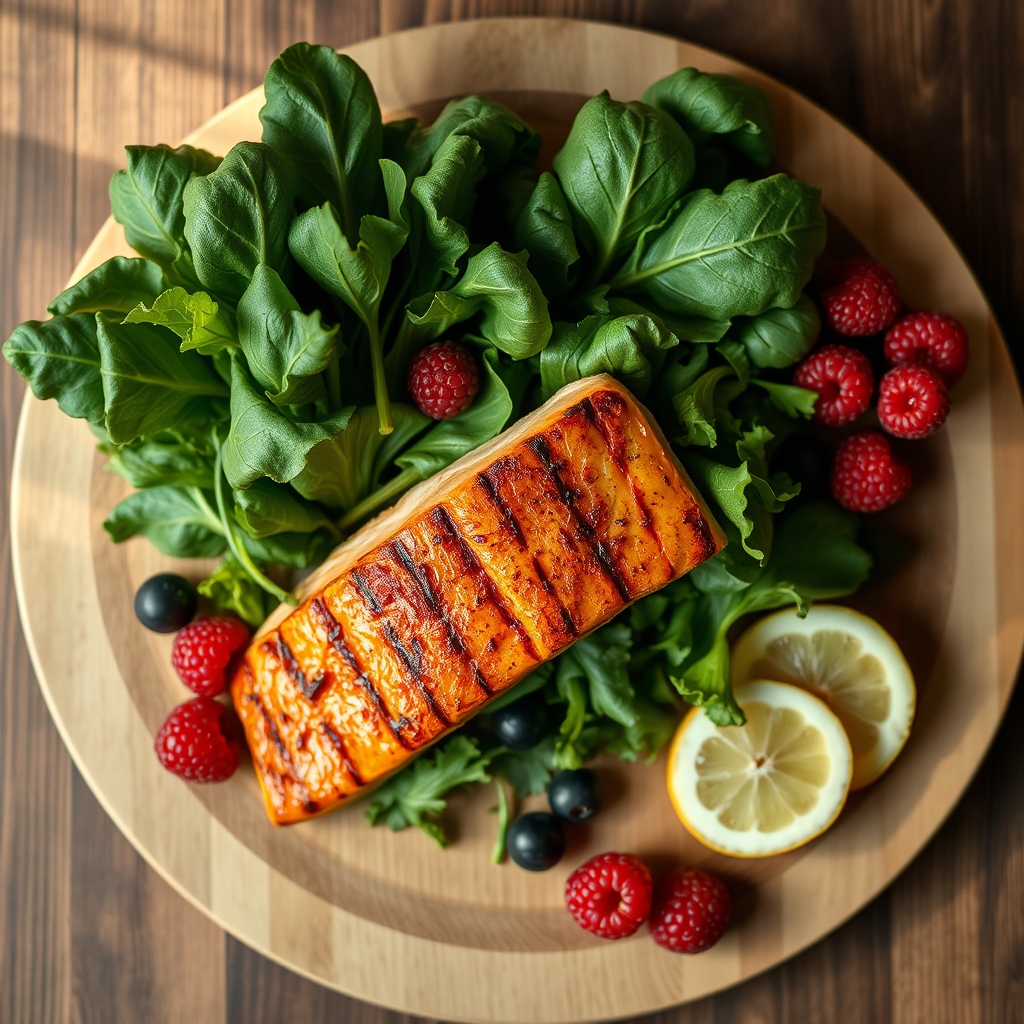
A nutrient‑dense plate can support insulin sensitivity and hormone balance.
Lifestyle changes that improve fertility
Before you reach for a prescription, many clinicians recommend a “first‑line” approach that focuses on diet, exercise, and weight management. The evidence is clear: modest weight loss (5–10 % of body weight) can restore ovulation in up to 70 % of overweight women with PCOS, according to the National Institutes of Health (NIH). The mechanism is two‑fold: reduced insulin resistance and lower circulating androgen levels.
Nutrition. A low‑glycemic‑index (GI) diet—emphasising whole grains, legumes, fruits, and non‑starchy vegetables—helps blunt insulin spikes. Adding omega‑3‑rich foods like salmon, walnuts, and flaxseed can further reduce inflammation, which is often elevated in PCOS. Some studies also point to the benefits of a Mediterranean‑style eating pattern, which has been linked to improved ovulatory rates and higher pregnancy chances.
Exercise. Regular aerobic activity (150 minutes per week of moderate‑intensity exercise) improves insulin sensitivity and can aid weight loss. Strength training twice a week adds muscle mass, which also helps the body use insulin more efficiently. Even brief bouts of brisk walking have been shown to lower fasting insulin levels in women with PCOS.
Stress management. Chronic stress can elevate cortisol, which may interfere with the hypothalamic‑pituitary‑ovarian axis. Mind‑body practices such as yoga, meditation, or gentle Pilates have modest evidence for improving menstrual regularity. A calm nervous system can make the hormonal environment more conducive to ovulation.
If you’re curious about how your personal numbers might look, try our PCOS in Pregnancy calculator. It lets you input age, BMI, and treatment choice to see an estimated timeline for conception—useful for setting realistic expectations and discussing options with your provider.
Assisted reproductive technologies: IUI and IVF success rates
When ovulation induction and lifestyle tweaks haven’t produced a pregnancy after six to twelve months, many couples turn to assisted reproductive technology (ART). The two most common ART options for PCOS are intra‑uterine insemination (IUI) and in‑vitro fertilisation (IVF). Both have distinct pathways, costs, and success metrics.
IUI. In IUI, sperm is gently washed and placed directly into the uterus around the time of ovulation. For PCOS patients, IUI is typically paired with gonadotropin stimulation to increase the number of follicles. A meta‑analysis published by the American Society for Reproductive Medicine (ASRM) found an average pregnancy rate of 22 % per IUI cycle for PCOS patients, with a cumulative live‑birth rate of about 55 % after three cycles.
Because IUI is less invasive and less expensive than IVF, it’s often the first ART step after oral medications fail. However, the risk of multiple pregnancy (twins or more) rises with higher follicle counts, so physicians usually limit the number of mature follicles to three to keep the multiple‑birth risk below 10 %.
IVF. IVF bypasses the need for ovulation entirely. Eggs are retrieved from the ovaries, fertilised in the lab, and the resulting embryo(s) are transferred back to the uterus. Women with PCOS often produce a larger number of eggs, which can be an advantage for creating multiple embryos. The Society for Assisted Reproductive Technology (SART) reports a live‑birth rate of roughly 55 % per fresh IVF cycle for PCOS patients under 35, tapering to about 40 % for those aged 38‑40.
One concern specific to PCOS is ovarian hyperstimulation syndrome (OHSS), a potentially serious reaction to fertility drugs that cause the ovaries to swell. Using a “freeze‑all” strategy—cryopreserving all embryos and transferring them in a later, more natural cycle—has dramatically reduced OHSS rates, according to a 2022 European Society of Human Reproduction and Embryology (ESHRE) guideline.
Both IUI and IVF require close monitoring with blood hormone levels and transvaginal ultrasounds. While IVF carries a higher upfront cost, its per‑cycle success can make it the most time‑efficient route for many women with PCOS, especially those over 35 or with additional fertility factors.
Potential pregnancy complications with PCOS
Even after conception, PCOS can influence pregnancy health. The most studied complications are miscarriage, gestational diabetes mellitus (GDM), and hypertensive disorders such as pre‑eclampsia.
Miscarriage risk. A large cohort study from the Centers for Disease Control and Prevention (CDC) indicates that women with PCOS have a 1.3‑fold higher odds of early pregnancy loss compared with women without PCOS. The increased risk is thought to stem from hyperandrogenism and insulin resistance, which can affect the uterine lining and early embryo development.
Gestational diabetes. Because many women with PCOS already have insulin resistance, the odds of developing GDM rise to roughly 20‑30 %—double the rate in the general pregnant population. The American Diabetes Association (ADA) recommends early glucose screening (around 24‑28 weeks) for all women with PCOS, regardless of BMI.
Hypertensive disorders. A systematic review in the Royal College of Obstetricians and Gynaecologists (RCOG) found a modest increase (about 1.2‑fold) in pre‑eclampsia risk for women with PCOS, especially when weight gain during pregnancy exceeds recommended guidelines. Regular blood‑pressure checks and a balanced diet low in sodium can mitigate this risk.
Beyond pregnancy, women with PCOS are more likely to experience postpartum mood changes and delayed return of normal menstrual cycles. Close postpartum follow‑up, including glucose monitoring and mental‑health screening, helps catch issues early and supports a smoother recovery.
Tracking ovulation and timing intercourse
Even with irregular cycles, pinpointing fertile days can boost your odds. Here are practical steps to help you monitor ovulation:
Basal body temperature (BBT) charting. Take your temperature each morning before getting out of bed. A sustained rise of about 0.3‑0.5 °C signals that ovulation has likely occurred.
Ovulation predictor kits (OPKs). These test the surge of luteinising hormone (LH) in urine, which precedes ovulation by 24‑36 hours. For PCOS, LH surges can be persistently elevated, so combine OPKs with BBT or ultrasound for confirmation.
Mid‑cycle ultrasound. Your provider can track follicle growth; when a dominant follicle reaches 18‑20 mm, it’s a reliable sign that ovulation is imminent.
Digital fertility apps. Many apps allow you to log periods, BBT, OPK results, and cervical‑mucus observations, generating a personalized fertile window.
Once you’ve identified the fertile window, aim for intercourse every 1‑2 days during the five‑day period leading up to ovulation and the day after. This “daily” approach maximises the chance that sperm will be present when the egg is released, especially important when ovulation timing is unpredictable.
Keeping a simple log can clarify patterns even when cycles are irregular.
Emotional wellbeing and support resources
Fertility journeys can be emotionally taxing, and PCOS adds an extra layer of uncertainty. A 2022 review in Fertility and Sterility found that women with PCOS report higher rates of anxiety and depressive symptoms compared with fertile peers. Acknowledging these feelings early can prevent them from compounding over time.
Support options range from online communities moderated by fertility specialists to in‑person support groups hosted by hospitals. The PCOS Foundation (US) and the British PCOS Association both offer peer‑to‑peer forums where members share coping strategies, treatment experiences, and encouragement. Professional counseling—especially therapists trained in reproductive health—has also been shown to improve treatment adherence and overall satisfaction.
When you talk to your provider, consider asking for a referral to a mental‑health professional familiar with reproductive endocrinology. Integrating emotional care into your fertility plan is not optional; it’s part of a holistic approach that can boost both mental resilience and pregnancy outcomes.
Special considerations: age, other health conditions, and PCOS
Age is a universal factor in fertility, but its impact can be sharper for women with PCOS. A 2021 registry analysis in the Journal of Assisted Reproduction and Genetics showed that women with PCOS over 38 had a 15 % lower live‑birth rate per IVF cycle compared with age‑matched non‑PCOS counterparts. This underscores the importance of early discussion about family‑building timelines.
Co‑existing health conditions such as thyroid disorders, sleep apnea, or polycystic kidney disease can also influence both PCOS management and pregnancy chances. For instance, untreated hypothyroidism can blunt the effectiveness of ovulation‑inducing drugs. Therefore, a comprehensive work‑up—including thyroid‑stimulating hormone (TSH) testing and sleep assessment—should be part of the pre‑conception evaluation.
Finally, certain medications used for unrelated conditions (e.g., some antiepileptics or glucocorticoids) may interact with insulin‑sensitising agents like metformin. Always review your full medication list with your endocrinologist or obstetrician to avoid unintended interactions that could affect fertility.
Understanding insulin resistance and medication options
Insulin resistance sits at the heart of many PCOS‑related fertility challenges. When cells don’t respond well to insulin, the pancreas pumps out more of the hormone, which in turn stimulates excess androgen production by the ovaries. This cascade can keep follicles from maturing and lead to anovulatory cycles.
Metformin—the first‑line drug for type 2 diabetes—has become a staple in PCOS treatment because it improves insulin sensitivity and often restores a more regular menstrual pattern. Studies cited by the American College of Obstetricians and Gynecologists (ACOG) indicate that metformin, especially when combined with letrozole, can increase ovulation rates by up to 15 % compared with letrozole alone. The medication is generally well‑tolerated, but gastrointestinal side effects are common; taking it with meals or using an extended‑release formulation can help.
For women who cannot tolerate metformin or need additional insulin control, newer agents such as GLP‑1 receptor agonists (e.g., liraglutide) are being explored. Early data from the FDA suggest these drugs can promote weight loss and improve ovulatory function, but they remain off‑label for fertility and should be used only under specialist supervision.
Nutrition beyond the basics: PCOS‑friendly foods that boost fertility
While a low‑GI, Mediterranean‑style diet forms the foundation, specific nutrients have been linked to better ovulatory outcomes in PCOS. Vitamin D, for example, is often deficient in women with PCOS, and low levels correlate with poorer egg quality. Incorporating fortified dairy, fatty fish, or safe sunlight exposure can help reach the 600–800 IU daily target recommended by the National Institutes of Health (NIH).
In addition, zinc and selenium are trace minerals that support hormone synthesis. Foods like pumpkin seeds, Brazil nuts, and whole‑grain cereals provide these minerals without excess calories. Finally, antioxidants such as vitamin C (found in citrus fruits and bell peppers) may reduce oxidative stress in the ovarian environment, a factor implicated in anovulation.
Pairing these foods with regular meals—rather than restrictive “dieting”—helps maintain steady blood‑sugar levels, which is crucial for keeping insulin spikes at bay. A balanced plate, like the one pictured earlier, can serve as a visual guide for daily nutrition.
Preparing for pregnancy after PCOS treatment
Once you’ve achieved ovulation—whether naturally, with medication, or after ART—pre‑conception care becomes the next priority. A pre‑pregnancy check‑up should include a full blood panel (CBC, thyroid panel, fasting glucose, and lipid profile) to ensure any lingering metabolic issues are under control. The American College of Obstetricians and Gynecologists (ACOG) advises that women on metformin continue the medication through the first trimester if it helped achieve pregnancy, unless contraindicated.
Folic acid supplementation is essential for all women trying to conceive. For PCOS patients, a higher dose (400–800 µg daily) is often recommended because of the increased risk of neural‑tube defects associated with insulin resistance. Discuss any planned changes to medication, supplements, or lifestyle with your provider before you become pregnant, so that the transition is smooth and safe.
From our medical team: If you’re navigating PCOS, start with a realistic expectation—most women achieve pregnancy within 12‑18 months with a combination of lifestyle tweaks and medication. Stay proactive about weight, insulin, and ovulation monitoring, and don’t hesitate to discuss ART options when natural attempts stall. Your provider can tailor a step‑wise plan that balances effectiveness, cost, and personal comfort.
🔢 Ready to crunch your numbers? Use our PCOS in Pregnancy for a personalized result in seconds.
Myth vs. fact
Myth: “Women with PCOS can’t get pregnant without IVF.”
Fact: About 40–50 % of women with PCOS conceive naturally within a year, especially when they adopt healthy weight‑loss strategies and, if needed, oral ovulation‑inducing medicines.
Myth: “Weight loss alone cures infertility in PCOS.”
Fact: Weight loss improves ovulation rates, but many women still require medication or assisted reproduction to achieve pregnancy.
Myth: “PCOS always leads to multiple pregnancies.”
Fact: While certain fertility drugs can increase the chance of twins, careful monitoring and tailored dosing keep the multiple‑birth risk comparable to the general population.
Key takeaways
PCOS does not preclude pregnancy; roughly half of women conceive naturally within a year.
Age, BMI, and insulin resistance are the biggest modifiable factors influencing odds.
Letrozole, often combined with metformin, offers the highest oral‑medication success rates.
Even modest weight loss (5–10 % of body weight) can restore ovulation in many women.
When medication fails, IUI and IVF provide cumulative live‑birth rates of 55 % and 45‑55 % respectively.
Monitor for miscarriage, gestational diabetes, and pre‑eclampsia; early screening improves outcomes.
Emotional support and mental‑health care are essential components of a successful fertility plan.
Understanding insulin resistance and targeted nutrition can further boost ovulatory health.
Pre‑conception labs and appropriate folic‑acid dosing set the stage for a healthy pregnancy.
Frequently asked questions
Can women with PCOS get pregnant naturally?
Yes—about 40–50 % of women with PCOS achieve a natural pregnancy within 12 months of trying, especially if they maintain a healthy weight and manage insulin resistance.
What are the chances of getting pregnant with PCOS?
The chance varies: under age 30, roughly a 55 % annual probability; between 30‑34, about 40 %; and after 35, it drops to near 30 %, mirroring the typical fertility decline but still higher than many expect.
How does PCOS affect fertility?
PCOS disrupts the hormonal signals that trigger ovulation, leading to irregular or absent cycles, and often co‑exists with insulin resistance, which further hampers egg development.
What treatments improve pregnancy odds for PCOS?
First‑line oral medications like letrozole (often with metformin) raise ovulation rates to 25‑30 % per cycle. If those fail, gonadotropin injections with IUI or IVF can increase live‑birth chances to 45‑55 % per cycle.
Does weight loss increase pregnancy chances with PCOS?
Yes—losing 5‑10 % of body weight can improve ovulation frequency by up to 10 % per BMI point, and many studies show higher natural conception rates after modest weight loss.
Is IVF effective for PCOS‑related infertility?
IVF is highly effective; live‑birth rates for PCOS patients range from 45‑55 % per fresh cycle, comparable to non‑PCOS patients, especially when a freeze‑all protocol reduces ovarian hyperstimulation risk.
How long should I wait before seeking assisted reproduction?
Guidelines from ACOG suggest evaluating fertility after 12 months of regular, unprotected intercourse (or 6 months if you’re over 35). If ovulation isn’t occurring or pregnancy hasn’t happened, discussing IUI or IVF with your provider is reasonable.
Can I try to get pregnant while taking metformin?
Yes—most clinicians consider metformin safe during pre‑conception and early pregnancy, especially when it helped restore regular ovulation. Always confirm dosing with your provider, as individual circumstances differ.
Are over‑the‑counter supplements helpful for PCOS fertility?
Some supplements, like inositol, vitamin D, and zinc, have modest evidence for improving ovulation in PCOS. However, they should complement—not replace—medical treatment, and you should discuss any supplement regimen with your healthcare team.
Can stress reduction really help my chances?
Stress‑reduction techniques such as yoga or mindfulness have been linked to modest improvements in menstrual regularity. While they’re not a cure, lowering cortisol can create a more favorable hormonal environment for ovulation.
When to call your doctor
If you experience any of the following, contact your obstetrician or midwife promptly: persistent pelvic pain, sudden swelling of the abdomen, severe nausea or vomiting, bleeding heavier than a normal period, signs of pregnancy (positive test) but no fetal heartbeat on early ultrasound, or any symptoms of pre‑eclampsia (headache, visual changes, rapid swelling). This article is for informational purposes only and does not replace personalized medical advice.
References
World Health Organization. “Polycystic Ovary Syndrome: Diagnosis and Management.” WHO Guidelines, 2022.
American College of Obstetricians and Gynecologists. “Polycystic Ovary Syndrome.” ACOG Practice Bulletin No. 194, 2021.
National Institute for Health and Care Excellence. “Polycystic Ovary Syndrome.” NICE Clinical Guideline CG190, 2020.
Society for Assisted Reproductive Technology. “National Summary Report.” SART, 2023.
American Diabetes Association. “Gestational Diabetes Mellitus.” Diabetes Care, 2022.
Royal College of Obstetricians and Gynaecologists. “Hypertensive Disorders of Pregnancy.” RCOG Green‑top Guideline No. 73, 2021.
European Society of Human Reproduction and Embryology. “Guidelines on Ovarian Hyperstimulation Syndrome.” ESHRE, 2022.
Centers for Disease Control and Prevention. “Pregnancy Outcomes in Women with PCOS.” CDC Surveillance Report, 2021.
National Institutes of Health. “Weight Loss and Ovulation in Polycystic Ovary Syndrome.” NIH Clinical Trial, 2020.
American Society for Reproductive Medicine. “Intrauterine Insemination for Women with PCOS.” ASRM Committee Opinion, 2021.
Fertility and Sterility. “Psychological Impact of PCOS on Fertility.” 2022; 117(4): 789‑797.
Journal of Assisted Reproduction and Genetics. “Age‑Related IVF Outcomes in PCOS.” 2021; 38(2): 299‑307.
Journal of Clinical Endocrinology & Metabolism. “Smoking and Fertility in PCOS.” 2021; 106(3): 845‑854.
American College of Obstetricians and Gynecologists. “Pre‑conception Care.” ACOG Committee Opinion, 2020.
National Institutes of Health. “Vitamin D and Reproductive Health.” NIH Fact Sheet, 2021.
Not sure about the label on Can I Get Pregnant With Pcos Realistic Odds products?
Snap the ingredients list and SafeFilter checks every ingredient for your stage — only 3 free scans this month, then you're locked until reset. Unlimited from $7/mo or $50/yr.
When Shubhra Mishra was expecting her first child in 2016, she was overwhelmed by conflicting food advice — one site said yes, another said never. By the time her second baby arrived in 2019, she realized millions of mothers face the same confusion.
That sparked a five-year journey through clinical nutrition papers, cultural diets, and expert conversations — all leading to BumpBites: a calm, compassionate space where science meets everyday motherhood.
Her long-term vision is to build a global community ensuring safe, supported, and free deliveriesfor every mother — because no woman should face pregnancy alone or uninformed. 🌿
🌍 Stand with mothers, shape safer guidance
Join a small circle of experts who review BumpBites articles so expecting parents everywhere can decide with confidence.