Breastfeeding and weight loss are linked, as nursing burns calories, but the effect varies, including factors like frequency and duration
By Shubhra Mishra — a mom of two who turned her own confusion during pregnancy into BumpBites, a global mission to make food choices clear, safe, and stress-free for every expecting mother. 💛
Check whether any food is safe during pregnancy with the BumpBites Food Safety Checker.
Quick take: Breastfeeding does burn extra calories, but the amount varies (roughly 300‑500 kcal per day). This modest boost can help you lose postpartum weight when paired with a balanced diet and gentle exercise. Aim for a gradual loss of 0.5‑1 lb (0.2‑0.5 kg) per week, stay hydrated, and monitor your baby’s growth—your health and milk supply will thank you.
It’s 2 a.m., you’re nursing your newborn, and a thought pops into your mind: “Will this night‑time feeding help melt away the baby‑weight?” You’re not alone. Many new parents wonder if the act of feeding can double as a weight‑loss plan, and how to do it safely. The good news is that breastfeeding does increase your daily energy expenditure, but it’s only one piece of a larger postpartum puzzle.
In this article we’ll break down the science behind breastfeeding and weight loss, answer the most common questions you might type into Google, and give you practical, evidence‑based steps you can start tonight. From calorie burn to exercise, diet tweaks to tracking progress, we’ve got you covered—so you can feel confident that the choices you make support both you and your baby.
How many calories do I burn while breastfeeding?
Breastfeeding is a modest calorie‑burning activity. The American College of Obstetricians and Gynecologists (ACOG) estimates that an exclusively nursing mother expends an additional 300–500 kcal per day. This range reflects differences in milk volume, infant age, and individual metabolism. For example, a mother producing 25 oz (750 ml) of milk daily may burn closer to the upper end of that range, while a mother whose baby supplements with formula may be nearer the lower end.
Why does this happen? Producing breast milk is an energy‑intensive process. Each ounce of milk contains about 20 kcal, and the body must synthesize the proteins, fats, and carbohydrates that make up that milk. Additionally, the act of suckling triggers the release of oxytocin, which can increase heart rate and metabolic rate for a short period after each feeding.
It’s helpful to think of the calorie burn as a “bonus” rather than a primary weight‑loss strategy. If you were to consume the same number of calories you ate before pregnancy, you would likely maintain weight or lose a modest amount thanks to this extra expenditure. However, if you dramatically cut calories, you risk reducing milk supply.
To get a rough personal estimate, you can use the following simple formula:
Base daily calories for a non‑pregnant adult (≈ 2,000 kcal) + 300–500 kcal for lactation = total daily need.
If you’re breastfeeding twins, add another 200–300 kcal on top of the single‑baby estimate.
Keep in mind that individual needs vary, and the best way to know your exact burn is to monitor weight trends over a few weeks while keeping your diet consistent.
Recent guidance from the UK National Health Service (NHS) notes that calorie needs can shift as milk production stabilizes around six weeks postpartum, so it’s normal for the burn to settle at the lower end of the range after the first few months.
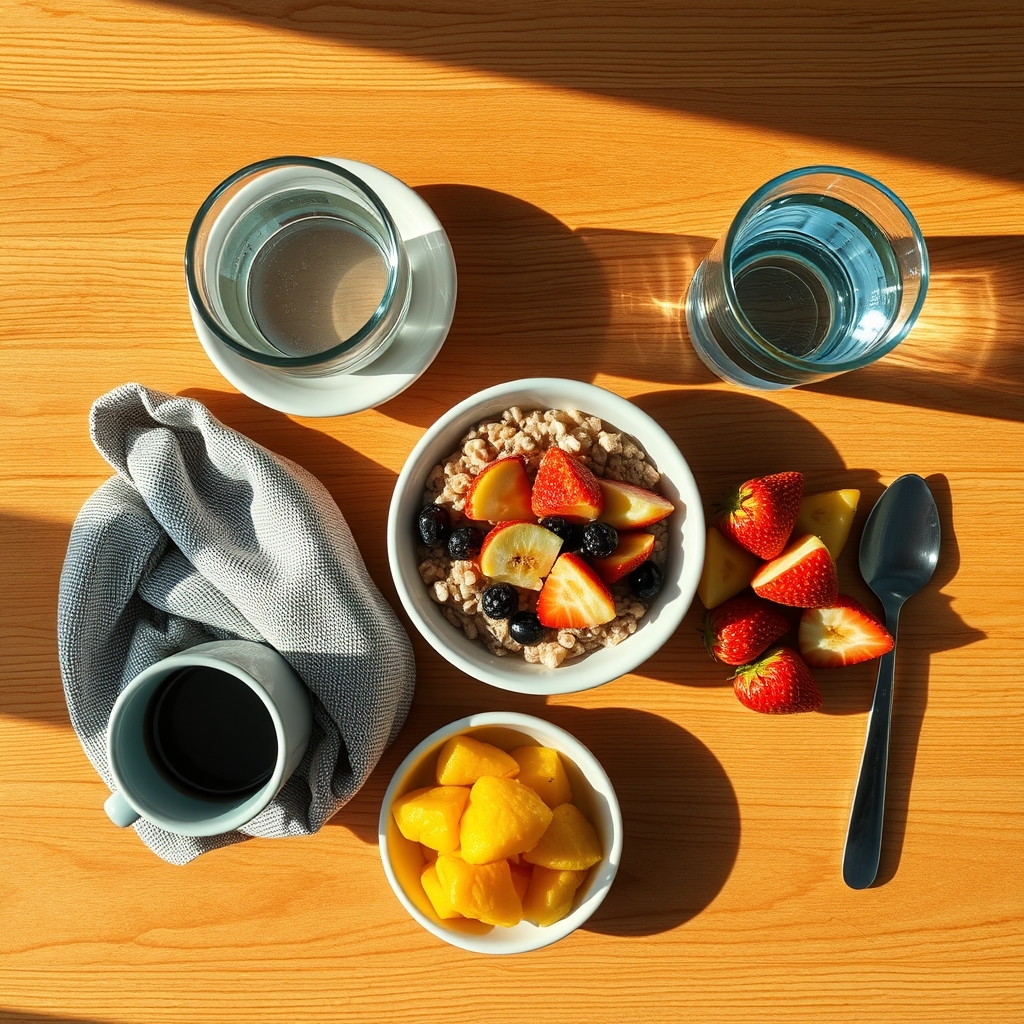
Start your day with a balanced breakfast—fuel for both you and your milk supply.
Does breastfeeding help lose postpartum weight?
Short‑answer: Yes, but only modestly. The extra 300‑500 kcal you burn each day can translate to roughly 0.5 lb (0.2 kg) of weight loss per week if you keep your food intake stable. In practice, many mothers notice a gradual reduction in the “baby‑weight” during the first few months of exclusive nursing.
Long‑term studies, such as those reviewed by the Centers for Disease Control and Prevention (CDC), show that mothers who breastfeed for six months or longer tend to retain less weight than those who formula‑feed. The effect is most pronounced in the first six months, when milk production is at its peak.
However, weight loss is not guaranteed. Factors that influence the outcome include:
Pre‑pregnancy BMI: Women with higher BMI may see a slower rate of loss.
Diet quality: High‑sugar or high‑fat “comfort foods” can offset the calorie burn.
Physical activity: Gentle postpartum exercise amplifies the deficit.
Sleep deprivation: Poor sleep can alter hormones that regulate hunger.
One common anecdote mirrors the experience of many readers: a mother of a newborn reported that after two weeks of exclusive breastfeeding, her clothes felt looser, even though she ate the same meals. She later learned that her body had tapped into stored fat to meet the milk‑production demands.
In summary, breastfeeding can be a helpful ally in postpartum weight management, but it works best when paired with a balanced diet, adequate hydration, and safe physical activity.
The NHS also emphasizes that weight loss should never come at the expense of nutrition; a well‑rounded diet remains the cornerstone of both maternal health and milk quality.
What is a safe weight‑loss rate and timeline while breastfeeding (including twins)?
Health authorities, including the National Institute for Health and Care Excellence (NICE) in the UK, recommend a gradual loss of 0.5–1 lb (0.2–0.5 kg) per week for postpartum mothers. This pace protects milk supply, preserves lean body mass, and reduces the risk of nutrient deficiencies.
For mothers of twins, the calorie needs increase by about 200–300 kcal per day, which means the safe deficit may be slightly smaller. A practical approach is to aim for a 250‑350 kcal daily deficit rather than the 500 kcal deficit sometimes suggested for non‑lactating individuals.
Below is a simple timeline to set realistic expectations:
Weeks 0‑4 (first month): Expect minimal weight change; your body is still adjusting to hormonal shifts and milk production.
Weeks 5‑12 (second to third month): Many mothers begin to see a steady 0.5 lb/week loss if they maintain a modest calorie deficit.
Months 4‑6: Weight loss may plateau as milk supply stabilizes; consider adding gentle cardio (e.g., walking) to keep momentum.
After 6 months: If you have weaned or reduced feeding frequency, you can safely increase the deficit, but continue to prioritize nutrition.
Individual variation is normal. Some women lose weight more quickly in the early weeks, especially if they were overweight pre‑pregnancy, while others see a slower curve. Tracking trends rather than daily fluctuations helps you stay on course.
The World Health Organization (WHO) adds that postpartum weight‑loss goals should be individualized, taking into account cultural dietary patterns and the mother’s overall health status.
How long does it take to lose weight after stopping breastfeeding?
When you stop nursing, the extra caloric expenditure drops dramatically—often by 300‑500 kcal per day. This sudden change can lead to a brief weight‑gain if you don’t adjust your intake.
Generally, most women notice a “rebound” of 1‑2 lb (0.5‑0.9 kg) within the first two weeks after weaning. After that, weight loss resumes at a rate similar to non‑lactating postpartum women, provided you maintain a modest calorie deficit.
The Mayo Clinic advises a gradual transition: reduce your daily calories by 100‑150 kcal each week until you reach your target intake. This helps your metabolism adapt without triggering sudden hunger spikes.
For mothers of twins, the adjustment can be a bit larger because you were previously burning more calories. A step‑down plan that reduces intake by 150 kcal per week for the first month can smooth the transition.
Key point: Give yourself at least 4‑6 weeks after weaning for your weight to stabilize before setting new loss goals. Patience prevents the temptation to crash‑diet, which can affect both your health and the lingering supply of any residual milk.
According to the CDC, women who monitor their diet and incorporate light activity during the weaning phase tend to achieve smoother weight trajectories.
Can breastfeeding cause weight gain instead of loss?
Yes, it’s possible, especially if you increase your food intake to compensate for the extra hunger that often accompanies lactation. The body’s natural response to higher energy demand is to signal hunger, and many new mothers report cravings for high‑calorie snacks.
Research from the World Health Organization (WHO) notes that a small subset of lactating women actually gain weight during the first six months postpartum, particularly if they consume more than 500 kcal above their lactation needs.
Key factors that tip the balance toward gain include:
Over‑compensating with “baby‑friendly” foods: Homemade smoothies, granola bars, and extra servings of cheese can add up quickly.
Reduced physical activity: Some mothers limit movement due to fatigue or fear of “over‑exertion.”
Stress‑related eating: Cortisol spikes can increase appetite.
To avoid unintended gain, keep a food diary for the first few weeks. Aim for a balanced plate at each meal—half vegetables, a quarter lean protein, and a quarter whole grains—while listening to true hunger cues.
If you notice steady weight gain despite a reasonable diet, it may be worth discussing with your provider to rule out thyroid issues or other metabolic conditions.
ACOG reminds providers that any rapid weight changes should trigger a review of nutritional intake and possible hormonal assessments.
Best diet plan for breastfeeding moms wanting to lose weight (including extra calories needed)
Any diet plan for lactating mothers should prioritize nutrient density, adequate protein, and healthy fats—components essential for robust milk production. Below is a flexible, evidence‑based framework you can adapt to your preferences.
Quinoa bowl with beans, leafy greens, lean chicken
Weight loss while nursing twins
2,500–2,700 kcal
45 % carbs, 25 % protein, 30 % fat
Whole‑grain toast with almond butter, fruit, eggs
Key principles to follow:
Prioritize protein: Aim for 1.1–1.3 g per kilogram of body weight daily. Protein supports milk synthesis and helps preserve lean tissue during calorie deficits.
Include healthy fats: DHA and omega‑3 fatty acids found in fatty fish, walnuts, and flaxseed are critical for infant brain development and can improve satiety.
Eat frequently: Small, balanced meals every 3‑4 hours keep blood sugar stable and reduce cravings.
Hydrate: About 3 L (≈ 13 cups) of water daily is a good target; dehydration can lower milk output.
Limit added sugars and refined carbs: Those provide empty calories and can spike insulin, which may affect fat storage.
Mind micronutrients: Iron, calcium, and vitamin D are especially important postpartum; the NHS recommends a daily calcium intake of 1,000 mg for nursing mothers.
If you’re aiming for a modest deficit, start by trimming 250 kcal from a typical day—perhaps swapping a sugary snack for a piece of fruit, or reducing a serving of cheese. Monitor your baby’s diaper output and weight gain; if you notice a dip, increase calories back by 100–150 kcal.
Remember, the “extra calories” you need to lose weight while breastfeeding are not the same as the calories you burn. The goal is to create a slight deficit while still meeting the 2,300‑2,500 kcal range recommended for lactation.
How many ounces of breastmilk equal a certain amount of weight loss?
One ounce (30 ml) of breastmilk contains roughly 20 kcal. To translate that into pounds of weight loss, use the classic rule that 3,500 kcal equals about 1 lb (0.45 kg) of body fat.
Here’s a quick conversion:
1 lb of fat ≈ 3,500 kcal
3,500 kcal ÷ 20 kcal per ounce ≈ 175 oz (≈ 5 L) of milk
Therefore, producing 175 oz of milk over a week would theoretically account for 1 lb of weight loss.
In practice, most mothers produce 25–30 oz per day, which totals 175‑210 oz per week—right in the range that could explain a 1‑lb loss if dietary intake stays constant.
It’s important to note that this is a simplified model. Your body also burns calories for other postpartum processes (uterine involution, wound healing, etc.), and not all the “fat loss” comes directly from milk production. Still, the math gives a tangible sense of how breastfeeding contributes to your overall energy balance.
Many lactation consultants suggest keeping a pumping log if you’re curious about the exact volume you’re producing; the data can help you fine‑tune your calorie goals.
Is it safe to exercise while trying to lose weight during breastfeeding?
Yes. The CDC and ACOG both endorse moderate‑intensity aerobic activity for lactating mothers, provided you listen to your body and stay hydrated. Exercise can boost your calorie deficit, improve mood, and support cardiovascular health—all without harming milk supply.
Guidelines suggest aiming for 150 minutes of moderate activity per week (e.g., brisk walking, swimming, or postpartum yoga). Break it into 30‑minute sessions, five days a week, and include strength training twice weekly to preserve lean muscle.
Key safety tips:
Timing: Most women find it comfortable to work out 30‑60 minutes after feeding, when the breasts are less full.
Hydration: Replace fluids lost through sweat and milk production—about 500 ml (2 cups) for every hour of moderate exercise.
Intensity: Keep heart rate at a “talk test” level; you should be able to hold a conversation without gasping.
Monitor milk supply: If you notice a sudden drop in diaper output, reduce intensity or increase caloric intake.
For moms of twins, the added calorie burn from nursing may make it feel easier to incorporate exercise, but the same principles apply. Start slowly, perhaps with a 10‑minute walk, and gradually build up as your body adapts.
Finally, remember that rest is part of the equation. Over‑exertion can elevate cortisol, which may interfere with both weight loss and milk production. Balance activity with adequate sleep whenever possible.
Gentle yoga or brisk walking supports weight loss without compromising milk supply.
Managing hunger and cravings while nursing
Many mothers report feeling hungrier than usual once lactation begins. This is a normal physiological response: prolactin, the hormone that drives milk production, also stimulates appetite. The NHS recommends meeting those cravings with nutrient‑dense snacks rather than empty‑calorie treats.
Practical strategies include:
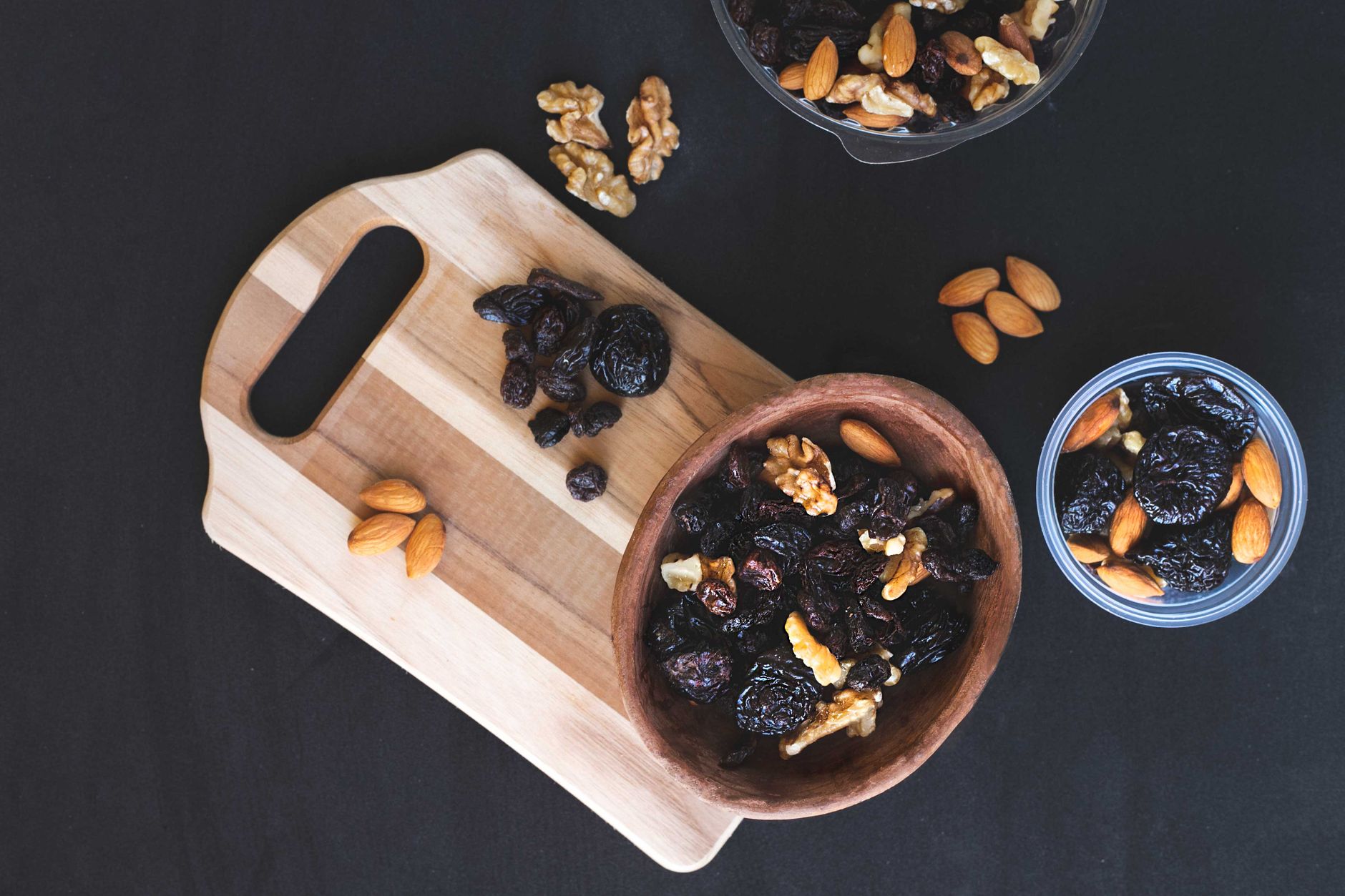
Pre‑portion a handful of nuts or a piece of fruit so you can grab it quickly between feeds.
Pair protein with fiber—think Greek yogurt with berries or hummus with carrot sticks—to keep you fuller longer.
Stay hydrated; thirst can masquerade as hunger. A glass of water or herbal tea often curbs a sudden urge to snack.
Plan mini‑meals every 3‑4 hours, even if they’re small, to stabilize blood sugar and reduce binge‑eating later.
If you notice cravings for high‑sugar foods, try swapping a soda for sparkling water with a splash of citrus, or replace a candy bar with dark chocolate (70 % cacao) that satisfies sweet tooth while offering antioxidants.
Smart snack choices keep hunger at bay without derailing weight‑loss goals.
Understanding postpartum hormones and their impact on weight loss
After delivery, your body undergoes a hormonal whirlwind. Prolactin, estrogen, progesterone, and cortisol each play a role in how quickly you lose weight.
Prolactin: Drives milk synthesis and increases appetite, which can make calorie control tricky.
Estrogen: Drops sharply after birth, often leading to fluid shifts and temporary weight fluctuations.
Progesterone: Also falls, helping the uterus return to its pre‑pregnancy size—a process that burns calories.
Cortisol: Elevated by sleep loss and stress, cortisol can promote abdominal fat storage if chronic.
The ACOG notes that these hormonal changes are usually temporary. By supporting yourself with adequate sleep, stress‑management techniques (like breathing exercises), and a balanced diet, you can mitigate their impact on weight loss.
Many mothers find that tracking mood and energy levels alongside the scale helps them see the bigger picture—weight loss is just one indicator of postpartum recovery.
When to consider professional support: dietitians and lactation consultants
If you feel stuck, overwhelmed, or simply want a personalized plan, reaching out to a registered dietitian who specializes in postpartum nutrition can be a game‑changer. These professionals can tailor calorie goals to your exact milk output, activity level, and cultural food preferences.
Lactation consultants, too, can assess whether any feeding issues (like low milk supply) might be linked to nutrition. A collaborative approach—dietitian plus lactation consultant—ensures you’re meeting both your weight‑loss and breastfeeding goals safely.
In the United States, the Academy of Nutrition and Dietetics provides a searchable directory of qualified dietitians. In the UK, the British Dietetic Association offers similar resources. Asking your OB‑GYN or midwife for a referral is often the quickest way to get started.
Myth vs. fact
Myth: “Breastfeeding alone will melt away all pregnancy weight.”
Fact: Breastfeeding burns 300‑500 kcal per day, which can aid weight loss, but a healthy diet and activity are still needed for significant change.
Myth: “You must eat a huge amount of calories to keep up milk supply.”
Fact: The extra 300‑500 kcal is the typical range; exceeding this by a large margin does not increase milk volume and can lead to unwanted weight gain.
Myth: “Low‑calorie diets speed up weight loss while nursing.”
Fact: Severely restricting calories (< 1,500 kcal) can reduce milk production and affect nutrient intake for both mother and baby.
Key takeaways
Breastfeeding burns roughly 300‑500 kcal per day, supporting a modest weight‑loss pace of 0.5‑1 lb per week.
Aim for a calorie deficit of about 250‑350 kcal daily while staying above 2,300 kcal (single baby) or 2,500 kcal (twins) to protect milk supply.
Incorporate 150 minutes of moderate exercise weekly, focusing on low‑impact activities and staying well‑hydrated.
Track your progress with a simple log: note daily intake, exercise, and baby’s diaper output or weight gain.
If you notice sudden weight gain, reduced milk supply, or fatigue, consult your provider promptly.
Prioritize nutrient‑dense foods—lean proteins, whole grains, fruits, vegetables, and healthy fats—to support both you and your baby.
Manage cravings with balanced snacks and stay hydrated; hormonal shifts are normal but can be eased with good self‑care.
Frequently asked questions
Can breastfeeding help you lose pregnancy weight?
Yes. Breastfeeding adds a daily calorie burn of about 300‑500 kcal, which can translate to roughly half a pound of weight loss per week if you maintain your usual diet and avoid extra snacking.
How many calories does breastfeeding burn?
On average, exclusive breastfeeding burns between 300 and 500 kcal each day, depending on milk volume and individual metabolism.
Is it safe to diet while breastfeeding?
It is safe to follow a modest calorie reduction (250‑350 kcal below your lactation needs) as long as you keep protein intake high, stay hydrated, and monitor your baby’s growth.
How long does it take to see weight loss after giving birth?
Most mothers begin to notice gradual weight loss after the first 4‑6 weeks, especially if they are exclusively nursing and maintaining a modest calorie deficit.
Can I drink caffeine while trying to lose weight and breastfeeding?
Yes, moderate caffeine (up to 200 mg per day, about one 12‑oz coffee) is considered safe for most breastfeeding moms. It won’t significantly affect weight loss, but staying within limits helps prevent sleep disturbances for both you and baby.
Is intermittent fasting okay while nursing?
Intermittent fasting can be risky during lactation because it may reduce overall calorie and nutrient intake, potentially lowering milk supply. If you’re interested, discuss a tailored plan with a dietitian and monitor your baby’s diaper output closely.
Can you lose weight too quickly while breastfeeding?
Losing more than 1 lb (0.5 kg) per week may jeopardize milk supply and nutrient stores; a slower, steady pace is recommended.
What foods should breastfeeding moms avoid when trying to lose weight?
Limit high‑sugar drinks, excessive processed snacks, and very low‑fat diets that cut out essential fatty acids needed for milk quality.
When to call your doctor
If you experience any of the following, seek medical attention promptly: sudden or severe breast pain, fever, a drop in baby’s weight gain (< 5‑10 g per day), persistent low milk output, dizziness, or unexplained rapid weight loss (> 2 lb per week). This article provides general information and does not replace personalized medical advice—always discuss any diet or exercise changes with your provider.
References
American College of Obstetricians and Gynecologists (ACOG). “Nutrition During Pregnancy and Lactation.” Clinical Guidance, 2022.
Centers for Disease Control and Prevention (CDC). “Breastfeeding: Benefits for Mother and Child.” Updated 2023.
World Health Organization (WHO). “Infant and Young Child Feeding: Evidence for Action.” 2021.
National Institute for Health and Care Excellence (NICE). “Postnatal Care.” Guidelines NG67, 2022.
Mayo Clinic. “Postpartum weight loss: How to lose weight safely after pregnancy.” 2023.
Harvard T.H. Chan School of Public Health. “The Nutrition Source: Breastfeeding and Calorie Needs.” 2022.
U.S. Department of Agriculture (USDA). “Dietary Guidelines for Americans, 2025-2026.”
U.K. National Health Service (NHS). “Healthy eating while breastfeeding.” 2023.
Academy of Nutrition and Dietetics. “Postpartum Nutrition for Breastfeeding Moms.” Position Paper, 2022.
American College of Obstetricians and Gynecologists (ACOG). “Physical Activity and Exercise During Pregnancy and the Postpartum Period.” Practice Bulletin, 2021.
World Health Organization (WHO). “Postpartum Hormonal Changes and Maternal Health.” 2020.
Not sure about the label on Breastfeeding And Weight Loss products?
Snap the ingredients list and SafeFilter checks every ingredient for your stage — only 3 free scans this month, then you're locked until reset. Unlimited from $7/mo or $50/yr.
When Shubhra Mishra was expecting her first child in 2016, she was overwhelmed by conflicting food advice — one site said yes, another said never. By the time her second baby arrived in 2019, she realized millions of mothers face the same confusion.
That sparked a five-year journey through clinical nutrition papers, cultural diets, and expert conversations — all leading to BumpBites: a calm, compassionate space where science meets everyday motherhood.
Her long-term vision is to build a global community ensuring safe, supported, and free deliveriesfor every mother — because no woman should face pregnancy alone or uninformed. 🌿
🌍 Stand with mothers, shape safer guidance
Join a small circle of experts who review BumpBites articles so expecting parents everywhere can decide with confidence.