Quick take:
You don’t need to overhaul your diet overnight to support your baby’s brain development. Focus on nutrient-dense foods rich in omega-3s, choline, folate, and iron—like fatty fish, leafy greens, eggs, and whole grains. Avoid raw or undercooked foods, limit mercury-rich fish, and consider a prenatal vitamin if your diet falls short. Small, consistent changes make the biggest difference.
Brain Healthy Diet Food List for Beginners: The Complete 2026 Guide
It was 2:17 AM when I realized I’d forgotten to pack my lunch for work. Not just any lunch—my lunch. The one that, according to every prenatal book I’d dog-eared, was supposed to be packed with DHA, choline, and folate to support my baby’s rapidly growing brain. I stared at my empty fridge, the hum of the refrigerator the only sound in the quiet apartment. "How do I even *start*?" I thought. The grocery store seemed like a minefield of "safe" and "risky" foods, and my brain was already fried from trying to remember which berries were okay and which ones weren’t.
If you’re here, you’re probably feeling that same mix of excitement and overwhelm. You’ve heard that what you eat during pregnancy can shape your baby’s brain development—but between conflicting advice, food safety rules, and the sheer volume of nutrients your body needs right now, it’s easy to feel lost. The good news? You don’t need to become a nutrition scientist overnight. This guide breaks down the brain-healthy foods you should prioritize, how to incorporate them into your meals, and what to avoid—all while keeping things simple and sustainable.
We’ll cover everything from the science behind brain-boosting nutrients to practical meal ideas, grocery lists, and even how to talk to your provider about supplements. By the end, you’ll have a clear roadmap to nourish both you and your baby’s developing mind—without the stress.
This article is informational only and not a substitute for personalized medical advice. Always consult your healthcare provider before making dietary changes, especially during pregnancy. If you experience severe symptoms like persistent headaches, vision changes, or extreme fatigue, contact your provider immediately.
---
## **Brain Healthy Diet Foods for Pregnant Women: What You Need to Know**
Pregnancy is a time when your body works overtime to support your baby’s growth—and their brain is no exception. Research from the American College of Obstetricians and Gynecologists (ACOG) highlights that proper nutrition during pregnancy can enhance cognitive development, reduce the risk of developmental delays, and even influence your baby’s future learning abilities. But with so many nutrients to consider, it’s easy to feel like you’re juggling a dozen different shopping lists.
The key brain-boosting nutrients for pregnancy include:
- Omega-3 fatty acids (especially DHA) — Critical for brain and eye development.
- Choline — Supports neural tube formation and memory.
- Folate (and folic acid) — Prevents neural tube defects and supports DNA synthesis.
- Iron — Carries oxygen to the placenta and developing brain.
- Iodine — Essential for thyroid function, which influences brain development.
- Protein — Builds brain cells and neurotransmitters.
Many women tell us they worry about getting enough of these nutrients from food alone. That’s where a balanced diet—and sometimes supplements—comes in. Let’s dive into the foods that pack the most punch for your baby’s brain.
---
## **Best Brain-Boosting Foods During Pregnancy: Your Go-To List**
You don’t need to eat like a supermodel to support your baby’s brain. Instead, focus on nutrient-dense foods that are safe, delicious, and easy to incorporate into your routine. Below is a categorized list of the best brain-boosting foods for pregnancy, along with why they matter and how to enjoy them.
### **1. Fatty Fish (The DHA Powerhouse)**
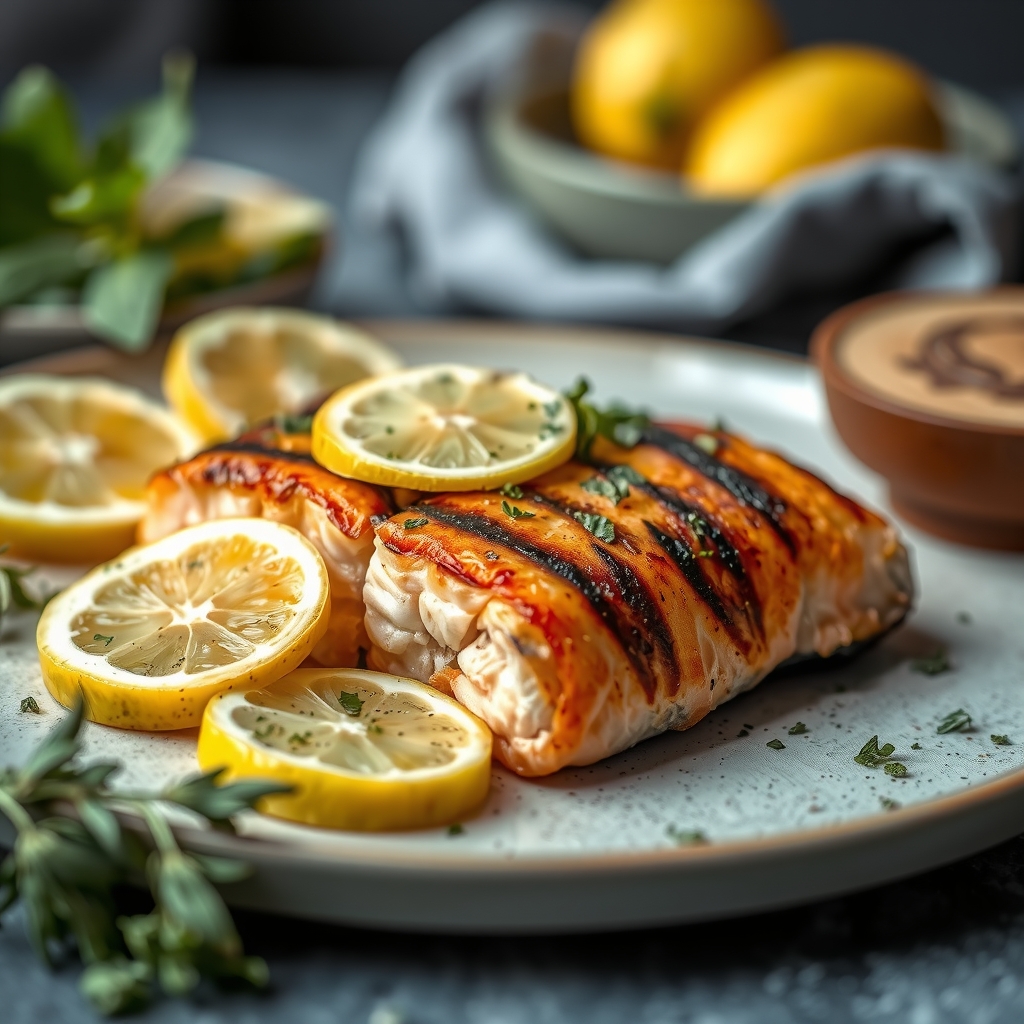
Fatty fish like salmon, sardines, and mackerel are packed with DHA, a type of omega-3 fatty acid that builds brain cells and supports your baby’s cognitive development. A study in Pediatrics found that higher maternal DHA levels were associated with better infant cognitive function at 2 years old.
**Safe choices:**
- Wild-caught salmon
- Sardines (canned in water or olive oil)
- Anchovies
- Mackerel (limit to 1 serving per week due to mercury)
**Avoid:**
- Shark, swordfish, king mackerel, or tilefish (high in mercury).
**How to eat it:**
- Grill salmon with lemon and herbs for dinner.
- Add sardines to whole-grain toast with avocado for a quick breakfast.
- Blend mackerel into hummus or swap it into pasta sauce.
### **2. Leafy Greens (Folate and Iron Rich)**
Spinach, kale, and Swiss chard are loaded with folate (the natural form of folic acid) and iron, both critical for preventing neural tube defects and supporting oxygen transport to your baby’s brain. The NHS recommends at least 5 servings of fruit and vegetables daily, with leafy greens being a top pick.
**How to eat it:**
- Blend spinach into smoothies with banana and Greek yogurt.
- Add kale to scrambled eggs or omelets.
- Toss Swiss chard into pasta or stir-fries.
### **3. Eggs (Choline and Protein)**
Eggs are one of the best sources of choline, a nutrient often overlooked but vital for brain development. They also provide high-quality protein and vitamin D. A 2022 study in Nutrients found that choline supplementation improved infant brain volume and memory.
**Safe choices:**
- Pasteurized eggs (if you’re concerned about salmonella risk).
- Hard-boiled eggs (easy to pack for work).
- Scrambled or poached eggs (cooked thoroughly).
**How to eat it:**
- Make a breakfast scramble with eggs, spinach, and feta.
- Add hard-boiled eggs to salads or snack on them with hummus.
- Try an avocado and egg toast for a quick lunch.
### **4. Whole Grains (B Vitamins and Fiber)**
Whole grains like quinoa, oats, and brown rice provide B vitamins, which help metabolize nutrients and support energy levels. They also keep you full and stable, reducing cravings for less nutritious snacks.
**How to eat it:**
- Swap white rice for quinoa or brown rice in stir-fries.
- Start your day with oatmeal topped with berries and nuts.
- Use whole-grain bread for sandwiches or toast.
### **5. Berries (Antioxidants for Brain Health)**
Blueberries, strawberries, and raspberries are rich in antioxidants like flavonoids, which protect brain cells from oxidative stress. A study in Obesity Research found that pregnant women who ate more berries had babies with better cognitive function.
**How to eat it:**
- Add berries to yogurt or oatmeal.
- Blend them into smoothies with spinach and banana.
- Enjoy them as a snack with a handful of almonds.
### **6. Nuts and Seeds (Healthy Fats and Magnesium)**
Almonds, walnuts, chia seeds, and flaxseeds are packed with omega-3s, magnesium, and vitamin E, all of which support brain development and reduce inflammation.
**How to eat it:**
- Sprinkle chia seeds on yogurt or blend them into smoothies.
- Snack on a small handful of mixed nuts.
- Add walnuts to salads or oatmeal.
### **7. Legumes (Protein and Fiber)**
Lentils, chickpeas, and black beans provide plant-based protein, iron, and folate, making them a great addition to any pregnancy diet.
**How to eat it:**
- Make a lentil soup with carrots and spinach.
- Add chickpeas to salads or roast them as a crunchy snack.
- Blend black beans into hummus or use them in tacos.
### **8. Dairy (Calcium and Vitamin D)**
Milk, yogurt, and cheese provide calcium and vitamin D, which are essential for bone development and brain function. Opt for low-fat or full-fat options depending on your preferences.
**How to eat it:**
- Enjoy a glass of milk with a handful of berries.
- Add yogurt to smoothies or eat it with granola.
- Use cheese in sandwiches or on whole-grain crackers.
### **9. Avocados (Healthy Fats and Folate)**
Avocados are a great source of monounsaturated fats, folate, and potassium, all of which support brain health and reduce the risk of preeclampsia.
**How to eat it:**
- Add avocado to toast with a sprinkle of sea salt.
- Mix into guacamole for dipping.
- Blend into smoothies for creaminess.
### **10. Sweet Potatoes (Vitamin A and Fiber)**
Sweet potatoes are rich in vitamin A, which supports eye and brain development, as well as fiber to keep you regular.
**How to eat it:**
- Roast sweet potato wedges with cinnamon.
- Make a sweet potato mash with a drizzle of olive oil.
- Add diced sweet potato to soups or stir-fries.
---
## **How to Incorporate Omega-3 in Pregnancy Diet: Simple Swaps**
Omega-3s, particularly DHA, are one of the most critical nutrients for your baby’s brain development. If you’re not a fan of fish, don’t worry—there are plenty of other ways to get omega-3s into your diet.
### **Food Sources of Omega-3s:**
| **Food** | **DHA Content (per serving)** | **How to Eat It** |
|-------------------------|-----------------------------|--------------------------------------------|
| Wild-caught salmon | 2,200–3,500 mg | Grill, bake, or pan-sear with lemon |
| Sardines (canned) | 1,100–1,500 mg | Mix into pasta sauce or eat with crackers |
| Flaxseeds | 1,200–1,800 mg (per tbsp) | Sprinkle on yogurt or blend into smoothies |
| Chia seeds | 4,900 mg (per oz) | Add to oatmeal or make chia pudding |
| Walnuts | 250 mg (per oz) | Snack on a handful or add to salads |
| Algal oil (supplement) | Varies (check label) | Take as directed by your provider |
### **Tips for Getting Enough Omega-3s:**
- If you don’t eat fish, consider an algal oil supplement (derived from algae, which is rich in DHA). Always check with your provider before starting any supplement.
- Rotate your omega-3 sources to avoid boredom. Try flaxseeds one day, walnuts the next, and salmon on the weekend.
- If you’re vegetarian or vegan, focus on chia seeds, flaxseeds, and walnuts, and consider a DHA supplement.
---
## **Brain Healthy Diet Meal Plan for First Trimester: Sample Days**
The first trimester can feel like a rollercoaster—morning sickness, fatigue, and food aversions can make eating feel overwhelming. The good news? A simple, nutrient-dense meal plan can help you stay energized and support your baby’s brain development without stress.
### **Day 1: Easy and Gentle**
- **Breakfast:** Scrambled eggs with spinach and whole-grain toast
- **Snack:** Greek yogurt with blueberries and a sprinkle of chia seeds
- **Lunch:** Grilled salmon salad with mixed greens, avocado, and olive oil dressing
- **Snack:** Handful of almonds and an apple
- **Dinner:** Lentil soup with carrots, celery, and a side of whole-grain bread
### **Day 2: Quick and Filling**
- **Breakfast:** Oatmeal with banana, walnuts, and a drizzle of honey
- **Snack:** Smoothie with spinach, frozen berries, Greek yogurt, and flaxseeds
- **Lunch:** Chickpea and avocado wrap in a whole-grain tortilla with a side of baby carrots
- **Snack:** Hard-boiled eggs with a sprinkle of sea salt
- **Dinner:** Baked chicken with quinoa and roasted sweet potatoes
### **Day 3: Comfort Food with a Twist**
- **Breakfast:** Avocado toast with a poached egg and everything bagel seasoning
- **Snack:** Hummus with whole-grain crackers and sliced cucumber
- **Lunch:** Sardine salad with mixed greens, cherry tomatoes, and a lemon-olive oil dressing
- **Snack:** Cottage cheese with pineapple chunks
- **Dinner:** Turkey and black bean chili with a side of brown rice
### **Day 4: Light and Refreshing**
- **Breakfast:** Smoothie bowl with frozen mango, spinach, Greek yogurt, and granola
- **Snack:** Trail mix with nuts, seeds, and dried fruit
- **Lunch:** Grilled chicken Caesar salad (with whole-grain croutons and light dressing)
- **Snack:** Edamame with sea salt
- **Dinner:** Baked cod with a side of roasted Brussels sprouts and mashed cauliflower
### **Day 5: Simple and Satisfying**
- **Breakfast:** Whole-grain pancakes with almond butter and sliced strawberries
- **Snack:** Cheese and whole-grain crackers with an orange
- **Lunch:** Tuna salad (with Greek yogurt instead of mayo) on whole-grain bread with a side of baby spinach
- **Snack:** Chia pudding with coconut milk and berries
- **Dinner:** Stuffed bell peppers with ground turkey, quinoa, and tomatoes
---
## **Brain Healthy Diet Snacks for Pregnant Moms: Quick and Nutrient-Packed**
Snacking is totally normal during pregnancy, but it’s important to choose snacks that support your baby’s brain development. Here are some of our favorite brain-healthy pregnancy snacks:
- **Hard-boiled eggs** with a sprinkle of sea salt (choline and protein)
- **Greek yogurt** with berries and a drizzle of honey (probiotics and antioxidants)
- **Hummus** with whole-grain pita or veggie sticks (folate and fiber)
- **Nut butter** (almond or peanut) on apple slices (healthy fats and vitamin C)
- **Roasted chickpeas** (crunchy and packed with protein)
- **Avocado slices** with whole-grain crackers (healthy fats and folate)
- **Trail mix** with nuts, seeds, and dried fruit (omega-3s and fiber)
- **Cottage cheese** with pineapple or peaches (protein and vitamin C)
- **Smoothie** with spinach, banana, Greek yogurt, and flaxseeds (multivitamin in a cup)
---
## **Brain Healthy Diet for Fetal Development: What Science Says**
The foods you eat during pregnancy don’t just support your baby’s brain—they literally shape it. Here’s what the science says about how nutrition impacts fetal brain development:
1. **DHA and Cognitive Function**
A study published in Pediatrics found that infants whose mothers consumed higher levels of DHA during pregnancy scored higher on cognitive tests at 2 years old. DHA helps build brain cell membranes and supports neural connections.
2. **Choline and Memory**
Choline is often called the "forgotten nutrient" because it’s not as widely discussed as folate or iron. However, research from the National Institutes of Health (NIH) shows that choline deficiency during pregnancy can lead to structural brain abnormalities in the fetus.
3. **Folate and Neural Tube Health**
The ACOG emphasizes that folate (or folic acid) is critical for preventing neural tube defects, such as spina bifida. Even a small amount of folate can make a big difference.
4. **Iron and Oxygen Supply**
Iron is essential for carrying oxygen to your baby’s brain. Low iron levels during pregnancy have been linked to poorer cognitive outcomes in children, according to a study in Journal of Developmental Origins of Health and Disease.
5. **Antioxidants and Protection**
Foods rich in antioxidants, like berries and leafy greens, help protect brain cells from oxidative stress, which can impact development.
---
## **Brain Healthy Diet for Pregnant Women: Grocery List Essentials**
Planning ahead can save you time and stress during pregnancy. Here’s a brain-healthy grocery list to get you started. Adjust quantities based on your appetite and preferences!
### **Produce:**
- Spinach or kale (fresh or frozen)
- Mixed berries (blueberries, strawberries, raspberries)
- Bananas
- Avocados
- Sweet potatoes
- Carrots
- Bell peppers
- Broccoli or Brussels sprouts
- Tomatoes
### **Proteins:**
- Wild-caught salmon or sardines (fresh or canned)
- Eggs (pasteurized if preferred)
- Greek yogurt or cottage cheese
- Chicken breast or turkey
- Lentils or chickpeas (canned or dry)
- Black beans
### **Grains:**
- Whole-grain bread or wraps
- Quinoa or brown rice
- Oats
- Whole-grain pasta
### **Nuts and Seeds:**
- Almonds or walnuts
- Chia seeds or flaxseeds
- Almond butter or peanut butter
### **Dairy (or Dairy Alternatives):**
- Milk (or fortified plant-based milk)
- Cheese (low-fat or full-fat)
### **Healthy Fats:**
- Olive oil or avocado oil
- Algal oil supplement (if needed)
### **Snacks:**
- Hummus
- Whole-grain crackers
- Dark chocolate (70% or higher)
---
## **Supplement Considerations: When and How to Use Them**
While a balanced diet is ideal, some women may need additional support through supplements. Here’s what to consider:
### **1. Prenatal Vitamins (The Non-Negotiable)**
Most healthcare providers recommend a prenatal vitamin starting from the time you’re trying to conceive. These typically include:
- Folic acid (400–800 mcg) to prevent neural tube defects
- Iron (27 mg) to prevent anemia
- Vitamin D (600–2000 IU) for bone and brain health
- DHA (200–300 mg) if you don’t eat fatty fish regularly
**When to take it:** With breakfast or a meal to avoid nausea.
### **2. Omega-3/DHA Supplements**
If you don’t eat fatty fish at least twice a week, an algal oil supplement (derived from algae) is a great way to get DHA. Look for one with at least 200–300 mg of DHA per serving.
### **3. Choline Supplements**
While choline is found in eggs and meat, some women may benefit from an additional 450–550 mg of choline per day. Always check with your provider before adding any supplement.
### **4. Vitamin D**
If you have limited sun exposure or live in a region with less sunlight, a vitamin D supplement (1000–2000 IU daily) may be recommended.
### **When to Talk to Your Provider:**
- If you have food aversions that make it hard to eat certain nutrients.
- If you’re vegetarian or vegan and need guidance on supplementing omega-3s and B12.
- If you have a history of deficiencies (e.g., iron or vitamin D).
---
## **Common Food Myths and Misconceptions**
Pregnancy comes with a lot of food myths—some are harmless, but others can be dangerous. Let’s debunk a few:
### **Myth: "You’re eating for two, so you should eat double the food."**
**Fact:** While your caloric needs increase slightly (about 300–500 extra calories per day), it’s not about eating more—it’s about eating better. Focus on nutrient density rather than quantity.
### **Myth: "Caffeine is completely off-limits during pregnancy."**
**Fact:** Moderate caffeine (up to 200 mg per day, or about 1–2 cups of coffee) is generally considered safe. However, excessive caffeine can lead to dehydration or low birth weight. If you’re sensitive to caffeine, opt for decaf or herbal teas.
### **Myth: "You can’t eat raw foods during pregnancy."**
**Fact:** While it’s true that some raw foods (like undercooked meat or unpasteurized dairy) carry risks, others—like fresh fruits and vegetables—are safe and beneficial. Just wash them thoroughly and peel when possible.
### **Myth: "All fish is safe during pregnancy."**
**Fact:** Some fish are high in mercury, which can harm your baby’s developing nervous system. Stick to low-mercury fish like salmon, sardines, and trout, and limit high-mercury fish like shark, swordfish, and king mackerel.
### **Myth: "You don’t need to worry about food safety until the second trimester."**
**Fact:** Food safety is important from the moment you conceive. Avoid raw or undercooked foods, deli meats (unless reheated until steaming), and unpasteurized dairy to reduce the risk of foodborne illnesses like listeria.
---
## **Monitoring Fetal Brain Development: What to Watch For**
While you can’t "see" your baby’s brain developing, there are a few things you can do to support its growth and monitor for any red flags:
### **Signs Your Baby’s Brain Is Developing Well:**
- You’re feeling energetic and not excessively fatigued (a sign of proper nutrient absorption).
- Your provider notes appropriate weight gain (steady, not rapid or slow).
- Your baby’s movements feel consistent and strong during ultrasounds.
### **Red Flags to Discuss With Your Provider:**
- Severe nausea or vomiting that prevents you from eating or drinking.
- Extreme fatigue or dizziness (possible signs of anemia or low iron).
- Persistent headaches or vision changes (could indicate preeclampsia).
- Noticeable swelling in your hands or face (another sign of preeclampsia).
- If you have a family history of neural tube defects, your provider may recommend additional folic acid or genetic testing.
### **How to Stay Informed:**
- Attend all your prenatal appointments, including ultrasounds, to monitor your baby’s growth.
- Ask your provider about non-invasive prenatal testing (NIPT) if you’re concerned about genetic risks.
- Keep a food diary to track your nutrient intake and identify any gaps.
---
## **Practical Tips for Grocery Shopping and Cooking**
Pregnancy can make grocery shopping and meal prep feel like a chore, but with a few tricks, it can be easier—and even enjoyable.
### **Grocery Shopping Tips:**
- **Plan ahead:** Make a list based on the meal plan above and stick to it to avoid impulse buys.
- **Buy frozen:** Frozen berries, spinach, and fish fillets are just as nutritious and last longer.
- **Pre-cut veggies:** Save time by buying pre-washed or pre-cut produce.
- **Batch cook:** Make big pots of soup, lentils, or grains to freeze for later.
### **Cooking Tips:**
- **Meal prep Sundays:** Cook grains, roast veggies, or make a big batch of chili to use throughout the week.
- **Use leftovers creatively:** Turn last night’s roasted chicken into a salad or wrap.
- **Keep snacks visible:** Stock your fridge and pantry with easy, healthy snacks so you’re not tempted by less nutritious options.
- **Don’t stress perfection:** If you forget an ingredient, swap it out. The goal is nourishment, not a Pinterest-perfect meal.
---
## **Brain Healthy Diet for Pregnant Women: Recipes to Try**
Here are a few simple, brain-boosting recipes to get you started:
### **1. 5-Minute Salmon and Avocado Toast**
**Ingredients:**
- 1 slice whole-grain bread
- ½ avocado, mashed
- 1 oz cooked salmon (or canned sardines)
- Lemon juice
- Salt and pepper
- Fresh dill (optional)
**Instructions:**
1. Toast the bread.
2. Mash the avocado and spread it on the toast.
3. Top with salmon, a squeeze of lemon, and a sprinkle of dill.
### **2. Spinach and Egg Scramble**
**Ingredients:**
- 2 eggs
- 1 cup fresh spinach
- 1 tbsp olive oil
- ½ cup shredded cheese (optional)
- Salt and pepper
**Instructions:**
1. Whisk eggs in a bowl.
2. Heat olive oil in a pan and add spinach until wilted.
3. Pour in eggs, scramble until cooked, and add cheese if using.
### **3. Chickpea and Avocado Wrap**
**Ingredients:**
- 1 whole-grain tortilla
- ½ cup mashed chickpeas
- ¼ avocado, sliced
- Handful of baby spinach
- Lemon juice and salt
**Instructions:**
1. Spread mashed chickpeas on the tortilla.
2. Add avocado, spinach, and a squeeze of lemon.
3. Roll up and enjoy!
---
## **Key Takeaways**
- Focus on nutrient-dense foods like fatty fish, leafy greens, eggs, whole grains, berries, nuts, seeds, legumes, dairy, avocados, and sweet potatoes.
- Incorporate omega-3s through fish, flaxseeds, chia seeds, or algal oil supplements if needed.
- A prenatal vitamin is essential to fill any gaps in your diet.
- Avoid raw or undercooked foods, limit high-mercury fish, and stay hydrated.
- Plan meals ahead to make healthy eating easier.
- Monitor your energy levels, weight gain, and baby’s movements to ensure everything is on track.
---
## **Frequently Asked Questions**
### **What are the best brain-boosting foods for pregnant women?**
The best brain-boosting foods are those rich in omega-3s (like salmon and sardines), choline (eggs), folate (leafy greens), iron (lentils), and antioxidants (berries). These nutrients support your baby’s brain development and your own energy levels. For a full list, check out our brain healthy diet food list above!
### **How does diet affect fetal brain development?**
Diet plays a critical role in fetal brain development by providing the building blocks for brain cells. Nutrients like DHA, choline, and folate are directly involved in creating neural connections and protecting brain cells from damage. A well-balanced diet ensures your baby gets the nutrients they need for optimal growth.
### **What are the top brain-boosting foods for pregnant women?**
The top brain-boosting foods include:
- Fatty fish (salmon, sardines)
- Eggs
- Leafy greens (spinach, kale)
- Berries (blueberries, strawberries)
- Nuts and seeds (almonds, chia seeds)
- Whole grains (quinoa, brown rice)
- Dairy (Greek yogurt, cheese)
### **Can I eat fish during pregnancy for brain health?**
Yes! Eating fish during pregnancy is highly recommended for brain health, as long as you choose low-mercury options like salmon, sardines, and trout. The FDA suggests eating 8–12 ounces of low-mercury fish per week. Avoid high-mercury fish like shark, swordfish, and king mackerel.
### **What is the role of omega-3 in pregnancy?**
Omega-3s, particularly DHA, are crucial for your baby’s brain and eye development. They help build brain cell membranes and support neural connections. If you don’t eat fatty fish regularly, consider an algal oil supplement to ensure you’re getting enough DHA.
### **Are there any foods to avoid for brain health during pregnancy?**
While most foods are safe, avoid:
- Raw or undercooked meats, fish, or eggs (risk of listeria or salmonella).
- Unpasteurized dairy or cheese (also a risk of listeria).
- High-mercury fish (shark, swordfish, king mackerel, tilefish).
- Excessive caffeine (stick to under 200 mg per day).
- Alcohol (avoid entirely during pregnancy).
### **How can I ensure my baby’s brain is developing properly?**
To support your baby’s brain development:
- Eat a balanced diet rich in omega-3s, choline, folate, and iron.
- Take a prenatal vitamin as recommended by your provider.
- Avoid smoking, alcohol, and excessive caffeine.
- Attend all prenatal appointments to monitor your baby’s growth.
- Stay hydrated and get enough rest.
---
## **When to See a Doctor or Specialist**
While most women can support their baby’s brain development through diet alone, there are times when you should seek medical advice:
### **Contact Your Provider If:**
- You experience severe nausea or vomiting that prevents you from eating or drinking.
- You notice unusual swelling in your hands, face, or feet.
- You have persistent headaches or vision changes.
- You’re extremely fatigued or dizzy, which could indicate anemia.
- You have a family history of neural tube defects or other genetic conditions.
- You’re unable to eat a varied diet due to food aversions or restrictions.
### **Who to See:**
- **Obstetrician/Gynecologist (OB/GYN):** Your primary provider for pregnancy care.
- **Dietitian:** If you need personalized meal planning or supplement guidance.
- **Genetic Counselor:** If you have concerns about genetic risks or family history.
---
## **References**
1. American College of Obstetricians and Gynecologists (ACOG). (2023). *Nutrition During Pregnancy*.
2. National Institutes of Health (NIH). (2022). *Dietary Choline: Importance for Brain Development*.
3. NHS. (2023). *Eating Well in Pregnancy*.
4. Pediatrics. (2021). *Maternal DHA Intake and Infant Cognitive Development*.
5. World Health Organization (WHO). (2023). *Nutrition During Pregnancy and Lactation*.
6. American Heart Association (AHA). (2022). *Omega-3 Fatty Acids and Heart Health*.
7. Mayo Clinic. (2023). *Prenatal Vitamins: What You Need to Know*.
8. Harvard T.H. Chan School of Public Health. (2023). *Folate and Neural Tube Defects*.
9. Centers for Disease Control and Prevention (CDC). (2023). *Mercury Levels in Fish*.
10. The Menopause Society (NAMS). (2023). *Nutrition for Pregnant Women*.
---



