

Quick take: Brain-healthy dinners don't have to be complicated. Focus on nutrient-dense ingredients like fatty fish, leafy greens, berries, and whole grains—plus easy swaps for dietary needs. Our 7-day meal plan (below) cuts prep time to under 20 minutes per meal, with freezer-friendly options for busy weeks. The key? Prioritize omega-3s, antioxidants, and fiber while keeping flavors vibrant. Tip: Cook once, freeze twice—roast a sheet pan of veggies on Sunday for midweek meals.Brain Healthy Diet Dinner Recipes Easy: The Complete 2026 Guide
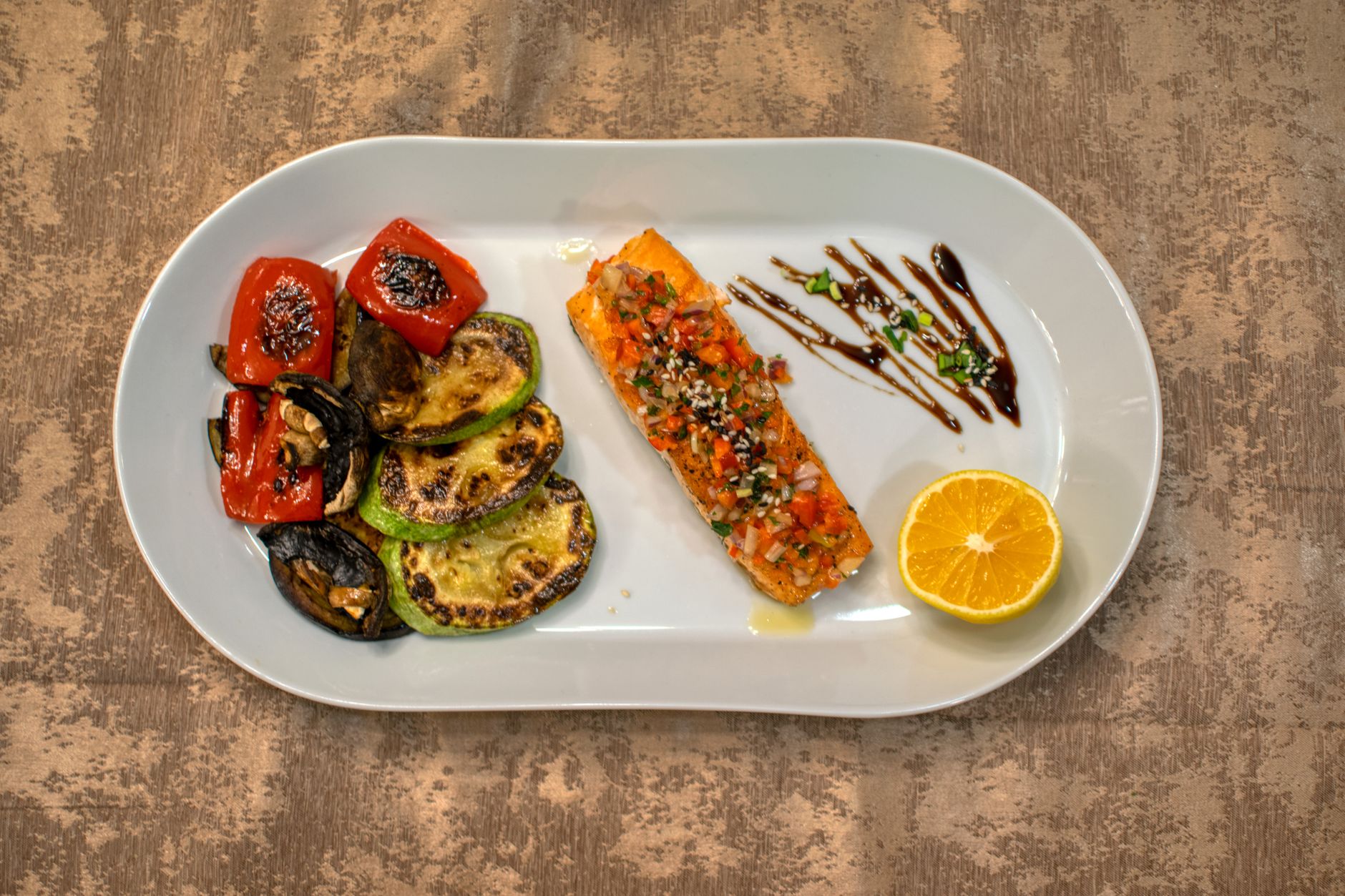
Let’s be honest: You’re not going to remember the grocery list, let alone cook a gourmet brain-boosting meal, if you’re staring at a 3pm slump with your laptop open and your toddler asking for the 10th snack of the day. That’s why we created this guide—not just another list of "brain foods," but a practical, time-saving system for dinners that actually work for your life.
We’ve talked to real women—moms juggling carpools, pregnant women tracking nutrient needs, seniors managing memory concerns, and even athletes fueling for mental clarity—who’ve all hit a wall with "brain-healthy" recipes. The problem? Most guides focus on what to eat, not how to eat it without losing your mind (or your patience). This isn’t about deprivation or complicated prep. It’s about smart swaps, batch cooking, and meals that taste as good as they make you feel.
Here’s the bottom line: Your brain thrives on omega-3 fatty acids, antioxidants, B vitamins, and fiber. But you don’t need to memorize a nutrition chart. We’ll break it down into easy dinner templates, dietary hacks, and a 7-day meal plan that fits your schedule—whether you’re prepping for the week or scrambling to feed a family. And yes, we’ve included kid-friendly and pregnancy-safe options because, let’s face it, your brain health matters at every stage.
By the end of this guide, you’ll know exactly how to:
- Build a brain-healthy dinner in under 20 minutes using pantry staples.
- Adapt recipes for dairy-free, low-sodium, or low-carb needs without sacrificing flavor.
- Use freezer-friendly strategies to avoid last-minute stress.
- Feed toddlers, teens, seniors, or athletes meals that support their brain health.
- Avoid the most common brain-healthy diet mistakes that backfire.
Let’s dive in.
--- ## **Easy Brain Healthy Dinner Recipes for Pregnant Women**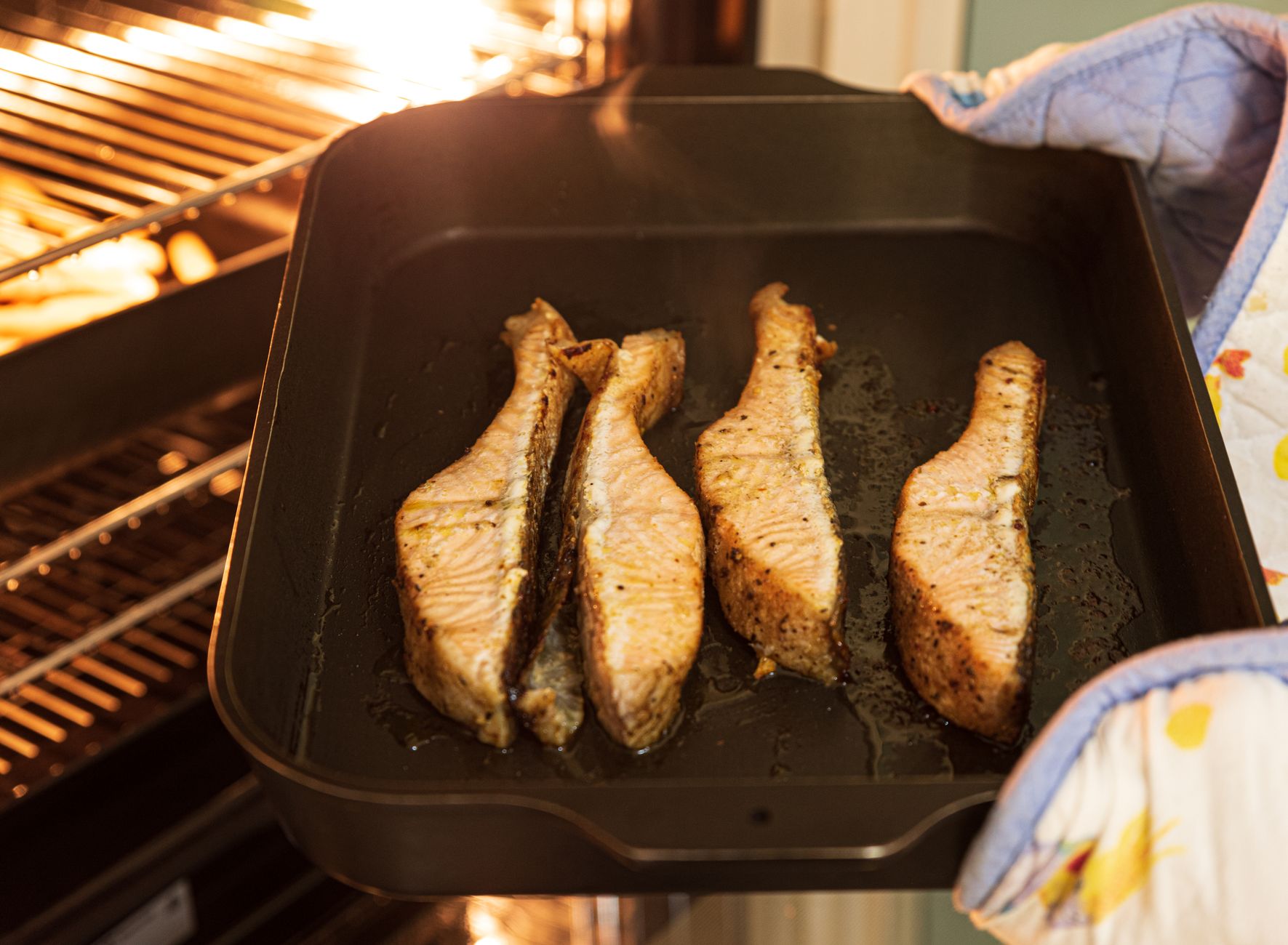
Pregnancy is the perfect time to prioritize brain health—for both you and your baby. Your little one’s nervous system is developing rapidly, and your own cognitive load is higher than ever. The good news? Many brain-boosting foods are also nutrient powerhouses for pregnancy, like fatty fish, leafy greens, and whole grains.
**One reader’s story:** *"I was terrified I’d have to eat bland, boring meals while pregnant,"* says Priya, a mom of two. *"But once I swapped out my usual takeout for these easy recipes, I felt more energized and less foggy. Plus, my doctor loved that I was getting so many key nutrients!"*
Here’s what to focus on:
- Omega-3s: Critical for your baby’s brain development and your own mood. Aim for 8–12 oz of fatty fish (salmon, sardines, mackerel) per week or supplement with DHA-rich algae oil if you’re avoiding fish.
- Folate: Found in leafy greens (spinach, kale), lentils, and fortified grains. Helps prevent neural tube defects.
- Choline: Supports memory and brain growth. Eggs, chicken liver, and cruciferous veggies are great sources.
- Iron and zinc: Keep your energy up. Pair lean meats with vitamin C-rich foods (bell peppers, citrus) to boost absorption.
**Quick tip:** Pregnant women often need 300–500 extra calories per day, but that doesn’t mean eating "for two." Focus on nutrient density—think 1 cup of cooked quinoa + 4 oz salmon + 1 cup roasted veggies instead of a giant plate of pasta.
**Easy Pregnancy-Friendly Recipe: One-Pan Lemon Garlic Salmon with Asparagus and Quinoa**
- Preheat oven to 400°F (200°C). Line a sheet pan with parchment paper.
- Place 2 salmon fillets (6 oz each) on the pan. Drizzle with 1 tbsp olive oil, 1 minced garlic clove, 1 tbsp lemon juice, salt, and pepper.
- Arrange 1 bunch asparagus (trimmed) and 1 cup quinoa (uncooked) on the same pan.
- Bake for 15 minutes. Flip salmon and add ½ cup water to the pan. Cover with foil and bake another 10–12 minutes until salmon flakes easily.
- Serve with a side salad (spinach, cherry tomatoes, balsamic dressing).
Why it works: Salmon provides omega-3s and protein; quinoa offers fiber and folate; asparagus delivers vitamin K (critical for bone health during pregnancy). Prep time: 10 minutes. Cook time: 25 minutes.
**For more pregnancy-safe swaps, check out our easy AIP elimination diet dinner recipes—many of those meals are naturally pregnancy-friendly!
--- ## **Brain Healthy Diet Dinner Ideas Low Sodium**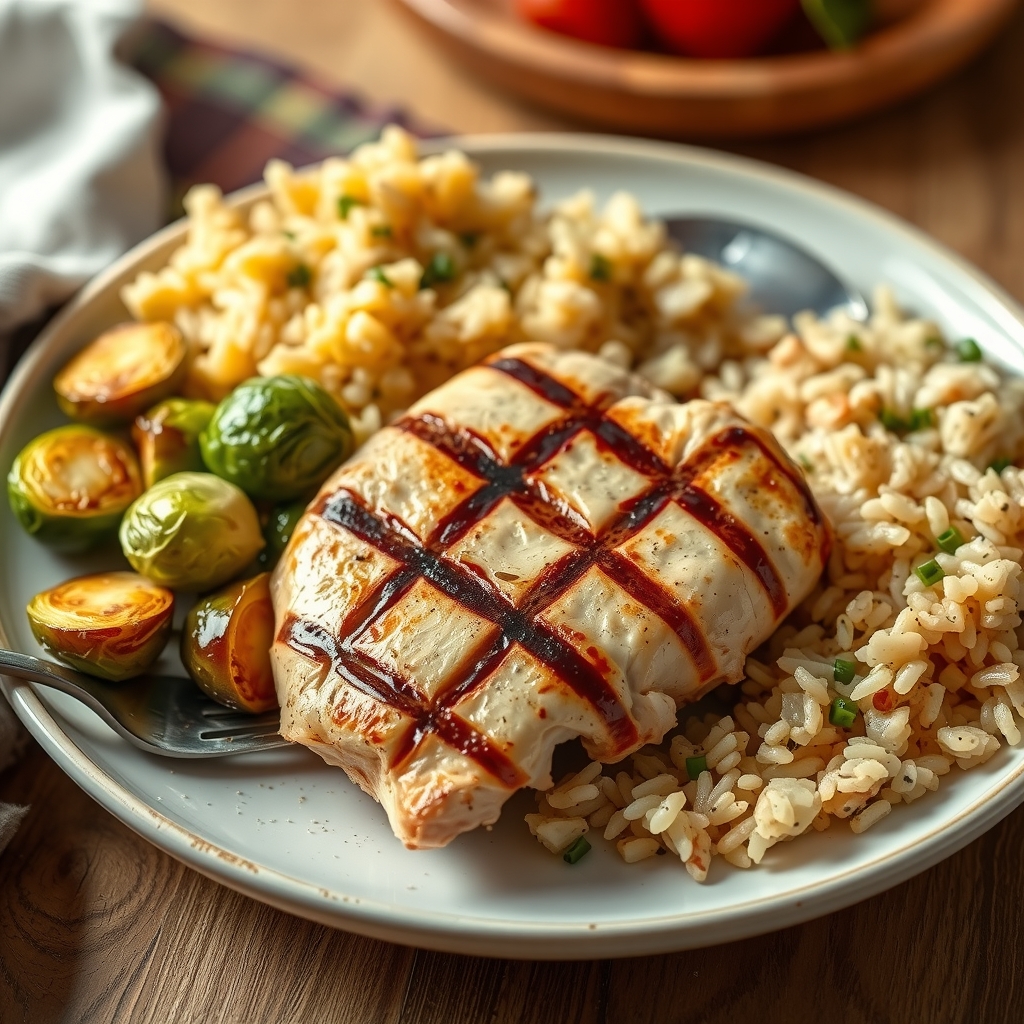
High sodium intake is linked to blood pressure spikes and cognitive decline over time. If you’re watching your sodium (whether due to hypertension, kidney concerns, or just general health), the key is flavor without the salt shaker.
**Common pitfalls to avoid:
- Processed meats (deli slices, sausages, canned soups).
- Over-relying on soy sauce or bouillon cubes.
- Skipping herbs and spices in favor of salt.
**Instead, try these low-sodium hacks:
- Citrus and vinegar: Brighten up dishes with lemon juice, lime zest, or apple cider vinegar.
- Umami boosters: Mushrooms, nutritional yeast, and miso (in moderation) add depth without salt.
- Fresh herbs: Basil, cilantro, parsley, and dill elevate any dish.
- Acidity balance: A splash of vinegar or a sprinkle of capers can mimic saltiness.
**Easy Low-Sodium Recipe: Herb-Crusted Chicken with Roasted Cauliflower and Lentils**
- Preheat oven to 375°F (190°C).
- Mix 1 cup breadcrumbs (low-sodium), 2 tbsp grated Parmesan (or nutritional yeast for dairy-free), 1 tbsp fresh rosemary, 1 tbsp fresh thyme, 1 minced garlic clove, and 1 tbsp olive oil.
- Coat 2 chicken breasts in the mixture and place on a lined baking sheet.
- Toss 1 head cauliflower (cut into florets) with 1 tbsp olive oil, salt, and pepper. Roast with chicken for 25 minutes.
- In a pot, simmer 1 cup dried lentils with 2 cups low-sodium vegetable broth until tender (about 20 minutes).
- Serve chicken with lentils and cauliflower. Drizzle with a lemon-tahini dressing (1 tbsp tahini + 1 tbsp lemon juice + 1 tsp honey + water to thin).
Nutrition highlights: Chicken provides protein; lentils offer iron and fiber; cauliflower delivers vitamin C and antioxidants. Sodium: ~120mg per serving (vs. 800mg+ in a standard baked chicken recipe).
**Pro tip:** Always check labels! Even "low-sodium" canned beans or broths can add up. Opt for fresh or frozen whenever possible.
--- ## **Quick Brain Healthy Dinner Recipes with Omega-3**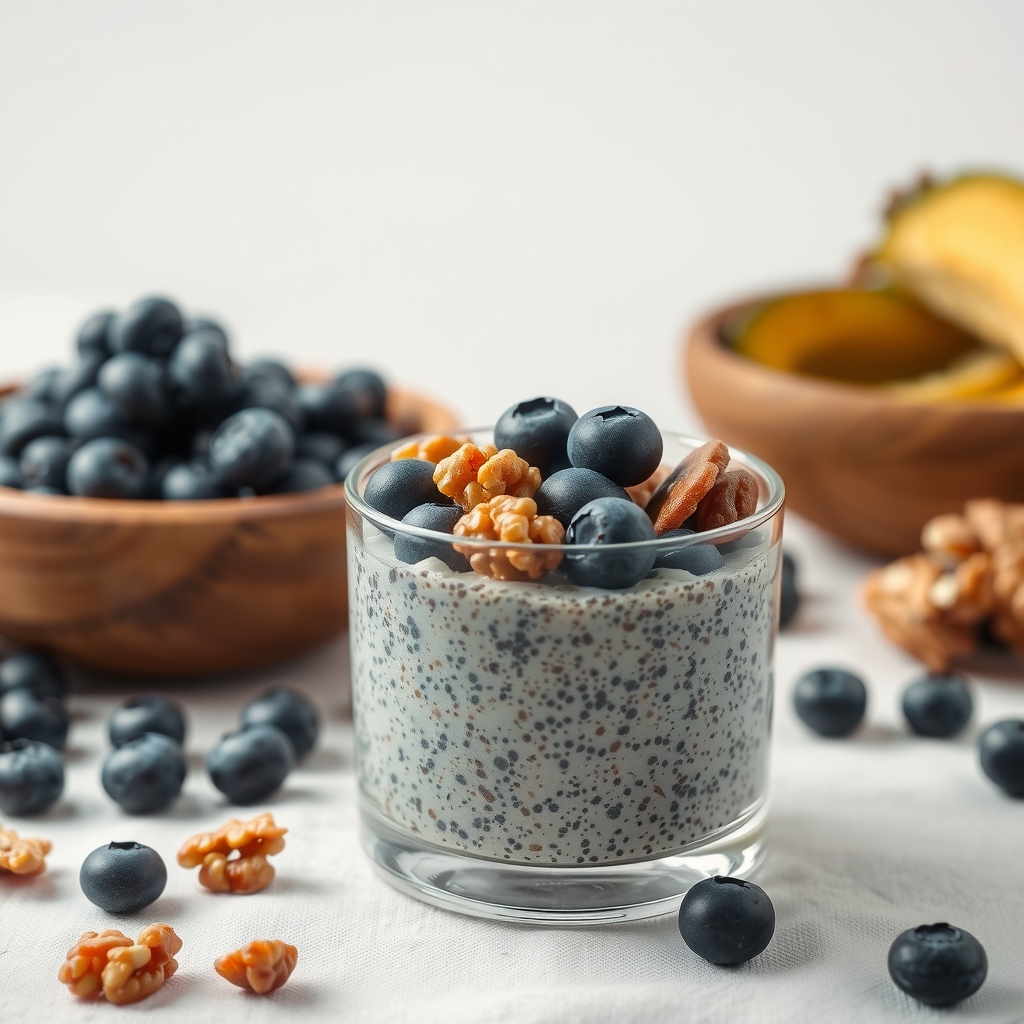
Omega-3s (EPA and DHA) are non-negotiable for brain health. They reduce inflammation, support memory, and even lower depression risk. The problem? Many people don’t get enough. Your best sources: fatty fish, flaxseeds, chia seeds, walnuts, and algae oil (for vegans).
**The 15-Minute Omega-3 Power Bowl**
- Microwave 1 cup cooked quinoa (or brown rice) for 2 minutes to reheat.
- Top with ½ cup canned wild salmon (in water, drained) or ¼ cup chia pudding (made the night before with 2 tbsp chia seeds + 1 cup almond milk + 1 tsp maple syrup).
- Add ½ avocado (sliced), ¼ cup blueberries, and 1 tbsp chopped walnuts.
- Drizzle with 1 tbsp olive oil and lemon juice. Sprinkle with salt and pepper.
Why this works: Quinoa provides fiber; salmon (or chia seeds) delivers omega-3s; blueberries offer antioxidants; walnuts add more healthy fats. Total prep: 5 minutes.
**For those who hate fish:** Algae-based DHA supplements (like Nordic Naturals Omega-3) are a great alternative. Dosage: 250–500mg DHA per day for most adults.
**Bonus hack:** Keep frozen salmon fillets on hand. They thaw in 10 minutes under cold water and cook in 12 minutes on the stovetop.
--- ## **Brain Healthy Dinner Recipes for Toddlers**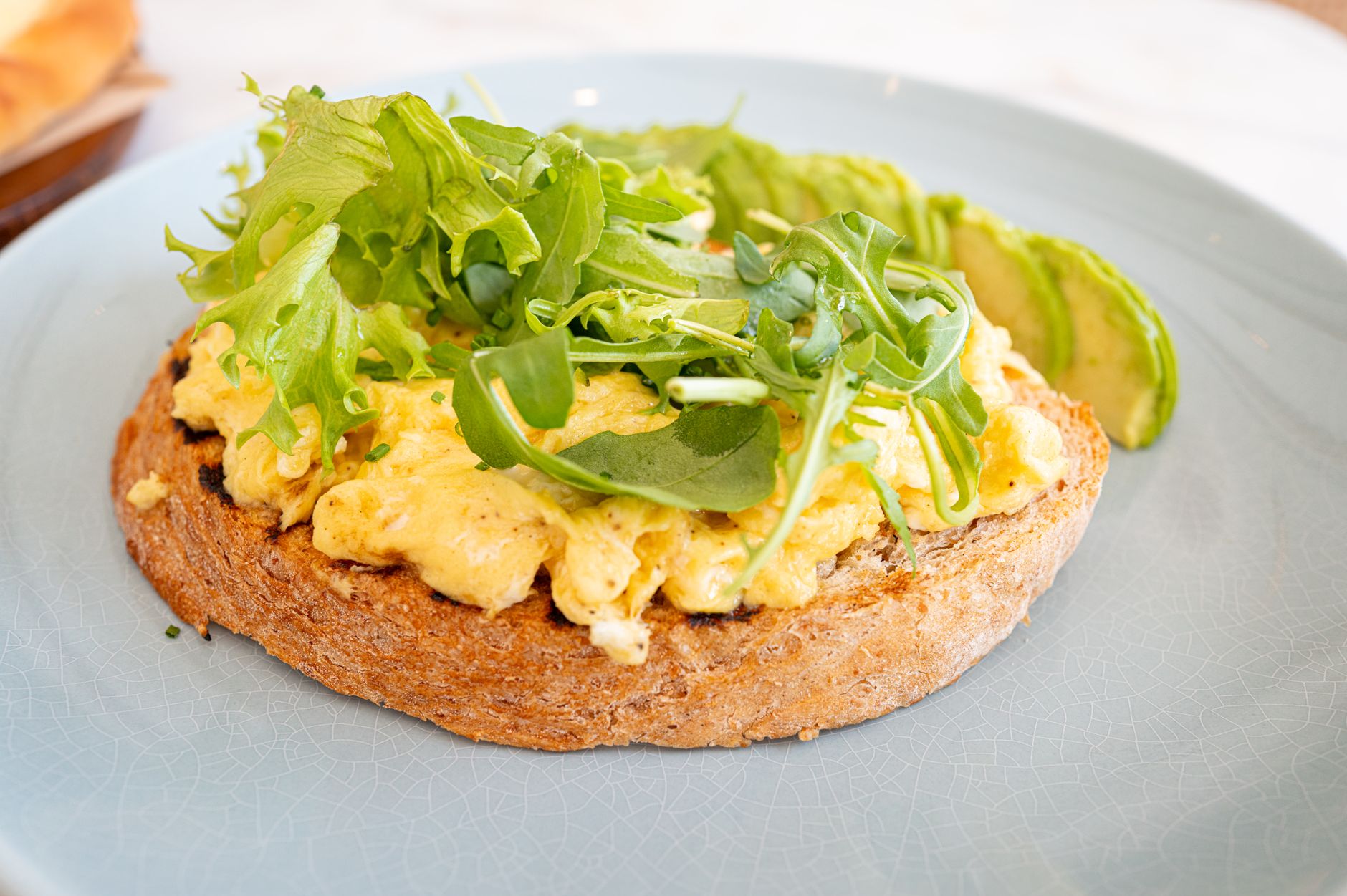
Toddlers need brain-boosting nutrients to support their rapid development, but their tiny taste buds can be tricky. The goal? Hide veggies, add protein, and keep flavors mild.
**Top brain foods for toddlers (and how to sneak them in):
- Eggs: Scramble with avocado or whole-grain toast. Bonus: Egg yolks are packed with choline.
- Leafy greens: Blend spinach into smoothies or puree into pasta sauce.
- Berries: Freeze blueberries and add them to yogurt or oatmeal.
- Fatty fish (if tolerated): Mash salmon into mashed potatoes or mix into ground turkey.
- Nuts/seeds: Grind almonds or pumpkin seeds into sauces or yogurt.
**Easy Toddler Dinner: "Rainbow" Quesadilla with Hidden Veggies**
- Blend ½ cup steamed cauliflower with ½ cup shredded cheese until smooth.
- Spread the mixture on a whole-wheat tortilla, top with ¼ cup black beans (mashed slightly), and sprinkle with 1 tbsp grated carrot.
- Fold and cook in a dry skillet over medium heat until crispy (2–3 minutes per side).
- Cut into strips and serve with a side of guacamole (avocado + lime + salt).
Why it works: Cheese provides calcium; black beans offer fiber and protein; cauliflower adds vitamin C. Portion size: ¼ of the quesadilla per serving.
**Avoid these toddler brain-food mistakes:
- Over-sweetening "healthy" foods (e.g., smoothies with too much fruit juice).
- Skipping healthy fats (critical for brain development).
- Assuming "kid-friendly" = low-nutrient (e.g., chicken nuggets vs. baked chicken with veggies).
**For more toddler-approved meals, check out our easy French diet dinner recipes—many of those recipes are naturally gentle on tiny palates!
--- ## **Brain Healthy Diet Dinner Recipes Without Dairy**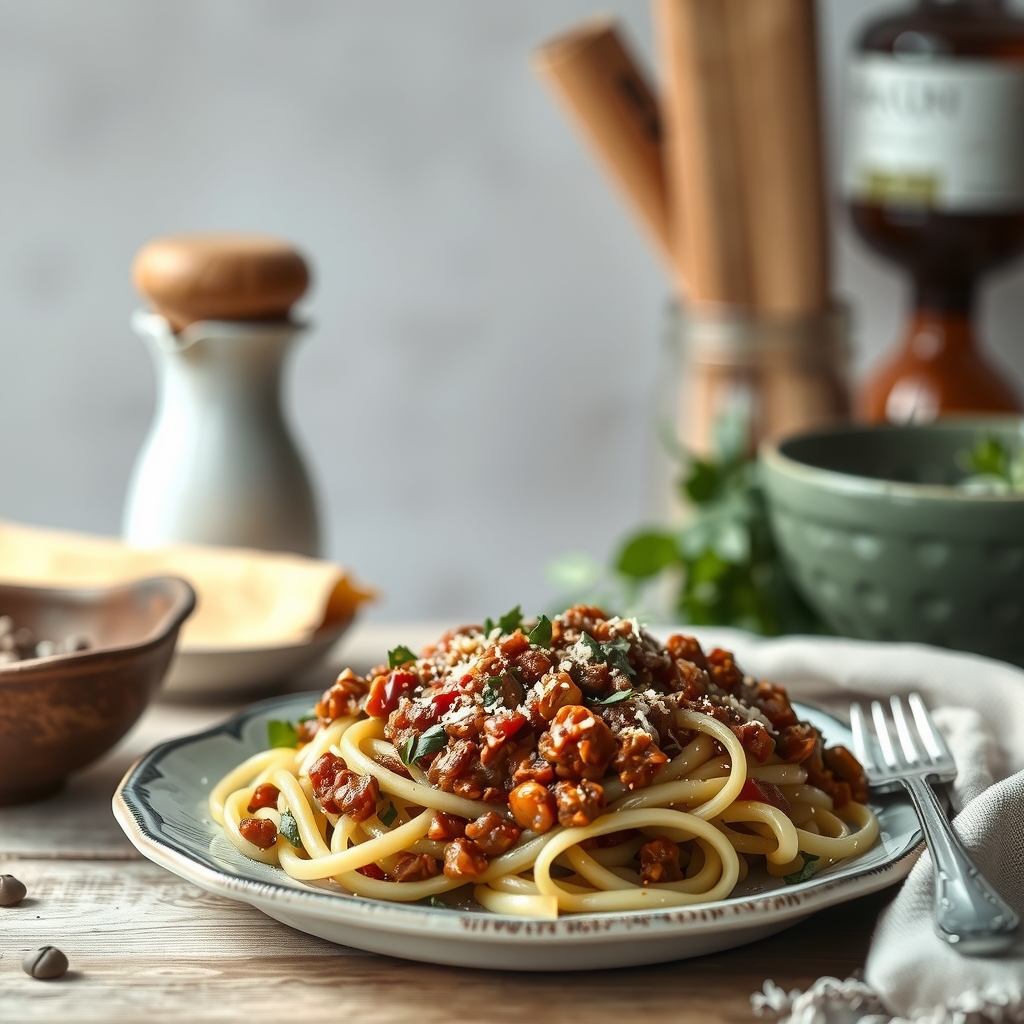
Dairy isn’t necessary for brain health—many nutrients in dairy (calcium, vitamin D) can be found elsewhere. The challenge? Replacing cheese, yogurt, and milk without sacrificing flavor or nutrition.
**Dairy-free swaps for brain health:
- Cheese: Nutritional yeast (for a cheesy flavor) or cashew-based "ricotta."
- Milk/Yogurt: Unsweetened almond, coconut, or oat milk. Coconut yogurt for tanginess.
- Butter/Oil: Olive oil, avocado oil, or ghee (for a neutral flavor).
- Protein Boosters: Tofu, tempeh, or lentils for calcium and iron.
**Easy Dairy-Free Recipe: Creamy Lentil Bolognese with Zucchini Noodles**
- Cook 1 cup dried lentils until tender (about 20 minutes). Drain and set aside.
- Sauté 1 diced onion, 2 minced garlic cloves, and 1 diced carrot in 1 tbsp olive oil until soft.
- Add 1 can (15 oz) crushed tomatoes, 1 tbsp tomato paste, 1 tsp dried oregano, and ½ tsp red pepper flakes. Simmer for 10 minutes.
- Blend half the lentils with ½ cup coconut milk until smooth. Stir back into the sauce.
- Serve over zucchini noodles (spiralized zucchini) with a sprinkle of nutritional yeast.
Nutrition highlights: Lentils provide iron and folate; tomatoes offer lycopene (an antioxidant); zucchini adds vitamin C. Dairy-free but still creamy!
**Pro tip:** For extra brain power, add 1 tbsp flaxseeds to the sauce for omega-3s.
--- ## **Brain Healthy Dinner Recipes for Weight Loss**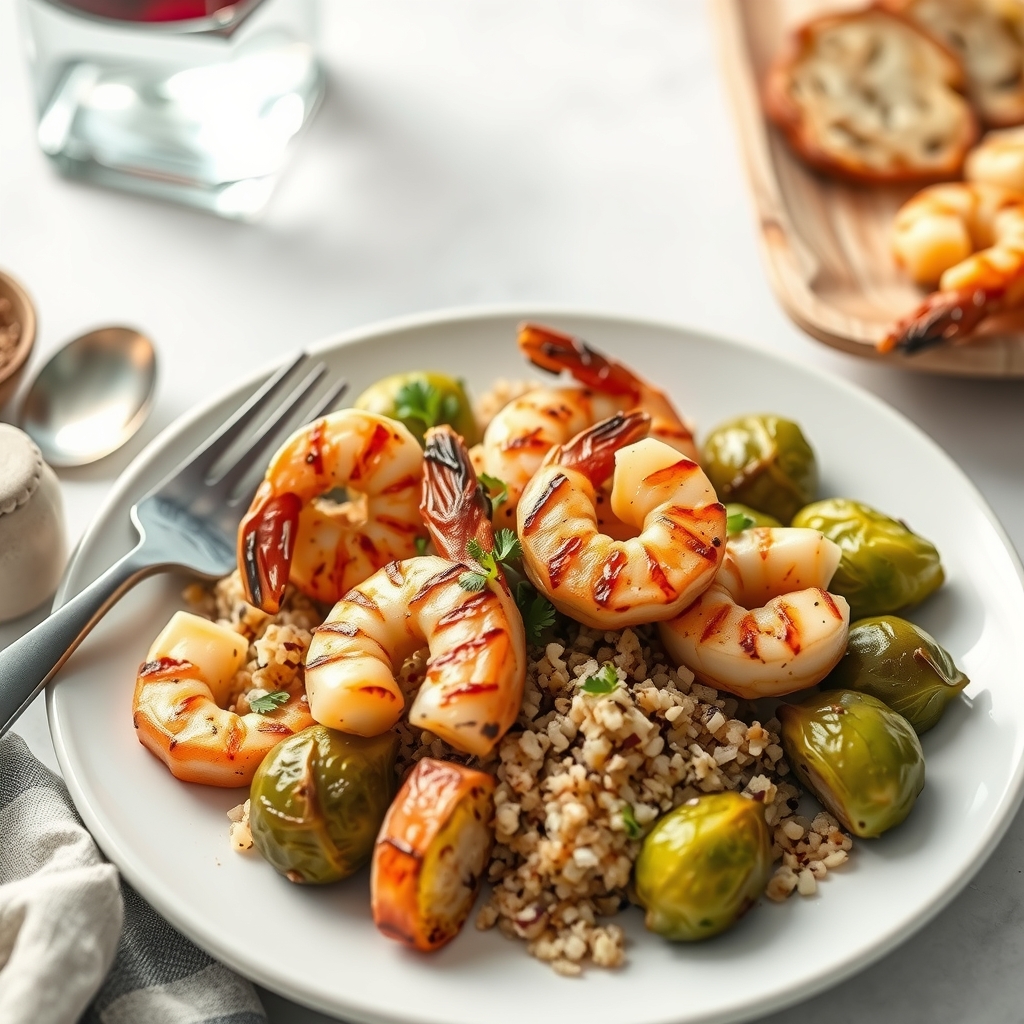
Losing weight and supporting your brain might seem like opposing goals—but they’re not. The key is high-protein, high-fiber, low-calorie meals that keep you full and focused. Avoid "diet" foods that leave you foggy or craving sugar.
**Brain-healthy weight-loss principles:
- Prioritize protein: Shrimp, chicken, tofu, and lentils help stabilize blood sugar and curb cravings.
- Load up on veggies: They’re low-calorie but high in fiber and antioxidants.
- Choose healthy fats wisely: Avocado, nuts, and olive oil in moderation.
- Avoid liquid calories: Skip sugary drinks; opt for herbal tea or sparkling water with lemon.
**Easy Weight-Loss Recipe: Lemon-Garlic Shrimp with Quinoa and Roasted Brussels Sprouts**
- Preheat oven to 400°F (200°C). Toss 1 cup Brussels sprouts (halved) with 1 tbsp olive oil, salt, and pepper. Roast for 20 minutes.
- In a pan, sauté ½ cup cooked quinoa with 1 minced garlic clove and 1 tbsp lemon juice.
- Add 6 oz shrimp (peeled and deveined) to the pan. Cook 2–3 minutes per side until pink.
- Squeeze fresh lemon, sprinkle with parsley, and serve with Brussels sprouts.
Nutrition per serving: 350 calories, 25g protein, 30g carbs (fiber-rich), 12g healthy fats. Prep time: 10 minutes.
**Avoid these weight-loss brain-drainers:
- Skipping meals (leads to blood sugar crashes and poor decision-making).
- Over-restricting calories (can impair focus and memory).
- Choosing "low-fat" processed foods (often high in sugar).
**For more calorie-conscious meals, explore our easy heart-healthy dinner recipes—many of those are automatically lower-calorie!
--- ## **Brain Healthy Diet Dinner Recipes for Seniors**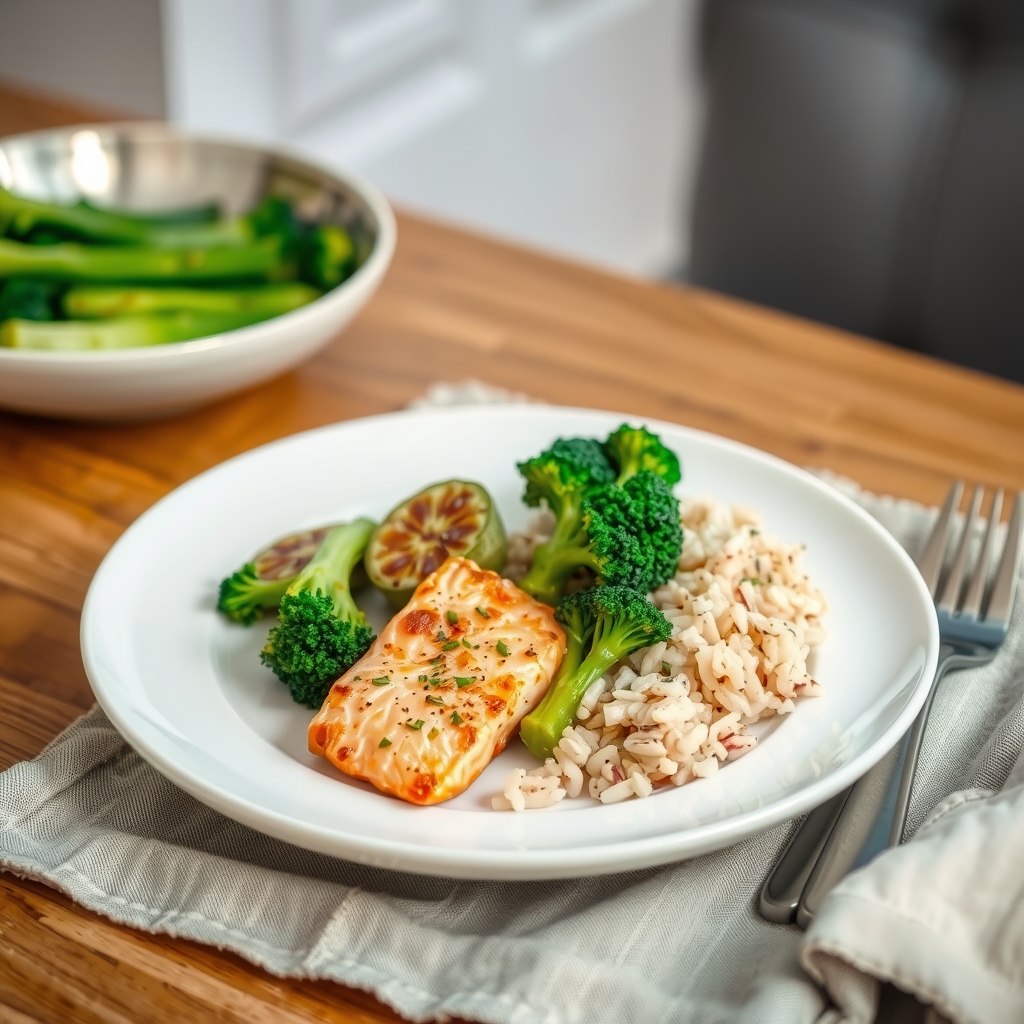
As we age, our brains need extra protection against inflammation, oxidative stress, and nutrient deficiencies. The good news? Many brain-healthy foods are also easy to prepare and digest for seniors.
**Key nutrients for senior brain health:
- Omega-3s: Reduce inflammation and support memory.
- Antioxidants (berries, dark leafy greens): Fight oxidative stress.
- B vitamins (whole grains, eggs, lean meats): Support nerve function.
- Protein (fish, beans, tofu): Helps maintain muscle and brain health.
**Easy Senior-Friendly Recipe: Slow-Cooker Salmon with Turmeric and Spinach**
- Place 1 salmon fillet (6 oz) in a slow cooker. Add 1 cup fresh spinach, ½ cup diced tomatoes, 1 tbsp olive oil, 1 tsp turmeric, 1 minced garlic clove, and ½ tsp black pepper.
- Cook on low for 4–6 hours (or high for 2–3 hours).
- Serve with ½ cup cooked brown rice or quinoa.
Why it works: Salmon provides omega-3s; turmeric offers anti-inflammatory benefits; spinach delivers folate. Easy to digest and packed with flavor.
**Safety tips for seniors:
- Use non-slip pans and oven mitts to prevent burns.
- Pre-cut veggies and store in airtight containers for easy access.
- Add ginger or garlic to meals to boost flavor without salt.
If you’re new to brain-healthy eating, don’t stress—start small. The goal isn’t perfection; it’s progress and consistency. Begin with one or two changes per week to build the habit.
**Beginner-friendly brain-healthy swaps:
- Swap white rice for brown rice or quinoa.
- Add a side of leafy greens (spinach, kale) to any meal.
- Choose fatty fish (salmon, sardines) 1–2x per week.
- Snack on nuts or seeds instead of chips.
- Drink more water and herbal tea (less caffeine).
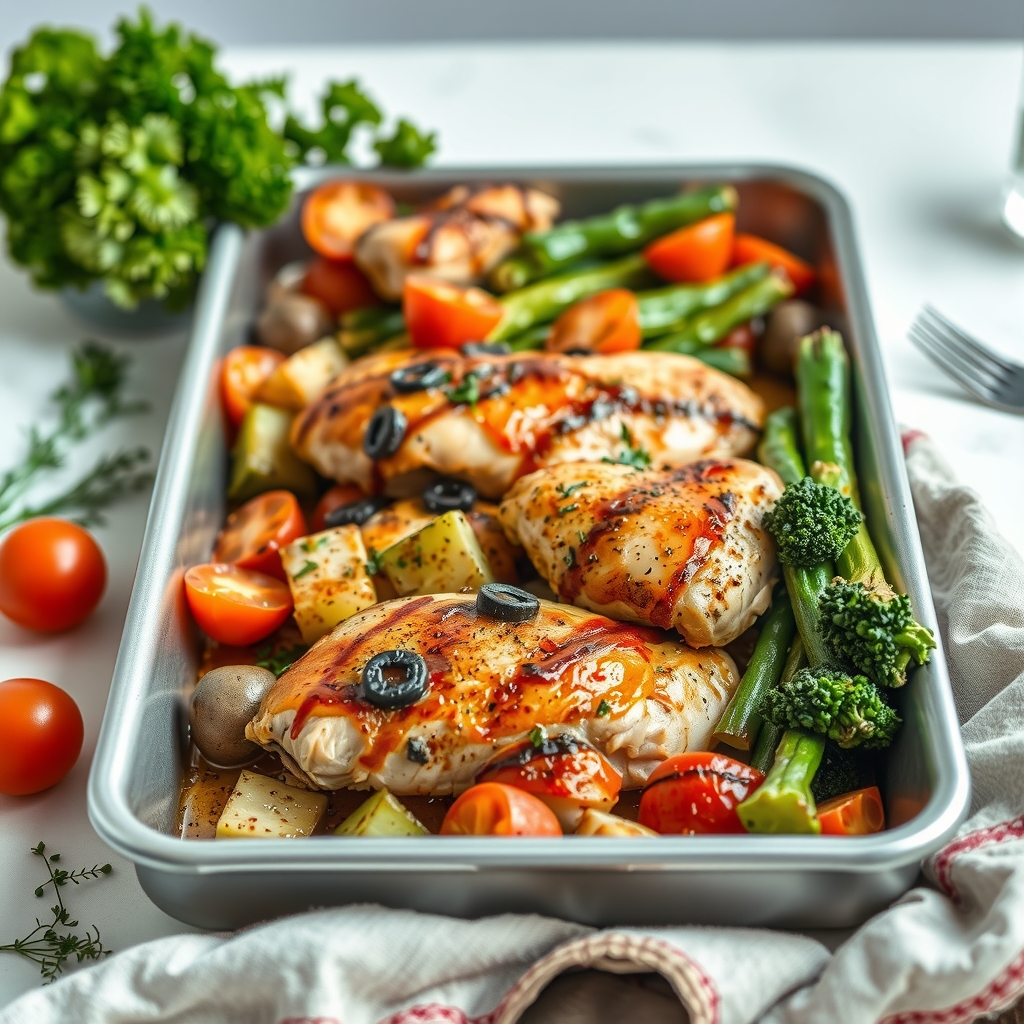
**Easy Beginner Recipe: Sheet-Pan Chicken and Veggies**
- Preheat oven to 400°F (200°C). Line a sheet pan with parchment paper.
- Place 2 chicken breasts (cut into strips) on the pan. Drizzle with 1 tbsp olive oil, 1 minced garlic clove, salt, and pepper.
- Add 1 cup chopped broccoli, 1 cup sliced bell peppers, and ½ cup diced zucchini.
- Roast for 20–25 minutes until chicken is cooked through.
- Serve with ½ cup cooked quinoa or a simple side salad.
Why it’s perfect for beginners: One pan, minimal cleanup; balanced with protein, veggies, and carbs. Prep time: 10 minutes.
--- ## **Brain Healthy Dinner Recipes with Quinoa**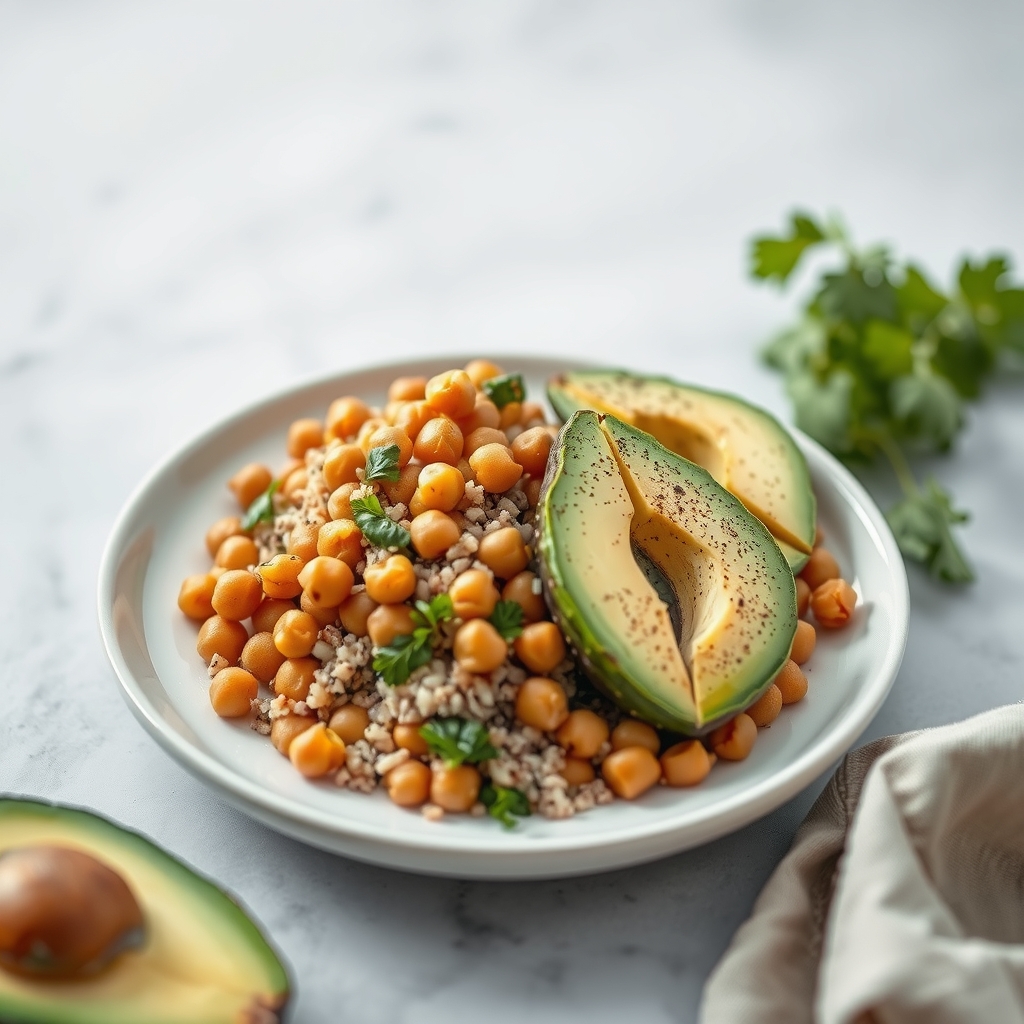
Quinoa is a complete protein (all 9 essential amino acids) and packed with magnesium, iron, and fiber—perfect for brain health. Plus, it’s versatile and cooks in just 15 minutes.
**How to use quinoa for brain-boosting meals:
- Breakfast: Quinoa overnight oats with chia seeds and berries.
- Lunch: Quinoa salad with roasted veggies and feta.
- Dinner: Quinoa bowls with grilled chicken or tofu.
- Snacks: Quinoa crackers with hummus.
**Easy Quinoa Recipe: Mediterranean Quinoa Bowl**
- Cook 1 cup quinoa in 2 cups water or broth until fluffy (about 15 minutes). Fluff with a fork.
- Top with ½ cup chickpeas (roasted with olive oil, salt, and cumin), ¼ avocado (sliced), ¼ cup cherry tomatoes, and 1 tbsp crumbled feta.
- Drizzle with 1 tbsp olive oil and lemon juice. Sprinkle with fresh parsley.
Nutrition highlights: Quinoa provides protein and fiber; chickpeas offer iron; avocado delivers healthy fats. Prep time: 10 minutes.
--- ## **Brain Healthy Diet Dinner Recipes for Athletes**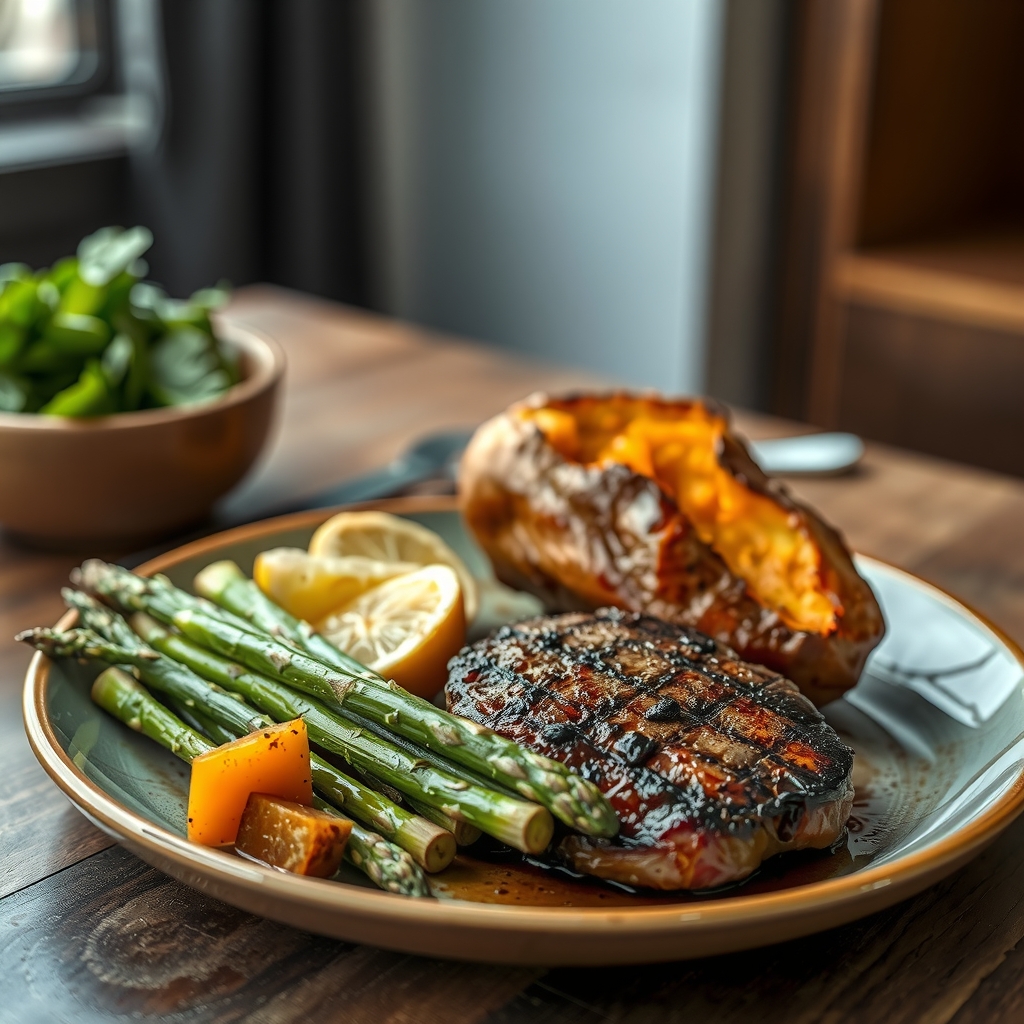
Athletes need both physical and cognitive fuel. A brain-healthy diet supports recovery, focus, and mental resilience—especially after intense workouts.
**Top brain-boosting foods for athletes:
- Lean proteins (chicken, turkey, fish): Repair muscles and support neurotransmitters.
- Complex carbs (sweet potatoes, quinoa): Replenish glycogen stores.
- Healthy fats (avocado, nuts, olive oil): Reduce inflammation and support brain function.
- Antioxidant-rich foods (berries, dark leafy greens): Combat exercise-induced oxidative stress.
**Easy Athlete Recipe: Grilled Steak with Sweet Potato Mash and Asparagus**
- Grill or pan-sear 6 oz sirloin steak (seasoned with salt, pepper, and rosemary) for 4–5 minutes per side.
- Boil 1 medium sweet potato (peeled and cubed) until tender (15 minutes). Mash with 1 tbsp olive oil and a pinch of cinnamon.
- Roast 1 bunch asparagus (trimmed) with 1 tbsp olive oil, salt, and pepper at 400°F (200°C) for 12 minutes.
- Serve steak with sweet potato mash and asparagus. Drizzle with a balsamic glaze.
Why it works: Steak provides iron and protein; sweet potatoes offer complex carbs; asparagus delivers folate. Post-workout recovery powerhouse.
--- ## **Brain Healthy Diet Dinner Recipes Low Carb**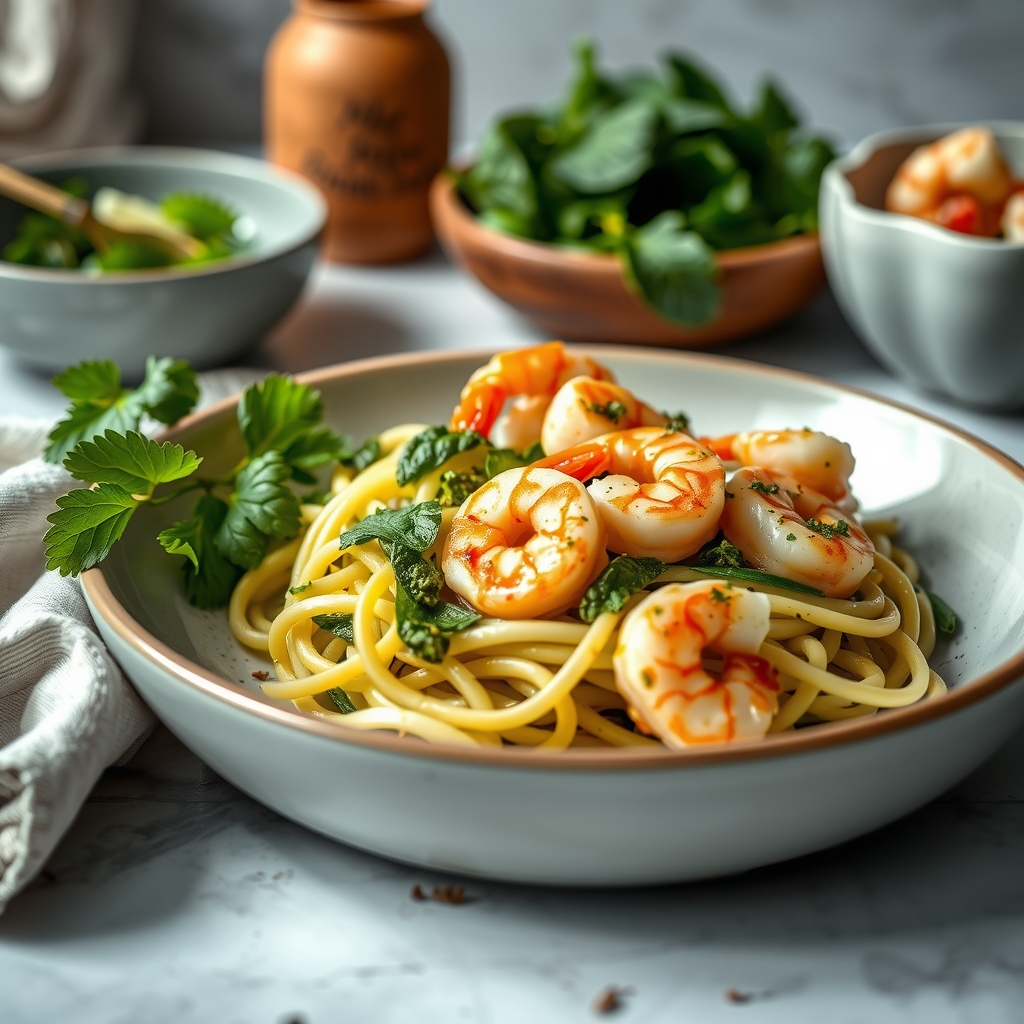
Low-carb diets can be great for brain health if done right—focus on healthy fats, protein, and fiber to avoid energy crashes. The key is avoiding processed low-carb foods (which often lack nutrients).
**Low-carb brain-healthy swaps:
- Replace pasta with zucchini noodles or shirataki noodles.
- Use cauliflower rice instead of white rice.
- Opt for fatty fish over chicken (more omega-3s).
- Add avocado or olive oil for healthy fats.
**Easy Low-Carb Recipe: Zucchini Noodles with Pesto and Shrimp**
- Spiralize 2 medium zucchinis into noodles. Toss with 1 tbsp olive oil and salt. Sauté in a pan for 2–3 minutes.
- Cook 6 oz shrimp in the same pan for 2–3 minutes per side.
- Make a quick pesto: Blend 1 cup fresh basil, 2 tbsp pine nuts, 2 garlic cloves, ½ cup olive oil, and ¼ cup grated Parmesan (or nutritional yeast).
- Toss zucchini noodles and shrimp with pesto. Garnish with cherry tomatoes.
Nutrition per serving: 300 calories, 25g protein, 12g carbs (net 8g), 18g healthy fats. Prep time: 10 minutes.
--- ## **Brain Healthy Dinner Recipes with Blueberries**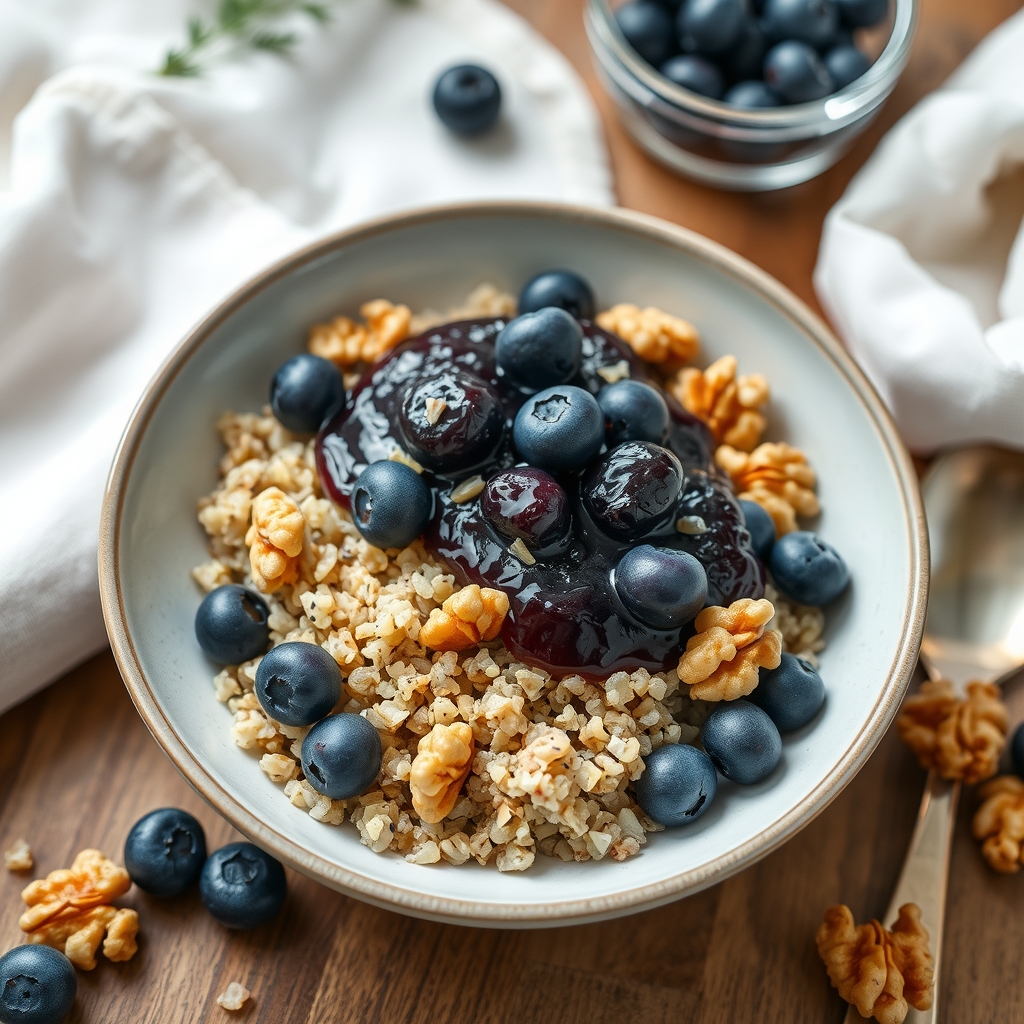
Blueberries are one of the best foods for brain health. They’re packed with anthocyanins (antioxidants that improve memory and reduce inflammation) and are low in sugar compared to other fruits.
**Ways to add blueberries to dinner:
- Top quinoa or rice bowls with blueberries.
- Mix into sauces (e.g., balsamic reduction with blueberries).
- Add to salads with goat cheese and walnuts.
- Bake into savory dishes (e.g., with chicken or fish).
**Easy Blueberry Recipe: Quinoa with Blueberry-Walnut Compote**
- Cook 1 cup quinoa in 2 cups water until fluffy.
- In a saucepan, sim


