The foods that support brain health during pregnancy are the same ones that fuel *your* brain and body: nutrient-dense, anti-inflammatory, and rich in key nutrients like omega-3s, choline, and B vitamins. Think of it as a "brain-building buffet" for two.
**Key nutrients for brain health during pregnancy** (and where to find them):
- Omega-3 fatty acids (DHA/EPA): Critical for fetal brain and eye development. Found in fatty fish (salmon, sardines), flaxseeds, chia seeds, and walnuts.
- Choline: Supports brain cell formation. Eggs, liver, and leafy greens are top sources.
- B vitamins (especially B12 and folate): Prevent neural tube defects and support energy. Dark leafy greens, lentils, and fortified cereals help.
- Iron: Oxygenates the brain and prevents fatigue. Lean meats, spinach, and dried apricots are great choices.
- Probiotics: Gut-brain connection matters! Yogurt, kefir, and sauerkraut support mental health.
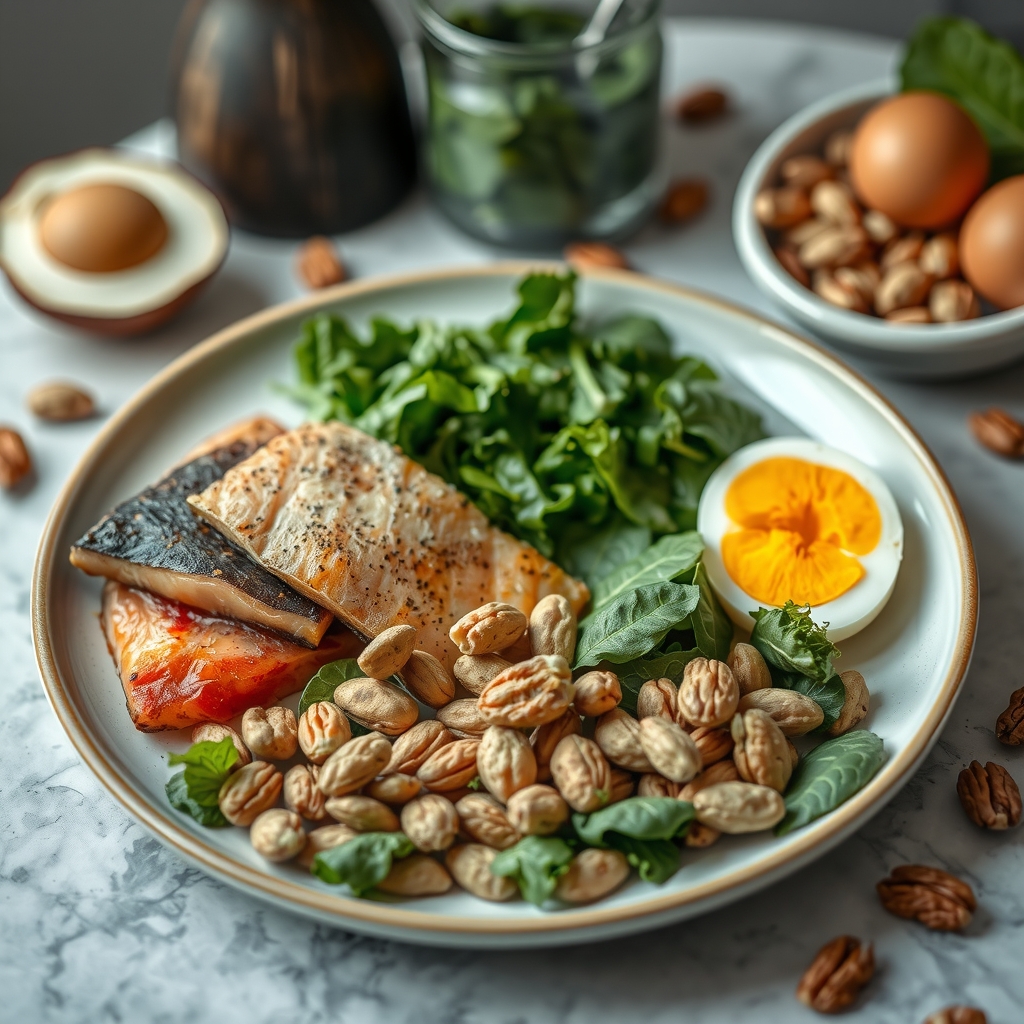
**What to eat daily:**
- 2–3 servings of fatty fish (wild-caught salmon, sardines, or anchovies) per week—*but limit to 8–12 oz total per week* to avoid mercury.
- 2 servings of leafy greens (spinach, kale) for folate and iron.
- 1–2 servings of eggs, nuts, or seeds (chia, flax, walnuts) for choline and omega-3s.
- Probiotics daily: yogurt, kefir, or fermented veggies.
**Avoid or limit:**
- High-mercury fish (shark, king mackerel, swordfish).
- Excessive caffeine (>200mg/day) or alcohol.
- Processed foods high in trans fats.
Representative story: "I was terrified I’d mess up my baby’s brain by eating wrong," says Sarah, a mom of two. "But after my OB recommended swapping my usual chicken nuggets for baked salmon and adding a handful of walnuts to my yogurt, I noticed I felt more energized—and less anxious. My provider even said my DHA levels were in the ideal range for fetal development."
**Pro tip:** Pair omega-3s with vitamin E (from nuts/seeds) to boost absorption. For example, sprinkle chia seeds on your morning smoothie with almond butter.
---
Brain healthy diet side effects for pregnant women
Most women tolerate a brain-healthy diet well, but side effects *can* happen—especially if you’re not used to high-fiber or omega-3-rich foods. Here’s what to watch for:
Common side effects (usually mild):
- Digestive changes: More fiber (from leafy greens, seeds) can cause bloating or gas. Start slow—add a tablespoon of flaxseed to your oatmeal instead of dumping a whole cup of chia overnight.
- Omega-3 burps or fishy aftertaste: Too much fish or fish oil can cause a "fishy burp" (thanks, trimethylamine). Reduce portion sizes or try algae-based DHA supplements instead.
- Blood sugar fluctuations: If you have gestational diabetes, high-fiber or high-protein meals may spike your blood sugar more than usual. Monitor your levels and adjust carbs accordingly.
Rare but serious risks:
- Excessive vitamin A: Liver and supplements with retinol (not beta-carotene) can cause birth defects if taken in high doses. Stick to the recommended 3,000 IU/day.
- Allergic reactions: Nuts, fish, and eggs are common allergens. If you’re new to these foods, introduce them one at a time and watch for hives, swelling, or digestive upset.
- Interactions with prenatal vitamins: Some supplements (like iron or calcium) may reduce omega-3 absorption if taken at the same time. Space them out by 2–3 hours.
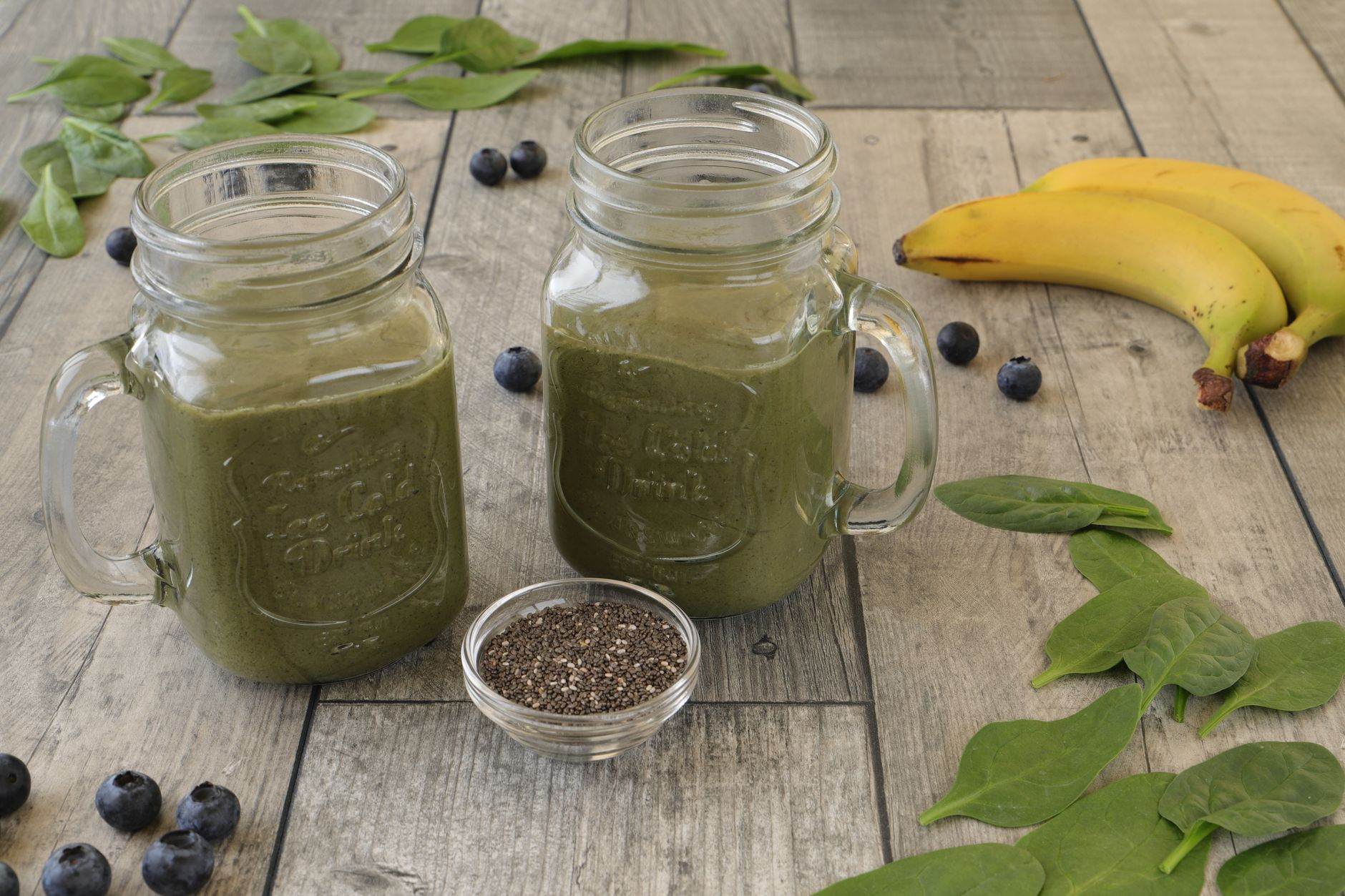
How to manage side effects:
- Start slow: Add one new food per week (e.g., a serving of salmon on Monday, walnuts on Wednesday).
- Hydrate well: Water helps with digestion and nutrient absorption.
- Talk to your provider: If you experience persistent nausea, constipation, or blood sugar swings, ask if your diet needs adjustments.
Myth: "A brain-healthy diet will give my baby perfect IQ."
Fact: While nutrition supports brain development, genetics, environment, and prenatal care also play huge roles. Focus on *consistent* nutrient intake rather than perfection.
---
How does omega-3 affect fetal brain development?
Omega-3s—especially DHA (docosahexaenoic acid)—are the building blocks of a baby’s brain and eyes. Think of them as the "glue" that helps neurons (brain cells) connect. Studies show that higher maternal DHA levels during pregnancy are linked to:
- Better cognitive function in childhood (memory, attention, problem-solving).
- Reduced risk of preterm birth and low birth weight.
- Improved visual acuity in infants.
Recommended daily intake:
How omega-3s work in the body:
DHA crosses the placenta easily and becomes a major component of a baby’s brain tissue. EPA, another omega-3, helps reduce inflammation, which may lower the risk of pregnancy complications like preeclampsia.
What if I don’t eat fish? Algae-based DHA supplements are a great alternative. The Office of Dietary Supplements (ODS) notes that algae oil is as effective as fish oil for providing DHA without mercury concerns.
Representative story: "I’m vegetarian, so I was worried about DHA," says Priya. "My doctor recommended an algae supplement, and I also ate tofu and spinach daily. My baby’s ultrasound showed no developmental delays, and I felt more mentally clear than I did in my first pregnancy."
**Pro tip:** Pair omega-3s with vitamin E (from nuts/seeds) to boost absorption. For example, sprinkle chia seeds on your morning smoothie with almond butter.
---
Brain healthy diet benefits for postpartum recovery
Eating for brain health during pregnancy isn’t just about your baby—it also sets you up for a smoother postpartum recovery. Here’s how:
Key benefits:
- Reduced postpartum depression risk: Omega-3s and probiotics support serotonin and dopamine production, which may lower mood swings and anxiety. A 2022 study in *JAMA Psychiatry* found that women who consumed high omega-3 diets postpartum had a 30% lower risk of depression.
- Faster energy recovery: Iron and B vitamins combat fatigue, while protein supports muscle repair from labor.
- Better breastfeeding support: Choline and omega-3s improve milk quality and may enhance baby’s cognitive development *after* birth.
- Hormonal balance: Magnesium (from leafy greens and nuts) helps regulate cortisol, easing stress and sleep disturbances.
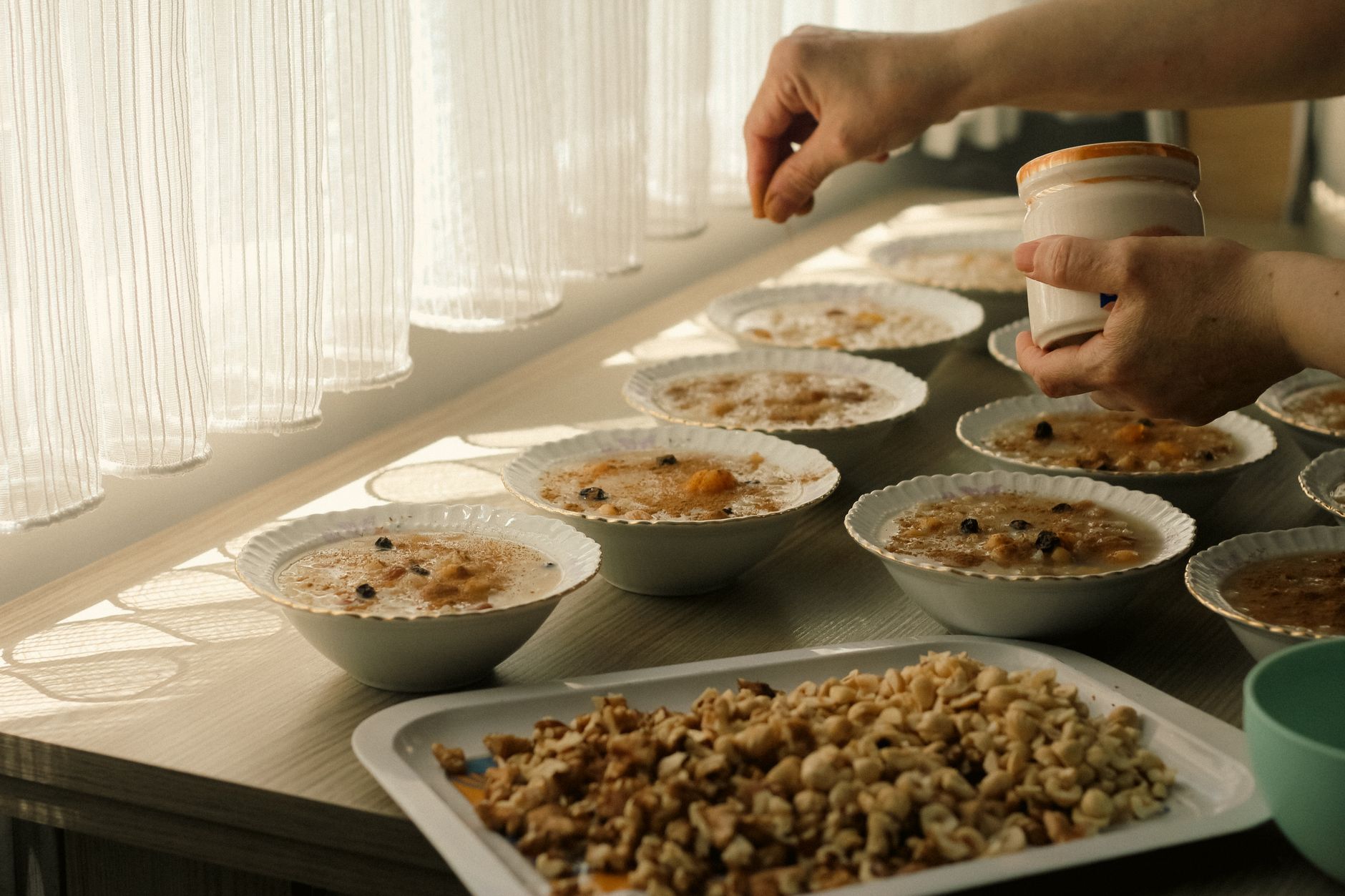
Postpartum meal plan tips:
- Prioritize protein: Greek yogurt, eggs, or lentils help with muscle repair and satiety.
- Hydrate: Dehydration worsens fatigue. Aim for 10–12 cups of water daily.
- Include healthy fats: Avocado, nuts, and olive oil support hormone production.
- Don’t skip meals: Low blood sugar worsens mood swings. Keep snacks like hummus and veggies handy.
Myth: "I don’t need to worry about my diet after birth—just feed the baby."
Fact: Your body is still recovering. A brain-healthy diet helps you heal faster, think clearer, and even bond more deeply with your baby. Plus, breastfeeding moms need an extra 300–500 calories daily—most come from nutrient-dense foods, not junk.
---
Brain healthy diet for gestational diabetes
If you’ve been diagnosed with gestational diabetes, a brain-healthy diet can *also* help manage blood sugar—while still supporting your baby’s development. The key is balancing nutrients to avoid spikes and crashes.
Gestational diabetes-friendly brain foods:
- Low-glycemic omega-3s: Flaxseeds, chia seeds, and walnuts (instead of high-mercury fish if you’re sensitive to carbs).
- Protein + fiber combos: Hard-boiled eggs with avocado, or hummus with veggie sticks. This slows sugar absorption.
- Magnesium-rich foods: Spinach, pumpkin seeds, and black beans help insulin sensitivity.
- Berries: Blueberries and raspberries have a low glycemic index and are rich in antioxidants.
Avoid:
- Refined carbs (white bread, pastries).
- Sugary snacks (granola bars, fruit juices).
- Excessive saturated fats (fried foods, fatty cuts of meat).
Sample meal plan for gestational diabetes + brain health:
Pro tip: Pair carbs with protein/fat to slow digestion. For example, add almond butter to your apple slices instead of eating them alone.
**When to check in with your provider:** If your blood sugar remains high despite dietary changes, your doctor may recommend insulin or further adjustments. The American College of Obstetricians and Gynecologists (ACOG) emphasizes that gestational diabetes is manageable with diet, exercise, and monitoring.
---
Brain healthy diet and fetal cognitive outcomes
Research shows that what you eat during pregnancy *can* influence your baby’s long-term cognitive and emotional development. Here’s what the science says:
Key findings from studies:
- Higher DHA intake = better school performance: A 2021 study in *Pediatrics* found that children whose mothers consumed more DHA during pregnancy scored higher on IQ tests at age 6.
- Choline-rich diets = fewer ADHD symptoms: A 2020 *Journal of Nutrition* study linked prenatal choline intake to reduced hyperactivity in children.
- Anti-inflammatory diets = lower autism risk: The Journal of the American Medical Association (JAMA) reported that mothers who ate Mediterranean-style diets (rich in omega-3s and antioxidants) had a 40% lower risk of autism spectrum traits in their children.
- Gut-brain connection: Probiotics during pregnancy may reduce colic and eczema in babies, suggesting a link to long-term immune and mental health.
What this means for you: While no diet guarantees a "smart" baby, a nutrient-dense approach gives your child the best possible start. Think of it as "insurance" for their future brain flexibility and resilience.
Representative story: "My OB told me to eat for my brain *and* my baby’s brain," says Emily. "I swapped my usual cereal for oatmeal with flaxseeds and berries. Now my 8-year-old is reading at grade level—and I feel like I’m still thinking clearly at 35!"
Myth: "If I eat brain foods, my baby will be a genius."
Fact: Nutrition is one piece of the puzzle. Genetics, early childhood stimulation, and environment all play roles. But a brain-healthy diet *does* set the foundation for optimal development.
---
Brain healthy diet for pregnancy complications
Certain pregnancy complications—like preeclampsia, preterm labor, or recurrent miscarriage—may be influenced (or improved) by diet. Here’s how a brain-healthy approach can help:
Preeclampsia:
- Omega-3s (especially DHA) may reduce the risk by lowering inflammation. A 2023 *British Journal of Nutrition* review found that women who consumed 200+ mg DHA daily had a 30% lower risk.
- Avoid excess sodium and processed foods, which can worsen blood pressure.
Preterm labor:
- Magnesium-rich foods (leafy greens, nuts) and probiotics may help regulate contractions.
- Limit caffeine (>200mg/day) and alcohol, which are linked to preterm birth.
Recurrent miscarriage:
- Folate (from leafy greens, fortified grains) and iron (from red meat, lentils) support placental health.
- Anti-inflammatory foods (berries, fatty fish) may reduce oxidative stress.
What to do if you have a complication:
- Track your diet in an app like Cronometer to spot gaps.
- Ask your provider about supplementing with DHA or folate if needed.
- Monitor symptoms closely—diet is supportive, but complications often require medical management.
Example: If you’re at risk for preeclampsia, your provider might recommend:
- 3 servings of fatty fish per week.
- 2 cups of leafy greens daily.
- Avoid processed snacks and excess salt.
When to see a specialist: If you develop symptoms like severe headaches, swelling, or sudden weight gain, contact your provider immediately. These can signal preeclampsia, which requires urgent care.
---
Practical 7-day brain-healthy pregnancy meal plan
Here’s a simple, science-backed plan to get you started. Adjust portions based on your appetite and energy levels.
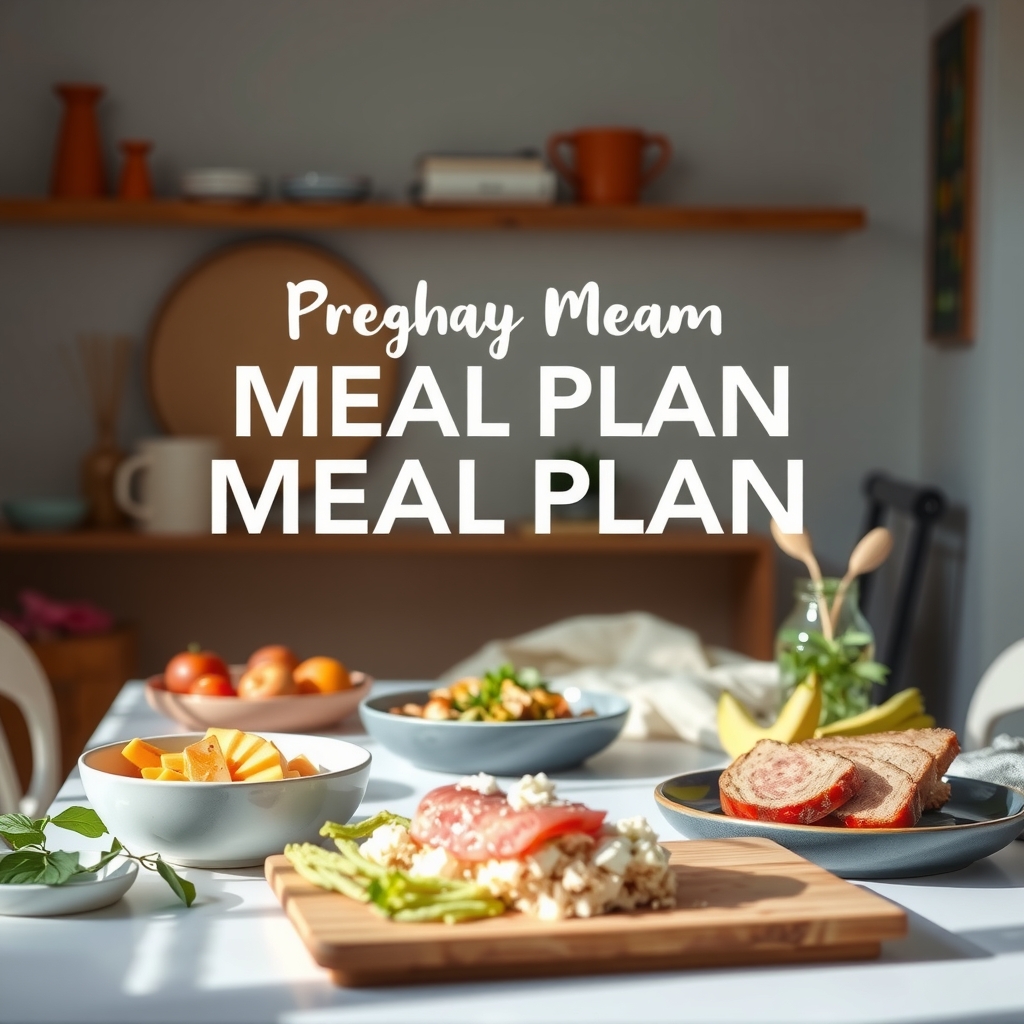
Foods to enjoy:
- Fatty fish (salmon, sardines, mackerel)
- Leafy greens (spinach, kale, arugula)
- Nuts and seeds (walnuts, chia, flax, pumpkin)
- Eggs and legumes (lentils, chickpeas)
- Berries and citrus fruits
Foods to limit:
- High-mercury fish (shark, king mackerel)
- Processed meats (sausages, deli meats)
- Refined sugars and white flour
- Excessive caffeine (>200mg/day)
Common mistakes to avoid:
- Skipping meals to "save calories."
- Relying on supplements instead of whole foods.
- Ignoring cravings—unless they’re for junk food daily.
- Not drinking enough water (aim for 10–12 cups daily).
---
Brain healthy diet and maternal mental health
Pregnancy and postpartum mood disorders affect 1 in 7 women, but diet can play a protective role. Here’s how a brain-healthy approach supports your mental well-being:
Nutrients that boost mood:
- Omega-3s: Reduce symptoms of depression and anxiety. A 2022 *Psychiatric Research* study found that women who consumed 1,000 mg DHA daily had a 20% lower risk of postpartum depression.
- Probiotics: Gut bacteria produce 90% of serotonin. Yogurt and kefir may ease anxiety.
- Magnesium: Calms the nervous system. Dark chocolate (85%+) and nuts are great sources.
- Vitamin D: Low levels are linked to depression. Sunlight + fatty fish help.
How to build a mood-supportive diet:
- Prioritize protein at every meal (eggs, fish, beans).
- Include fermented foods daily (sauerkraut, kimchi, yogurt).
- Limit processed foods and added sugars, which worsen mood swings.
- Stay hydrated—dehydration worsens irritability.
Representative story: "I was so anxious during my second pregnancy that I couldn’t sleep," says Lisa. "My therapist recommended adding salmon and dark chocolate to my diet. Within a few weeks, my mood stabilized—and my baby’s ultrasound showed no developmental delays."
Myth: "If I’m depressed, I need medication—diet won’t help."
Fact: Diet is a first-line defense. The National Alliance on Mental Illness (NAMI) notes that anti-inflammatory diets can reduce depression symptoms by 20–30% in some women. But if symptoms persist, *always* consult your provider.
---
Myths vs. facts about brain-healthy diets during pregnancy
Let’s clear up the confusion:
Myth: "I need to eat for two—double my portions."
Fact: You only need an extra 300–500 calories daily. Focus on *nutrient density*, not quantity. A brain-healthy diet is naturally calorie-dense due to healthy fats and protein.
Myth: "Supplements are better than whole foods."
Fact: Whole foods provide a broader spectrum of nutrients and fiber. For example, a single serving of salmon gives you DHA *plus* vitamin D, selenium, and protein—something a supplement can’t replicate.
Myth: "I can’t eat sushi—it’s too risky."
Fact: You *can* eat sushi—*sparingly*. Opt for sashimi-grade fish (like salmon or tuna) and avoid raw shellfish. The FDA recommends limiting raw fish to 1–2 servings per week during pregnancy.
Myth: "A brain-healthy diet will give my baby perfect grades."
Fact: While nutrition supports brain development, genetics, early childhood experiences, and environment all play roles. But a nutrient-rich diet *does* give your baby the best possible start.
---
Key takeaways
- Omega-3s (DHA/EPA) are non-negotiable: Aim for 200–300 mg DHA daily from fish, seeds, or algae supplements.
- Choline and B vitamins matter: Eggs, leafy greens, and fortified foods support fetal brain development.
- Probiotics protect your gut-brain axis: Yogurt, kefir, and fermented veggies ease anxiety and improve digestion.
- Balance is key: Avoid extreme diets or food restrictions—consistency matters more than perfection.
- Monitor side effects: Digestive changes or blood sugar swings are normal, but persistent symptoms warrant a check-in with your provider.
- Your mental health matters too: A brain-healthy diet supports *your* mood and energy, not just your baby’s.
---
Frequently asked questions
What are the benefits of a brain-healthy diet during pregnancy?
A brain-healthy diet supports fetal brain development, reduces pregnancy complications like preeclampsia, and may ease postpartum mood swings. Key benefits include:
- Better cognitive outcomes in childhood (memory, attention, problem-solving).
- Reduced risk of preterm birth and low birth weight.
- Improved visual acuity in infants.
- Lower risk of postpartum depression.
Studies, like those from the JAMA, link omega-3-rich diets to long-term cognitive benefits in children.
Are there any side effects of a brain-healthy diet for pregnant women?
Most women tolerate a brain-healthy diet well, but side effects *can* include:
- Mild digestive changes (bloating, gas) from increased fiber.
- Fishy burps or aftertaste from excess omega-3s.
- Blood sugar fluctuations if you have gestational diabetes.
If you experience persistent nausea, constipation, or blood sugar swings, consult your provider. For example, if you’re sensitive to carbs, pair them with protein/fat to slow digestion.
Which foods are best for fetal brain development?
The top foods for fetal brain development are:
- Fatty fish: Salmon, sardines, and mackerel (rich in DHA).
- Eggs: High in choline, which supports brain cell formation.
- Leafy greens: Spinach and kale provide folate and iron.
- Nuts and seeds: Walnuts, chia, and flaxseeds offer omega-3s and magnesium.
- Berries: Blueberries and raspberries are antioxidant-rich.
For a vegetarian approach, prioritize algae-based DHA supplements and fortified foods like nutritional yeast.
Can a brain-healthy diet help with gestational diabetes?
Absolutely. A brain-healthy diet for gestational diabetes focuses on:
- Low-glycemic omega-3s (flaxseeds, walnuts).
- Protein + fiber combos (eggs with avocado, hummus with veggies).
- Magnesium-rich foods (spinach, pumpkin seeds).
- Avoiding refined carbs and sugary snacks.
The ACOG emphasizes that diet is the first line of defense for managing gestational diabetes, often preventing the need for insulin.
How much omega-3 should




