

Quick take: The Blue Zones Diet is packed with pregnancy-friendly meals that support fetal brain development, reduce morning sickness, and boost energy—without the processed ingredients or extreme restrictions of other diets. These easy dinner recipes take 30 minutes or less, use affordable ingredients, and can be adapted for gestational diabetes, food aversions, or breastfeeding needs. Think hearty lentil stews, grilled fish with seasonal veggies, and plant-based bowls with healthy fats—all designed to nourish both you and your baby.Blue Zones Diet Dinner Recipes Easy: The Complete 2026 Guide
There’s nothing like the first time you realize your morning sickness has you reaching for crackers at 3 a.m. or your energy levels are so low you can barely muster up the will to boil water for pasta. When you’re pregnant, every meal feels like a test—will it settle your stomach? Will it give you the energy to make it through the day? Will it actually nourish your growing baby? That’s where the Blue Zones Diet comes in. Inspired by the longevity secrets of the world’s longest-lived populations, this way of eating prioritizes whole foods, plant-heavy meals, and ingredients that support long-term health. And guess what? It’s also *perfect* for pregnancy.
I remember my first trimester when I Googled “easy dinner recipes for pregnancy fatigue” at 2 a.m., only to find recipes that either took forever or required ingredients I couldn’t pronounce. I wanted something that would give me energy, reduce bloating, and—most importantly—taste good. That’s when I discovered the Blue Zones Diet. It’s not about deprivation; it’s about nourishment. And luckily, it’s packed with meals that are gentle on your stomach, easy to prepare, and designed to support both you and your baby. Whether you’re craving something hearty to combat pregnancy fatigue, a meal that helps with morning sickness, or a breastfeeding-friendly dinner, this guide has you covered.
Below, you’ll find easy Blue Zones-inspired dinner recipes tailored to every stage of pregnancy—from the first trimester’s nausea to the third trimester’s cravings. We’ll also cover how to adapt these meals for gestational diabetes, food aversions, and even postpartum recovery. Because let’s be real: pregnancy isn’t just about the nine months. It’s about the whole journey—from trying to conceive to breastfeeding and beyond.
Before we dive in, a quick note: While the Blue Zones Diet is generally safe and beneficial during pregnancy, it’s always best to check with your healthcare provider before making major dietary changes—especially if you have a history of miscarriage, infertility, or pre-existing conditions like high blood pressure. This guide is designed to be a helpful resource, not a substitute for personalized medical advice.
--- ## **Easiest Blue Zones Diet Dinner Recipes for Busy Moms Under 30 Minutes**You’re exhausted. Your to-do list is a mile long. And somehow, dinner is still on it. Sound familiar? The beauty of the Blue Zones Diet is that its core principles—whole grains, legumes, vegetables, and healthy fats—lent themselves perfectly to quick, no-fuss meals. Here are three of our favorite recipes that take 30 minutes or less, even on the busiest of nights.
1. 15-Minute Lentil and Spinach Stew
This recipe is a game-changer for pregnancy fatigue. Lentils are packed with iron (which helps combat anemia, a common pregnancy issue), and spinach is rich in folate—essential for fetal brain development. Plus, it’s so easy to make that even on days when you’re too tired to think, you can still feed yourself and your baby well.
Ingredients:
- 1 cup dried lentils (rinsed)
- 1 can (14 oz) diced tomatoes
- 2 cups fresh spinach
- 1 onion, diced
- 2 cloves garlic, minced
- 2 cups vegetable broth
- 1 tsp cumin
- 1 tsp smoked paprika
- Salt and pepper to taste
- 1 tbsp olive oil
Instructions:
- In a pot, heat olive oil over medium heat. Add onion and garlic, sautéing until soft (about 3 minutes).
- Add lentils, diced tomatoes, vegetable broth, cumin, and smoked paprika. Bring to a boil, then reduce heat and simmer for 20 minutes.
- Stir in spinach until wilted (about 2 minutes). Season with salt and pepper.
- Serve hot with a sprinkle of fresh parsley or a side of whole-grain bread.
Why it works for pregnancy: Lentils are high in protein and fiber, which help stabilize blood sugar and keep energy levels steady. Spinach is also rich in vitamin K, which supports bone health—important for both you and your baby. And because it’s so easy to make, you can prep it in bulk and reheat it throughout the week.
2. 20-Minute Grilled Salmon with Roasted Vegetables
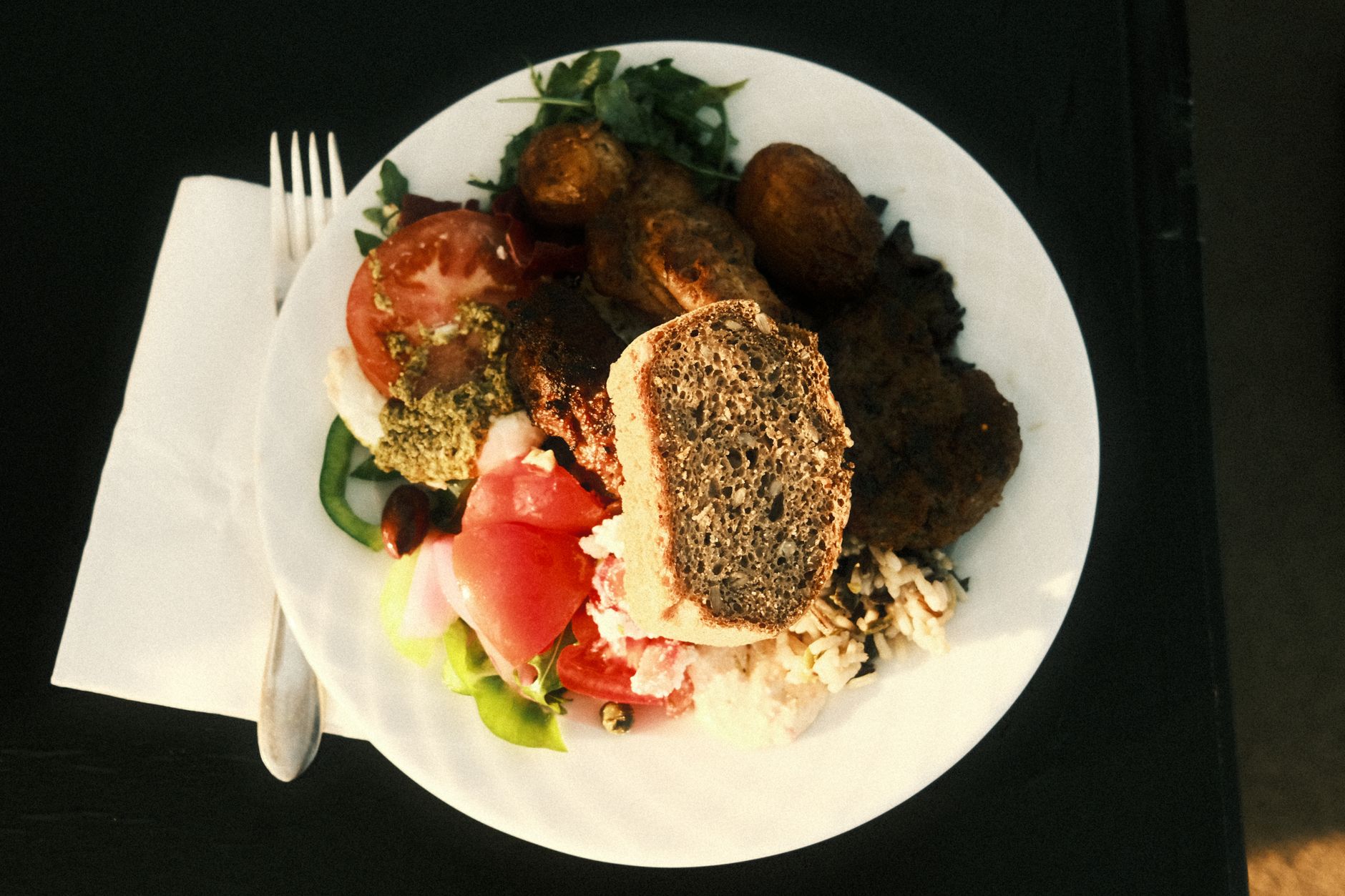
Salmon is one of the best sources of omega-3 fatty acids, which are crucial for fetal brain development. This recipe is simple, flavorful, and takes less than 20 minutes from start to finish. Plus, it’s a great way to incorporate healthy fats into your diet without feeling like you’re “dieting.”
Ingredients:
- 2 salmon fillets (6 oz each)
- 1 red bell pepper, sliced
- 1 zucchini, sliced
- 1 cup cherry tomatoes
- 2 tbsp olive oil
- 1 tsp dried oregano
- 1 tsp garlic powder
- Salt and pepper to taste
- Lemon wedges (for serving)
Instructions:
- Preheat your oven to 400°F (200°C). Line a baking sheet with parchment paper.
- Toss bell pepper, zucchini, and cherry tomatoes with 1 tbsp olive oil, oregano, garlic powder, salt, and pepper. Spread on the baking sheet.
- Place salmon fillets on the baking sheet. Drizzle with remaining olive oil and season with salt and pepper.
- Roast for 12–15 minutes, until the salmon flakes easily and the vegetables are tender.
- Serve with lemon wedges.
Why it works for pregnancy: Omega-3s from salmon support brain development in your baby, while the vegetables provide fiber and vitamins to keep your digestive system running smoothly. This meal is also rich in vitamin D, which is important for both maternal and fetal bone health. If you’re feeling nauseous, skip the lemon until later in the meal.
3. 10-Minute Chickpea and Avocado Salad
This salad is a lifesaver for days when you’re too tired to cook but still need a nourishing meal. Chickpeas are high in protein and fiber, while avocado provides healthy fats. It’s also a great option if you’re dealing with food aversions—you can customize the flavors to your liking.
Ingredients:
- 1 can (15 oz) chickpeas, drained and rinsed
- 1 ripe avocado, diced
- 1 cucumber, diced
- 1/4 cup red onion, finely chopped
- 1/4 cup fresh parsley, chopped
- 2 tbsp olive oil
- 1 tbsp lemon juice
- 1 tsp cumin
- Salt and pepper to taste
Instructions:
- In a large bowl, combine chickpeas, avocado, cucumber, red onion, and parsley.
- In a small bowl, whisk together olive oil, lemon juice, cumin, salt, and pepper. Pour over the salad.
- Gently toss and serve immediately.
Why it works for pregnancy: This salad is packed with folate (from chickpeas), healthy fats (from avocado), and hydration (from cucumber). It’s also easy to digest, which is great if you’re dealing with morning sickness or indigestion. Plus, it’s portable—perfect for days when you’re too tired to sit down to eat.
--- ## **Blue Zones Diet Dinner Meals That Help with Pregnancy Cravings and Morning Sickness**Pregnancy cravings can feel like a full-time job. One day you’re craving spicy food, the next you’re reaching for something sweet or salty. The Blue Zones Diet isn’t about restricting cravings—it’s about finding balanced, nutrient-dense ways to satisfy them. Here’s how to turn your cravings into meals that actually support your health.
One reader, Sarah, shared with us how she used to crave pickles and chips during her first trimester. Instead of giving in to the processed snacks, she started making her own pickled vegetables at home—using cucumbers, carrots, and beets with apple cider vinegar, garlic, and a touch of salt. “It was like a craving cure,” she said. “I felt better, and I knew I was getting real nutrients instead of empty calories.”
Here are three Blue Zones-inspired meals that can help curb cravings while keeping you nourished:
1. Sweet Potato and Black Bean Tacos
If you’re craving something hearty and a little sweet, these tacos are a game-changer. Sweet potatoes are rich in fiber and vitamin A, while black beans provide plant-based protein and iron. Plus, they’re easy to customize with toppings like avocado, salsa, or a sprinkle of cheese if you’re in the mood for something extra.
Ingredients:
- 2 sweet potatoes, peeled and diced
- 1 can (15 oz) black beans, drained and rinsed
- 1 tbsp olive oil
- 1 tsp cumin
- 1 tsp smoked paprika
- Corn tortillas
- Toppings: avocado, salsa, fresh cilantro, lime
Instructions:
- Preheat your oven to 400°F (200°C). Toss sweet potatoes with olive oil, cumin, and smoked paprika. Spread on a baking sheet and roast for 20 minutes.
- In a skillet, heat black beans over medium heat until warmed through (about 5 minutes).
- Warm tortillas in a dry skillet or microwave.
- Assemble tacos with sweet potatoes, black beans, and your favorite toppings.
Why it works for cravings: Sweet potatoes satisfy your sweet tooth while providing complex carbohydrates for steady energy. Black beans add protein to keep you full, and the toppings let you customize the meal to your cravings—whether you want something spicy, creamy, or fresh.
2. Coconut Milk and Mango Smoothie Bowl
If you’re craving something sweet, this smoothie bowl is a dream. It’s like dessert, but with real nutrients. Mango is rich in vitamin C, while coconut milk provides healthy fats and a creamy texture. Plus, it’s so easy to make that you can have it ready in 5 minutes.
Ingredients:
- 1 frozen banana
- 1 cup frozen mango
- 1/2 cup coconut milk (full-fat for creaminess)
- 1 tbsp chia seeds
- 1 tbsp almond butter
- Toppings: sliced almonds, shredded coconut, fresh berries
Instructions:
- Blend banana, mango, coconut milk, chia seeds, and almond butter until smooth.
- Pour into a bowl and top with sliced almonds, shredded coconut, and fresh berries.
- Enjoy immediately!
Why it works for cravings: This smoothie bowl is like a tropical vacation in a bowl—sweet, creamy, and satisfying. The chia seeds add fiber and omega-3s, while the almond butter provides healthy fats. It’s the perfect way to satisfy a sweet craving without derailing your nutrition.
3. Spicy Tomato and White Bean Soup
If you’re craving something spicy or salty, this soup is a lifesaver. It’s packed with flavor but gentle on your stomach, thanks to the white beans and tomatoes. Plus, it’s so easy to make that you can have it ready in under 30 minutes.
Ingredients:
- 1 can (15 oz) white beans, drained and rinsed
- 1 can (14 oz) diced tomatoes
- 1 onion, diced
- 2 cloves garlic, minced
- 1 tsp smoked paprika
- 1/2 tsp cayenne pepper (adjust to taste)
- 2 cups vegetable broth
- 1 tbsp olive oil
- Fresh basil for garnish
Instructions:
- In a pot, heat olive oil over medium heat. Add onion and garlic, sautéing until soft (about 3 minutes).
- Add white beans, diced tomatoes, smoked paprika, cayenne pepper, and vegetable broth. Bring to a boil, then reduce heat and simmer for 15 minutes.
- Garnish with fresh basil and serve with a side of whole-grain bread.
Why it works for cravings: The spicy kick from the cayenne pepper and smoked paprika satisfies cravings for bold flavors, while the white beans provide protein and fiber to keep you full. Tomatoes are also rich in lycopene, an antioxidant that supports both maternal and fetal health.
--- ## **Vegetarian Blue Zones Diet Dinner Recipes for Pregnant Women (With Protein Sources)**If you’re following a vegetarian diet during pregnancy, you might be wondering how to get enough protein and nutrients without relying on meat. The good news is that the Blue Zones Diet is naturally plant-forward, and there are plenty of vegetarian-friendly meals that are rich in protein, iron, and other essential nutrients. Here are three of our favorites.
One of our readers, Emily, was a vegetarian before she got pregnant and wanted to make sure she was still getting all the nutrients she needed. She found that incorporating more legumes, nuts, and seeds into her meals made a huge difference. “I used to worry about protein, but once I started eating lentils, chickpeas, and quinoa every day, I felt so much better,” she said. “My energy levels were up, and my doctor even complimented my baby’s growth.”
1. Quinoa and Black Bean Stuffed Peppers
This meal is packed with protein, fiber, and vitamins. Quinoa is a complete protein, meaning it contains all nine essential amino acids, while black beans add iron and folate. Bell peppers are also rich in vitamin C, which helps your body absorb iron.
Ingredients:
- 4 bell peppers (any color), tops cut off and seeds removed
- 1 cup cooked quinoa
- 1 can (15 oz) black beans, drained and rinsed
- 1 cup corn kernels (fresh or frozen)
- 1 small onion, diced
- 2 cloves garlic, minced
- 1 tsp cumin
- 1 tsp smoked paprika
- 1 tbsp olive oil
- Fresh cilantro for garnish
Instructions:
- Preheat your oven to 375°F (190°C). Lightly grease a baking dish.
- In a skillet, heat olive oil over medium heat. Add onion and garlic, sautéing until soft (about 3 minutes).
- Add black beans, corn, cumin, and smoked paprika. Cook for 5 minutes.
- Stir in cooked quinoa and mix well. Stuff the mixture into the bell peppers.
- Place peppers in the baking dish, cover with foil, and bake for 25 minutes. Uncover and bake for another 10 minutes.
- Garnish with fresh cilantro and serve.
Why it works for pregnancy: This dish is a powerhouse of nutrients. Quinoa provides complete protein, black beans add iron and folate, and bell peppers are rich in vitamin C. It’s also a great way to get your daily vegetable intake without feeling like you’re eating a salad.
2. Lentil and Spinach Curry
This curry is creamy, flavorful, and packed with protein and iron. It’s also easy to make in a slow cooker or Instant Pot, which is perfect for busy moms.
Ingredients:
- 1 cup dried lentils, rinsed
- 1 can (14 oz) coconut milk
- 2 cups fresh spinach
- 1 onion, diced
- 2 cloves garlic, minced
- 1 tbsp grated ginger
- 1 tbsp curry powder
- 1 tsp turmeric
- 2 cups vegetable broth
- 1 tbsp olive oil
- Fresh cilantro for garnish
Instructions:
- In a pot, heat olive oil over medium heat. Add onion and garlic, sautéing until soft (about 3 minutes).
- Add ginger, curry powder, and turmeric. Cook for 1 minute.
- Add lentils, coconut milk, and vegetable broth. Bring to a boil, then reduce heat and simmer for 25 minutes.
- Stir in spinach until wilted (about 2 minutes). Garnish with fresh cilantro and serve with a side of brown rice.
Why it works for pregnancy: Lentils are high in protein and iron, while spinach provides folate and vitamin K. The coconut milk adds healthy fats, which are important for fetal brain development. This curry is also gentle on your stomach, making it a great option if you’re dealing with morning sickness.
3. Chickpea and Avocado Salad with Whole-Grain Crackers
This salad is a quick, easy, and protein-packed meal that’s perfect for days when you’re too tired to cook. Chickpeas are rich in protein and fiber, while avocado provides healthy fats. Whole-grain crackers add a satisfying crunch.
Ingredients:
- 1 can (15 oz) chickpeas, drained and rinsed
- 1 ripe avocado, diced
- 1 cucumber, diced
- 1/4 cup red onion, finely chopped
- 1/4 cup fresh parsley, chopped
- 2 tbsp olive oil
- 1 tbsp lemon juice
- 1 tsp cumin
- Salt and pepper to taste
- Whole-grain crackers
Instructions:
- In a large bowl, combine chickpeas, avocado, cucumber, red onion, and parsley.
- In a small bowl, whisk together olive oil, lemon juice, cumin, salt, and pepper. Pour over the salad.
- Gently toss and serve with whole-grain crackers.
Why it works for pregnancy: This salad is packed with protein, healthy fats, and fiber, making it a great meal for keeping your energy levels steady. The whole-grain crackers add a satisfying crunch and extra fiber. It’s also easy to customize with your favorite vegetables or herbs.
--- ## **How to Modify Blue Zones Diet Recipes to Accommodate Gestational Diabetes**If you’ve been diagnosed with gestational diabetes, you might be wondering how to adjust your meals to keep your blood sugar in check. The good news is that the Blue Zones Diet is naturally low in refined sugars and processed foods, making it a great foundation for managing gestational diabetes. The key is to focus on whole, unprocessed foods, lean proteins, and healthy fats while balancing your carbohydrates.
One of our readers, Lisa, was diagnosed with gestational diabetes during her second trimester. She found that by swapping out refined grains for whole grains and adding more fiber to her meals, she could keep her blood sugar stable. “At first, I was worried about giving up my favorite foods, but once I started cooking with whole grains and legumes, I felt so much better,” she said. “My energy levels were up, and my doctor was happy with my blood sugar readings.”
Here are some tips for modifying Blue Zones recipes to accommodate gestational diabetes:
- Swap refined grains for whole grains: Instead of white rice or pasta, opt for quinoa, brown rice, or whole-grain pasta. These options have a lower glycemic index, meaning they won’t spike your blood sugar as much.
- Add fiber to slow digestion: Fiber helps slow the absorption of carbohydrates, keeping your blood sugar steady. Include plenty of vegetables, legumes, and whole grains in your meals.
- Balance your plate: Aim for a balanced meal with lean protein, healthy fats, and non-starchy vegetables. This helps prevent blood sugar spikes after eating.
- Monitor portion sizes: Even healthy foods can spike your blood sugar if you eat too much. Use a food scale or measuring cups to ensure you’re portioning your carbohydrates appropriately.
- Choose healthy fats: Healthy fats like olive oil, avocado, and nuts help slow the absorption of carbohydrates, keeping your blood sugar stable. Include a source of healthy fat in every meal.
Here’s an example of how to modify one of our favorite recipes—the 15-Minute Lentil and Spinach Stew—to accommodate gestational diabetes:
Gestational Diabetes-Friendly Lentil and Spinach Stew
Modifications:
- Use brown rice or quinoa instead of white rice or pasta as a side.
- Add 1/2 cup of cooked lentils per serving to increase protein and fiber.
- Include a side of roasted vegetables (like zucchini or bell peppers) to add more fiber and volume without spiking blood sugar.
- Serve with a small portion of whole-grain bread (about 1 slice) instead of a large serving.
This modified version keeps the same delicious flavors while helping you manage your blood sugar more effectively. Always consult your healthcare provider or a registered dietitian for personalized advice tailored to your specific needs.
--- ## **Blue Zones Diet Dinner Recipes That Boost Milk Supply for Breastfeeding Moms**Breastfeeding is one of the most rewarding experiences of motherhood, but it can also be challenging—especially when it comes to maintaining a healthy diet that supports both you and your baby. The Blue Zones Diet is naturally rich in nutrients that support lactation, including healthy fats, whole grains, and plenty of vegetables. Here are three meals that are not only delicious but also designed to boost your milk supply.
One of our readers, Jennifer, struggled with low milk supply in the early days of breastfeeding. She turned to the Blue Zones Diet for inspiration and found that incorporating more oatmeal, nuts, and leafy greens into her meals made a noticeable difference. “I used to feel so guilty about not producing enough milk, but once I started eating more whole grains and healthy fats, my supply improved,” she said. “I also felt more energized, which helped me bond with my baby.”
1. Oatmeal and Almond Butter Breakfast Bowl (Yes, for Dinner!)
Oats are one of the best foods for boosting milk supply because they’re rich in iron and fiber. Almond butter adds healthy fats, which are important for both your energy levels and your baby’s brain development.
Ingredients:
- 1/2 cup rolled oats
- 1 cup unsweetened almond milk
- 1 tbsp almond butter
- 1 tbsp chia seeds
- 1/2 banana, sliced
- 1 tbsp honey (optional)
- 1 tsp cinnamon
Instructions:
- In a small pot, combine oats and almond milk. Bring to a boil, then reduce heat and simmer for 5 minutes.
- Stir in almond butter, chia seeds, and cinnamon. Cook for another 2 minutes.
- Top with sliced banana and a drizzle of honey (if desired). Serve warm.
Why it works for milk supply: Oats are packed with iron and fiber, which help support lactation. Almond butter provides healthy fats, while chia seeds add omega-3s. This meal is also gentle on your stomach, making it a great option if you’re dealing with postpartum digestion issues.
2. Salmon and Quinoa Bowl with Roasted Vegetables
Salmon is rich in omega-3 fatty acids, which are crucial for your baby’s brain development and also support your milk supply. Quinoa is a complete protein, and roasted vegetables add fiber and vitamins.
Ingredients:
- 1 salmon fillet (6 oz)
- 1/2 cup cooked quinoa
- 1 cup roasted vegetables (like sweet potatoes, zucchini, or bell peppers)
- 1 tbsp olive oil
- 1 tsp dried oregano
- 1/2 lemon, juiced
- Fresh dill for garnish
Instructions:
- Preheat your oven to 400°F (200°C). Place salmon and vegetables on a baking sheet. Drizzle with olive oil and oregano. Roast for 12–15 minutes.
- Flake salmon into a bowl and top with quinoa and roasted vegetables.
- Drizzle with lemon juice and garnish with fresh dill.
Why it works for milk supply: Salmon provides omega-3s, which are essential for both your milk supply and your baby’s development. Quinoa adds protein, and the vegetables provide fiber and vitamins. This meal is also rich in vitamin D, which supports bone health for both you and your baby.
3. Chickpea and Spinach Curry with Brown Rice
This curry is creamy, flavorful, and packed with nutrients that support lactation. Chickpeas are high in protein and fiber, while spinach provides folate and iron.
Ingredients:
- 1 can (15 oz) chickpeas, drained and rinsed
- 1 can (14 oz) coconut milk
- 2 cups fresh spinach
- 1 onion, diced
- 2 cloves garlic, minced
- 1 tbsp grated ginger
- 1 tbsp curry powder
- 1 tsp turmeric
- 2 cups vegetable broth
- 1/2 cup cooked brown rice
- Fresh cilantro for garnish
Instructions:
- In a pot, sauté onion, garlic, and ginger until soft (about 3 minutes).
- Add curry powder, turmeric, chickpeas, coconut milk, and vegetable broth. Bring to a boil, then reduce heat and simmer for 15 minutes.
- Stir in spinach until wilted (about 2 minutes). Serve with brown rice and garnish with fresh cilantro.
Why it works for milk supply: Chickpeas are rich in protein and fiber, while coconut milk adds healthy fats. Spinach provides folate and iron, and brown rice adds complex carbohydrates for steady energy. This meal is also gentle on your digestive system, making it a great option if you’re dealing with postpartum bloating.
--- ## **Blue Zones Diet Dinner Recipes That Reduce Postpartum Bloating and Digestion Issues**Postpartum bloating and digestion issues are common—especially after giving birth. The good news is that the Blue Zones Diet is naturally easy to digest and packed with foods that support gut health. Here are three meals that can help reduce bloating and keep your digestion running smoothly.
One of our readers, Sarah, struggled with severe bloating in the weeks after giving birth. She found that by incorporating more ginger, fennel, and leafy greens into her meals, her digestion improved dramatically. “I used to feel so uncomfortable after every meal, but once I started eating more ginger and fennel, I felt like a whole new person,” she said. “My energy levels were up, and my stomach felt so much better.”
1. Ginger and Fennel Tea with Whole-Grain Toast
This isn’t a dinner, but it’s a great way to start your day or ease digestion after a meal. Ginger is known for its anti-inflammatory properties, while fennel helps relieve bloating.
Ingredients:
- 1 cup water
- 1 slice fresh ginger, sliced
- 1 stalk fennel, sliced
- 1 tsp honey (optional)
- 1 slice whole-grain toast
- 1 tbsp almond butter
Instructions:
- Bring water to a boil in a small pot. Add ginger and fennel, then reduce heat and let it steep for 10 minutes.
- Strain and sweeten with honey if desired. Serve warm with whole-grain toast topped with almond butter.
Why it works for digestion: Ginger and fennel are natural remedies for bloating and indigestion. Whole-grain toast provides fiber, while almond butter adds healthy fats. This meal is gentle on your stomach and easy to digest.
2. Lentil and Vegetable Soup with Fresh Herbs
This soup is packed with fiber and easy-to-digest vegetables. Lentils are rich in protein and iron, while fresh herbs like parsley and cilantro help with digestion.
Ingredients:
- 1 cup dried lentils, rinsed
- 2 cups vegetable broth
- 1 carrot, diced
- 1 zucchini, diced
- 1 small onion, diced
- 2 cloves garlic, minced
- 1 tsp cumin
- 1 tsp dried oregano
- Fresh parsley and cilantro for garnish


