Morning sickness isn’t just about nausea—it’s about the *fear* of eating something that’ll make you regret it for hours. The good news? AIP-friendly foods are often gentle on the stomach and can help stabilize blood sugar, which might just be the secret weapon you need to keep your breakfast down.
Start with these **anti-inflammatory, low-acid, easy-to-digest** options:
- Bone broth (warm or room temperature) – Sip it like tea or use it as a base for a gentle smoothie. It’s packed with glycine, which supports gut healing and can soothe nausea.
- Coconut yogurt with AIP-friendly toppings – Pair it with a sprinkle of coconut flakes (not seeds!) or a drizzle of honey (if tolerated) for a quick, probiotic-rich option.
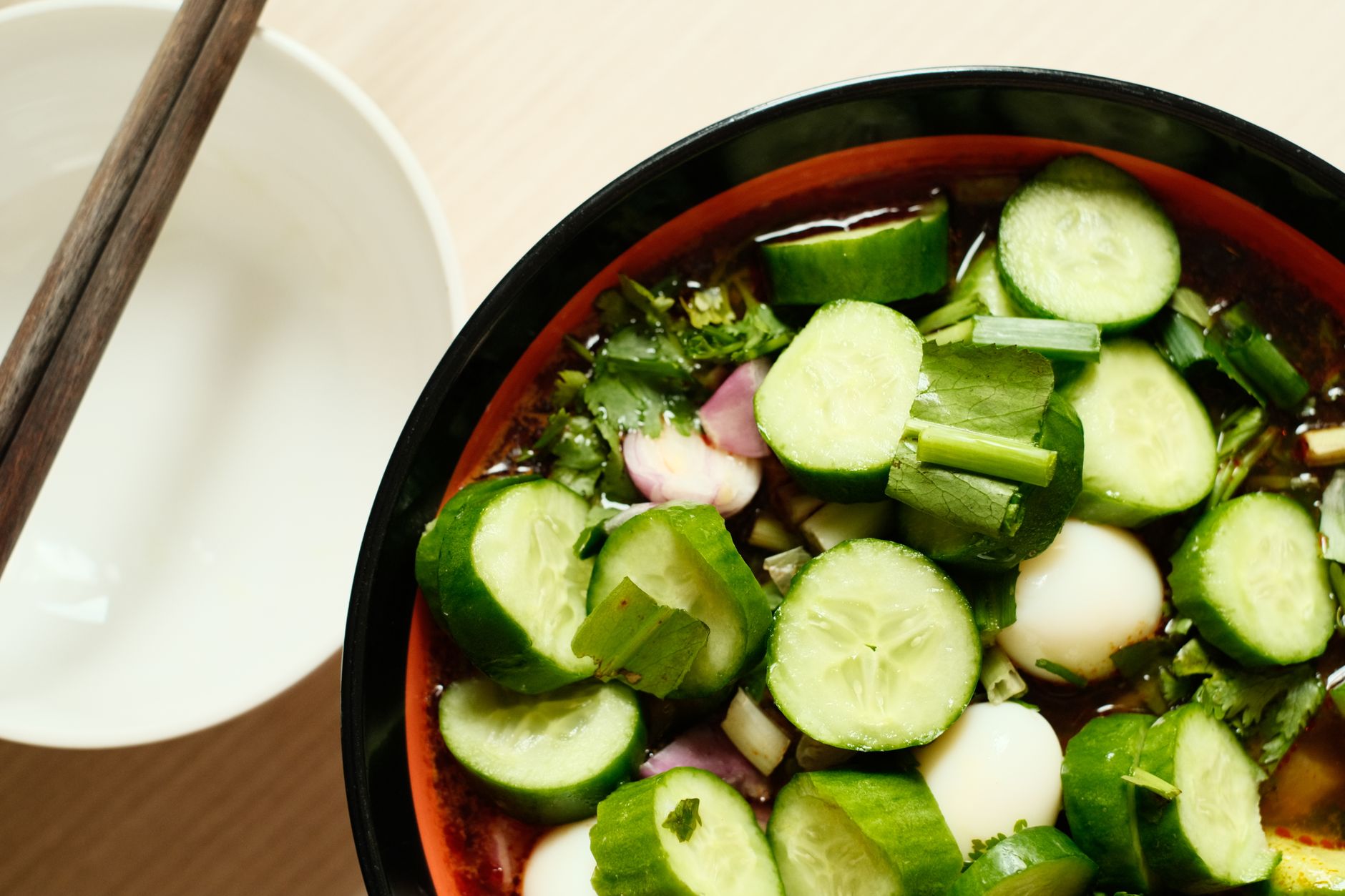
- Avocado “toast” (using AIP bread or lettuce wraps) – Mash avocado on cucumber slices or AIP-friendly bread (like almond or coconut flour-based) for healthy fats that calm inflammation.
- Chia pudding – Mix chia seeds with coconut milk and let it sit overnight. Top with a few raspberries (if tolerated) for fiber and antioxidants.
**Pro tip:** If you’re feeling particularly woozy, try eating smaller, more frequent meals instead of one big breakfast. A handful of almonds (if you tolerate them) or a few sips of ginger tea can work wonders too.
---
Easy Autoimmune Protocol Diet Breakfast Recipes for Busy Moms-to-Be
Let’s be honest: pregnancy is not the time to spend 45 minutes prepping breakfast. You need options that are quick, filling, and require minimal effort. Here are a few go-to recipes that fit the bill:
1. 5-Minute AIP Banana “Pancakes” (No Flour, No Seeds)
Yes, you can have pancakes—without the gluten, dairy, or seeds that might trigger flare-ups. This recipe relies on ripe bananas and eggs for structure, plus a touch of cinnamon for warmth.
- Mash 1 ripe banana in a bowl.
- Add 2 eggs, 1 tbsp coconut oil (melted), and ½ tsp cinnamon. Mix well.
- Cook small spoonfuls in a non-stick pan over medium heat until golden on both sides (about 2–3 minutes per side).
- Serve with a drizzle of honey (if tolerated) or a side of coconut yogurt.
2. No-Cook AIP Breakfast Bowl
Perfect for when you’re running late (or just too exhausted to turn on the stove).
- Layer coconut yogurt in a bowl.
- Top with sliced banana, a handful of raspberries, and a sprinkle of shredded coconut.
- Drizzle with honey or a few drops of maple syrup (if your body tolerates it).
- Add a handful of almonds (if tolerated) for crunch and healthy fats.
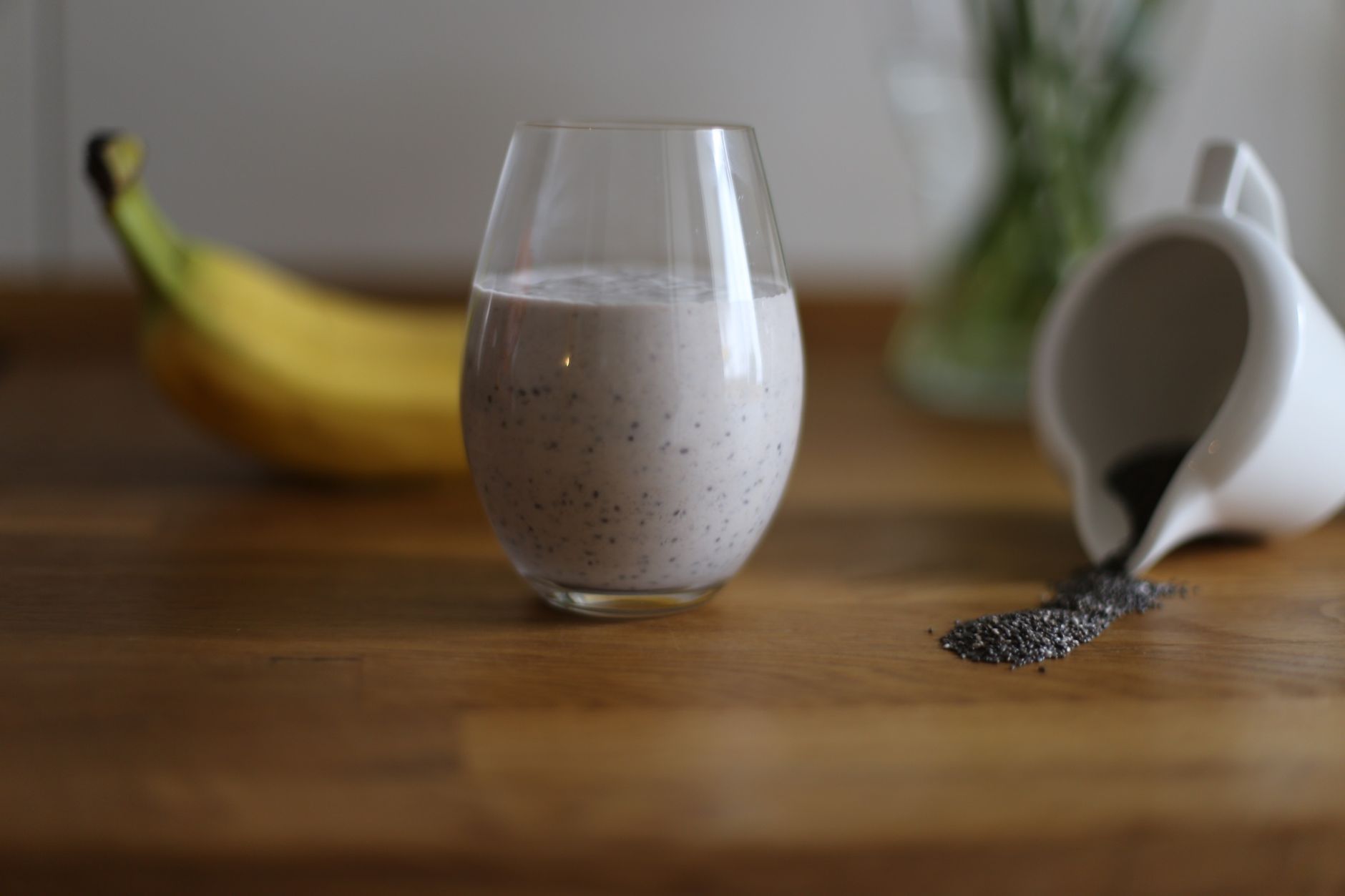
3. AIP Breakfast Smoothie (Safe for Early Pregnancy)
Blend together:
- 1 cup coconut milk (unsweetened)
- ½ banana (frozen for thickness)
- 1 tbsp almond butter (if tolerated)
- 1 tsp chia seeds (soaked in water for 10 minutes)
- Handful of spinach (for nutrients without overpowering flavor)
---
How to Transition to an AIP Diet Breakfast Without Nausea or Digestive Upset
Switching to an AIP diet overnight is a recipe for disaster—especially when you’re already dealing with pregnancy-related digestive changes. Instead, follow this 3-step gradual transition plan to minimize flare-ups and nausea:
- Start with one meal a day – Pick breakfast as your first target. Replace your usual toast or cereal with one of the easy options above. Give it 3–5 days to see how your body reacts.
- Listen to your body – If you notice bloating, fatigue, or increased nausea after a meal, that’s your body’s way of saying, “Hold up.” Swap that food for something else (like bone broth or coconut yogurt) and try again in a few days.
- Focus on hydration and digestion – Sip ginger tea or warm lemon water in the morning to help settle your stomach. Avoid cold foods if they upset you—warm or room-temperature options are gentler.
**Representative story:** One reader, Sarah, shared that she tried to jump straight into AIP pancakes on day one—only to spend the next three hours in the bathroom. Instead, she started with bone broth and slowly introduced new foods over a week. By day seven, she was eating AIP-friendly pancakes without issue. “It’s all about patience,” she wrote. “Your body is already adjusting to pregnancy—don’t add dietary stress on top of it.”
---
Comparison: AIP Breakfast vs. Traditional Pregnancy Diet for Autoimmune Flare-Ups
If you’re managing autoimmune disease during pregnancy, your diet needs to do double duty: support your baby’s development and calm your immune system. Below is a quick comparison of what you might typically eat on a standard pregnancy diet versus an AIP-friendly approach:
**Key takeaway:** The AIP diet is more restrictive, but it’s designed to reduce inflammation—something that can be especially helpful if you’re dealing with conditions like Hashimoto’s or rheumatoid arthritis. If you’re unsure whether AIP is right for you, chat with your obstetrician or endocrinologist to weigh the pros and cons.
---
Are AIP Breakfast Smoothies Safe During Early Pregnancy?
Absolutely—if they’re made with the right ingredients. Smoothies are a lifesaver for busy moms-to-be because they’re easy to digest, nutrient-dense, and can be prepped ahead. However, avoid these common pitfalls:
- No added sugars – Skip honey or maple syrup if you’re sensitive to them, and avoid fruit juices (even 100% pure). Stick to whole fruits like banana or berries.
- No nuts/seeds during elimination – If you’re in the strict elimination phase of AIP, skip almond butter or chia seeds. Once reintroduced, they can be a great addition.
- Avoid overloading on fiber – Too much fiber too soon can cause bloating or digestive upset. Start with small amounts of veggies like spinach or zucchini.
**Safe smoothie combo example:**
- 1 cup coconut milk
- ½ banana
- Handful of spinach
- 1 tbsp coconut oil (for healthy fats)
- 1 tsp chia seeds (soaked in water for 10 minutes)
**Why it works:** Coconut milk provides healthy fats, banana offers natural sweetness and potassium, and spinach adds iron and folate—all critical for pregnancy. The chia seeds help with satiety and digestion.
---
How Much Protein Should You Eat for Breakfast on an AIP Diet While Pregnant?
Pregnancy is a high-protein time—your body needs it to build your baby’s tissues, support your growing uterus, and keep your energy levels stable. The NHS recommends about 60–75g of protein per day, but since you’re on an AIP diet, you’ll need to get creative. Here’s how to hit your targets:
- Eggs – 2 large eggs = ~12g protein. Safe to eat daily if tolerated.
- Chicken or turkey – 3 oz cooked = ~25g protein. Pair with veggies for a balanced meal.
- Beef or fish – 3 oz salmon = ~22g protein; 3 oz beef = ~26g protein.
- Bone broth – 1 cup = ~10g protein, plus collagen for gut healing.
- Coconut yogurt – ½ cup = ~3g protein (pair with nuts/seeds when reintroduced for more).
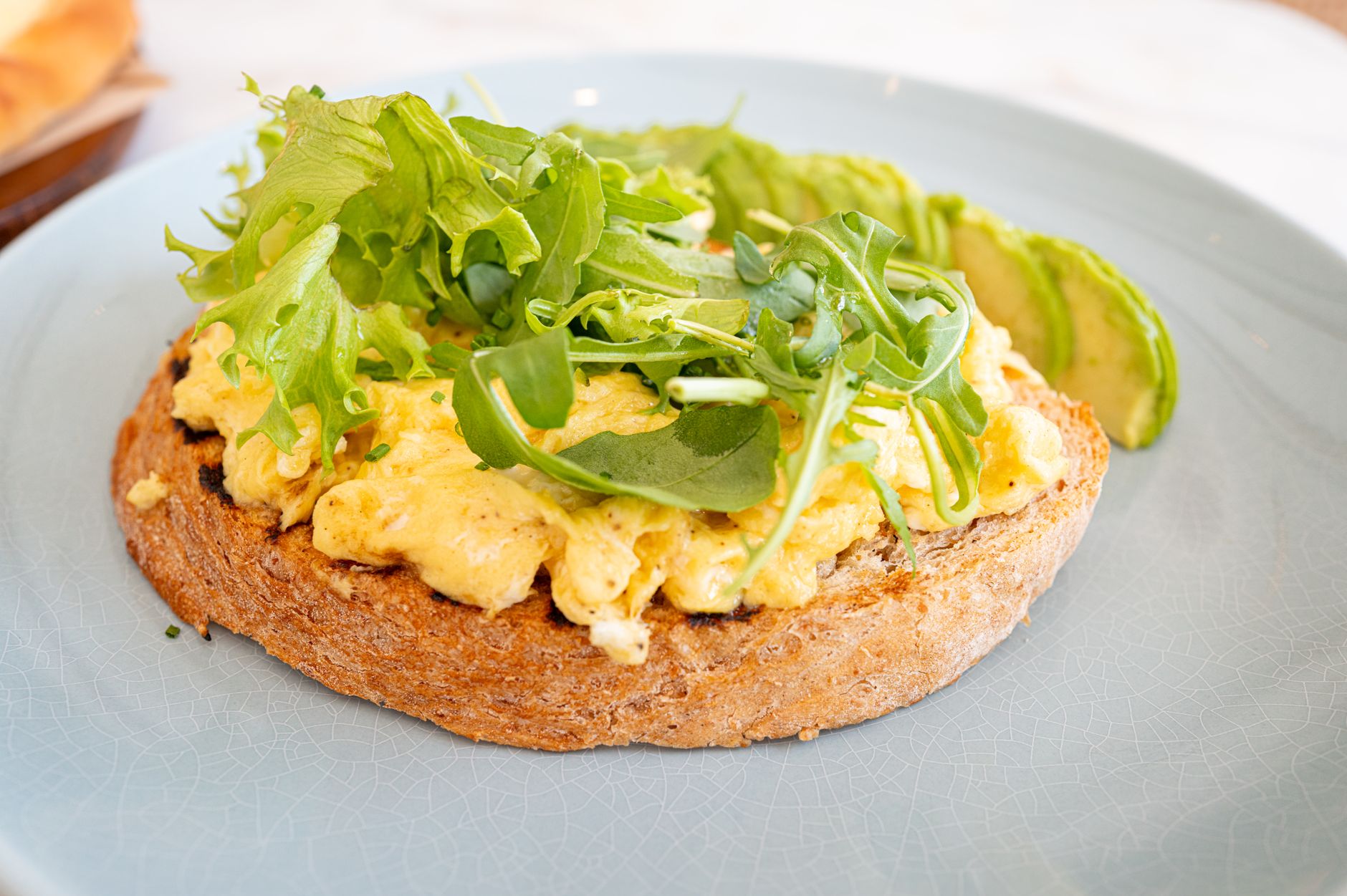
**Protein-packed AIP breakfast idea:** Scramble 2 eggs with a handful of spinach and top with avocado. Add a side of bone broth for extra nutrients. This combo gives you ~30g protein and plenty of healthy fats to keep you full.
---
What Are the Signs Your AIP Breakfast Is Triggering Autoimmune Flare-Ups During Pregnancy?
Paying attention to your body’s signals is crucial—especially when you’re already managing pregnancy hormones. Here’s what to watch for:
- Digestive changes – Bloating, gas, or diarrhea within hours of eating could mean a food is irritating your gut.
- Fatigue or brain fog – If you’re suddenly more exhausted or struggling to focus, your body might not be absorbing nutrients well.
- Joint pain or stiffness – A flare-up in autoimmune symptoms like rheumatoid arthritis or lupus.
- Skin reactions – Rashes, eczema flare-ups, or acne could signal an intolerance.
- Morning sickness worsening – If your nausea spikes after certain foods, it might be more than just pregnancy hormones.
**What to do if you notice these signs:**
- Keep a food diary to track what you eat and how you feel afterward.
- Consider reintroducing foods one at a time (if you’re past the elimination phase) to identify triggers.
- Talk to your healthcare provider if symptoms persist—you might need blood work to check for deficiencies.
---
Can You Eat Eggs Daily for Breakfast on an AIP Diet While Pregnant?
Short answer: Yes—if you tolerate them. Eggs are one of the most nutrient-dense foods on an AIP diet, packed with protein, choline (critical for baby’s brain development), and healthy fats. However, there are a few things to keep in mind:
- Cook them thoroughly – Runny yolks can increase the risk of salmonella, so opt for fully cooked eggs (scrambled, boiled, or poached).
- Watch for sensitivities – If you notice digestive upset or skin reactions after eating eggs, you might have an intolerance. Try reducing for a few days to see if symptoms improve.
- Vary your sources – While eggs are safe daily, mix in other protein sources like chicken, fish, or beef to ensure you’re getting a wide range of nutrients.
**Egg-based AIP breakfast ideas:**
- Scrambled eggs with sautéed mushrooms and spinach – Sauté mushrooms in coconut oil, add spinach, then scramble in eggs.
- Egg muffins – Whisk eggs with diced veggies (zucchini, bell peppers), pour into a muffin tin, and bake at 350°F for 15–20 minutes.
- Soft-boiled eggs with avocado – A quick, protein-rich option for when you’re in a rush.
---
How to Make AIP-Friendly Banana Pancakes Without Flours or Seeds
Who says pancakes have to be off-limits? This foolproof recipe relies on ripe bananas and eggs for structure, plus a touch of cinnamon for warmth—no flour, no seeds, no fuss.
- Mash 2 ripe bananas in a bowl until smooth.
- Add 3 eggs, 1 tbsp coconut oil (melted), and ½ tsp cinnamon. Mix well.
- Heat a non-stick pan over medium heat and add a little more coconut oil to coat it.
- Pour small spoonfuls of the batter into the pan and cook until bubbles form on the surface (about 2–3 minutes). Flip and cook another 2–3 minutes until golden.
- Serve with a drizzle of honey (if tolerated) or a side of coconut yogurt.
**Why this works:** Bananas add natural sweetness and fiber, eggs provide protein, and cinnamon has anti-inflammatory benefits. Plus, it’s ready in under 10 minutes!
---
Best AIP Breakfast Options for Gestational Diabetes Prevention
If you’re at risk for gestational diabetes or just want to keep your blood sugar stable, focus on breakfasts that are low-glycemic, high in fiber, and packed with healthy fats. Here are the best options:
- Avocado and eggs – Healthy fats from avocado + protein from eggs to slow sugar absorption.
- Chia pudding with berries – Chia seeds absorb liquid and slow digestion, while berries provide antioxidants.
- Bone broth with a side of sautéed greens – The collagen in bone broth supports gut health, and greens add fiber.
- Coconut yogurt with almond butter (if tolerated) – Coconut provides healthy fats, and almond butter adds protein to balance blood sugar.
**Avoid:** High-sugar fruits (like mango or pineapple), refined coconut sugar, and processed meats, which can spike blood sugar.
---
How to Prepare AIP Breakfast Meals in Advance for Pregnancy
Meal prepping during pregnancy is a lifesaver—especially when you’re dealing with fatigue or morning sickness. Here’s how to plan ahead without stress:
- Make a big batch of egg muffins – Whisk eggs with diced veggies, pour into a muffin tin, and bake. Store in the fridge for up to 5 days or freeze for longer-term storage.
- Prep chia pudding overnight – Mix chia seeds with coconut milk and let it sit in the fridge overnight. Top with berries in the morning.
- Cook a batch of bone broth – Simmer bones for 12–24 hours, then store in the fridge or freezer. Sip it cold or warm it up in the morning.
- Portion out coconut yogurt – Buy small containers and divide them into individual servings for quick grab-and-go breakfasts.
**Pro tip:** Use airtight containers to keep meals fresh longer. Label everything with dates so you know what’s safe to eat.
---
Are Coconut Yogurt AIP Breakfast Options Safe During Pregnancy?
Yes! Coconut yogurt is a fantastic AIP-friendly option because it’s dairy-free, probiotic-rich, and easy to digest. However, there are a few things to keep in mind:
- Check the label – Avoid yogurts with added sugars, thickeners, or gums (like xanthan or guar gum), which aren’t AIP-compliant.
- Look for unsweetened varieties – Sweetened coconut yogurt often contains honey or other sweeteners that might not be tolerated.
- Pair with protein – Coconut yogurt alone can be low in protein, so top it with nuts/seeds (when reintroduced) or a handful of almonds for balance.
**Coconut yogurt breakfast ideas:**
- Top with banana slices and a drizzle of honey (if tolerated).
- Mix with chia seeds and a few raspberries for a quick pudding-like breakfast.
- Use as a base for smoothies—blend with frozen banana and spinach.
---
How to Balance AIP Breakfast for Morning Cravings Without Triggering Flare-Ups
Pregnancy cravings can feel like a personal challenge from the universe, but you don’t have to give in to every whim. Instead, try these strategies to satisfy cravings without triggering flare-ups:
- Identify the craving type – Are you craving sweetness? Saltiness? Crunch? Then find an AIP-friendly alternative.
- Use healthy fats to curb cravings – Avocado, coconut oil, or nuts/seeds (when reintroduced) can help stabilize blood sugar and reduce cravings.
- Sneak in nutrients – If you’re craving something sweet, blend a banana into your smoothie or top your yogurt with berries.
- Stay hydrated – Sometimes thirst is mistaken for cravings. Sip water or herbal tea throughout the day.
**Craving-specific solutions:**
- Craving carbs? Try AIP-friendly banana pancakes or a side of roasted sweet potatoes (if tolerated).
- Craving dairy? Opt for coconut yogurt or a small handful of almonds (if tolerated).
- Craving something crunchy? Slice cucumber or bell peppers for a fresh, satisfying bite.
---
What Are the Best AIP Breakfast Snacks for Pregnancy Fatigue?
Pregnancy fatigue is real, and sometimes you need a snack to get you through the morning. Here are the best AIP-friendly options to combat sluggishness:
- Hard-boiled eggs – Quick, portable, and packed with protein to keep energy levels steady.
- Coconut flakes – A handful provides healthy fats and a quick energy boost.
- Avocado slices – Healthy fats and fiber to keep you full and energized.
- Bone broth – Sip it like tea for a hydrating, nutrient-dense pick-me-up.
- Dried fruit (in moderation) – A small handful of raisins or apricots for natural sweetness and quick energy.
---
How to Modify AIP Breakfast Recipes for Morning Sickness Without Losing Nutrients
Morning sickness doesn’t mean you have to sacrifice nutrition. Here’s how to adapt your breakfasts to be gentler on your stomach while keeping them nutrient-dense:
- Go for warm or room-temperature foods – Cold foods can feel heavy or trigger nausea. Opt for warm bone broth, soft-cooked eggs, or gently sautéed veggies.
- Focus on easy-to-digest proteins – Eggs, chicken, and fish are gentler on the stomach than red meat.
- Add ginger or peppermint – Both have been shown to help with nausea. Add a pinch of ground ginger to your smoothie or sip ginger tea in the morning.
- Sip, don’t chug – If you’re drinking a smoothie, use a straw to avoid overloading your stomach at once.
**Nutrient-dense, nausea-friendly breakfast ideas:**
- Warm bone broth with a soft-boiled egg – The broth hydrates, and the egg provides protein.
- Coconut yogurt with banana and a sprinkle of cinnamon – Gentle on the stomach and easy to digest.
- Smoothie with coconut milk, banana, and spinach – Blend everything well and sip slowly.
---
Can You Eat Bone Broth for Breakfast on an AIP Diet While Pregnant?
Absolutely! Bone broth is one of the most nourishing foods you can eat during pregnancy—especially on an AIP diet. It’s packed with collagen, glycine, and other amino acids that support gut health, joint function, and even skin elasticity. Plus, it’s easy to digest and hydrating, which is a win for morning sickness.
**How to enjoy it:**
- Sip it warm like tea in the morning.
- Use it as a base for soups or stews (just add veggies and cook for another 10–15 minutes).
- Blend it into smoothies for extra nutrients.
- Add it to scrambled eggs or sautéed veggies for a nutrient boost.
**Pro tip:** If you’re sensitive to acidity, opt for a low-acid bone broth (like one made from chicken or fish bones). Avoid store-bought versions with added spices or herbs unless you’ve tested them individually.
---
Myth vs. Fact: Autoimmune Protocol Diet Breakfast
Myth: “You can’t eat eggs every day on an AIP diet while pregnant.”
Fact: Eggs are one of the safest and most nutrient-dense foods on an AIP diet—if you tolerate them. The American College of Obstetricians and Gynecologists (ACOG) recommends eating eggs daily during pregnancy for their choline content, which supports baby’s brain development. Just make sure they’re fully cooked to avoid salmonella risk.
Myth: “AIP breakfasts are too restrictive and will leave you hungry.”
Fact: AIP breakfasts can be just as satisfying as traditional meals—you just need to focus on protein, healthy fats, and fiber. For example, a breakfast of scrambled eggs with avocado and sautéed spinach provides ~30g of protein and keeps you full for hours. Plus, many AIP-friendly foods (like coconut yogurt or bone broth) are naturally satiating.
Myth: “You have to give up all fruits on an AIP diet.”
Fact: While some fruits (like citrus or berries) are eliminated during the strict elimination phase, others—like bananas, melons, and apples—are typically allowed. The key is to reintroduce fruits gradually and pay attention to how your body reacts. If you’re managing autoimmune disease, focus on low-sugar options like berries or kiwi to avoid blood sugar spikes.
---
Key Takeaways
- Start with small, gradual changes to your breakfast routine to avoid digestive upset or nausea.
- Prioritize protein (aim for 20–30g per meal) to support both your autoimmune health and your baby’s development.
- Bone broth, coconut yogurt, and AIP-friendly smoothies are safe and nourishing options for morning sickness.
- Listen to your body—if a food triggers flare-ups or worsens nausea, swap it for something else.
- Meal prep AIP-friendly breakfasts (like egg muffins or chia pudding) to save time during busy mornings.
- If you’re managing gestational diabetes, focus on low-glycemic, high-fiber breakfasts like avocado and eggs or chia pudding.
---
Frequently Asked Questions
Is the autoimmune protocol diet safe during pregnancy?
The AIP diet is generally considered safe during pregnancy if followed under the guidance of a healthcare provider. However, it’s more restrictive than a standard pregnancy diet, so it’s important to ensure you’re getting enough nutrients. If you’re managing an autoimmune condition, AIP can help reduce flare-ups, but always consult your obstetrician or endocrinologist before making major dietary changes. Some women find that reintroducing certain foods (like nuts or seeds) after the elimination phase helps balance nutrition without triggering symptoms.
How do I know if my autoimmune flare-ups are worse due to my diet?
Watch for these red flags: increased joint pain, fatigue, digestive issues (bloating, diarrhea, or constipation), skin rashes, or worsening morning sickness after eating certain foods. Keep a food diary to track patterns—if symptoms improve when you remove a food, it’s likely a trigger. For persistent flare-ups, consider working with a dietitian or healthcare provider to identify specific intolerances.
What are the best AIP-friendly breakfast foods for morning sickness?
Stick to gentle, easy-to-digest options like bone broth, coconut yogurt, avocado, and soft-cooked eggs. Avoid greasy or overly spicy foods, which can worsen nausea. Ginger or peppermint tea can also help soothe your stomach. If you’re struggling, try eating smaller, more frequent meals instead of one big breakfast.
Can I still eat eggs every day on an AIP diet while pregnant?
Yes! Eggs are one of the safest and most nutrient-dense foods on an AIP diet, provided you tolerate them. They’re rich in protein and choline, which supports your baby’s brain development. Just make sure they’re fully cooked to avoid salmonella risk. If you notice digestive upset or skin reactions after eating eggs, try reducing for a few days to see if symptoms improve.
How long does it take to see improvements in autoimmune symptoms with an AIP diet?
Improvements can vary widely, but many women notice changes in 2–4 weeks, especially if they’re consistent with the diet. However, some symptoms—like fatigue or joint pain—might take longer to improve. If you’re managing an autoimmune condition during pregnancy, it’s important to work with your healthcare provider to monitor symptoms and adjust your plan as needed.
What are the signs of nutrient deficiencies on an AIP diet during pregnancy?
Watch for these potential deficiency symptoms:
- Fatigue or dizziness (could indicate iron or B12 deficiency)
- Brittle nails or hair loss (signs of protein or biotin deficiency)
- Mood swings or brain fog (could be low vitamin D or omega-3s)
- Cravings for specific foods (your body might be signaling a nutrient gap)
- Swelling or puffiness (could indicate electrolyte imbalances)
If you notice any of these, ask your provider about blood work to check your levels. Supplements like prenatal vitamins or omega-3s can help fill gaps while you’re on AIP.
---
When to See a Doctor or Specialist
While the AIP diet can be beneficial for managing autoimmune flare-ups during pregnancy, it’s important to know when to seek medical advice. Contact your healthcare provider if:
- You experience severe digestive upset (persistent vomiting, diarrhea, or constipation) after eating AIP-friendly foods.
- You notice worsening autoimmune




