

Quick take: A breakfast for Asperger’s should balance protein, healthy fats, and fiber while respecting sensory needs—think soft-textured eggs, warm oatmeal with cinnamon, or smoothie bowls with no added sugar. Routine matters too: start with the same meal times and ingredients to reduce anxiety. Skip processed foods and opt for whole, minimally processed options to support focus and digestion.
You’re staring at a blank breakfast plate at 7 AM, the house quiet except for the hum of the fridge. This isn’t just hunger—it’s the weight of choice. Should you eat the cereal you love, the one that’s crunchy and sweet, or the "healthy" option that feels like a chore? For many with Asperger’s, breakfast isn’t just about fueling the body; it’s about managing sensory overload, sticking to a routine, and avoiding the dreaded "brain fog" that comes from blood sugar crashes. You’re not alone. A structured, sensory-friendly breakfast can make all the difference.
Breakfast for people with Asperger’s (now part of Autism Spectrum Disorder) often requires more than just nutritional balance—it demands predictability, minimal sensory triggers, and foods that stabilize energy without spiking and crashing. The right meal can ease morning anxiety, improve focus, and even help regulate sleep patterns. This guide covers everything from high-protein options to gluten-free swaps, sensory-friendly textures, and a full 7-day meal plan to take the guesswork out of your mornings.
We’ll start with the nutritional needs specific to Asperger’s, then dive into sensory considerations, meal timing, and practical recipes. By the end, you’ll have a toolkit to create breakfasts that work for you—not just your body, but your brain and your routine.
---Best breakfast recipes for people with Asperger’s: What science says about nutrition and focus
- High-protein meals to support dopamine production and focus.
- Low-glycemic foods to avoid energy crashes that worsen anxiety.
- Gluten-free and dairy-free options if digestive sensitivity is an issue (though not everyone needs this).
- Minimally processed foods to reduce inflammation and improve gut health.
- Routine and predictability in meal timing to reduce morning stress.
One reader, Daniel (who prefers to use a pseudonym), shared how his mornings transformed after switching to a high-protein breakfast: "I used to feel like I was running on fumes by 9 AM. Now, I have eggs and avocado, and I can actually think straight until lunch." For others, the key was texture—soft scrambled eggs instead of crispy bacon, or smoothie bowls without added sugar. The goal isn’t perfection; it’s consistency.
Key takeaway: Focus on whole foods, stable blood sugar, and routines that align with your sensory preferences. If you’re unsure where to start, begin with one change—like swapping cereal for eggs—and observe how your energy and mood shift over a week.
---Easy low-sugar breakfast ideas for Asperger’s diet: Avoiding the blood sugar rollercoaster
For many with Asperger’s, blood sugar swings can amplify irritability, fatigue, and difficulty concentrating—especially in the morning. The American Diabetes Association notes that high-sugar breakfasts can lead to crashes that worsen symptoms like anxiety or hyperactivity. The solution? Prioritize low-glycemic, high-fiber foods that release energy slowly.
Here are some easy, low-sugar breakfast ideas to try:

- Overnight oats: Mix ½ cup rolled oats with ½ cup unsweetened almond milk, 1 tbsp chia seeds, and a pinch of cinnamon. Let it sit overnight. Top with sliced banana or berries in the morning.
- Scrambled eggs with avocado: Soft-boiled eggs (or scrambled) with mashed avocado and a sprinkle of sea salt. Add a side of whole-grain toast if you tolerate gluten.
- Chia pudding: Mix 2 tbsp chia seeds with 1 cup coconut milk and a dash of vanilla. Refrigerate overnight, then top with unsweetened coconut flakes.
- Smoothie bowls: Blend 1 cup spinach, ½ banana, 1 tbsp peanut butter, and 1 cup unsweetened almond milk. Top with unsweetened shredded coconut or pumpkin seeds.
- Cottage cheese with nuts and seeds: Plain cottage cheese topped with almonds, walnuts, and a drizzle of olive oil. Add a sprinkle of cinnamon for flavor.
If you’re craving something sweet but want to avoid refined sugar, try dried fruit (like unsweetened apples or pears) or a small piece of dark chocolate (85% or higher). For more ideas, check out our autism diet breakfast guide, which overlaps with many Asperger’s-friendly options.
---High-protein breakfast options for Asperger’s syndrome: Fueling focus and stability
Protein is critical for dopamine production, which plays a role in focus, motivation, and emotional regulation—all areas where many with Asperger’s seek support. Aim for 15–25 grams of protein per breakfast to keep you full and steady. Here are some high-protein, sensory-friendly ideas:

- Greek yogurt parfait: Layer plain Greek yogurt with unsweetened granola and fresh berries. Add a sprinkle of pumpkin seeds for crunch.
- Smoked salmon and cream cheese wrap: Whole-grain tortilla with cream cheese, smoked salmon, and cucumber slices. Roll tightly and slice into pinwheels for easy handling.
- Cottage cheese with turkey slices: Mix cottage cheese with sliced turkey breast, a drizzle of olive oil, and a pinch of black pepper.
- Egg muffins: Whisk eggs with spinach, cheese, and diced ham. Bake in a muffin tin for grab-and-go portions.
- Peanut butter and banana roll-ups: Spread peanut butter on a whole-grain tortilla, add banana slices, roll up, and slice into bite-sized pieces.
If you’re avoiding dairy, swap Greek yogurt for coconut yogurt or almond butter for peanut butter. For more high-protein meal ideas, explore our Atkins-friendly breakfast guide, which emphasizes similar principles.
---Gluten-free breakfast for Asperger’s diet: Navigating digestive sensitivity
Gluten sensitivity or celiac disease is more common in individuals with autism spectrum disorders, including Asperger’s. If you suspect gluten is affecting your digestion, mood, or focus, try a gluten-free breakfast for a few weeks and note any changes. The Celiac Disease Foundation recommends avoiding wheat, barley, and rye entirely.
Here are some gluten-free alternatives to classic breakfasts:

| Classic Breakfast | Gluten-Free Swap |
|---|---|
| Cereal with milk | Gluten-free cereal (like Quaker Gluten-Free Oats) with almond milk or coconut yogurt |
| Toast with jam | Gluten-free toast (like Schar bread) with almond butter or sunflower seed butter |
| Pancakes | Gluten-free pancake mix (like Kind Baking Mix) or homemade with almond flour |
| Granola bars | Homemade granola bars (oats, nuts, honey, and coconut) or store-bought gluten-free options like EnviroKidz |
If you’re also avoiding dairy, opt for nut-based milks (almond, coconut, or oat) or dairy-free yogurts. Many people with Asperger’s find that eliminating gluten (and sometimes dairy) reduces stomachaches, brain fog, and mood swings. If you’re unsure, consult a dietitian or doctor before making major dietary changes.
---Quick breakfast for sensory-sensitive Asperger’s: Minimizing morning chaos
For sensory-sensitive individuals, the act of preparing breakfast can feel overwhelming—too many textures, smells, or choices. The key is simplicity, routine, and control. Here are some quick, sensory-friendly ideas:
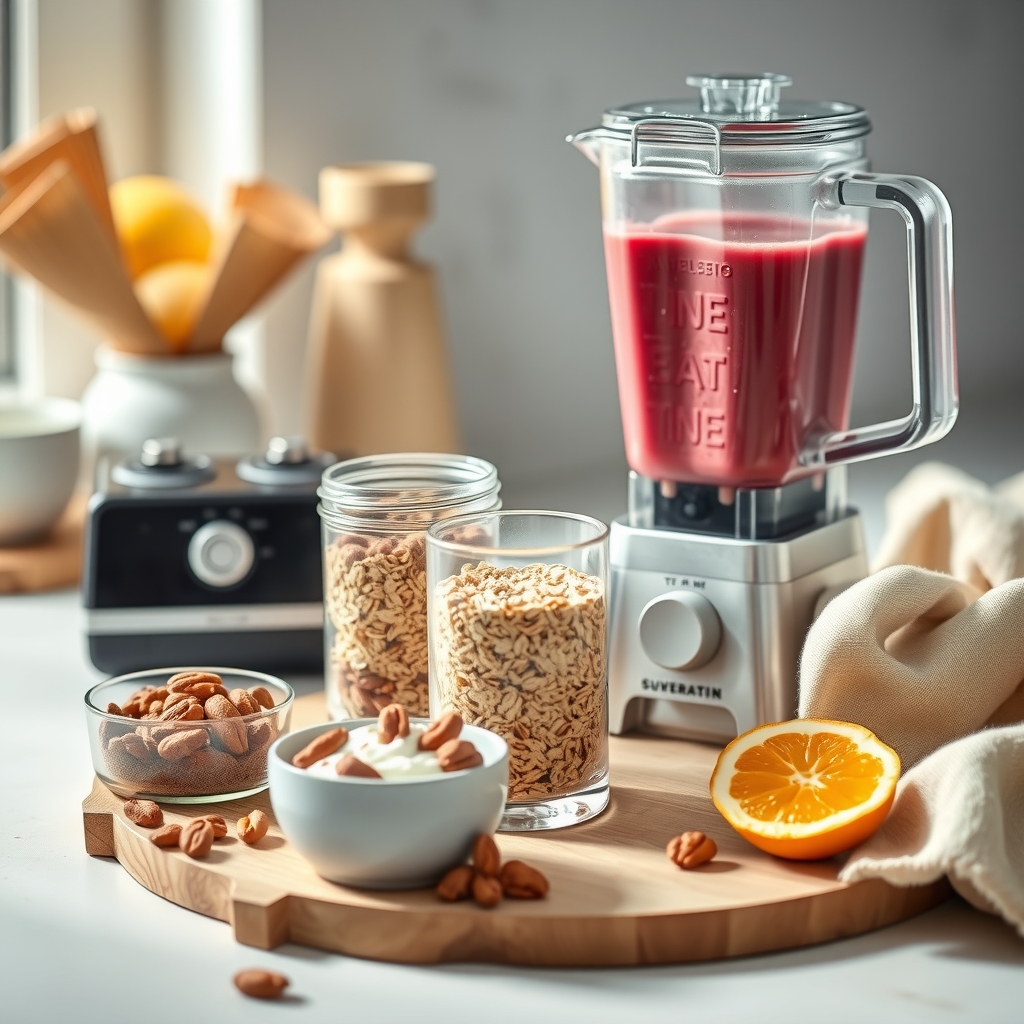
- Pre-made overnight oats: Portion oats, chia seeds, and almond milk into jars the night before. Add toppings (like nuts or seeds) in the morning.
- Microwave egg bites: Whisk eggs with cheese, spinach, and diced ham. Pour into a muffin tin and microwave for 1 minute. Grab and go!
- Smoothie packs: Freeze pre-portioned smoothie ingredients (like spinach, banana, and almond butter) in bags. Blend with liquid in the morning.
- Hard-boiled eggs: Boil a batch of eggs on Sunday. Store in the fridge for quick protein on busy mornings.
- Peanut butter toast: Whole-grain toast (gluten-free if needed) with peanut butter and a drizzle of honey. Cut into small, manageable pieces.
To further reduce sensory overload:
- Keep breakfast ingredients in the same spot every day.
- Use soft-textured foods (like scrambled eggs, mashed avocado, or yogurt) if crunchy or chewy textures are difficult.
- Avoid strong smells (like garlic or onions) if they trigger discomfort.
- Involve yourself in the prep process—even if it’s just pouring milk or adding toppings—to create a sense of control.
For more sensory-friendly meal ideas, check out our heart-healthy breakfast guide, which often includes simple, nutrient-dense options.
---Breakfast meal plan for Asperger’s and ADHD: A 7-day routine for stability
Creating a predictable breakfast routine can help manage ADHD and Asperger’s symptoms by reducing decision fatigue and providing consistent energy. Below is a 7-day meal plan with high-protein, low-sugar, and sensory-friendly options. Adjust based on your preferences and dietary needs.

| Day | Meal | Description |
|---|---|---|
| Monday | Scrambled eggs with avocado | 2 soft-boiled eggs with mashed avocado, sea salt, and a side of gluten-free toast. |
| Tuesday | Greek yogurt parfait | Plain Greek yogurt layered with unsweetened granola and blueberries. |
| Wednesday | Overnight oats | ½ cup gluten-free oats, ½ cup almond milk, 1 tbsp chia seeds, and sliced banana. |
| Thursday | Smoked salmon wrap | Whole-grain tortilla with cream cheese, smoked salmon, and cucumber slices. |
| Friday | Cottage cheese with nuts | Plain cottage cheese topped with almonds, walnuts, and a drizzle of olive oil. |
| Saturday | Peanut butter banana roll-ups | Whole-grain tortilla with peanut butter and banana slices, rolled and sliced into pinwheels. |
| Sunday | Smoothie bowl | Blended spinach, banana, and almond butter, topped with unsweetened coconut flakes. |
Tips for sticking to the plan:
- Prep ingredients the night before (e.g., chop veggies, portion oats, or hard-boil eggs).
- Keep a backup breakfast on hand (like a protein bar or pre-made smoothie pack) for days when you’re short on time.
- Involve yourself in the routine—even if it’s just adding toppings—to create a sense of accomplishment.
- If a meal doesn’t sit well, swap it for another option on the list. Flexibility is key!
Vegetarian breakfast ideas for Asperger’s diet: Plant-based protein power
If you follow a vegetarian diet, you can still meet your protein and nutrient needs with Asperger’s-friendly meals. Focus on legumes, tofu, tempeh, eggs, and dairy (if tolerated) for complete protein sources. Here are some ideas:

- Tofu scramble: Crumble firm tofu with turmeric, garlic powder, and black salt (for an eggy flavor). Serve with whole-grain toast.
- Chickpea flour pancakes: Mix chickpea flour with water, turmeric, and salt. Cook like pancakes and top with avocado.
- Cottage cheese with sunflower seeds: Plain cottage cheese topped with sunflower seeds and a drizzle of olive oil.
- Lentil soup with gluten-free bread: A warm, protein-rich soup served with a side of toast.
- Avocado and hummus wrap: Whole-grain tortilla with hummus, sliced avocado, and cucumber.
For more vegetarian meal ideas, explore our autism diet breakfast guide, which includes similar plant-based options.
---What foods are good for Asperger’s: A quick nutrient cheat sheet
While there’s no "Asperger’s diet," certain foods may support focus, digestion, and sensory comfort. Here’s a quick cheat sheet:
| Nutrient | Food Sources | Why It Matters |
|---|---|---|
| Protein | Eggs, Greek yogurt, turkey, lentils, tofu | Supports dopamine and focus. |
| Omega-3s | Fatty fish (salmon), walnuts, chia seeds, flaxseeds | Reduces inflammation and supports brain health. |
| Fiber | Oats, berries, avocado, whole grains | Stabilizes blood sugar and aids digestion. |
| Probiotics | Kefir, sauerkraut, yogurt, kimchi | Supports gut health, linked to mood regulation. |
| Magnesium | Spinach, almonds, dark chocolate, pumpkin seeds | Helps with relaxation and sleep. |
If you’re unsure about dietary needs, consider working with a registered dietitian who specializes in autism or neurodiversity. They can help tailor a plan to your specific needs.
---How to manage breakfast anxiety in Asperger’s: Routine and prep tips
Breakfast anxiety isn’t just about hunger—it’s about choice overload, sensory triggers, and the pressure to "get it right." Here’s how to ease the stress:
- Start with a routine: Wake up at the same time every day and follow the same breakfast steps. Predictability reduces anxiety.
- Prep the night before: Chop veggies, portion oats, or hard-boil eggs so the morning is smoother.
- Avoid decision fatigue: Keep a set menu for the week and stick to it unless you’re feeling adventurous.
- Create a "safe" breakfast: Identify one meal you always enjoy and can rely on when you’re overwhelmed.
- Use visual cues: Place breakfast ingredients in the same spot every day. A picture menu or checklist can help if you struggle with verbal instructions.
- Give yourself grace: Some days, a smoothie or protein bar is enough. Don’t stress over perfection.
One reader, Emma, shared how she manages her anxiety: "I keep a whiteboard by the fridge with my breakfast options for the week. I circle the one I want each morning, and it takes the pressure off. It’s like a game—checking off the box makes me feel in control."
---Breakfast timing for Asperger’s patients: When to eat for best results
The timing of your breakfast can impact your energy, focus, and even sleep. For many with Asperger’s, eating within 1–2 hours of waking helps stabilize blood sugar and reduce morning grogginess. However, individual needs vary:
- If you wake up early: Eat breakfast within 30–60 minutes to avoid blood sugar drops.
- If you’re a late riser: Don’t skip breakfast—opt for a small, high-protein snack (like Greek yogurt or a smoothie) to keep energy steady.
- Avoid late-night eating: Finish breakfast at least 2–3 hours before bedtime to support digestion and sleep.
- Experiment with timing: Try eating breakfast at the same time every day for a week and note how you feel. Adjust as needed.
For more tips on meal timing, check out our carnivore diet guide, which emphasizes consistent eating patterns.
---Nutritional guidelines for Asperger’s diet: What to prioritize
While there’s no one "Asperger’s diet," the following nutritional guidelines may support overall well-being:
- Prioritize protein: Aim for 15–25 grams per breakfast to support focus and satiety.
- Choose whole, unprocessed foods: Minimize added sugars, refined carbs, and artificial ingredients.
- Stay hydrated: Start the day with water or herbal tea to support digestion and alertness.
- Include healthy fats: Avocado, nuts, seeds, and olive oil support brain function.
- Consider food sensitivities: If you suspect gluten or dairy is an issue, try an elimination diet under supervision.
- Don’t forget fiber: Aim for at least 25 grams per day to support digestion and blood sugar control.
For more on dietary guidelines, our autism diet breakfast guide covers similar principles.
---Best cereals for Asperger’s: Low-sugar, high-fiber options
If you enjoy cereal, opt for low-sugar, high-fiber, and gluten-free (if needed) options. Here are some top picks:

| Cereal | Serving Size | Sugar (g) | Fiber (g) | Protein (g) | Gluten-Free? |
|---|---|---|---|---|---|
| Quaker Gluten-Free Oats | ½ cup dry | 0 | 2 | 5 | Yes |
| EnviroKidz Organic Granola | ¼ cup | 3 | 2 | 3 | Yes |
| KIND Protein Granola | ⅓ cup | 4 | 2 | 6 | Yes |
| Nature’s Path Organic O’s | ½ cup | 4 | 3 | 3 | Yes |
| Cheerios (original) | ½ cup | 2 | 1 | 2 | No |
Pair cereals with unsweetened almond milk, coconut yogurt, or fresh fruit to boost nutrition. Avoid cereals with added sugars or artificial ingredients.
---Breakfast recipes low in sugar for autism spectrum: Simple, evidence-backed ideas
For those with autism spectrum disorders (including Asperger’s), low-sugar breakfasts can help avoid energy crashes and mood swings. Here are some simple, evidence-backed recipes:
- Chia pudding: Mix 2 tbsp chia seeds with 1 cup coconut milk and a dash of vanilla. Refrigerate overnight. Top with unsweetened coconut flakes.
- Avocado toast: Mash ½ avocado on whole-grain toast. Sprinkle with sea salt and red pepper flakes.
- Cottage cheese with berries: Plain cottage cheese topped with fresh raspberries or blackberries.
- Hard-boiled eggs with hummus: Serve 2 hard-boiled eggs with a side of hummus and cucumber slices.
- Smoothie with nut butter: Blend 1 cup spinach, ½ banana, 1 tbsp peanut butter, and 1 cup unsweetened almond milk.
For more low-sugar ideas, our AIP elimination diet guide includes similar naturally low-sugar options.
---Myth vs. fact: Common misconceptions about Asperger’s diets
There are plenty of myths about diet and Asperger’s. Let’s set the record straight:
- Myth: "People with Asperger’s must avoid all gluten and dairy."
Fact: While some individuals with Asperger’s experience digestive sensitivity to gluten or dairy, not everyone needs to eliminate these foods. If you suspect an issue, try an elimination diet under medical supervision. - Myth: "High-protein diets are unhealthy."
Fact: Protein is essential for brain function and focus. Many with Asperger’s benefit from high-protein breakfasts, as long as they’re balanced with fiber and healthy fats. - Myth: "Breakfast is the most important meal of the day."
Fact: While breakfast can help stabilize energy, it’s not the only meal that matters. The key is consistency and nutrition throughout the day. - Myth: "All sensory issues are related to food."
Fact: Sensory sensitivities can stem from texture, smell, temperature, or even the way food feels in the mouth. Diet can help, but so can environmental adjustments (like using soft utensils or avoiding strong smells).
Key takeaways: Your Asperger’s breakfast checklist
- Prioritize protein, fiber, and healthy fats to stabilize energy and focus.
- Choose low-sugar, whole foods to avoid blood sugar crashes.
- Respect sensory preferences—soft textures, mild flavors, and predictable routines matter.
- Experiment with meal timing to find what works best for your energy levels.
- Keep a backup breakfast plan for days when you’re overwhelmed.
- If you suspect food sensitivities, consult a dietitian or doctor before making major changes.
Frequently asked questions about Asperger’s breakfasts
What breakfast foods are best for people with Asperger’s?
The best breakfasts for Asperger’s balance protein, fiber, and healthy fats while respecting sensory needs. Options like scrambled eggs, Greek yogurt parfaits, overnight oats, and smoothie bowls are popular choices. Focus on whole, unprocessed foods to avoid energy crashes and digestive issues.
Can people with Asperger’s have dairy in the morning?
Some individuals with Asperger’s tolerate dairy well, while others experience digestive sensitivity or mood changes. If you suspect dairy is an issue, try eliminating it for a few weeks and observe any changes. You can also opt for dairy-free alternatives like almond yogurt or coconut milk.
Is a high-protein breakfast good for Asperger’s?
Yes! High-protein breakfasts can support dopamine production, which may improve focus and emotional regulation. Aim for 15–25 grams of protein per meal. Eggs, Greek yogurt, turkey, lentils, and tofu are all great options.
Do people with Asperger’s need to avoid gluten?
Not necessarily. While some individuals with Asperger’s experience gluten sensitivity or celiac disease, others tolerate gluten fine. If you suspect an issue, try a gluten-free diet for a few weeks and monitor your symptoms. Always consult a healthcare provider before making major dietary changes.
How to make breakfast more sensory-friendly for Asperger’s?
Start with predictable textures (like soft scrambled eggs or smoothie bowls) and mild flavors. Keep ingredients in the same spot every day, and involve yourself in the prep process to create a sense of control. Avoid strong smells or overly crunchy foods if they trigger discomfort.
What are the benefits of a balanced breakfast for Asperger’s?
A balanced breakfast can stabilize blood sugar, improve focus, reduce morning anxiety, and support digestive health. It also provides a sense of routine, which many with Asperger’s find comforting. Prioritize whole foods, protein, and fiber to maximize benefits.
---When to see a doctor or specialist
While dietary changes can be helpful, consult a healthcare provider if you experience any of the following:
- Severe digestive issues (like chronic diarrhea or constipation) after changing your diet.
- Signs of malnutrition (fatigue, dizziness, or unexplained weight loss).
- Mood swings, irritability, or difficulty concentrating that worsen despite dietary adjustments.
- Symptoms of food sensitivities (like bloating, headaches, or skin rashes) that persist.
For dietary guidance, work with a registered dietitian who specializes in autism or neurodiversity. They can help tailor a plan to your specific needs and monitor your progress.
---

