You’ve got your lunchbox packed, but what about the snacks in between? The secret to stress-free snacking is organization. Having a system in place means you're less likely to reach for less healthy, processed options when hunger strikes. Here’s how to do it right:
Step 1: Choose the right containers. Invest in a set of small, leak-proof containers (like silicone snack bags or bento boxes). These keep things fresh and prevent spills in your bag, protecting your electronics and paperwork. For cold snacks, always add an ice pack or a small frozen water bottle to the bottom of your bag to maintain a safe temperature.
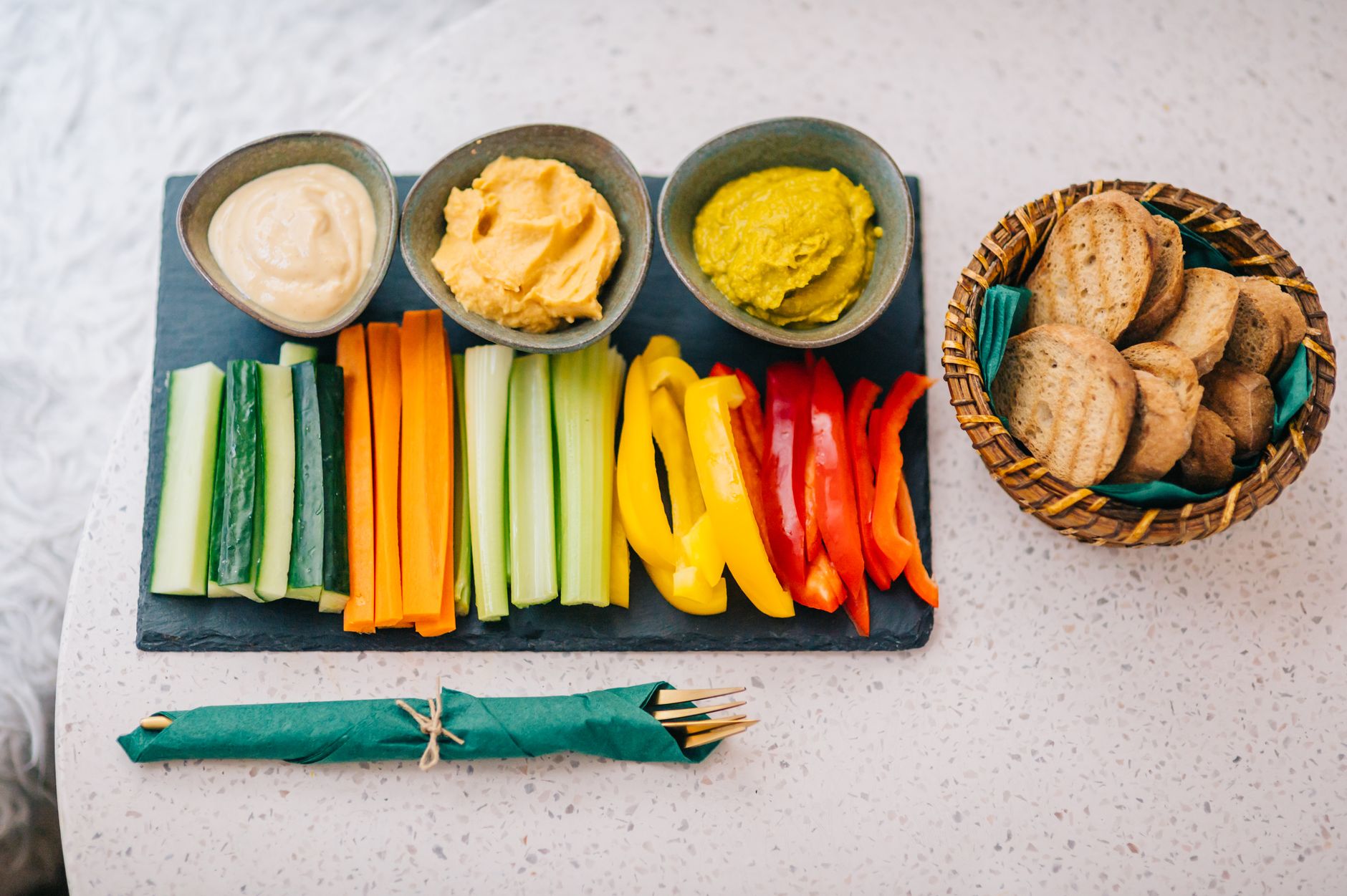
Step 2: Pre-portion everything. If you’re making trail mix or energy balls, divide them into single-serving portions. This prevents overeating and makes grabbing a snack effortless. Pro tip: Use muffin liners for individual servings of hummus with veggie sticks, making them easy to grab and preventing the veggies from getting soggy.
Step 3: Layer your bag. Place heavier items (like nuts or cheese) at the bottom to prevent crushing. Keep lighter, crunchy snacks (like rice cakes or crackers) on top. And always pack a small napkin or wet wipe for sticky fingers, especially when you're eating on the go or don't have immediate access to a sink.
For work or school, consider these easy-to-pack combos:
- Anti-inflammatory lunchbox combo: Hard-boiled eggs (pre-peeled), a handful of almonds, and a small container of guacamole with cucumber slices.
- School snack pack: A whole-grain pita pocket with hummus and shredded carrots, plus a small container of Greek yogurt with berries.
- Gym bag essentials: A protein bar (look for one with minimal added sugar), a handful of walnuts, and a small apple with almond butter.
Pro move: If you’re traveling, opt for snacks with long shelf lives, like nuts, seeds, or dried fruit. Avoid anything with creamers or sauces that might leak, as unexpected messes can add unnecessary stress to your journey. Always check TSA guidelines for liquids if flying.
---
Which Fruits and Nuts Are High in Anti-Inflammatory Properties for Portable Snacks?
Fruits and nuts are nature’s perfect snacks—they’re naturally portable, packed with nutrients, and require zero prep (except maybe peeling). Their robust nutritional profiles make them excellent choices for combating inflammation and providing sustained energy throughout your day. Here’s a breakdown of the best choices and why they work:
Top Anti-Inflammatory Fruits
Look for fruits high in polyphenols and vitamin C, which help combat inflammation by neutralizing free radicals and supporting immune function. These compounds are vital for cellular health and reducing oxidative stress.
- Berries (blueberries, strawberries, raspberries): Rich in antioxidants like anthocyanins, which reduce oxidative stress and have been shown to lower markers of inflammation. They're also high in fiber, supporting gut health.
- Cherries (especially tart cherries): Contain anthocyanins and melatonin, which help with muscle recovery after exercise and support healthy sleep cycles, both crucial for managing inflammation.
- Apples (with skin): High in quercetin, a flavonoid that may reduce inflammation and histamine release, making them beneficial for allergy sufferers too. The fiber in apples also aids digestion.
- Kiwi: Packed with vitamin C and actinidin, an enzyme that aids digestion. Vitamin C is a powerful antioxidant that protects cells from damage and supports immune function.
- Citrus fruits (oranges, grapefruit): Hesperidin in citrus may help lower inflammation and improve blood vessel function. The high vitamin C content further boosts their anti-inflammatory power.
Portion tip: Stick to ½ to 1 cup per serving to avoid blood sugar spikes. Pair with protein (like nuts or cheese) to balance things out and keep you feeling full longer.
Top Anti-Inflammatory Nuts and Seeds
These are calorie-dense but nutrient-packed, making them ideal for sustained energy and providing essential micronutrients. Their healthy fats and fiber content contribute to satiety and gut health.
Fun fact: Walnuts look like little brain-shaped powerhouses—perfect for students or professionals who need mental clarity and cognitive support throughout a demanding day.
Representative story: Emma, a marathon runner, swears by her pre-race snack of almond butter on an apple slice. “It gives me steady energy without the crash,” she says. “And the healthy fats help my joints feel better after long runs.” This combination provides both quick-release and sustained energy, ideal for endurance activities.
---
DIY Anti-Inflammatory Trail Mix Recipes for On-the-Go Snacking
Store-bought trail mix is convenient, but it’s often loaded with added sugar, salt, or inflammatory oils like soybean or canola oil. Making your own is easier than you think—and way more customizable, allowing you to control every ingredient and tailor it to your taste and dietary needs. Here are three foolproof recipes to keep on hand:
1. Classic Anti-Inflammatory Trail Mix
Ingredients (makes 4 servings):
- 1 cup raw walnuts
- ½ cup raw almonds
- ½ cup pumpkin seeds
- ¼ cup dried cranberries (unsweetened)
- 2 tbsp dark chocolate chips (85% cocoa or higher)
- 1 tbsp flaxseeds
- Pinch of sea salt
Instructions:
- Mix all ingredients in a large bowl.
- Divide into 4 small containers or reusable snack bags.
- Store in the fridge for up to 2 weeks or freeze for longer shelf life.
Nutrient boost: This mix is packed with omega-3s, antioxidants, and fiber—perfect for reducing inflammation and keeping you full. The dark chocolate provides additional polyphenols, while unsweetened cranberries offer tartness and vitamin C without the extra sugar.
2. Tropical Anti-Inflammatory Trail Mix
Ingredients (makes 4 servings):
- 1 cup unsweetened coconut flakes
- ½ cup macadamia nuts
- ½ cup dried pineapple (unsweetened)
- ¼ cup pumpkin seeds
- 1 tbsp shredded coconut (optional, for extra crunch)
- 1 tsp turmeric (for anti-inflammatory power)
Instructions:
- Toss all ingredients in a bowl.
- Store in airtight containers for up to 1 week.
Why it works: The turmeric adds a natural anti-inflammatory kick, especially when paired with black pepper (which you can add as a pinch to each serving or to the mix). Coconut and macadamia nuts provide delicious healthy fats for sustained energy and a satisfying texture.
3. Protein-Packed Trail Mix (Great for Pregnant Women or Athletes)
Ingredients (makes 4 servings):
- 1 cup roasted soy nuts (or edamame)
- ½ cup raw cashews
- ½ cup unsweetened dried apricots
- 2 tbsp pumpkin seeds
- 1 scoop vanilla protein powder (optional, for extra protein)
- 1 tbsp coconut oil (to lightly coat nuts for extra crunch)
Instructions:
- Lightly coat nuts in coconut oil and roast at 300°F for 10 minutes (optional for extra crunch).
- Mix all ingredients in a bowl.
- Store in the fridge for up to 2 weeks.
Perfect for: Pregnant women (thanks to the folate-rich soy nuts and protein, crucial for fetal development) or post-workout recovery. The combination of protein, healthy fats, and complex carbohydrates supports muscle repair and sustained energy release.
---
Low-Calorie Anti-Inflammatory Snack Options for Pregnant Women
Pregnancy cravings are real—and they’re often for sugary, processed snacks. But you can still enjoy delicious, nutrient-dense options that support both your health and your baby’s development. Focusing on anti-inflammatory, low-calorie options helps manage weight gain, stabilize blood sugar, and provide essential nutrients. Here are the best low-calorie, high-nutrient snacks for expectant moms:
1. Veggie Sticks with Hummus
Why it works: Hummus is made from chickpeas, which are rich in fiber and plant-based protein. This helps with satiety and can alleviate common pregnancy discomforts like constipation. Pair it with cucumber, bell peppers, or celery for a crunchy, hydrating snack packed with vitamins and minerals.
Portion: ¼ cup hummus + 1 cup veggies (~120 calories).
2. Greek Yogurt with Berries
Why it works: Greek yogurt is high in probiotics and calcium, vital for bone health for both mom and baby, while berries provide antioxidants to combat oxidative stress. Choose unsweetened yogurt and add fresh or frozen berries for natural sweetness and fiber.
Portion: ½ cup Greek yogurt + ½ cup berries (~100 calories).
3. Hard-Boiled Eggs with Avocado Slices
Why it works: Eggs are packed with choline (important for baby’s brain development, as recommended by the American College of Obstetricians and Gynecologists - ACOG), while avocado provides healthy monounsaturated fats and fiber. This combination offers sustained energy and crucial nutrients.
Portion: 2 hard-boiled eggs + ¼ avocado (~200 calories).
4. Cottage Cheese with Pineapple
Why it works: Cottage cheese is rich in protein and casein (a slow-digesting protein that helps keep blood sugar stable and provides a steady supply of amino acids). Pineapple adds vitamin C and bromelain, an enzyme that may reduce inflammation and aid digestion, which can be helpful during pregnancy.
Portion: ½ cup cottage cheese + ¼ cup pineapple (~120 calories).
5. Rice Cakes with Almond Butter
Why it works: Rice cakes are low-calorie and gluten-free, providing a light, easily digestible base, while almond butter provides healthy fats and vitamin E. This snack offers a good balance of carbohydrates and healthy fats to keep you energized without feeling heavy.
Portion: 2 rice cakes + 1 tbsp almond butter (~150 calories).
Pro tip for pregnant women: Always opt for pasteurized dairy and deli meats to avoid foodborne illnesses like listeriosis, which can be harmful during pregnancy. And if you’re dealing with morning sickness, try plain crackers with peanut butter or ginger tea with a handful of almonds to help settle your stomach.
Representative story: Priya, a first-time mom in her second trimester, struggled with bloating and fatigue. She swapped her usual chips and dip for hummus and veggie sticks and noticed a big difference. “I felt lighter, and my energy levels stabilized,” she says. “Plus, the fiber kept things moving smoothly!”
---
How to Store Anti-Inflammatory Snacks for Maximum Freshness During Travel
Traveling with snacks can be a nightmare if you don’t plan ahead. Ensuring your anti-inflammatory snacks stay fresh and safe to eat is crucial, especially when you're away from home and reliable food sources. Here’s how to keep your anti-inflammatory snacks fresh, safe, and ready to eat:
1. For Short Trips (Under 4 Hours)
- Nuts and seeds: Keep in their original packaging or transfer to small, airtight containers. Avoid plastic bags, which can become soggy or allow odors to escape.
- Fresh fruit: Pack in a reusable container with a damp paper towel to keep it crisp and prevent bruising. Harder fruits like apples and oranges travel better than softer ones like berries.
- Hummus or guacamole: Use small, leak-proof containers and add a spoon. To prevent guacamole from browning, press plastic wrap directly onto its surface before sealing the container.
- Yogurt or cottage cheese: Opt for single-serve, no-squeeze pouches or small cups with lids. For best results, keep them chilled in an insulated bag with an ice pack.
2. For Long Trips (Over 4 Hours)
- Freeze overnight oats or energy balls before packing. They’ll thaw gradually, acting as their own mini ice packs and being ready to eat by the time you arrive at your destination.
- Use an insulated cooler bag with an ice pack for perishable items like cheese, yogurt, or pre-cut vegetables. Replace ice packs as needed if you have access to a freezer.
- Choose shelf-stable snacks like nuts, seeds, dried fruit, or granola bars (always check for no added sugar and clean ingredients). These are your best friends for unpredictable travel delays.
- Avoid anything with creamers or sauces that might leak and make a mess, as well as highly perishable items that require constant refrigeration.
3. Airport Security Tip
Keep snacks in your carry-on bag, not checked luggage. Temperature fluctuations in cargo holds can ruin freshness, and checked bags are subject to rough handling. Solid foods are generally allowed, but liquid or gel-like snacks (like yogurt or hummus) must adhere to the TSA's 3-1-1 rule for carry-ons.
4. Allergy-Friendly Storage
If you or someone you’re traveling with has allergies:
- Label containers clearly with ingredients and allergy warnings.
- Avoid cross-contamination by using separate containers and utensils for different snacks.
- Check for nut-free or gluten-free options if needed, and consider carrying an FDA-approved allergy action plan if severe allergies are a concern.

---
Anti-Inflammatory Snack Ideas for Pregnancy (Beyond the Basics)
Pregnancy isn’t just about avoiding certain foods—it’s about nourishing both you and your baby with nutrient-dense options that support optimal health. Beyond the common recommendations, there are many delicious and beneficial anti-inflammatory snacks that can help manage common pregnancy symptoms and boost overall well-being. Here are some often-overlooked anti-inflammatory snack ideas that are safe and beneficial during pregnancy:
1. Chia Pudding (Make Ahead!)
Ingredients:
- 2 tbsp chia seeds
- ½ cup unsweetened almond milk
- ½ tsp vanilla extract
- 1 tbsp honey or maple syrup
- Toppings: berries, sliced banana, or shredded coconut
Instructions:
- Mix chia seeds, almond milk, vanilla, and sweetener in a jar.
- Refrigerate overnight (or at least 2 hours).
- Top with fruit before eating.
Why it’s great: Chia seeds are rich in omega-3s and fiber, which can help with constipation, a common pregnancy complaint. The almond milk provides calcium, essential for baby's bone development and maintaining maternal bone density. This snack is also excellent for sustained energy.
2. Avocado Toast on Whole-Grain Bread
Ingredients:
- 1 slice whole-grain bread
- ½ avocado, mashed
- Pinch of sea salt and red pepper flakes
- Optional: poached egg or sprinkle of hemp seeds
Why it’s great: Whole grains provide fiber and B vitamins, including folate, which is crucial for preventing neural tube defects. Avocado delivers healthy fats for brain development and can help keep morning sickness at bay for some women. Adding a poached egg boosts protein and choline.
3. Roasted Chickpeas
Ingredients:
- 1 can chickpeas, drained and rinsed
- 1 tbsp olive oil
- ½ tsp cumin
- ½ tsp paprika
- Pinch of salt
Instructions:
- Toss chickpeas with oil and spices.
- Roast at 400°F for 20–25 minutes until crispy.
- Store in an airtight container for up to a week.
Why it’s great: Chickpeas are high in plant-based protein and folate, which supports fetal development. They also offer a satisfying crunch that can be a healthy alternative to chips, providing fiber to aid digestion.
4. Smoothie Packs (Freeze for Later!)
Ingredients (for 2 smoothies):
- 1 cup spinach
- ½ banana
- ½ cup frozen berries
- 1 tbsp almond butter
- ½ cup unsweetened almond milk
- 1 scoop protein powder (optional)
Instructions:
- Blend all ingredients until smooth.
- For meal prep, freeze in portion-sized bags.
- Thaw overnight in the fridge or blend with ice for a cold smoothie.
Why it’s great: Spinach provides iron and folate, essential for preventing anemia and supporting fetal growth, while berries are packed with antioxidants. Smoothies are an easy way to pack in nutrients, especially if you're experiencing food aversions or have limited appetite.
---
Best Anti-Inflammatory Snacks for Weight Loss
If you’re watching your weight but still want to reduce inflammation, focusing on smart snacking is key. The right snacks can help you feel full, curb cravings, and support your metabolism without adding unnecessary calories. Focus on snacks that are:
- Low in calories but high in volume (to keep you full and satisfied).
- Rich in protein and fiber (to curb cravings and stabilize blood sugar).
- Free from added sugar and refined carbs (to avoid blood sugar spikes and subsequent energy crashes).
Top 5 Low-Calorie, High-Nutrient Snacks
Pro tip for weight loss: Pair these snacks with hydration. Sometimes thirst is mistaken for hunger! Aim for half your body weight (in lbs) in ounces of water daily, as recommended by many nutrition experts. Drinking water before a snack can also help manage appetite.
Representative story: Lisa, a personal trainer, lost 20 pounds using an anti-inflammatory approach. “I swapped my afternoon coffee runs for handfuls of walnuts and an apple,” she says. “It kept my energy up without the sugar crash, and I noticed my joints felt less stiff.” This holistic approach to snacking supports both weight goals and overall physical comfort.
---
Anti-Inflammatory Snacks for Athletes
Athletes need snacks that fuel performance, reduce muscle soreness, and speed up recovery. The right timing and nutrient profile can make a significant difference in training effectiveness and injury prevention. The best options are:
- High in protein (to repair muscles and support growth).
- Rich in antioxidants (to reduce oxidative stress caused by intense exercise).
- Easy to digest (to avoid stomach issues during workouts and allow nutrients to be absorbed quickly).
Pre-Workout Snacks (1–2 Hours Before)
These snacks provide steady energy without weighing you down, ensuring you have enough fuel for your activity without discomfort:
- Banana with almond butter (quick-release carbs from banana for immediate energy, healthy fats from almond butter for sustained fuel).
- Greek yogurt with berries (protein for muscle protection, antioxidants from berries to mitigate exercise-induced inflammation).
- Oatmeal with chia seeds and honey (complex carbs for sustained energy, fiber for gut health, and a touch of quick sugar for a boost).
- Hard-boiled eggs with whole-grain toast (lean protein for muscle readiness, complex carbs for steady fuel).
Post-Workout Snacks (Within 30–60 Minutes After)
These help replenish glycogen stores and repair muscles, a critical window for recovery to minimize soreness and prepare for the next session:
- Protein smoothie (whey protein, banana, spinach, almond milk – a perfect blend of protein, carbs, and micronutrients for rapid recovery).
- Turmeric golden milk latte with a handful of walnuts (turmeric for anti-inflammatory benefits, walnuts for omega-3s and protein, providing a soothing and restorative drink).
- Salmon with quinoa and roasted veggies (omega-3s from salmon for inflammation reduction, complete protein, and complex carbs from quinoa, plus vitamins from veggies). This is a more substantial snack or mini-meal.
- Cottage cheese with pineapple (slow-digesting casein protein for prolonged muscle repair, bromelain from pineapple for anti-inflammatory support and enzyme activity).
On-the-Go Athletic Snacks
For when you’re traveling or training outside and need convenient, effective fuel:
- Energy balls (dates + nut butter + oats + flaxseeds) (easy to make ahead, packed with natural sugars for quick energy and healthy fats for satiety).
- Beef jerky (look for no added sugar options) with a handful of almonds (high-quality protein for muscle repair, healthy fats and fiber from almonds).
- Dark chocolate (85%+) with walnuts (antioxidants from dark chocolate to fight oxidative stress, omega-3s from walnuts for brain and joint health).
- Pre-made anti-inflammatory protein bars (check labels carefully for minimal added sugar, whole food ingredients, and a good protein-to-carb ratio).
Pro tip for athletes: If you’re training in the morning, avoid high-fiber snacks right before your workout—they can cause bloating and digestive discomfort. Opt for easily digestible carbs like a banana or rice cakes instead to ensure comfort and optimal performance.
---
Anti-Inflammatory Snack Recipes with Turmeric
Turmeric isn’t just for curry—it’s a powerhouse anti-inflammatory spice thanks to its active compound, curcumin. Curcumin has been extensively studied for its ability to reduce inflammation and oxidative stress throughout the body. It can be easily incorporated into snacks to boost their health benefits. Here are three delicious and easy recipes:
1. Turmeric Golden Milk Energy Balls
Ingredients (makes 12 balls):
- 1 cup rolled oats
- ½ cup almond butter
- ¼ cup honey or maple syrup
- 1 tbsp ground flaxseed
- 1 tsp turmeric
- ½ tsp cinnamon
- ¼ tsp black pepper (enhances turmeric absorption)
- 1 tbsp coconut oil (for rolling)
- Optional: ¼ cup dark chocolate chips
Instructions:
- Mix all ingredients (except coconut oil) in a bowl until well combined.
- Roll into 12 balls and coat with coconut oil.
- Store in the fridge for up to 1 week or freeze for longer shelf life.
Why it works: Turmeric reduces inflammation, while black pepper boosts its absorption significantly (by up to 2000%!). The oats provide fiber for steady energy, and almond butter offers healthy fats and protein, making these a balanced and potent anti-inflammatory snack.
2. Turmeric Hummus with Veggie Sticks
Ingredients:
- 1 can chickpeas, drained and rinsed
- 2 tbsp tahini
- 2 tbsp olive oil
- 1 tbsp lemon juice
- 1 tsp turmeric
- ½ tsp cumin
- ¼ tsp garlic powder
- Salt to taste
- Veggie sticks (carrots, cucumber, bell peppers)
Instructions:
- Blend all hummus ingredients until smooth.
- Serve with fresh veggie sticks.
- Store in an airtight container for up to 5 days.
Why it works: The turmeric + tahini combo is a gut-friendly, anti-inflammatory powerhouse. Chickpeas provide fiber and plant-based protein, while olive oil adds healthy monounsaturated fats. This vibrant, flavorful dip makes eating your vegetables even more appealing.
3. Turmeric Latte (Golden Milk) for a Quick Pick-Me-Up
Ingredients (1 serving):
- 1 cup unsweetened almond milk
- ½ tsp turmeric
- ¼ tsp cinnamon
- ¼ tsp ginger
- Pinch of black pepper
- 1 tsp honey or maple syrup (optional)
- Pinch of cardamom (optional)
Instructions:
- Heat almond milk in a small saucepan over low heat.
- Whisk in turmeric, cinnamon, ginger, and black pepper.
- Simmer for 5–7 minutes, then strain if you prefer a smoother texture.
- Add honey and cardamom to taste.
- Serve warm with a handful of walnuts on the side.
Why it works: This warm, soothing drink is perfect for post-workout recovery or an afternoon slump. The combination of spices not only provides anti-inflammatory benefits but also offers a comforting aroma and taste, making it a mindful break in your day.
---
Anti-Inflammatory Snacks That Are Gluten-Free
Gluten-free doesn’t have to mean boring or unhealthy. Many naturally gluten-free foods are also highly anti-inflammatory, making it easy to combine these dietary approaches. Whether you have celiac disease, gluten sensitivity, or simply choose to avoid gluten, there are plenty of delicious, nutrient-dense options. Here are some delicious, anti-inflammatory, gluten-free snack ideas:
1. Gluten-Free Energy Balls
Ingredients (makes 12 balls):
- 1 cup gluten-free oats
- ½ cup almond butter
- ¼ cup honey or maple syrup
- 1 tbsp chia seeds
- 1 tbsp flaxseeds
- 1 tsp vanilla extract
- ¼ cup dark chocolate chips (ensure gluten-free)
Instructions:
- Combine all ingredients in a large bowl and mix until a sticky dough forms.
- Roll the mixture into 1-inch balls.
- Store in an airtight container in the refrigerator for up to 1 week, or freeze for longer storage.
Why it works: Gluten-free oats provide complex carbohydrates and fiber, while almond butter delivers healthy fats and protein. Chia and flax seeds add omega-3s and additional fiber, making these balls a powerhouse of energy and anti-inflammatory nutrients, all without gluten.
2. Apple Slices with Nut Butter and Cinnamon
Why it works: Apples are naturally gluten-free and rich in quercetin, an antioxidant that helps reduce inflammation. Pairing them with a dollop of almond or peanut butter provides healthy fats and protein, which slows sugar absorption and keeps you full. A sprinkle of cinnamon adds a delicious flavor and has its own anti-inflammatory properties, making this a simple yet effective snack.
Portion: 1 medium apple + 2 tablespoons natural nut butter + a dash of cinnamon.
3. Hard-Boiled Eggs with Everything Bagel Seasoning
Why it works: Eggs are a complete protein source, naturally gluten-free, and packed with choline, which supports brain health. They are incredibly satisfying and easy to prepare ahead of time. Adding everything bagel seasoning (which is typically gluten-free, but always check the label) provides a burst of flavor from sesame seeds, poppy seeds, dried garlic, and onion, without adding inflammatory ingredients.
Portion: 1-2 hard-boiled eggs + ½ teaspoon seasoning.
---
Anti-Inflammatory Snacks for Kids and Toddlers
Getting kids to eat healthy can be a challenge, but incorporating anti-inflammatory snacks from a young age can set them up for better health. The key is making them fun, appealing, and easy for little hands to manage. Focus on whole, unprocessed foods that are naturally colorful and tasty. The NHS Start for Life program emphasizes varied, nutrient-rich foods for toddlers, which aligns perfectly with an anti-inflammatory approach.
Kid-Friendly Anti-Inflammatory Options:
- Fruit Skewers: Alternate berries, melon cubes, and grape halves on blunt skewers. Berries are packed with antioxidants, and fruit is a naturally sweet treat.
- "Ants on a Log" with a Twist: Celery sticks filled with almond butter (or sunbutter for nut allergies) and topped with a few raisins or dried cranberries. This classic provides fiber, healthy fats, and a touch of sweetness.
- Mini Bell Pepper Strips with Guacamole: Colorful bell peppers are high in vitamin C and antioxidants. Guacamole offers healthy fats and a creamy texture kids often love.
- Plain Greek Yogurt with Pureed Fruit: Unsweetened Greek yogurt provides protein and probiotics. Stir in homemade fruit puree (like berry or peach) instead of sugary store-bought options.
- Homemade "Cheerios" with Berries: Look for whole-grain, low-sugar O-shaped cereals. Serve with a splash of unsweetened milk and fresh berries for a quick, crunchy snack.
Parent Pro Tip: Involve your children in the preparation! Let them wash berries, arrange veggie sticks, or help stir ingredients for energy balls. Kids are often more likely to eat what they've helped create. Always ensure foods are cut into appropriate, choke-safe sizes for toddlers.
---
Smart Swaps: Replacing Common Inflammatory Snacks
Making the transition to an anti-inflammatory diet doesn't mean sacrificing all your favorite treats. It’s about making smarter, healthier swaps that satisfy your cravings while nourishing your body. Understanding what makes a snack inflammatory (often high in refined sugars, unhealthy fats, and artificial ingredients) is the first step towards better choices. Here are some common inflammatory snacks and their anti-inflammatory alternatives:
Transition Tip: Don't try to overhaul your entire snack pantry overnight. Start with one or two swaps that feel manageable, and gradually introduce more anti-inflammatory options. Your taste buds will adapt, and your body will thank you.
---
Understanding Hidden Inflammatory Ingredients in Packaged Snacks
Even when you're trying to make healthy choices, reading food labels can be confusing. Many seemingly innocent packaged snacks contain hidden ingredients that can contribute to inflammation. Becoming a savvy label reader is crucial for maintaining an anti-inflammatory diet, especially when you're grabbing something quick on the go. The FDA's Nutrition Facts label is your best tool for this.
Key Inflammatory Ingredients to Watch Out For:
- Added Sugars: Look beyond "sugar" for terms like high-fructose corn syrup, corn syrup, dextrose, fructose, glucose, maltose, sucrose, cane sugar, and fruit juice concentrate. These can spike blood sugar and promote inflammation.
- Refined Vegetable Oils: Oils like soybean oil, corn oil, sunflower oil, safflower oil, and cottonseed oil are high in omega-6 fatty acids, which in excess can promote inflammation. Opt for snacks made with olive oil, avocado oil, or coconut oil instead.
- Trans Fats: Often listed as "partially hydrogenated oil," trans fats are highly inflammatory and linked to heart disease. The FDA has largely banned them, but small amounts can still be present.
- Artificial Sweeteners: While calorie-free, some artificial sweeteners (e.g., aspartame, sucralose) may negatively impact gut microbiome health, potentially contributing to inflammation.
- Artificial Colors and Preservatives: Dyes like Red 40, Yellow 5, and Yellow 6, and preservatives like BHA and BHT, have been linked to various health concerns, including inflammatory responses in sensitive individuals.
- Refined Grains: White flour, white rice, and other refined grains lack the fiber and nutrients of whole grains, leading to quicker blood sugar spikes. Look for "whole wheat," "whole oats," or other whole grain ingredients.
Actionable Tip: When choosing packaged snacks, aim for those with a short ingredient list, featuring whole, recognizable foods. If you see multiple forms of sugar or refined oils listed early in the ingredients, it's often best to put that snack back and choose a whole-food alternative.
---
Myth vs. Fact
There's a lot of information (and misinformation) out there about anti-inflammatory diets and snacking. Let's clear up some common misconceptions:
Myth: Anti-inflammatory snacks are bland and boring.
Fact: Absolutely not! As this guide shows, anti-inflammatory snacks can be incredibly flavorful and satisfying. Spices like turmeric and ginger, fresh herbs, and naturally sweet fruits add vibrant tastes without needing artificial additives. The focus is on whole, delicious ingredients.
Myth: You need expensive "superfoods" to make anti-inflammatory snacks.
Fact: While some superfoods are great, you don't need a fancy budget. Everyday items like berries, apples, nuts, seeds, chickpeas, and oats are highly accessible, affordable, and packed with anti-inflammatory compounds. Focus on consistency with common, wholesome foods.
Myth: All healthy snacks are anti-inflammatory.
Fact: Not necessarily. While many healthy snacks are, some can still contain ingredients that might promote inflammation for certain individuals (e.g., certain types of dairy for those with sensitivities, or too many omega-6 rich nuts without balancing omega-3s). Always check ingredients and listen to your body.
---
Key Takeaways
- Anti-inflammatory snacks are rich in omega-3s, antioxidants, fiber, and polyphenols to reduce inflammation.
- Preparation is key for on-the-go snacking: use leak-proof containers, pre-portion, and layer your bag.
- Top anti-inflammatory fruits include berries, cherries, and apples; best nuts/seeds are walnuts, almonds, and chia seeds.
- DIY trail mixes allow you to control ingredients, avoiding added sugars and inflammatory oils.
- For pregnant women, focus on nutrient-dense, low-calorie options like hummus with veggies or Greek yogurt with berries.
- Athletes benefit from balanced pre- and post-workout snacks high in protein and antioxidants for recovery.
- Turmeric is a powerful anti-inflammatory spice easily incorporated into energy balls, hummus, or lattes.
- Many delicious and satisfying gluten-free anti-inflammatory options exist, using oats, fruits, vegetables, and eggs.
- Be a smart label reader to identify and avoid hidden inflammatory ingredients like added sugars and refined oils in packaged snacks.
---
Frequently Asked Questions
What are the quickest anti-inflammatory snacks to grab?
For ultimate speed, grab a handful of walnuts or almonds, a small apple, a pre-portioned bag of pumpkin seeds, or a single-serving unsweetened Greek yogurt cup. Hard-boiled eggs are also incredibly fast if prepared ahead of time. These require virtually no prep and can be tossed into your bag as you head out the door.
Can I eat anti-inflammatory snacks every day?
Yes, absolutely! Anti-inflammatory snacks are generally made from whole, nutrient-dense foods that are beneficial for daily consumption. Incorporating them regularly supports overall health, reduces chronic inflammation, and provides sustained energy. Just ensure you're choosing a variety of foods to get a broad spectrum of nutrients.
What are the signs that a snack is inflammatory for my body?
If a snack is inflammatory for you, you might notice symptoms like increased bloating, digestive discomfort, fatigue, skin breakouts, joint aches, or a general feeling of sluggishness shortly after eating it. Pay attention to how your body responds to different foods, especially those high in refined sugars, unhealthy fats, or artificial ingredients.
Are store-bought anti-inflammatory snacks reliable?
Some store-bought options can be good, but it's crucial to read labels carefully. Look for products with minimal added sugars, healthy fats (like olive or avocado oil instead of soybean or corn oil), and whole-food ingredients. Many "healthy" snacks can still contain hidden inflammatory additives, so always be a discerning consumer.
How can I make anti-inflammatory snacks more appealing for picky eaters?
For picky eaters, focus on presentation and familiarity. Cut fruits and veggies into fun shapes, create colorful skewers, or blend ingredients into smoothies. Involve them in the preparation to increase their interest. Offering a small dip like hummus or almond butter can also make plain veggies more appealing. Consistency and patience are key.
---
When to See a Doctor or Specialist
While an anti-inflammatory diet can significantly improve your health and well-being, it's not a substitute for professional medical advice. If you have persistent symptoms of inflammation, such as chronic pain, unexplained fatigue, digestive issues, or skin problems, it's important to consult a healthcare provider. A registered dietitian can also provide personalized guidance on tailoring your diet to your specific needs and health conditions.
This article is for informational purposes only and does not constitute medical advice. Always consult with a qualified healthcare professional before making any decisions about your health or treatment.
---
References
- American College of Obstetricians and Gynecologists (ACOG).
- NHS Start for Life, National Health Service (UK).
- U.S. Food and Drug Administration (FDA).
- Harvard T.H. Chan School of Public Health.
- Academy of Nutrition and Dietetics.
- National Institutes of Health (NIH).




