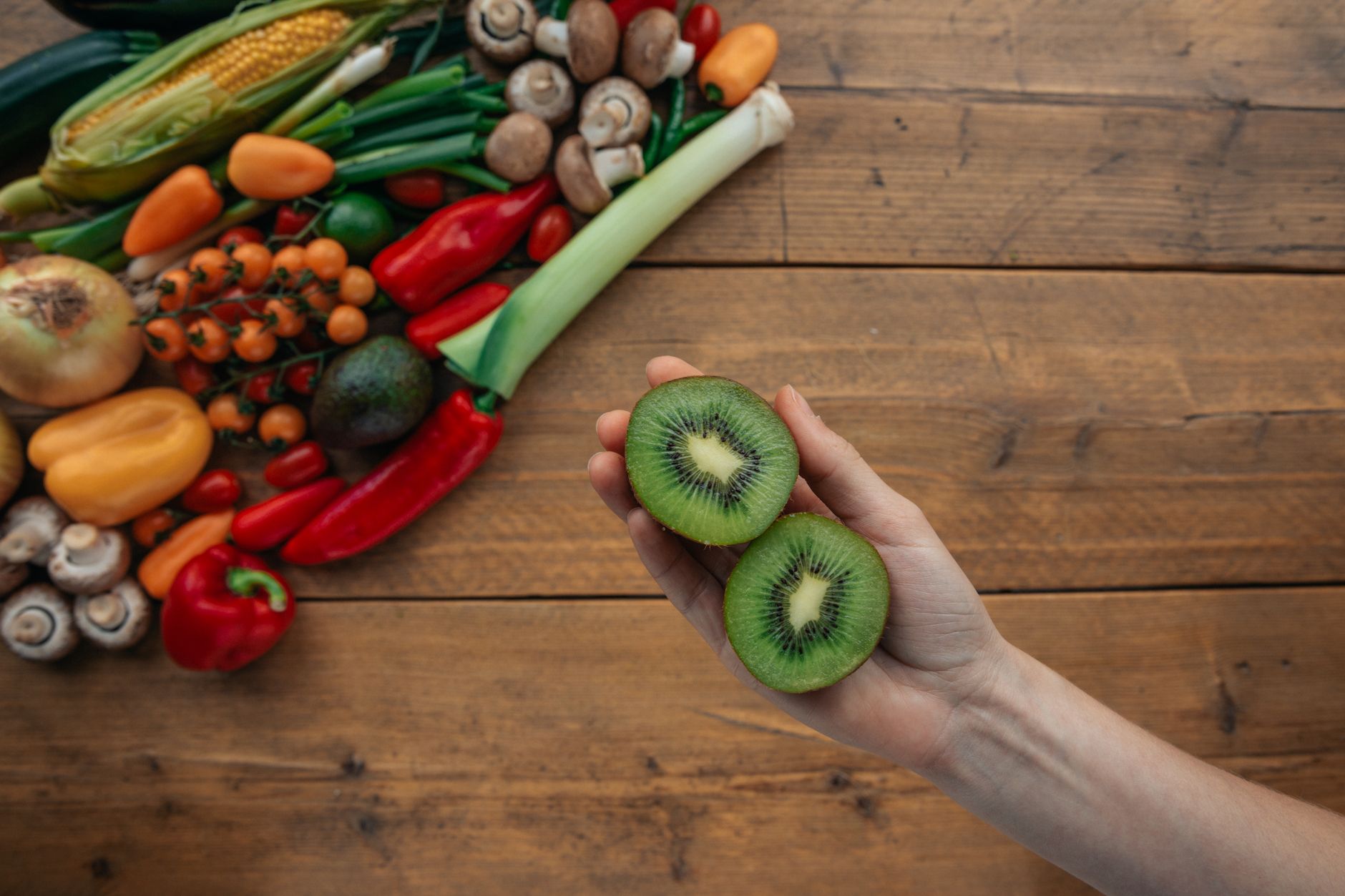
Struggling to shop for an alkaline diet? Discover the 2026’s best alkaline foods in this complete grocery list to balance your pH naturally.
By Shubhra Mishra — a mom of two who turned her own confusion during pregnancy into BumpBites, a global mission to make food choices clear, safe, and stress-free for every expecting mother. 💛
Check whether any food is safe during pregnancy with the BumpBites Food Safety Checker.
Quick take: An alkaline diet grocery list focuses on low-acid foods like leafy greens, nuts, seeds, and certain fruits to help balance your body’s pH. For pregnancy, prioritize nutrient-dense alkaline staples like spinach, broccoli, and almonds—while avoiding processed foods and high-sodium items. Stock up on seasonal produce, hydrate well, and pair alkaline foods with protein to maximize benefits. Always check with your provider before making major dietary shifts, especially during pregnancy.
What are the best alkaline foods to buy for a balanced alkaline diet grocery list in 2026?
Picture this: You’re standing in the grocery store aisle, staring at the produce section, wondering if the kale you’re holding is as alkaline as you thought. Or maybe you’re scrolling through your phone, trying to remember if tofu is actually alkaline-friendly. Sound familiar? You’re not alone. Many women—especially those navigating pregnancy—want to eat for both their health and their baby’s, but the alkaline diet can feel overwhelming when you’re not sure what to prioritize.
An alkaline diet emphasizes foods that help balance your body’s pH levels, reducing acidity and promoting overall wellness. For pregnant women, this can mean fewer bloating episodes, better energy levels, and even reduced nausea. But how do you know which foods to buy? And how do you make sure you’re getting enough variety to stay balanced?
Here’s the good news: you don’t need to overcomplicate it. Start with the most alkaline-friendly foods—leafy greens, nuts, seeds, and certain fruits—and build your grocery list from there. Below, we’ll break down the best alkaline foods to buy, including pregnancy-friendly picks, budget tips, and how to read nutrition labels so you can shop with confidence.
First, let’s tackle the basics: what makes a food alkaline?
How to identify alkaline foods on the shelf
Alkaline foods are typically low in protein and fat, which are more acidic, and high in minerals like magnesium, calcium, and potassium. The American Institute for Cancer Research notes that while the body naturally regulates pH, eating a diet rich in alkaline foods can help reduce inflammation and support overall health. For pregnancy, this can translate to fewer discomforts like heartburn or swelling.
Nuts and seeds: Almonds, chia seeds, and flaxseeds.
Legumes: Lentils, chickpeas, and black beans (soaked or sprouted for better digestibility).
Herbs and spices: Turmeric, ginger, and basil.
Pro tip: Avoid canned or processed versions of these foods—they often contain added acids or preservatives that can throw off your pH balance.
Alkaline vs. acidic foods: a quick comparison
To make your shopping list even easier, here’s a simple breakdown of alkaline vs. acidic foods. Think of this as your cheat sheet for the grocery store:
Food Group
Alkaline Foods
Acidic Foods
Vegetables
Spinach, kale, broccoli, zucchini, cucumber
Tomatoes, potatoes, eggplant, mushrooms
Fruits
Lemons, limes, berries, melons, avocados
Oranges, apples, grapes, bananas, pineapple
Proteins
Tofu, tempeh, nuts, seeds
Meat, poultry, dairy, eggs
Grains
Quinoa, amaranth, buckwheat
Wheat, rice, oats
Drinks
Water, herbal teas, coconut water
Coffee, soda, alcohol, fruit juices
For pregnancy, focus on the alkaline side—your body is already working hard, and reducing acidity can help with energy and comfort.
Your 2026 alkaline diet grocery list essentials
Now that you know what to look for, here’s a practical grocery list to get you started. We’ve organized it by category for easy shopping:
Stock up on these alkaline staples for a balanced grocery list.
If you’re wondering how to incorporate these into meals, think beyond salads. Try blending spinach into smoothies, adding quinoa to your breakfast bowl, or snacking on almonds and berries. For pregnancy, these foods can help with nutrient absorption and reduce bloating.
How to create an alkaline diet meal plan with a budget-friendly grocery shopping list?
Let’s be real: grocery shopping on a budget is tough, especially when you’re trying to eat for two (or more). Many women tell us they love the idea of an alkaline diet but worry it’ll break the bank. The truth? You can absolutely eat alkaline on a budget—it just takes a little planning.
Here’s how to create a budget-friendly alkaline meal plan without sacrificing nutrition:
Start with seasonal and local produce
Seasonal produce is not only cheaper but also more nutrient-dense. For example, in the summer, focus on berries, zucchini, and tomatoes (even though tomatoes are slightly acidic, they’re packed with lycopene, which is great for pregnancy). In the fall, sweet potatoes and beets are budget-friendly alkaline picks.
Local farmers' markets often have affordable options, and you can freeze extras for later. If you’re not near a market, check out USDA’s National Farmers Market Directory for nearby options.
Buy in bulk and freeze
Nuts, seeds, and legumes are cheaper when bought in bulk. Portion them out and freeze in small bags for easy grab-and-go snacks. Frozen berries are also a great alkaline-friendly option—they’re often just as nutritious as fresh and last longer.
Prioritize whole foods over processed
Processed foods are often more expensive and less alkaline-friendly. Stick to whole foods like nuts, seeds, and fresh produce. For example, instead of buying pre-packaged snack mixes, grab a bag of almonds and a handful of berries.
Meal prep to reduce waste
Cooking in bulk saves time and money. Try making a big batch of quinoa or lentils on Sunday and using them throughout the week in salads, soups, or stir-fries. This way, you’re not buying fresh ingredients every day.
Here’s a simple 7-day alkaline meal plan to get you started:
Day
Breakfast
Lunch
Dinner
Snack
Monday
Spinach and berry smoothie with almond milk
Quinoa salad with chickpeas, cucumber, and lemon dressing
Baked salmon (if non-vegetarian) or tofu stir-fry with broccoli and sweet potatoes
Handful of almonds and a slice of lemon
Tuesday
Oatmeal with chia seeds, blueberries, and flaxseeds
Lentil soup with spinach and carrots
Stuffed bell peppers (with quinoa, black beans, and tomatoes)
Cantaloupe slices
Wednesday
Avocado toast on whole-grain bread with a sprinkle of chia seeds
Kale and chickpea salad with lemon-tahini dressing
Grilled chicken (or tempeh) with roasted Brussels sprouts and sweet potatoes
Handful of walnuts and a few strawberries
Thursday
Smoothie bowl with banana (in moderation), spinach, and almond butter
Quinoa and black bean bowl with avocado and lime
Baked cod (or tofu) with sautéed greens and beets
Herbal tea and a few almonds
Friday
Chia pudding with coconut milk and berries
Spinach and white bean soup
Vegetable curry with chickpeas and quinoa
Lemon water and a handful of pumpkin seeds
Saturday
Buckwheat pancakes with lemon and berries
Mediterranean plate with hummus, cucumber, olives, and greens
Grilled turkey (or tempeh) with roasted zucchini and carrots
Coconut water and a few walnuts
Sunday
Green juice with ginger, lemon, and spinach
Quinoa and vegetable stir-fry with tofu
Baked chicken (or lentils) with mashed sweet potatoes and steamed greens
Dark chocolate (in moderation) and a handful of almonds
For pregnancy, adjust portions to ensure you’re getting enough calories and nutrients. If you’re feeling fatigued, add healthy fats like avocado or nuts to meals for sustained energy.
Are there any alkaline diet grocery staples that help with pregnancy-related nausea?
If you’re pregnant and struggling with nausea, you’re not alone. Many women find that certain alkaline foods help soothe their stomach and reduce morning sickness. The key is focusing on easy-to-digest, low-acid foods that are gentle on your digestive system.
Here are some alkaline-friendly staples that can help with pregnancy nausea:
Ginger: the nausea superhero
Ginger is one of the most effective alkaline foods for nausea. Studies, including those from the National Institutes of Health (NIH), show that ginger can reduce nausea and vomiting during pregnancy. Try sipping ginger tea, adding fresh ginger to your smoothies, or snacking on ginger candies.
Lemons and limes
Citrus fruits like lemons and limes are alkaline-forming and can help stimulate digestion. Sipping on warm lemon water in the morning or adding lemon juice to your water throughout the day can help curb nausea. Just be mindful of the acidity—if your stomach is extra sensitive, start with small amounts.
Crackers and toast
While not technically alkaline, plain crackers or toast are low-acid and can help settle your stomach. Pair them with a slice of lemon or a small piece of fruit like a banana (in moderation) for added alkalinity.
Herbal teas
Peppermint and chamomile teas are both alkaline-friendly and can help soothe an upset stomach. Avoid caffeine, as it can worsen nausea. Look for caffeine-free options or herbal blends specifically designed for pregnancy.
Alkaline-friendly snacks
For quick bites, reach for:
Almonds or walnuts
Berries (strawberries or blueberries)
Avocado slices
Cucumber slices with a sprinkle of sea salt
If you’re dealing with nausea, it’s also important to eat small, frequent meals rather than large ones. Keep alkaline snacks handy, like a bag of almonds or a smoothie with spinach and berries, to keep your energy up without overwhelming your stomach.
What are the worst acidic foods to avoid when following an alkaline diet grocery list?
Just as important as knowing what to buy is knowing what to avoid. Acidic foods can throw off your pH balance and make you feel sluggish, especially during pregnancy. Here’s what to steer clear of:
The biggest offenders
While no food is "bad," these are the top acidic foods to limit on an alkaline diet:
Processed meats: Bacon, sausage, deli meats (high in sodium and preservatives)
Refined sugars: Soda, candy, pastries, and sugary cereals
White flour products: Bread, pasta, and baked goods made with white flour
Alcohol: Wine, beer, and cocktails (can dehydrate and increase acidity)
Coffee and energy drinks: High in acid and caffeine, which can worsen nausea or acid reflux
Tomatoes and nightshades: While tomatoes are slightly acidic, they’re also nutrient-dense. If you tolerate them well, they’re fine in moderation.
Citric acid (found in many canned fruits and beverages)
Phosphoric acid (common in sodas and processed snacks)
Sodium benzoate (a preservative in some sauces and dressings)
For pregnancy, avoiding these can help reduce bloating, heartburn, and fatigue. If you’re craving something sweet, opt for alkaline-friendly alternatives like dark chocolate (70% or higher) or a small piece of fruit.
How does an alkaline diet grocery shopping list differ for vegetarians vs. non-vegetarians?
Whether you’re vegetarian or non-vegetarian, an alkaline diet can work for you—but the grocery list will look a little different. The key difference lies in protein sources and how you balance your meals to ensure you’re getting all the nutrients you need.
Non-vegetarian alkaline staples
If you eat meat, poultry, or fish, you can include small amounts of alkaline-forming proteins like:
Wild-caught salmon or sardines (rich in omega-3s)
Grass-fed beef or turkey (in moderation)
Eggs (in small quantities, as they’re slightly acidic)
Pair these with plenty of vegetables and healthy fats to balance the meal. For example, a grilled salmon salad with spinach, avocado, and lemon dressing is both alkaline-friendly and packed with nutrients for pregnancy.
Vegetarian alkaline staples
For vegetarians, focus on plant-based proteins like:
Tofu and tempeh (both alkaline-forming)
Legumes (lentils, chickpeas, black beans)
Quinoa and amaranth (complete plant proteins)
Nuts and seeds (almonds, chia, flax)
Vegetarians should also pay extra attention to vitamin B12, iron, and omega-3s. Consider fortified foods or supplements if needed. For example, adding flaxseeds to your smoothie or choosing fortified plant milks can help bridge any nutritional gaps.
Sample vegetarian vs. non-vegetarian alkaline meals
Here’s how a day of meals might look for both diets:
Meal
Vegetarian
Non-Vegetarian
Breakfast
Spinach and berry smoothie with almond milk and chia seeds
Greek yogurt (in moderation) with spinach, berries, and almonds
Lunch
Quinoa bowl with chickpeas, cucumber, lemon dressing, and avocado
Grilled chicken salad with spinach, avocado, and lemon-tahini dressing
Dinner
Stuffed bell peppers with quinoa, black beans, and greens
Baked salmon with roasted Brussels sprouts and sweet potatoes
Snack
Handful of almonds and a few strawberries
Hard-boiled eggs with a side of cucumber slices
Both diets can be nutrient-dense and alkaline-friendly—it’s all about balancing your plate with plenty of vegetables, healthy fats, and whole foods.
Can an alkaline diet grocery list help with reducing pregnancy-related swelling and bloating?
Swelling and bloating are common during pregnancy, and many women turn to dietary changes to ease these symptoms. While an alkaline diet isn’t a cure-all, focusing on low-acid, nutrient-dense foods can help reduce water retention and discomfort.
Here’s how alkaline foods can help with swelling and bloating:
Reduce sodium intake
Excess sodium can cause water retention, leading to swelling. Opt for fresh, whole foods and avoid processed snacks, canned soups, and deli meats. Instead, season your meals with herbs, lemon, or a pinch of sea salt.
Increase potassium-rich foods
Potassium helps balance sodium and reduce bloating. Alkaline foods like:
Spinach
Sweet potatoes
Avocados
Bananas (in moderation)
are great additions to your diet.
Stay hydrated with alkaline water
Drinking enough water is key to reducing bloating. Add a squeeze of lemon or a pinch of sea salt to your water to create an alkaline solution. Avoid sugary drinks and caffeine, which can dehydrate you and worsen swelling.
Gentle digestion aids
Pregnancy hormones can slow digestion, leading to bloating. Alkaline foods like:
Ginger
Pineapple
Papaya
can help ease digestion. Try adding ginger to your meals or sipping on ginger tea.
Limit processed foods
Processed foods often contain artificial additives that can worsen bloating. Stick to whole, alkaline-friendly foods like vegetables, nuts, and seeds.
If you’re struggling with swelling, also consider elevating your feet when possible and staying active with gentle exercises like walking or prenatal yoga. For persistent swelling, consult your provider to rule out preeclampsia or other conditions.
What are the most alkaline-friendly grocery brands to look for in 2026?
Not all alkaline foods are created equal—some brands prioritize freshness, organic ingredients, and minimal processing. Here are some of the best alkaline-friendly grocery brands to look for in 2026:
Produce and vegetables
Local farmers' markets: Fresh, seasonal, and often organic.
Whole Foods 365: Affordable organic produce options.
Muir Glen: Organic canned tomatoes (if you tolerate them) and beans.
Navitas Organics: High-quality frozen berries and vegetables.
Nuts and seeds
Wonderful: Organic almonds and walnuts.
Manitoba Harvest: High-quality hemp and chia seeds.
Primal Spirit: Organic pumpkin seeds and sunflower seeds.
Legumes and grains
Bob’s Red Mill: Organic quinoa, amaranth, and lentils.
Annie Chun’s: Organic tofu and tempeh.
Three Wishes: Organic black beans and chickpeas.
Herbal teas and drinks
Yogi Tea: Herbal teas like ginger and chamomile.
Harney & Sons: Organic herbal teas.
Coconut Water Brand: Pure, unsweetened coconut water.
When shopping for brands, look for labels like "organic," "non-GMO," and "no added sugars." These indicate higher-quality, alkaline-friendly products. If you’re on a budget, check out store brands at grocery chains like Kroger or Safeway—they often carry organic options at lower prices.
How to shop for alkaline diet groceries online for delivery in 2026: tips and tricks
Shopping online for alkaline groceries is a game-changer for busy moms. But how do you make sure you’re getting the right foods delivered to your door? Here’s how to do it right:
Choose the right delivery service
Not all grocery delivery services are created equal. Here are some of the best for alkaline-friendly shopping:
Instacart: Delivers from local stores, including Whole Foods and natural grocery chains.
Amazon Fresh: Great for organic produce, nuts, and seeds.
Thrive Market: A subscription-based service with organic, alkaline-friendly foods at discounted prices.
FreshDirect: Delivers fresh, organic produce and pre-packaged alkaline meals.
Plan your order carefully
When shopping online, take your time to build a balanced alkaline grocery list. Use the filters to sort by "organic," "low-sodium," or "vegan" to narrow down your options. For example:
Sort vegetables by "leafy greens" or "cruciferous."
Look for nuts and seeds labeled "raw" or "unsalted."
Avoid pre-packaged meals with added acids or preservatives.
Check for deals and discounts
Many delivery services offer discounts for first-time users or subscribers. Sign up for newsletters to get exclusive coupons. For example, Thrive Market often has sales on alkaline staples like chia seeds or organic lentils.
Frozen vs. fresh
If you’re delivery shopping, frozen alkaline foods like berries and leafy greens are a great option. They’re just as nutritious as fresh and last longer. Look for "no added sugars" or "organic" labels on frozen produce.
Avoid common online shopping mistakes
When ordering online, watch out for:
Pre-packaged snacks with hidden acids (like granola bars with added sugar).
Meals with high sodium or processed ingredients.
Overordering perishables—plan your meals for the week to avoid waste.
Pro tip: Use a meal-planning app like Mealime or Yummly to generate alkaline-friendly meal ideas and create a shopping list before you order.
How to transition to an alkaline diet grocery list gradually without feeling deprived
Switching to an alkaline diet doesn’t have to mean overhauling your entire pantry overnight. Many women find it easier to make gradual changes, especially during pregnancy when you’re already adjusting to new habits. Here’s how to do it without feeling deprived:
Start with small swaps
Begin by replacing one acidic food with an alkaline option each week. For example:
Swap soda for sparkling water with lemon.
Replace white rice with quinoa.
Trade processed snacks for nuts and berries.
Keep familiar foods alkaline-friendly
If you love pasta, try making it with whole-grain or chickpea flour. If you crave chips, opt for baked seaweed snacks or roasted chickpeas. The goal is to keep your meals satisfying while making them more alkaline.
Involve your family
If you’re cooking for a family, make alkaline meals that everyone enjoys. For example, a big pot of lentil soup or a quinoa salad can be a family-friendly meal. Many kids love fruits like berries and melons, so incorporate them into smoothies or snacks.
Listen to your body
Pregnancy brings unique cravings and sensitivities. If you’re craving something acidic, like pizza or ice cream, enjoy it in moderation. The alkaline diet is about balance, not perfection. Focus on making the majority of your meals alkaline-friendly.
Meal prep for success
Prepping meals in advance makes it easier to stick to your new diet. Cook a big batch of quinoa or lentils on Sunday and use them throughout the week. Keep alkaline snacks like nuts and berries handy for when cravings strike.
Remember, transitioning to an alkaline diet is a journey. Be patient with yourself, and don’t hesitate to ask your provider for guidance if you’re unsure about any changes.
How to read nutrition labels to identify alkaline-friendly grocery products
Reading nutrition labels can feel like deciphering a foreign language, but it’s a skill worth mastering—especially when you’re trying to shop for alkaline foods. Here’s how to spot the good stuff:
Look for whole, unprocessed ingredients
The first few ingredients on a label are what the product is mostly made of. If you see words like "sugar," "high-fructose corn syrup," or "hydrogenated oils," the product is likely not alkaline-friendly. Instead, look for:
Spinach, kale, or other leafy greens
Almonds, walnuts, or chia seeds
Quinoa, amaranth, or lentils
Lemon juice or lime juice (as a natural preservative)
Avoid artificial additives
Acidic additives like citric acid, phosphoric acid, and sodium benzoate can throw off your pH balance. Check the label for these ingredients and opt for products without them. If you’re unsure, stick to whole foods or brands with clean labels.
Watch the sodium content
High sodium can increase water retention and worsen bloating. Aim for foods with less than 140mg of sodium per serving. Look for "low-sodium" or "no added salt" options.
Check for added sugars
Even in "healthy" foods, added sugars can disrupt your pH balance. Avoid products with:
Sucrose
High-fructose corn syrup
Agave nectar
Maltose
Prioritize organic and non-GMO
Organic and non-GMO foods are less likely to contain pesticides or synthetic additives that can affect your body’s pH. Look for the USDA Organic seal or non-GMO Project Verified label.
Use the alkaline diet label cheat sheet
Here’s a quick guide to what to look for (and avoid) on labels:
Ingredient
Alkaline-Friendly?
Notes
Spinach, kale, broccoli
✅ Yes
Fresh or frozen, no added sugars or preservatives.
Almonds, walnuts, chia seeds
✅ Yes
Avoid roasted or salted versions unless "low-sodium."
Citric acid
❌ No
A common preservative in canned fruits and beverages.
Sodium benzoate
❌ No
Found in some dressings and sauces.
Quinoa, amaranth
✅ Yes
Look for "100% whole grain" labels.
Lemon juice
✅ Yes
Natural preservative—great for alkaline-friendly products.
When in doubt, stick to whole foods and avoid processed products. Your body will thank you!
Best alkaline diet grocery list for reducing pregnancy fatigue and energy boost
Pregnancy fatigue is real—and an alkaline diet can help. While there’s no magic bullet, focusing on nutrient-dense, low-acid foods can provide steady energy without the crashes. Here’s how to build a grocery list that fights fatigue:
Prioritize iron-rich alkaline foods
Fatigue is often linked to low iron levels. Alkaline foods like:
Not sure about the label on Alkaline Diet Grocery Shopping List products?
Snap the ingredients list and SafeFilter checks every ingredient for your stage — only 3 free scans this month, then you're locked until reset. Unlimited from $7/mo or $50/yr.
When Shubhra Mishra was expecting her first child in 2016, she was overwhelmed by conflicting food advice — one site said yes, another said never. By the time her second baby arrived in 2019, she realized millions of mothers face the same confusion.
That sparked a five-year journey through clinical nutrition papers, cultural diets, and expert conversations — all leading to BumpBites: a calm, compassionate space where science meets everyday motherhood.
Her long-term vision is to build a global community ensuring safe, supported, and free deliveriesfor every mother — because no woman should face pregnancy alone or uninformed. 🌿
🌍 Stand with mothers, shape safer guidance
Join a small circle of experts who review BumpBites articles so expecting parents everywhere can decide with confidence.