

Quick take: An ADHD diet isn’t a cure, but eating foods rich in protein, healthy fats, fiber, and omega-3s while avoiding processed sugars and artificial additives can help stabilize energy, focus, and mood. Start by swapping refined carbs for whole grains, adding colorful veggies to every meal, and keeping snacks protein-packed. For kids, focus on small, frequent meals, and for adults, prioritize hydration and consistent blood sugar. Always consult your child’s pediatrician or your doctor before making big dietary changes.
You’re staring at your child’s half-eaten lunchbox, wondering why they’re still bouncing off the walls after a "balanced" meal. You’re not alone.
Many parents of kids with ADHD feel the same way—especially when the school lunch tray comes home with a sad, half-eaten apple and a forgotten yogurt. You’ve tried everything: extra screen time to "wind down," more sleep, even those expensive ADHD supplements. But nothing seems to stick. Then you hear it—another parent whispering at the school pickup line, "I cut out artificial colors and sugars, and my kid’s focus improved in two weeks." Your heart sinks with hope. Could food really be the missing piece?
If you’re here, you’re already thinking: *What if the answer isn’t more medication or therapy, but what’s on my plate?* The truth is, while ADHD is primarily a neurological condition, what you eat can either fuel the chaos or help your brain find a little more calm. For adults, it’s about surviving the afternoon crash without a third coffee. For kids, it’s about avoiding the sugar highs and lows that make sitting still feel impossible. And for everyone, it’s about finding foods that don’t just fill you up, but help you *think* better.
This guide is your roadmap. We’ll break down the science-backed foods that support ADHD brains, the sneaky ingredients to avoid, and how to make it all work—without turning mealtime into a battlefield. Whether you’re feeding a toddler who refuses anything green or an adult who can’t remember the last time they ate breakfast, we’ve got you covered.
Let’s start with the basics: what to eat, what to avoid, and how to make it all happen—without losing your mind (or your appetite).
---What foods should I avoid with ADHD to reduce symptoms naturally?
Here’s the short list of foods to limit or avoid:
- Refined sugars and high-glycemic carbs (white bread, pastries, sugary cereals, soda, fruit juice). These cause rapid blood sugar spikes and crashes, which can worsen impulsivity and irritability.
- Artificial additives (artificial colors like Red 40, preservatives like BHA/BHT, and artificial sweeteners like aspartame). Some studies suggest these may contribute to hyperactivity in sensitive individuals.
- Processed meats (hot dogs, deli meats, sausages). These are high in sodium and preservatives, which can worsen inflammation and affect brain function.
- Excessive caffeine (energy drinks, multiple cups of coffee). While caffeine can help some adults with ADHD focus, too much can lead to anxiety, jitters, and disrupted sleep.
- Trans fats (fried foods, margarine, some baked goods). These unhealthy fats can increase inflammation and negatively impact brain health.
**Pro tip:** Start by cutting out just one or two of these at a time. For example, swap sugary cereals for whole-grain options or replace soda with sparkling water. Small changes make it easier to stick with the plan.
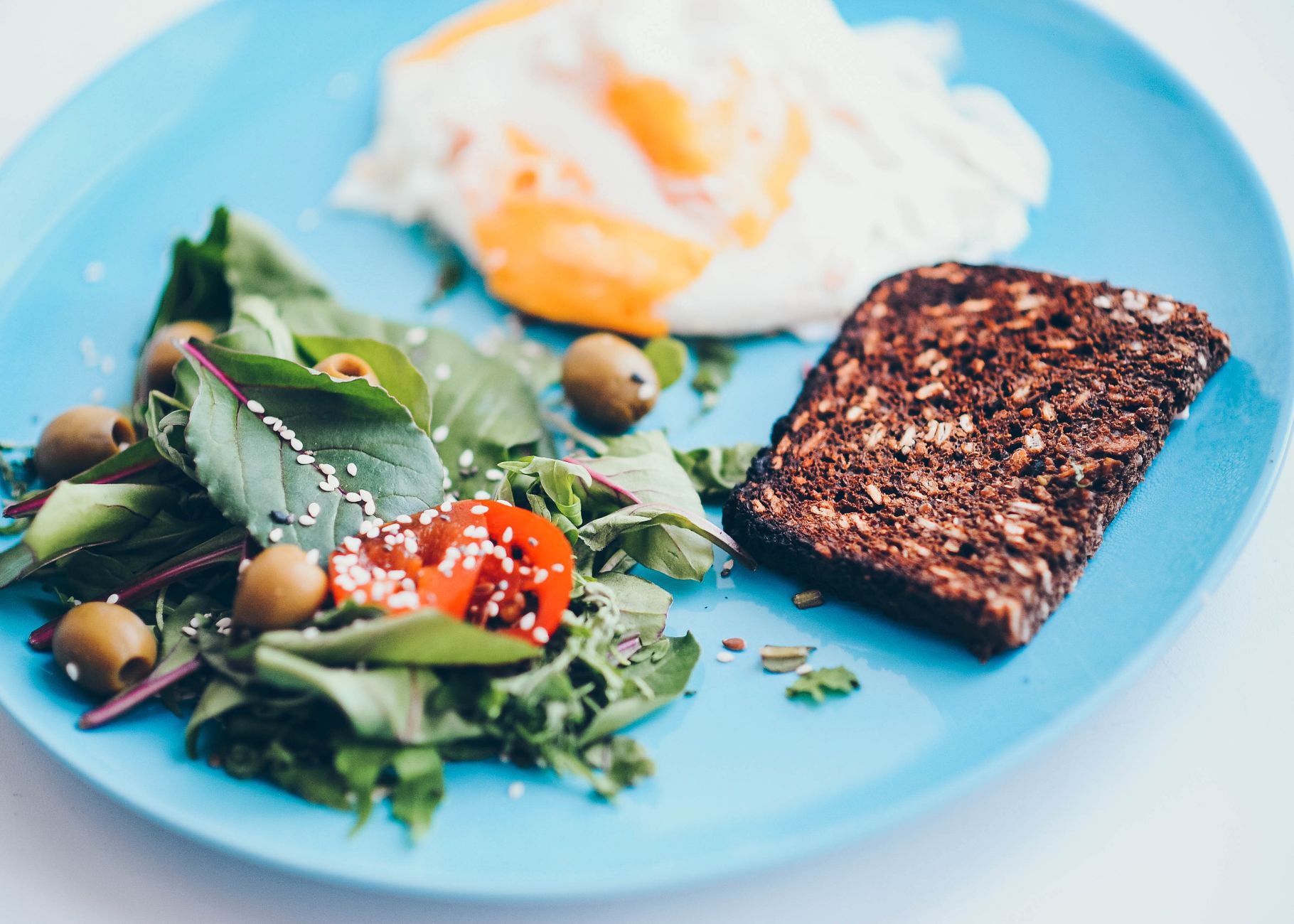
Can an ADHD diet improve focus and concentration in children?
If you’ve ever watched your child’s energy levels crash after a sugary snack or noticed their focus improve after a protein-rich meal, you’re onto something. Research suggests that certain dietary changes can help manage ADHD symptoms in children, particularly when combined with other treatments like therapy or medication. A 2023 study published in the Journal of Attention Disorders found that children with ADHD who followed a diet rich in omega-3s, protein, and fiber showed improvements in focus and impulse control within four to six weeks.
But here’s the catch: results vary. Some kids respond dramatically to dietary changes, while others see little to no difference. That’s why it’s important to approach this as an experiment—track what works for your child and adjust accordingly.
**How to start:**
- Swap sugary snacks for protein-packed options. Instead of candy, try cheese sticks, nuts, or yogurt.
- Offer whole-grain carbs instead of refined ones. Whole-grain crackers, brown rice, and quinoa release energy more slowly, helping to avoid blood sugar spikes.
- Include colorful fruits and vegetables. These provide essential vitamins and antioxidants that support brain health.
- Limit artificial additives. If your child reacts poorly to artificial colors or preservatives, consider an elimination diet (like the AIP elimination diet) to see if there’s a connection.
**Real talk:** If you’re worried about your child’s diet, it’s a good idea to consult a pediatrician or a dietitian specialized in ADHD. They can help you create a plan tailored to your child’s needs and monitor any changes in behavior.
---Best breakfast foods for ADHD adults to start the day right
For adults with ADHD, breakfast isn’t just about fueling your body—it’s about setting the tone for your entire day. Skipping breakfast or eating something high in sugar can lead to afternoon crashes, irritability, and difficulty focusing. The goal? A breakfast that’s balanced, satisfying, and won’t leave you feeling sluggish by 10 a.m.
Here are some of the best ADHD-friendly breakfast options:
- Eggs (any style) – High in protein and healthy fats, eggs help stabilize blood sugar and keep you full. Try scrambled eggs with spinach, a veggie omelet, or a simple boiled egg with avocado.
- Greek yogurt with nuts and berries – The protein in Greek yogurt pairs perfectly with the healthy fats in nuts and the antioxidants in berries. Avoid sugary yogurts—opt for plain and add your own honey or fruit.
- Oatmeal with chia seeds and nut butter – Oats are a slow-digesting carb, while chia seeds and nut butter add protein and healthy fats. Top with cinnamon for an extra brain-boosting flavor.
- Avocado toast on whole-grain bread – The healthy fats in avocado help with focus, and the fiber in whole grains keeps you satisfied. Add a poached egg for extra protein.
- Smoothies with leafy greens, protein powder, and almond butter – Blend spinach, frozen berries, a scoop of protein powder, and almond butter for a nutrient-packed breakfast that’s easy to customize.
**Pro tip:** If you’re short on time, meal prep overnight oats or hard-boiled eggs. Keep a stash of pre-cut veggies and hummus in the fridge for quick grab-and-go breakfasts.

How does omega-3 fatty acid intake affect ADHD behavior in toddlers?
If you’ve ever watched your toddler zoom around the house like a caffeinated squirrel, you might wonder if omega-3s could help. Omega-3 fatty acids, found in fish, flaxseeds, and walnuts, are essential for brain development and function. For toddlers with ADHD, these healthy fats may help reduce hyperactivity and improve attention span.
A 2022 study in the Journal of Child Psychology and Psychiatry found that children with ADHD who supplemented with omega-3s showed improvements in behavior and cognitive function. While more research is needed, many parents report noticeable changes in their toddlers’ energy levels and focus after increasing omega-3 intake.
**How to add more omega-3s to your toddler’s diet:**
- Serve fatty fish like salmon or sardines. If your toddler isn’t a fan of fish, try salmon patties or flakes mixed into pasta sauce.
- Add flaxseeds or chia seeds to meals. Sprinkle them on yogurt, oatmeal, or blend them into smoothies.
- Choose walnuts or almonds as snacks. These are great sources of omega-3s and easy to pack in lunchboxes.
- Consider an omega-3 supplement. If your toddler isn’t getting enough omega-3s through food, a pediatrician may recommend a supplement. Always consult your doctor before starting any new supplement.
**Note:** Omega-3s can thin the blood, so if your toddler is on blood thinners or has a bleeding disorder, talk to your pediatrician first.
---What are the top 10 ADHD-friendly snacks for quick energy boosts?
Let’s be real—ADHD brains run on caffeine, sugar, and whatever’s in the pantry at 3 p.m. But not all snacks are created equal. Some leave you crashing, while others keep you focused and energized. Here are 10 ADHD-friendly snacks that provide steady energy and help curb impulsivity:
| Snack | Why It Works | Best For |
|---|---|---|
| Hard-boiled eggs | High in protein and choline, which supports brain function. | Quick grab-and-go or lunchbox filler. |
| Nuts and seeds (almonds, walnuts, pumpkin seeds) | Healthy fats and protein keep blood sugar stable. | On-the-go or as a mid-afternoon pick-me-up. |
| Greek yogurt with berries | Protein and antioxidants reduce inflammation and support focus. | Breakfast or a light lunch option. |
| Avocado slices with whole-grain crackers | Healthy fats and fiber provide slow-release energy. | A satisfying snack for when hunger strikes. |
| Hummus and veggie sticks | Fiber and plant-based protein keep you full and focused. | A crunchy, satisfying snack for kids and adults. |
| Turkey or chicken roll-ups with cheese | Lean protein and healthy fats support brain function. | A protein-packed lunchbox option. |
| Dark chocolate (70% or higher) | Contains antioxidants and a small amount of caffeine to boost focus. | A quick mood and energy lift. |
| Cottage cheese with pineapple | Protein and natural sweetness make it a balanced snack. | A light lunch or afternoon treat. |
| Roasted chickpeas | Fiber and plant-based protein provide steady energy. | A crunchy, savory snack for when you need something hearty. |
| Trail mix with nuts, seeds, and dried fruit (no added sugar) | A mix of protein, healthy fats, and natural sweetness. | An easy, portable snack for busy days. |
**Pro tip:** Keep a variety of these snacks on hand so you’re not stuck reaching for the chips when hunger hits. And if your child is a picky eater, try sneaking nutrients into familiar foods—like blending spinach into smoothies or adding grated zucchini to muffins.
---Does eliminating sugar entirely help with ADHD hyperactivity in teens?
If you’ve ever seen your teen transform from a manageable human to a tornado after a soda or candy bar, you might be tempted to ban sugar entirely. But is cutting out sugar the magic bullet for ADHD hyperactivity? The short answer? Maybe, but it’s not that simple.
Research shows that refined sugars can worsen ADHD symptoms in some individuals by causing blood sugar spikes and crashes. A 2021 study in the American Journal of Clinical Nutrition found that children with ADHD who consumed high-sugar diets had more difficulty with impulse control and focus. However, eliminating sugar entirely isn’t always necessary or practical. Instead, the goal is to reduce refined sugars and opt for natural, whole-food alternatives.
**What to do instead of a full sugar ban:**
- Replace sugary snacks with natural sweets. Try fruit like apples, bananas, or berries instead of candy.
- Choose complex carbs over simple ones. Whole grains like brown rice, quinoa, and whole-wheat bread release energy more slowly.
- Read labels carefully. Many "healthy" foods contain hidden sugars—like flavored yogurts, granola bars, and even some sauces.
- Experiment with small changes. Try cutting out one sugary treat a day and see if you notice a difference in your teen’s energy levels and focus.
**Real talk:** If your teen is struggling with sugar cravings, it might be worth exploring whether they’re also dealing with emotional regulation issues. In that case, a therapist or counselor can help address the root cause.
---How to create an ADHD-friendly meal plan on a tight budget
Let’s face it—ADHD-friendly meals can feel expensive. Fresh salmon, organic nuts, and specialty supplements add up fast. But you don’t need a food budget to feed an ADHD brain. With a little planning, you can create balanced, nutrient-rich meals without breaking the bank.
**Budget-friendly ADHD meal plan tips:**
- Buy in bulk and freeze. Whole grains like rice, quinoa, and oats are cheap and versatile. Buy them in bulk and freeze portions for quick meals.
- Choose frozen or canned veggies. Frozen veggies are just as nutritious as fresh and often cheaper. Canned beans and tuna are also great budget-friendly protein sources.
- Opt for seasonal produce. Seasonal fruits and vegetables are cheaper and more flavorful. Try roasting seasonal veggies like carrots, sweet potatoes, or zucchini for a side dish.
- Cook at home and meal prep. Homemade meals are almost always cheaper than takeout. Spend one afternoon each week prepping meals for the week ahead.
- Use cheaper protein sources. Eggs, lentils, chickpeas, and canned tuna are all great protein sources that won’t break the bank.
- Shop sales and use coupons. Check your local grocery store’s weekly flyer and plan meals around sale items.
**Example budget-friendly meal plan:**
- Breakfast: Oatmeal with chia seeds, banana, and peanut butter.
- Lunch: Tuna salad with whole-grain crackers and baby carrots.
- Dinner: Lentil soup with whole-grain bread and a side of steamed frozen veggies.
- Snack: Popcorn with nuts and a small piece of dark chocolate.
**Pro tip:** Involve your kids in meal prep. Not only does it teach them about nutrition, but it also makes them more likely to try new foods. Turn it into a fun activity—like decorating their own lunchboxes or assembling their own snacks.
---What are the best natural supplements to pair with an ADHD diet?
If you’ve ever felt like your diet isn’t enough to tame your ADHD symptoms, you’re not alone. While food is the foundation, some natural supplements may help support brain function and reduce symptoms. However, always consult your doctor before starting any new supplement, especially if you’re on medication.
Here are some of the most promising supplements for ADHD:
| Supplement | Potential Benefits | Typical Dose | Best Time to Take | Food Sources | Known Interactions |
|---|---|---|---|---|---|
| Omega-3 fatty acids (EPA/DHA) | May improve focus and reduce hyperactivity. | 1,000–2,000 mg/day (consult your doctor for exact dosing). | With meals to enhance absorption. | Fatty fish (salmon, sardines), flaxseeds, walnuts. | Blood thinners, warfarin. |
| Zinc | Supports brain function and may reduce impulsivity. | 15–30 mg/day (consult your doctor). | With meals. | Meat, shellfish, legumes, seeds. | Copper deficiency, certain antibiotics. |
| Magnesium | May improve sleep and reduce anxiety. | 200–400 mg/day (consult your doctor). | Before bed or with meals. | Nuts, seeds, leafy greens, dark chocolate. | Diuretics, some antibiotics. |
| Probiotics | May support gut-brain axis and reduce inflammation. | 1–10 billion CFU/day (varies by strain). | With meals. | Yogurt, kefir, sauerkraut, kimchi. | Immunosuppressants. |
| Vitamin D | Supports brain health and may improve mood. | 600–2,000 IU/day (consult your doctor). | With meals. | Fatty fish, egg yolks, fortified dairy. | Steroids, some medications. |
**Note:** Supplements aren’t a replacement for medication or therapy, but they may help fill nutritional gaps. Always check with your doctor before starting any new supplement, especially if you’re on ADHD medication.
---Best foods to eat for ADHD adults to reduce anxiety and impulsivity
Anxiety and impulsivity are two of the most challenging symptoms of ADHD for adults. While therapy and medication are the gold standard for treatment, diet can play a supporting role. Certain foods may help calm the nervous system, reduce inflammation, and improve emotional regulation. Here’s what to focus on:
- Complex carbs. Foods like oats, quinoa, and sweet potatoes release serotonin, a calming neurotransmitter. They also help stabilize blood sugar, which can reduce irritability.
- Lean proteins. Chicken, turkey, eggs, and fish provide amino acids that support brain function and reduce anxiety. Aim for at least 20–30 grams of protein per meal.
- Healthy fats. Avocados, nuts, seeds, and olive oil support brain health and help regulate mood. Omega-3s, in particular, are linked to reduced anxiety.
- Leafy greens. Spinach, kale, and Swiss chard are rich in magnesium, which helps calm the nervous system. Try adding them to smoothies, salads, or sautéed sides.
- Probiotic-rich foods. Yogurt, kefir, sauerkraut, and kimchi support gut health, which is closely linked to brain function and mood. Aim for at least one serving per day.
**Pro tip:** If you’re feeling overwhelmed, try the DASH diet, which emphasizes whole foods, lean proteins, and healthy fats—all of which support brain health and reduce anxiety.
---How long does it take for an ADHD diet to show improvements in focus?
If you’ve ever started a new diet with high hopes—only to feel disappointed when results don’t appear overnight—you’re not alone. With ADHD, dietary changes can take time to show noticeable improvements. Some people see changes in as little as two weeks, while others may need several months before they notice a difference.
Here’s what to expect:
- First week: You might notice slight improvements in energy levels and mood, but focus and impulsivity may not change dramatically.
- Second to fourth week: Many people start to see more noticeable improvements in focus, especially if they’ve cut out refined sugars and processed foods.
- Six weeks to three months: With consistent dietary changes, you may see more significant improvements in behavior, mood, and cognitive function.
**Pro tip:** Track your progress! Keep a journal or use an app to log your meals and note any changes in focus, energy, and mood. This can help you identify what’s working and what’s not.
---Can an ADHD diet help with sleep issues in children with ADHD?
If you’ve ever laid awake at night, watching your child toss and turn while you wonder why they can’t sleep, you know how frustrating sleep issues can be—especially for kids with ADHD. Poor sleep can worsen impulsivity, irritability, and difficulty focusing the next day. The good news? Diet can play a role in improving sleep quality.
Here’s how to use food to help your child sleep better:
- Avoid caffeine after lunch. Even small amounts of caffeine can disrupt sleep, so limit soda, energy drinks, and chocolate after noon.
- Offer a balanced dinner. A dinner rich in protein, healthy fats, and complex carbs helps stabilize blood sugar and supports melatonin production. Try grilled chicken with quinoa and roasted veggies.
- Include sleep-supportive foods. Foods rich in magnesium (like bananas, spinach, and almonds) and tryptophan (like turkey, eggs, and cheese) can promote better sleep.
- Limit heavy meals before bedtime. Eating a large meal too close to bedtime can cause discomfort and disrupt sleep. Aim to finish dinner at least two hours before bed.
- Offer a warm, comforting snack before bed. A small snack like warm milk, a banana, or a handful of almonds can help signal to your child’s body that it’s time to wind down.
**Pro tip:** Create a bedtime routine that includes a calming activity like reading or listening to soft music. Consistency is key for helping your child’s body and mind prepare for sleep.
---What are the worst processed foods for ADHD symptoms in adults?
If you’ve ever noticed your ADHD symptoms spike after eating a bag of potato chips or a frozen pizza, you’re not alone. Processed foods are often high in unhealthy fats, refined sugars, and artificial additives—all of which can worsen ADHD symptoms. Here are some of the worst offenders:
- Fast food. Burgers, fries, and chicken nuggets are high in unhealthy fats and sodium, which can increase inflammation and worsen brain fog.
- Processed meats. Hot dogs, sausages, and deli meats are often high in sodium and preservatives, which can affect brain function.
- Sugary cereals and granola bars. These are often loaded with refined sugars and artificial additives, which can cause blood sugar spikes and crashes.
- Frozen meals. Many frozen meals are high in sodium, unhealthy fats, and artificial preservatives. Opt for homemade meals whenever possible.
- Soda and energy drinks. These are high in caffeine and sugar, which can worsen anxiety and disrupt sleep.
- Microwaveable rice and pasta. These convenience foods are often high in sodium and preservatives, which can affect brain health.
**Pro tip:** If you’re craving processed foods, try making your own versions at home. For example, bake your own chicken nuggets with whole-grain breadcrumbs and lean protein, or make your own granola bars with natural sweeteners and nuts.
---How to introduce an ADHD-friendly diet to a picky eater child?
If your child’s idea of a healthy meal is a bowl of mac and cheese or a peanut butter sandwich, introducing an ADHD-friendly diet can feel like trying to herd cats. The key is to make changes gradually, focus on familiar foods, and sneak in nutrients where you can.
Here’s how to do it:
- Start with small changes. Instead of overhauling their entire diet, focus on one or two changes at a time. For example, swap white bread for whole-grain bread or add a side of veggies to their favorite meal.
- Involve them in meal prep. Kids are more likely to try new foods if they’ve helped prepare them. Let them wash veggies, stir ingredients, or assemble their own lunchbox.
- Use familiar foods as a base. If your child loves mac and cheese, try adding grated zucchini or cauliflower to the mix. They won’t even notice the difference!
- Make it fun. Use cookie cutters to shape veggies into fun shapes, or let them pick out a new fruit or veggie at the grocery store each week.
- Offer choices. Instead of saying, "Eat your broccoli," try, "Do you want steamed broccoli or roasted carrots with your dinner?" Giving them a sense of control can make them more likely to try new foods.
- Be patient. It can take up to 15 exposures to a new food before a child will accept it. Keep offering new foods without pressure.
**Pro tip:** If your child is resistant to trying new foods, consider working with a pediatric dietitian. They can help you create a plan tailored to your child’s preferences and needs.
---Does probiotics help with ADHD symptoms when combined with diet changes?
If you’ve ever heard of the "gut-brain axis" and wondered if your gut health could be affecting your ADHD symptoms, you’re onto something. Emerging research suggests that probiotics—live bacteria that support gut health—may help reduce ADHD symptoms when combined with a healthy diet. A 2023 study in the Journal of Pediatric Gastroenterology and Nutrition found that children with ADHD who took probiotics alongside a balanced diet showed improvements in focus and behavior.
Here’s how probiotics might help:
- Reduce inflammation. An unhealthy gut can lead to inflammation, which may worsen ADHD symptoms. Probiotics help reduce inflammation and support a healthy gut microbiome.
- Improve gut-brain communication. The gut and brain are connected through the vagus nerve and the production of neurotransmitters like serotonin. A healthy gut can support better brain function.
g>Enhance nutrient absorption. Probiotics help your body absorb essential nutrients from food, which can support brain health.
**How to add probiotics to your diet:**
- Eat fermented foods. Yogurt, kefir, sauerkraut, kimchi, and miso are all great sources of probiotics.
- Consider a probiotic supplement. If your diet doesn’t include enough fermented foods, a supplement may help. Look for strains like Lactobacillus and Bifidobacterium, which are commonly studied for gut health.
- Pair probiotics with prebiotics. Prebiotics are fibers that feed the good bacteria in your gut. Foods like garlic, onions, bananas, and oats are great sources.
**Note:** Always consult your doctor before starting a probiotic supplement, especially if you’re on medication or have a weakened immune system.
---What are the best ADHD-friendly recipes for picky eaters under 5?
If your toddler’s idea of a meal is a bowl of cereal or a sandwich cut into shapes, you know how tricky it can be to get them to eat the foods that support their ADHD brain. The good news? You don’t have to sacrifice nutrition for pickiness. Here are some ADHD-friendly recipes that even the most selective eaters will love:
- Hidden Veggie Mac and Cheese.
Ingredients: Whole-grain pasta, shredded cheddar cheese, grated zucchini or cauliflower, milk, butter, and a pinch of nutmeg.
Instructions: Cook pasta as directed. In a separate pan, melt butter and add grated veggies. Cook until soft, then stir in milk and cheese until smooth. Mix with pasta and top with extra cheese.
- Peanut Butter Banana Roll-Ups.
Ingredients: Whole-grain tortillas, peanut butter, banana slices.
Instructions: Spread peanut butter on a tortilla, add banana slices, roll up, and slice into bite-sized pieces.
- Sweet Potato "Fries" with Hidden Beans.
Ingredients: Sweet potatoes, canned white beans (blended into the batter), olive oil, and cinnamon.
Instructions: Blend sweet potatoes and beans until smooth. Shape into fries, bake at 400°F for 20–25 minutes, and sprinkle with cinnamon.
- Cheesy Quesadilla with Hidden Spinach.
Ingredients: Whole-grain tortillas, shredded cheese, spinach (finely chopped), and a little salsa for dipping.
Instructions: Layer cheese and spinach between tortillas, cook in a pan until crispy, and serve with salsa.
- Yogurt Parfait with Hidden Oats.
Ingredients: Greek yogurt, granola (homemade with oats), and berries.
Instructions: Mix oats into the yogurt, layer with granola and berries, and let your child build their own parfait.
**Pro tip:** Let your child help assemble their meals. Not only does it make them more likely to try new foods, but it also gives them a sense of ownership over what they eat.
---How does hydration affect ADHD symptoms and what foods help maintain it?
If you’ve ever felt like your ADHD brain is running on fumes by mid-afternoon, dehydration might be part of the problem. Even mild dehydration can worsen focus, memory, and mood—making ADHD symptoms feel even more challenging. The good news? Staying hydrated is easier than you think, especially when you pair it with the right foods.
Here’s how hydration affects ADHD:
- Dehydration worsens brain fog. Even a 2% drop in hydration can impair cognitive function, making it harder to focus and remember things.
- It increases impulsivity. Dehydration can affect dopamine levels, which may worsen impulsivity and


