Quick take: Managing adenomyosis symptoms often involves dietary changes, and smart snacking is key to supporting an anti-inflammatory eating pattern, even when you're busy. Focus on nutrient-dense, whole foods like fruits, vegetables, nuts, and seeds, prioritizing options that are gluten-free, dairy-free, and low in inflammatory triggers. Preparing snacks in advance can make a big difference in staying on track and easing discomfort.
Living with adenomyosis can be incredibly challenging, bringing with it a spectrum of symptoms from heavy, painful periods to chronic pelvic pain, bloating, and fatigue. When you're navigating a busy life, the thought of sticking to a specific diet to help manage these symptoms can feel overwhelming, especially when hunger strikes and you're on the go. Many women tell us they struggle to find quick, healthy options that won't trigger their discomfort.
But here's the good news: supporting your body with the right adenomyosis diet doesn't have to be complicated, even when you're rushing between appointments or juggling work and family. Strategic snacking can play a powerful role in maintaining stable blood sugar, providing essential nutrients, and keeping inflammation at bay throughout your day. It’s about choosing foods that nourish your body and help calm your symptoms, wherever you are.
This guide will walk you through practical, delicious, and easy-to-prepare adenomyosis-friendly snack ideas designed for your busy lifestyle. We’ll explore options that support an anti-inflammatory approach, address common dietary sensitivities, and ensure you’re getting the nutrients your body needs to thrive. Let’s make healthy snacking a simple, comforting part of your routine.
What Are the Best Snacks for Adenomyosis When You're On the Go?
When you have adenomyosis, the goal of your diet is often to reduce inflammation, balance hormones, and provide essential nutrients to support your body's healing processes. This means steering clear of common inflammatory triggers like processed foods, refined sugars, unhealthy fats, and sometimes gluten and dairy, while embracing whole, unprocessed ingredients. For a comprehensive overview of what to include, check out our guide on adenomyosis diet foods for beginners.
The best on-the-go snacks for adenomyosis are those that are easy to transport, require minimal preparation, and align with these anti-inflammatory principles. They should provide a good balance of fiber, healthy fats, and protein to keep you feeling full and energized, preventing blood sugar spikes that can exacerbate symptoms. Here are some top categories:
- Fresh Fruits & Vegetables: Naturally anti-inflammatory, packed with vitamins, minerals, and fiber. Think berries, apples, bananas, oranges, carrots, celery sticks, and bell pepper strips.
- Nuts & Seeds: Excellent sources of healthy fats (especially omega-3s), protein, and fiber. Almonds, walnuts, chia seeds, flax seeds, pumpkin seeds, and sunflower seeds are great choices.
- Homemade Energy Bites/Bars: You control the ingredients, ensuring they are free from refined sugars, gluten, and dairy. Dates, oats (gluten-free), nuts, seeds, and unsweetened cocoa powder are common bases.
- Lean Protein Sources: Hard-boiled eggs, small portions of cooked chicken or turkey, or plant-based protein like edamame can provide sustained energy.
- Dairy-Free Options: Unsweetened coconut yogurt or almond yogurt with fruit and seeds.
Remember, the key is to choose snacks that are as close to their natural state as possible, avoiding hidden sugars, artificial ingredients, and preservatives often found in packaged snacks. Your body will thank you for it.
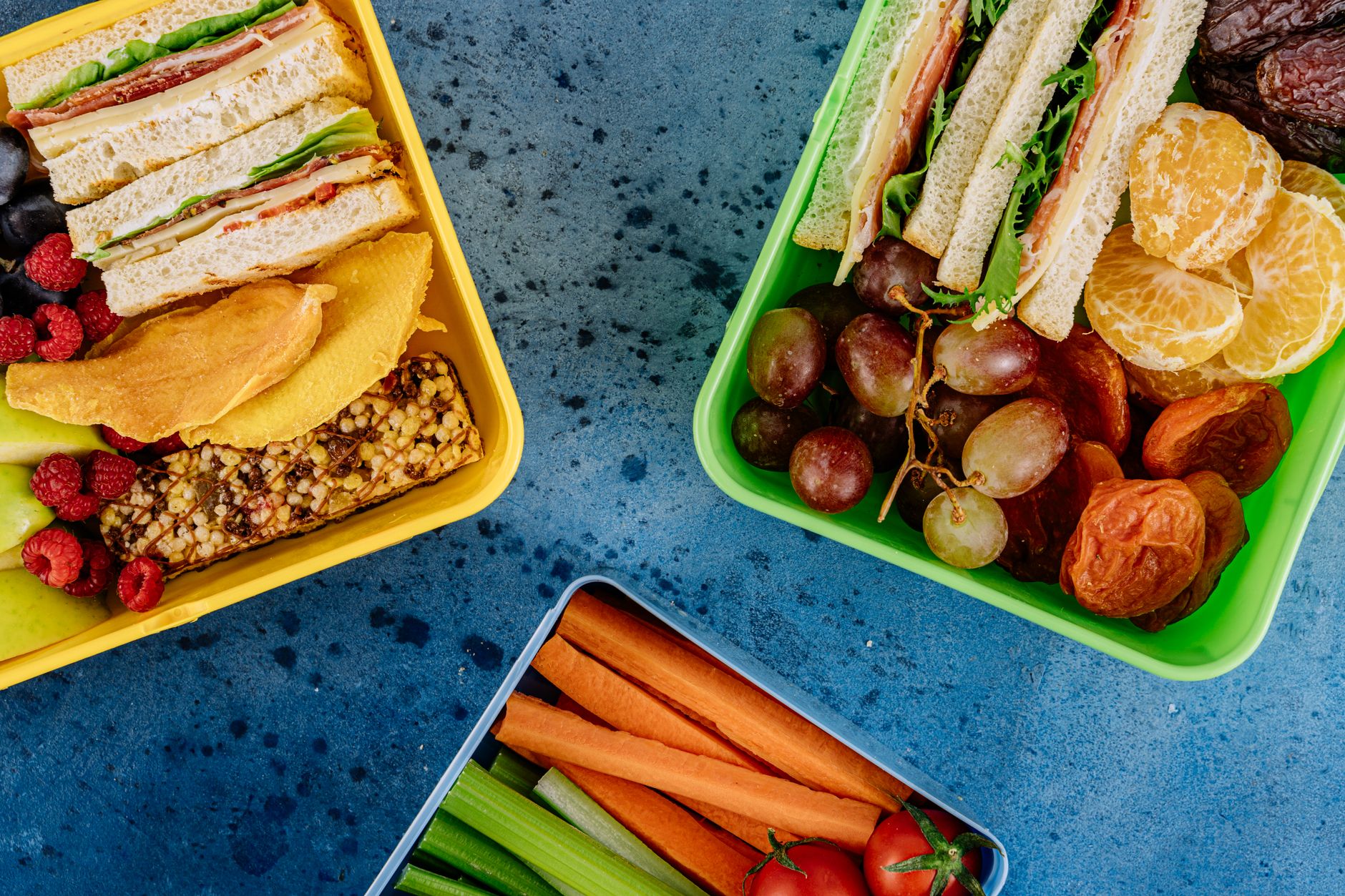
Finding Low FODMAP Snacks for Adenomyosis: What to Look For
For many women with adenomyosis, digestive issues like bloating, gas, and abdominal pain are common companions, often overlapping with symptoms of Irritable Bowel Syndrome (IBS). In such cases, a low FODMAP diet might be recommended to help identify and reduce triggers. FODMAPs (Fermentable Oligosaccharides, Disaccharides, Monosaccharides, and Polyols) are types of carbohydrates that can be poorly absorbed in the small intestine, leading to fermentation and digestive distress.
Navigating a low FODMAP diet, especially for snacks, requires a bit of awareness. The good news is that many naturally adenomyosis-friendly foods are also low in FODMAPs, or can be enjoyed in controlled portions. When looking for low FODMAP snacks for adenomyosis, prioritize these:
- Fruits (in moderation): Bananas (firm), blueberries, cantaloupe, grapes, kiwi, oranges, strawberries, raspberries. Be mindful of portion sizes, as some fruits become high FODMAP in larger amounts.
- Vegetables: Carrot sticks, cucumber slices, bell pepper strips (red, yellow, orange), spinach, kale, lettuce.
- Nuts & Seeds (in moderation): Almonds (10-12 nuts), pumpkin seeds, sunflower seeds, walnuts (small handful). Chia and flax seeds are also typically well-tolerated.
- Protein: Hard-boiled eggs, plain cooked chicken/turkey, lactose-free yogurt (check for added sugars).
- Grains: Rice cakes, gluten-free oats (small portions).
It's important to remember that the low FODMAP diet is typically an elimination diet followed by a reintroduction phase, ideally under the guidance of a dietitian. This helps you identify your specific triggers rather than restrict foods unnecessarily long-term. Always listen to your body and observe how different foods make you feel.
Low Histamine Considerations
Some individuals with adenomyosis also report sensitivities to histamine, which can contribute to inflammation and pain. While a low histamine diet is complex, for snacking, this might mean avoiding fermented foods, aged cheeses, processed meats, and certain fruits and vegetables (e.g., avocados, spinach, tomatoes, citrus). Fresh, whole foods are generally lower in histamine. Focus on freshly prepared items like fresh berries, cucumber, or plain chicken breast. Again, this is a highly individualized approach, and consulting with a healthcare professional is key.
Quick, Healthy Snacks to Help Manage Adenomyosis Pain
When adenomyosis pain flares up, the last thing you want to do is spend a lot of time preparing food. That's why having quick, healthy, and pain-friendly snacks on hand is crucial. These snacks are designed to be minimally inflammatory, easy to digest, and rich in nutrients that support pain relief and overall well-being. Many of these also fit into a typical adenomyosis diet grocery list.
Here are some of our top picks for quick healthy snacks:
- Apple Slices with Almond Butter: Apples provide fiber and antioxidants, while almond butter offers healthy fats and protein. Look for almond butter with no added sugar or oils.
- Handful of Walnuts and Berries: Walnuts are an excellent source of omega-3 fatty acids, known for their anti-inflammatory properties. Berries (strawberries, blueberries, raspberries) are packed with antioxidants.
- Hard-Boiled Eggs: A fantastic source of lean protein, easy to prepare in advance, and very portable.
- Celery Sticks with Hummus (homemade or low FODMAP): Celery is hydrating and fibrous. If you're sensitive to chickpeas, choose a homemade hummus made with small amounts of garlic-infused oil instead of garlic itself, or a brand specifically certified low FODMAP.
- Rice Cakes with Avocado and "Everything Bagel" Seasoning: Gluten-free rice cakes provide a light base, while avocado delivers healthy monounsaturated fats. The seasoning adds flavor without inflammatory ingredients.
- Small Smoothie (pre-prepped ingredients): Blend frozen spinach/kale, half a banana, a scoop of plant-based protein powder (pea or rice protein), and unsweetened almond milk. You can pre-portion smoothie ingredients into freezer bags for ultimate speed.
- Cucumber Slices with a Sprinkle of Dill and Olive Oil: Refreshing, hydrating, and anti-inflammatory.
The key here is simplicity and nutrient density. These snacks require little to no prep right before eating, making them ideal for those moments when pain makes cooking feel impossible or when you simply don't have time.

Adenomyosis-Friendly Snack Ideas for Work and Busy Days
Workdays and busy schedules demand snacks that are not only healthy and symptom-friendly but also practical to pack and eat discreetly. You need options that won't spoil easily, don't require reheating, and won't make a mess at your desk or in your car. Planning ahead is your secret weapon here.
Here are some adenomyosis-friendly snack ideas perfect for work and other busy days:
- Homemade Trail Mix: Combine raw almonds, walnuts, pumpkin seeds, sunflower seeds, and a few dried cranberries (check for added sugar). Portion into small reusable bags.
- Roasted Chickpeas or Edamame: A great source of plant-based protein and fiber. Season roasted chickpeas with turmeric and black pepper for extra anti-inflammatory benefits. Edamame pods are also satisfying and easy to eat.
- Gluten-Free Seed Crackers with Avocado or Dairy-Free Cream Cheese: Look for crackers made from seeds and whole grains. Pair with a travel-friendly avocado half or a small container of dairy-free cream cheese alternative.
- Individual Packets of Nut Butter: Convenient and portion-controlled. Pair with an apple or banana.
- Sugar-Free Dried Fruit (in moderation): Small portions of dried apricots or prunes can be good for fiber, but watch sugar content and stick to small serving sizes.
- "Clean" Protein Bars: Read labels carefully. Look for bars with minimal ingredients, low sugar, and plant-based protein. Brands like RXBAR (check for whole food ingredients) or those made with dates, nuts, and seeds are often good choices.
- Small Container of Olives: Olives provide healthy fats and antioxidants, and are easy to pack.
Meal Timing and Portion Control
Beyond what you eat, when and how much you eat also matters. Regular, smaller meals and snacks throughout the day can help stabilize blood sugar, prevent intense hunger that might lead to poor choices, and keep your energy levels steady. Aim for a snack between main meals, roughly every 2-3 hours, to avoid feeling ravenous.
Portion control is also important, especially for calorie-dense items like nuts and seeds. A small handful (about a quarter cup) is often sufficient for a snack. Listen to your body's hunger and fullness cues to avoid overeating, which can sometimes exacerbate digestive discomfort.
Navigating Gluten-Free Snacks for Adenomyosis
For many women with adenomyosis, reducing or eliminating gluten and dairy from their diet can lead to significant symptom improvement, particularly in terms of bloating, pain, and inflammation. While the exact mechanisms are still being researched, it's thought that these food groups can sometimes trigger inflammatory responses in sensitive individuals. Therefore, finding satisfying gluten-free and dairy-free snacks is a common goal.
Going gluten-free means avoiding wheat, barley, and rye. Dairy-free means avoiding milk, cheese, yogurt, and butter derived from animal milk. Fortunately, the market for these alternatives has exploded, making it easier than ever to find delicious options.
Gluten-Free Snack Options
- Fresh Fruits and Vegetables: Naturally gluten-free.
- Nuts and Seeds: Naturally gluten-free.
- Gluten-Free Oats: Ensure they are certified gluten-free to avoid cross-contamination. Use them for overnight oats with dairy-free milk or in homemade granola.
- Rice Cakes or Corn Thins: Great bases for toppings like avocado, nut butter, or hummus.
- Gluten-Free Crackers: Look for options made from rice flour, almond flour, or seed blends. Always check labels for hidden gluten-containing ingredients.
- Popcorn: A whole grain that's naturally gluten-free (just make sure it's plain or seasoned with approved ingredients, not butter).
- Sweet Potato Fries (homemade): Bake sweet potato wedges with a drizzle of olive oil and a pinch of salt.
Dairy-Free Snack Alternatives
- Unsweetened Plant-Based Yogurts: Almond, coconut, or oat milk yogurts are widely available. Pair with berries and seeds.
- Nut Cheeses: Many brands now offer delicious dairy-free cheeses made from cashews or almonds. While these are often for more substantial snacks or meals, some small slices can work.
- Avocado: A creamy, satisfying dairy substitute that's packed with healthy fats.
- Hummus: Naturally dairy-free, made from chickpeas (if tolerated) and tahini.
- Dark Chocolate (70% cocoa or higher): In small amounts, dark chocolate is often dairy-free and contains antioxidants. Check the label carefully.
When choosing packaged gluten-free and dairy-free snacks, always read the ingredient list carefully. Look for certifications (e.g., "Certified Gluten-Free") and be wary of products that might contain hidden sugars, artificial additives, or inflammatory oils, even if they claim to be free of gluten and dairy. The goal is always clean, whole ingredients.
How to Pack Adenomyosis-Friendly Snacks Effectively
The best adenomyosis diet snacks are useless if they're not accessible when you need them most. Effective packing and storage are crucial for making healthy snacking a consistent habit. This means investing in the right containers, understanding food safety, and having a system in place.
Choosing the Right Containers
- Reusable Silicone Bags: Great for nuts, seeds, chopped veggies, or homemade energy bites. They're flexible, washable, and eco-friendly.
- Small Glass Containers with Lids: Ideal for yogurt, hummus, or fruit salads. Glass doesn't absorb odors or stains and is easy to clean.
- Insulated Lunch Bags/Coolers: Essential for perishable items like hard-boiled eggs, cut fruit, or dairy-free yogurt, especially if you won't have access to a fridge. Include an ice pack.
- Bento Boxes: Perfect for packing a variety of small snacks without them mixing.
- Thermos Food Jars: If you want to bring something warm like a small portion of soup or overnight oats, a good thermos will keep it at the right temperature for hours.
Prep Ahead Strategies
The secret to on-the-go snacking success is often "meal prepping" your snacks. Dedicate a small amount of time once or twice a week to prepare your snacks:
- Wash and Chop: Wash and chop all your fruits and vegetables for the week (carrots, celery, bell peppers, cucumbers). Store them in airtight containers in the fridge.
- Portion Out: Divide nuts, seeds, or homemade trail mix into individual serving bags or small containers.
- Batch Cook: Hard-boil a dozen eggs at the beginning of the week. Roast a batch of chickpeas.
- Assemble Snack Packs: Create "grab-and-go" packs in your fridge or pantry. For example, a container with apple slices, a small pot of almond butter, and a few walnuts.
Food Safety & Storage Tips
- Keep Cold Foods Cold: Perishable items should be kept at or below 40°F (4°C). Use ice packs if you don't have access to refrigeration.
- Avoid Cross-Contamination: Use separate containers for different food types to prevent flavors from mixing and to maintain hygiene.
- Check Expiry Dates: Even healthy foods can go bad. Be mindful of how long prepped items last in the fridge (usually 3-5 days for most fresh items).
Hydration Considerations
Don't forget about hydration! Often, what feels like hunger is actually thirst. Carrying a reusable water bottle and sipping water throughout the day is crucial, especially for women with adenomyosis who might experience heavy bleeding and need to replenish fluids. Herbal teas (like ginger or peppermint, which can also aid digestion) are also great choices for on-the-go hydration.
Snacks to Reduce Inflammation for Adenomyosis Symptom Relief
A cornerstone of managing adenomyosis through diet is actively reducing systemic inflammation. Certain foods are potent anti-inflammatory agents, packed with antioxidants, healthy fats, and specific phytonutrients that can help calm your body's inflammatory response. Incorporating these into your snacks can contribute significantly to symptom relief.
Here's a table outlining key anti-inflammatory snack components and why they are beneficial:
Nutrient Needs for Women with Adenomyosis
Beyond inflammation, women with adenomyosis often have specific nutrient needs due to heavy menstrual bleeding. Iron deficiency anemia is common, making iron-rich snacks important. Vitamin C aids iron absorption, so pairing them is smart. Magnesium and B vitamins are also crucial for energy and hormone balance.
- Iron: Pumpkin seeds, spinach (in smoothies), dried apricots (in moderation), small portions of lean red meat jerky.
- Vitamin C: Berries, oranges, bell peppers.
- Magnesium: Almonds, dark chocolate, pumpkin seeds.
- B Vitamins: Hard-boiled eggs, nutritional yeast (sprinkled on roasted veggies).
Consider integrating these nutrient powerhouses into your regular snack rotation. For example, a small handful of pumpkin seeds provides iron, magnesium, and healthy fats. An apple with almond butter gives you fiber, protein, and healthy fats. These small, consistent choices add up to significant support for your body.
Supplement Considerations
While food should always be your primary source of nutrients, certain supplements can complement an adenomyosis-friendly diet, especially if dietary intake is insufficient or symptoms are severe. Always discuss supplements with your healthcare provider before starting anything new, as they can interact with medications or existing conditions. Common considerations include:
- Omega-3 Fish Oil: To boost anti-inflammatory intake.
- Magnesium: For pain relief and muscle relaxation.
- Vitamin D: Many women are deficient, and it plays a role in immune function and inflammation.
- Iron: If diagnosed with anemia due to heavy bleeding.
Myth vs. Fact: Adenomyosis Diet Snacks
Navigating dietary advice for adenomyosis can be confusing, with a lot of misinformation out there. Let's clear up some common myths about adenomyosis diet snacks.
Myth: Any "healthy" snack is good for adenomyosis.
Fact: While many healthy snacks are beneficial, for adenomyosis, it's crucial to focus on anti-inflammatory, whole foods and often to consider specific sensitivities like gluten, dairy, or FODMAPs. A "healthy" protein bar might be loaded with sugar or inflammatory oils, which could exacerbate symptoms.
Myth: You have to stick to a bland diet to manage adenomyosis symptoms.
Fact: An adenomyosis-friendly diet can be incredibly diverse and flavorful! It emphasizes a wide variety of colorful fruits, vegetables, lean proteins, healthy fats, and whole grains. Spices like turmeric and ginger, fresh herbs, and citrus can add immense flavor without increasing inflammation.
Myth: Diet alone can cure adenomyosis.
Fact: Adenomyosis is a complex condition, and while diet can significantly help manage symptoms, reduce inflammation, and improve overall well-being, it is not a cure. It's a powerful complementary strategy that works best alongside conventional medical treatments and lifestyle adjustments, all guided by your healthcare provider.
Key Takeaways
- Strategic, on-the-go snacking is vital for managing adenomyosis symptoms and maintaining energy levels.
- Prioritize anti-inflammatory, nutrient-dense whole foods like fruits, vegetables, nuts, and seeds.
- Consider individual sensitivities; many women benefit from gluten-free, dairy-free, and sometimes low FODMAP options.
- Prep snacks in advance by washing, chopping, and portioning to ensure healthy choices are always available.
- Focus on snacks rich in omega-3s, antioxidants, fiber, and iron to support specific nutrient needs and reduce pain.
- Stay well-hydrated throughout the day with water and herbal teas.
- Diet is a powerful tool for symptom management, but it should complement professional medical advice for adenomyosis.
Frequently Asked Questions
What are the best snacks for adenomyosis?
The best snacks for adenomyosis are typically whole, unprocessed, and anti-inflammatory. Think fresh fruits like berries and apples, vegetables such as carrot sticks and bell pepper slices, nuts and seeds (almonds, walnuts, pumpkin seeds), hard-boiled eggs, and homemade energy bites. These options provide fiber, healthy fats, protein, and essential vitamins and minerals to help manage inflammation and support overall well-being.
Can I eat dairy with adenomyosis?
Many women with adenomyosis find that eliminating or reducing dairy products helps alleviate symptoms like bloating, pain, and inflammation. Dairy can be an inflammatory trigger for some individuals. If you suspect dairy sensitivity, try a trial period of dairy elimination and observe your symptoms. Dairy-free alternatives like unsweetened almond, coconut, or oat milk yogurts are excellent substitutes.
How does diet affect adenomyosis?
Diet can significantly impact adenomyosis by influencing inflammation, hormone balance, and gut health. An anti-inflammatory diet, rich in whole foods, omega-3s, antioxidants, and fiber, can help reduce pain and other symptoms. Conversely, a diet high in processed foods, refined sugars, and unhealthy fats can exacerbate inflammation and potentially worsen symptoms. Diet is a supportive tool, not a cure, and should be part of a comprehensive management plan.
What foods should I avoid if I have adenomyosis?
While individual triggers vary, common foods to consider limiting or avoiding with adenomyosis include highly processed foods, refined sugars, trans fats (found in many fried and processed items), red meat (for some), and often gluten and dairy. Alcohol and caffeine may also worsen symptoms for some. Focus on identifying your personal triggers through an elimination and reintroduction process, ideally with professional guidance.
Are there any anti-inflammatory snacks for adenomyosis?
Yes, many snacks are naturally anti-inflammatory and beneficial for adenomyosis. Examples include berries (blueberries, raspberries), walnuts (rich in omega-3s), avocado, dark leafy greens (like kale chips), turmeric-spiced roasted chickpeas, and ginger tea. These foods are packed with compounds that help reduce inflammation, support cellular health, and can contribute to symptom relief.
How to manage adenomyosis pain with diet?
Managing adenomyosis pain with diet involves consistently choosing foods that reduce inflammation and avoiding those that trigger it. This means prioritizing omega-3 rich foods (walnuts, flax seeds), antioxidants (colorful fruits and vegetables), and fiber (whole grains, legumes) to support gut health and hormone balance. Regular, balanced meals and snacks also help stabilize blood sugar, which can impact pain levels. Hydration and nutrient-dense choices are key.
When to See a Doctor or Specialist
While dietary changes can be a powerful tool in managing adenomyosis symptoms, they are not a substitute for professional medical care. If you are experiencing severe or worsening pain, heavy bleeding, significant fatigue, or any new symptoms, it's crucial to consult your doctor. An OB/GYN is typically the primary specialist for adenomyosis diagnosis and treatment. They can confirm your diagnosis, discuss medical and surgical treatment options, and help you create a comprehensive management plan. Additionally, if you are struggling to implement dietary changes or identify your specific food triggers, a registered dietitian specializing in women's health or gastrointestinal issues can provide personalized guidance and support. This article is for informational purposes only and does not constitute medical advice.
References
- American College of Obstetricians and Gynecologists (ACOG). (2021). Pelvic Pain.
- Mayo Clinic. (2023). Adenomyosis.
- Academy of Nutrition and Dietetics. (2023). Position of the Academy of Nutrition and Dietetics: Health Implications of Dietary Fiber.
- Harvard T.H. Chan School of Public Health. (2023). The Nutrition Source: Inflammation.
- National Institutes of Health (NIH). (2023). Office of Dietary Supplements: Omega-3 Fatty Acids.
- Monash University. (2023). FODMAP Diet.




