Quick take: The acne clear skin diet can help manage hormonal acne during pregnancy by reducing inflammation and stabilizing blood sugar, but it’s not a cure-all. For expecting mothers, focus on pregnancy-safe foods like leafy greens, fatty fish, and berries while avoiding high-glycemic triggers like white bread and sugary snacks. Results vary—some women see improvement in 4–6 weeks, while others need 3–6 months. Always consult your provider before making dietary changes, especially when pregnant, and watch for signs of over-restriction like fatigue or nutrient deficiencies.
Does the acne clear skin diet really work for hormonal acne during pregnancy?
You’re staring at your reflection in the bathroom mirror, rubbing your fingers over a stubborn breakout on your chin. It’s the third week of your pregnancy, and you’ve noticed these little red bumps appearing more often—especially after that late-night snack of ice cream. You’ve heard about the acne clear skin diet, but you’re skeptical: *Will it actually help with hormonal acne when I’m pregnant?* And more importantly, *is it safe?*
Hormonal acne during pregnancy is frustratingly common—thanks to surging hormones like progesterone and cortisol, which can clog pores and trigger breakouts. The good news? Diet *can* play a role in managing it. Studies show that foods high in sugar, dairy, and refined carbs can worsen acne by spiking insulin and inflammation, while anti-inflammatory foods like omega-3s and antioxidants may help calm skin. But here’s the catch: pregnancy adds layers of complexity. What’s safe for your skin might not be safe for your baby, and some acne-clearing foods or supplements could pose risks.
Many women tell us they felt overwhelmed trying to navigate acne diets during pregnancy. One reader described it this way: *“I Googled ‘how to clear acne while pregnant’ at 2 AM, and half the results were either scary or confusing. I just wanted to know what I could *actually* eat without worrying about side effects.”*
Let’s break down what the research says—and what you can safely try—without compromising your health or your baby’s.
How pregnancy hormones trigger acne—and why diet matters
During pregnancy, your body undergoes a hormonal rollercoaster. Progesterone levels skyrocket, which can increase oil production in your skin and slow cell turnover, leading to clogged pores and breakouts. Cortisol (the stress hormone) also spikes, and high cortisol is linked to more severe acne flare-ups.
Diet affects these hormones. High-glycemic foods (like white bread, sugary cereals, or pastries) cause rapid blood sugar spikes, which can trigger inflammation and more oil production. Dairy, particularly skim milk, has been linked to acne in some studies, though the evidence is mixed. On the flip side, foods rich in zinc, omega-3s, and antioxidants—like leafy greens, fatty fish, and berries—may help regulate hormones and reduce inflammation.
**The bottom line:** While no diet will erase hormonal acne overnight, an anti-inflammatory, low-glycemic approach *can* help manage breakouts—especially when paired with gentle skincare and stress management. But pregnancy adds a critical layer: safety.
What dermatologists say about acne diets during pregnancy
Dermatologists generally agree that a diet focused on reducing inflammation and stabilizing blood sugar can support skin health during pregnancy. However, they emphasize that pregnancy-specific diets should avoid:
- Unproven supplements (like high-dose vitamin A or certain herbs)
- Extreme calorie restriction
- Foods with mercury (like high-mercury fish) or other contaminants
The American Academy of Dermatology (AAD) notes that while diet can influence acne, it’s not a standalone treatment. For expecting mothers, the focus should be on whole, nutrient-dense foods that support both skin *and* fetal development.
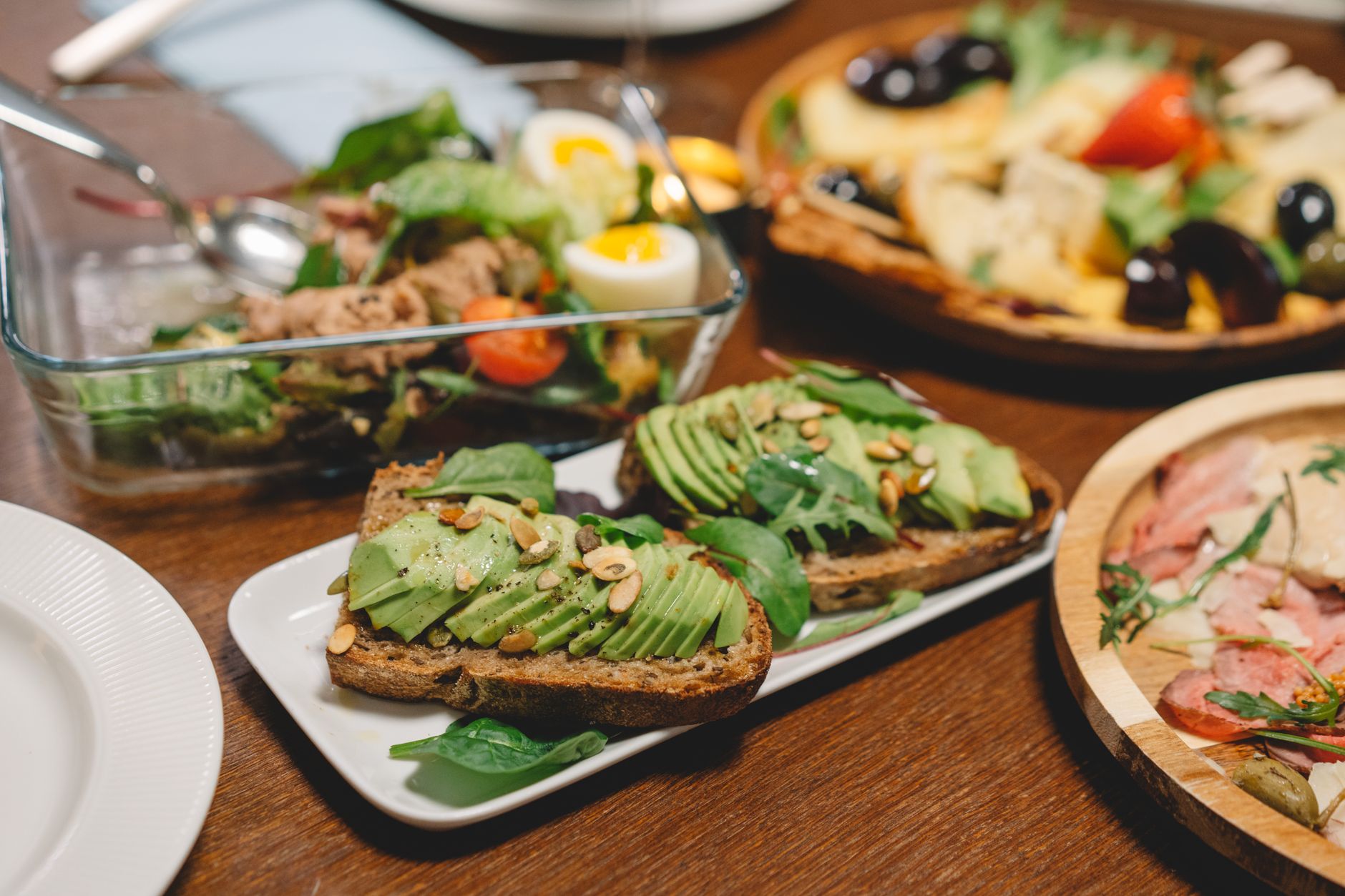
What foods should pregnant women avoid to prevent acne flare-ups according to dermatologists?
You’re at the grocery store, staring at the dairy aisle, wondering: *Should I skip the milk, or is that just an old wives’ tale?* The truth is, some foods are more likely to trigger acne during pregnancy—especially if you’re already prone to breakouts. But here’s the catch: not all acne triggers are created equal, and pregnancy adds a safety filter.
Dermatologists and nutritionists agree on a few key offenders:
Foods to limit or avoid during pregnancy for acne management
**Key takeaway:** The goal isn’t perfection—it’s awareness. If you notice breakouts flare up after eating certain foods, keep a food diary to identify patterns. For example, one reader noticed her acne worsened after drinking skim milk but improved when she switched to almond milk. Another found that cutting out white bread helped her skin clear up within weeks.
That said, some foods—like chocolate or dairy—are hard to avoid entirely, especially when cravings hit. The solution? Balance. If you love chocolate, opt for dark chocolate (70% cocoa or higher) in moderation. If you crave dairy, try fermented options like kefir or Greek yogurt, which may be gentler on digestion.
What to eat instead: pregnancy-safe acne fighters
Instead of focusing on what to cut, think of your plate as a skin-supporting powerhouse. Here are the top foods to prioritize:
- Leafy greens (spinach, kale, Swiss chard): Rich in zinc and antioxidants, which help regulate oil production.
- Fatty fish (salmon, sardines, mackerel): Packed with omega-3s, which reduce inflammation.
- Berries (blueberries, strawberries, raspberries): High in antioxidants that combat free radicals.
- Nuts and seeds (walnuts, chia seeds, flaxseeds): Provide healthy fats and zinc.
- Sweet potatoes: A lower-glycemic alternative to white potatoes; rich in vitamin A.
- Turmeric and ginger: Anti-inflammatory spices that may help calm skin irritation.
For more ideas, check out our simple 2026 diet plan for clear skin—but always confirm with your provider before making major changes.
How long does it take for the acne clear skin diet to show results for skin clearing?
You’ve been diligently swapping your usual breakfast of cereal and milk for oatmeal and berries. You’ve cut back on sugary snacks and started drinking more water. But three weeks in, your acne hasn’t budged. *Is this normal?* Or should you be seeing results by now?
The answer depends on a few factors—including how severe your acne is, how consistent you are with your diet, and whether you’re also managing stress or skincare. Here’s what the timeline typically looks like:
A realistic timeline for skin improvement
Why some women see faster results—and others don’t
Faster improvements often happen when:
- You have mild to moderate acne (rather than cystic or hormonal acne).
- You combine diet with gentle skincare (like salicylic acid or niacinamide).
- You manage stress (since cortisol worsens acne).
- You’re consistent—skipping backslides (like eating pizza on the weekend) slows progress.
Slower results may occur if:
- Your acne is deeply hormonal (e.g., linked to PCOS or thyroid issues).
- You’re in your first trimester, when hormonal fluctuations are at their peak.
- You have underlying conditions like insulin resistance or eczema.
**Pro tip:** If you’re not seeing improvement after 8–12 weeks, it’s worth checking in with a dermatologist. They can rule out other causes (like bacterial infections or medication side effects) and recommend targeted treatments.
Are there any proven supplements that complement the acne clear skin diet for expecting mothers?
You’re scrolling through supplement shelves at the pharmacy, wondering: *Is there a magic pill to clear my acne while pregnant?* The short answer? Not exactly—but some supplements *can* support skin health *safely* during pregnancy. The key is choosing wisely.
Pregnancy is a time when many women turn to supplements to fill nutritional gaps, but not all are safe or effective for acne. Here’s what dermatologists and obstetricians recommend:
Supplements with evidence for acne support (and pregnancy safety)
Supplements to avoid during pregnancy
Some supplements that help acne in non-pregnant individuals can be risky during pregnancy:
- High-dose vitamin A (retinoids): Linked to birth defects; avoid supplements with >10,000 IU.
- Isotretinoin (Accutane): Category X—absolutely contraindicated during pregnancy.
- Green tea extract: High doses may contain caffeine-like compounds that aren’t safe.
- Herbal teas like peppermint or rosemary: May stimulate contractions (avoid in first trimester).
- Probiotics with high doses of Lactobacillus strains: Some strains may be unsafe in large amounts.
**Bottom line:** Always consult your provider before starting any supplement during pregnancy. If you’re curious about niacinamide, for example, ask if it’s safe to take topically (many dermatologists recommend niacinamide serums as a pregnancy-safe acne treatment).
Can the acne clear skin diet help with postpartum acne and skin recovery?
You’ve just held your newborn for the first time, and you’re exhausted—but you’re also staring at your reflection in the mirror, noticing new breakouts on your forehead and chin. *Is this postpartum acne?* And more importantly, *can diet help clear it?*
Postpartum acne is incredibly common—thanks to hormonal shifts, sleep deprivation, and stress. The good news? Diet can play a role in recovery, but the approach might need tweaks compared to pregnancy.
How postpartum acne differs from pregnancy acne
During pregnancy, hormones like progesterone and estrogen stay elevated, which can clog pores. After birth, these hormones crash—sometimes leading to a rebound of acne or even new breakouts. Additionally:
- Sleep deprivation increases cortisol, which worsens acne.
- Nutritional gaps (from breastfeeding) may make skin more sensitive.
- Stress and lack of time for self-care contribute to flare-ups.
Diet adjustments for postpartum skin clearing
The acne clear skin diet principles still apply, but postpartum women often need to focus on:
- Hydration: Dehydration worsens acne, and breastfeeding increases fluid needs.
- Protein-rich foods: Helps repair skin and supports lactation (eggs, lean meats, beans).
- Collagen-boosting nutrients: Vitamin C (citrus fruits), zinc (pumpkin seeds), and bone broth.
- Gentle detox support: Foods like dandelion greens or turmeric may help with postpartum inflammation.
**Pro tip:** If you’re breastfeeding, avoid extreme diets or rapid weight loss, as this can affect milk supply.
How to transition back to a normal diet postpartum
Many women find that once their hormones stabilize (usually 6–12 months postpartum), they can reintroduce some previously avoided foods without breakouts. A gradual approach works best:
- Reintroduce one food at a time (e.g., try a small piece of dark chocolate).
- Monitor your skin for 3–5 days before adding another food.
- If a food triggers breakouts, cut it back or avoid it long-term.
For more guidance on postpartum nutrition, check out our anti-inflammatory diet guide—it’s packed with tips for healing your body after birth.
What are the best anti-inflammatory foods to include in a pregnancy-safe acne diet plan?
You’re standing in the produce section, overwhelmed by the options: *Which berries should I pick? How much salmon can I eat?* The truth is, the best anti-inflammatory foods for acne during pregnancy are the ones that also support fetal development. Here’s your shopping list.
A day-by-day anti-inflammatory acne diet plan
Here’s a simple template to follow (adjust portions based on your calorie needs):
Breakfast
- Oatmeal topped with chia seeds, walnuts, and blueberries
- Scrambled eggs with spinach and avocado
- Greek yogurt with flaxseeds and sliced peaches
Lunch
- Grilled salmon salad with mixed greens, quinoa, and olive oil dressing
- Turkey and hummus wrap in a whole-grain tortilla with cucumber
- Lentil soup with a side of roasted sweet potatoes
Dinner
- Baked cod with roasted Brussels sprouts and wild rice
- Stuffed bell peppers with ground turkey, black beans, and tomatoes
- Chickpea and spinach curry with brown rice
Snacks
- Handful of almonds and an apple
- Sliced cucumber with hummus
- Dark chocolate (70%+) with a few strawberries
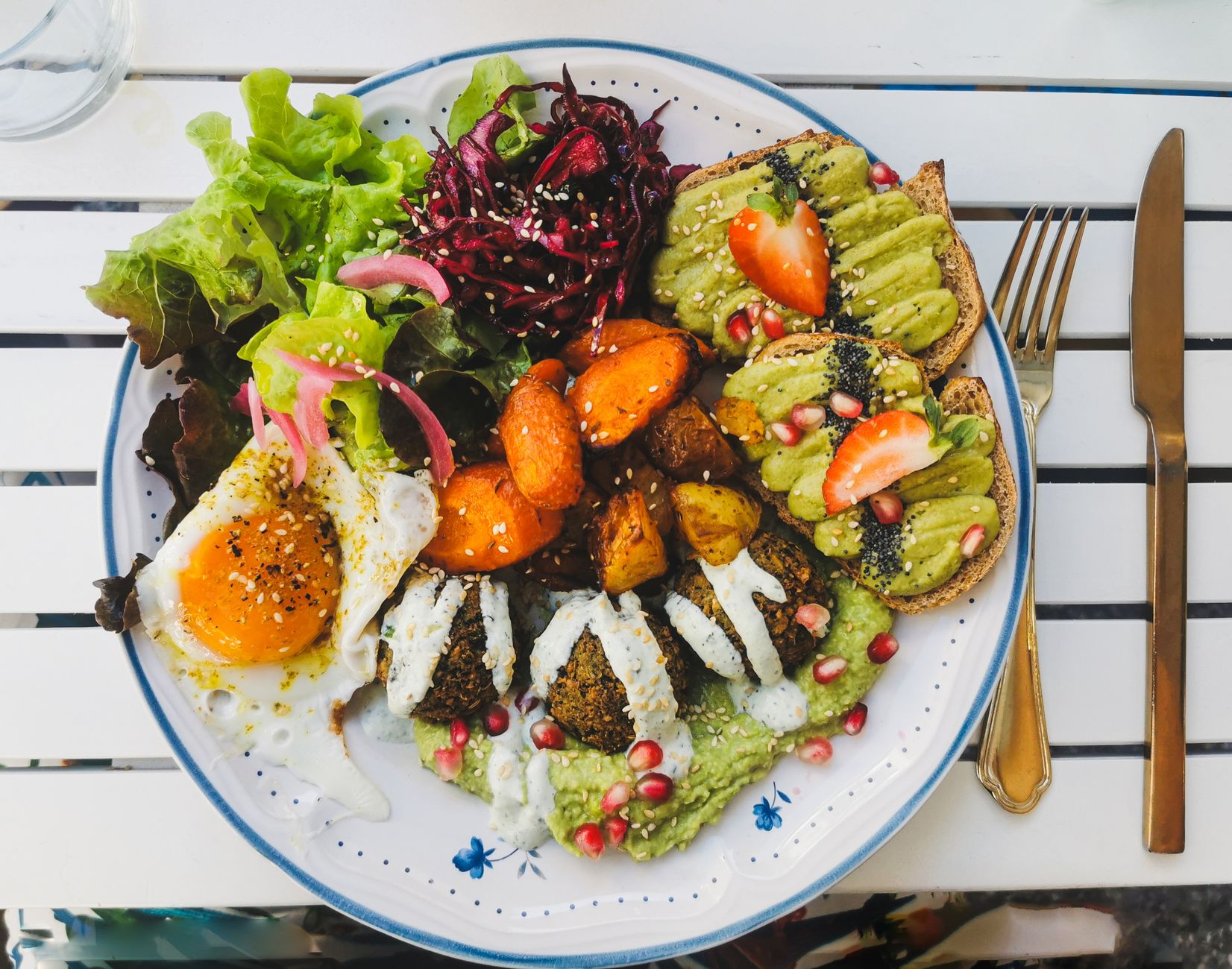
Anti-inflammatory superfoods for acne
How does the acne clear skin diet differ from a standard low-glycemic diet for acne?
You’re at a friend’s house, and she mentions her dermatologist recommended a “low-glycemic diet” for her acne. You’re confused: *Isn’t that the same as the acne clear skin diet?* Not quite. While both diets focus on reducing blood sugar spikes, they have key differences—especially when it comes to pregnancy.
Key differences between the two diets
Which one is better for pregnancy?
The acne clear skin diet is generally the better choice for pregnant women because:
- It’s more tailored to skin health, which is a top concern during pregnancy.
- It emphasizes foods that support fetal development (e.g., omega-3s for baby’s brain).
- It’s more flexible with carbs—allowing sweet potatoes and berries instead of restricting all carbs.
However, if you’re managing gestational diabetes or insulin resistance, your provider might recommend a low-glycemic approach with closer monitoring.
What are the signs of overdoing the acne clear skin diet during pregnancy and how to adjust?
You’ve been religiously avoiding sugar and dairy, and your acne seems to be improving—but then you start feeling sluggish, dizzy, or notice your energy crashing after meals. *Did I go too far?* Over-restricting your diet during pregnancy can backfire, especially when you’re already dealing with fatigue and hormonal shifts.
Here’s how to spot the signs of overdoing it—and how to adjust safely.
Red flags of over-restriction
- Persistent fatigue or dizziness (sign of low blood sugar or nutrient deficiencies)
- Frequent headaches or brain fog
- Constipation or digestive issues (common when cutting fiber-rich foods)
- Increased cravings or emotional eating
- Weight loss without intention (could indicate insufficient calories)
How to adjust your diet without sabotaging your skin
If you’re experiencing these symptoms, try these tweaks:
- Add back balanced carbs: Swap white bread for whole-grain options or include sweet potatoes in moderation.
- Include healthy fats at every meal: Avocado, olive oil, or nuts help stabilize energy.
- Prioritize protein: Aim for 25–30g per meal to support satiety and nutrient needs.
- Listen to your cravings: If you’re craving dairy, try fermented options like kefir or aged cheeses in moderation.
- Reintroduce small amounts of sugar: A square of dark chocolate or a small piece of fruit can help curb cravings.
**Remember:** The goal isn’t perfection—it’s balance. If you slip up one day, don’t stress. Just get back on track the next meal. And if you’re unsure whether your diet is balanced, ask your provider or a registered dietitian for guidance.
Myth vs. Fact: Acne Clear Skin Diet During Pregnancy
Myth: “You can clear acne during pregnancy with just diet—no other treatments are needed.”
Fact: While diet is a powerful tool, it’s not a standalone cure. Hormonal acne during pregnancy often requires a combination of diet, gentle skincare (like salicylic acid or niacinamide), and sometimes prescription treatments (e.g., topical retinoids, which are pregnancy-safe in low doses). Always consult your provider before starting any new treatment.
Myth: “All dairy causes acne, so you should avoid it entirely during pregnancy.”
Fact: Some women see improvements when cutting out dairy, while others tolerate it fine. If you notice breakouts worsen after dairy, try reducing it—but if you enjoy it and it doesn’t trigger flare-ups, there’s no need to eliminate it completely. Fermented dairy (like kefir) may be gentler on digestion.
Myth: “The acne clear skin diet is the same as a keto or carnivore diet.”
Fact: The acne clear skin diet is *not* restrictive like keto or carnivore. It focuses on whole, nutrient-dense foods while allowing a variety of carbs (like sweet potatoes and berries). A carnivore diet, on the other hand, eliminates all plant foods and can be unsafe during pregnancy due to nutrient deficiencies.
Myth: “If your acne gets worse after starting the diet, it means the diet isn’t working.”
Fact: Some women experience a temporary flare-up as their body adjusts to fewer inflammatory foods (this is called a “die-off” reaction). If your acne worsens after 2–3 weeks, it may indicate a food sensitivity or stress-related flare-up. In this case, work with a dietitian or dermatologist to identify triggers.
Key Takeaways
- The acne clear skin diet can help manage hormonal acne during pregnancy by reducing inflammation and stabilizing blood sugar—but it’s not a miracle cure.
- Focus on leafy greens, fatty fish, berries, nuts, and seeds while limiting high-glycemic carbs, dairy, and processed foods.
- Results typically appear in 4–6 weeks, but consistency is key—some women see improvements in 3–6 months.
- Supplements like zinc, omega-3s, and niacinamide can complement the diet, but always check with your provider first.
- Postpartum, the diet can help skin recover, but reintroduce foods gradually to avoid flare-ups.
- Watch for signs of over-restriction (fatigue, dizziness) and adjust by adding balanced carbs and healthy fats.
- If your acne worsens or you experience side effects, consult your provider or a dietitian.
Frequently Asked Questions
Is the acne clear skin diet safe for all trimesters of pregnancy?
Yes, but with caution. In the first trimester, focus on gentle adjustments to avoid nausea triggers (e.g., avoid strong spices or high-fat foods if they upset your stomach). In the second and third trimesters, you can be more proactive with diet, but always prioritize nutrient-dense foods to support fetal development. If you have gestational diabetes or other conditions, work with your provider to tailor the diet.
Can following the acne clear skin diet help with acne caused by pregnancy hormones?
Absolutely. Hormonal acne during pregnancy is often linked to elevated progesterone and cortisol, both of which can be influenced by diet. Foods high in sugar and refined carbs spike insulin, which can worsen oil production and inflammation. By focusing on anti-inflammatory foods like omega-3s, zinc-rich foods, and antioxidants, you may see a reduction in breakouts. However, consistency is key—some women need 3–6 months to see noticeable improvements.
What are the most common side effects of the acne clear skin diet during pregnancy?
The most common side effects are mild and usually occur if the diet is too restrictive. These include:
- Fatigue or dizziness (signs of low blood sugar or nutrient deficiencies)
- Constipation (common when cutting back on fiber-rich foods like beans or whole grains)
- Increased cravings (your body may rebel against sudden restrictions)
- Mood swings (low blood sugar or stress can affect serotonin levels)
If you experience these, focus on adding back balanced carbs (like sweet potatoes or quinoa) and ensuring you’re getting enough protein and healthy fats.
How does the acne clear skin diet compare to other acne diets like the low-glycemic diet?
The acne clear skin diet is more tailored to skin health and pregnancy safety than a standard low-glycemic diet. While both diets aim to reduce blood sugar spikes, the acne clear skin diet:
- Emphasizes anti-inflammatory foods (like fatty fish and berries) that support both skin and fetal development.
- Is less restrictive with carbs, allowing sweet potatoes and berries instead of cutting all carbs.
- Focuses on hormone-balancing nutrients like zinc and omega-3s, which are critical during pregnancy.
If you have gestational diabetes or insulin resistance, your provider might recommend a low-glycemic approach with closer monitoring. Otherwise, the acne clear skin diet is the better choice for most pregnant women.
Are there any specific foods that can worsen acne while following the acne clear skin diet?
Even on the acne clear skin diet, some foods can trigger breakouts if you’re sensitive to them. The most common culprits include:
- High-glycemic carbs (white bread, pastries, sugary cereals)—even in small amounts, these can spike insulin and worsen acne.
- Certain dairy products (especially skim milk)—some women notice breakouts improve when they switch to almond milk or fermented dairy like kefir.
- Processed meats (hot dogs, deli meats)—high in sodium and preservatives, which can trigger inflammation.
- Chocolate (especially milk chocolate)—contains sugar and dairy, which are double trouble for acne.
- High-mercury fish (shark, swordfish)—not directly linked to acne, but unsafe for fetal development.
If you suspect a specific food is triggering your acne, try keeping a food diary for a week to identify patterns.


