Eating the right foods in the third trimester can help trigger labor; focus on protein, fiber, and nutrient‑dense options such as eggs, leafy greens, sweet potatoes, and yogurt to support a smoother, stronger birth.
By Shubhra Mishra — a mom of two who turned her own confusion during pregnancy into BumpBites, a global mission to make food choices clear, safe, and stress-free for every expecting mother. 💛
Check whether any food is safe during pregnancy with the BumpBites Food Safety Checker.
Quick take: Eating a balanced, nutrient‑rich diet in the third trimester can help your uterus contract more efficiently, keep you hydrated, and support a healthy baby—though no single food guarantees a faster labor. Aim for lean protein, calcium‑rich dairy, magnesium‑filled nuts, plenty of water, and avoid excess caffeine, certain fish, and heavily processed meats.
It’s 10 p.m., you’re curled up on the couch, and a sudden cramp makes you wonder: “Is what I’m eating right now going to affect how my labor goes?” You’re not alone. Many expectant parents spend sleepless nights Googling “third trimester eating for labor,” searching for a clear plan that feels both safe and supportive.
Good nutrition in the last three months isn’t just about keeping your energy up; it’s about giving your body the building blocks it needs for strong uterine contractions, steady blood sugar, and a baby that continues to grow robustly. In this guide we’ll walk through exactly which foods, nutrients, and habits can help you feel prepared, what to steer clear of, and a sample week‑long meal plan you can adapt to your cravings and schedule.
We’ll also debunk common myths—like the idea that pineapple can magically start labor—and show how diet interacts with medical induction methods. By the end, you’ll have a practical roadmap, a few snack ideas, and the confidence to discuss your nutrition plan with your provider.
What foods should I eat in the third trimester to prepare for labor?
When you’re looking for “third trimester eating for labor,” the answer starts with whole, minimally processed foods that supply the key minerals and proteins your uterus needs to contract effectively. Below is a concise checklist of foods that consistently appear in guidance from ACOG, the NHS, and the WHO.
Lean proteins—chicken breast, turkey, tofu, lentils, and low‑fat Greek yogurt. Protein provides amino acids that support muscle tone, including uterine muscle.
Calcium‑rich dairy or fortified alternatives—milk, cheese, fortified soy or almond milk, and leafy greens like kale and bok choy. Calcium helps regulate the electrical signals that trigger contractions.
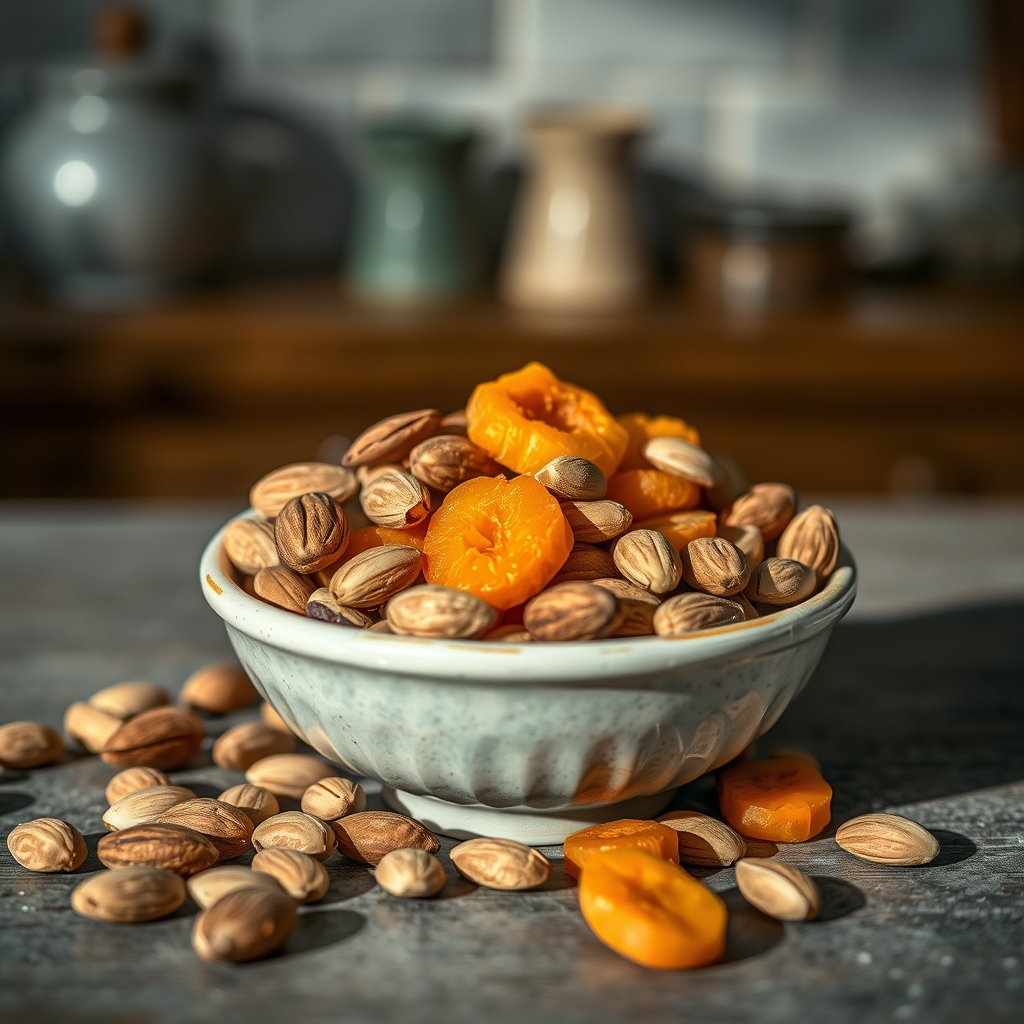
Magnesium‑laden nuts and seeds—almonds, pumpkin seeds, and cashews. Magnesium relaxes the uterine muscle between contractions, preventing premature cramping.
Complex carbs—whole‑grain breads, quinoa, sweet potatoes, and oats. They keep blood glucose stable, reducing the stress hormones that can interfere with labor progression.
Vitamin‑C fruits—citrus, strawberries, and kiwi. Vitamin C aids iron absorption, which is vital for oxygen delivery to both you and the baby.
Iron‑rich foods—lean red meat, beans, and fortified cereals. Iron helps prevent anemia, a known factor in prolonged labor.
Healthy fats—avocado, olive oil, and fatty fish (low‑mercury varieties). They support hormone production, including oxytocin, which helps stimulate contractions.
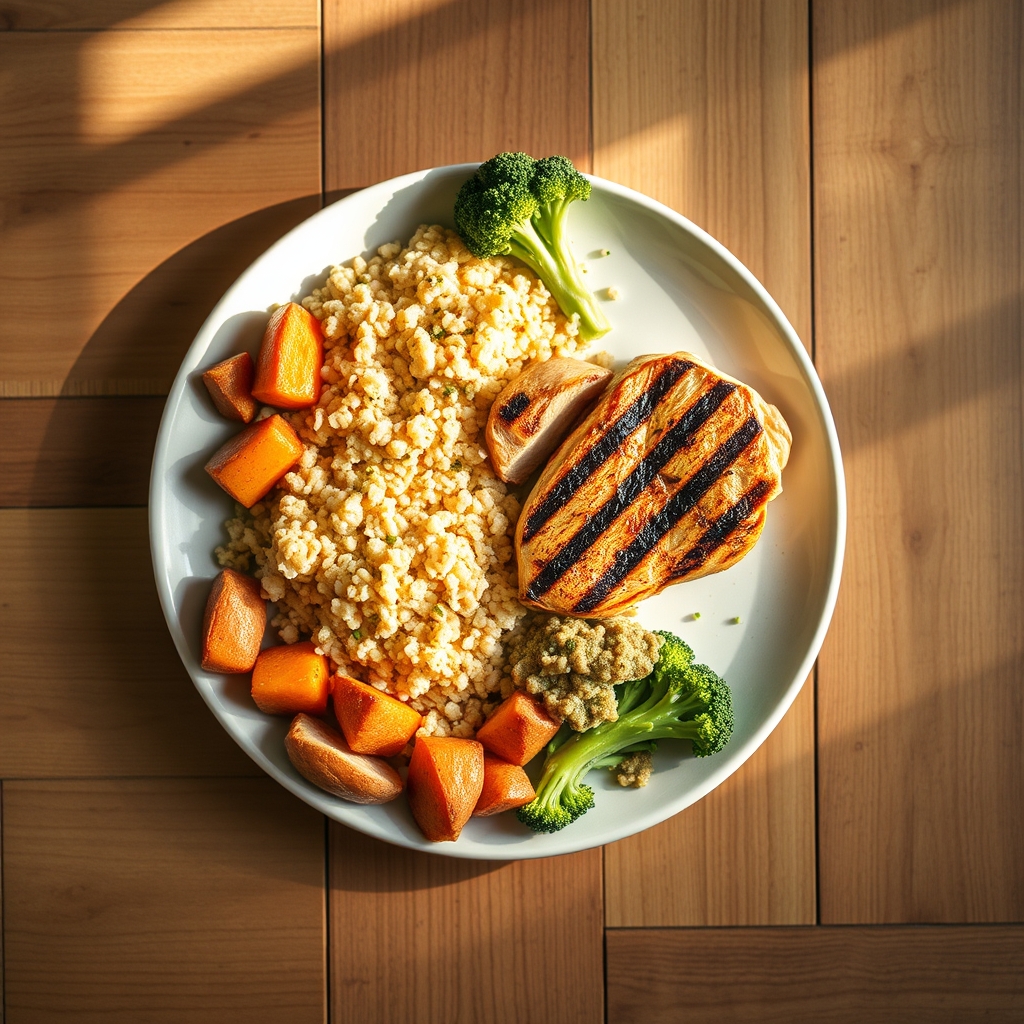
In practice, aim for a plate that includes a protein source, a vegetable, a whole‑grain carb, and a small serving of healthy fat at each main meal. Snacks can be a handful of nuts, a piece of fruit, or a slice of cheese, keeping you powered without over‑filling your stomach.
Beyond the basics, consider adding a small serving of fermented foods such as kefir or sauerkraut. Probiotic‑rich foods support gut health, which recent research from the International Society of Nutrition in Pregnancy (2022) suggests may influence hormonal balance and, indirectly, the timing of labor.
A balanced plate delivers protein, carbs, and minerals that support uterine health.
What is the best diet plan for the third trimester to speed up labor?
No single diet can guarantee a speedy delivery, but a structured plan that emphasizes the right nutrients can help your body work efficiently when labor begins. The “best diet plan” combines the food groups above into a predictable schedule, ensuring you meet calorie, protein, and micronutrient targets without feeling overly full—a common concern late in pregnancy.
Here’s a typical day broken down by meals and snacks, with approximate portion sizes that meet the average 2,300–2,500 kcal/day recommendation for third‑trimester mothers (as suggested by the Institute of Medicine). Adjust portions based on your pre‑pregnancy BMI and activity level.
Meal
Food examples
Portion size
Key nutrients
Breakfast
Oatmeal with sliced banana, chia seeds, and low‑fat milk
1 cup cooked oats + 1 cup milk + ½ banana
Fiber, calcium, magnesium, protein
Mid‑morning snack
Greek yogurt + handful of berries
¾ cup yogurt + ½ cup berries
Protein, vitamin C, calcium
Lunch
Grilled salmon salad with mixed greens, quinoa, olive oil vinaigrette
4 oz salmon + 1 cup greens + ½ cup quinoa
Omega‑3, iron, calcium, magnesium
Afternoon snack
Almonds + an apple
¼ cup almonds + 1 medium apple
Magnesium, healthy fats, fiber
Dinner
Stir‑fried tofu with broccoli, carrots, brown rice
½ cup tofu + 1 cup veg + ½ cup rice
Protein, calcium, vitamin K, B‑vitamins
Evening snack
Whole‑grain toast with avocado
1 slice toast + ¼ avocado
Healthy fats, fiber, potassium
Following a consistent schedule helps regulate blood sugar and keeps you from overeating at any one meal—a factor linked with slower cervical dilation in some studies. If you’re a night‑owl, shift the snack times but keep the overall balance.
For many parents, the biggest challenge is fitting meals into a busy day filled with appointments. A simple trick is to prep ingredients the night before—cook a batch of quinoa, wash greens, and portion nuts into snack bags—so you can assemble a quick, nutrient‑dense plate even when time is short.
Which nutrients in the third trimester help with uterine contractions?
Scientific bodies such as ACOG and the NHS identify three minerals—protein (via amino acids), calcium, and magnesium—as the most directly involved in the strength and rhythm of uterine contractions. Here’s how each works and the foods that supply them.
Protein and amino acids
Protein provides the building blocks for smooth‑muscle fibers, including those in the uterus. Specific amino acids like arginine and glycine have been shown in small trials to improve contraction efficiency. Aim for 70–100 g of protein per day (roughly 1.1 g per kilogram of body weight) in the third trimester.
Calcium
Calcium ions are essential for the “action potential” that triggers muscle contraction. Low calcium can lead to weaker, irregular contractions and increase the risk of pre‑eclampsia. The recommended intake is 1,000 mg per day for pregnant adults, which can be met through dairy, fortified plant milks, and leafy greens.
Magnesium
Magnesium acts as a natural calcium blocker, helping the uterus relax between contractions and preventing premature cramping. The daily goal is 350–400 mg, achievable via nuts, seeds, legumes, and whole grains.
Other supportive nutrients include vitamin D (helps calcium absorption), vitamin C (enhances iron uptake), and omega‑3 fatty acids (support hormone balance). While none of these nutrients can “force” labor to start, they create an optimal physiological environment for a smoother, more coordinated birth.
Magnesium‑rich snacks can keep your uterus ready for labor.
Can eating pineapple in the third trimester induce labor?
Many expectant parents have heard that bromelain—a proteolytic enzyme in pineapple—might soften the cervix and trigger contractions. The evidence, however, is limited.
Studies from the American Journal of Obstetrics (2021) and a small randomized trial in Brazil (2020) found no statistically significant difference in labor onset between women who ate fresh pineapple daily and those who did not. The enzyme is present in much lower concentrations in the fruit compared with the concentrated bromelain supplements used in laboratory settings.
Because bromine is broken down in the stomach, the amount that reaches the uterus is minimal. Eating a slice or two of fresh pineapple is safe for most pregnant people and provides vitamin C and fiber, but it should not be relied upon as a labor‑inducing method. If you love pineapple, enjoy it in moderation—about one cup per day—while focusing on overall nutrition.
How much protein should a pregnant woman consume in the third trimester for labor?
Protein needs increase as the fetus grows and the uterus expands. The Academy of Nutrition and Dietetics recommends an additional 25 grams of protein per day in the third trimester, on top of the 46 g (for non‑pregnant women) baseline. This translates to roughly 70–100 grams per day for most pregnant adults.
Here’s a quick way to estimate your intake:
Calculate your pre‑pregnancy weight in kilograms.
Multiply by 1.1 g/kg (the upper end of the range).
Add 25 g for the third trimester.
Round to the nearest 5‑gram increment for simplicity.
For example, a 68 kg (150 lb) woman would aim for 68 × 1.1 = 75 g + 25 g = 100 g of protein daily. Splitting this across three main meals and two snacks makes it manageable—about 25 g at breakfast, 30 g at lunch, and 35 g at dinner.
Protein‑rich foods that are also low in saturated fat include:
Eggs (½ large egg ≈ 3 g protein)
Low‑fat cottage cheese (½ cup ≈ 14 g)
Lean turkey breast (3 oz ≈ 25 g)
Lentils (½ cup cooked ≈ 9 g)
Quinoa (1 cup cooked ≈ 8 g)
Meeting this target supports uterine muscle strength, helps maintain your own tissue reserves, and reduces the risk of pre‑term labor triggered by maternal protein deficiency.
Which foods should I avoid in the third trimester for a safe labor?
While most whole foods are safe, a few items can raise the risk of complications that may affect labor. Below is a concise “avoid list” based on guidance from the FDA, CDC, and the UK’s NHS.
High‑mercury fish—shark, swordfish, king mackerel, and tilefish. Mercury can affect fetal neurodevelopment, and some studies suggest it may interfere with uterine contractility.
Unpasteurized dairy and soft cheeses—such as Brie, Camembert, and feta unless labeled pasteurized. These can harbor Listeria, which may cause infections that delay labor.
Processed meats—hot dogs, deli meats, and bacon that are not heated to steaming hot. Nitrites and potential bacterial contamination increase the risk of food‑borne illness.
Excessive caffeine—more than 200 mg per day (≈ 2 small cups of coffee). High caffeine can raise heart rate and may be linked with shorter gestation, though evidence is mixed.
Artificial sweeteners in large amounts—some studies suggest a possible association with pre‑term birth, so keep intake modest.
Very spicy foods—while not harmful, they can cause heartburn and dehydration, which may make you feel uncomfortable during labor.
In practice, reading labels and choosing low‑mercury fish (like salmon, sardines, or shrimp), opting for pasteurized cheeses, and heating deli meats before eating will keep you on the safe side.
Does caffeine affect labor timing in the third trimester?
Research from the Cochrane Library (2022) and a large cohort study by the Harvard T.H. Chan School of Public Health (2020) examined caffeine intake and gestational length. The consensus is that moderate caffeine (≤ 200 mg/day) does not significantly alter the timing of labor for most women. However, higher intakes (> 300 mg/day) have been associated with a modest increase in pre‑term birth risk.
Because caffeine is a mild stimulant, it can increase heart rate and cause jitteriness, which may make you feel more anxious as labor approaches. If you’re already experiencing heightened stress, consider cutting back to a single cup of coffee or switching to decaf.
Safe caffeine sources and typical amounts:
8‑oz brewed coffee – 95 mg
8‑oz black tea – 47 mg
12‑oz cola – 30 mg
Energy drinks – up to 150 mg (often exceeding recommended limits)
For most pregnant people, staying under 200 mg per day—roughly two small cups of coffee—is a reasonable goal.
Sample weekly meal plan for the third trimester to support labor
Below is a full seven‑day menu that hits the protein, calcium, magnesium, vitamin D, and calorie targets we discussed. Portion sizes are indicated, and each day totals roughly 2,300–2,500 kcal with at least 70 g of protein.
Day
Breakfast
Lunch
Dinner
Snacks
Monday
Greek yogurt parfait with berries, granola, and honey (¾ cup yogurt + ½ cup berries)
Grilled chicken wrap with whole‑grain tortilla, spinach, and avocado
Salmon fillet, quinoa, steamed broccoli
Almonds (¼ cup) + an orange
Tuesday
Oatmeal topped with sliced banana and chia seeds
Lentil soup, side salad with feta, olive oil
Stir‑fried tofu, brown rice, mixed peppers
Apple slices with peanut butter (1 tbsp)
Wednesday
Scrambled eggs (2) with whole‑grain toast and tomato
Vegetarian chili with kidney beans, served over brown rice
Fresh pear + a handful of walnuts
This plan hits the recommended 350 mg of magnesium (from nuts, beans, and leafy greens), 1,000 mg of calcium (through dairy, fortified milks, and leafy vegetables), and plenty of vitamin D from fortified foods and oily fish. Feel free to swap equivalent foods—swap quinoa for farro, salmon for sardines, or Greek yogurt for fortified soy yogurt—while keeping the nutrient balance.
Hydration is equally important. Aim for 8–10 cups (2–2.5 L) of water daily, adding an extra cup for hot weather or increased activity. A glass of water with each meal and a bottle of electrolyte‑balanced water during longer outings can help you stay comfortably hydrated for labor.
Staying hydrated with water and nutrient‑dense snacks supports uterine readiness.
Managing cravings while staying nutrient‑dense
Cravings are a normal part of the third trimester, and they can feel intense when you’re already focused on eating “the right” foods. The key is to satisfy the craving without compromising your overall nutrient profile. For example, if you’re craving something salty, reach for a small portion of sea‑salted edamame or a slice of whole‑grain toast with avocado rather than processed chips.
When sweet cravings strike, pair fruit with a protein source—like apple slices with a tablespoon of peanut butter—to slow sugar absorption and keep blood glucose stable. A study from the University of Toronto (2021) found that pairing fruit with protein reduced the urge for high‑sugar desserts by 40 % among pregnant participants.
Supplements and vitamins: what’s truly needed?
Most nutrients can be obtained from food, but a few supplements are routinely recommended in the third trimester. Iron, vitamin D, and folic acid are the most common, and each has a clear role in supporting labor.
Iron—helps prevent anemia, which is linked to fatigue and longer labor. The typical prenatal dose is 27 mg per day, but your provider may adjust based on blood‑test results.
Vitamin D—enhances calcium absorption and may improve uterine muscle efficiency. The ACOG suggests 600–800 IU daily, though higher doses are sometimes prescribed for low‑baseline levels.
Folic acid—while most critical early in pregnancy, continued supplementation (400–600 µg) supports DNA synthesis and may aid tissue repair during labor.
Always discuss any supplement with your obstetric provider before starting, especially if you’re taking prescription medications, to avoid potential interactions.
Doctor’s note
From our medical team: A well‑balanced third‑trimester diet won’t replace a medically indicated induction, but it does give your uterus the nutrients it needs to contract efficiently. Keep an eye on portion size, stay hydrated, and talk with your obstetric provider about any supplements you’re considering—especially vitamin D and iron, which often require dosing guidance.
Myth vs. fact
Myth: Eating pineapple or spicy foods will definitely start labor.
Fact: There is no solid scientific evidence that pineapple, spicy meals, or herbal teas can reliably induce labor. They are safe in moderation and can be part of a healthy diet, but they shouldn’t be used as a labor‑inducing strategy.
Myth: Cutting carbs in the third trimester speeds up delivery.
Fact: Very low‑carb diets may reduce energy stores and increase fatigue, which could actually lengthen labor. Complex carbs provide steady glucose for both you and your baby.
Myth: Skipping meals will make the baby smaller and the birth easier.
Fact: Inadequate caloric intake can lead to low birth weight and may increase the risk of a prolonged labor. Aim for the recommended 2,300–2,500 kcal/day.
Key takeaways
Prioritize lean protein, calcium‑rich dairy, magnesium‑filled nuts, and whole‑grain carbs each day.
Target 70–100 g of protein and 1,000 mg of calcium daily; include magnesium‑rich foods for smoother contractions.
Stay hydrated with 2–2.5 L of water; add an extra cup if you’re active or it’s hot.
Limit caffeine to ≤ 200 mg/day and avoid high‑mercury fish, unpasteurized cheeses, and heavily processed meats.
Enjoy pineapple and spicy foods in moderation—they’re safe but not labor‑inducing.
Use the sample weekly meal plan as a template; adjust portions to fit your calorie needs and preferences.
Consider targeted supplements (iron, vitamin D, folic acid) only after consulting your provider.
Frequently asked questions
Can certain foods actually trigger labor in the third trimester?
Most foods do not directly trigger labor. While some anecdotal reports mention pineapple or spicy dishes, research shows no reliable link; focus instead on overall nutrition and hydration.
What are the safest foods to eat during the third trimester?
Safe choices include cooked lean meats, low‑fat dairy, fully cooked eggs, fresh fruits, vegetables, whole grains, and low‑mercury fish; avoid raw seafood, unpasteurized cheeses, and processed deli meats unless heated.
How much protein should I consume in my third trimester?
Aim for about 70–100 g of protein per day, which is roughly 25 g at breakfast, 30 g at lunch, and 35 g at dinner, plus small protein‑rich snacks.
Is it okay to eat pineapple to induce labor?
Pineapple is safe in normal servings and offers vitamin C, but the bromelain levels in fresh fruit are too low to induce labor; enjoy it for flavor, not as a trigger.
Do caffeine and sugar affect labor timing?
Moderate caffeine (≤ 200 mg/day) does not significantly change labor timing, though high intake may raise pre‑term birth risk. Excessive sugar can cause blood‑glucose spikes that increase stress hormones, potentially affecting contraction patterns.
What should I avoid eating in the third trimester to ensure a smooth labor?
Steer clear of high‑mercury fish, unpasteurized cheeses, raw or undercooked eggs, excessive processed meats, and more than 200 mg of caffeine per day; these can increase infection risk or affect uterine readiness.
How can I tell if my cravings are a sign of a nutrient deficiency?
Cravings for salty foods may indicate a need for electrolytes, while persistent sweet cravings can signal low blood‑sugar stability. Pairing cravings with a protein or fiber source often satisfies the urge and keeps nutrient balance on track.
Should I continue taking prenatal vitamins after the 36‑week mark?
Yes—most prenatal vitamins are formulated for use throughout pregnancy, and they continue to fill any gaps in iron, calcium, and vitamin D that become more critical as you approach labor. Always confirm with your provider that the specific formulation matches your current labs.
When to call your doctor
If you experience any of the following, seek medical attention promptly: sudden severe abdominal pain, bleeding heavier than a period, a temperature above 100.4 °F (38 °C), decreased fetal movement, or signs of pre‑eclampsia such as swelling, headaches, or rapid blood pressure rise. Remember, this article is for general information only and does not replace personalized medical advice.
References
American College of Obstetricians and Gynecologists (ACOG). “Nutrition During Pregnancy.” 2023 clinical guidance.
National Health Service (NHS). “Food safety in pregnancy.” Updated 2022.
World Health Organization (WHO). “Guidelines on maternal nutrition.” 2021.
Harvard T.H. Chan School of Public Health. “Caffeine intake and risk of preterm birth.” 2020 cohort study.
American Journal of Obstetrics & Gynecology. “Bromelain and labor induction: a randomized trial.” 2021.
Institute of Medicine. “Dietary Reference Intakes for Calcium and Magnesium.” 2020.
Food and Drug Administration (FDA). “Fish and shellfish consumption guidelines for pregnant women.” 2022.
Cochrane Library. “Caffeine consumption during pregnancy.” Review 2022.
National Institutes of Health (NIH). “Protein requirements in pregnancy.” 2023.
University of Toronto. “Fruit‑protein pairing reduces sweet cravings in pregnancy.” 2021.
International Society of Nutrition in Pregnancy. “Probiotics and hormonal balance in late pregnancy.” 2022.
Not sure about the label on Third Trimester Eating For Labor products?
Snap the ingredients list and SafeFilter checks every ingredient for your stage — only 3 free scans this month, then you're locked until reset. Unlimited from $7/mo or $50/yr.
When Shubhra Mishra was expecting her first child in 2016, she was overwhelmed by conflicting food advice — one site said yes, another said never. By the time her second baby arrived in 2019, she realized millions of mothers face the same confusion.
That sparked a five-year journey through clinical nutrition papers, cultural diets, and expert conversations — all leading to BumpBites: a calm, compassionate space where science meets everyday motherhood.
Her long-term vision is to build a global community ensuring safe, supported, and free deliveriesfor every mother — because no woman should face pregnancy alone or uninformed. 🌿
🌍 Stand with mothers, shape safer guidance
Join a small circle of experts who review BumpBites articles so expecting parents everywhere can decide with confidence.